#Kamp Ipular
28 posts tagged #Kamp Ipular.
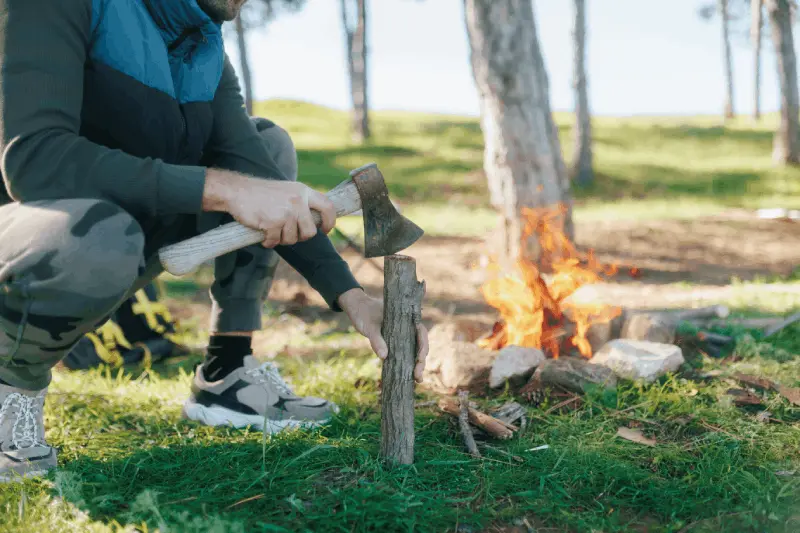
Which is Safer/More Practical for Preparing Firewood and Starting a Campfire: An Axe or a Portable Saw?
Should you use an axe or a saw for cutting wood while camping? We compared these two tools in terms of safety and practicality. By examining the splitting power of the axe and the precision cutting advantages of the saw, learn how to prepare your campfire in the most efficient and safe way. With the right equipment choice, conserve your energy and minimize the risk of injury. Here are tips to enhance your camping experience!
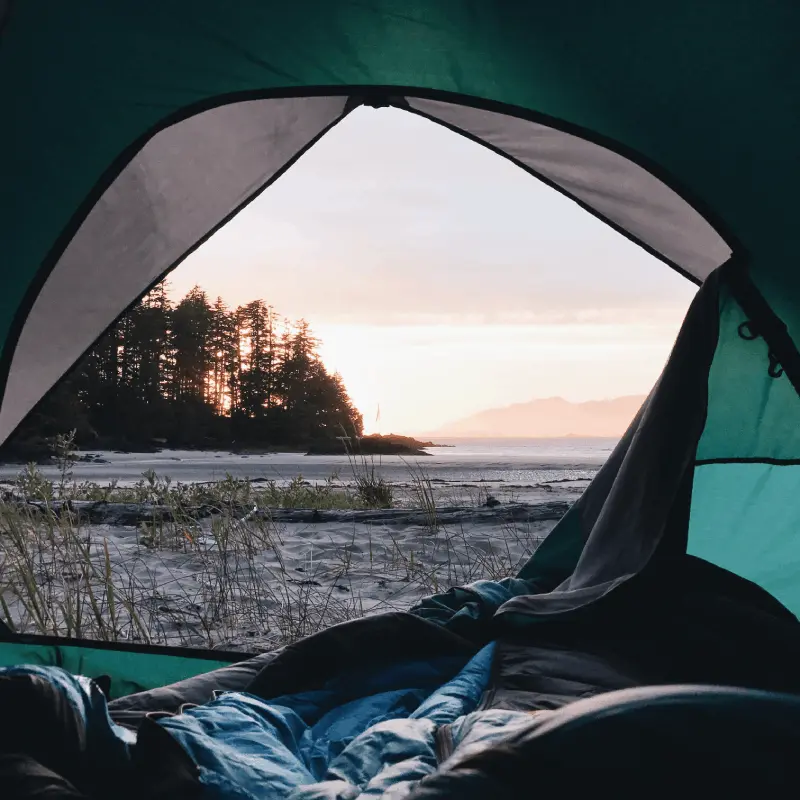
Is Using a Tent Footprint a Must, or Is It Just an Ordinary Tarp?
Protecting the ground is critical to extending the life of your tent and enhancing your comfort. Professional tent footprints offer lightness and perfect fit, while an economical tarp can also provide waterproofing and protection. In this guide, we detail the differences and usage advantages between tent footprints and tarps to help you make the best choice for your camping style. Discover ways to protect your tent floor from abrasions and moisture with ground insulation.
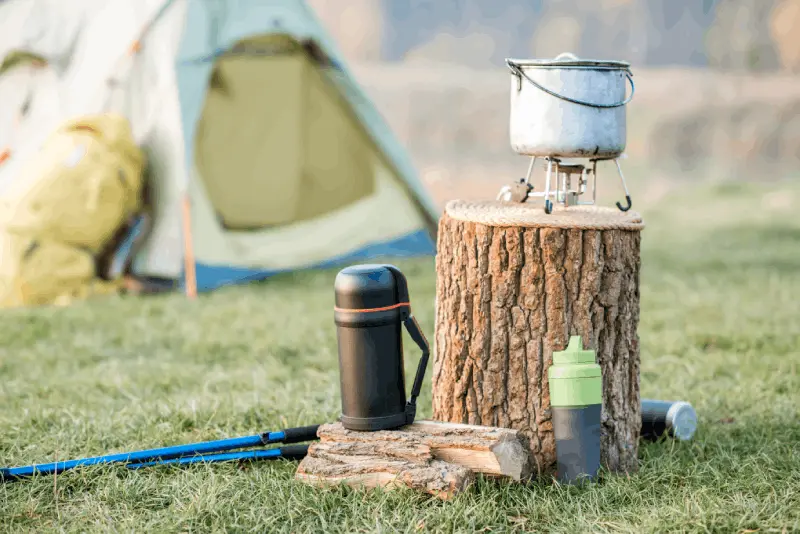
What Should Be Prioritized When Collecting Affordable Camping Gear?
Focus on durability and functionality when selecting equipment for a budget-friendly camping experience. Prioritize choosing a quality sleeping bag and mat for safe sleep. For shelter needs, opt for waterproof, non-flimsy but sturdy tents. By avoiding unnecessary accessories while ensuring basic kitchen supplies and lighting, you can save money and enjoy nature comfortably.
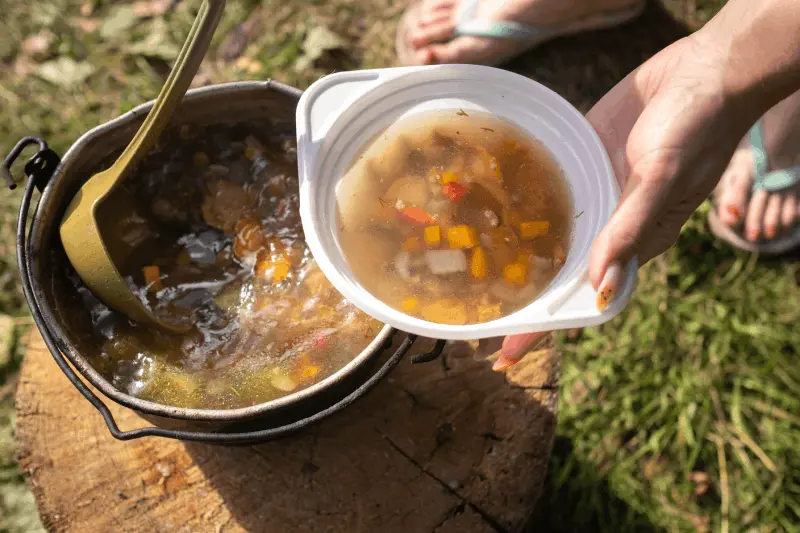
How Do Vacuum-Sealed Foods Make Camping Easier?
Vacuum-sealed foods save space in camping life and keep food fresh for a long time. By eliminating the risk of leaks, they keep your bag clean, speed up the preparation process, and reduce waste. With the vacuum sealing technique that offers a practical and hygienic nutrition solution, you can experience a professional kitchen experience in nature, lightening your camping load and fully enjoying your adventure.
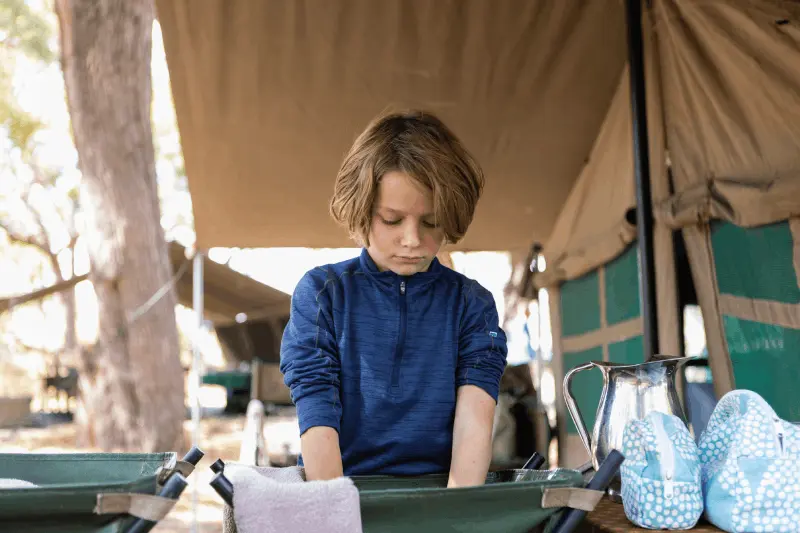
Practical Ways to Maintain Hygiene in Camping Kitchens
Protect your health while cooking outdoors! Elevate your cleaning standards with practical ways to maintain hygiene in camping kitchens. Discover the most effective tips from hand hygiene to equipment cleaning, safe food storage methods to waste management. Learn the key points for preparing healthy and safe meals without compromising your camping enjoyment with proper sterilization techniques and portable cleaning solutions. Click here to learn more.
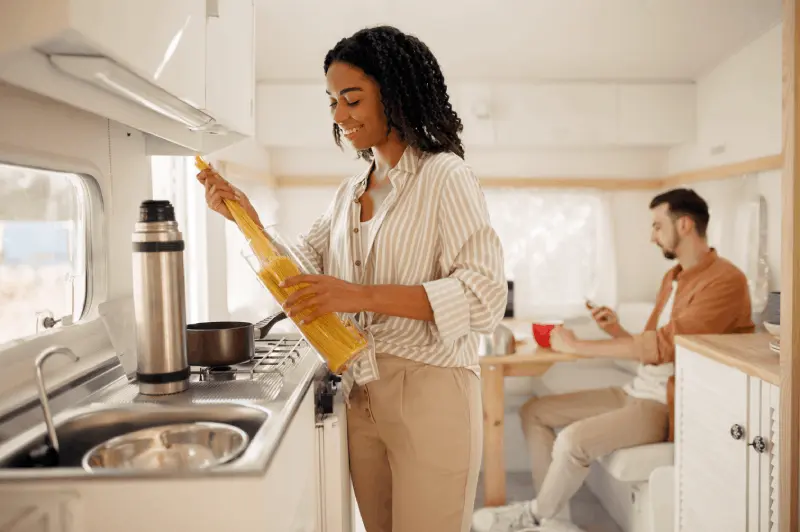
10 Tips for Saving Space in Your Caravan Kitchen
Discover the best strategies for organizing your caravan kitchen and using space efficiently. Turn cooking into a pleasure with 10 creative space-saving tips, from collapsible kitchen tools to vertical storage solutions. Enhance functionality in small square footage and enjoy a comfortable travel experience. Space-friendly solutions and smart organizing ideas that make caravan living easier are waiting for you here.
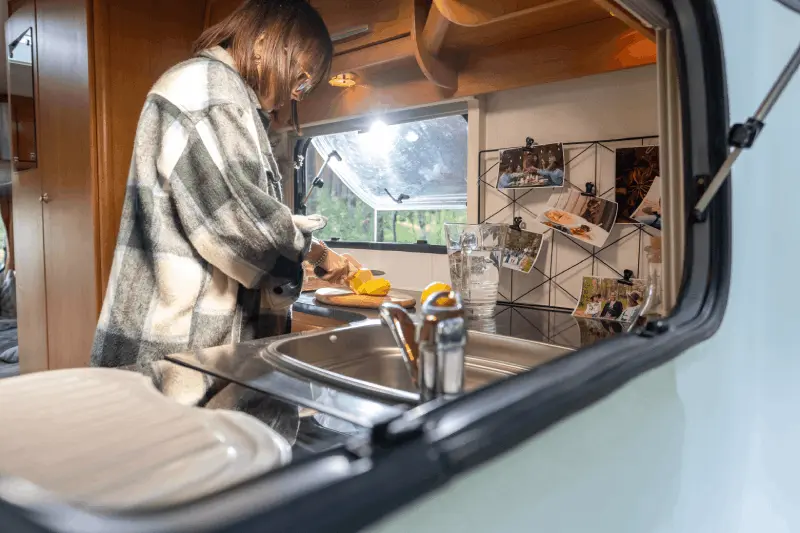
What are the ways to ensure water conservation in caravans?
Using the water tank efficiently during caravan holidays is the key to extending your freedom. Applying techniques that use less water in the kitchen, opting for water-saving showerheads, and reusing gray water will help you preserve your limited resource. Make your caravan life more sustainable with practical tips and equipment suggestions that reduce your water footprint while being in harmony with nature. Use your tank wisely to extend your camping duration and protect nature.
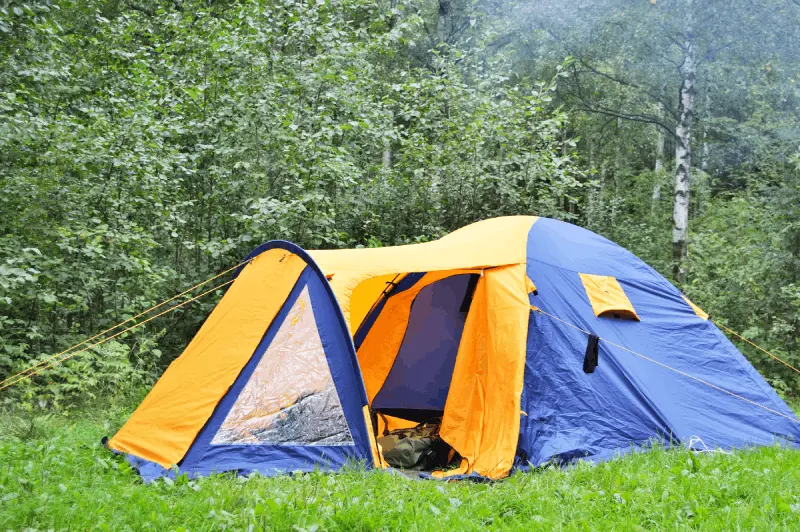
How to Prevent Water Accumulation in a Tent in Rainy Weather?
The first step to prevent water accumulation in a tent during rainy weather is to use a footprint that protects the ground from puddles. Waterproof sprays and water-repellent coatings applied to the seams of the tent are the most practical solutions to prevent rainwater from seeping in. Additionally, you can ensure water drainage by setting up the tent in a raised area and properly adjusting the tension lines to prevent the outer tarp from touching the inner part and maintaining insulation.
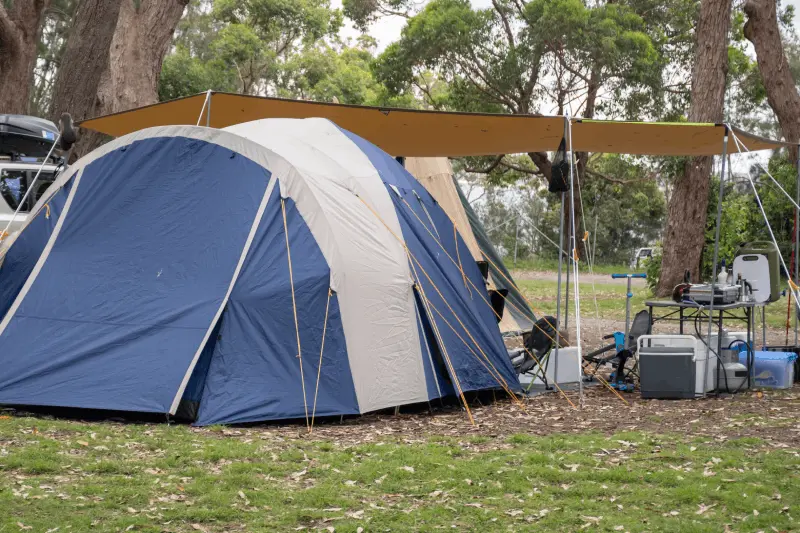
How to Clean Your Tent to Extend Its Lifespan?
Proper cleaning and maintenance methods to extend your tent's lifespan are key to preserving your gear's waterproofing and fabric quality. You can clean your tent after camping with a soft sponge and special soaps instead of harsh chemicals to remove stains. Avoid folding it before it is completely dry to prevent mold growth and extend the tent's lifespan for years. Discover the critical steps you need to pay attention to in tent cleaning, from zipper maintenance to fabric protection, and prepare your gear perfectly for the next adventure.
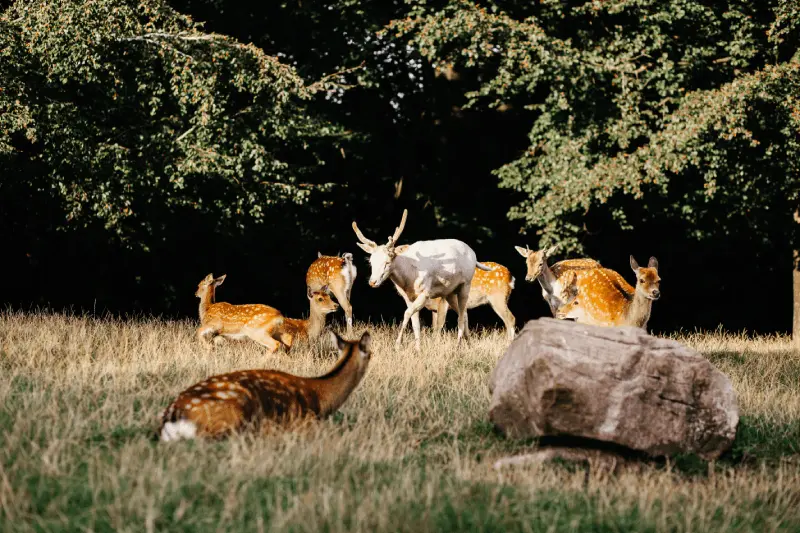
What Should Be Done to Keep Wild Animals Away from the Campsite?
The fundamental rule for keeping wild animals away for a safe experience at the campsite is to manage odors properly. It is critical not to leave food scraps out in the open, to store food in airtight containers, and to place trash away from the sleeping area. By respecting natural habitats and keeping your pets under control, you can prevent unwanted encounters. Discover the golden rules you should follow to camp safely in the wild and maintain distance from wildlife.
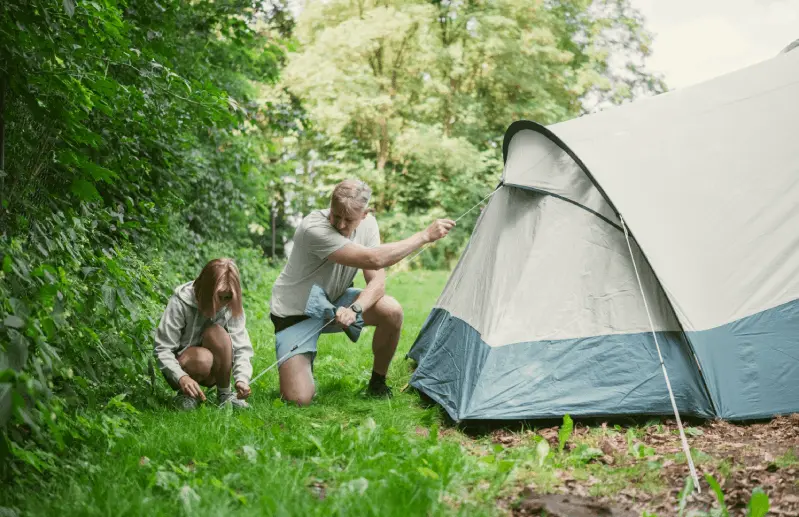
What Should You Pay Attention to When Choosing the Ground for Your Tent?
Choosing the right ground is critical for a comfortable and safe camping experience. Before setting up your tent, ensure the ground is flat, free of stones, and elevated to protect against flooding. Calculate the wind direction and adjust the entrance accordingly, and prefer previously used areas to avoid damaging vegetation. With the right ground choice, you can enhance your sleep quality and protect your equipment. Be sure to follow these golden rules when determining your campsite.
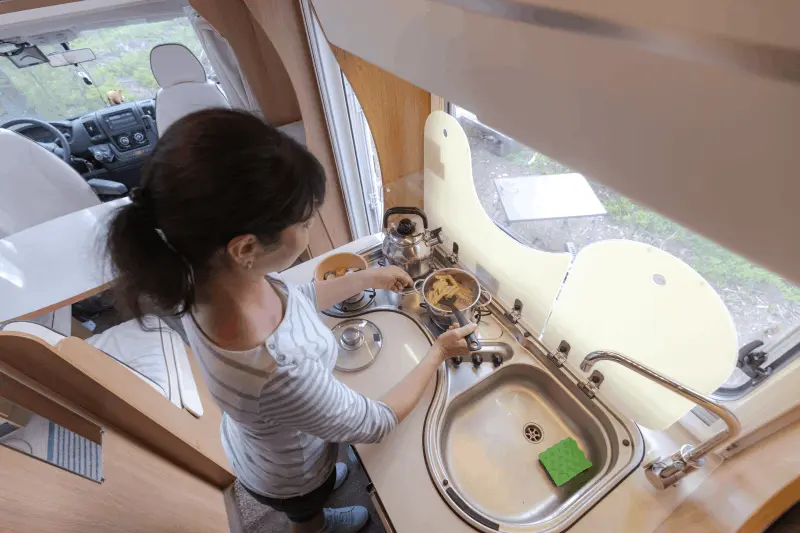
How to Wash Dishes in a Caravan Using Less Water?
Discover the most practical ways to wash dishes in a caravan while saving water! Learn effective techniques such as cleaning off heavy grime with minimal water, spray methods, and using a double sink. By efficiently managing limited water resources in caravan living, you can enjoy nature for a longer time. Tips to speed up your dishwashing routine and minimize water usage await you in this guide.
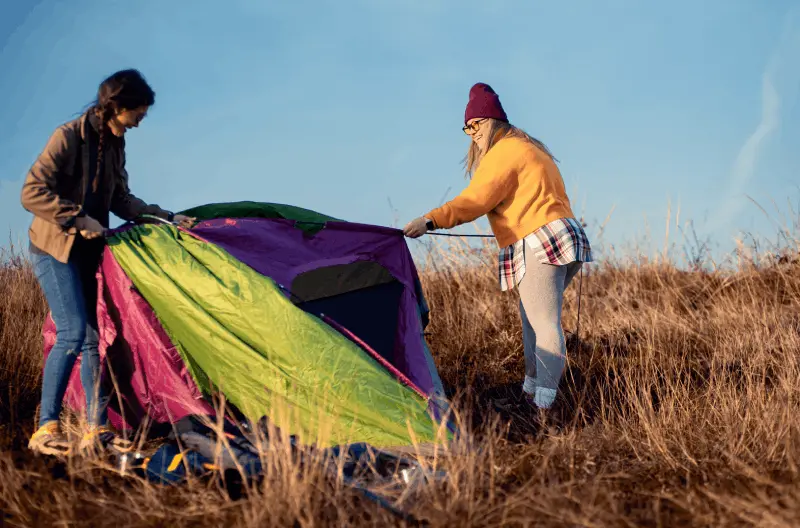
How to Prevent Your Tent from Blowing Away in Windy Weather?
Properly securing your tent is crucial for a safe camping experience in windy weather. Critical methods such as positioning according to wind direction, tensioning storm lines (guyline) at the correct angle, and selecting appropriate stakes for the ground are essential to protect your tent. Discover practical solutions to prevent your tent from blowing away by utilizing natural windbreaks and using weight supports. All the tips for staying upright without compromising your camping comfort in harsh weather conditions are found in this guide.
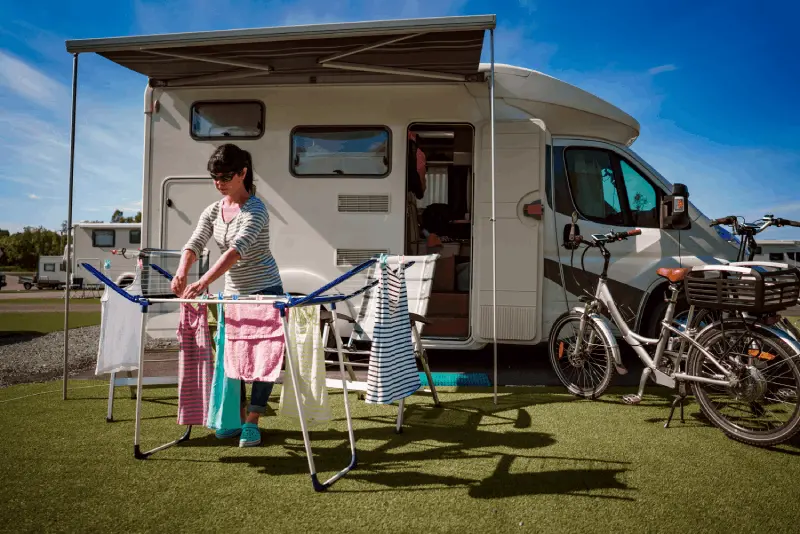
Are there practical solutions for washing clothes in a caravan?
Washing clothes in a caravan for a comfortable life is no longer a problem! Discover the most effective solutions from portable mini washing machines to foldable buckets, ecological washing bags to practical drying racks. Make your caravan travels easier by learning ways to stay clean in nature with methods that use little water and energy. Laundry tips and equipment suggestions that revolutionize small spaces are waiting for you in our guide.
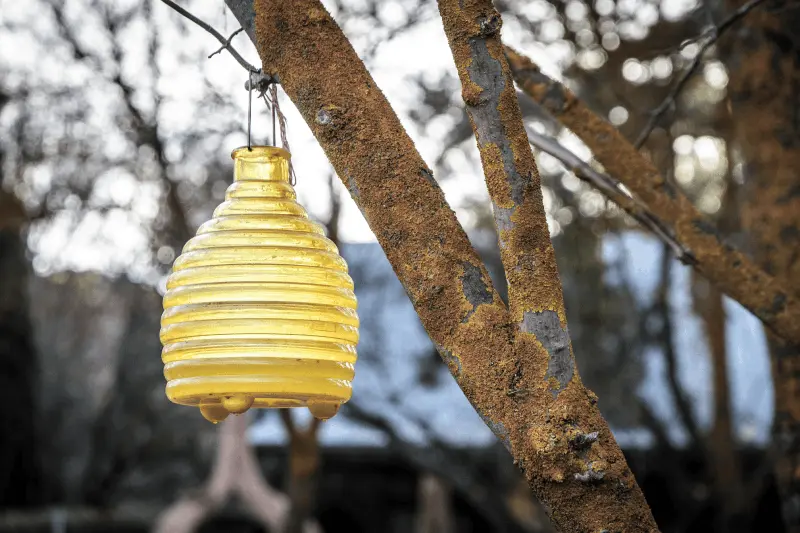
Are There Natural Ways to Protect Yourself from Flies and Mosquitoes in Your Caravan?
Discover the natural ways to protect yourself from flies and mosquitoes in your caravan! Don't let chemical methods ruin your holiday. Keep your caravan free from intruders with the power of plants like lavender, mint, and basil. Enjoy a comfortable camping experience with practical recipes you can prepare using vinegar and essential oils against ants and mosquitoes. Check out our tips right away to make your caravan life more peaceful and hygienic with nature-friendly, effective solutions.
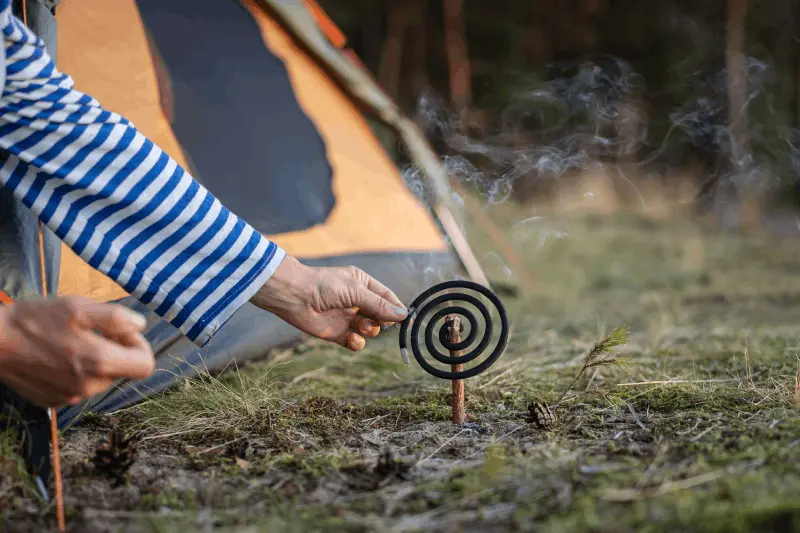
What Are Natural Methods to Keep Flies and Insects Away from the Campsite?
To keep flies and insects away from the campsite, you can enjoy a peaceful holiday with natural methods that do not contain chemicals. Essential oils like lavender, eucalyptus, and lemongrass are natural repellents for flies. Additionally, smoke from fresh sage or rosemary thrown into the campfire will keep insects away from the area. By using natural protection methods, you can have an undisturbed and comfortable nature experience without harming the ecosystem and enjoy your camping nights.
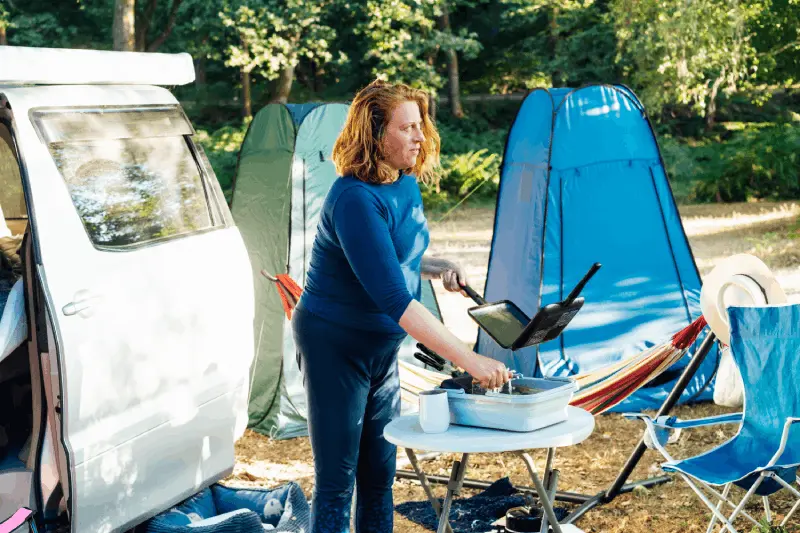
What are the cleaning products that do not harm the environment while camping?
To camp without leaving a trace in nature, you should prefer biodegradable and plant-based cleaning products. While camping, you can protect water sources and soil by using phosphate-free soaps, organic detergents, and eco-friendly toothpastes. These products, which do not disrupt the ecological balance, are essential for a sustainable camping experience. Protect the ecosystem with respectful cleaning methods and the best green product recommendations. Remember, a clean nature is our greatest legacy!

What Times Should Be Preferred to Take More Impressive Camping Photos?
Use the advantage of the golden hours at sunrise and sunset to elevate your camping photos to a professional level. Soft light and long shadows add depth to the camping atmosphere. In night shots, you can capture stunning images with details like the Milky Way and the campfire. Discover the tips in our guide to document the colors of nature in their most vibrant form with the right timing. Start collecting unforgettable moments right away by utilizing the beauty of light!
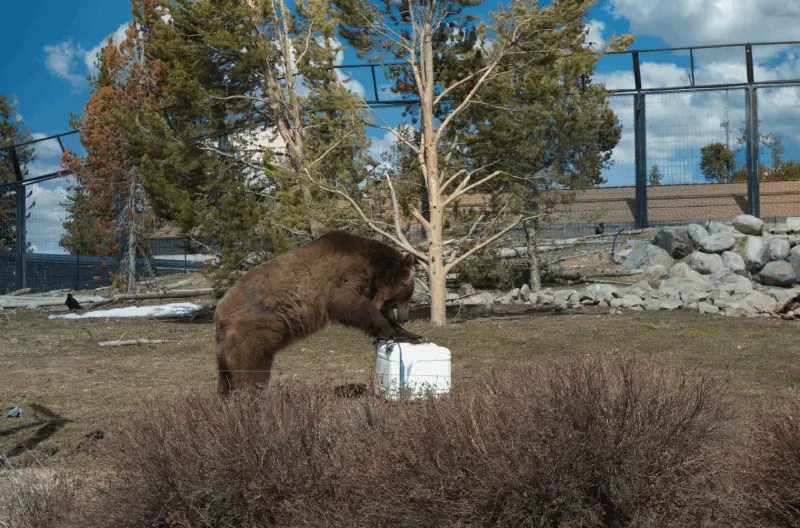
What are the ways to protect yourself from wild animals while camping in nature?
For a safe camping experience, it is vital to minimize interaction with wildlife. Storing food in airtight containers, keeping the campsite clean, and speaking loudly to make your presence known are basic protection methods. Care should be taken with odor-emitting waste to avoid animals like bears and wolves. With the right equipment and conscious preparation, you can prevent encounters with wild animals and enjoy a peaceful camping trip.
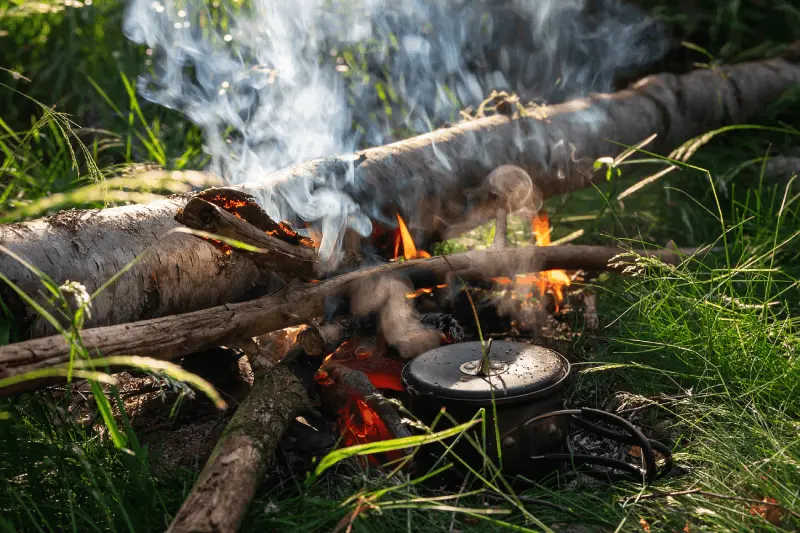
What are the ways to warm up and cook without fire?
Warming up and cooking without fire is now much easier with modern camping technologies. Thanks to solar-powered stoves, flameless cooking kits, and electric heaters, you can meet your needs without harming nature. For heating, thermal blankets, high-insulation sleeping bags, and chemical body warmers offer effective solutions. Discover these practical, safe, and environmentally friendly methods to enhance your comfort for sustainable camping and emergency preparedness.
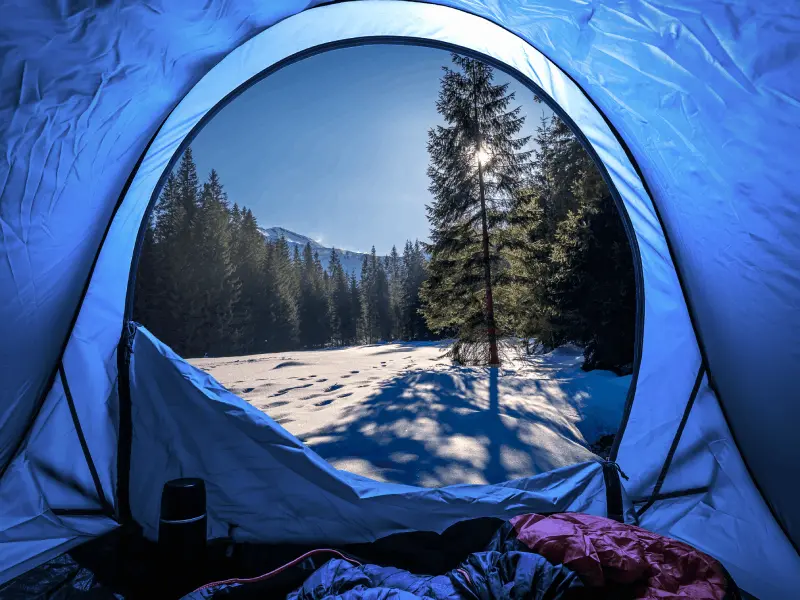
What are the safest ways to retain warmth inside a tent during winter camping?
Apply the right techniques for a safe and warm accommodation during winter camping! It is vital to use high R-value mats to keep warmth inside the tent, prefer safe heaters instead of candle lanterns, and not neglect ventilation. Choose a sleeping bag that traps body heat and make freezing nights comfortable with thermal layers. Learn safety measures against carbon monoxide risk to enjoy the beauty of winter without fear.

Which lantern has the longest lifespan to illuminate your night camping site?
Discover the most durable and efficient lantern models to illuminate your night camping site without interruption. Don't be left in the dark with powerful LED camping lights, solar-powered options, and long-lasting outdoor lanterns. Find the best lighting solution that suits your needs right away by reviewing the best price-performance products that have passed durability tests. Enjoy adventurous nights with the right equipment.
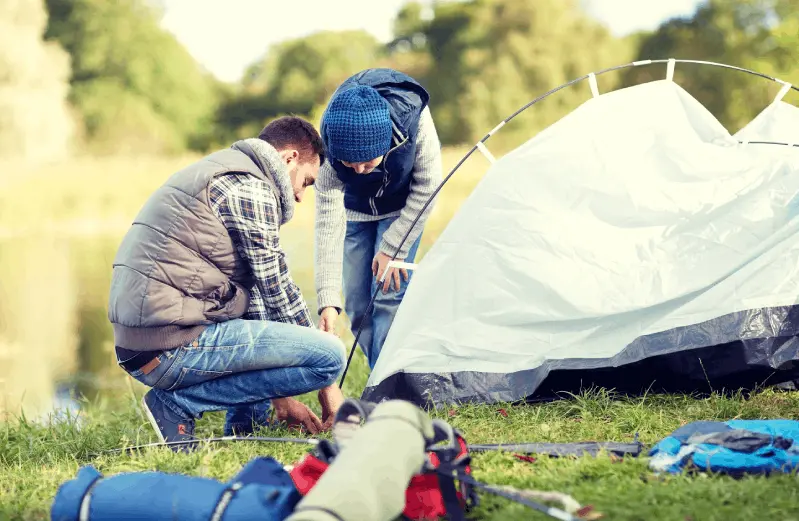
What Simple Measures Can Be Taken Against Theft in Camping Areas?
To maintain the peace of your camping holiday, security is a must! You can take simple yet effective measures against theft, such as leaving valuable items in the vehicle, using locked bags, and staying in touch with your neighbors. Minimize risks by setting up your tent in well-lit areas and hiding your belongings when leaving the campsite. Be sure to follow these practical safety tips for a safe and enjoyable outdoor adventure.
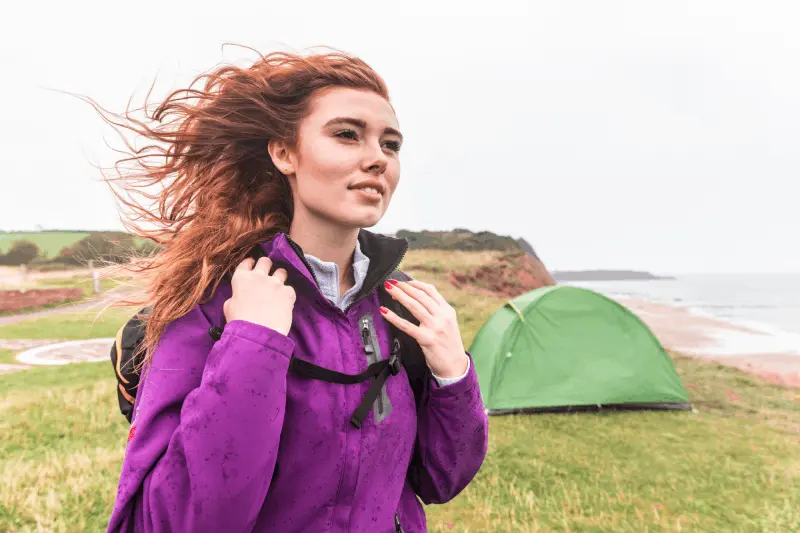
How Should You Choose the Direction When Setting Up a Tent in Windy Conditions?
Choosing the direction when setting up a tent in windy conditions is critical for comfort and safety. Position the tent's narrowest and most aerodynamic part against the wind to reduce resistance. Adjust the entrance to face away from the wind to prevent dust and cold air from entering. Use natural windbreaks as shields. Proper setup at the right angle prevents pole breakage and ensures a quiet night's sleep.

7 Critical Safety Tips for Women Traveling Alone in a Camper
Discover 7 critical tips that prioritize safety for women traveling alone in a camper. Make your route safer with life-saving suggestions, from choosing accommodations to technological precautions, from environmental awareness to emergency strategies. This guide is perfect for you to boldly enjoy the taste of freedom and to professionalize your solo camper experience!
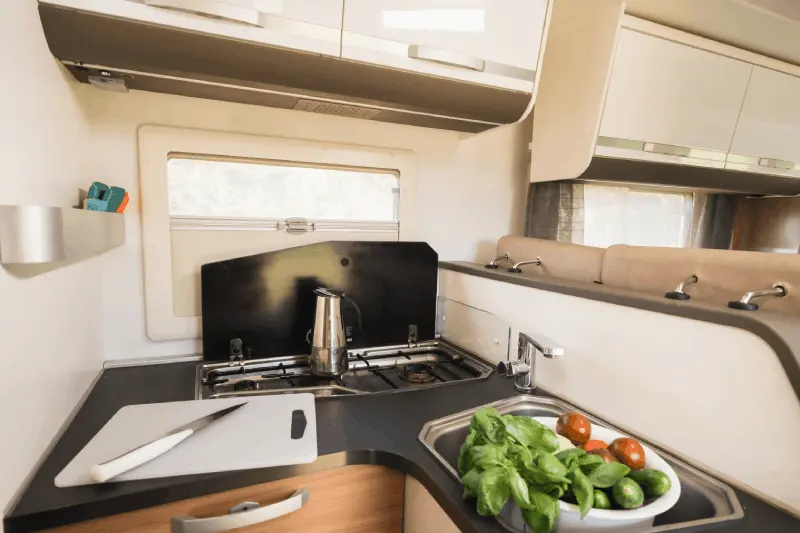
What are the methods for washing dishes with little water in a camper kitchen?
Using a limited water source efficiently in a camper kitchen is the key to freedom. Methods for washing dishes with little water include wiping off dirt before it dries, rinsing with a spray bottle, and using biodegradable detergents. Protect the water tank with practical tips, and enjoy cleaning without harming nature. It is now much easier to extend your camping adventures with the most effective techniques and equipment for water conservation in the camper.
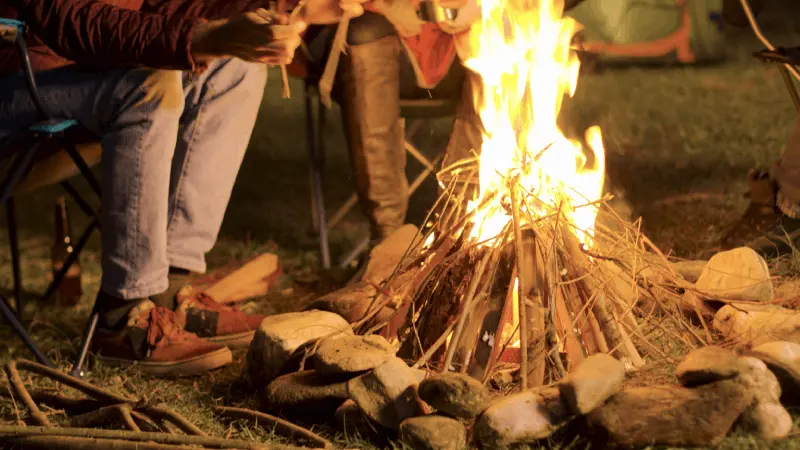
What are the tactics for lighting a campfire with wet wood?
Tactics for lighting a campfire with wet wood: Reaching the dry part inside the wood, using resin, and the fire tower method for warmth. Master the art of starting a fire while camping in wet weather.
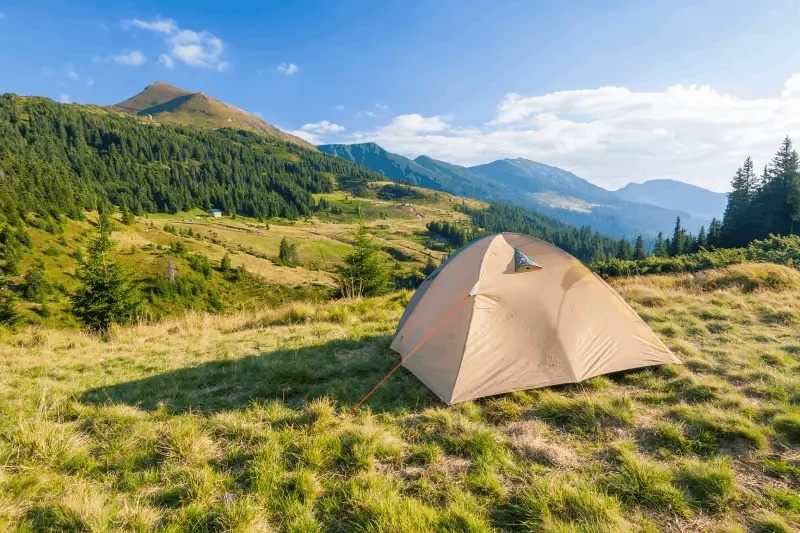
What Do Waterproof Tent Fabric Types And MM Values Mean?
What are the differences between Ripstop, Oxford, and PVC when choosing tent fabric? What should the water column (mm) value be? Discover technical details and fabric properties to choose a camping tent that is resistant to rain and wind.