Why Should Natural Methods Be Preferred Over Chemicals in Caravan Living?
Since caravans are quite narrow and enclosed spaces, synthetic sprays and chemical repellents used indoors can quickly deteriorate air quality. These chemicals can lead to respiratory discomfort, allergic reactions, and serious health issues in the long term. Natural methods do not consume the limited oxygen inside the caravan and provide a safe environment for your pets or children. Additionally, living in harmony with nature and not harming the environment is one of the fundamental stones of caravan culture.
What is the Power of Lavender Oil in Keeping Flies Away?
Lavender oil is quite repellent for flies and many winged insects, even though it has a soothing scent for humans. A few drops of real lavender oil on the edges of your caravan's curtains, door frames, or bed headboard will prevent these creatures from entering. Lavender oil also acts as a natural barrier that prevents flies from biting you when applied to the skin. By using pure and organic lavender oil, you can achieve a fresh scent and enjoy uninterrupted sleep.
How Does Peppermint Oil Stop Ants on Caravan Journeys?
Ants can squeeze through even the smallest holes in the caravan to find food. Peppermint oil disrupts the pheromone trails they follow by paralyzing their sense of smell. Placing cotton soaked in peppermint oil at the wheel wells, gas entrances, or junctions of the kitchen counter will completely keep ants away from that area. Thanks to its sharp scent, ants will code this area as unsafe and change their routes. This method is both effective and ensures that the caravan smells fresh.
Is Lemon Eucalyptus Oil a Natural Insect Repellent?
Lemon eucalyptus oil, one of the rare natural ingredients approved by the World Health Organization, is as effective against mosquitoes as synthetic DEET-containing sprays. Mixing this oil with water in a spray bottle inside the caravan provides long-lasting protection. You can also spray this mixture under the awning of the caravan to prevent mosquitoes that come in during the evening hours. Its sharp and lemony scent creates a refreshing atmosphere while keeping harmful insects away from you.
Does Basil Plant Stop Flies at the Caravan Window?
The small pots of basil you place in front of the caravan windows not only add flavor to your meals but also serve as a natural fly repellent. The unique scent released from the leaves of the basil plant disturbs houseflies and mosquitoes. If maintaining a pot seems difficult, hanging dried basil leaves in small bags at the windows will create a similar effect. It is an aesthetic and functional method for those looking for a herbal solution.
Does Using Vinegar in the Caravan Prevent Pests Besides Cleaning?
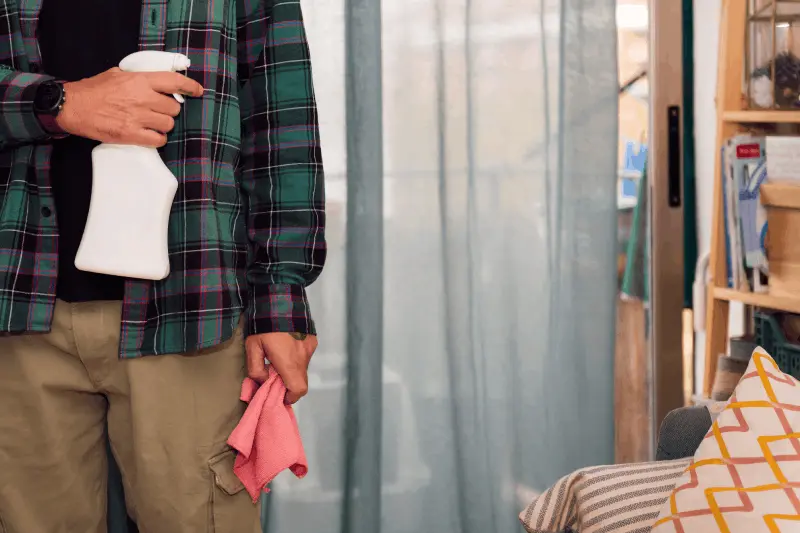
Apple or white vinegar is a miraculous product for pest control in the caravan kitchen. Mixing vinegar with water to wipe down counters prevents the formation of fruit flies. Additionally, spraying vinegar on the steps or door entrances of the caravan causes many insects to avoid the acidic smell. Although the vinegar smell disappears for humans after it dries, it continues to be a deterrent for insects with sensitive olfactory senses. It is a completely natural and cost-free method.
Does the Combination of Clove and Lemon Repel Houseflies?
Cutting a lemon in half and sticking clove buds into it yields excellent results, especially in areas where houseflies are abundant. The scent emitted by this duo disrupts the directional sense of houseflies and causes them to leave the area. Placing this natural arrangement on the dining table or kitchen counter is much healthier than chemical tablets. This method, which is also aesthetically pleasing, can be kept at the center of your outdoor meals, promising a peaceful dinner.
How Does the Color of the Caravan's Lighting Affect Insects?
Many caravan owners may not know that the wavelength of the light used plays a critical role in attracting insects. Blue and white lights attract insects like a magnet, while warm lights in yellow and orange tones are less noticeable to them. Using "amber" color or special yellow LED bulbs in your caravan's outdoor lighting can reduce insect accumulation by 70% in front of the door during the evenings. This simple hardware change should be one of the most important parts of your natural protection strategy.
Do Smells in the Grey Water Tank Attract Pests?
The food residues and humid environment accumulating in the caravan's grey water (kitchen and bathroom wastewater) tank create an ideal breeding ground, especially for cockroaches and small flies. When the smell from the tank seeps inside through the pipes, it directly invites these pests into the caravan. Pouring baking soda and vinegar into the drains weekly or using organic tank cleaning tablets neutralizes these odors. A clean wastewater system is the first line of defense in the fight against pests in the kitchen.
Are Magnetic Insect Screens Necessary for Caravan Doors?
Physical barriers come first among natural protection methods, and magnetic...
Insect screens are lifesavers in this regard. These curtains, designed to prevent insects from entering while the caravan door is constantly opening and closing, create a barrier by closing automatically even when your hands are full. A high-quality and tightly woven mesh prevents even the smallest insects from getting inside. By providing protection without blocking ventilation, this equipment becomes an indispensable part of caravan life.
Is Baking Soda and Sugar Mixture a Natural Solution for Ants?
If your caravan has been invaded by ants, you can use a mixture of baking soda and powdered sugar to effectively repel them without harming them. Ants come into contact with the baking soda while trying to take the sugar, and this mixture disrupts their digestive systems, causing the colony to withdraw from that area. It is sufficient to sprinkle a small amount in the hidden corners of the caravan and inside cabinets. This method is much safer and can be easily prepared at home compared to chemical baits.
What is the Effect of Cedar Wood Inside the Wardrobe?
Using pieces of cedar wood in the caravan's cabinets and clothing storage areas is a great natural method to prevent moth formation. The unique oil of the cedar tree keeps moths and other textile pests away. You can prevent your clothes from being damaged by placing small cedar blocks or bags filled with shavings on the shelves. Additionally, cedar wood absorbs the musty odors in enclosed spaces, ensuring that the inside of the caravan has a fresher and woodsy scent.
Does Tea Tree Oil Help with Insect Bites and Protection?
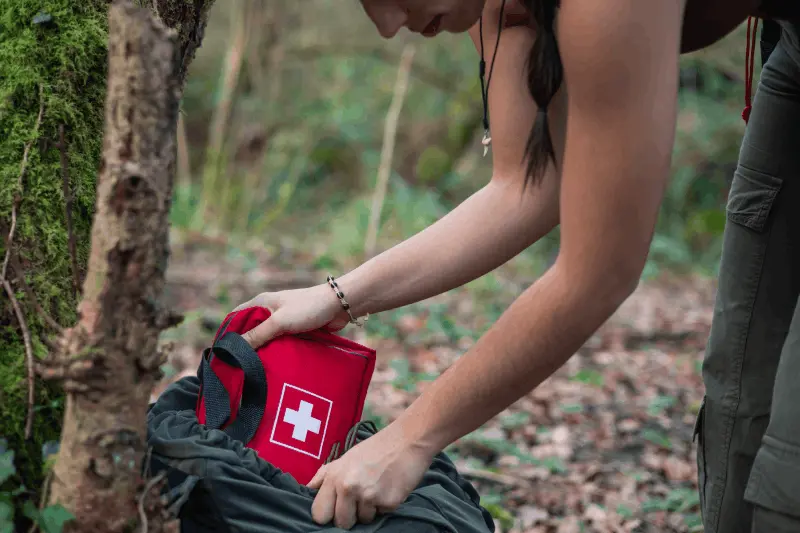
Tea tree oil is not only a very powerful antiseptic but also extremely repellent to insects. When applied to the window frames of the caravan, it can prevent spiders from spinning webs. If an insect has bitten you, applying a drop of tea tree oil to the area instantly alleviates the sting and reduces the risk of infection. This oil, which has both protective and therapeutic properties, should definitely be kept in your caravan's first aid kit. It is one of the most effective natural pharmacy products available.
Does the Ground Where the Caravan is Parked Affect Insect Density?
The structure of the ground when choosing your accommodation determines how much you will encounter insects. Areas with long grass, near stagnant water pools, or marshy grounds are a paradise for mosquitoes and ticks. Parking the caravan in drier, shorter grass or preferably gravel areas reduces the likelihood of insects crawling into the caravan. As a natural method of protection, This powder, lightly sprinkled in armpits, under cabinets, or between beds, is the most powerful natural weapon against tough pests like cockroaches, ticks, and bedbugs. Since it is in powder form, it is also quite easy to apply.
Is It Beneficial to Place Eucalyptus Leaves in Caravan Cabinets?
Fresh or dried eucalyptus leaves are a powerful insect repellent thanks to the cineole compound they contain. The bundles of eucalyptus you hang near the ceiling vents of the caravan or inside the cabinets not only add an aesthetic touch but also make it difficult for flying insects to enter. Especially in hot weather, the refreshing scent released by the leaves cleans the air in the caravan. This plant is the best way to increase oxygen quality in enclosed spaces while keeping unwanted guests outside.
How to Prevent Ants in Caravan Refrigerator and Kitchen Hygiene?
A small crumb or a drop of spilled sugary liquid in the caravan's tiny kitchen can attract hundreds of ants in a short time. Cleaning the gaps of the refrigerator seals with vinegar water and throwing the trash into a distant container outside the caravan every evening is a basic rule. Not leaving exposed fruit or bread on the kitchen counter cuts off the food source for pests. "Invisible crumbs" accumulate especially inside drawers; regularly vacuuming these areas is the most important routine for natural pest control.
Are Fly Traps Attached to Caravan Windows Natural?
Although many people prefer electric fly devices, they consume energy and can create hygiene problems by attracting flies inside and burning them. Instead, using cloths or cotton strips soaked in natural repellent oils attached to the windows is much more sensible. As the airflow enters, the scent of these oils spreads throughout the caravan, causing flies to refrain from entering. This passive protection system increases your comfort without consuming energy and operates silently.
How to Prevent Ants from Climbing Up on Caravan Tables?
To prevent ants from climbing onto the table while eating outside, there is a classic but effective method: Place the table legs in small containers or cans filled with water. Ants cannot overcome this water barrier, and your food on the table remains safe. If you don't want to use water, applying petroleum jelly to the table legs creates a slippery surface that makes climbing impossible. These simple physical measures ensure you can enjoy a meal without the need for chemical sprays.
Do Catnip and Mint Keep Spiders Away from the Caravan?
Spiders love to inhabit the corners of the caravan, but they hate the smell of catnip and mint. Mixing the oil of these two plants with water in a spray bottle and spraying it in the corners of the caravan ceiling and behind the exterior mirrors prevents spiders from spinning webs. Spiders perceive the places where they detect this scent as "dangerous or unpleasant." Using this aromatic mixture instead of chemical spider repellents is environmentally friendly and leaves a pleasant scent inside the caravan.
Is It Useful to Sprinkle Salt on Caravan Tires and Legs?
Sprinkling thick salt around the caravan's legs or wheel areas creates a physical barrier for snails and some crawling pests. Salt draws moisture from these creatures' bodies, so they do not want to cross a salty surface. Especially when camping in rainy weather and wooded areas, creating a thin line of salt around the caravan makes it difficult for uninvited guests to sneak in. It is an effective method of protection that is cheap, natural, and takes seconds to apply.
What Effect Do Orange Peels Have on Pests?
Orange and lemon peels have toxic properties for many insect species due to the "limonene" substance they contain. Crumbling dried orange peels and placing them on the window sills of the caravan or boiling the peels and wiping surfaces with the resulting water keeps pests away. Additionally, a fresh orange scent dominates the caravan kitchen. This method not only allows you to recycle kitchen waste but also offers a completely natural cleaning and protection option.
Are Ultrasonic Repellents Attached to the Outside of the Caravan Safe?
Although it is a controversial topic, ultrasonic repellents powered by solar energy can help keep mice and larger pests away from the caravan by emitting high-frequency sounds that the human ear cannot hear. These devices do not contain chemicals and do not release toxic substances into the environment. However, they may not be effective against every insect species. When combined with other natural methods (oils, cleaning, etc.), they can create an invisible sound barrier around the caravan, providing an additional layer of protection.
Why Is It Important to Place Bay Leaves Under Caravan Cushions?
Bay leaves are one of the most powerful natural protectors used for centuries to protect grain stores and food. Leaving a few dry bay leaves under the cushions of the caravan, in the bed base, or in food storage cabinets keeps insects that may breed in humid environments away. The sharp and woody scent of bay leaves disrupts the breeding cycle of pests. Additionally, bay leaves help preserve the freshness of foods; therefore, it is wise to place one in jars of rice and flour as well.
Does Vanilla Extract Have Fly Repellent Properties?
The sweet vanilla scent that most people love is surprisingly repellent to some fly species, especially sand flies (biting midges). You can dilute pure vanilla extract, which does not contain alcohol, with a little water and spray it on your skin or the textile surfaces of the caravan. You will not only smell great but also keep flies away. It is one of the safest natural methods for children as well. For those looking for a sweet solution, vanilla is one of the most delicious protective agents nature offers.
Should Fine Mesh Be Installed in the Ventilation Channels of the Caravan?
The refrigerator ventilation in caravans, the stove exhaust, and the ceiling fan... larvae are the main entry points for pests. Placing very fine mesh metal or fiberglass screens inside these channels prevents bees from nesting there or spiders from squeezing in. This physical measure allows air to enter while completely cutting off the "live" entry. Especially in long-term stays or when putting the caravan to sleep for the winter, checking the integrity of these screens forms the hardware basis of a natural protection strategy.
What is the Benefit of Pouring Baking Soda and Vinegar into Caravan Drains?
Kitchen and bathroom drains are breeding grounds for small black flies known as "drain flies." These flies lay eggs in the organic layer inside the drain pipes. Pouring half a cup of baking soda into the drains once a week followed by a cup of vinegar cleans this layer of debris and larvae with the resulting foaming effect. The hot water poured afterward disinfects the pipes. Maintaining drain hygiene with this natural method instead of chemical drain cleaners effectively eliminates the problem of tiny flying insects inside.
How Does Cedar Oil Spray Protect Caravan Furniture?
Wiping the wooden parts and furniture of the caravan with a natural polish containing cedar oil keeps wood pests like bedbugs away. While cedar oil extends the life of the wood by penetrating it, the scent it emits prevents pests from approaching these surfaces. Additionally, cedar oil has air-purifying properties. While creating a natural forest atmosphere inside the caravan, you ensure that your textile products and wooden furnishings are insured against pests.
Do Blue Glass Filters Attached to Caravan Lights Work?
If you cannot change your existing lights, attaching yellow or orange transparent filters (gels) over the light can make the light less attractive to insects by altering its wavelength. While blue and purple light attracts insects, the light emitted through these filters remains outside the "visual field" of insects. This simple and creative solution allows you to comfortably sit outside the caravan in the evening hours. Natural protection can sometimes be as simple as manipulating the light.
How Effective is Campfire Smoke in Repelling Insects?
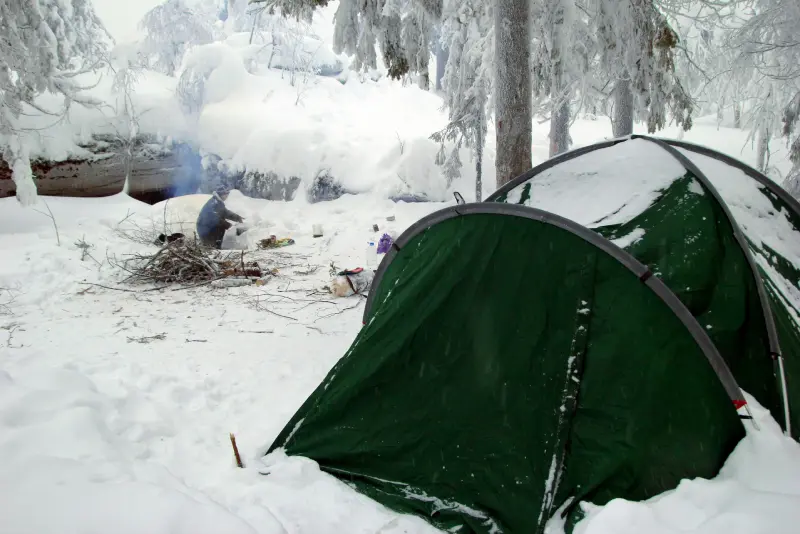
A small and controlled campfire next to your caravan is one of the oldest and most effective methods of repelling flies. A few fresh pine branches or a piece of green plant thrown into the fire can produce a denser smoke that clears a wide area of flies. The smoke blocks the scent receptors of the flies, preventing them from locating you. However, you must ensure that the smoke does not fill the inside of the caravan when extinguishing the fire, or you may have to deal with the smell of smoke.
What are Natural Recommendations for Pet Owners in Caravans?
If you live in a caravan with a cat or dog, it is vital that the pest control methods you use do not harm them. Tea tree oil and some essential oils can be toxic to animals; therefore, you should choose places they cannot reach when applying. A very lightly vinegar-sprayed area where your pet frequents can deter ticks and fleas from approaching them. Additionally, keeping their food bowls clean at all times and promptly cleaning up food spills is essential to prevent ant infestations.
Does Applying a Ceramic Coating to the Caravan's Exterior Prevent Insects?
A ceramic coating or a quality wax application makes the exterior of the caravan extremely slippery. This smooth surface makes it difficult for flies and insects to cling to the body. It also prevents flies that hit the body during travel from sticking and leaving "fried" residue under the sun. A slippery surface turns the journey of pests trying to squeeze inside the caravan into a "slide." This is a technological yet natural barrier method in terms of both cleaning and protection.
Why is Maintaining Caravan Window Seals Critical?
Over time, window seals that dry out and crack serve as highways for microscopic pests to enter the caravan. Regularly moisturizing the seals with olive oil or natural silicone-based oils keeps them flexible and ensures complete sealing. A tightly closing window is the most basic defense against thousands of pests entering from outside. While maintaining the seals, cleaning out any trapped insect carcasses also prevents other creatures (like spiders) from coming in.
Does Creating Airflow Inside the Caravan Stop Insects?
Flies, especially mosquitoes, are very weak fliers and cannot fly against airflow. Running a small USB fan inside the caravan or setting the ceiling fan to "exhaust" mode creates a constant air circulation inside. This air movement makes it impossible for flies to land on you. This is the coolest way to keep flies away from yourself using just physical force without any scent or substance. A strategically placed fan is the most comfortable natural solution.
How Should Food Storage Containers be Selected in a Caravan?
The most important step in natural protection is not inviting pests inside. Opened food packages (pasta, sugar, cookies) should never be left in their original packaging inside the caravan. Using vacuum-sealed glass or quality plastic storage containers prevents food odors from escaping and makes it impossible for pests to access the food. Especially ants and flour beetles follow scents; an odorless kitchen means "an empty store" for pests. This arrangement is the most effective method to eliminate pest problems before they start.
Why is Maintenance of the Bottom Part of the Caravan Important?
Many pests enter the caravan from below, meaning they climb up from the ground. The cable entries at the bottom of the caravan... and blocking pipe openings with steel wool (dishwashing wire) prevents mice and large insects from entering. Steel wool is both hard and inedible, making it an insurmountable barrier for rodents. Periodically spraying vinegar water under the caravan also reduces the "underground" traffic there. Protecting the unseen parts is a prerequisite for the tranquility of the visible parts.
How to Prepare Natural Spray to Repel Flies and Pests in the Caravan?
To make your own spray, put half a cup of water, half a cup of apple cider vinegar, and a total of 40-50 drops of lavender, mint, eucalyptus, and lemon oil into a bottle. Shake well before each use. You can safely spray this mixture both in the air and on textile surfaces. This completely plant-based spray, which is low-cost and chemical-free, will become your caravan's indispensable "defense elixir." After the vinegar smell dissipates, only a wonderful herbal freshness will remain.