How to Mentally Prepare Yourself Before Starting a Winter Camp in Turkey?
A winter camp is not just a physical challenge, but also a serious mental preparation process. You must accept in advance that you will completely step out of your comfort zone from summer camps, that you will constantly struggle with the cold, and that even simple tasks (like cooking or melting snow) will take much longer. Being psychologically resilient to the cold allows you to stay calm during unexpected weather changes. Adapting to the rhythm of nature, discovering the peace within silence, and viewing physical fatigue as an opportunity for development transforms this experience into an unforgettable adventure rather than a torment. Remember, the right mentality saves more lives than the most expensive equipment.
What is the Ideal Seasonal Range for Camping in the Snowy Forests of Bolu Aladağlar?
Bolu Aladağlar is among the most popular and breathtaking routes for winter camping in Turkey. However, this region has its own unique climate dynamics. The most ideal period for winter camping is generally from mid-January to the beginning of March. During this period, the snow depth reaches a stable level, and the ground becomes firm enough to set up a tent. December is usually a transition period when the snow has just fallen and the ground is too muddy. After March, sudden temperature changes can increase the risk of avalanches or the melting snow can flood the camping areas. Therefore, choosing the freezing but stable month of February is the most logical decision to experience a true winter fairy tale.
What Safety Precautions Should Be Taken for an Extreme Winter Night at the Foot of Erciyes?
Erciyes Mountain is known for its high altitude and strong winds, which requires extra caution for campers. Before camping here, you must inform AFAD or local gendarmerie units. You must build a snow wall to break the wind and position your tent according to the prevailing wind direction. Additionally, it is vital to examine the climbing routes in the area beforehand and avoid valley mouths. Always carry spare batteries, a GPS device, and a thermal blanket with you. Since the weather in high-altitude locations like Erciyes can change within minutes, you should always have a clear return route defined.
What are the Aesthetic and Practical Challenges of Setting Up a Tent Among Fairy Chimneys in Cappadocia During Winter?
Camping in Cappadocia during winter offers a visual feast but also brings some challenges. Due to the microclimate created by the fairy chimneys, nighttime temperatures can drop significantly compared to surrounding provinces. Aesthetically, the valleys under the snow present incredible frames, while practically, the dusty ground created by tuff rocks can turn into a stubborn sludge under the snow, making it difficult to set up a tent. Moreover, due to the region's tourist nature, camping without permission can cause problems; therefore, you should choose safe valleys outside the national park boundaries. Although there is wind protection in the valleys, even a light breeze blowing all night can carry snow crystals into your tent, so ventilation windows should be managed wisely.
What Should Be Done to Prepare for Encounters with Wildlife While Winter Camping in Kaçkar Mountains?
The Kaçkar Mountains are quite lively in winter due to their biological diversity. There is always a possibility of encountering some predators that have not gone into hibernation or wild animals searching for food. The first rule of ensuring safety is to keep food odors away from the campsite. You should cook your meals at least 30-40 meters away from your tent and store all food in odor-proof bags hung from trees or sealed to contain the smell. Not leaving trash is not only about protecting nature but also a condition to avoid attracting animals to the campsite. If you need to go outside at night, always use a powerful flashlight and make low-level sounds to announce your presence; because wild animals generally flee from humans, but if they encounter you suddenly, they may develop a defense mechanism.
Why is the Three-Layer Clothing System the Best Insulation Method in Winter Conditions?
The golden rule of winter camping is the principle of "layered clothing." This system consists of three main parts: the inner layer (base layer), the middle layer, and the outer layer (shell). The inner layer quickly moves moisture away from the body, preventing the body heat from being lost; at this point, merino wool or synthetic fabrics should be preferred. The middle layer is the insulation layer that traps body heat; fleece or down jackets serve this purpose. The outer layer consists of waterproof yet breathable fabrics like Gore-Tex that protect you from wind, snow, and rain. With this system, you can prevent sweating by removing a layer while on the move, and put it back on during breaks to prevent heat loss. You should definitely stay away from cotton clothing in winter because cotton does not dry when wet and can freeze you.
What Technical Details Should Be Considered When Choosing Socks and Boots to Keep Your Feet Warm?
One of the points where body heat is lost the fastest during winter camping is the feet. An ideal winter camping boot must have a "waterproof" and "breathable" membrane. Additionally, the sole should be made of materials like Vibram that prevent slipping on snow and ice. When choosing socks, they should contain at least 7%... Thermal socks containing 0% merino wool should be used. Never wear two thick socks on top of each other; as this restricts blood circulation in the feet, causing them to get colder. It is critical that you can comfortably move your toes inside the boots for warm blood to reach the extremities. Removing the insoles from the boots and placing them inside the sleeping bag at night ends the nightmare of stepping into freezing boots in the morning.
What Are the Differences and Technical Features of a Winter Tent Compared to Summer Tents?
Not every tent can be used in winter; for winter camping, tents labeled "4 seasons" or "5 seasons" for harsher conditions are required. The most significant difference of these tents is that their pole structures (skeleton) must be strong and flexible enough to withstand snow loads and strong winds. Additionally, winter tents have a fly that extends to the ground and have additional pieces called "snow skirts"; these skirts prevent wind from entering under the tent by allowing snow to accumulate on top of them. The ventilation systems are also special; they are designed to minimize condensation (humidity) inside. The fabric quality is denser and more resistant to ultraviolet rays. Camping in winter with a summer tent can lead to the tent collapsing in a snowstorm or the heat inside being lost within seconds.
What Does the Difference Between Limit and Comfort Values Mean When Choosing a Sleeping Bag?
When buying a sleeping bag, you will usually see three different values on the labels: Comfort, Limit, and Extreme. The comfort rating indicates the temperature at which a standard woman can sleep soundly without any additional precautions. The limit value represents the threshold at which a standard man can sleep curled up. The extreme value is merely the survival limit; meaning you won't freeze at this rating, but you won't be able to sleep. When making a selection for winter camping, you should always base it on the "Comfort" value. For example, if the place you will be camping at is -10 degrees at night, your sleeping bag's comfort rating should be at least -15. Additionally, goose down sleeping bags are lighter and provide better insulation, while synthetic bags maintain insulation properties better in humid environments.
Why Is the R-Value Critical in Sleeping Mats Compared to Sleeping Bags?
Many campers do not understand why they are cold even with the best sleeping bag. The reason is often inadequate insulation from the mat. Cold from the ground can sap your body heat faster than the cold coming from above the sleeping bag. The insulation capacity of mats is measured by the "R-Value" (Resistance value). For winter camping, mats with an R-value of at least 3.5, preferably 4.0 and above, should be chosen. Inflatable mats provide comfort, while foam mats are reliable as they do not risk puncturing. The most professional method is to place a closed-cell foam mat underneath and then lay a high-insulation inflatable mat on top. This "sandwich" method creates an impenetrable thermal barrier between you and the ground or snow, ensuring you wake up refreshed in the morning.
What Can Be Done to Prevent the Stove and Fuel from Freezing When Setting Up a Kitchen in Winter?
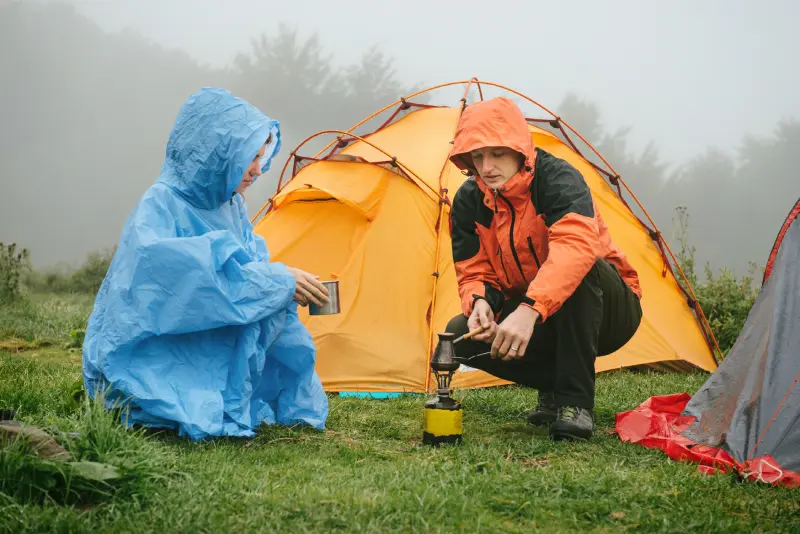
In low temperatures, standard butane-propane gas canisters lose pressure, and your stove may not burn efficiently, or may not burn at all. To overcome this issue, "winter mix" gases should be preferred. If going to extremely cold conditions, stoves that operate on liquid fuel (gasoline, kerosene) are the most reliable option as these fuels burn effectively at any temperature. If you are using a gas stove, you should keep the canister warm by placing it inside your sleeping bag at night, and when cooking, place an insulating material (a piece of mat or wood) under the canister. Additionally, windbreaks surrounding the pot help save fuel and assist in boiling water much faster.
How to Properly Melt Snow to Meet Water Needs on Snowy Ground?
When it is difficult to find water from frozen lakes in winter, melting snow is the only option. However, melting snow requires more fuel and patience than one might think. If you just fill a pot with snow and put it on the stove, the bottom of the snow may burn, leaving a bad taste and damaging the pot. The correct method is to put a small amount of liquid water at the bottom of the pot and gradually add snow on top. The volume of snow is about one-tenth that of water, meaning you need to melt 10 liters of snow for 1 liter of water. Since the water you obtain is mineral-poor, it is important to add a small amount of mineral tablets or a little salt to maintain your body's electrolyte balance. Additionally, always collect snow from clean areas that have not been stepped on.
How Should the Nutrition Program Be to Protect Body Heat in Freezing Cold?
In winter camping, your body burns twice as many calories just to survive and stay warm compared to summer camping. Therefore, it is not the time to diet; on the contrary, a nutrition program high in fat and protein should be followed. Consuming a fatty meal at dinner helps generate heat during digestion, keeping you warmer throughout the night. You should have high-energy snacks like hazelnuts, pistachios, chocolate, and dried fruits with you and consume them gradually throughout the day. While hot drinks provide an immediate feeling of warmth, the real important factor is maintaining the balance of carbohydrates and fats that will keep your body's internal engine running. Additionally, you should drink plenty of water even if you do not feel thirsty, as dehydration accelerates fatigue.
How Should Ventilation Be Adjusted to Prevent Condensation Inside the Tent at Night?
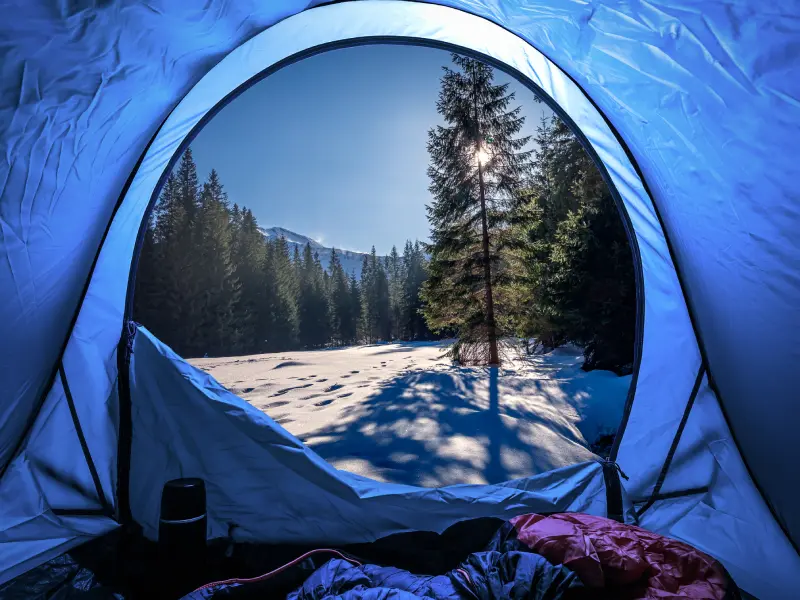
One of the biggest enemies of winter camping is the "condensation" inside the tent. The moisture from your breath hits the cold walls of the tent and turns into water or ice, which causes your sleeping bag to get wet. To prevent this, no matter how cold it is outside... You must keep the ventilation windows of the tent open. The air circulation inside must carry the moisture outside. To prevent snow from entering the tent, you can gradually open the windows considering the direction of the wind. If you see a thin layer of ice on the ceiling of the tent when you wake up in the morning, this indicates that the ventilation is insufficient. Before packing the tent, you should shake off this ice and try to dry the tarp.
What Are the Symptoms of Hypothermia and What Steps Should Be Taken as First Aid?
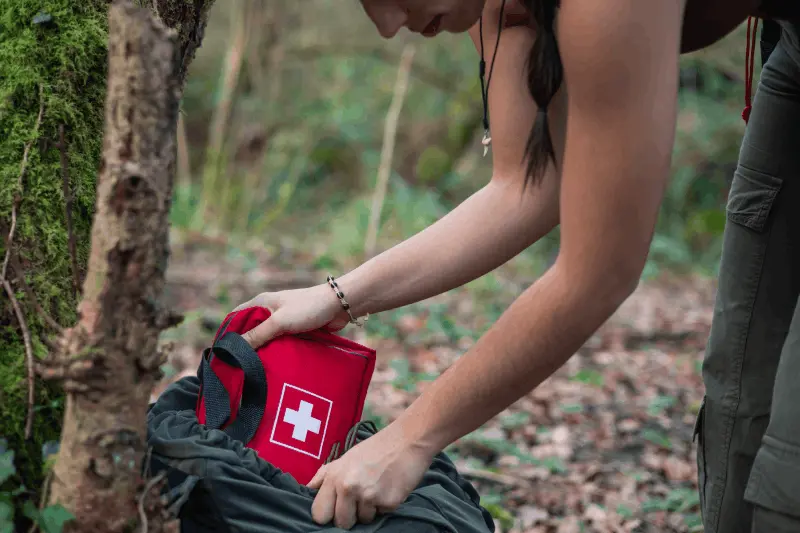
Hypothermia is a life-threatening risk that occurs when the body temperature drops below normal. The initial symptoms are severe shivering, clumsiness in the hands (like being unable to zip up), slurred speech, and confusion. If shivering has stopped and the person has become numb, the situation is critical. In first aid, the person should be immediately protected from the wind, wet clothes should be removed, and they should be wrapped in dry layers. Warm but non-alcoholic fluids should be given to the person. You should never rub the body harshly; because this can cause cold blood from the limbs to rush to the heart and lead to cardiac arrest. The warming process should be slow and gradual. One of the most effective methods is for a healthy person to share a sleeping bag with the hypothermic person to share body heat.
What Are the Key Points to Prepare the Ground When Setting Up a Tent on Snow?
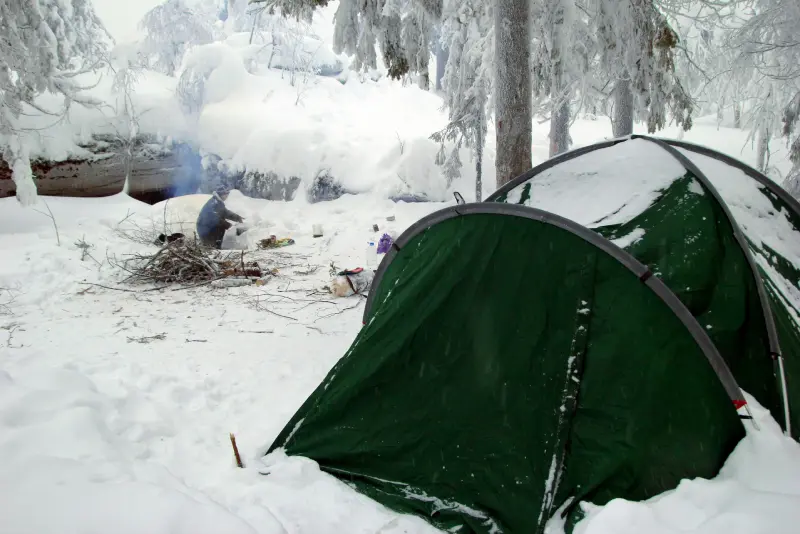
Setting up a tent directly on snow can cause your body heat to melt the snow and create a pool under the tent overnight. Therefore, you must "pack down" the ground before setting up the tent. You should create a firm platform by stepping on the snow with your boots and wait about 15-20 minutes for the snow to crystallize and harden. If the snow is very deep, you should level the ground using a snow shovel or build a snow wall. Tent stakes should be buried at a 45-degree angle into the snow; if the snow is very soft, you should bury the stakes or bags horizontally into the snow using the "deadman" technique and secure them on top. This way, your tent will not move even in the strongest winds.
What Methods Can Be Used to Extend the Battery Life of Electronic Devices in Winter Camping?
Lithium batteries are quite sensitive to cold and can lose their capacity to zero in freezing temperatures within seconds. You should always carry critical equipment like your phone, headlamp, and GPS device close to your body, for example, in your inner pocket. While sleeping at night, you should protect all your electronic devices and spare batteries by placing them at the foot or side pocket of your sleeping bag to keep them warm with your body heat. Additionally, using a power bank in winter is much more critical; however, you should also keep the power bank warm while charging. When you are not using camera batteries, removing them from the camera and placing them in your pocket ensures that the battery is ready for the next shot.
What Precautions Should Be Taken at Night to Avoid Frozen Boots in the Morning?
The biggest nightmare for winter campers is waking up in the morning to find their boots have turned into blocks of ice. Wet or damp boots become rock hard in freezing weather, making them impossible to wear. To prevent this, you should thoroughly clean the snow from the outside of your boots before going to bed at night and, if possible, place the boots in a bag and keep them inside your sleeping bag at the foot. If there is no space in the bag, keep the boots inside the tent but on the mat, and place a water bottle filled with warm water inside to ensure they warm up from the inside. Additionally, leaving the boot laces loose at night will give you time to prevent your toes from freezing when putting on the boots in the morning.
What Should Be Considered to Protect Skin Health While Cleaning with Snow Water?
Personal hygiene in winter can be challenging, but skin health should not be neglected. Since snow water is pure water, it can quickly dry out the skin's protective oil layer. Therefore, after washing your hands and face, you should definitely use creams or petroleum jelly with high moisturizing properties. Lip balm and sunscreen are essential for winter camping; because snow reflects 80% of sunlight and can cause serious burns. If you are going to use wet wipes, remember that they can freeze and warm them up in your pocket before use. Foot hygiene is the most critical issue; drying your feet every night before going to bed and wearing dry spare socks minimizes the risk of fungus and frostbite.
Is It Safe to Start a Fire or Use a Heater Inside a Winter Tent?
The definitive answer to this question is: No. Starting a fire inside a tent or using a camping stove as a heater poses two massive risks: fire and carbon monoxide poisoning. Tent fabrics are extremely flammable, and a stove burning in an enclosed space can quickly deplete oxygen and lead to the accumulation of carbon monoxide gas, which silently kills. If you want to warm up, the safest method is to fill a leak-proof water bottle with boiling water and keep it inside your sleeping bag. This "hot water bottle" effect will keep you warm until morning. Using open flames inside a tent is never an acceptable risk, except for very special "hot tent" systems with chimneys and fireproof fabrics.
What Technological Tools Should Be Chosen for Group Communication and Navigation in Winter Camping?
Winter snowfall and fog can suddenly reduce visibility and make familiar paths unrecognizable. Therefore, relying solely on maps on your phone is not sufficient. You should definitely have a GPS device with offline maps or a traditional map-compass duo with you. To ensure communication within the group, high-powered radios (PMR or amateur radio licensed) should be used. Digital radios are very useful; as they can save lives in areas where phones do not work. Additionally, satellite communication devices that can send signals in emergencies (like Garmin InReach) have become standard equipment for professional winter campers. Remember, you should always have an analog B plan in case of battery failure.
How Should You Choose Sunglasses to Protect Against "Snow Blindness"?
"Snow blindness" (photokeratitis) occurs when UV rays from the sun reflect off the snow and burn the cornea of the eye, which can be extremely painful. To prevent this, you must use sunglasses with at least Category 3 or preferably Category 4 protection level while winter camping. The sunglasses should be in the form of "glacier glasses" that do not allow light in from the sides. If you are going to move in stormy weather, goggles that fully cover your face are essential to block the wind and snowflakes. Having anti-fog features in your sunglasses will also enhance your visual comfort while on the move.
How Are Winter Waste Management and "Leave No Trace" (LNT) Principles Applied?
Winter nature is much more fragile, and everything you leave behind will remain there until the snow melts. According to the "Leave No Trace" principles, you must bring back all your winter waste (including fruit peels). Digging a hole in the snow for toilet needs is a temporary solution; because when the snow melts, the waste will surface. If possible, you should use waste bags and carry them with you or dispose of them in areas away from the campsite where they can reach the soil. If you are going to make a fire, do not burn directly on the snow; instead, use a fire box or burn on elevated platforms to avoid damaging the vegetation on the ground.
What Are the Risks and Benefits of Solo Winter Camping?
Camping alone in winter is a top-level experience for those who want to connect with nature and push their limits. However, the risks are equally high. There is no one to help you in case of any injury or equipment failure. Therefore, a person who will camp solo must be very experienced in first aid, navigation, and survival. At least two people should inform their complete route and return time, and you should provide status reports at specific times each day. Keeping backup equipment (like two headlamps, two lighters) is much more critical in solo camping. The benefit is invaluable self-confidence and a deep inner peace.
How Should Equipment Maintenance and Storage Processes Be Managed After Camping?
The adventure does not end when you return from camping; the maintenance process is essential to extend the life of your equipment. Never pack a wet tent in your bag; always leave it open at home until it is completely dry, otherwise, it will develop mold and a bad smell. Storing sleeping bags in compression sacks damages the insulation filling (especially goose down); instead, store them in large mesh bags or hang them. Dry your boots at room temperature (never place them near a heater, as the leather will crack). Clean and dry your stove and kitchen utensils, and remove batteries from devices and store them in a cool, dry place. Well-maintained winter equipment will serve you for years in the toughest conditions.
How to Avoid "Cold Pockets" When Choosing a Suitable Campsite for Winter Camping?
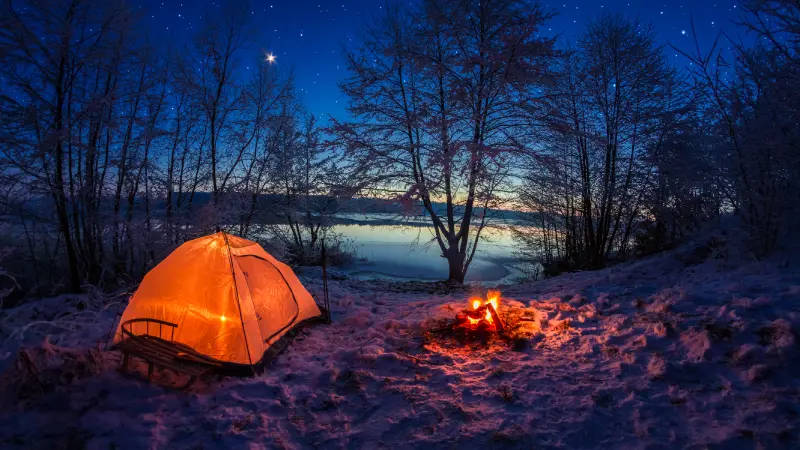
Nighttime temperatures in winter can vary greatly from region to region. One of the most common mistakes is to camp in the deepest part of valleys to protect against the wind. Cold air is heavier than warm air, so it sinks into valley bottoms and low areas at night; this situation is called a "cold air pool." The warmth inside the depression can be 5-10 degrees lower than on the slope just 50 meters above. The ideal campsite is slightly above the valley floor, sheltered from the wind but in a gently sloping area with good air circulation. Additionally, you should not settle in areas where the snow is very deep without analyzing the risk of avalanches.
How to Overcome the Challenges of Starting and Maintaining a Campfire in Winter?
Starting a fire on a snowy ground causes the heat of the fire to melt the snow and extinguish the fire with the water it creates. To prevent this, you must create a platform under the fire. Building a base with thick branches or flat stones and placing the fire on top of it extends the life of the fire. Finding firewood is difficult in winter; branches on the ground are usually wet or under snow. Therefore, you should collect dry, dead branches from the lower parts of trees. Always have reliable fire starters like magnesium sticks or storm lighters and pre-prepared tinder like cotton and petroleum jelly with you. When feeding the fire, you should apply the "small to large" rule much more disciplined in winter.
Why is a Snow Shovel an Essential Item in Winter Camping?
Many campers see a snow shovel as an optional item, but it is the most used equipment in winter. You need a shovel to level the ground for the tent, build a snow wall to block the wind, collect clean snow to melt for water, and dig a snow cave in emergencies. You should choose a foldable, lightweight but metal-bladed snow shovel; plastic ones can break in frozen hard snow. Additionally, if you are driving to the campsite, you should definitely keep a sturdy shovel in your trunk in case you get stuck on the road. A snow shovel is not just for comfort; it is also a part of safety.
What Extra Sensitivities Should Be Considered While Doing It?
Camping with children in winter is a great educational opportunity, but it requires very careful planning. Children cannot balance their body temperatures as quickly as adults, so their layered clothing and dryness should be checked every hour. Specially manufactured, high-insulation sleeping bags should be used for them. Keeping the camping duration short (like one night) and having the campsite close to the vehicle makes evacuation easier in case of a possible negative situation. Activities to keep them engaged and plenty of hot chocolate will keep their motivation high. Keeping children's feet and hands warm is the most critical factor for them to enjoy winter camping.
In What Situations Is Building a Snow Shelter Used as a Survival Method?
If your tent gets torn or you find yourself outside in a severe storm, building a snow shelter can save your life. Snow is a great insulator, and the warmth inside the shelter can be stabilized around 0 degrees despite the outside temperature being -30 degrees. However, building a snow shelter requires technical knowledge; the roof must be dome-shaped (to prevent collapse), the ventilation hole must be opened, and the entrance must be lower than the sleeping area (to keep the cold air outside). This method should only be applied in emergencies or as a hobby by individuals who have received special training in this area; because a poorly constructed shelter can lead to carbon monoxide buildup or collapse risk.
What Should Be the Best Timing Strategy for Winter Camping?
Winter days are very short, and when it gets dark, everything (setting up the tent, cooking) becomes five times harder. Therefore, you should arrive at the campsite by 2:00 - 3:00 PM at the latest. Staying out until dark means trying to set up a tent in freezing cold and inadequate light, which increases the margin for error. In the morning, waking up during the first hours when the sun hits the campsite is the best time to dry your equipment and hit the road. Instead of rushing in nature during winter, using time efficiently and maximizing the benefits of daylight is a strategic success.
How Does the Winter Camping Experience Transform You Personally?
Winter camping is not just a nature activity; it is a test of endurance, patience, and gratitude. You can only fully appreciate comforts like hot water flowing from a tap or rooms heated by a stove after spending a night in the snow. Seeing your own limits, improving your ability to cope with challenges, and connecting with nature in its rawest form makes you a calmer, more focused, and more resilient individual. When you return from winter camping, you bring not only your equipment but also a new perspective on the world with you. The silence of nature silences the noise in your mind and reminds you of what truly matters.