Camping is one of the most peaceful ways to connect with nature; however, food preparation and storage can often overshadow this tranquility. Traditional preservation methods can lead to rapid spoilage, take up too much space in your backpack, and cause unwanted accidents like leaks. This is where vacuum sealing technology becomes the greatest ally of the modern camper. Vacuum-sealed foods not only preserve freshness but also completely transform camping logistics.
How Much Space Do Vacuum-Sealed Foods Save in Your Backpack?
The most tangible benefit of vacuum sealing is volume reduction. When you completely evacuate the air around the food, the packages conform perfectly to the shape of the food. This is especially true for bulky breads, leafy vegetables, or large packaged snacks. While a standard storage container carries a lot of air with the food inside, vacuum bags take up minimal space. The extra space you gain in your backpack or vehicle cooler allows you to carry more gear or continue your journey with a lighter pack. Every cubic centimeter counts, especially for those who hike long distances.
How Does Vacuum Sealing Enhance Flavor During the Marination Process of Meats?
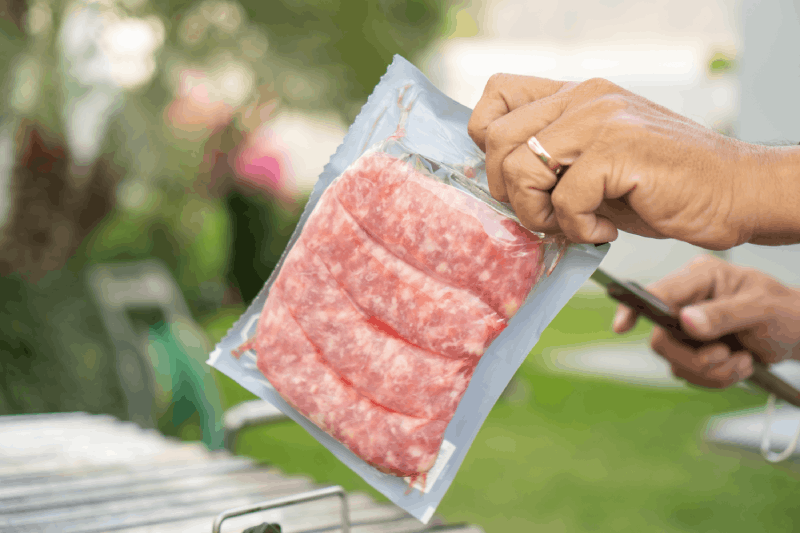
Vacuum sealing is not just a storage method; it is also a fantastic flavor enhancer. When you vacuum seal your meats with marinade, the low pressure created by removing the air allows the meat's fibers to open up. This enables the marinade to penetrate much faster and more effectively into the deepest fibers of the meat. If you want to enjoy a tender and flavorful ribeye or chicken wing on your first night of camping, as if it has been marinated for days, vacuum-sealed packages will be indispensable. This method prevents the meat from losing its juices and results in a much juicier outcome during cooking.
Why Are Vacuum-Sealed Packages Essential for Preparing Quick Dinners Over the Campfire?
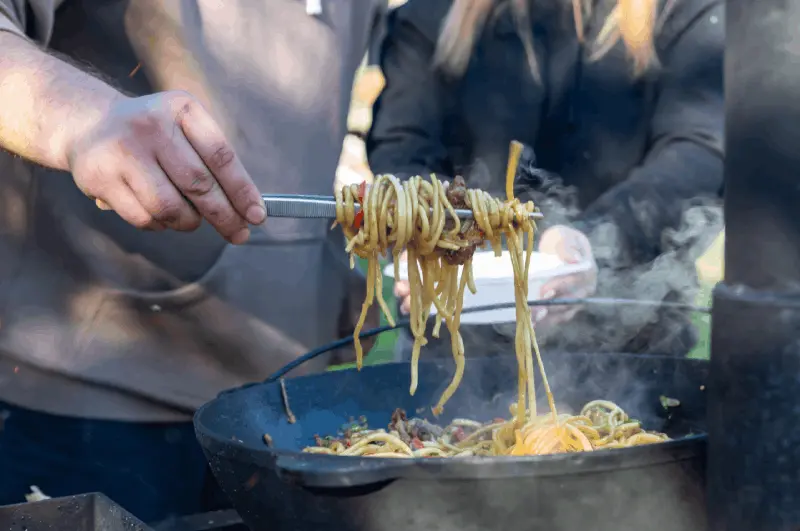
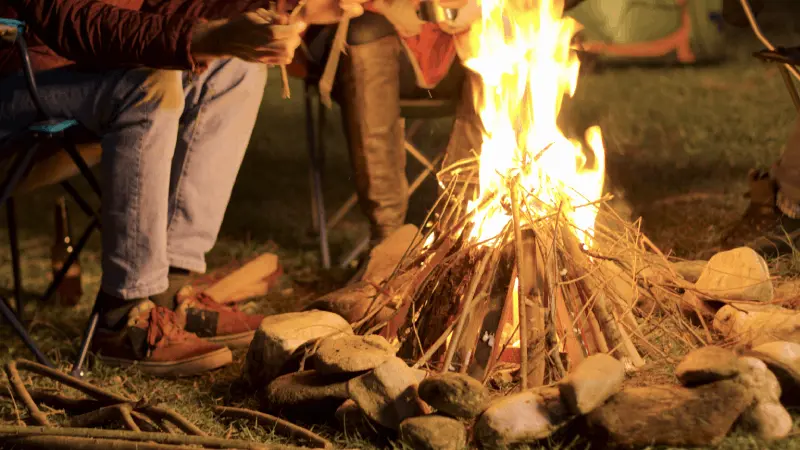
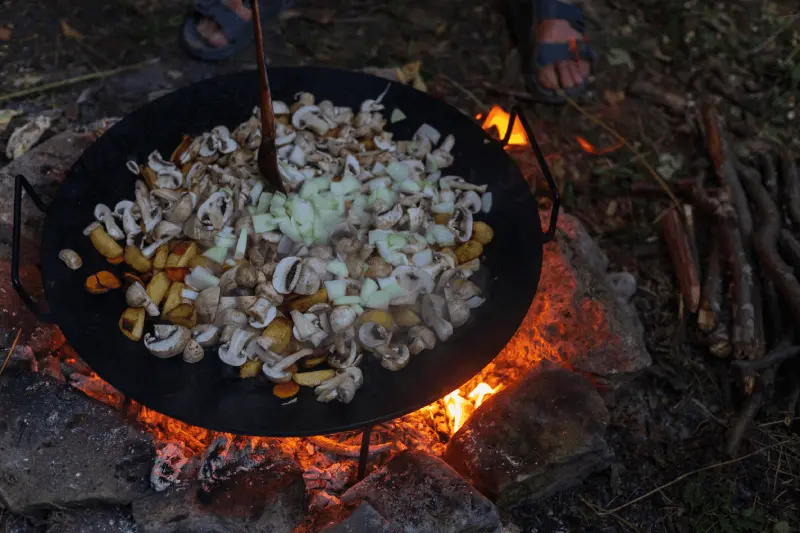
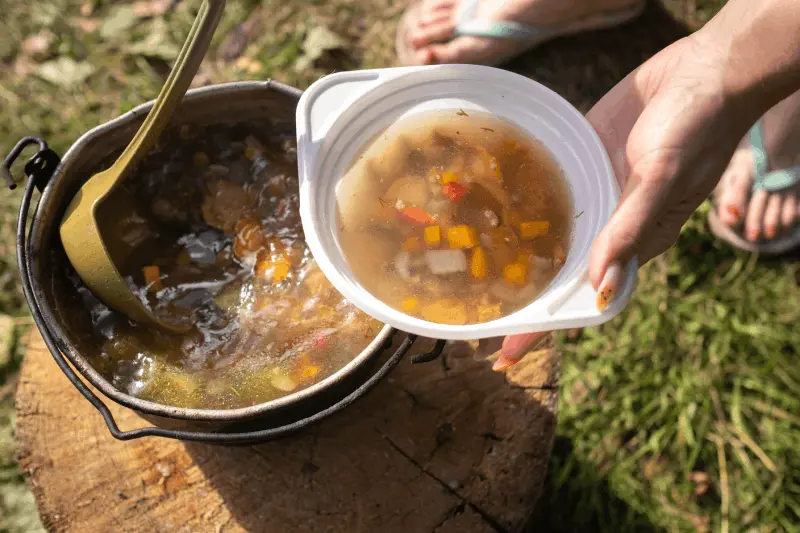
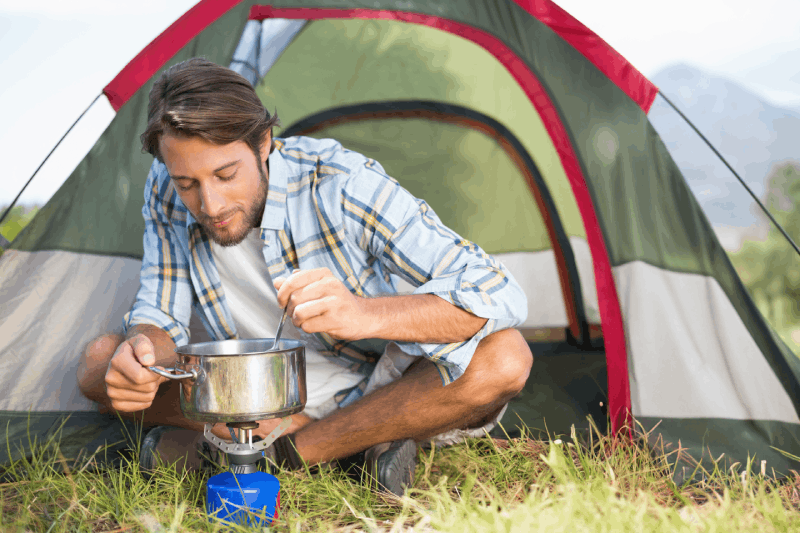
After a long day in nature, no one wants to spend hours preparing food. Vacuum-sealed foods bring the concepts of "pre-cooking" and "ready meals" to the campsite. A casserole or pasta with sauce that you prepared and vacuum sealed at home can be ready to eat by simply heating it over the campfire. By placing vacuum bags directly into hot water (the boil-in-bag method), you can heat your meal without dirtying your pot and save fuel. This speed elevates camping comfort, especially when darkness falls or the weather gets cold.
Can Vacuum-Sealed Foods Serve as a Shield Against Bear and Wild Animal Threats?
One of the biggest risks when camping in the wild is that the odors from your food can attract wild animals to your campsite. Vacuum technology traps food behind air-tight polymer barriers. This makes it nearly impossible for odors to escape. Considering how sharp the sense of smell is for bears or wild boars, vacuum packaging increases your safety layer. Of course, food should still be stored at safe heights or in bear-proof containers, but cutting off odor emissions in the first place is the most important line of defense.
How Can the Risk of Food Poisoning Be Minimized with Vacuum Sealing During Long Transitions?
Food poisoning is one of the worst scenarios that can happen to you in a remote campsite. Oxygen is a key element necessary for bacteria to thrive. When the vacuum sealer removes the air, it eliminates the breeding ground for aerobic bacteria and molds. This process can extend the shelf life of foods by 3 to 5 times compared to normal conditions. Maintaining the freshness of protein-rich foods (meat, dairy products) is vital during summer camping trips. A vacuum-sealed product is less affected by temperature fluctuations in your cooler, providing you with a guarantee of safe nutrition.
Is Vacuum Sealing Necessary for Vacuum-Packing Raw Foods to Prevent Cross-Contamination?
Camping coolers or insulated bags often have limited space, and raw meats and fresh vegetables may have to coexist in the same area. Juices that can leak from raw meat pose serious health risks to vegetables or fruits. Vacuum bags eliminate this "cross-contamination" risk by guaranteeing leak-proofing. When you vacuum seal each type of food separately, you maintain the organization inside your bag while ensuring that each item stays in its own isolated environment. This hygienic standard will also reduce the cleaning burden in areas where water sources are limited.
What Are the Advantages of Vacuum-Sealed Foods at Temperatures Below Freezing During Winter Camping?
In winter camps, foods face not only the risk of spoilage but also extreme freezing and moisture loss. The phenomenon known as "freezer burn" occurs when food dries out due to exposure to outside air. Vacuum bags act like a protective skin over the food, preventing this dehydration. Additionally, thawing a frozen vacuum-sealed package is much easier; you can simply place the package directly into warm water, allowing it to thaw quickly without water entering the contents. This method also prevents food from getting wet in snowy conditions or coming into contact with mud.
Is It Possible to Bring the Sous-Vide Technique to the Campsite with a Vacuum Machine?
The popular culinary method known as Sous-vide (cooking in vacuum) is actually a perfect match for camp cooking. A steak that you cooked to your desired doneness and vacuum sealed at home can be served restaurant-quality by simply searing the outside at the campsite. This method helps you maintain the internal temperature of the meat just right. Keeping vacuum-sealed foods in a low-temperature water bath is the most professional and foolproof cooking technique you can do while camping. This way, you completely avoid the risk of drying out your meat over an uncontrolled campfire.
What Role Does Vacuum Sealing Play in Portion Control and Waste Management?
Every gram you bring into nature should be accounted for. Portioning your foods during the vacuum sealing stage ensures that you know exactly how much food you have for camping. You won’t risk opening too much food and spoiling it. Preparing a vacuum-sealed breakfast pack for each morning and a dinner pack for each evening professionalizes your camping management. Additionally, portioned foods help prevent food waste. Waste management in nature can be challenging, so by using pre-prepared portions, you minimize the amount of organic waste that needs to be cleaned up at the campsite.
How Can Liquid Leakage Be Prevented While Preserving the Freshness of Breakfast Foods?
Olives, cheese, honey, or various sauces are indispensable for breakfast, but their potential to leak is a nightmare for campers. Vacuum bags or vacuum-sealed hard containers absolutely prevent these foods from leaking oil or liquid. While standard plastic containers can leak from their lids when compressed under pressure or packed tightly in a bag, vacuum technology uses atmospheric pressure to seal the lid or bag around the food. This way, you won’t encounter unpleasant surprises like olive oil everywhere when you open your bag. It also prevents dairy products from oxidizing and spoiling.
How Effective Is Vacuum Sealing in Protecting Dry Legumes from Moisture and Insect Infestation?
Not only fresh foods but also dry legumes like rice, pasta, and lentils are under threat in nature. Especially in humid forests or rainy weather, dry foods can absorb moisture, altering their cooking times or causing spoilage. Additionally, small insects or ants can easily reach these foods. Vacuum packaging completely isolates dry foods from moisture and creates a physical barrier to prevent pests from getting in. A vacuum-sealed package of lentils will remain as dry and clean as the first day, even if it sits at the bottom of your bag for months.
How Does Vacuum Sealing End the Nightmare of Spilling Spices and Sauces Inside the Bag?
The key to making a camping meal legendary lies in spices and sauces. However, small jars can be both heavy and fragile. By portioning your special blend spices or homemade sauces into small vacuum bags, you reduce weight and eliminate the risk of spills. When using vacuum bags with a "tear-notch" (easy-open notch) system, you can open the package and pour directly into the pot without needing scissors. This method also prevents the aromas of the spices from mixing with the air and escaping, adding a much richer flavor layer to your meal.
What Should Be Done to Prevent Leftover Foods from Spoiling on the Journey Home After Camping?
Camping plans don’t always go as expected, and sometimes you may consume less food than planned. In this case, you want to bring back the valuable ingredients you have left instead of throwing them away at the end of the trip. If your foods are vacuum-sealed, they will have maintained their freshness even if they stayed in the cooler throughout the camping period. The temperature increases during the return journey will continue to protect the food inside the vacuum bags. Once you arrive home, you can directly place these foods in the refrigerator or freezer, ensuring you can safely use them for your next camping trip or for dinner at home.
How Can Ready Meal Recipes for Solo Campers Be Standardized with Vacuum Sealing?
Cooking can sometimes seem like a chore for those camping alone. Solo campers achieve great comfort by vacuum sealing fully prepared meals (like a vegetable chicken stir-fry or a meaty pasta sauce) in single-serving portions. This means you only dirty one pot while camping to have a filling meal. Additionally, since safety is a priority in solo camping, reducing cooking time means better monitoring of the surroundings and more time for relaxation. Vacuum sealing acts like a personal chef for the solo camper.
Is Vacuum Sealing a Necessity for Climbers Seeking Lightness and Caloric Balance?
Every gram counts in high-altitude climbing or long-distance hiking. Climbers need high-energy but lightweight foods. While vacuum sealing doesn’t completely remove moisture from foods (that’s dehydration), it minimizes packaging weight. Vacuum-sealed dried fruits and nuts take up less space compared to regular packaging and do not risk bursting in your bag. Additionally, pressure changes at high altitudes can sometimes cause lids on containers to pop open, while vacuum-sealed bags are much more resistant to these external pressure differences.
How Do We Preserve the Vitamin Value of Vegetables by Slowing Down the Oxidation Process?
Freshly cut vegetables begin to lose their vitamin value and color as soon as they come into contact with air. Eating fresh vegetables while camping is critical for morale and health. When you cut and vacuum seal vegetables like potatoes, carrots, and peppers at home, you stop oxidation. This process keeps the vegetables fresh, crunchy, and nutritious as if they were just cut. Vacuum-sealed opaque packages are a great solution, especially for preserving heat-sensitive vitamins like vitamin C. With this technology, you can enjoy a vibrant salad even on your last day of camping.
Do Vacuum Bags Affect the Melting of Ice Inside a Camping Cooler or Insulated Bag?
Many campers hate it when the ice in their insulated bag melts and their food swims in that melted water. Even standard ziplock bags can sometimes leak water, turning your sandwiches or cheeses into a soggy mess. Since the seams of vacuum bags are sealed with heat, they are completely waterproof. Even if the ice melts and fills your bag with water, your vacuum-sealed foods will not be affected by this. In fact, you can continue to use this cold water as an advantage to keep your food cool. The peace of mind that comes from knowing your meal remains dry and hygienic is priceless.
How Should Waterproof Food Preparation Be Done for Sea Kayaking or Rafting Tours?
In camps combined with water sports, the risk of food getting wet is at its maximum. Water entering the kayak or all your supplies becoming unusable during a capsizing is not just a minor issue. Vacuum packaging acts like a "life jacket" for your foods. By using double-layer vacuum bags, you can keep your food 100% dry even in the roughest waves or river crossings. In these disciplines, vacuum-sealed bags are not just a kitchen convenience but also a part of survival strategy. A dry sandwich in a wet world is the biggest boost to your morale.
Is It Logical to Use Vacuum to Prevent Bread and Baked Goods from Staling?
Bread is one of the fastest foods to go stale and mold in nature. However, vacuum sealing it completely can crush it like paper. This is where devices with "pulse" or "manual" vacuum modes come into play. By lightly vacuum sealing bread or pastries and removing the air, you significantly slow down the staling process. Since the air contact is cut off, the bread retains its moisture and does not dry out. If you want to use a soft hamburger bun even on the third day of camping, you should definitely try the controlled vacuum sealing technique. This method can double the shelf life of baked goods even in outdoor conditions.
What Are the Key Points for Preparing Hygienic Snacks During Camping with Children?
Camping with children requires extra attention, especially regarding snacks and hygiene. Fruit slices, cheese sticks, or small crackers are among the favorite snacks for kids. Putting these foods in small, colorful vacuum bags helps you control portions and prevents children from touching the entire package with dirty hands. Giving each child their own "snack pack" creates order at the campsite. Additionally, the airtight nature of the bags prevents forgotten fruits from spoiling or leaking inside the bags, lightening the parents' load.
What Are the Pre-Preparation Strategies That Shorten the Setup Time for Camping Kitchens?
Setting up a kitchen while camping can sometimes take too much time, involving unpacking, chopping, and preparing ingredients. Vacuum-sealed foods allow you to create "ready sets." For example, you can prepare a "Menemen Pack" that contains chopped tomatoes, peppers, and even vacuum-sealed sausage slices. When you place the pan over the fire, all you have to do is open the package and pour it in. This pre-preparation strategy reduces chaos in the camp kitchen and gives you more time to enjoy the taste of nature. Even complex recipes can be prepared at home and cooked in seconds in the wild.
Does Vacuum Storage of Bulk Foods Save Money for Economical Camping?
Camping gear can be expensive, so it makes sense to save on food costs. Bulk-purchased meats, cheeses, or nuts can be vacuum sealed and divided into smaller portions, reducing the unit cost. Small, "camp-friendly" packaged products in stores are often much more expensive. By doing this process at home with your own vacuum machine, you can prepare professional-quality camping food while also keeping your budget in check. In the long run, the reduction in the amount of food that spoils and is thrown away will more than cover the cost of the vacuum machine.
How Should Vacuum Packaging Be Managed While Operating on the Zero Waste Principle in Nature?
The use of plastic in vacuum bags can be a concern for eco-friendly campers. However, at this point, "washable and reusable" vacuum bags or vacuum-sealed glass containers come into play. Additionally, preventing food spoilage to reduce food waste is a much greater gain environmentally. Collecting used bags at the end of the camping trip for recycling or opting for high-quality brands of reusable silicone vacuum bags is the best way for sustainable camping. If every organic waste left in nature disrupts wildlife, vacuum bags are the unsung heroes of waste management.
Is the Vacuum Technique Reliable for Food Stabilization in Different Climate Conditions?
The place where you camp can be as hot as a desert or as humid as a tundra. Extreme climate conditions can rapidly degrade the physical and chemical structure of foods. Vacuum sealing prevents food from being affected by external humidity levels or air pollution by completely isolating it from the outside atmosphere. These packages provide a stable internal environment, preventing food from sweating or drying out. You can eliminate the negative effects of salty moisture from coastal areas or dry air from high mountains on your foods through vacuum sealing. This isolation also makes the food somewhat more resistant to thermal shocks.
What Is the Secret of Vacuum Marinade That Improves Cooking Techniques Over the Campfire?
The campfire is not as controllable as home stoves; sometimes it burns too hot, and sometimes too weak. Meat prepared with vacuum marinade cooks much more evenly even at this inconsistent heat due to its fibers having softened beforehand. Ensuring that the marinade is evenly distributed to every part of the meat allows every spot on the fire to reach the same flavor level. Additionally, letting the vacuum bag sit in warm water before opening (tempering) helps raise the internal temperature of the meat, allowing it to cook much faster and safely over the fire. This is the secret of camp chefs' "perfect steak."
What Is the Shelf Life of Vacuum-Sealed Foods in an Emergency Bag?
Many campers also prepare emergency bags as "preppers." Vacuum-sealed dry foods, energy bars, and ready meals are ideal for emergency bags. A mixture of dried fruits that normally has a shelf life of 6 months can maintain its freshness for up to 2 years when vacuum sealed and stored in a dark/cool place. Ensuring that the high-calorie foods you need in an emergency do not spoil provides a vital sense of security. Regularly checking these foods and renewing their vacuum seals ensures you are always prepared for the toughest conditions.
Is Vacuum Sealing Necessary for Storing Caught Fish at the Campsite After Fishing?
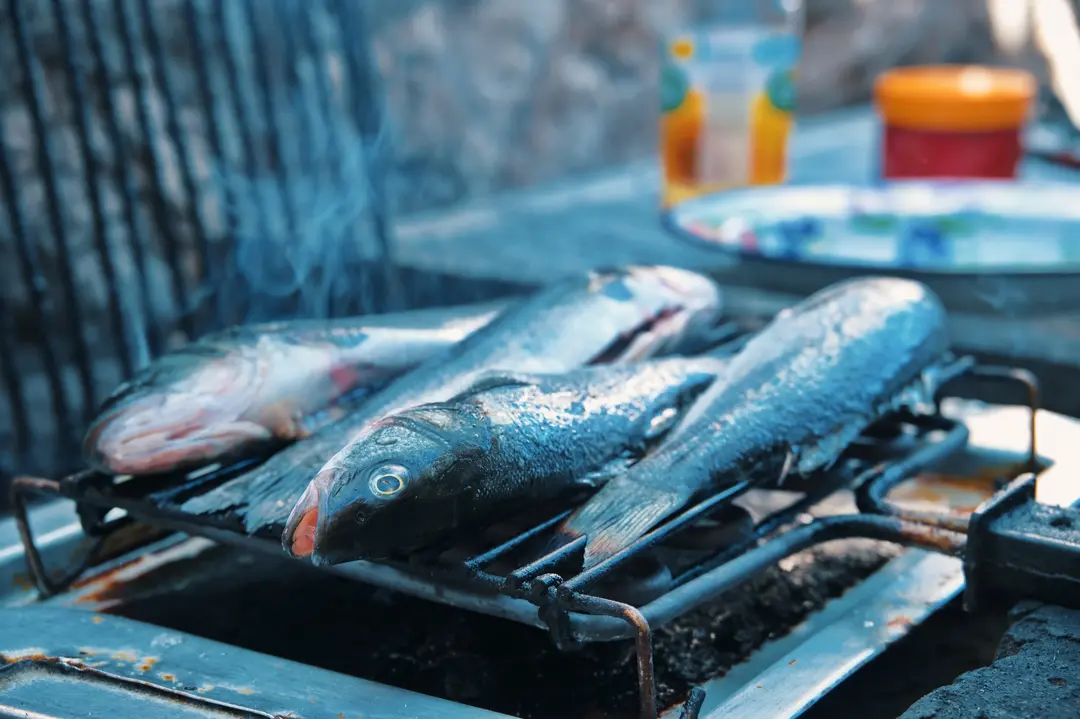
If you enjoy fishing while camping, storing the fish you catch can be a big issue if you won’t consume them immediately. Fish meat is one of the fastest spoiling proteins. Using a portable vacuum device to clean and vacuum seal the freshly caught fish you plan to carry with you stops bacterial growth. Vacuum-sealed fresh fish placed in the coldest part of the cooler can remain unspoiled until the journey home or for the following days of camping. This method also professionally prevents the strong odor of fish from permeating other camping gear.
What Is the Importance of Vacuum-Sealed Meals That Facilitate Digestion in High-Altitude Climbs?
At high altitudes, the digestive system slows down, and it becomes harder to digest heavy meals. Additionally, cooking takes much longer due to the lower boiling point of water. Light and easily digestible meals (purees, lightly sauced chicken) that are pre-cooked and vacuum sealed at home are lifesavers for climbers. These meals heat up quickly and present the nutrients the body needs in a form that can be easily absorbed. The energy spent cooking in low-oxygen environments should not detract from the energy needed for climbing. Vacuum sealing optimizes this energy management.
How Does Vacuum Sealing Simplify Meal Distribution and Organization in Group Camps?
Meal distribution often turns chaotic in camps with large groups of friends. Who eats what, how much they eat, and who keeps the dishes is always a topic of discussion. Preparing pre-vacuum-sealed "meal packs" for each participant eliminates this chaos. Everyone takes their own pack, heats it up, and eats. This method not only prevents food waste but also ensures that shared kitchen costs are distributed fairly. For organizers, vacuum sealing is a logistical genius and helps maintain the social harmony of the camp.
How Has Technology Changed the Culinary Culture of Modern Camping with Vacuum Sealing?
Camping kitchens used to consist only of canned goods and dry bread. However, with the portability of vacuum sealing technology, it has become possible to experience "fine dining" even in the heart of nature. Technology has built a bridge between wild nature and comfort. Campers are no longer just surviving; they are also eating well and showcasing their culinary skills. Vacuum-sealed foods have elevated camping culture to a more sustainable, safer, and definitely much tastier level. Loving nature means learning to enjoy it while causing the least harm and getting the most pleasure from it.