How Does Being in the Embrace of Nature During Ramadan Add Serenity to Your Soul?
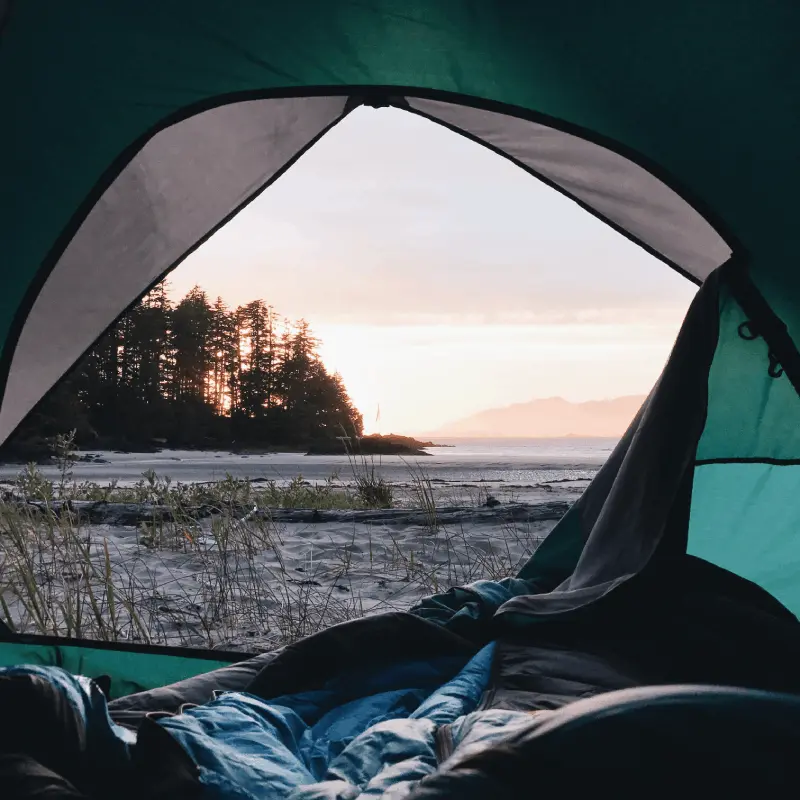
The month of Ramadan is a unique time when a person turns inward, experiencing patience and gratitude. Retreating from the city's noise, chaos, and the constant rush to get somewhere, and embracing nature allows you to feel this spiritual atmosphere much more deeply. Having sahur accompanied by the sounds of birds, breaking your fast in the glow of sunset, and reflecting under the stars in the sky provides spiritual purification. Escaping the digital fatigue brought by modern life and simply keeping pace with the rhythm of nature opens an unparalleled door for campers on the path to achieving the true purpose of fasting, which is self-discipline and tranquility. The silence of the forest is actually the most ideal environment for you to hear the voice of your soul.
Why Are the Climatic Conditions of the Camping Area Vital for Those Fasting?
While fasting, the body remains without water and food for a long time, so the temperature and humidity of the camping area are of vital importance. Camping in a very hot and sunny area can lead to rapid water loss (dehydration) through sweating, triggering health problems. For this reason, those who will camp during Ramadan should prefer areas that are high above sea level, wooded, and shaded. Plateaus or densely forested areas help you maintain your energy by making you feel the heat of the day more balanced. Choosing the right climate not only protects your physical health but also allows you to perform your worship in a more vigorous and focused manner.
Which Foods Keep You Full and Hydrated During Sahur Can Be Prepared Over a Campfire?
Preparing sahur in camping conditions requires practicality, but nutrition should not be compromised. Oatmeal prepared over a campfire or portable stoves, combined with added nuts and dried fruits, provides long-lasting satiety. Additionally, eggs, which are high in protein, are indispensable for sahur at camp; a vegetable menemen offers both liquid and vitamin support. Low-salt cheeses that won't trigger thirst, nuts instead of olives, and whole grain breads that are a source of complex carbohydrates should be preferred. Avoiding sugary foods will prevent sudden drops in blood sugar during the day and early hunger pangs. Completing sahur with a glass of ayran or herbal tea is an excellent touch for fluid balance.
How Should Physical Activity Be Balanced in the Camping Area to Preserve Energy Throughout the Day?
Being in nature may awaken the desire to move, but a fasting camper must use their energy wisely. Instead of doing heavy exercises in the heat of the day, you should spend your time reading a book in a shaded area, maintaining daily routines, or doing light stretching exercises. Engaging in physical activities generally one or two hours before iftar or immediately after sahur allows you to move without overexerting your body. Low-intensity activities like short-distance photography walks or birdwatching do not hinder your exploration of nature while minimizing the feeling of thirst. Remember that the purpose of camping is not to rush from one place to another, but to enjoy the moment and harmonize with the rhythm of nature.
What Are the Key Points for Setting Up a Practical and Nutritious Iftar Table in the Forest?
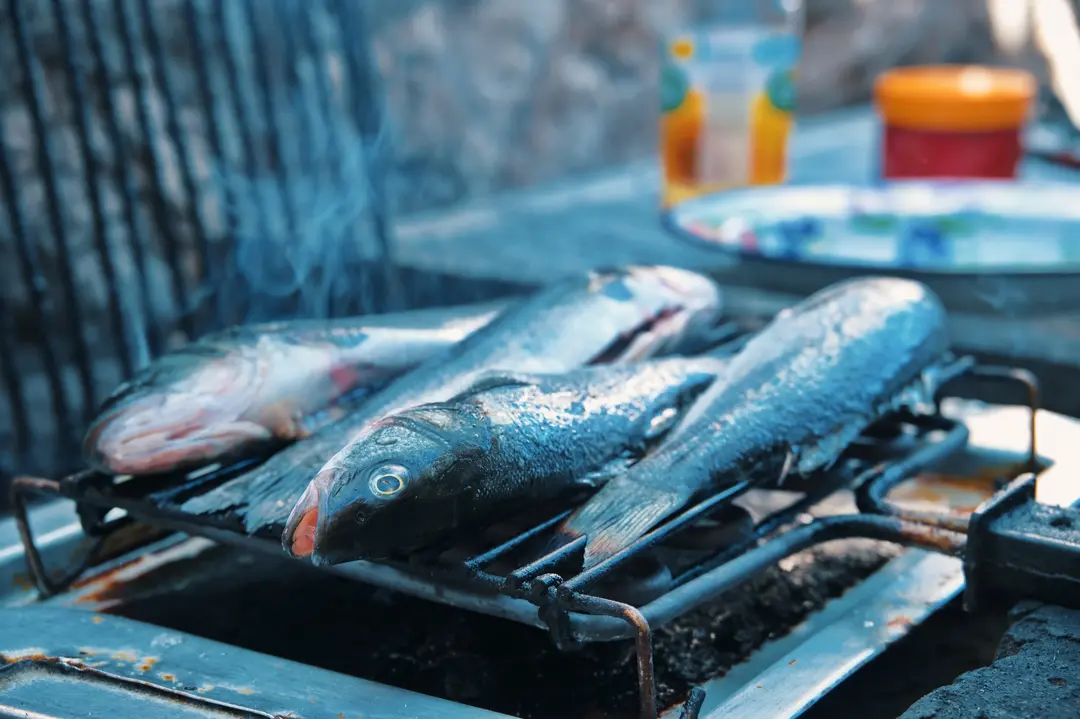
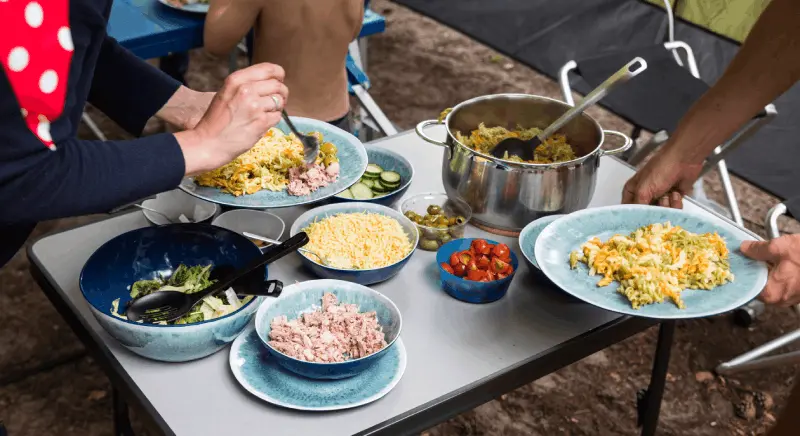
When iftar time arrives, it is important to set up a table that can be quickly prepared but meets the body's nutritional needs. First, dates and water should be consumed to balance blood sugar, followed by a light soup that won't burden the stomach. For the main course, one-pot pasta, vegetable bulgur pilaf, or fresh vegetable dishes that are not canned can be preferred. If you have the opportunity to start a fire, healthy options like baked potatoes or fish in foil are both delicious and filling. Instead of heavy syrupy desserts at the camp table, consuming fresh fruits or lightly sweetened compotes helps prevent heaviness that may occur after iftar, allowing you to spend the night more energetically.
Why Is Being Close to Water Sources a Priority Choice in Ramadan Camping?
Water is life, and this fact becomes even more pronounced during Ramadan camping. Since plenty of fluids need to be consumed during both sahur and iftar, choosing a camping area close to a drinkable water source provides great convenience. Not only drinking water but also water is needed for meal preparation and personal hygiene. Campsites near rivers or springs help keep the air cooler, alleviating daytime heat. If you are camping far from a water source, you should double the amount of water you carry and stock up on drinks containing electrolytes to counter dehydration risk. The sound of water is also a natural therapy that enhances the spiritual tranquility of the camping environment.
What Feelings Does the Experience of Tarawih and Reflection Under the Stars Evoke in Campers?
Worshiping in the boundless silence of nature, away from the crowds of city mosques, is a completely different dimension. Praying on a mat spread in front of your tent, accompanied only by the rustling of the wind and the whispering of leaves, makes the connection with the Creator more pure and sincere. Reflecting under a sky free of light pollution allows a person to question their place in the universe and recognize the immense order in the cosmos. This experience is a moment of reunion with the "essence" that modern humans have lost. While the stars guide you, every minute spent in the heart of nature... It turns into a type of meditation and a deep source of inner peace.
How Does the Oxygen-Rich Air of Kaz Mountains Facilitate the Fasting Process?
Kaz Mountains are known as one of the regions with the highest oxygen levels in the world, which is a significant advantage for fasting campers. The high oxygen level helps cells work more efficiently, reducing symptoms related to fasting such as fatigue and headaches. The cool breezes of the mountains prevent you from feeling overwhelmed even on the hottest days, while the rich vegetation around keeps your mind fresh. Especially camps set up near springs offer refreshment with natural cold water sources. This natural support provided by Kaz Mountains transforms fasting worship into a health cure where the body and soul are rejuvenated rather than a burden.
Can the Coolness of Yedigöller Be a Refuge During the Heat of Ramadan?
The pearl of Bolu, Yedigöller, is a sanctuary for nature lovers during Ramadan, just like in every season. Thanks to its dense tree structure and the microclimate created by the lakes, it forms a natural shield against the scorching heat outside. The walking paths around the lakes are very suitable for light-paced walks towards iftar. The early onset of the night coolness makes the time for sahur much more enjoyable and refreshing. Additionally, the silence in the area provides a perfect environment for those who want to reflect and embark on an inner journey. Waking up in Yedigöller is a unique opportunity to start the day fresh and express gratitude for all the blessings nature offers.
How is Cleanliness and Hygiene Maintained for Fasting Explorers in Long-Term Camps in Nature?
When we are fasting, our bodies can sometimes become more sensitive, so it is important to maintain hygiene standards. Even if water is limited in the camp, one should not neglect hand and face cleaning by using biodegradable soaps. Paying attention to hygiene during meal preparation helps prevent possible stomach discomfort. Natural water sources used for ablution provide both physical cleanliness and help balance body temperature with the cooling effect of water. Be sure to include wet wipes, disinfectants, and natural ingredient sunscreen in your personal care kit. Additionally, ventilating the inside of the tent and airing out the sleeping bag every day is essential for a comfortable sleep and thus an energetic fasting process.
What Safety Precautions Should Be Taken When Camping Alone During Ramadan?
Camping alone can bring great inner peace, but extra caution should be taken, especially while fasting. First of all, you should inform a relative about your camping location and, if possible, communicate regularly. In case of a possible drop in blood pressure or fatigue due to fasting, it is vital to have a first aid kit and energy-providing emergency foods (like honey or molasses) nearby. Make sure to hang your food away from your tent or store it in airtight containers to protect against wild animals. Checking the weather in advance and being prepared for sudden temperature changes will keep this sacred time period you spend alone safe.
How Do Iftar Tables Shared with Camp Neighbors Strengthen Social Solidarity?
The spirit of Ramadan is sharing, and this spirit manifests itself in a much more sincere way in camping areas. Tables shared with campers in the adjacent tent are enriched with the philosophy of "a dish of food is also from me." Breaking fast together with people from different cities at the same fire helps break down prejudices and fosters deep friendships. A shared cup of tea or a roasted potato is worth much more than tables in luxury restaurants. This solidarity reminds us of the human need for one another in the harsh conditions of nature while showcasing the unifying power of Ramadan in its purest form. Friendships formed in the camp are often much more lasting and meaningful than relationships in city life.
What Are the Advantages of Camping During Ramadan in the Hidden Coves of the Mediterranean?
Although the Mediterranean region is generally warm, camping during Ramadan, which falls in April and May, is very enjoyable before the scorching heat begins. Especially the hidden coves where pine forests meet the sea allow you to stay cool in the shade during the day and enjoy a peaceful atmosphere in the evening with the soothing effect of the sea. Breaking fast by the sea is an invaluable feeling that calms the heat accumulated in the body throughout the day with the blue of the sea. Additionally, the opportunity to access fresh seafood can enrich your iftar menus with protein. However, it is essential to use natural repellents against mosquitoes in Mediterranean camps and to stay in the shade during the hottest hours of the day.
How Does Spending Nights by the Campfire Nourish the Spirit?
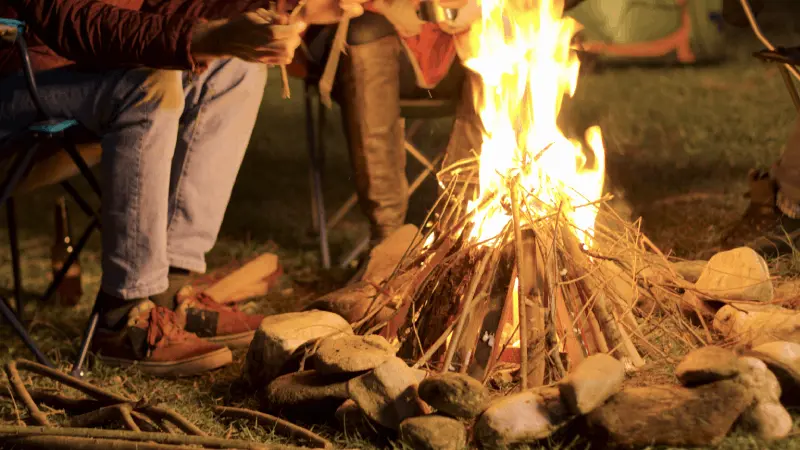
The campfire that replaces the setting sun after iftar is the heart of the camp. The rhythmic crackling of the fire leads one into a deep tranquility and contemplation. The prayers made, books read, or deep conversations with friends during these quiet moments are the food for the soul. Being away from the artificial lights of the city and being alone with the warmth and light of the fire simplifies the chaos in one's inner world. The times spent by the campfire are also the center of that sweet peace felt while preparing for tomorrow's sahur. The warmth in those moments when the fire is about to go out reminds one that every ending is actually a new beginning and that the end of patience is safety.
Can Ramadan Camping Be an Educational Process for Families with Children?
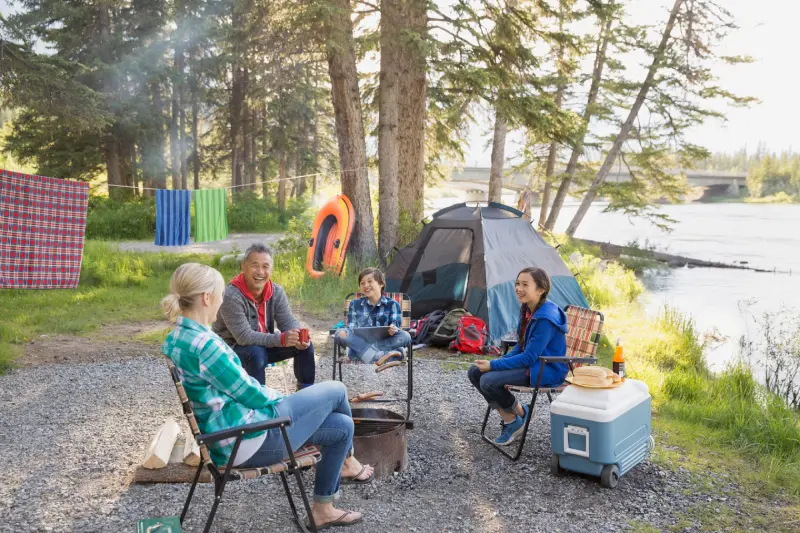
Ramadan camping can teach children patience, sharing... It is a unique "outdoor school" aimed at learning to recognize nature and fasting. Children observe how their parents harmonize with nature while fasting, realizing that this worship is not just about staying hungry, but a process of kindness and resilience. The excitement of waking up for sahur, helping to prepare iftar in the forest, and learning to use the limited resources in nature efficiently positively contributes to their character development. Moreover, observing and respecting the living beings in nature enhances their feelings of compassion. This process is an experience that strengthens family bonds and leaves beautiful Ramadan memories in children's minds that will never be forgotten.
Why is Fasting in the Black Sea Plateaus Considered a "Purification Ritual"?
The misty plateaus of the Black Sea, with their low temperatures and endless greenery, are like a paradise garden for those who fast. Here, the air is so clean and fresh that the feeling of hunger gives way to vitality. Camps set up near plateau houses or in completely isolated areas provide access to natural products like milk, cheese, and honey, allowing sahur and iftar to be made with the highest quality foods. Watching the constantly moving sea of clouds cleanses the mind from daily worries. A Ramadan spent in the Black Sea plateaus is not just a detox process for the stomach, but also for the lungs, mind, and heart. The coolness here transforms fasting from a physical burden into a means of spiritual lightness.
What Should Be Considered for the Comfort of a Faster When Choosing Camping Equipment?
When fasting, the quality of sleep and moments of rest become much more important, so choosing comfortable sleeping equipment is a priority. Self-inflating mats or a quality camping bed ensure that the body rests as efficiently as possible during the short time between iftar and sahur. Additionally, a quality camping chair or hammock should definitely be on the list to comfortably rest in the shade during the day. On the kitchen side, jetboil-type stoves that boil water quickly offer a significant advantage to avoid wasting time during sahur. In terms of lighting, instead of powerful battery-operated lanterns that facilitate night prayers or readings, soft-light lamps charged by solar energy would be more suitable for the spiritual atmosphere of the camp.
How Does Waste Management in Nature Relate to the Spirit of Economy During Ramadan?
The month of Ramadan teaches us to avoid waste not only in food but in every area. Applying this principle while camping is essential for the protection of our forests. By acting according to the "Zero Waste" principle, it is necessary to use washable camping sets instead of plastic plates and to remove all our waste (including organic ones) from the campsite. Avoiding food waste by cooking only as much as needed provides both physical lightness and prevents us from being a burden on nature. The feeling of "contentment with little" that Ramadan brings is a practical lesson showing how happy one can be with fewer items and less consumption while camping. Leaving nature cleaner than you found it is a part of your worship and your debt to the environment.
What Light Exercises Are Recommended to Shed Physical Weight After Iftar?
To break that famous "heaviness" feeling caused by the rise in blood sugar after iftar, it is very beneficial to take a short and slow-paced night walk in the campsite. Breathing in the fresh night air facilitates digestion and helps you regain your energy. Additionally, light torso twisting movements or stretching your arms while sitting in your camping chair invigorate circulation. If possible, light meditation or deep breathing exercises prepare the mind for night prayers. The important thing is to gently awaken the body without straining it. With these light movements, you can shake off the sleepiness experienced after iftar and benefit more from the spiritual atmosphere of the night.
What Precautions Should Be Taken to Avoid Freezing During Sahur While Camping in Seasonal Transitions?
Since the month of Ramadan usually coincides with the spring months, campsites can be quite cool at night and during sahur. When you wake up for sahur, your body temperature will be low, so you should apply the principle of layering (the onion method). Thermal underwear, a fleece jacket, and a windbreaker during sahur preparation will keep you warm. Additionally, drinking a warm beverage (herbal tea or ginger water) will warm the body from the inside. Make sure your sleeping bag is suitable for the seasonal limits, and if you plan to sleep again after sahur, air out your sleeping bag beforehand to remove moisture. Keeping your feet warm is critical for maintaining overall body warmth, so a quality pair of wool socks is essential for sahur.
What Are the 5 Most Important Items You Should Have with You While Camping During Ramadan?
First, it is definitely sufficient amounts of quality drinking water and water-carrying containers. Second, high-nutritional and non-perishable energy sources such as dates, dried fruits, and honey. The third is a quality mat and sleeping bag set that will protect you from the night chill and provide resting comfort. The fourth is a reliable, long-lasting light source for sahur and night prayers. The fifth, and perhaps the most important, are books or a reflection journal that will enrich your spiritual world. These five essential elements provide the infrastructure you need to focus on the spiritual depth of fasting while meeting your physical needs. Of course, a respectful attitude towards nature and patience are also the invisible but most valuable parts of this list.
What is the Fundamental Difference Between Fasting in Nature and Fasting in Modern City Life?
When fasting in the city, the...
We are exposed to a barrage of distractions; advertisements, honking horns, work stress, and social media divert our attention. In nature, however, fasting is an action directed more towards the inner world than the outer world. Here, your only concerns are the movement of the sun, the direction of the wind, and your own breath. While fasting in the city may feel like a "test of patience," in nature it transforms into a "liberation." The flow of time in nature is much slower and more meaningful; waiting for iftar is not a torment, but a pleasure of watching the transformation of nature. This difference is the most important element that ensures modern humans regain the tranquility they have lost and find their true selves. Fasting held in nature proves how little one actually needs.What is the Aesthetic of Having Suhoor in the Silent Plateaus of Central Anatolia?
The endless steppes and high plateaus of Central Anatolia are enveloped in a mystical atmosphere during the month of Ramadan. Having suhoor under the incredible clarity of the night sky, accompanied by the distant howl of a wolf or the whisper of the wind, makes one feel like a dervish living in ancient times. The unique scent of the steppe, combined with the silence of suhoor time, completely clears the mind. The suhoor tables set here are simple yet striking; a piece of fresh flatbread, a bit of cottage cheese, and a warm tea feel more precious than the most luxurious table in the world amidst that endless emptiness. This aesthetic is a visual and spiritual expression of a bond established entirely with essence and belief, far from showiness.
How Does the Experience of Returning to the City After Ramadan Camp Affect Your Life?
Spending a month of Ramadan in the heart of nature gives you a new perspective when you return to the city. You question your consumption habits, realize how great a burden waste is, and understand how significant silence is as a need. Remembering how peaceful you were with those limited resources in nature creates a resistance against the false needs brought by city life. You become a more patient, more grateful, and more sensitive individual towards your surroundings. This camp experience becomes a source of inner strength and tranquility that will guide you throughout the rest of the year, not just a thirty-day process. The noise of the city can no longer harm you as it used to, because you carry the silence of nature in your heart.
What Should Be Considered When Creating a Worship Area in the Camp?
The area you choose for worship should be flat, relatively protected from the wind, and clean to enhance your comfort. The mat or rug you spread under a large tree that provides shade next to your tent becomes your special sacred space. Determining the direction of Qibla in advance with a compass or an app makes it easier during the preparation phase. Keeping this area a bit away from other camp activities (cooking, washing dishes) facilitates your mental focus. Illuminating this spot with a small, dim lamp in the evenings provides both an aesthetic appearance and creates a peaceful environment. Although nature itself is already a vast temple, this small corner of yours helps you maintain your spiritual discipline.
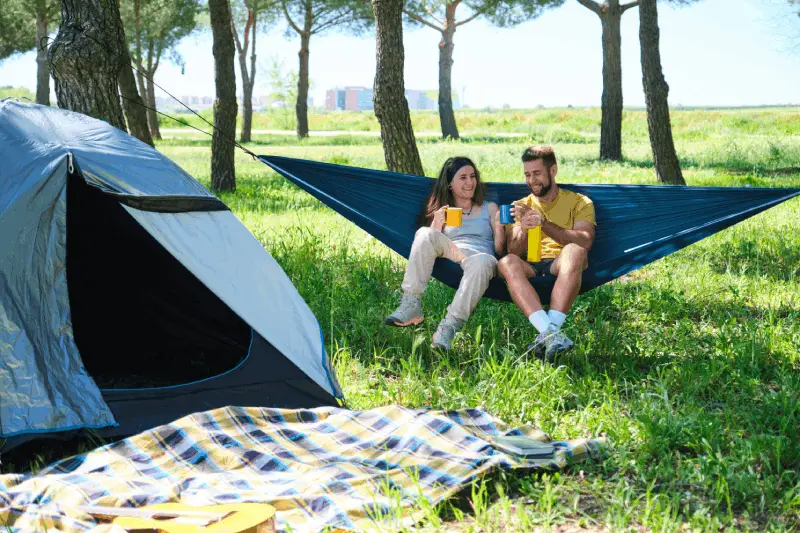
What Local and Healthy Herbs Can Be Added to the Iftar Table in the Aegean Plateaus?
The Aegean region is a treasure in terms of the healing herbs that nature offers, and benefiting from these blessings while camping makes your iftar table both healthy and delicious. Herbs like nettle, radish, shepherd's purse, or sea purslane (if you are near the coast) can be quickly harvested or lightly sautéed to make wonderful salads or side dishes. These herbs provide the support needed for a fasting body with their high vitamin and mineral content. However, it is crucial not to consume any herb you do not know and to avoid harming nature while foraging. Fresh herbs you buy from local villagers support the regional economy and reach you in their most natural form. This green heritage of the Aegean is the freshest and most vibrant aspect of having iftar in the camp.
What Natural Alternatives Can Be Consumed Besides Water to Meet Liquid Needs During Suhoor?
Simply drinking water may sometimes not be enough; homemade sugar-free compotes or sherbets are excellent alternatives to replenish the minerals lost by the body. Especially, sherbets made from dried apricots or dried grapes provide both liquid support and regulate the digestive system. Ayran is one of the easiest and most nutritious drinks to prepare in the camp; adding a pinch of mint gives freshness and soothes the stomach. Herbal teas like fennel or chamomile help you transition into a comfortable sleep after suhoor while supporting your fluid intake. However, coffee and black tea consumption should be kept to a minimum during suhoor, as these drinks can accelerate water loss from the body due to their diuretic effects, leading to thirst throughout the day.
How Should Sleep Patterns Be Optimized While Camping During Ramadan?
Sleep patterns in the camp generally align with the sunrise and sunset. A short rest after iftar, followed by night prayers and then a few hours of quality sleep until suhoor is the most efficient method. Instead of going to sleep immediately after suhoor, watching the sunrise and benefiting from the blessings of those hours clears the mind. If you feel very fatigued during the day, a 30-45 minute "nap" (afternoon sleep) after the noon prayer can have a miraculous effect in restoring your energy. Properly ventilating your tent and using a suitable sleeping bag ensures you get maximum efficiency even in this fragmented sleep pattern. Sleeping in nature can be much more refreshing than eight hours of sleep in the city. Why is the Taste of Dishes Cooked over Campfire Different?
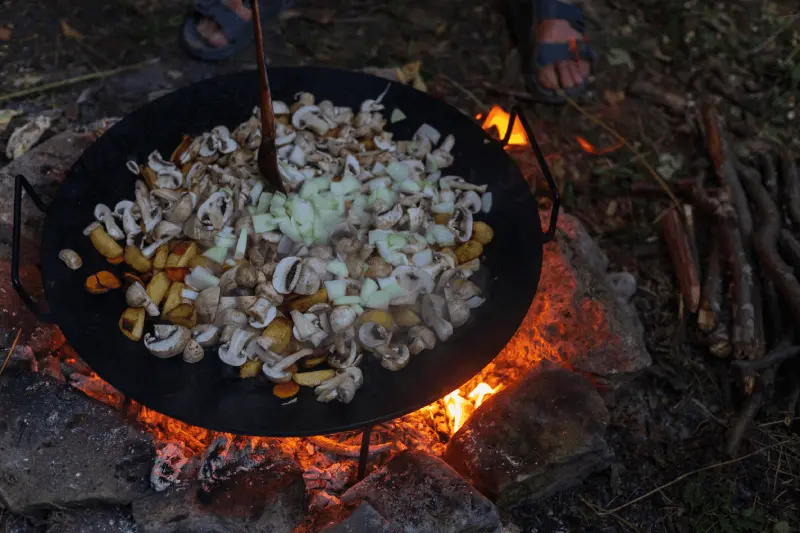
The flavor of a dish cooked over a fire is not only about the light smoky taste given by the wood fire; it also relates to the effort and waiting involved in the preparation process. Spending the day in a natural setting and, as if by instinct, smelling the aroma of a dish cooking in the warmth of the fire as iftar time approaches sharpens the senses. A pot of food boiling over a fire you lit with the dry branches you collected is the fruit of patience. The feeling of hunger at that moment allows you to notice the hidden aromas in every bite of the dish. Additionally, eating in an environment rich in oxygen outdoors positively affects digestion and taste perception. Eating food cooked over a campfire is, in fact, a reward and a reason for gratitude that nature offers you.
Can Nature Photography Be a Lesson in Patience at Ramadan Camp?
Photography, especially nature photography, requires a great deal of patience, just like fasting. Waiting for the best shot, capturing the flutter of a bird's wings, or watching the drop of dew on a flower sparkle keeps you in the moment. Exploring nature with your camera during Ramadan camp helps you lose track of time while also turning into a visual way of contemplation. That perfect shot you waited for patiently is, in fact, a moment of success and happiness, much like the iftar at the end of fasting. This pursuit helps you shift your mind away from the feeling of hunger and focus on the details of creation. Every frame you capture serves as a document of that sacred time and the silent lessons nature offers you.
Should You Share Your Iftar Table with Other Creatures in the Camp Area?
Ramadan is a month of mercy not only for humans but for all creatures. However, feeding wild animals directly while camping can disrupt their natural balance and pose a danger by attracting them to the campsite. Instead, it is more appropriate to leave suitable seeds on high tree branches for birds or place water containers in distant spots for thirsty animals. You should definitely not scatter your food leftovers around; you must dispose of them in a way that wild animals cannot reach. Being compassionate towards animals, not harming them, and respecting their living spaces is the most suitable behavior in the spirit of Ramadan. Their presence is the most beautiful companions for iftar and sahur, completing the entirety of nature.
What Does Transferring the Ramadan Camp Experience to a Journal Mean for Future Years?
Documenting every moment of this special thirty days spent in nature is like drawing a map of your spiritual evolution. Noting the tranquility you felt during sahur, the immense gratitude at iftar time, your prayers under the stars, and the lessons nature whispered to you will help you relive those moments even years later. This journal serves not only as a record of moments but also as a spiritual refuge you can turn to in difficult times. When you read these notes in future years, you will remember your pure state during those moments when nature and worship intertwined, and you will motivate yourself again. Writing deepens the experience and makes the transient permanent. Recording those days when you were the dervish of your own story is the most beautiful gift you can give yourself.