Why is Airing Your Tent After Camping Essential?
Packing up your tent when leaving the campsite is often done in a hurry. However, taking your tent out of its bag and airing it out when you return home is the most critical step in determining the lifespan of your tent. Even if it appears dry, microscopic moisture trapped between the fabric fibers initiates a process called "hydrolysis" inside the closed, airless bag. This process causes the polyurethane coating that forms the waterproof layer of the tent to become tacky and eventually peel off over time. Airing out the tent stops this chemical degradation by allowing the fabric to breathe and preserves the technical properties of the tent.
How to Remove Resin Stains from Tent Fabric Without Damage?
The biggest enemy of tents set up under trees is sticky tree resins. Trying to scrape these stains with your fingernail can damage the fabric and its protective layer. The safest method to remove resin is to place a piece of ice on the stain to freeze the resin. You can gently break the hardened resin away from the surface. If any residue remains, never use harsh solvents or alcohol. Instead, you can complete the cleaning by applying specially formulated cleaners for technical outdoor fabrics or a very small amount of isopropyl alcohol with a cotton ball directly onto the stain to avoid damaging the fabric.
What Cleaning Methods Should Be Applied to Prevent Zippers from Sticking?
Tent zippers often lose functionality due to sand, dust, and salty water vapor. Particles that get between the teeth can cause the zipper slider to jam and the teeth to skip. The first step in cleaning a zipper is to use a soft toothbrush and clean water to brush between the teeth. After cleaning, never use oil-based lubricants (like WD-40) to ensure the zippers work smoothly; as oil attracts dust and worsens the situation. Instead, you should protect the mechanism using silicone-based dry sprays or special zipper waxes to minimize sticking.
How to Prevent Musty Odors and Mold Formation?
The heavy "old tent smell" commonly found in old tents is actually a sign of active mold and mildew activity. Mold not only smells bad but can also digest the synthetic structure of the fabric, creating holes. The only way to prevent mold formation is to ensure the tent is 100% dry before packing it away. If mold has started to form, gently wipe the stained areas with a mixture of one part white vinegar and three parts water, which is an effective natural remedy. However, in severe cases, it is necessary to use special antifungal cleaning solutions that do not damage the fabric to ensure the complete elimination of spores.
Why Does Washing Machine Damage Tent Fabric Irreparably?
Many users consider throwing their tent in the washing machine for convenience, but this can be the "death sentence" for the tent. The drum movement of the washing machine and the high-speed spin cycle stretch the tent fabric and can tear the waterproofing tapes at the seams. Additionally, standard detergents can completely strip the tent's water-repellent (DWR) coating, leading to the fabric absorbing water. Tent cleaning should always be done by hand, using cold or warm water, in a bathtub or large container, with a soft sponge without agitation.
How to Renew the Waterproofing Tapes on Seams?
Over time or due to improper storage conditions, the transparent tapes on the tent seams may start to peel or turn white. This indicates that water will penetrate the tent at its weakest points. After gently cleaning the old and peeling tapes, you should wipe the surface with isopropyl alcohol to remove dirt and grease. Then, you should apply a thin layer along the seam line using high-quality seam sealers available on the market. This process restores the tent's waterproofing to its original performance while significantly reducing the risk of tearing at the fabric's seams.
How Do UV Protective Sprays Extend the Lifespan of a Tent?
Tent fabrics can become "sunburned" due to exposure to ultraviolet rays from the sun, especially at high altitudes or during long-term camping. UV rays break down polyester and nylon fibers, fade the fabric's color, and eventually lead to the fabric tearing like paper. After cleaning, applying UV protective sprays before the tent is completely dry creates a protective shield over the fabric. These sprays refresh water repellency and increase resistance to the damaging effects of the sun. Performing this process at least once a year will help maintain the mechanical strength of the tent fabric and significantly extend its lifespan.
Why Should Tent Stakes and Poles Not Be Neglected in Cleaning?
When thinking of a tent, one might only consider the fabric, but the poles that make up its skeleton and the stakes also require cleaning. Metal poles left muddy or damp can corrode, causing them to seize at the joints or leading to the elastic cord inside breaking. After each camp, it is necessary to wipe the poles with a clean cloth, remove any sand that has entered them, and apply a very small amount of dry lubricant to the joints if necessary. Stakes should be cleaned of dirt and any bent ones should be straightened. Clean poles reduce friction during setup, increasing your setup speed and preventing unexpected breakages.
How to Remove Sand and Stones from the Tent Floor Fabric?
What is its Effect?
The sand particles that enter the tent create a sanding effect between the fabric fibers as you step on it. These micro abrasions cause the floor fabric to lose its waterproof properties over time and the fibers to thin and puncture. For this reason, it is important to vacuum or shake out the inside of the tent every day during the camping period. During the cleaning phase, you should turn the tent inside out and remove all the dust and debris that has accumulated in the corners. If you are going to use a vacuum cleaner, you should apply it carefully with low power and without a brush head to avoid tearing the fabric.
How Does the Right Detergent Choice Protect the Waterproof Layer?
Standard household detergents are poisons for technical fabrics due to the perfumes, softeners, and optical brighteners they contain. These substances disrupt the surface tension that prevents water droplets from escaping by leaving residues on the fabric. Only "Pure Soap" or special cleaners sold in outdoor stores, such as "Tech Wash," should be used for tent cleaning. These special products clean without compromising the breathability and water repellency of the fabric while gently removing dirt. Proper chemical use helps maintain the fabric's texture, allowing it to perform for years.
What Are the Oxidation Risks of Wet Packaged Tents?
Wet packaging of the tent not only causes mold but also leads to oxidation on metal parts. The white powder formation (aluminum oxide) on aluminum poles weakens the metal's structure. Additionally, contact of wet fabric with metal parts can lead to residual rust stains and abrasions through electrolysis. If you must pack the tent in the rain, you should open it as soon as you get home (within 24 hours at the latest) and dry all components separately in a warm room. The damage caused by wet packaging is usually irreversible and compromises the structural integrity of the tent.
How Do Bird Droppings' Acidic Composition Erode the Tent Coating?
While camping in nature, bird droppings are unavoidable, but these stains are much more dangerous than they seem. Bird droppings are highly acidic and can literally "eat away" the waterproof layer on the tent fabric. If the droppings go unnoticed and are left to dry in the sun, the acid can penetrate the fabric, damaging the structure of the fibers. Such stains should be cleaned immediately with plenty of water and a mild soap, without excessively scrubbing the fabric. If the stain remains on the fabric for a long time, it can cause water repellency issues and color changes in that area even after cleaning.
Should the Tent Be Folded or Stuffed When Placing in the Tent Bag?
Always folding the tent along the same crease lines creates a permanent stress point on those lines. Over time, the coating layers at these fold locations can break down and start leaking. Many professional campers recommend the "stuffing" method for packing the tent into its bag. In a randomly placed tent, stress points constantly change, preventing the fabric from being worn out in one area. However, care should be taken to ensure that zippers and hard plastic pockets do not damage the fabric. If you prefer folding, you should minimize fabric fatigue by folding it differently each time.
What Are the Sensitive Points to Consider When Cleaning Carbon Poles?
Carbon fiber poles used in modern and lightweight tents require different maintenance than aluminum poles. Carbon poles are not prone to corrosion, but due to their fibrous structure, they are more sensitive to impacts. During cleaning, it is vital to check the carbon poles for micro cracks on the surface. When mud or sand gets into the pole joints, it can prevent the poles from fitting properly, leading to misdistribution of stress in windy conditions and sudden pole failure. Simply wiping carbon poles with water and a microfiber cloth is sufficient to extend the life of the protective coating on the surface.
What Are the Ideal Areas for Drying a Tent in a Home Environment?
Instead of a balcony that receives direct sunlight for drying the tent after a camping trip, shaded, cool, and well-ventilated indoor areas should be preferred. Direct sunlight can cause UV damage even during the drying process. The best method for drying a tent at home is to fully dry it in a clean room and let it sit. If your space is limited, you can spread the tent over a shower stall or a clothesline to ventilate it. During the drying process, make sure to keep all windows and doors of the tent open so that air circulation reaches the inner parts; otherwise, the inner surfaces of double-roof tents may remain damp.
Why is It Important to Rinse Off Salt Water After Camping by the Sea?
Camps set up by the sea expose the tent to a "salty bath" due to salt particles suspended in the air. Salt is a hygroscopic substance that attracts moisture. If the tent is not rinsed off salt, it can absorb surrounding moisture even in a dry environment, causing it to remain constantly damp. This accelerates mold formation and rusting of metal parts. After returning home from a beach camp, it is essential to thoroughly rinse all surfaces, zippers, and poles of the tent with fresh water. This step should never be skipped, as the corrosive effect of salt can quickly degrade the fabric's brightness and technical structure.
How is the Water Repellency Feature (DWR) of the Tent's Outer Fly Tested?
The DWR (Durable Water Repellent) coating ensures that water beads up and rolls off the fabric. This feature wears off over time. To test it, sprinkle some water on the outer fly of the tent. If the water droplets bead up and roll off the fabric like pearls, the coating is still effective. However, if the water is absorbed by the fabric, the fabric becomes dark and...
If it is absorbing water, it means that it has lost its DWR (Durable Water Repellent) feature. In this case, after cleaning, the fabric should be maintained with water-repellent sprays available on the market. A tent that has lost its water-repellent feature can still leak even if it does not let water through, and it can cause condensation (sweating) inside by losing its breathability.How Should Sweat Marks Inside the Tent Be Cleaned?
Due to our breathing throughout the night, condensation occurs on the inner tent of the tent. This condensation can leave a slight dampness or a salty stain on the fabric in the mornings. For cleaning the inner tent, a soft, non-abrasive cloth and slightly damp water is sufficient. Care should be taken when cleaning the mesh parts of the inner tent as these areas can easily tear or rip. Not cleaning the inner tent can lead to unpleasant odors permeating the fabric over time and disrupt your sleeping comfort. Completely removing the inner tent and washing it with lightly soapy water at the end of each season provides a refreshed camping experience.
Why Should Repair Kits Be Kept Handy During Cleaning?
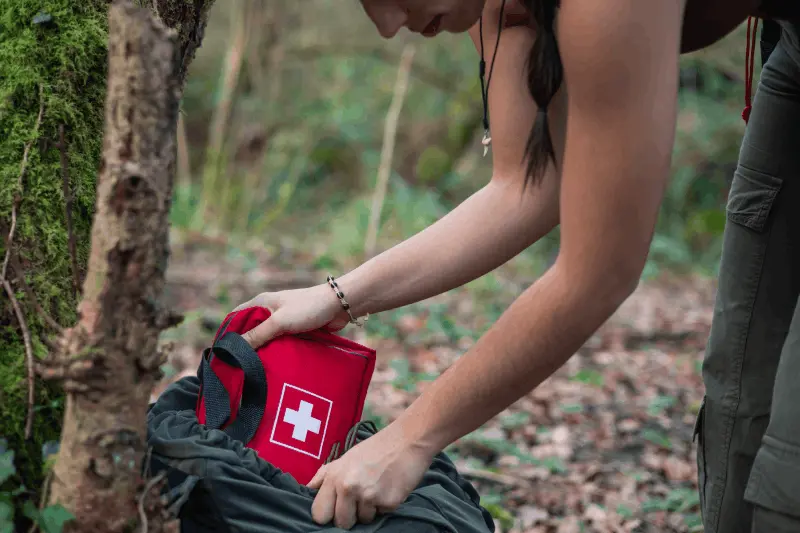
While cleaning the tent, you may actually be doing a detailed damage assessment as well. A small hole on the fabric, a seam that has started to unravel, or a weak tension cord point can easily be noticed during cleaning. Having your repair kit nearby at this point allows you to fix the problem before it worsens. Patching a small hole at that moment prevents the wind from enlarging that hole and rendering the tent unusable at the next camp. Cleaning, maintenance, and repair are an inseparable whole; a well-maintained tent is a safe haven ready for all kinds of harsh weather conditions.
How to Drain Ice and Moisture Left in the Tent After Winter Camping?
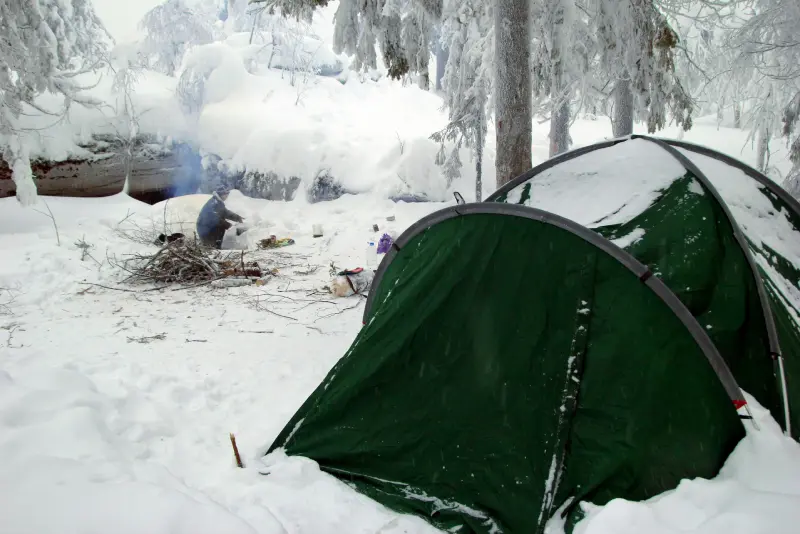
In winter camps, ice and snow that freeze on the tent surface can damage the fabric during the packing phase. Forcing a fabric that has been frozen to fold can cause the fibers to break and the coating to crack. Before packing the tent, you should clean the ice as much as possible and, if necessary, gently warm it with your hands to regain flexibility. When you get home, drying winter tents takes longer because cold air makes it harder to expel moisture. During this process, you should not place the tent too close to heaters; high temperatures can deform synthetic fabrics. Waiting patiently at room temperature is the safest method.
What Are the Special Washing Requirements for Cotton Canvas Tents?
Traditional canvas (cotton) tents have a completely different structure from modern synthetic tents. Cotton fibers absorb water and swell, providing natural water resistance. Soap or detergent should never be used in the cleaning of canvas tents; because these substances disrupt the fibers' ability to hold water and swell. Canvas tents should only be cleaned with non-pressurized water and a soft brush. Additionally, these tents take much longer to dry, and if packed with even slight moisture, they can quickly mold. When properly cared for, canvas tents can last much longer than their synthetic counterparts.
How Does the Air Permeability of the Storage Bag Affect the Lifespan of the Tent?
Most users store their tent in its original and tight carrying bag. However, these bags are not ideal for long-term storage. Storing the tent tightly in these small bags can cause the fabric to remain under constant pressure and the coatings to stick together. For long-term storage, it is best to use a larger, breathable cotton bag or a mesh bag (just like sleeping bags). This way, the fabric can breathe, any remaining moisture can evaporate, and creases do not become permanent. Storing the tent in a cool, dry, and dark closet is the healthiest method.
How Should the Delicate Pores of the Mesh Be Cleaned Without Damage?
The mesh sections of tents are among the most delicate points. Small twigs or insect remnants that get stuck in this porous structure can enlarge or tear the pores if pulled hard. You should never use a brush to clean the mesh. Instead, after softening the stain with water, you can gently rub the dirt out between your two fingers. If there is an oily stain on the mesh, a very small amount of dish soap can be applied. Ensuring that the mesh does not lose its shape during setup by avoiding excessive tension is also part of long-term care.
What Are the Hidden Dangers of Drying a Tent Under the Sun?
Many campers leave their tent under direct sunlight to dry quickly. However, the UV radiation from the sun can have a more damaging effect on wet tent fabric. Water droplets on the fabric can create a lens effect, concentrating the sun's rays at a single point and causing micro-burns. Additionally, sudden drying can cause uneven stretching of the fabric and tension on the seams. The healthiest drying method is natural drying done in the morning coolness or in a partially shaded area. Slow drying is always better than fast drying to preserve the tent's natural shape and the health of the fibers.
How to Remove Grease Stains That Drip from the Camp Kitchen?
Cooking near the tent is risky from a safety perspective and dangerous for the fabric. Dripping grease droplets settle on the tent fabric, completely neutralizing the water-repellent layer. To clean a grease stain, place a paper towel or napkin over it while it is still fresh to absorb the excess grease. Then, gently wipe the area with a soap suitable for technical fabrics. If the grease penetrates deeply into the fabric fibers, professional cleaning products may be necessary. If grease stains are not cleaned, they can attract dust and dirt like a magnet, turning that area into a permanent dirty spot.