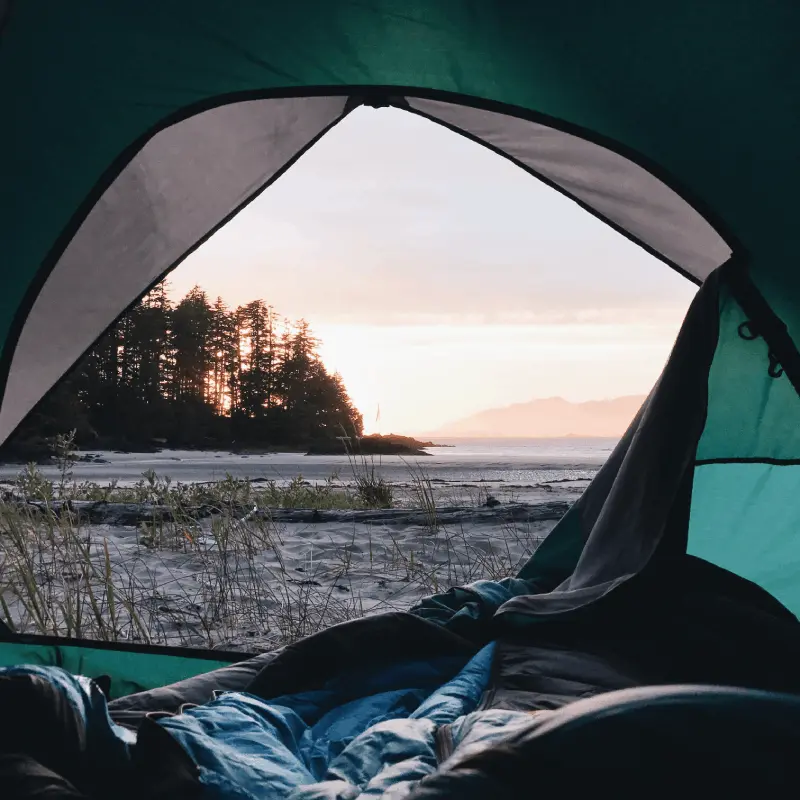
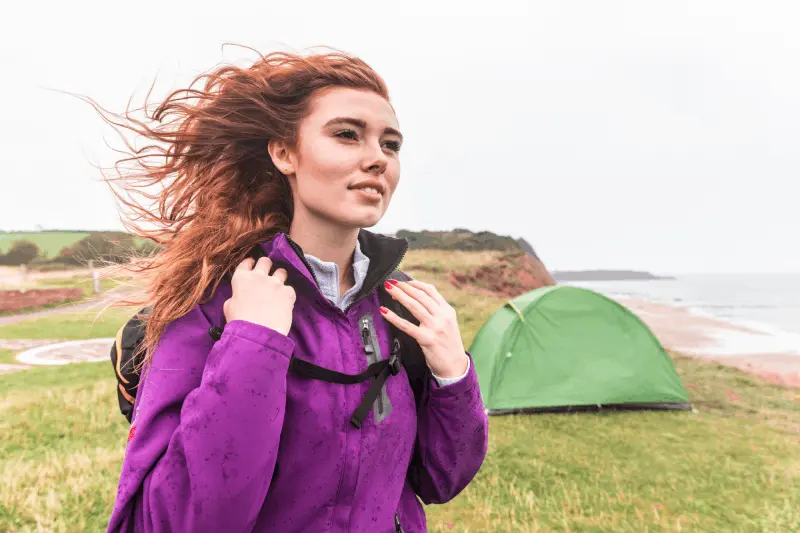
While camping is one of the most beautiful ways to connect with nature, it is essential to remember that nature is not always hospitable. Especially windy weather can threaten both your comfort and safety. Choosing the right tent orientation not only prevents your tent from being blown away but also allows you to manage indoor air circulation and minimize noise. In this article, we will explore all the intricacies of building a fortress against the wind in a Q&A format.
Why Does Camping in Windy Weather Require Special Planning?
Camping in windy weather means much more than an ordinary sunny day camp; it is essentially an engineering and observation process. Wind can create tremendous pressure on the fabric of the tent, leading to pole buckling, seam stress, and even tearing of the fabric. If planning is not done, you may face risks such as waking up during the night due to violent shaking of the tent or worse, having one side of the tent collapse on you. Additionally, wind increases the "wind-chill" effect, which rapidly lowers your body temperature, leading to the risk of hypothermia. Therefore, from the moment you step into the campsite, analyzing the direction, intensity, and how the wind may change throughout the night is the first and most critical step to ensure a peaceful sleep.
How to Determine the Prevailing Wind Direction at the Campsite?
When you arrive at the campsite, the first thing you need to do is understand the current direction of the wind and the area's "prevailing wind" characteristics. One of the simplest methods for this is to raise a wet finger into the air; the side of your finger that feels cooler indicates the direction from which the wind is blowing. For a more professional approach, you should observe the surrounding vegetation. The tilt of trees, the way long grasses lie, and even the accumulation points of dust on the ground can give you clear information about which direction the wind typically comes from. If you are near a valley or a shore, remember that thermal winds can shift from sea to land during the day and from land to sea at night. The speed and direction of cloud movement in the sky also provide insights about the winds at higher layers, while ripples on a nearby water body clearly reveal the airflow at ground level.
Should the Tent Entrance Face the Wind or the Back?
One of the biggest mistakes made in tent setup is positioning the entrance directly facing the wind. Ideally, the entrance of the tent should be positioned opposite to the direction of the wind or at least at an angle of 45 to 90 degrees to the side. If the door faces the wind directly, every time you unzip it, your tent will start to fill up like a parachute, creating sudden pressure on the poles and causing everything inside (mats, sleeping bags, clothes) to get blown around. Additionally, dust, sand, or raindrops carried by the wind will directly enter your living space. Keeping the entrance on the "lee" side of the wind creates a sheltered area inside the tent and allows you to maintain your comfort even when the door is open. This strategy also enables you to safely set up your kitchen area in the storage space in front of the door (apex).
How Should the Wind Angle Be Adjusted in Tunnel-Type Tents?
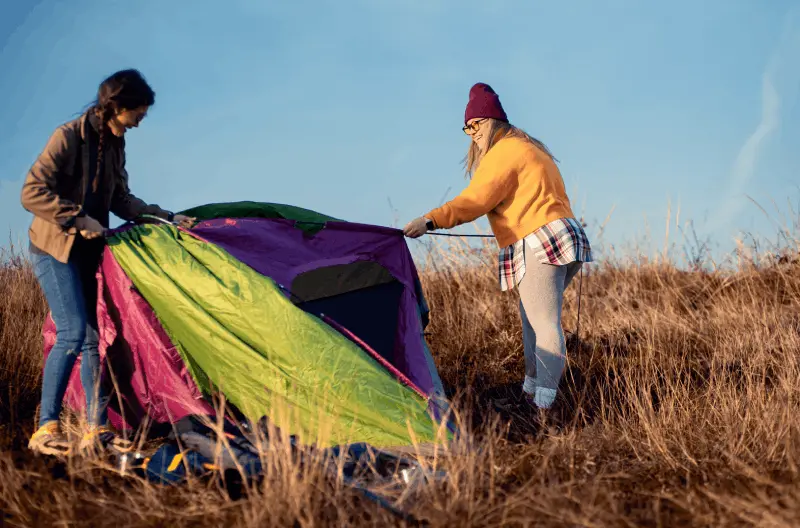
Tunnel-type tents are incredibly durable against wind coming from a specific direction due to their structure, but they are quite vulnerable to wind coming from the wrong angle. The strongest and most aerodynamic part of these tents is the narrow rear section where the poles extend parallel. Therefore, when setting up a tunnel tent, you should ensure that the wind hits the narrowest and most robust end of the tent. If the wind strikes the wide side of the tunnel tent, it creates a significant buckling force on the poles, causing the tent to sway. The tunnel structure is designed to deflect the wind, so setting up the tent in the same direction as the wind (longitudinally) minimizes wind resistance. This positioning allows airflow to smoothly pass over the tent's surface, preserving the structural integrity of the poles.
Why Are Dome-Type Tents More Advantageous Against the Wind?
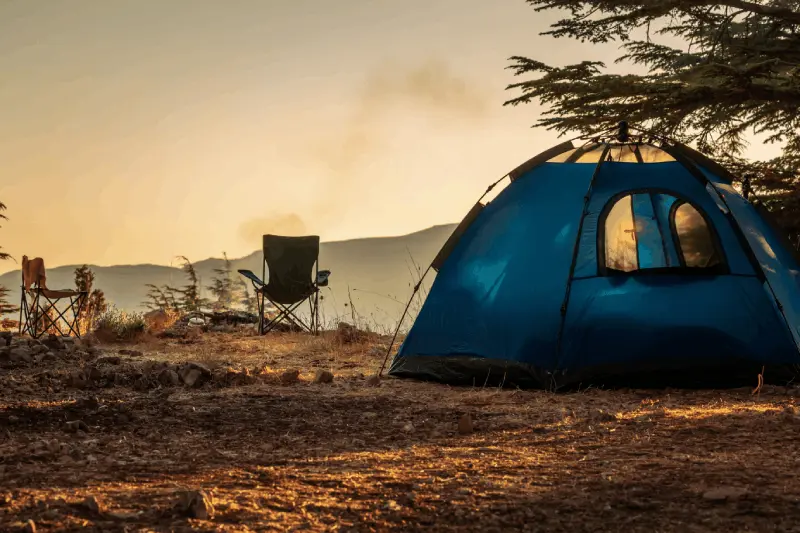
Dome-type tents are generally more successful in terms of multi-directional wind resistance because their structures are symmetrical. The intersecting pole systems of these tents distribute the load evenly across the entire structure. However, it is still essential to determine the point where the wind hits the dome tent the hardest. Generally, it is most logical to orient the tent towards the angle where the lowest profile is located and where the pole intersection points first meet the wind. The biggest advantage of dome tents is that they are less affected structurally compared to tunnel tents, even if the wind direction changes (for example, in areas with variable winds). Nevertheless, securing the entrance of the dome tent against the exact opposite direction of the wind is critical for balancing the pressure difference inside and preventing the tent from lifting during sudden gusts of wind.
How Should Natural Windbreaks (Trees, Rocks) Be Used?
Nature always provides free protection, but you need to know how to utilize it. A large rock formation or dense vegetation can serve as an effective windbreak, but it is crucial to position your tent in a way that maximizes this natural barrier. You should consider the layout of the terrain and the direction of the wind when setting up your tent to ensure that you are sheltered from the wind as much as possible.
These are amazing barriers that stop the wind. Setting up your tent right behind these types of obstacles, that is, on the opposite side of the surface where the wind hits, can reduce the wind's effect by more than 50%. However, there is a rule of "turbulence" to be careful about here. You should not forget that the wind can create a vortex right behind an obstacle; therefore, instead of being too close to the barrier, you should find that "quiet void" where the wind passes over. Additionally, you should avoid areas where the wind accelerates around rocks, known as "venturi effect" zones. Using the natural barriers around you as shields that break the wind's speed lightens the load on your tent and reduces the noise you will hear throughout the night.Is It Safe to Set Up a Tent Under a Tree in Windy Weather?
Many campers want to immediately take shelter under a tree with the thought that it will block the wind, but this is one of the riskiest moves you can make in windy conditions. The branches known as "widowmakers" can suddenly break off in strong winds and fall on your tent. Not only dry branches but sometimes even seemingly healthy large branches can break under the pressure of the wind. Additionally, the risk of trees falling due to the wind's effect should always be kept in mind. If you must camp in a wooded area, you should check the health of the trees, avoid staying directly under large branches, and preferably choose areas with younger trees or dense undergrowth. Remember that a tree that blocks the wind is also a source of risk.
At What Angle Should Tent Stakes Be Driven in Relation to the Wind Direction?
The way stakes are driven into the ground is the most fundamental factor determining whether your tent will stay in place during a windy night. Instead of driving stakes straight (90 degrees) in windy weather, you should bury them at an angle of about 45 degrees, opposite to the direction from which the wind is coming. This means that the head of the stake should point away from the tent, while the tip should face towards the tent. This angle ensures that when the tent line starts to pull the stake, the stake holds more tightly in the ground; stakes driven straight can easily be pulled out by the constant shaking effect of the wind. If the ground is very hard or very soft (sand/snow), you should use wide-based stakes suitable for that ground instead of standard stakes or support the stakes by placing heavy stones on top of them. The strength of the wind is tested against the holding power of the stakes.
How Do Guy Lines Play a Role in Wind Resistance?
Many campers neglect to use guy lines in calm weather, but in windy conditions, these lines are the lifeline of the tent. Guy lines are mechanisms that take the pressure the wind exerts on the tent fabric from the poles and transfer it directly to the ground (stakes). The lines should be kept taut in the direction from which the wind is coming, following the seams of the tent. Over-tightening the lines can bend the poles, while leaving them too loose can cause the fabric to flap and tear. The ideal tension should be tight enough to eliminate the fabric's wrinkles but controlled enough to leave some flexibility in the structure. As the wind direction changes, it is essential to periodically check the tension of these lines and readjust them if necessary to maintain the aerodynamic balance of the tent.
How Should Ventilation Windows Be Adjusted According to Wind Direction?
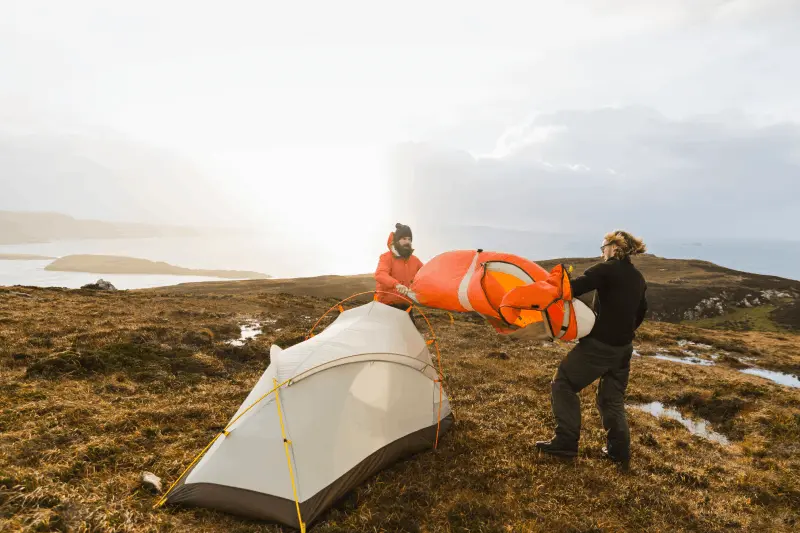
Managing ventilation in windy weather is somewhat ironic; on one hand, you want to keep the wind out, while on the other hand, you need airflow to prevent condensation inside. If you close all the ventilation holes, the pressure difference created by the wind on the outside of the tent can trap the humid air inside and cause you to wake up with a wet sleeping bag in the morning. The correct strategy is to partially or completely close the ventilation on the side where the wind is blowing (windward) while keeping the ventilation on the opposite side (leeward) open. This creates a "vacuum effect" inside the tent, allowing the air inside to be drawn out while preventing strong winds from directly filling the interior. Thus, the air inside the tent remains fresh, and the cold air flow caused by the wind does not hit you directly.
Are Valley Floors or Ridge Areas Safer from Wind Perspective?
When choosing a campsite, topography can be your biggest ally or enemy. In hilly areas, the wind is most intense on the ridges because the airflow accelerates as it passes over these high points. While valley floors may seem good for protection from the wind, there can also be strong currents created by what we call "katabatic winds," which are cold air flows that descend at night. The safest place is usually not exactly on a ridge or a valley floor; it is the middle sections of slopes where the wind's speed is reduced or flat areas on the leeward side. Additionally, you should avoid narrow passes and gaps that create a "venturi effect"; as the wind blows through these areas, it can be much stronger than normal. Reading the terrain helps you predict where the wind will accelerate and where it will calm down.
How Should You Prepare for Wind on Sandy or Soft Grounds?
Sandy or soft soils are the most challenging terrains in windy weather because standard stakes cannot hold in these grounds. Wind tents can easily pull stakes out like butter when pulled. In this case, the "deadman" technique should be used. This technique involves tying a stake or a piece of branch/rock to a rope and laying it horizontally. It involves burying the stake into the ground at a depth of (30-40 cm). The weight of the compressed soil and the wind, no matter how strong it blows, prevents the stake from coming out of its place. Additionally, in sandy areas, building small sand barriers (walls) around the tent prevents the wind from entering under the tent and inflating it like a balloon. In soft ground, the depth of the physical connection established with that ground is as vital as the selection of wind direction.
How to Choose Wind Direction for Vehicle Tents?
For users of vehicle tents, the direction selection starts with the angle at which the vehicle is parked. The vehicle should be positioned in a way that best utilizes the wind (usually with the nose facing the wind). When the tent is opened, the most durable surface of the tent should face the direction from which the wind is coming. Since the vehicle body acts as a massive windbreak, keeping the entrance and ladder on the side of the vehicle that does not face the wind greatly increases comfort. However, the height of vehicle tents off the ground makes them more vulnerable to the wind. Therefore, in very strong winds, it may be necessary to pull the vehicle into a position where the wind will not hit it from the side, creating a risk of tipping or excessive swaying, and if necessary, securing the vehicle with additional guy lines to the wheels or solid anchor points.
Where Should the Kitchen Area Tent Be Set Up in Windy Conditions?
Cooking can be the most challenging phase of a windy camp. Stoves become inefficient in the wind, and the risk of fire increases. You should always set up your kitchen on the leeward side of the tent and at a safe distance from the tent. Although the luggage area (apsis) at the entrance of the tent cuts the wind, you should never light a stove inside due to the flammable nature of the tent fabric. Instead, it is best to cook in a sheltered spot where the tent cuts the wind, using a windscreen. Always be vigilant against the possibility of wind carrying sparks into your tent or surroundings. Additionally, positioning the kitchen area at an angle where the wind's smoke will not blow directly into the tent is important for maintaining indoor air quality and comfort.
How to Use the Tent's "Skirts" (Snow/Dust Skirts) Against the Wind?
Some professional camping tents have additional fabric pieces called "snow skirts" or "dust skirts." Placing stones, dirt, or snow on these skirts during windy weather completely prevents air from entering under the tent. This ensures that the tent forms a vacuum against the ground and eliminates the lift force that the wind would use to lift the tent from below. If your tent does not have skirts, making a small barrier with natural materials on the windward side of the tent can serve the same purpose. However, be careful; while cutting the wind entering under the tent, you should not completely eliminate ventilation, as you need to manage the risk of condensation. Proper use of these skirts is one of the most critical details in protecting the structural integrity of the tent, especially in storm-level winds.
How to Determine Tent Position to Minimize Wind Noise?
Beyond physical safety, the rustling sound of the wind and the constant "flapping" of the tent fabric can make it impossible to sleep through the night. The key to reducing this noise is to maximize the tension of the tent and minimize vibration. When setting up the tent, choose a smooth area where the wind will not create turbulence on the tent surface, meaning selecting a clear opening where the wind can flow freely reduces noise. Additionally, you can tie or tape small fabric pieces to the ends of the guy lines to prevent tension buckles from hitting the fabric. Setting up the tent deep in a dense forest can amplify the sound of the wind; therefore, a quiet area just behind a hill that breaks the wind is the best choice in terms of acoustic comfort. Carrying earplugs is an effective solution outside of the essential "direction selection" for a windy camp.
What to Do If the Wind Intensity Changes Overnight?
Nature is dynamic, and it is common for the wind to change direction or increase in intensity around midnight. Therefore, when setting up the tent, you should consider not only the current conditions but also potential changes. If the wind suddenly changes direction at night and your tent is left in an unfavorable position, do not hesitate to go outside and check the guy lines and stakes. If one side of the tent starts to collapse, it may be necessary to strengthen the guy lines on that side or set up a temporary barrier (your backpack, stones, etc.) on the side where the wind is hitting. Always keep a headlamp and spare stakes with you for such situations. In the worst-case scenario, if the tent poles are not holding up, taking down the poles and flattening the tent to sleep inside like a bivy sack can prevent the poles from breaking and the tent from tearing.
How to Minimize the Freezing Effect of Wind Chill in Winter Camping?
Wind in winter is not just a mechanical force; it is also a thief of heat. An air temperature of -5 degrees can feel like -15 degrees to your body due to the wind's effect. Therefore, when choosing the direction of the tent in winter camps, it is vital to close every point where the wind can seep in. Setting the tent's outer flysheet as close to the ground as possible prevents cold air from passing between the tent floor and the outer flysheet, cooling the inside tent. Ensuring that the inner door of the tent faces away from the wind prevents the sudden escape of warm air during entry and exit. Filling the tent's volume with bags from the inside and placing insulation materials on the side facing the wind also creates an additional layer of defense against the freezing effect of the wind.
What Are the Most Common Mistakes Made When Setting Up a Tent in Windy Conditions?
The most common mistakes One person underestimates the strength of the wind and does not use the tensioning ropes by saying, "the weather will clear up anyway." Another sets up the tent sideways to catch the wind like a wide sail. Using stakes at an incorrect angle or using insufficient stakes can invite the tent to take off in the middle of the night. Additionally, setting up the tent in the middle of open terrain where the wind is most accelerated, without any natural obstacles, unnecessarily complicates the setup. Completely closing the ventilation holes of the tent and creating a pool of moisture inside is also a common mistake. Finally, trying to set up the tent while approaching a storm, instead of waiting for the wind to calm down a bit or moving to a more sheltered area, is a violation of safety rules.
Should We Avoid Tent Accessories That Will Disrupt the Aerodynamic Structure of the Wind?
Additional tarps, awnings, or lanterns hung over the tent can turn into a source of "noise and resistance" in windy weather. Especially a tarp thrown over the tent can catch the wind and displace the tent poles. The smoother and more unobstructed the outer surface of the tent is in windy weather, the easier the wind flows. For this reason, items left outside, loosely hung extra fabrics, or swinging accessories should be collected. If you need to set up an additional shade, it should be installed as an independent system from the tent, and you should secure it with an aerodynamic angle that the wind can pass under or over. The simpler and more "aerodynamic" your tent is in windy weather, the higher your chances of survival.
Why is Wind Management Different at High Altitude?
At high altitude, the wind is much more unpredictable and stronger than at sea level. Although the density of the air decreases, the speed of the wind can reach massive proportions. When setting up a tent in these areas, building a "snow wall" is standard procedure. These walls, built perpendicular to the direction of the wind, prevent the wind from hitting the tent directly. The orientation of the tent at high altitude is usually chosen according to the direction of snow and ice accumulation; instead of places where the wind blows snow, "sheltered" areas where the wind loses its effect and the snow settles are preferred. However, the risk of snow accumulation on the tent (risk of collapse) also increases in these areas. Therefore, choosing the direction in high altitude camping is an advanced skill that requires managing the movement of snow along with the wind.
Why is Psychological Preparation Important When Camping in Windy Conditions?
The endless howling of the wind and the shaking of the tent can have a tiring effect on human psychology. Concerns like "Will my tent tear?" or "Will a branch fall on me?" can lead to insomnia and stress. Ensuring that you have chosen the right direction and made a solid setup is the first step in reducing these anxieties. However, beyond that, accepting the power of nature today and knowing that you are prepared increases your mental resilience. Being inside a tent on a windy night means feeling the dynamism of nature up close. If you know the limits of your tent and have based the setup on scientific principles as outlined in this guide, you can listen to the sound of the wind not as a threat but as a wild reminder of nature and sleep peacefully.
Don't Fight the Wind, Move with It
When setting up a tent in windy weather, choosing the direction is the clearest indicator of a camper's ability to read nature. Finding the right angle, using the right stakes, and utilizing natural obstacles as allies can enable you to turn a challenging night into a comfortable adventure. Remember that no tent has infinite durability; however, a simply positioned tent can be a much safer haven than the most expensive expedition tent set up incorrectly. In your next camping trip, listen to the sound of the wind, understand where it is coming from and what it is whispering. As long as you are prepared, the wind will not be an obstacle to your camp but an unforgettable part of your adventure. I wish you safe, enjoyable, and well-controlled windy camps!