What Are the Reasons for Preferring Natural Methods in Camping Experience?
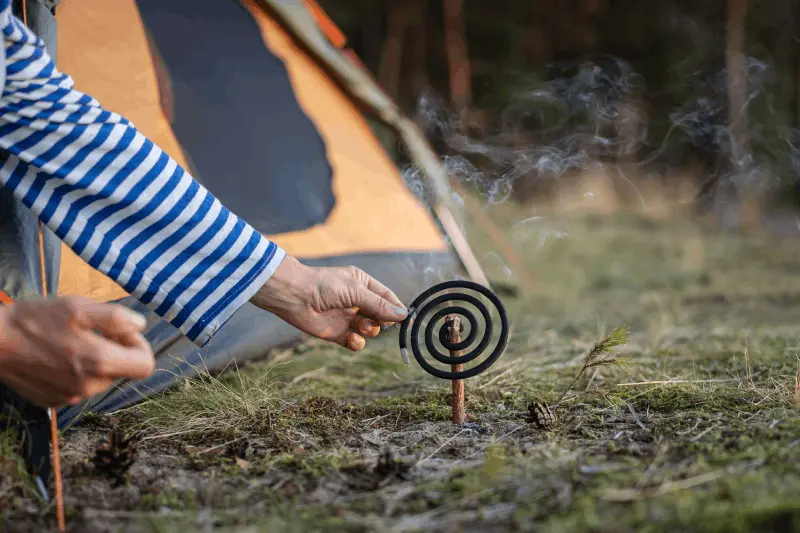
Choosing natural methods instead of chemical insect repellents in camping areas is critical for both our individual health and the balance of the ecosystem. Substances like DEET found in synthetic products can cause skin irritations and respiratory sensitivities with prolonged exposure, while their breakdown in nature is quite difficult. Natural methods repel pests by utilizing the plants' own defense mechanisms. With these methods, we not only protect ourselves but also prevent harm to the soil, water, and other innocent creatures living in the area where we camp. These herbal solutions have become an indispensable part of modern camping for a sustainable outdoor experience.
Why Does Lavender Oil Repel Mosquitoes with Its Calming Power?
While the lavender plant has a soothing and relaxing scent for humans, it is an extremely repulsive aroma for flying insects, especially mosquitoes. Compounds like linalool and camphor found in lavender block the scent receptors of mosquitoes, making it difficult for them to find you. Applying a few drops of pure lavender oil to your wrists, neck, and behind your knees at the campsite helps create a natural barrier. Moreover, the antiseptic properties of lavender oil work wonders in relieving itching and redness if you have previously been exposed to a bite in that area. Thanks to this dual effect, lavender is an essential oil that every camper should have in their backpack.
Is Eucalyptus and Lemon Mixture a Killer for Mosquitoes?
The combination of eucalyptus and lemon oil is known as one of the most powerful natural insect repellents, proven effective by scientific research. Especially the It is a versatile repellent not only in the kitchen but also at the campsite. When applied to the skin, it slightly acidifies the skin's pH balance, which prevents mosquitoes and insects from seeing you as a "target." By diluting apple cider vinegar in a one-to-one ratio with water and putting it in a spray bottle, the smell may initially be sharp, but after it dries, it becomes undetectable by humans; however, it is still repellent to insects. Additionally, drinking apple cider vinegar or consuming it abundantly in salads alters the scent of your skin to a direction that insects dislike. This vinegar-based protection, coming from both inside and outside, is an ideal defense mechanism, especially for those camping near wetlands.
How Do Clove Lemon Slices Make Your Dining Table a Fortress?
While eating at the campsite, it can be quite annoying when flies constantly land on your food. The most aesthetic and effective way to prevent this is to cut a few lemons in half and stick many dried cloves into the fleshy parts. When the citric acid of the lemon combines with the eugenol found in cloves, a strong scent is released that flying insects hate. When you place these natural devices in different corners of your dining table, you will notice that especially houseflies and wasps keep their distance from the table. This method eliminates the risk of chemical sprays contaminating your food while also adding a natural decorative touch and freshness to your table.
Can Tea Tree Oil Be Used as Both a Disinfectant and a Repellent?
Tea tree oil, native to Australia, is one of the most powerful antifungal and antibacterial oils in nature, and it also has a significant repellent effect on insects. Its sharp medicinal scent keeps many creatures away, from ticks to fleas, and from flies to lice. Applying a few drops of tea tree oil inside your hiking boots and on your socks prevents insects on the ground from crawling on you. If you are exposed to a bug bite, tea tree oil disinfects that area and speeds up healing by reducing the risk of infection. This oil, which serves as both a first aid material and a protective shield, is an essential item on your camping gear list.
Does Having a Potted Basil Plant at the Campsite Make a Difference?
If you are going camping with your vehicle and have space, bringing along small pots of live basil will enhance your camping comfort. Basil is one of the rare plants that continuously releases natural oils that repel flies from its leaves. A pot of basil placed at the entrance of your tent or on your dining table will visibly reduce the fly population in that area. You can enhance the scent by gently crushing the basil leaves with your hand, and you can even apply these leaves to your skin. It adds flavor to your fresh meals and creates a natural protective area around you. The scent of basil serves as a toxic signal for flies and encourages them to flee the area.
Is It True That Eating Garlic Repels Flies Along with Body Odor?
The commonly discussed fly-repelling effect of consuming garlic is based on scientific evidence. When you regularly consume garlic, the sulfur compounds in garlic are released through your pores. This odor change, which the human nose often cannot detect, is clearly perceived by mosquitoes, and they dislike this smell. Increasing your garlic intake a few days before your camping trip transforms your body chemistry into a natural protection. Of course, this method alone may not provide 100% protection, but when combined with other natural sprays and oils, it becomes an important contributing factor that prevents flies from seeing you as a "delicious" prey.
How Does the Sharp Scent of Peppermint Oil Confuse Ant Trails?
Ants follow the pheromone trails they leave behind to find food. The strong menthol in peppermint oil completely masks these scent trails, causing ants to lose their way. If you notice ant trails at your campsite or want to prevent ants from entering your tent, you can apply peppermint oil on a cotton ball and spread it around the entrance lines of your tent and around your food containers. Peppermint oil also helps cool your skin during hot summer camps with its refreshing effect. It is also known that spiders do not like the scent of peppermint; therefore, putting a drop of peppermint oil in the inner corners of your tent ensures a peaceful sleep.
Does Applying Vanilla Extract Make It Harder for Flies to Find You?
Vanilla extract is a secret method used to keep particularly horseflies and mosquitoes away, but it is known by very few people. Mixing real vanilla extract, which contains no sugar, with water and applying it to your skin will confuse flies with the sweet scent you emit. While flies usually focus on the scent of sweat and carbon dioxide, vanilla suppresses these signals, making you invisible to them. The biggest advantage of this method is that it is a great alternative for those who do not like dominant herbal scents like lavender or eucalyptus. It ensures you smell very pleasant while also protecting you from those pesky little insects. Especially during the evening hours, vanilla-scented protection is quite effective.
Does Throwing Orange Peels into the Campfire Provide Scent and Protection?
The limonene found in the peels of citrus fruits is a natural insect repellent. When camping, do not throw away the peels of the oranges, lemons, or mandarins you eat. Throwing these peels into the campfire... When you have it, limonene vaporizes and creates an aromatic smoke that repels nearby insects. Additionally, applying fresh orange peel directly to your skin provides a short-term and practical protection. Placing orange peels next to the fire, on hot stones, ensures a steady release of smoke, helping to create a protective atmosphere around your table throughout the night. This is the most natural way to both recycle your waste and provide free protection.
What is the Barrier Effect of Diatomaceous Earth on Ant Trails?
Diatomaceous earth acts like an impenetrable wall for ants. The powdered or stick form of diatomaceous earth irritates the respiratory systems of ants, causing them to refuse to cross an area where it has been scattered. Sprinkling diatomaceous earth around the legs of the table where you store your food at the campsite or creating a line of diatomaceous earth around your tent completely prevents ant invasions. Moreover, diatomaceous earth is a substance that does not harm the soil or nature; on the contrary, it can be nutritious for some plants. Throwing a stick of diatomaceous earth into your storage containers also provides protection through scent, preventing ants from reaching your food. This simple spice is the biggest security guard of your camp kitchen.
Can Beer and Sugar Traps Keep Bees Away from the Table?
When camping, the presence of bees and wasps around food, especially sweet drinks, can be a significant problem. The way to keep them away from the table is to set up a more attractive station for them away from the campsite (about 10-15 meters). If you place a small amount of beer or sugary water in a container and leave it further away, the bees will be drawn to this strong-smelling and sweet trap instead of the food on your table. This method is a "decoy" strategy; it distracts the bees without killing them. While you enjoy your meal peacefully at the table, having the bees focus on your distant bait significantly enhances your camping comfort. Adding a piece of fruit peel to this trap will further increase its effectiveness.
Does Using Baking Soda Instead of Laundry Detergent Repel Insects?
Using harsh chemicals like laundry detergent while camping can cause irreparable damage to the soil and groundwater. Baking soda (sodium bicarbonate) is a much safer and effective alternative for cleaning and pest control. Baking soda creates a drying effect for ants and some small insects; sprinkling it in areas they frequent makes those areas inaccessible to them. Additionally, cleaning your utensils or surfaces with baking soda neutralizes food odors, preventing insects from being attracted. Baking soda can also be mixed with water to form a paste to soothe irritation caused by insect bites. For a nature-respecting camper, baking soda is a very useful ally.
How Does the Plant Cover of the Ground Affect the Number of Insects When Setting Up a Tent?
When choosing your camping spot, paying attention to the plant cover can help you solve insect problems from the start. Areas with tall grasses, swampy moist grounds, or decaying tree stumps are natural breeding and sheltering grounds for insects. Setting up your tent in places that are more airy, receive light breezes, and have dry ground makes it harder for flying insects to reach you. Wind restricts the flying ability of insects; therefore, elevated spots with a light breeze are always more advantageous. Additionally, recognizing the types of plants in the area where you will set up your tent (for example, choosing an area with wild mint or thyme) provides you with a natural protection advantage. Ground selection is the unsung hero of camping comfort.
Is It Necessary to Prefer Earth Tones Over Brightly Colored Clothes?
Many insects, especially bees, are attracted to bright and vibrant colors (yellow, blue, pink) because they resemble flowers, and they tend to gravitate towards these colors. Choosing more neutral, earth-toned (khaki, beige, brown) clothing while camping helps you become "invisible" to insects. It is also known that dark colors (black and dark blue) absorb more sunlight, which attracts insects. Light-colored and matte clothing keeps you cooler and does not attract insects. In clothing selection, not only color but also the tightness of the weave is important; tightly woven thin fabrics make it harder for insects to bite through the fabric. Dressing strategically is the most effective way to protect yourself without using chemicals.
Why Should Coconut Oil Always Be in Your Camping Bag?
Coconut oil is not just a moisturizer; it is also a great carrier oil and a natural barrier. Thanks to the lauric acid it contains, it provides natural resistance against some types of mosquitoes and ticks. Diluting other essential oils (like lavender, mint) with coconut oil for application on your skin protects your skin and prolongs the effect by preventing the oil from evaporating. Additionally, coconut oil creates a thin layer on the skin, physically making it difficult for insects to cling to it. Another camping trick is to mix coconut oil with a bit of baking soda to create a natural deodorant. Controlling body odor will reduce the chances of insects finding you.
Are the Powerful Components of Thyme Oil Effective Against Ticks?
Thyme oil is one of the most potent and powerful essential oils in nature. The components of thymol and carvacrol it contains... It has a very powerful repellent effect on parasites that pose serious health risks, such as ticks and lice, thanks to its properties. However, because it is a very irritating oil, it should never be applied directly to the skin and must be diluted with a carrier oil. Applying diluted thyme oil to the outer part of your shoes or the cuffs of your pants will instantly repel ticks trying to crawl over you from the grass. The scent of thyme, which affects the central nervous system of ticks, can paralyze them or confuse their direction. For a safe natural experience, thyme oil acts like a botanical army of protection.
What is the Connection Between Natural Soap Usage, Body Odor, and Insects?
The scent of the soaps and shampoos you use directly affects the interest of insects in you. Fruity, floral, and sweet-scented perfumed soaps send a "buffet open" signal to flies and bees. Using unscented or only herbal (olive oil, bay leaf, or bitter soap) natural soaps while camping prevents your natural body odor from mixing with synthetic perfumes that attract insects. Natural soaps also help protect the water sources you camp near, as they break down much faster in nature. The natural plant essences released during cleaning make it difficult for flies in the campsite to detect your location. Choosing low-scented or woody-scented cleaning products elevates your harmony with nature and your level of protection to the highest level.
Can Horsetail and Other Wild Plants Be Used in the Campsite?
Some wild plants growing in the area where you camp can be your most effective weapon against the local insect population. For example, plants like horsetail or wild wormwood are traditionally used as insect repellents. Bundling these plants and hanging them at the entrance of your tent or crushing their leaves and leaving them around keeps specific pests away from that area. Knowing how to recognize nature and which plant can be used for which purpose is a sign of mastery in camping. However, you should always test unknown plants on a small area of your skin before applying them and be cautious of allergic reactions. Using this natural pharmacy offered by local vegetation adds depth to your camping experience.
What Are the Key Points for Protecting Against Insects While Hammocking?
While sleeping in a hammock can be very enjoyable, it can also put you in a more vulnerable position to insect attacks. The most important defense for hammock campers is a fine mesh bug net that is attached over the hammock. However, just having a bug net may not be enough; applying a few drops of mint or cedar oil to the hammock's ropes prevents ants and spiders from reaching you over the ropes. Sprinkling some baking soda or diatomaceous earth under your hammock also stops visitors from the ground. Additionally, airing out your sleeping bag with a natural spray before using it ensures you have a peaceful night's sleep. Combining the advantage of being elevated off the ground with the protective power of herbal oils guarantees a delightful hammock experience.
What is the Hidden Role of Dryer Sheets in Your Pocket?
Many campers believe that dryer sheets keep flies away, and this method is quite popular. Some dryer sheets contain linalool, a substance that flies hate. Placing a dryer sheet in your pocket or attaching it to the ventilation parts of your tent can prevent small flying insects from approaching you. Although this method is not a completely "herbal" solution, it is a practical trick that can be preferred over using heavy sprays. Especially when placed inside hats or behind shoes, these sheets can confuse flies that are buzzing around you while you walk. Of course, it is very important to ensure that the used sheet is not discarded in nature and is collected at the end of the camping trip out of respect for the environment.
Why is Eliminating Stagnant Water in the Campsite Crucial?
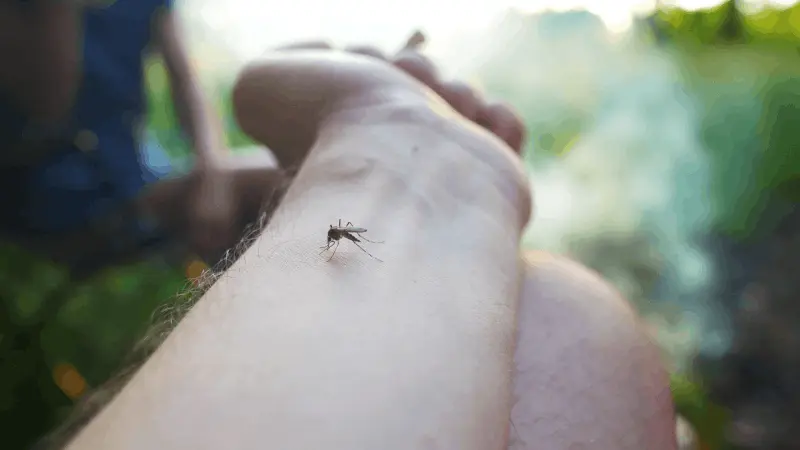
Stagnant water is the breeding ground for mosquitoes. If there are puddles, old cans filled with water, or water collected in tire tracks near your campsite, you are very close to a source of thousands of new mosquitoes. Eliminating these small water sources, burying them, or moving your campsite away from such areas is the most fundamental solution. If you must store water at the campsite, make sure to tightly seal the containers. Dropping a few drops of mint or tea tree oil on the surface of stagnant water can prevent mosquito larvae from developing, but the best solution is to eliminate the water completely. Checking breeding areas is a much more effective strategy than just defending yourself.
How Does Burning Coffee Grounds Repel Flies from Your Area?
After drinking your morning coffee, don't throw away the grounds! Dried coffee grounds emit a strong odor that is quite repulsive to flies and bees when burned. Place the dried coffee grounds on a piece of aluminum foil or a heat-resistant container and light it from one corner. Coffee grounds do not catch fire, but they burn slowly, producing heavy smoke. This smoke creates a barrier around your camping table, especially in the evening. The nitrogen compounds in coffee block the sense of smell of flies when burned. This is both a recycling method that aligns with the zero waste principle and the most creative way to spread a wonderful coffee aroma in the campsite.
Does the Steam from Chamomile Tea Repel Small Flying Insects?
Chamomile tea is not only relaxing when consumed before sleep; its steam also has a calming yet repelling effect on flies. Boiling some chamomile over your campfire and ensuring the steam spreads around the tent helps especially keep mosquitoes out of that area. Chamomile essences sin affect the nervous system and make them dizzy. You can also use brewed and cooled chamomile tea in a spray bottle to cool your skin and provide light protection. Chamomile is one of the gentlest protectors for campers with sensitive skin, containing no chemicals. Chamomile should always be by your side for both inner peace and outer protection.
Does Wiping Camping Gear with Mint Water Provide Lasting Protection?
Wiping your camping gear (tables, chairs, tent poles, and storage boxes) with mint oil mixed water before going camping or on the first day of camping makes the area "dirty" and "repulsive" for insects. The mint scent clings to surfaces and prevents ants, spiders, or flies from landing on these surfaces for a long time. This method is particularly practical for areas where you store your kitchen utensils. The cleansing effect of mint water also helps keep your gear more hygienic. Periodically wiping camping gear with such herbal solutions creates a protective layer that lasts throughout the entire camping trip, not just at that moment. Natural cleaning brings natural protection along with it.
Why is Proper Packaging of Food Leftovers the Biggest Defense?
The main factor attracting flies and insects (even bears and wild boars) to the campsite is food odor. Plates should be washed immediately after meals, crumbs should be swept up, and scraps should be kept tightly sealed in bags, preferably elevated off the ground. Storing your food in airtight "ziploc" bags or vacuum containers prevents the spread of odors and thus prevents insects from congregating there. A clean campsite is an area that is uninteresting to insects. Paying attention to kitchen hygiene is a more effective prevention method than all natural sprays and oils. The "Leave No Trace" principle not only protects nature but also keeps you away from uninvited guests.
Do Night Lights and LED Lamps Attract Insects?
Many types of insects are attracted to light, especially at night. However, not every type of light has the same effect. Standard white and bright LED lights attract flies like a magnet, while yellow or amber lights are much harder for insects to detect. Using yellow lamps sold as "bug repellents" or lanterns that allow you to adjust the intensity of the light can reduce the fly population around your tent by 60% during the evening hours. Positioning your light as far off the ground as possible, rather than directly above your camping table, directs flies away from your main area. Choosing the right lighting is key to a quiet and bug-free camping night.
What is the Importance of Using a Tent Footprint in Meadows and Pastures?
Instead of setting up your tent directly on grass or soil, using a sturdy tent footprint is your first physical barrier against insect attacks from the ground. The tent footprint prevents moisture from reaching the tent while making it difficult for ant colonies or other underground insects to directly access the tent floor. Spreading the edges of the footprint slightly outside the tent and sprinkling mint oil or baking soda on these areas provides comprehensive protection. Additionally, thanks to the tent footprint, your tent stays cleaner, and it becomes easier to notice any insects that may have gotten trapped when packing up. This physical barrier is one of the fundamental building blocks of camping comfort.
What are the DIY Natural Bug Repellent Spray Recipes?
Preparing your own natural spray is both economical and safe. Here’s the most effective recipe: Add 20 drops of lemon eucalyptus oil, 10 drops of lavender oil, and 10 drops of rosemary oil to 100 ml of clean water. Ensure the oils mix with the water by adding a tablespoon of apple cider vinegar or pure alcohol. Shake well before each use and spray on your skin or clothes. In another recipe, you can boil and cool cloves and cinnamon sticks in water and use this water as a base. These homemade sprays are great alternatives to chemical products on the market and will be the most valuable part of your camping gear. Preparing your own protective shield gives you complete independence in nature.
Is it Risky to Use Essential Oils Undiluted?
Just because they are natural does not mean essential oils are completely harmless. "Essential" or "volatile" oils are highly concentrated substances and can cause allergic reactions, burns, or skin sensitivities in some individuals when applied directly to the skin. Therefore, you should always dilute these oils with a carrier oil such as coconut, almond, or olive oil. Generally, adding 3-5 drops of essential oil to 10 ml of carrier oil is a safe ratio. Also, be cautious with oils that can stain when exposed to sunlight (such as citrus oils like lemon and orange); these oils should not be applied directly to the skin before going out in the sun. Proper use enhances the effectiveness of natural methods while ensuring your safety.
What are the Natural Herbal Remedies that Reduce Itching After Camping?
Despite all precautions, if you have been exposed to a sting, you can also rely on nature to soothe the itching and irritation. Fresh aloe vera gel instantly relieves the burning sensation in the stung area and cools the skin. If you don’t have aloe vera, applying a piece of ice to the sting area or dropping a drop of pure lavender oil can be effective remedies. Additionally, a thick paste made from baking soda and water can absorb toxins at the sting site, stopping the itching within seconds. Chewing and mashing the leaves of plantain you can find in nature and placing it on the wound is also an old and very effective camping method. Speeding up the healing process through natural means is essential for your comfort after camping. e is very important.