Is Washing Laundry in a Caravan Really a Nightmare?
One of the biggest fears of those new to caravan life is being away from the huge and comfortable washing machines at home. However, washing laundry in a caravan can turn from a nightmare into an enjoyable routine with the right strategy and equipment. The key issue in this process is to manage limited water and energy resources as efficiently as possible. Caravanners often adopt the principle of "less but frequent" washing. Accumulated massive laundry not only creates odors but also takes up a lot of space in the caravan's limited area. Therefore, small interventions done daily or every other day will keep the feeling of cleanliness constant. When planned correctly, it is possible to keep your laundry spotless while enjoying your view.
How Effective Are Portable Collapsible Buckets for Water Conservation?
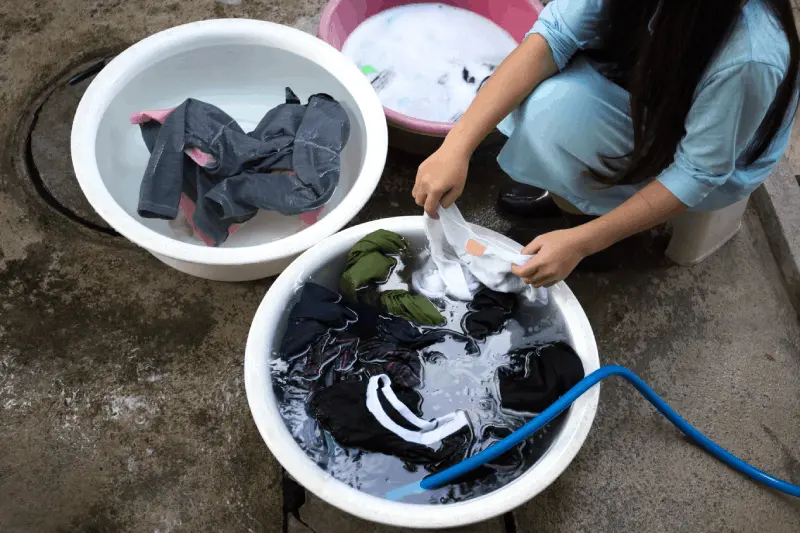
Space-saving is the golden rule of caravan living. Collapsible silicone buckets can be easily stored in cabinet interiors or external luggage by reducing to just a few centimeters in thickness when not in use. These buckets are not only great for washing laundry but also perfect for collecting rinse water or organizing dirty laundry. From a water conservation perspective, these buckets encourage controlled water usage. You can quickly rinse small items like underwear, t-shirts, and socks with much less water than a machine. Additionally, if you choose eco-friendly detergents, the water used in these buckets can be repurposed for secondary uses such as watering plants or cleaning outdoor surfaces.
Do Manual Hand-Crank Washing Machines Provide Energy Independence?
For caravanners living completely "off-grid", energy is everything. Running an electric machine can strain the battery, especially on days with little sunlight. This is where manual hand-crank machines come into play. These devices have a drum that spins with the help of a pedal or handle and require no electrical connection. While they do require physical effort, they provide effective washing performance in a short time (about 2-5 minutes). Since they operate on the principle of pressure washing, their capacity to remove stains with little detergent is quite high. While maintaining your energy independence, washing your laundry as a form of morning exercise is also very much in line with the natural and effortful spirit of caravan philosophy.
Are Ultrasonic Cleaners the Best Solution for Delicate Fabrics?
Portable ultrasonic cleaning devices, which have become popular in recent years, are an intriguing technological innovation in the caravan world. These small devices, placed in a water-filled container, emit high-frequency sound waves that create microscopic bubbles in the water. When these bubbles burst, they dislodge dirt trapped between fabric fibers. This method is ideal for silk, fine wool, or delicate inner garments as it does not require scrubbing and does not damage the fabric. Their low energy consumption and small size make them indispensable for minimalist caravanners. However, expecting the same performance on very dirty outdoor clothes or thick jeans may lead to disappointment; these devices are best suited for lightly soiled and delicate fabrics.
How Many Pieces of Laundry Can Be Washed Before the Gray Water Tank Fills Up?
The biggest obstacle to washing laundry in a caravan is not running out of water but filling up the gray water tank (wastewater tank). An average gray water tank holds between 50-100 liters. In a standard hand-washing session, you can use 10-15 liters of water, including rinses. This means you can fill 15-20% of your tank in a single wash. To overcome this limitation, the "two-bucket" technique can be applied: the first bucket is for soapy washing, and the second bucket is used for a single rinse. To prevent water waste, you should limit the amount of laundry you wash before your gray water reaches legal and ethical disposal areas. Generally, washing more than 4-5 pieces of clothing at a time will quickly strain the tank's capacity.
Why Should Non-Ecological Detergents Be Avoided?
While living in nature, it is every caravanner's responsibility not to harm that nature. Classic detergents can cause serious damage to water sources and soil due to the phosphates and synthetic fragrances they contain. Some of the water you use for washing in the caravan may leak or have to be dumped in inappropriate places. Biodegradable detergents break down quickly in nature and leave no residue. Additionally, strong perfume scents in confined spaces can cause allergic reactions or headaches. Fragrance-free and plant-based products protect your skin and ensure that the air inside your caravan remains natural. A small bottle of concentrated ecological detergent can last for months and provides the peace of mind that comes with cleaning with environmental awareness.
Is It Legal and Ethical to Hang Laundry Outside the Caravan?
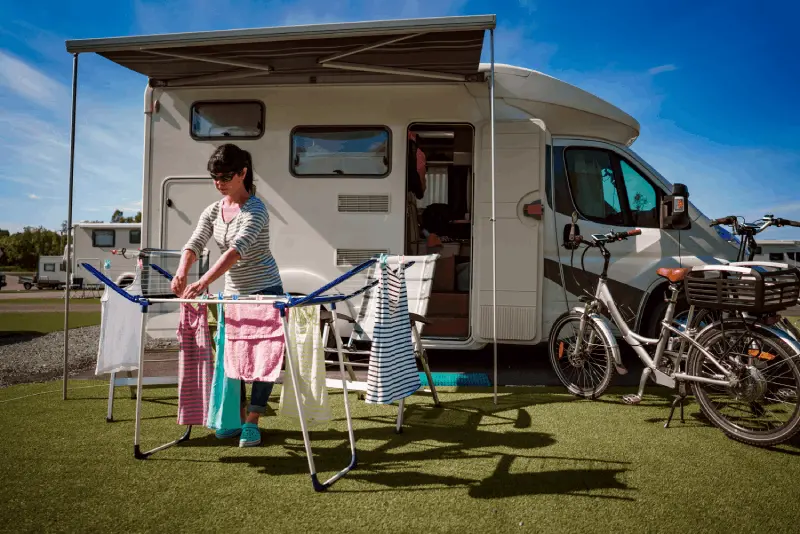
This topic is an ongoing debate among caravanners. In many countries and private camping areas, hanging laundry outside the caravan may be restricted due to visual pollution. Especially in luxury marinas or urban parking areas, hanging laundry lines may be considered "inappropriate". However, if you are in an uninhabited cove or a vast natural area, taking advantage of the sun's disinfecting power is your natural right. Ethically, it is important not to display intimate items like inner garments in public and not to obstruct paths or passages. Compact hidden hanging systems that attach to the back of the caravan or windows can solve this ethical issue and prevent your laundry from blowing away in the wind. Always respect the rules of the place you are in.
Do Mini Centrifugal Machines Shorten Drying Time?
>Wet laundry is the number one enemy of moisture inside the caravan. Washing laundry is easy, but drying it can turn into a real hassle, especially in humid weather. Mini centrifuge devices can spin the laundry at high speeds, removing 90% of the water in just minutes, even if they don't have a washing feature. This can reduce the drying time from 12 hours to 2 hours. If your electricity capacity is sufficient or if you can draw power from outside, these devices can be lifesavers. Using a centrifuge for moisture-retaining fabrics like towels and thick sweatshirts is the most effective way to prevent mold and odor formation inside the caravan. Although it may seem like a small investment, for those living in a caravan during the winter months, these devices are a necessity.
Are Dehumidifier Devices Essential for Drying Inside the Caravan?
If you have washed laundry in the caravan for a long time and it is raining outside, you will have to hang the laundry inside. This can raise the relative humidity inside the caravan above 80%, causing heavy condensation on the windows and creating a breeding ground for mold behind the furniture. A small dehumidifier can speed up the drying process by drawing excess moisture from the air. These devices provide great benefits not only for laundry but also for the overall health of the caravan. Of course, they consume electricity, so they should be operated during daylight hours or when connected to external power. If you don't have a professional device, dehumidifying tablets or salt bags can also be somewhat helpful, but they won't be as effective as an active fan system.
What Should Be Considered When Using Laundry Facilities in Campsites?
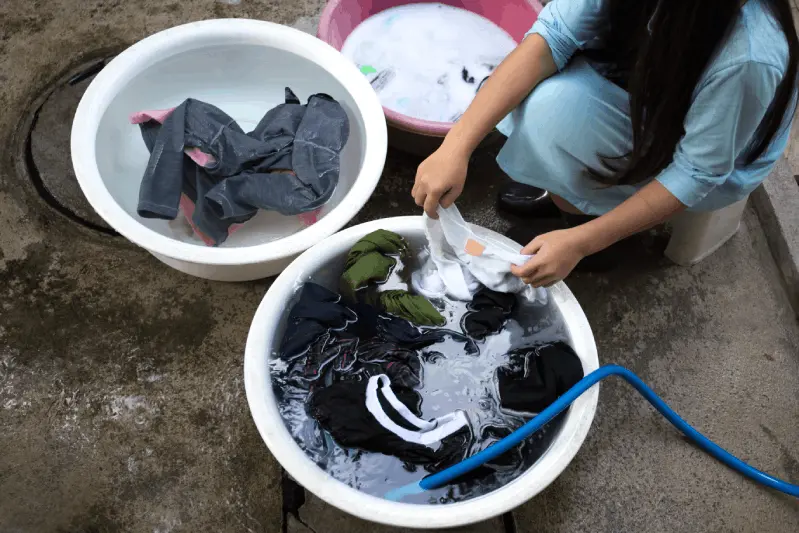
If you have been on the road for a long time and it's time to wash large items like bed linens and blankets, the professional laundry facilities at campsites are the most logical option. However, you should not ignore hygiene rules when using these machines. Always check the inside of the machine before use and, if possible, perform a high-temperature empty run or wipe it down with disinfectant wipes. Using your own detergent is better to prevent allergic reactions. Additionally, waiting by your laundry or setting an alarm is important to ensure you don't take away the rights of the next camper and for the safety of your laundry. Pay attention to the temperature setting when using dryers; the technical fabrics you use in the caravan may shrink or lose their properties at high temperatures.
How to Prevent the Smell of Wet Laundry in the Caravan During Winter?
As the drying of laundry extends in cold weather, bacteria begin to grow on the fabric, leading to that infamous "musty smell." To prevent this, adding a few drops of tea tree oil or white vinegar to the wash water acts as a natural disinfectant. Additionally, leaving plenty of space between laundry when hanging and running the caravan's ventilation fans (like Maxxfan) at low speed ensures air circulation. If possible, hanging laundry near the heater, which is the warmest spot in the caravan (but never covering it directly), is an effective method. Remember, smelly laundry is not clean; therefore, you should take all measures to keep the drying time under 24 hours.
Does Using a Laundry Bag Extend the Life of the Machine?
Whether you use a manual or a portable electric machine, caravan-type machines are generally not as durable as those at home. Using a laundry bag prevents clothes from tangling and piling up in the drum. Especially underwire bras, buttons, or metal zippers can damage the internal mechanisms of small machines or cause leaks. A laundry bag also helps maintain the shape of delicate garments. Extending the life of your clothes in a confined space like a caravan saves you from the hassle of buying and storing new clothes. Acquiring a few different sizes of bags will greatly facilitate the categorization and storage of laundry, helping you maintain an organized closet layout.
Is Soap Nut the Most Practical Natural Solution for Campers?
Soap nuts are the fruits of a tree that grows in India and Nepal and release natural saponins when they come into contact with water. This product is a real miracle for campers. It contains no chemicals, is completely biodegradable, and does not pollute your gray water tank. Simply place a few nuts in a small bag and toss it into the wash water. Moreover, these nuts can be reused for 4-5 washes. They take up no storage space, have no risk of spillage, and are very lightweight. Although their stain-removing power is not very strong, they are sufficient for daily cleaning. For a caravan life that is environmentally friendly and aims for minimal waste, soap nuts are the strongest and most practical alternative to synthetic detergents.
How to Create Space for a Dirty Laundry Basket in the Caravan?
The fresh smell inside the caravan can be ruined in an instant by improperly storing dirty laundry. Instead of classic hard baskets, using breathable mesh bags or cloth bags is much more sensible. You can hang these bags behind the bathroom door of the caravan, in the dead spaces under the bed, or in an outdoor storage compartment. Instead of sorting dirty laundry by color, separating them by fabric types and storing them in small bags speeds up your work when it's time to wash. Additionally, placing a packet of baking soda or a lavender sachet inside the dirty bag prevents the spread of bad odors inside. While not accumulating laundry is a basic rule, these small arrangements will enhance your quality of life when you have to accumulate.
Mini Dryers Powered by Smart Watches and Phone Chargers
What is it?As technology has developed, mini turbine vacuum cleaners that operate with a USB connection have started to appear on the market. These devices can be attached inside a hive or sink with the help of a suction cup and can be powered by a power bank. Although they are ineffective when placed in pants or jacket collars due to their very low torque power, they are fantastic for small items like masks, socks, or kitchen cloths. Running this device while camping with just a power bank and a solar panel is a perfect example of technological efficiency. However, when purchasing these devices, it is essential to pay attention to motor power and waterproof certifications; as very cheap models can break down in a short time. Still, they deserve a place on a minimalist camper's "gadget" list.
Should Microfiber Towels Be Used to Reduce Laundry Load?
Traditional cotton towels take up a lot of space, absorb a lot of water, take hours to dry, and become very heavy when wet. The smartest way to reduce laundry load in a camper is to replace all towels with microfiber alternatives. Microfiber towels can absorb seven times their own weight in water and reach an almost dry texture when wrung out. They also take up very little space in the washing machine. You can wash five microfiber towels at once instead of one large cotton towel. Because they dry quickly, the chances of bacteria and odor production are very low. If you want to save space in the camper bathroom and make laundry days less painful, switching to microfiber technology will be one of the best changes you can make.
Is the Solar Panel Capacity Enough to Run a Washing Machine?
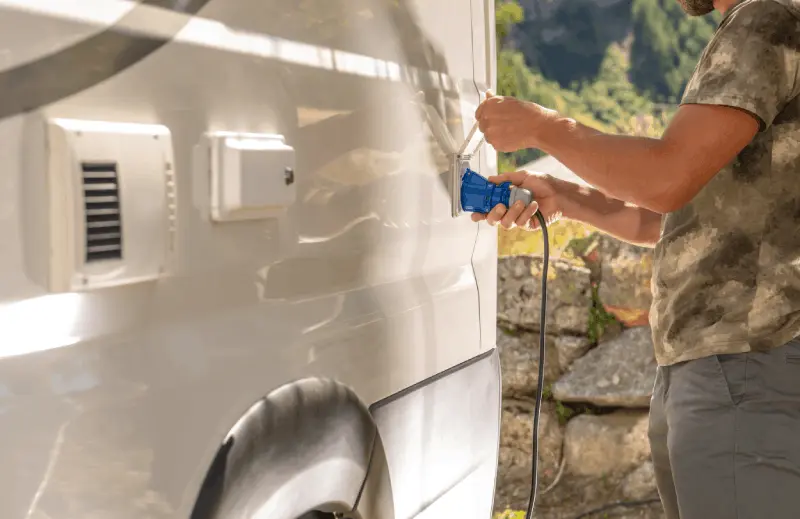
The answer to this question entirely depends on the architecture of your camper's electrical system. A system with a standard solar panel between 200W-400W and a 200Ah lithium battery can comfortably run a small electric machine (which typically consumes between 200-400W) during peak hours with a pure sine inverter. However, if the machine has a water heating feature, this can drain your batteries in minutes. Therefore, when using camper-type electric machines, it is wise to add hot water from outside or only do cold washes. Washing between 12:00-14:00 when the sun is at its highest ensures that you use energy directly from the panel rather than from the batteries. If you are conscious about energy management, the sun offers you free washing opportunities.
How Do Washing Bags (Scrubba) Provide an Advantage in Outdoor Adventures?
Specially designed washing bags like Scrubba are the secret weapon of the modern camper. Inside these bags are hundreds of small bubbles (washboard). You can wash by putting the laundry, water, and detergent inside, removing the air, and then rubbing it from the outside. This method is much more hygienic and effective than hand washing because your hands do not come into contact with soapy water, and the mechanical pressure on the laundry increases. You can clean a t-shirt with just a few liters of water. Additionally, these bags fold down to the size of a wallet and can also be used as a waterproof dry bag while traveling. Their versatility makes them the number one recommendation for campervans with limited space.
Do Hard Waters Damage the Camper's Plumbing and Laundry?
When traveling with a camper, we fill up with different qualities of water at each stop. The waters in some regions are very hard and rich in calcium. Hard water prevents detergent from foaming and reduces cleaning performance. It can also cause laundry to stiffen and colors to fade. More importantly, calcium buildup can damage the camper's water pump and the heating element of the electric machine if there is one. To overcome this issue, it may be beneficial to install a softening filter at the water inlet or add a bit of baking soda to the wash water. Using vinegar, a natural method instead of chemical softeners, helps keep your laundry soft, protects the plumbing, and removes calcium residues from the fabric fibers.
Is It Logical to Collect Rainwater and Wash Laundry?
Collecting rainwater is a creative solution in emergencies or in places where water sources are very limited. Rainwater is naturally "soft" water, meaning it does not contain calcium; this makes it actually very ideal for washing laundry. By using the camper's awning as a gutter or placing large containers outside, you can collect the water you have gathered and filter it into a wash bucket with the help of a cloth. However, you should remember that rainwater in urban centers or industrial areas may be acidic and contain pollutants. In nature camping, rainwater collected in clean air means free water and ensures that you reserve the camper's water tank for more essential needs (drinking, showering).
What Is the Easiest Way for Large Items Like Bedding and Towels?
Trying to wash a set of double bedding in a mini camper-type machine usually ends in disappointment; either the machine does not spin or it does not get clean. The best solution for large items is the "foot stomping" method. Fill a clean large bucket or the shower tray of your camper with hot water and detergent if it does not leak. Place the bedding inside and stomp on it with your clean feet for a while. This mimics the mechanical effect of industrial machines and dislodges dirt from the fabric. Although rinsing can be a bit tedious, you can even wash your blankets with this method. Of course, the most comfortable way is to go to a laundromat, but this method can be a lifesaver in the middle of nature.
Portable Drying Racks for Windy Weather
How to Secure the Awning?
The awnings set up outside the caravan can tip over in sudden gusts of wind, causing your clean laundry to mix with the ground. To prevent this, you can secure the awning to the body of the caravan using suction cup handles. Another method is to secure the legs of the awning with heavy water jugs or the spare tire of the caravan. Some campers prefer to stake the legs of the awning into the ground with tent pegs. Additionally, the choice of clamps is also important; using strong storm clamps prevents the laundry from blowing away. If your caravan has an awning, setting the awning under the awning reduces the wind a bit and prevents the laundry from getting wet again in unexpected rain.
Can Apple Cider Vinegar Be Used Instead of Fabric Softener in the Caravan?
Absolutely yes. In fact, apple or white vinegar is one of the cleaning agents that should be most commonly found in the caravan. Adding a cup of vinegar to the rinse water neutralizes detergent residues, kills bacteria, and naturally softens the fabric. After drying, the vinegar smell completely dissipates, so there is no need to worry. While chemical softeners can create a sticky layer in the caravan's wastewater tank, leading to bad odors and indicator malfunctions, vinegar keeps the plumbing clean. It also prevents the formation of lime in the machine or bucket, extending the life of your equipment. As a natural, inexpensive, and very versatile solution, vinegar is a camper's best friend.
Is Washing Laundry in the Caravan Kitchen Sink Hygienic?
In small caravans, the kitchen sink is often used for multiple purposes. While washing laundry here may seem practical, it requires some precautions from a hygiene perspective. There may be food scraps or grease residues in the sink, which can contaminate your clean laundry. Conversely, dirt and detergent residues from clothing can also spread to the kitchen counter. If you are going to use the sink, you must disinfect it before and after use. The best option is to use a separate wash basin that fits snugly inside the sink. This way, direct contact with the sink surface is avoided. Additionally, you should be careful to use very little detergent to prevent the gray water pipes from filling with detergent foam and backing up into the kitchen.
Do Travel Type Appliances Strain the Caravan's Electrical System?
Appliances can have very high wattage values (1000W-2000W) since they are devices that generate heat. This can be quite a heavy load for caravan inverters and batteries. Instead of using an appliance in the caravan to solve the wrinkling issue, it is more logical to hang clothes in the steam created while taking a shower or to use "wrinkle remover sprays." If an appliance is absolutely necessary, it should only be used when connected to external electricity (220V camping input). Alternatively, there are travel-type appliances that operate on 12V or have very low wattage, but their performance is lower. With the comfort that caravan life brings, it is most sensible to opt for fabrics that do not require ironing and to shake out laundry thoroughly while hanging it up.