Why Is Everyone Turning to More Expensive Equipment Than They Need?
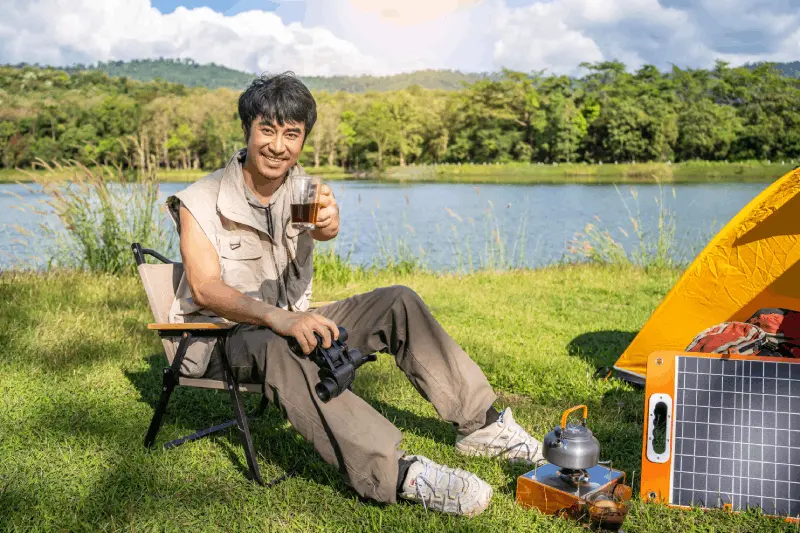
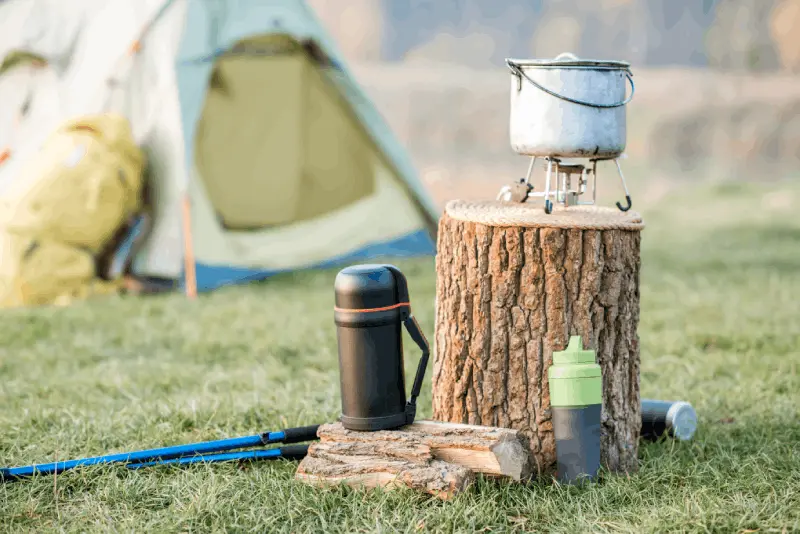
One of the biggest mistakes of beginners in camping is to turn to high-end equipment used by professional distributors or extreme sports enthusiasts. The shiny visuals on social media and marketing strategies create the perception that you cannot survive in nature without the most expensive tent. However, for a weekend camping trip by the lake, there is no need for thousands of dollars worth of technical clothing or ultra-light titanium sets. This situation is based on the "false sense of security" and "status symbol". Every expense you make without accurately determining your needs is actually an unnecessary item that has been deducted from your camping budget. Knowing your limits and the geography where you will camp will be the biggest shield against unnecessary expenses. Focusing on basic functions at the beginning will teach you over time which equipment you really need to invest in.
How Do Seasonal Values Protect Our Wallets When Choosing a Sleeping Bag?
The biggest expense when buying a sleeping bag is choosing models that carry the "four seasons" label and are resistant to extreme cold. If you are only going to camp in the summer months or on warm spring days, buying a bag that withstands -20 degrees is both an unnecessary weight and a serious budget loss. Sleeping bags have "Comfort", "Limit", and "Extreme" values. For an affordable start, you should choose a "Comfort" rating based on the lowest temperature you plan to camp in. Synthetic-filled bags are much more economical compared to down bags and perform better in humid environments. A synthetic-filled bag with a comfort limit of 5-10 degrees is the most economical and efficient choice for most beginners. This way, you won't have to pay extra for insulation that you won't use.
How to Establish a Balance Between Comfort and Insulation When Choosing a Mat?
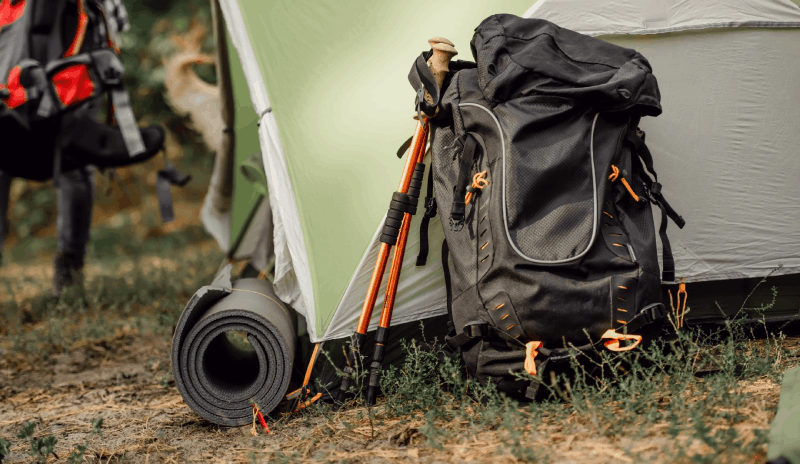
Many people see mats only as a soft surface, but the main function of a mat is to insulate you from the cold coming from the ground. Inflatable mats are very comfortable but have risks of puncturing and high prices as a disadvantage. When collecting affordable equipment, "closed-cell foam mats" (z-mats) are your most loyal friends. These mats are nearly indestructible; they do not puncture, do not absorb water, and are quite lightweight. If you are looking for a bit more comfort, you can increase insulation without shaking your budget by adding a thin layer on top of an affordable foam mat. By paying attention to the R-Value concept, choosing a mat suitable for the ground temperature of your camp can prevent you from tossing and turning all night, eliminating the need to buy an expensive sleeping bag. This is a strategic budget management move.
Does the Water Column Value of a Tent Really Justify the Price?
The water column values you see in the technical specifications of tents, such as 1000mm, 3000mm, or 5000mm, represent the fabric's resistance to water pressure. Very high values are generally for tents designed for extreme weather conditions. For a standard camper, a value between 2000mm and 3000mm is more than sufficient to keep you dry even in heavy rain. Instead of paying double for a branded tent, it is more logical to opt for affordable models that have seam-sealed stitching and double fly. Having a double fly is critical for the drainage of moisture (condensation) inside. To extend the life of an affordable tent, you can place a simple construction tarp or "footprint" underneath to prevent abrasions from the ground. Thus, you can achieve the durability offered by an expensive tent by using an inexpensive one wisely.
How to Manage Safety Risks When Buying Second-Hand Equipment?
The most effective way to reduce your equipment budget is the second-hand market, but there are critical points to pay attention to here. Especially for safety-focused products like stoves, helmets (if you are going to climb), and water filters, it is best to avoid buying second-hand. However, buying second-hand items like tents, mats, camping chairs, or kitchen sets can provide great savings. When buying a tent, you should check whether the zippers are intact, whether the tape on the seams is intact, and the condition of the fabric for "delamination" (surface peeling). If you are going to buy a sleeping bag, it is important to ensure that it comes from a pet-free home and has been properly washed. By patiently following ads, you can find quality brands' products for almost half the price and use your budget for other essentials.
Is It Logical to Prefer Aluminum Over Titanium in a Kitchen Set?
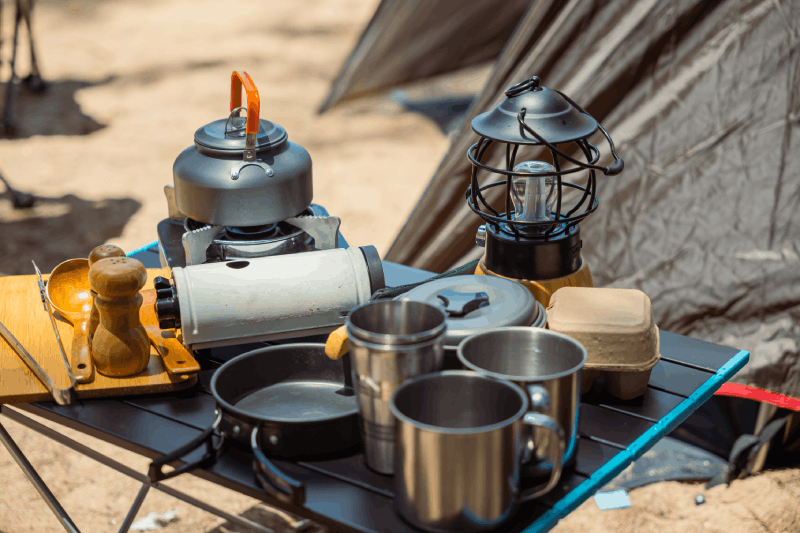
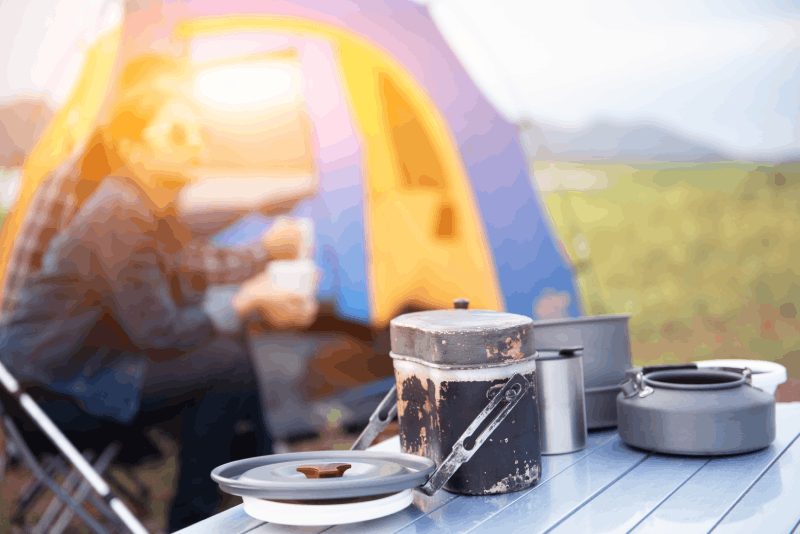
In the world of camping, "lightness" has become an obsession. Titanium equipment is incredibly lightweight, but its prices are equally heavy. If you are not going to hike for miles with your backpack (if you are car camping or doing short-distance hikes), anodized aluminum kitchen sets are the most logical choice for you. Aluminum distributes heat more evenly than titanium, which reduces the likelihood of your food sticking to the bottom. You can even go a step further by including a small non-stick pan or stainless steel pot from your home in your camp kitchen. Instead of spending money on specialized camping sets, using lightweight materials from home is the most "affordable" solution. Remember, the taste of the food you eat in nature is enhanced by your view, not the brand of your pot.
How Does the Back Support System of a Camping Backpack Affect Its Cost?
When buying a camping backpack, the most money you spend is usually on the suspension system rather than the fabric. The weight of the backpack needs to be transferred correctly from your shoulders to your hips for a comfortable hike. However, the market can demand exorbitant prices for very complex and adjustable systems. When looking for an affordable backpack, you should choose models that fit your height (torso length) and have sufficient padding on the hip belt. Instead of backpacks with too many pockets or accessory straps, focusing on simple models with a spacious main compartment and sturdy zippers will reduce costs. A simple rain cover that you attach to the top of the backpack eliminates the need for expensive waterproof fabrics. A backpack that fits your body ergonomically and is away from showiness can offer you the comfort of the most expensive brands.
Should You Invest in Lumens for Lighting or Battery Life?
While high lumen values may seem impressive, what you really need at the campsite is a reliable light that will free up your hands rather than illuminate your surroundings like daytime. Instead of thousands of lumen flashlights, a quality headlamp in the range of 150-300 lumens will do all your tasks. When collecting affordable lighting, battery life and the "modes" of the light (especially red light that preserves night vision) are more critical. Rechargeable batteries may reduce costs in the long run, but battery-operated models may be cheaper initially. If you are not camping frequently, a headlamp that runs on quality batteries is ideal for beginners. You can also create a great ambient lamp (lantern) by holding your headlamp behind an empty water bottle to illuminate your camping table, saving you the cost of an extra lamp.
Is Layering in Clothing More Effective Than Expensive Jackets?
Many new campers enter a search for a single "miracle jacket" that is waterproof and great for insulation, spending a small fortune on these jackets. However, the most effective method of protection in nature is the "layering" system. This system consists of three main parts: an inner layer (synthetic or wool) that wicks moisture away from the body, a middle layer (fleece is great) that traps heat, and an outer layer that cuts wind/water. Affordable fleeces can provide better insulation than the most expensive technical jackets. Combining a cheap rain jacket with a mid-quality fleece offers more flexible use than a single expensive jacket; you can remove one when you sweat and wear the other when you cool down. This approach not only protects your budget but also allows you to adapt more quickly to different weather conditions.
Do Cheap Models in Shoe Selection Cause Long-Term Damage?
One of the rare items you should not skimp on is your feet. However, it is also not true to say that "expensive shoes are good". When collecting affordable equipment, you should determine your shoe preference based on the intensity of the activity you will be doing. If you are only going to walk on trails, instead of heavy and expensive mountain boots, you can buy a quality "trail running" shoe. These shoes are both cheaper and lighter. However, skimping on issues like sole grip (brands like Vibram) and ankle support can increase the risk of injury and turn your camping enjoyment into a nightmare. By following discount periods, buying entry-level models from well-known brands is a much more logical investment than anonymous and unreliable products. The understanding of "affordable price" in shoes is finding the model that best establishes the "price/performance" balance.
How Does the Type of Fuel for a Camping Stove Determine Operating Costs?
When purchasing a camping stove, you should not only look at the price of the product but also the long-term cost of the fuel you will consume. Cartridge (screw-on) stoves are initially cheap and very easy to use, but cartridge prices accumulate over time. If you go camping very frequently, liquid fuel (gasoline) stoves may be more economical because their fuels are readily available and cheap. However, for beginners, the most affordable and "niche" solution is a simple alcohol stove. Alcohol stoves that you can make from a beverage can (DIY) have zero cost and the fuel (denatured alcohol) is very cheap. Although these types of stoves cook slowly, their lightness and economical nature make them the pinnacle of budget-friendly camping. If you want comfort, "budget-friendly" butane-propane mix screw-on stoves are the most balanced choice.
Are Water Filtration Systems More Economical Than Bottled Water?
Carrying liters of water with you when going camping is both tiring and continuously buying bottled water incurs a cost. If there is a water source (stream, lake, spring) where you will camp, a simple water filter can be a lifesaver. In the long run, the money spent on a water filter is much less than the cost of buying hundreds of plastic bottles of water. While there are many expensive and complex systems on the market, affordable models like the "Sawyer Mini" are simple, lightweight, and have the capacity to filter thousands of liters. This way, both your backpack gets lighter and you won't panic if your water runs out in nature. Buying a water filter is like setting up a "water factory" for yourself and is an indispensable investment for sustainable, affordable camping.
Are Multi-Functional Knives Necessary or Just an Unnecessary Luxury?
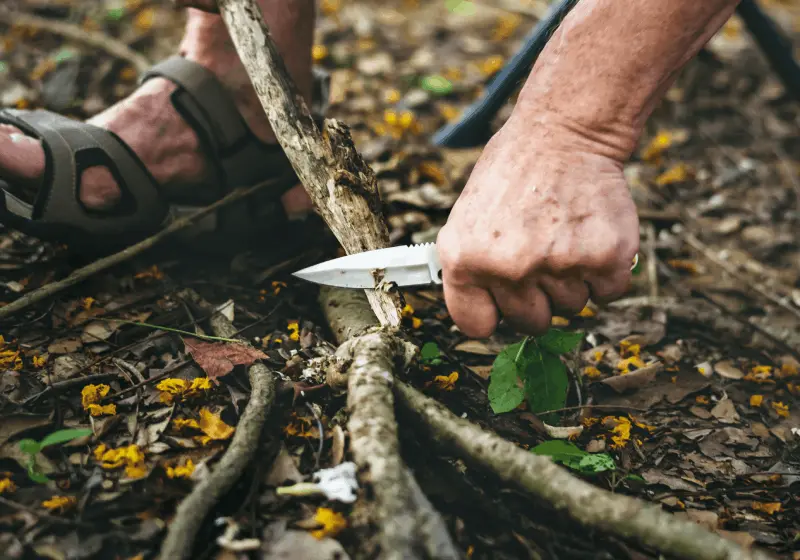
The world of knives is an area where enthusiasts can spend endless amounts of money. However, to be realistic, the most you will do at camp is prepare food and maybe cut some rope. Instead of heavy and expensive knives with dozens of functions, a solid "fixed blade" working knife is much more efficient. For example, knives made of carbon steel by Swedish brand Mora are considered among the most reliable camping knives in the world despite their incredibly affordable prices. Most features of multi-functional knives (except for can openers) are rarely used in nature. A simple, sharp, and sturdy knife is much more functional than a flashy and expensive multitool. You should invest in the quality of the steel and the ergonomics of the handle, not in the function.
Is It Cheaper to Buy a Ready-Made First Aid Kit or Make Your Own?
Ready-made first aid kits sold in camping stores often look appealing, but the quality of the materials inside is usually low and often filled with unnecessary plastics that you won't need. Creating your own first aid kit is both cheaper and allows you to personalize its contents. You can create an excellent set by putting quality bandages, antiseptic solution, various sizes of adhesive bandages, pain relievers, and tweezers that you buy from the pharmacy into a zip-lock bag. By spending half the money you would pay for ready-made kits, you can obtain a more comprehensive and quality content. Additionally, knowing the location and purpose of each item in your self-prepared kit provides a significant psychological advantage that reduces panic in emergencies.
Can You Spend Time in Nature Without a Camping Chair and Table?
Comfort equipment is often the "black hole" of the camping budget. Folding tables and ultra-light chairs can be quite costly. If your budget is limited, you should leave these expenses for last. A tree stump, a flat stone, or a simple sitting mat that you spread on the ground is your most natural and free seat. If you need a table, you can solve this problem by placing a tray on top of your camping backpack or finding a flat surface. If you really want a chair, you should prefer slightly more durable but still economical models instead of bulky and cheap market chairs; because these cheap chairs often break in the first camp and your money goes to waste. Comfort is directly proportional to your ability to be in harmony with nature, not with equipment.
Is Compromising on Equipment Quality Dangerous in Winter Camping?
This is the only area where budget constraints can pose a life risk. Getting wet in summer camping only ruins your morale, but using faulty or low-quality equipment in winter camping can lead to the risk of hypothermia. When collecting affordable winter gear, you should not go for the "cheapest" but rather the "most reliable and proven". For example, a tent used in winter must withstand wind loads and snow weight. A sleeping bag must ensure real protection in sub-zero temperatures. The way to be budget-friendly in winter gear is to choose only the essentials (sleeping bag and mat) in quality and select the cheapest for the others (kitchen set, lamp, etc.). Winter nature does not allow mistakes, so the rule of "safety first, then budget" applies when collecting equipment for this season.
Are Solar Panels More Profitable Than Portable Power Sources?
Technology dependency has also infiltrated the campsite. We need energy for phones, watches, and cameras. While solar panels seem eco-friendly and attractive, affordable models are often inefficient and only work directly under full sunlight. If your camping duration does not exceed 2-3 days, buying a quality power bank (portable power source) is much cheaper and more reliable than a solar panel. A 20,000 mAh power bank can fully charge our smart phones 4-5 times, which is more than enough for a weekend camping trip. Investing the money you would spend on solar panels in a higher-capacity and fast-charging power bank will help you meet your energy needs in the most economical way. If you want to be eco-friendly, you can also reduce waste by using rechargeable batteries.
How Does Equipment Maintenance Reduce the Need to Buy New Materials?
The most affordable equipment is the gear you already own and have used for many years. Equipment maintenance is the unsung hero of protecting your budget. Completely drying and airing out your tent after each camp, lubricating zippers with paraffin or special sprays, and never storing your sleeping bag in a tightly packed sack (keeping it loose preserves insulation) can double the lifespan of your equipment. Repairing small tears immediately with stitches or special patches prevents the item from becoming completely unusable. These simple habits can save you from the cost of buying new equipment every few years. Remember, professional campers are not the ones with the newest gear, but those who take the best care of their equipment and use it for the longest time. Maintenance is free, but neglecting it can be costly.
Which Equipment Does the 'Skimping' Rule Definitely Not Apply To?
When putting together a budget-friendly camping set, you should correctly draw the fine line between "saving" and "stinginess". A low-quality lighter, when broken, cannot just ignite a fire, but a low-quality shoe sole, when torn, can leave you stranded at the top of a mountain. Falling below a certain quality standard in tents, sleeping bags, and mats, which we call the "golden triangle", can turn camping into a torture for you. Additionally, in items directly related to health, such as water purification systems and first aid supplies, anonymous, unapproved products should never be preferred. For everything else (cups, forks, tables, lights, clothes, etc.), you can opt for the cheapest alternatives or even use your household items. Strategic prioritization allows you to manage your budget without compromising your safety.
Is Minimalism the Greatest Weapon in Managing a Camping Budget?
In fact, the cheapest way to camp is the philosophy of "not buying what you don't need". Many campers fill their bags with dozens of items they will never use, saying "maybe I will need it" and spend money on them. Adopting a minimalist approach lightens your bag and frees your mind. Less stuff means less clutter and less maintenance cost. Isn't the purpose of going into nature to escape the clutter of consumer society? By focusing only on the essential items you truly need (shelter, warmth, nutrition), you can use your budget to improve the quality of these essentials. Having few but essential items also develops your camping skills; because you learn to solve problems with the limited resources you have. Minimalism is the best camping companion for both your soul and your wallet.
How to Become a Smart Camper?
Collecting affordable camping gear is not a destination, but a journey. With each camping experience, you will better understand what you are missing and what is unnecessarily weighing you down. Instead of trying to set up a perfect and complete set on your first try, meet your basic needs in the most reliable and economical way and hit the road. Over time, the satisfaction you feel when you catch that "niche" item on sale or find it second-hand is worth much more than the product bought from the most expensive store. To enjoy nature, you need what suits you best, not the most expensive. Now plan your budget, set your priorities, and take that first step; adventure awaits you.