How Should Layering Strategies Be to Preserve Body Heat?
Preserving body heat is a much more efficient method than seeking warmth from the outside. The principle of layering ensures that each layer serves a different physical function, not just wearing multiple layers on top of each other. The first layer, the base layer, should wick moisture away from the body and keep the skin dry; for this reason, synthetic or merino wool is preferred. The second layer, the insulation layer, traps air to prevent heat loss; fleece or down is ideal for this purpose. The final layer provides protection against wind and moisture, preventing the warm air inside from cooling due to external factors. This three-layer structure traps the body's own generated heat of 37 degrees in a fireless environment, eliminating the risk of freezing.
How to Maximize the Radiant Heat Reflective Capacity of Mylar Blankets?
Mylar blankets, commonly known as emergency blankets, do not provide warmth but reflect 90% of the existing radiant heat. To increase the efficiency of these thin sheets, they should be positioned very close to the body but without direct contact. Leaving a thin air gap minimizes heat transfer while maximizing reflection. Additionally, laying these blankets against a shelter wall or under the bed does not cut off the cold coming from the ground but sends back the heat waves radiating from your body. Care should be taken to avoid moisture buildup (condensation) when placed inside a sleeping bag, as dampness accelerates heat loss.
What is the Working Principle and Efficiency of Chemical Heat Packs?
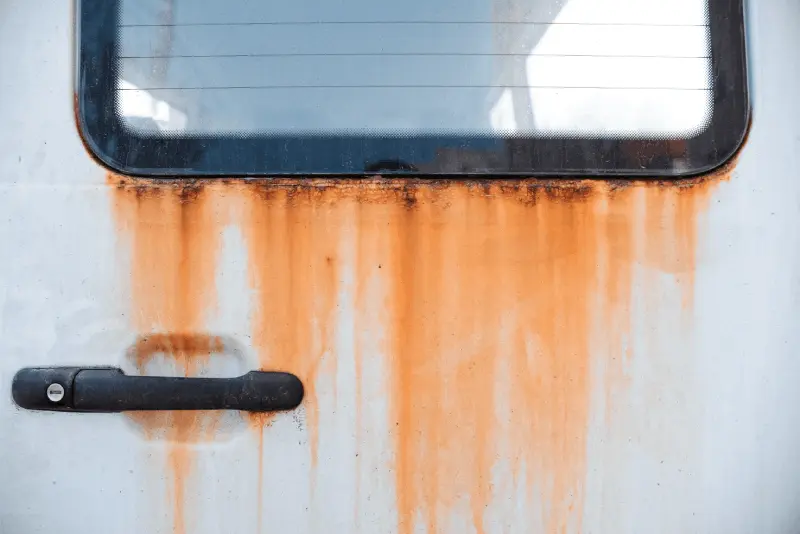
Chemical heat packs typically utilize the oxidation (rusting) reaction that occurs when iron powder comes into contact with air. This exothermic reaction provides a stable heat source that lasts for hours. In stormy weather or enclosed spaces where lighting a fire is impossible, these packs offer vital comfort. When activated by shaking, the contents can heat up to approximately 50-60 degrees. The most efficient way to use this heat is to keep the pack close to large blood vessels in the armpit, groin, or neck area. This way, the heated blood circulates to the rest of the body, raising overall body temperature. While their single-use nature may be a disadvantage, they are unmatched in terms of weight and efficiency balance.
Do Solar Ovens Provide Efficiency in Cloudy Weather?
Solar ovens use reflective panels that capture photons and convert them into heat energy. Although they can reach temperatures of 150-200 degrees under full sunlight, their efficiency significantly decreases in cloudy weather. However, modern "vacuum tube" solar cookers can operate independently of ambient temperature. These tubes trap even the small amount of UV light that enters, allowing food to cook indoors despite the freezing cold outside. While cooking time on a cloudy day may extend from 1 hour to 3-4 hours, it remains one of the cleanest and most sustainable ways to enjoy hot meals without lighting a fire.
Is It Safe to Prepare Hot Meals with MRE Heaters?
MRE (Meal, Ready-to-Eat) heaters work through a chemical reaction that occurs when magnesium and iron powder come into contact with water. This method is also known as "waterless heater" and does not produce an open flame. Due to the hydrogen gas released during the reaction, it is recommended not to perform this process in very confined and unventilated areas. From a safety perspective, there is no risk of flame, which makes it possible to heat food in places with fire hazards, such as gas stations or dry forests. By simply adding a small amount of water, steam can be generated that is close to boiling point within a few minutes, allowing you to safely heat your ready meal packets.
How to Cook Using the Haybox Technique?
The Haybox cooking method is essentially a "heat retention" philosophy. In this method, food is brought to a boil on a stove (or alternative heat source) and then placed inside a well-insulated box. Traditionally made of straw, this box can now be filled with blankets, wools, or styrofoam. The food continues to cook "on its own" for hours without losing the heat inside the box. This method allows for a cooking performance of 4 hours with just 5 minutes of heating in situations where energy is limited. If you have no fire, you can ensure that the grains soften by keeping the warm water you obtained from the sun in this box.
Which Foods Can Be Cooked Using the Acid Cooking Method?
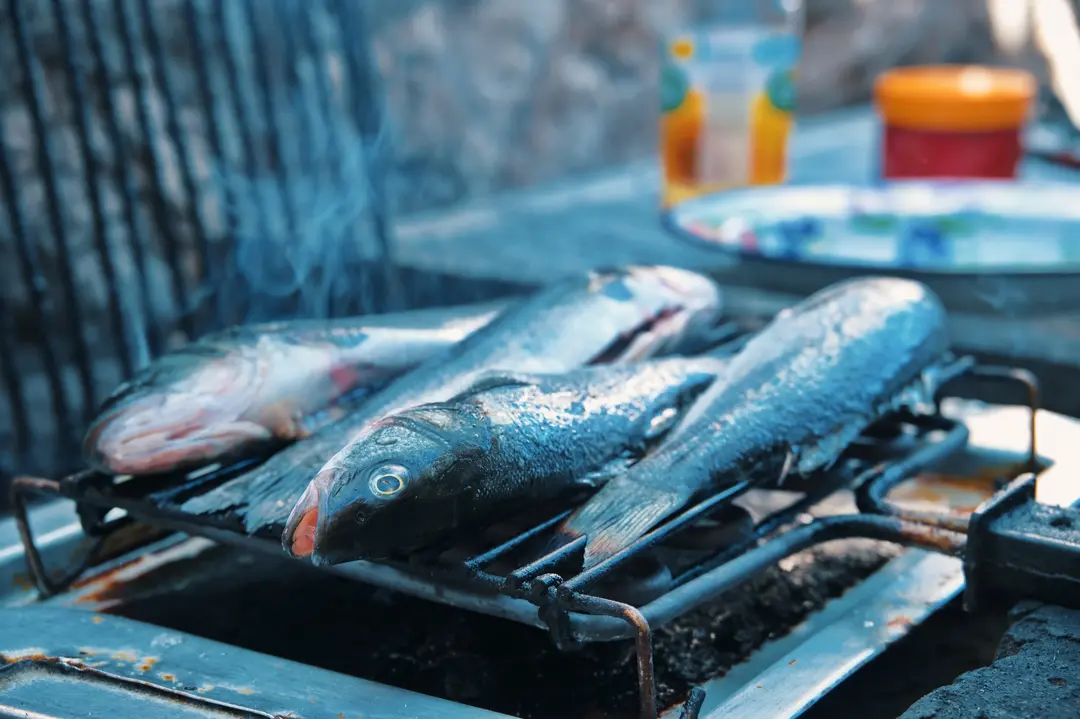
The process known as "denaturation" in culinary chemistry involves altering the structure of proteins with acid or salt instead of heat. Ceviche, an essential dish in Latin American cuisine, is the best example of this. When raw fish or seafood is soaked in plenty of lemon or lime juice, the acid "cooks" the proteins, making them edible and safe by altering their texture. In this method, fire is absolutely not used. However, this technique should only be applied to fresh foods with low parasite risk (certain fish and seafood). For red meat or poultry, this method is not microbiologically safe, so acid cooking should be limited to specific products.
How to Extend the Heat Retention Time of Hot Water Bottles?
Hot water bottles are simple yet effective heat reservoirs. Without lighting a fire, they can be heated using only sunlight or a chemical reaction.
You can fill these bags with water to warm your bed or body. To keep the heat for a longer time, the bag must be wrapped in a woolen cover or a thick sock. Bare rubber gives off heat very quickly and cools down rapidly. Additionally, adding a bit of salt to the bag, while theoretically not changing the thermal capacity of the water, helps to spread the heat for up to 8-10 hours when used under a blanket, creating a "dead air space." This is critical for prolonging sleep, especially on cold nights.Is Cooking Food in Thermos Cups Possible?
High-quality vacuum thermoses not only keep drinks hot but can also serve as miniature pressure cookers. In the "thermos cooking" technique, finely chopped vegetables, couscous, lentils, or oats are placed in the thermos, and boiling (or very hot) water is added before sealing the lid. Thanks to the insulation of the thermos, the heat inside does not drop for a long time, and the food softens and cooks within a few hours. This method is excellent for preparing meals on the go without expending energy. This passive cooking method is lifesaving in national parks where lighting a fire is prohibited or in situations where fuel conservation is necessary.
What is the Cold Soaking Technique?
Popularized especially by long-distance hikers, "Cold Soaking" is the process of making food edible through hydration instead of cooking. Foods like couscous, instant noodles, dried fruits, and some legumes soften by absorbing water when soaked in room temperature water for a few hours. Although it may not be as satisfying as a hot meal in terms of flavor, this method reduces energy consumption to zero. The most important rule in this technique is to know the water absorption capacity of the food and to wait the correct amount of time. For example, while potato flakes become ready in seconds, hard pasta may require 2-3 hours.
Can Underground Insulation Methods Be Used for Heating?
Soil is a natural insulator, and as you go deeper, the temperature tends to remain stable throughout the year. When you have to warm up without lighting a fire, shelters built underground or existing burrows are great shelters to protect against freezing winds on the surface. However, direct contact with the ground means you will lose heat quickly through conduction. Therefore, a generous amount of dry leaves, pine needles, or branches should be laid between the ground and your body. This "insulation bed" helps to preserve your body heat while cutting off the cold from the ground. A properly constructed underground shelter can maintain an internal temperature of 0-5 degrees while the outside is -20 degrees.
When Can Thermal Clothing Save Lives?
Thermal clothing is typically made from special fabrics that reflect the infrared radiation emitted by the body, often derived from space technology. Despite being very thin, these garments can provide more heat retention than traditional heavy wool sweaters. Especially in high-altitude climbs or maritime accidents, "neoprene" based thermal clothing can trap body heat even in water, delaying hypothermia. In a fireless survival scenario, these types of technical textiles help maintain mobility without the need for bulky clothing.
Is Fermentation a Fireless Alternative for Food Preparation?
Fermentation is the process of "pre-digesting" or altering the structure of foods through microorganisms. In an environment without heat, you can extend the shelf life of vegetables (like making pickles) or grains by fermenting them, thus increasing their nutritional value. Sauerkraut or the staple of Korean cuisine, Kimchi, are foods that are consumed without cooking but are "processed" through biochemical processes. This process does not produce heat but makes the food digestible and flavorful. Additionally, since fermented foods are rich in probiotics, they help maintain your body's resistance (and thus your warmth) by strengthening your immune system under difficult conditions.
Is Boiling Water with Solar Concentrators Safe?
Parabolic mirrors or large lenses can focus sunlight to create thousands of degrees of heat in seconds. Boiling water or cooking food with this method is possible and is a completely fuel-free operation. However, this method carries serious safety risks; skin can burn instantly if it accidentally touches the focal point, or the resulting flare can cause permanent damage to the eyes. This equipment should generally be stable and wind-resistant. In areas where lighting a fire is prohibited but the sun is abundant, such as deserts, these mirrors are the fastest "fireless" solution for sterilizing water (by boiling to kill bacteria).
What is the Difference Between Drying with Salt and Cooking?
Salt creates an environment where bacteria cannot survive by drawing moisture out of food (through osmosis). "Cooking in salt" usually requires an oven, but it is also possible to process food using only salt. For example, in making Pastirma or Gravlax (salted salmon), heat is not used. The food is left under a mixture of salt and spices under a certain pressure. In this process, the texture of the meat tightens and gains a "cooked" appearance and flavor profile. In a situation without heat, the best way to preserve hunted or found meat is to cure it with salt. This method keeps the food microbiologically safe. It ensures that you meet your protein needs without needing fire while stabilizing your body.
How Do Body Fat Ratio and Metabolism Rate Affect Heating?
In a fireless environment, our internal heat production, that is, our basal metabolism, is our greatest ally. Individuals with high muscle mass produce more heat even at rest because muscle tissue is metabolically very active. On the other hand, body fat provides an excellent insulation layer (adipose tissue). In the fight against cold, it is necessary to regularly intake the calories (especially carbohydrates and fats) that fuel the body. The "shivering" mechanism is an emergency situation where the body tries to produce heat by rapidly contracting and relaxing its muscles. If you do not consume enough calories, your body cannot find fuel to burn and no matter how good your layers are, you will start to cool from the inside out.
Does Humid Air or Dry Air Cause Faster Heat Loss?
When it comes to heat loss, humidity is the biggest enemy. Water is 25 times more conductive than air. Therefore, staying in wet clothes or in humid air causes your body heat to be absorbed much faster. The first rule in fireless heating strategies is to prevent sweating. The saying "If you sweat, you will die" is especially a vital truth in winter conditions. In dry cold, you can endure for hours with good insulation; however, in humid and windy weather, the heat loss that occurs through evaporation can put you into hypothermia within minutes. Therefore, you should keep your shelter ventilated but protect it directly from wind and moisture.
Is It Logical to Obtain Heat with Thermoelectric Generators?
Thermoelectric generators (TEG) are devices that convert temperature differences into electrical energy. They generally work with fire (one side hot, one side cold), but the reverse is also possible. Small-scale cooling or heating can be achieved using Peltier elements. However, electric blankets or heated vests powered by batteries are the modern and technological way to heat without "burning fire." These garments, powered by lithium batteries, heat areas close to the skin directly through carbon fiber wires. This method allows you to make a massive energy saving by heating only your body instead of trying to heat the entire environment if you have a limited energy source (such as a solar panel and battery set).
How Much Does Vacuum Packaging Preserve the Heat of Foods?
Vacuum sealing food after it is cooked (or after it is heated) completely stops the heat loss that would occur through evaporation. Vacuum bags significantly slow down the cooling process of food as they prevent air from entering. Additionally, food in vacuum bags can be reheated with very little energy using the "bain-marie" method (in a bit of hot water). In a fireless scenario, you can consume pre-prepared and vacuum-sealed hot meals after 12-18 hours by carrying them in a well-insulated bag. This is especially a practical solution in short-term crisis situations or daily winter excursions.
When Does Heating with Human Power (Exercise) Become Risky?
Moving generates heat as a result of muscle activity. However, this method has a limit and a risk. Light-paced jogging or simple arm movements can help speed up your circulation and assist in heating. However, heavy exercise causes sweating. If you do not have a technical garment to wick away the sweat, that sweat will freeze you when it cools. Additionally, exercising in extreme fatigue can lead to the depletion of the body's last energy reserves (glycogen), causing metabolism to completely collapse. In fireless heating, exercise should be done at a balanced pace that is "enough not to sweat but enough to stop shivering."
How Much Heat Do Candle Heaters Provide in Enclosed Spaces?
Here, while a "candle" has a flame, it remains a low-energy solution compared to a large campfire or stove. "Terra Cotta" heaters trap the small heat emitted by a candle, allowing the pot to warm up and radiate that heat into the room. This method does not heat a house but can raise the temperature of a very small tent or enclosed space by a few degrees. The important thing is to transfer heat to the air by increasing the surface area instead of concentrating it in one spot. However, a very small ventilation gap should always be left to mitigate the risk of carbon monoxide.
What Are the Essential Tools for a Sustainable "Fireless" Kitchen?
To make a fireless life sustainable, you need to have some basic tools: 1) A high-quality solar cooker, 2) A vacuum stainless steel thermos, 3) A chemical heater pack backup, 4) Mylar-based reflective tarps, and 5) Fermentation jars. These five allow you to utilize free energy from nature (solar), chemical energy, and biological processes. Additionally, prioritizing foods that are suitable for the "cold soaking" method (foods that can be eaten without cooking or only prepared with hot water, such as couscous, oats, dried fruits) when selecting your food stock will free you from dependence on external energy sources.
What Is the Role of Psychological Factors in Fighting Cold?
Heating and nutrition are not just physical processes; the brain has a surprising control over body heat. Breathing techniques like the "Wim Hof" method can enhance resistance to cold by affecting the autonomic nervous system. However, beyond that, the fear of staying in the cold can lead to panic, speeding up metabolism and depleting energy reserves. Keeping morale high, the psychological relief provided by a warm drink (even if prepared without fire) can somewhat balance the constriction of blood vessels (vasoconstriction). Feeling safe allows the body to shift from "fight or flight" mode to focus energy on heating.
Are Natural Fibers or Synthetic Fibers Better?
What Insulates?Traditionally, wool is unmatched because it retains its insulating properties even when wet. Merino wool creates thousands of tiny air pockets with its fibrous structure. On the other hand, modern synthetic fibers (like Primaloft) combine the lightness of goose down with moisture resistance. If you are at risk of getting wet in a fireless environment (rain, snow), synthetic insulation or wool should be preferred. However, if you are in a completely dry shelter, goose down provides the best insulation by offering the highest "loft" (fluffiness) value per weight. Your choice should depend on the humidity level of your environment and your activity level.
How Effective Are Reflective Insulation Paints and Foil Coatings?
Reflective insulation can be used not only in clothing but also in shelters. Applying aluminum foil or reflective insulation paints to the ceiling of a shelter prevents radiant heat from escaping outside. The "R-value" insulation coefficient depends on the thickness and type of material. In a fireless heating plan, your walls should not only be windbreaks but also heat reflectors. This can help even the body heat in small spaces to warm the room. Covering the inside of a simple cardboard box with foil can increase the temperature inside that box by up to 10 degrees compared to the outside.
What Are the Fireless Alternatives in Water Purification?
Water must be sterile for cooking. If you are not able to start a fire, you cannot boil your water. In this case, UV filter pens, ceramic filters with silver coating, or chlorine/iodine tablets come into play. Additionally, the SODIS method can be used, which utilizes the disinfecting power of sunlight (UV rays): Water is placed in clear PET bottles and left in direct sunlight for 6 hours. This process kills most pathogens. Preparing cooking water this way eliminates the risk of stomach infections, allowing your body to fight off illness without losing energy (and thus warmth).
How to Prevent Heat Loss When Snow Turns to Water?
Eating snow rapidly lowers body temperature and can trigger hypothermia. It is difficult to melt snow without fire, but not impossible. You can place snow in a water bottle and hold it close to your body (but not touching the skin, between layers) to melt it with your body heat. However, this will drain significant energy from your body. A better method is to put snow in a black bag and leave it in the sun. The black color absorbs sunlight and helps melt the snow. Adding a bit of liquid water (if available) speeds up the process because liquid water conducts heat better than snow. Never try to quench your thirst by eating ice or snow directly; this is like committing suicide in a fireless environment.
What Is the Thermal Effect of Fats on Heating?
Fats are the densest energy source, providing 9 calories per gram. However, more importantly, the digestion of fats takes a long time, and during this process, the body produces a steady "internal burning heat." Consuming a spoonful of olive oil or a bit of butter before going to bed on a cold night helps keep your metabolism working and generates heat throughout the night. Proteins also have a high thermal effect (they require a lot of energy to digest and release heat). Carbohydrates provide quick energy but their effect wears off quickly. In a fireless survival scenario, 40% of your food supply should consist of healthy fats.
What Is the Dramatic Effect of Windbreaks on Heat Sensation?
"Wind Chill" is the phenomenon that makes you feel like it is -15 degrees when the actual air temperature is 0 degrees due to the speed of the wind. The wind continuously sweeps away the thin layer of warm air around your body. In fireless heating, no matter how thickly you dress, if you do not block the wind, you will lose heat. A simple plastic tarp or a windproof outer shell (hard shell) can instantly increase the perceived temperature by 10-15 degrees. When building a shelter, ensuring that the door faces away from the wind is the simplest and most effective way to keep the air inside warm without starting a fire.
How Effective Is "Cohesion" (Shared Heat) for Warming Up?
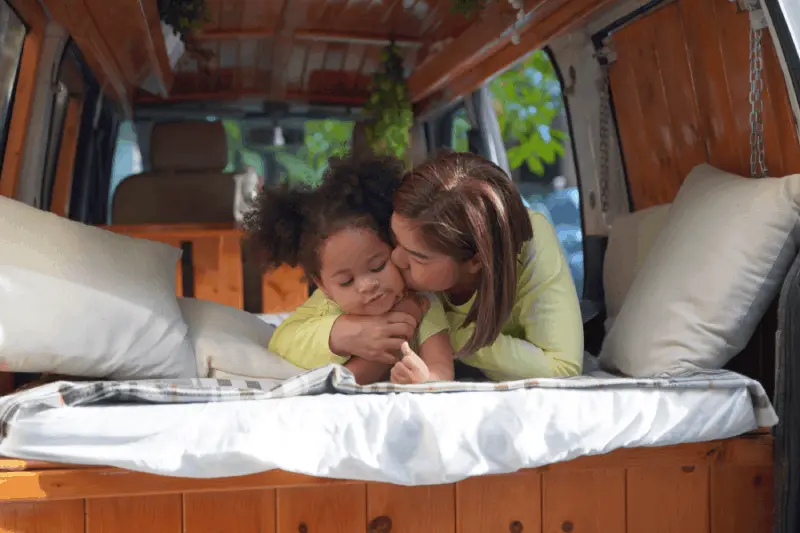
The oldest method used by animals in nature (like penguins) is collective warming. Two or more people entering the same sleeping bag or sitting close together reduces the surface area for heat loss while increasing the total heat produced. This "thermal mass" sharing can bring someone at risk of freezing back to life. In a fireless environment, having a social group not only provides psychological support but also creates a physical heat bank. The more living beings (including pets) there are in a small shelter, the faster the air inside warms up.
What Is the Importance of Oxygen Absorbers in Storing Dry Foods?
In a fireless kitchen, keeping food from spoiling is vital. Oxygen absorbers prevent oxidation and insect infestation by removing oxygen from the package. This way, ready-to-eat foods that do not require cooking can stay fresh for years. Additionally, an oxygen-free environment helps preserve certain vitamins (like A and C). Vitamin deficiency under harsh conditions can slow down the functioning of the thyroid glands, which play a role in regulating body temperature. Therefore, while preparing your food stock for a fireless future, you should focus not only on calories but also on packaging methods that preserve nutritional value.
Do Thermal Curtains and Rugs Provide Energy Savings?
If you are trying to heat in a fireless environment, the places where heat escapes the most are windows and floors. Thick thermal curtains or even just blankets hung over windows prevent the cold from entering through the glass. Thick rugs or even cardboard sheets placed on the floor can help insulate your feet from the cold ground. stops heat loss. The human body loses the most heat from the feet and the head. Insulating the floor ensures that the air in the room stays a few degrees warmer. Remember, heating is not just the art of producing new heat, but also the art of trapping the existing heat and preventing it from escaping.
Knowledge in a Fireless World
Heating and cooking without starting a fire is about turning the physical laws of nature to your advantage. Insulation, reflection, chemical reactions, and solar energy are the four pillars of this process. When you combine the equipment offered by modern technology with ancient survival knowledge, you can stay warm, full, and safe even in the absence of flames. Being prepared is not just about having a lighter, but also knowing what to do if that lighter breaks.