How to Identify Wildlife Corridors When Choosing Your Campsite?
Determining the location where you will camp is the first and most important step for your safety. Wild animals typically use specific routes, known as "wildlife corridors," to reach water sources or hunt. Natural paths between riverbeds, narrow valley floors, and dense vegetation are the most obvious examples of these corridors. If you set up your tent directly on or very close to such a path, your risk of encountering a herd of pigs or a predator looking for water at night increases. Therefore, when choosing your campsite, you should carefully examine the fresh footprints, droppings, and scratch marks on tree trunks on the ground. It is advisable to prefer flat areas with an open view, at least 60-100 meters away from a water source, and not on the passage route of animals, as this will significantly reduce the likelihood of unwanted visitors during the night.
Why Are Bear Canisters and Odor-Proof Bags Vital?
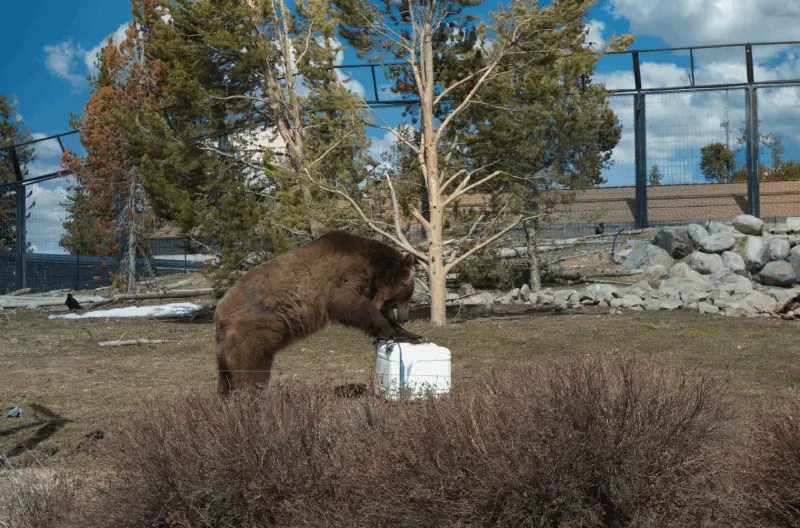
Many animals living in the wild, especially bears, have a sense of smell that is thousands of times stronger than that of humans. Not only food but also toothpaste, sunscreen, deodorant, and even dirty kitchen utensils are invitations for them. Bear canisters are special equipment made of hard plastic or metal, designed in such a way that animals cannot open them with their teeth or claws. Odor-proof bags trap odors at the molecular level. Using this equipment ensures that the animal understands it will not find a reward (food) at your campsite. If a bear comes to your campsite and finds food, it will mark that area as a "feeding zone," which endangers the safety of both you and future campers. The safest method is to place these containers at least 70-100 meters away from your tent, in a direction where the wind will not carry the smell to your tent.
Is It Always Correct to Play Dead When Encountering Wild Animals?
The method of "playing dead," which is a common belief, actually only works in very specific situations and can lead to disaster if applied incorrectly. For example, if a brown bear perceives you as a threat and begins to make physical contact, lying on your back and protecting your neck with your hands may make you appear less threatening. However, this method is never recommended with black bears or other predators in a hunting position. If you encounter a wolf, coyote, or wild boar, playing dead will make you an easy target. In such situations, the best thing to do is to step back without breaking eye contact (but without directly challenging), open your arms to appear larger than you are, and speak in a loud but calm voice. Since each animal's psychology is different, it is vital to research the species in the area beforehand.
What Is the Real Effect of Campfires on Wild Animals?
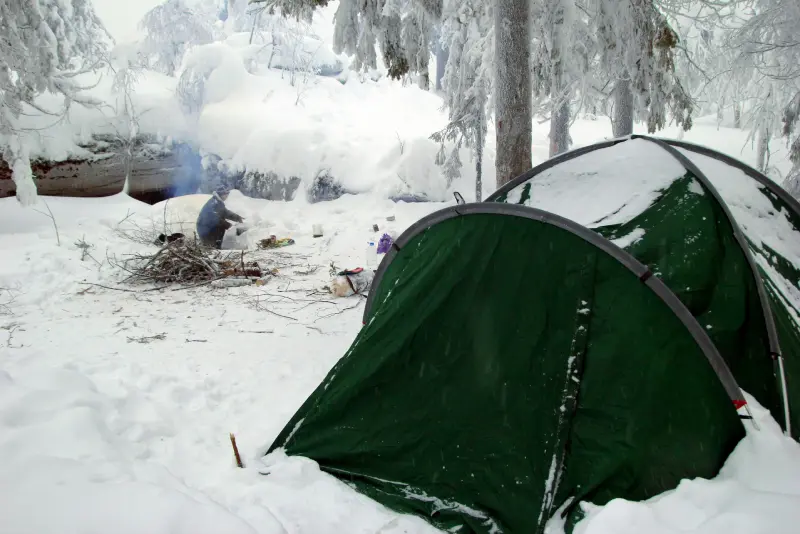
The general belief is that campfires keep wild animals away, but this is not always the case. Many mammals instinctively shy away from fire and the smell of smoke, as fire is a sign of danger in the wild. However, the false sense of security that fire creates for campers can sometimes lead to greater risks. Cooking food over a fire can cause strong smells of fat and food to spread, which may attract animals more than the fire itself. Additionally, the bright light created by the fire obscures campers' "night vision." It becomes impossible to see what is happening in the darkness just outside the fire. Therefore, you should use the fire only for warmth and cooking in a controlled manner, ensuring it is completely extinguished before sleeping and that it does not emit any odors. Fire is not a standalone protective shield; it is merely a supplementary element.
What Risks Does Eating Inside the Tent Bring?
Your tent is your sleeping and shelter area, but leaving even the smallest crumb of a biscuit there creates a significant security gap. Food odors quickly permeate the fabrics, and it is impossible to clean this smell. Many animals, from small rodents (mice, squirrels) to large predators, can tear through your tent in seconds to reach the source of the smell. Worse yet, if you eat in your sleeping bag, a wild animal trying to reach the food while you sleep can lead to physical injuries. In a safe camping setup, the "kitchen," "food storage area," and "sleeping area" should be positioned at least 70 meters apart, forming a triangle. You should never bring food, snacks, juice, or even odor-producing personal care products into your tent.
How Should You Check Your Shoes to Protect Against Snakes and Scorpions?
Cold-blooded or small creatures like snakes and scorpions seek sheltered areas to protect themselves from temperature differences. Your hiking boots, camping chairs, or equipment left outside are perfect nesting candidates for them. When you wake up in the morning, before putting on your boots, you should always turn them upside down and hit them firmly against the ground, and visually inspect the inside. It is much safer to check with a stick rather than putting your hand inside the boot. Scorpions usually hide in the toe area of the shoe or under the insole. This simple check... Preventing one of the most common poisoning cases in nature is essential. Additionally, not walking barefoot or in slippers at the campsite, using a strong flashlight during night walks, and not turning over dead tree stumps with your hands will minimize the risk of contact with such creatures.
What Are the Signs Indicating That Wolf Packs Are Nearby?
Wolves are generally shy animals that avoid humans, but their instinct to protect their territory can pose a risk to campers. There are various ways to determine if there are wolves in an area, and it is not limited to just footprints. Wolf tracks are usually large, cylindrical, and contain a significant amount of fur or bone fragments. Additionally, scratch marks on trees or the unusual behavior of local prey animals (such as deer, roe deer, etc.) can also be a sign. Howling heard at night provides information about distance; if howls are coming from very close and are echoed from multiple points, it means you are within the hunting or patrolling area of a pack. In this case, you should raise your voice, move in groups, and never stray far from each other in the dark. Since wolves typically focus on weak or solitary targets, a large and noisy camping group would be deterrent for them.
What Is the Most Effective Defense Strategy Against Wild Boar Attacks?
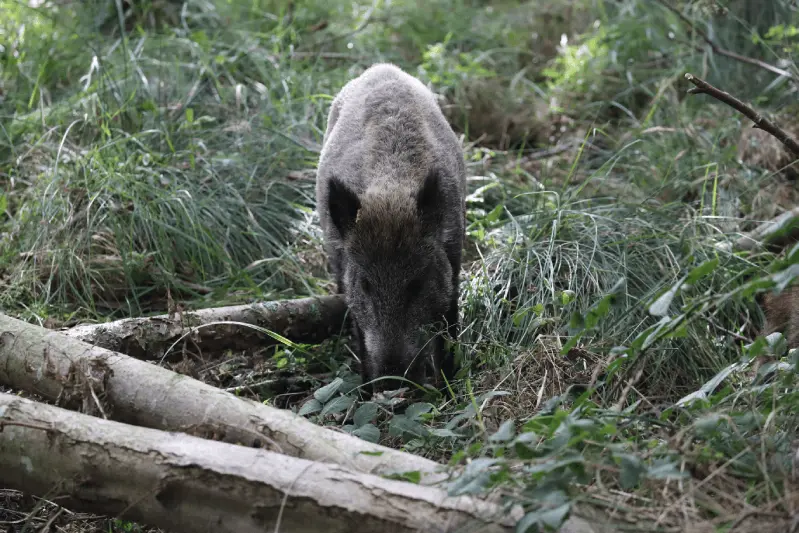
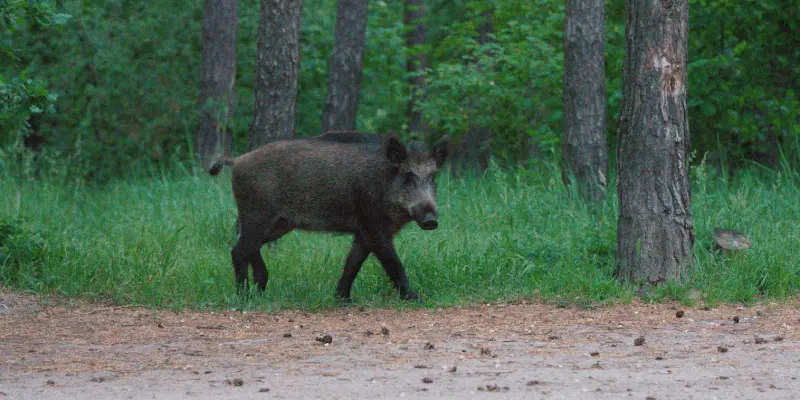
Wild boars can become extremely aggressive, especially when they have piglets with them, and their physical strength should not be underestimated. If you come face to face with a wild boar, running away is usually ineffective because boars can run much faster than humans in rough terrain. The most effective defense strategy is to climb a tree immediately if there is one nearby; boars cannot climb. If there is no place to climb, you may need to turn sideways to the animal and avoid sudden movements. Boars usually charge in a straight line; making a quick maneuver to the side at the last second can help you avoid being hit by the boar. However, the best way to protect yourself is to not leave food scraps at the campsite and to avoid entering areas where boars are active during dawn and dusk. Their teeth and massive weights can cause serious injuries.
What Extra Safety Precautions Should Be Taken for Campers with Dogs?
Camping with your dog can be enjoyable, but your pet can act as a "trigger" for wildlife. The scent and barking of dogs can be a competitor for wolves and a threat or curiosity for bears. You should never leave your dog unattended at the campsite and must keep it on a secure leash. An unattended dog may chase after a bear and provoke it, then run back to you, which would attract the bear towards you. Additionally, you should store your dog's food in odor-proof containers just like your own food and clean the containers immediately after feeding. At night, you should definitely keep your dog inside the tent with you, as this will prevent it from being seen as prey by outside predators.
Why Is Wind Direction Critical When Using Bear Spray?
Bear spray is a life-saving tool when used correctly, but its use requires serious training. The spray contains a very concentrated type of pepper gas and aims to irritate the animal's mucous membranes (eyes, nose, mouth) to stop it. However, you must quickly assess the wind direction before using the spray. If the wind is blowing towards you and you spray, the gas cloud will come directly towards your face; in this case, you will lose your vision and experience shortness of breath, leaving you completely defenseless against the aggressive animal. Always carry bear spray on your belt or in a place where you can reach it within seconds; having it in your backpack is of no use during an attack. You should use the spray with short and strong bursts aimed at the animal's face when it approaches within about 10-15 meters.
Why Does Camping Near Water Sources Increase Animal Traffic?
While it may seem very appealing for novice campers to stay by the water's edge, it is a significant mistake from a wildlife safety perspective. Water is a common meeting point for all creatures in nature. Especially during dry seasons, all animal species come to the same spot to drink water at night. Setting up a tent by the water prevents animals from accessing a vital resource, which can cause them to become stressed and aggressive. Additionally, the sound of running water prevents you from hearing noises and footsteps from the surroundings; this allows an animal to approach you very closely without being noticed. Safety protocols recommend setting up camp at least 200 feet (approximately 60 meters) away from a water source. This way, you show respect for the animals' living space and keep the scent of humans at your campsite away from their drinking routine.
How Can You Prevent Small Rodents from Damaging Your Camping Gear?
Most campers are only afraid of large predators, but the real material damage often comes from small rodents like mice, squirrels, and badgers. These animals have very sharp teeth and can chew through expensive technical fabrics, tent poles, and sleeping bags to reach a pack of biscuits in your backpack. Sometimes, even the salty sweat smell inside your boots can attract them and cause them to chew on your boots. . To protect against this situation, you should store all food in "rat-proof" metal containers or hanging bags. Always keep the door of your tent closed and ensure that no crumbs are spilled inside. Additionally, when leaving the campsite or while sleeping, leaving all zippers of your bag open (if there is no food inside) can help ensure that the animal checks your bag without tearing it apart and leaves; however, the best guarantee is to completely isolate the smell of food.
What Are the Natural and Chemical Protection Methods Against Tick Bites?
The most dangerous creatures in the wild are not always the large ones; ticks are much more risky due to the diseases they carry, such as Lyme or Crimean-Congo Hemorrhagic Fever. Choosing the right clothing is vital for protection against ticks; light-colored clothing makes it easier to spot a tick. Tucking pant legs into socks prevents the tick from reaching your skin. Chemical repellents containing 20-30% DEET or Permethrin sprays applied to clothing are quite effective. For those looking for a natural method, mixtures of eucalyptus oil, lavender, and lemon grass oil can create a repellent effect on ticks, but the protection duration of these natural methods is much shorter. After every hike, you should carefully check your body, especially your armpits, behind your knees, and hair roots. If a tick has attached, you should grasp it by the head with fine-tipped tweezers and pull it out straight without crushing or burning it, and you should consult the nearest health facility.
What Should You Do If You Encounter an Injured Wild Animal?
Encountering an injured or sick-looking animal in nature can be distressing, but this situation is one of the riskiest scenarios for your safety. An injured animal is in "fight or flight" mode and can behave much more unpredictably and aggressively due to the pain it is experiencing. Approaching the animal with the instinct to help may result in it injuring you as a last defense move. Additionally, there may be other predators attracted by the smell of an injured animal. The only thing you should do is maintain a safe distance and leave the area, noting the location if possible, and report it to local wildlife protection teams or the forest district office. Touching the animal or trying to give it water or food poses a risk of poisoning/injury for you and may reduce the animal's chances of survival in the wild due to misguided intervention.
How Does Waste Management in the Campsite and the "Leave No Trace" Principle Ensure Safety?
The "Leave No Trace" principles not only protect the environment but also help maintain a safe relationship between campers and wildlife. Kitchen waste, food scraps, and even soapy water used while washing leave foreign odors in the wild. Over time, these odors can lead animals to perceive that area as a food source and habituate to humans. A wild animal that becomes accustomed to humans loses its natural fear and becomes bolder in seeking food; this often results in the animal being declared a "problem animal" and killed or in injuries to humans. You should carry all your trash in sealed bags, dispose of your dirty water far away from the campsite and spread it over a wide area. Leaving nature cleaner than you found it is not only an ethical responsibility but also a vital safety strategy.
What Are the Sound Deterrent Techniques for Solo Campers?
Your biggest enemy in the wild while camping alone is silence. Wild animals, especially bears and boars, generally do not want to encounter humans and will change their routes when they hear sounds. However, silently walking can lead to a surprise encounter with an animal, causing it to attack in self-defense. Speaking at regular intervals, announcing your presence, or making noise alerts animals to your presence. While some campers use a "bear bell," the sound of these bells can sometimes be lost in the wind or perceived as a curiosity by animals; therefore, the most effective sound is the human voice. When turning on trails or passing through dense vegetation, shouting phrases like "Hey bear!" or "I'm on the trail!" gives the animal time to move away without colliding with you. Your voice is your most invisible and effective deterrent in the wild.
What Does the Presence of Predatory Birds and Vultures in the Campsite Indicate?
Vultures circling in the sky or large predatory birds near your campsite are not just an aesthetic sight; they can sometimes be a warning of danger in the area. Vultures are scavengers, and if they are congregating at a point, there is a high likelihood of a fresh dead animal (carcass) nearby. The location of the carcass is also a feeding ground for larger predators like bears, wolves, or coyotes. If you see these birds exhibiting high activity in the area where you plan to camp, approaching there may be perceived as trying to steal a predator's meal. Observing the behavior of the birds is an early warning system that nature provides you. Additionally, small food scraps left out in the campsite attract crows and magpies; these birds can draw the attention of other predators to your campsite with their noise. Therefore, you should monitor your "airspace" just as you check the ground.
How Far Should You Set Up Your Camp Kitchen from the Tent?
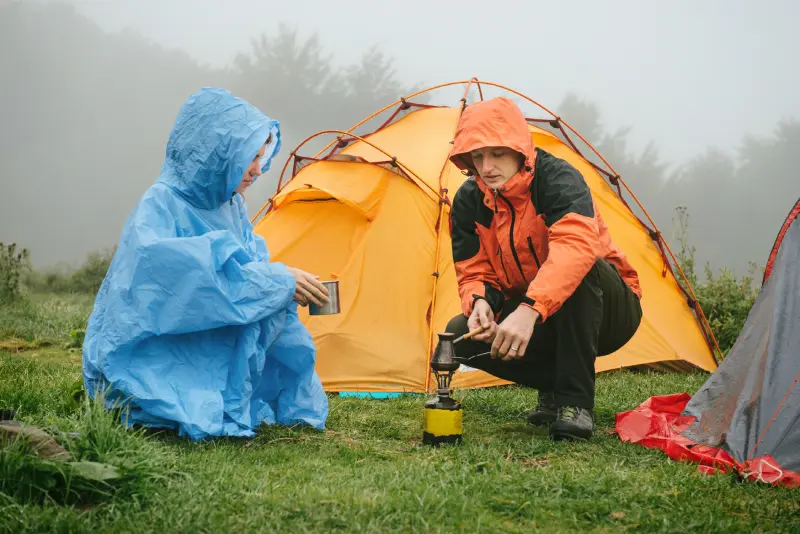
In the camping world, the rule known as the "Bear Triangle" is the gold standard of safety. According to this rule, the place where you sleep, the place where you cook, and the place where you store food should be at least 70-100 meters apart. The direction of the wind is also critical here; the smell of food should not blow towards your tent but rather in the opposite direction. The odors that cling to you while cooking are also a risk factor. Indeed; for this reason, it is safest to change the clothes you wear while cooking before going to bed and to put those clothes in odor-proof bags and leave them in the kitchen area. You should never leave food scraps in the kitchen area, and you must clean up even the spills on the floor. This distance ensures that even if an animal comes into the kitchen area, you can continue to sleep safely in your tent and avoid direct contact with the animal.
Why Are Scented Products Like Perfume and Deodorant Attractive to Animals?
Many people think that only meat or sugary foods attract animals, but chemical scents are also a major source of curiosity for wild animals. Perfumes, fruit-scented shampoos, moisturizers, and even mint toothpaste are "exotic" scents not found in nature. A curious bear or a curious fox may come to your tent to investigate the source of this scent. When camping in the wild, you should prefer "unscented" products whenever possible or store these types of personal care products in secure containers just like food. The best scent in nature is odorlessness. Your own natural body scent (sweat, etc.) can be a stimulant for animals, while artificial perfumes may attract them. This small detail can make the difference between having a peaceful sleep throughout the night and an animal sniffing around your tent.
What Are the Risks of Camping Along Seasonal Migration Routes?
During certain times of the year, animal activity dramatically increases. In spring, bears wake up from hibernation and enter everywhere in search of food; in autumn, they enter a period of hyperphagia (overeating) to prepare for winter. Additionally, during the mating seasons of deer or boars, male animals can be much more aggressive and territorial than usual. Knowing the seasonal cycle of the area where you will be camping determines what kind of risks you may encounter. For example, camping by the river during the time when salmon return to the rivers guarantees encounters with dozens of bears. Camping on seasonal migration routes is like setting up a tent in the middle of the busiest highway. Therefore, researching the local wildlife calendar before you go will be a professional step for your safety.
Don't Compromise Safety While Connecting with Nature
Camping means being a part of the wild. However, to enjoy this togetherness, you must respect wildlife and play by their rules. All the precautions mentioned above not only protect you but also allow animals to live without disrupting their natural behaviors. Remember that there are no "dangerous animals" in nature, only "unprepared campers." With the right equipment, the right knowledge, and constant attention, you can safely discover all the beauties that nature has to offer.