How Does Tent Location Selection Affect Heat Loss in Winter Camping?
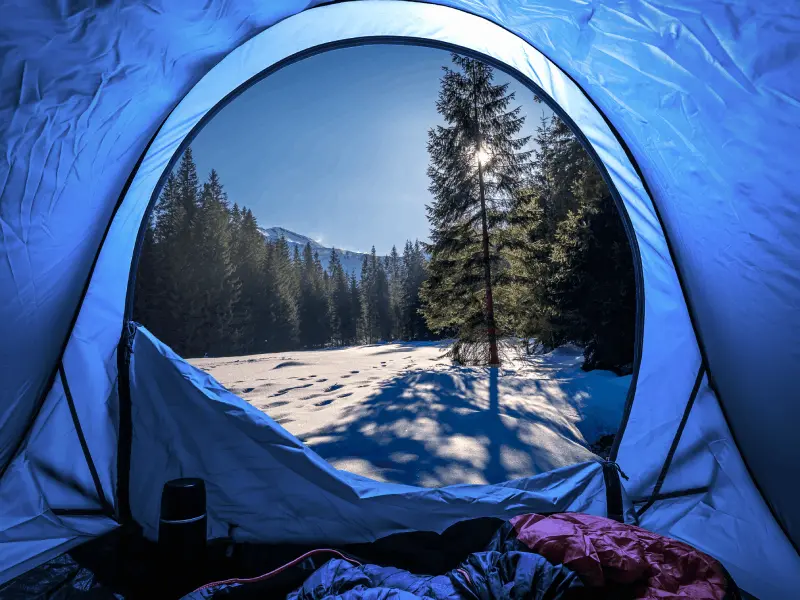
Choosing the spot where you will set up your tent during winter camping directly affects 30% of the warmth you will feel throughout the night. Areas exposed to the wind, bare ridges, or valley floors are known as "cold pools" and the temperature in these places is significantly lower than the surroundings. The safest method is to set up the tent near natural barriers that block the wind (rocks, dense groups of trees) but in areas where there is no risk of falling or collapsing. An east-facing slope that receives the morning sun helps to quickly dry the moisture inside the tent and warms the environment. As for the ground, it should ideally be a flat area where you do not compress the snow but rather lay down natural insulation (dry branches, etc. without damaging the ground) or thick mats.
Is the Insulation Performance of Four-Season Tents Sufficient in Winter Conditions?
Many campers believe that three-season tents will be sufficient in winter, but this is a significant mistake. Four-season tents are distinguished not only by their sturdy frames that can withstand snow loads but also by the tightness of the fabric weaves. The upper parts of three-season tents are usually made of mesh, which allows valuable warm air inside to escape immediately. In four-season models, these mesh areas can be covered with zippered fabric panels, thus creating a microclimate inside. When the skirts of these tents are covered with snow, they prevent the wind from entering under the tent, keeping the internal warmth 5-8 degrees higher than the outside. From a safety perspective, this insulation is the first and most important barrier between you and the freezing winds outside.
How Should High R-Value Mats Be Selected to Cut Ground Cold?
One of the biggest mistakes made during winter camping is relying solely on the sleeping bag. However, the ground or snow draws your body heat away much faster than the air (heat loss by conduction). At this point, the "R-Value" (Thermal Resistance) of the mats comes into play. It is recommended that the R-value be at least 4.0 or higher for winter conditions. For safe and effective insulation, a two-mat system is generally used: a closed-cell foam mat at the bottom, and an inflatable insulated mat on top of it. The foam mat breaks the cold of the ground, while the inflatable mat above provides comfort and additional insulation. This layered structure creates a strong barrier between your body and the freezing ground, preventing your heat from transferring to the ground.
What is the Difference Between Comfort and Limit Ratings When Choosing a Sleeping Bag?
The ratings on sleeping bags can often be confusing. The "Comfort" rating indicates the temperature at which a standard woman can sleep comfortably, while the "Limit" rating shows the threshold at which a standard man can curl up and sleep. The "Extreme" rating is merely a survival limit, and it is impossible to sleep at this rating. For your safety during winter camping, you should always choose a sleeping bag with a "Comfort" rating that is 5-10 degrees below the expected lowest temperature. For example, if the temperature is expected to be -10, your sleeping bag's comfort rating should be at least -15. Additionally, to prevent cold air from entering the bag, it is critical that the neck collar and hood fit snugly to avoid heat loss.
Why is Ventilation Essential to Prevent Carbon Monoxide Poisoning Inside the Tent?
Closing all ventilation openings in the tent while there is a storm outside is an instinctive reaction, but this can lead to fatal consequences. The water vapor exhaled by humans condenses and freezes on the inside surface of the tent, causing snow to fall inside (condensation). More importantly, if a stove or gas heater is used for warmth inside the tent, oxygen is quickly depleted and carbon monoxide gas accumulates. Carbon monoxide is colorless and odorless; it is impossible to detect while sleeping. Therefore, for a safe winter camp, the upper ventilation windows of the tent should always be left at least partially open. Clean air circulation expels moisture while maintaining oxygen levels inside and eliminates the risk of suffocation.
What Are Safe Heating Methods When Using a Hot Water Bottle?
The hot water bottle, an old mountaineering tactic, serves as a heater inside the sleeping bag throughout the night. However, there are safety details to be mindful of here. A durable plastic bottle (like Nalgene) should be filled with hot, not boiling, water, and its leak-proof seal must be thoroughly checked. Since direct contact of the bottle with bare skin can cause burns, it should always be wrapped in a sock or cloth. Keeping this heat source close to your groin or armpits ensures that the blood warms up as it passes through these areas, pumping warm blood throughout your body. Ensuring that the bottle's cap is tightly secured without cross-threading is the simplest yet most critical step to prevent leaks that could lead to getting wet and hypothermia at night.
How Does the Layered Clothing System Play a Role in Maintaining Body Heat?
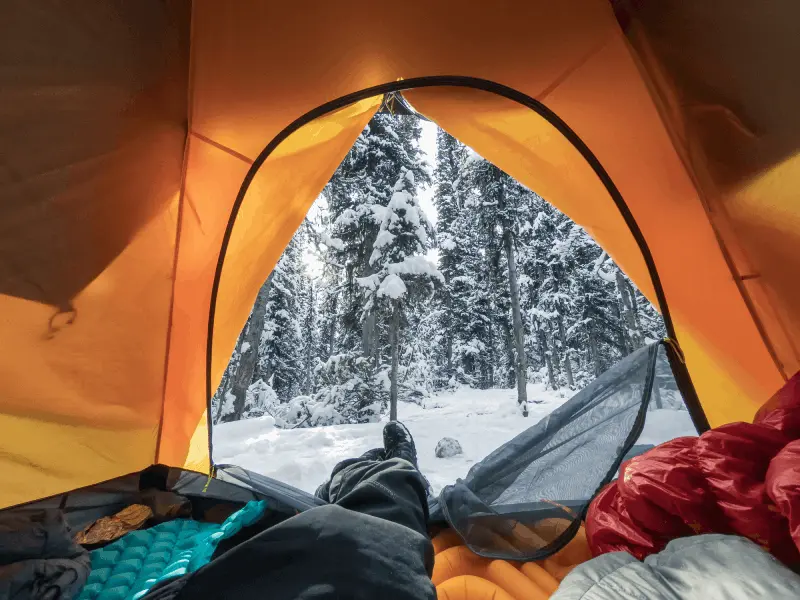
Instead of wearing a single thick sweater during winter camping, the layered clothing method known as "onion skin" should be preferred. The first layer (base layer) should consist of synthetic or merino wool thermal underwear that quickly wicks moisture away from the body. Cotton clothing should never be used as it does not dry when wet and cools the body rapidly. The second layer (mid layer) consists of fleece or down jackets that provide insulation. The third layer is the outer shell that is windproof and waterproof. The biggest advantage of this system is that you can remove a layer while moving to avoid sweating, and put it back on when you stop to trap warmth. Sweating is the biggest enemy of winter camping; wet clothing combined with cold rapidly decreases body temperature.
What is the Contribution of Foods Consumed Before Sleep to Metabolic Heat Production?
Your body works like a thermostat, and the fuel for this thermostat is the food you consume. Foods rich in carbohydrates and fats are particularly effective in generating heat. Consuming these foods before sleep can significantly increase your metabolic heat production, helping you stay warm throughout the night.
It is necessary. Consuming foods rich in fat and protein during dinner at winter camp ensures that the body expends more energy to burn these hard-to-digest foods throughout the night. This "thermal effect" increases your internal heat. Eating a piece of dark chocolate or a handful of nuts just before bed keeps your metabolism active throughout the night. Additionally, dehydration slows down blood circulation, causing hands and feet to get cold more quickly. Drinking a warm, caffeine-free beverage before bed relaxes you psychologically and balances your internal temperature. However, it is important to adjust the amount well to balance the need to go to the bathroom at night.How Does Building a Snow Wall Outside the Tent Reduce the Cooling Effect of the Wind?
Wind causes the "wind chill" effect, which makes the outside temperature feel much lower than it is. A wall made of snow blocks, approximately 50-70 cm high, built around the tent cuts off the direct contact of the wind with the tent fabric. This wall should not be too close to the tent (to prevent the wind from piling snow on the tent, a distance of about 1-1.5 meters is ideal), but it should be strategically placed to break the speed of the wind. When the wind stops, the layer of still air between the outer tent and the inner tent provides better insulation. This simple engineering trick reduces the shaking of the tent on stormy nights, providing a quieter and much warmer environment.
Do Chemical Heating Pads Have Life-Saving Importance in Emergencies?
Chemical heating pads that activate upon contact with air are like "emergency insurance" for winter campers. These pads, which are for hands, feet, and body types, can provide continuous heat for 8 to 12 hours. Especially when blood circulation in the fingers of the hands and feet decreases and the risk of frostbite begins, these pads can be life-saving. However, applying these pads directly to the skin can cause chemical burns; therefore, they should be placed over socks or liners. A few body warmers thrown into the sleeping bag of a camper who starts to shiver without warming up inside the tent can help return body heat to safe levels. Due to their lightweight and low cost, they should definitely be included in every winter camper's first aid kit.
What Are the Risks of Using Candle Lanterns or Open Flame Sources Inside the Tent?
Using a candle lantern inside the tent may seem nostalgic, but it is a very risky practice during winter camping. Although modern tent fabrics are fire-resistant, they can melt and catch fire within seconds when exposed to high heat. A fire breaking out in a confined space can cause synthetic clothing on you to stick to your body and lead to serious injuries. Additionally, an open flame quickly consumes the limited oxygen inside. If a heat source must be used, it should only be a safe campfire lit outside. Never use a picnic stove, alcohol stove, or candle to warm up inside the tent; instead, invest in a quality sleeping bag and mat system.
Why Does Wearing Too Much Clothing Inside a Sleeping Bag Make It Harder to Stay Warm?
Many amateur campers enter their sleeping bags fully dressed in jackets and pants, thinking they will be warmer. This is actually a counterproductive method. Sleeping bags work by trapping the heat radiated from your body. When you wear too thick and layered clothing, your body heat cannot reach the insulation filling of the bag (down or synthetic); the heat gets trapped between your clothes, and the bag remains cold. Additionally, if the inside of the bag is too tight, the insulation material gets compressed (loss of loft) and cannot trap air. The safest and warmest method is to enter the bag with only a quality thermal base layer. If you still feel cold, it is much more effective to lay your jacket over the bag like a blanket rather than wearing it inside the bag.
How Does Managing Humidity Inside the Tent Affect Perceived Warmth?
Moisture and humidity are the truest friends of cold. When moisture from your breath, wet clothes, or snow on your boots accumulates inside the tent, the thermal conductivity of the air increases, and you feel colder. It is necessary to thoroughly clean the snow from your boots before entering the tent, and wet gloves should be dried in a controlled manner, not inside the bag (to dry with body heat). The best way to reduce humidity inside is to keep ventilation open and wipe off the ice that forms on the tent fly in the mornings. Dry air feels more bearable even in low temperatures, while humid cold penetrates to your bones and compromises the insulation properties of your gear.
Does Using a Bivy Bag Provide Extra Protection in Extreme Cold?
A bivy bag is a waterproof and windproof cover that goes over the sleeping bag. Using a bivy bag even inside the tent during winter camping can increase the comfort level of your sleeping system by about 5-7 degrees. The bivy completely cuts off wind leaks from outside the bag and preserves the loft of the bag, minimizing contact with the cold air outside. However, the biggest risk here is that the bivy bag is not breathable (like Gore-Tex, etc.). If the bivy is not breathable, the moisture vapor from your body will be trapped inside the bivy and wet your sleeping bag. Therefore, using a quality, technical bivy bag provides a significant safety advantage in winter conditions and extreme camping.
Does Exercising Inside the Tent to Stay Warm Cause Sweating?
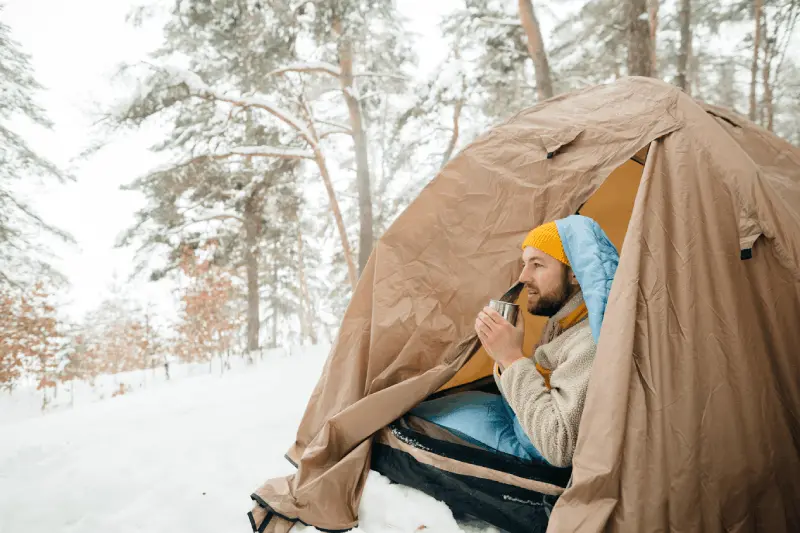
If you wake up very cold at night, doing light movements inside the bag (wiggling your toes, tensing your abdominal muscles) can help speed up your circulation. However, doing strenuous exercises or stretching inside the tent is risky. The main reason for this is sweating. When the body sweats, this liquid cools rapidly when it comes into contact with cold air and evaporates, taking away a tremendous amount of heat from the body. Movements to warm up should be stopped before reaching the limit of sweating and should only aim to slightly elevate the pulse. Jumping or jogging a little outside the tent before going to bed is a safer method that will allow you to enter the sleeping bag "like a furnace".
What Material Should Be Chosen for Socks and Gloves to Protect Foot and Hand Warmth?
The extremities (hands and feet) are the first places where blood flow is cut off to protect the body's core temperature. Therefore, it is difficult to keep the feet warm during winter camping. Cotton socks should definitely be avoided as they absorb sweat and remain wet. The best option is thick merino wool socks. Socks used while sleeping at night must be dry, and those worn during the day should not be left outside the sleeping bag. If your feet get very cold, wearing "down booties" inside the sleeping bag works wonders. For hands, "mittens" (gloves where four fingers are together) keep much warmer and safer than five-finger gloves as they allow the fingers to warm each other.
Does Stretching an Extra Tarp Over the Tent Increase Insulation?
If you do not have a four-season professional tent, stretching an additional tarp over the tent can be beneficial for insulation and protection. The tarp prevents snow accumulation directly on the tent poles and creates an air gap between the tent and the tarp, serving as an insulation layer. However, the tarp must be very tight and anchored close to the ground to prevent wind from getting underneath. Additionally, care should be taken that the tarp does not block the tent's ventilation. From a safety perspective, this method is a modification that experienced campers prefer to reduce the risk of the tent collapsing and to keep the interior drier, especially in areas where heavy snowfall is expected.
What is the Likelihood of Hypothermia Risk Triggered by Sleeping in Wet Clothes?
This is the most dangerous action that can be taken during winter camping. Wet clothes transmit heat 25 times faster than dry clothes. Even entering a sleeping bag with a slightly damp t-shirt causes your body heat to be used to dry the t-shirt instead of warming the sleeping bag. This energy loss can lead to the body's shivering mechanism failing at midnight and the core temperature dropping below 35 degrees, triggering hypothermia. Always keep your "sleep clothes" separately in a waterproof bag (dry bag). When you arrive at the camp, immediately take off your sweaty underwear and put on the dry ones; this is the key to staying safe and warm throughout the night.
Should Portable Diesel Heaters Be Considered a Safe Alternative?
In recent years, "Webasto" type portable diesel heaters have become popular in caravans and large family tents, and they are very safe when installed correctly. The biggest advantage of these systems is that the combustion process takes place outside the tent, and only clean, warm air is delivered inside through a pipe. Thus, the risk of carbon monoxide is reduced to zero. However, it is vital that the exhaust outlet of the device is kept away from the tent entrance and positioned according to the wind direction. Additionally, since these devices require electricity and fuel, passive insulation methods (good sleeping bag, good mat) should always be maintained as the main plan to avoid being caught unprepared in case of technical failure.
Can Emergency Blankets Be Used for Insulation on the Tent Floor?
Emergency blankets, known as "space blankets" in the public, have the property of reflecting 90% of body heat. An emergency blanket spread under the mats on the tent floor is quite effective in cutting off radiant cold from the ground. However, since these blankets do not breathe, they can cause condensation (sweating) on top of them. Therefore, it is more logical to use them under insulation layers rather than wrapping them directly around the body. Additionally, hanging the blanket from the inner ceiling of the tent can provide a small but effective increase in warmth by preventing the heat inside from returning to the ground. As a lightweight and inexpensive precaution, it should definitely be considered in winter camps.