How is Food Safety Maintained in the Campsite?
The primary reason wild animals, especially bears and wild boars, come to campsites is the smell of food. To ensure food safety, all your food should be stored in airtight containers or special "bear-proof" boxes. Not only main meals but also snacks that have been opened, fruits, and even spices emit strong odors. These foods should never be kept inside the tent; because animals can detect even the smallest scent molecule from miles away. Storing your food at least 100 meters away from your campsite, at a point where the wind won't carry the smell to your tent, is a vital step for your safety.
Does Hanging Food in a Tree Really Help?
Hanging food in a tree is a classic but effective method, especially in areas where bears are present. However, this process must be done correctly. A bag simply left at the end of a branch is an easy target for climbing animals. You should use techniques like the "PCT method" to hang the food bag at least 4 meters high and at least 1.5 meters away from the tree trunk. This way, neither bears nor agile animals like raccoons can reach your food. If the trees are not suitable or if there is too much wind in the area, the risks of this method may increase. Still, when done correctly, it is one of the most effective passive defense methods to keep your food safe overnight.

What Cleaning Rules Should Be Followed for Odor Management?
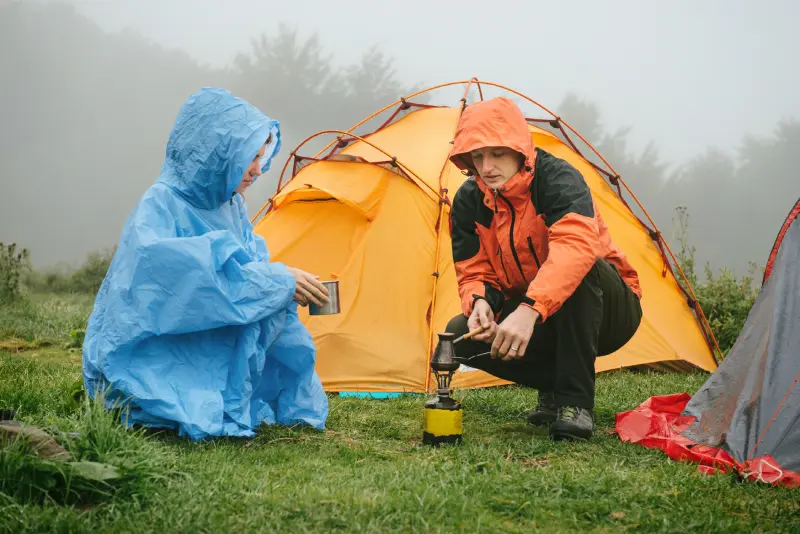
Not only food but also your personal care products are attractive to wild animals. Toothpaste, deodorant, sunscreen, soap, and even lip balms emit aromatic scents that signal "food" to animals. After using these types of products in the campsite, you should wash your hands thoroughly and store these items in the same secure containers as your food. Dirty dishes are the biggest risk factor. You should wash the dishes immediately after eating and dispose of the water containing food scraps far away from the campsite. Remember that anything that smells "good" to animals is a matter of curiosity, and this curiosity can lead them directly to your sleeping tent.
What Are the Biggest Mistakes Made in Trash Management?
Leaving trash out in the open at the campsite or keeping it in plastic bags even if tied up is one of the biggest mistakes made. Plastic bags leak odors and can be easily torn apart by animals. You must collect your trash in odor-proof special bags and, if possible, take it to the trash stations in the campsite, or otherwise, store it in your vehicle's trunk or bear canisters. Additionally, throwing organic waste like apple cores or banana peels into the campsite area, saying "it's biodegradable," means inviting animals to the area. Even these small wastes can disrupt an ecosystem and create a dangerous habit that leads animals to human settlements.
What Is the Effect of Campfire on Wild Animals?
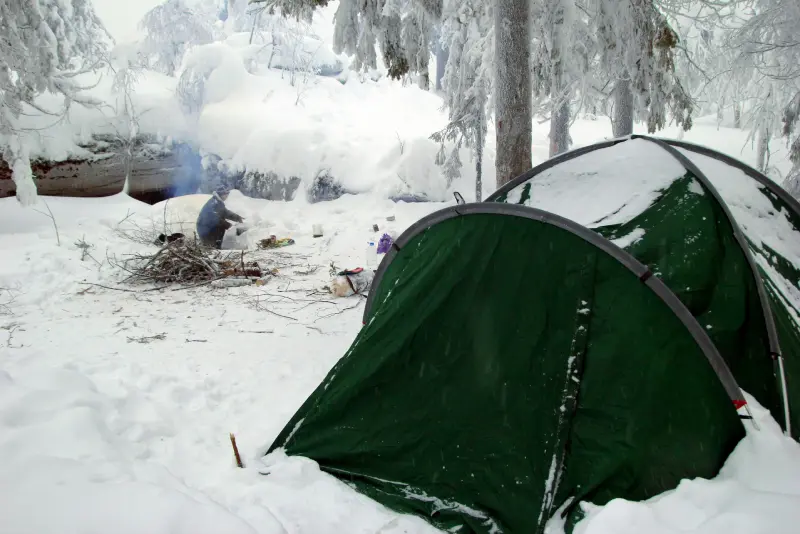
Many people think that a campfire will scare away wild animals, but this is not always the case. For animals that are accustomed to fire or have interacted with humans, fire can actually serve as a signal flare. While the smoke emitted by the fire may keep some insects and small creatures away, large predators are generally neutral to fire. The real danger of fire is the smell of food being cooked that spreads into the environment with the smoke. Therefore, it is important to extinguish the fire in a controlled manner after cooking is finished and to pour water over the coals to stop the smoke. While fire can be a safe source of light, relying solely on it as your only line of defense is risky.
Can Tent Selection Prevent Animal Attacks?
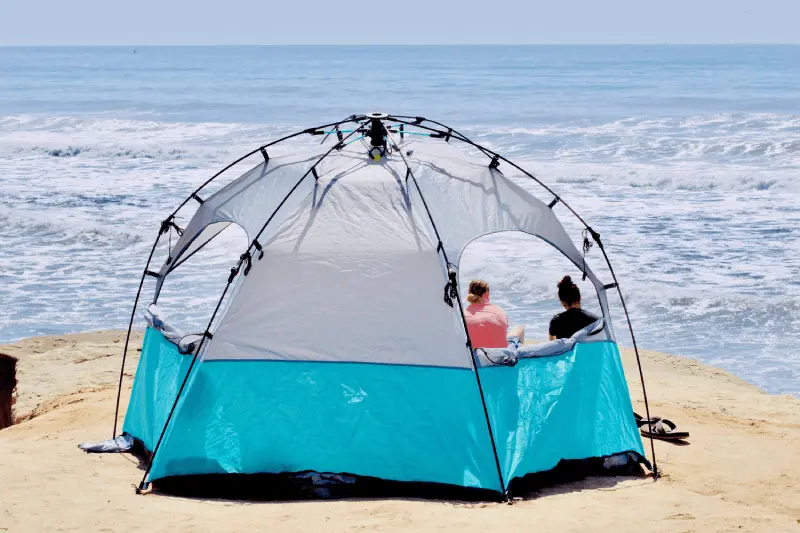
The physical structure of a tent cannot stop a large bear or wolf, but proper placement and color selection can make a difference. Brightly colored tents can attract curious animals, while natural colors help you blend in with the environment. Adjusting the entrance of the tent according to the wind direction affects the distribution of human scent inside. Additionally, sleeping in tents with large windows or those made only of mesh can be advantageous for seeing your surroundings. However, the most important rule is this: a tent should never be a place where food is consumed. Even a single drop of sauce on your tent fabric can lead to unwanted guests tearing into your tent overnight.
Is It Mandatory to Use Bear Canisters?
If you are in areas with a high bear population, such as North America, bear canisters are often a legal requirement. In Turkey, especially in regions like the Black Sea and Eastern Anatolia, using a bear canister is a lifesaving precaution. These canisters are made from very hard materials like polycarbonate and have a locking mechanism that animals cannot open with their teeth or claws. When you place the bear canister at least 50-70 meters away from your tent, the animal will try to interact with it for a while, and once it realizes it cannot open it, it will leave the area. These devices can be heavy and bulky, but they are indispensable equipment for professional campers who want complete safety in the wild.
Do Perfume and Deodorant Attract Animals?
Being fragrance-free in the wilderness is the biggest safety precaution. Floral, fruity, or sugary scented deodorants and perfumes manipulate the sense of smell of animals. For them, these scents can signal a non-natural but high-energy food source. Scents that attract insects can also pique the interest of curious predators like bears. Smelling "natural" in the camp, meaning only carrying the scent of sweat and dirt, prevents animals from seeing you as a threat or a food source. If hygiene...
If you are concerned about the smell, you should prefer unscented wet wipes or biodegradable unscented soaps.Do Night Vision and Lighting Scare Animals?
Powerful flashlights or projectors used at night camps can temporarily blind nocturnal animals and scare them away. However, a continuously burning fixed camp light causes animals to get used to this light. Motion-sensor lights can create a startling effect by suddenly turning on when an animal approaches the campsite, and this is often enough to make the animal flee. Additionally, using a red light mode allows you to monitor the surroundings without disturbing your own night vision. It should be noted that light is a defensive tool but does not physically block animals; therefore, it is always more effective to support the light with sound as a deterrent method.
Is Making Noise a Good Strategy for Safety?
While staying quiet in nature is generally preferred, making noise while walking in areas with limited visibility or dense forests is the best protection method. Bears and other predators usually avoid encounters with humans. Surprise encounters are the main cause of attacks. Making noise, saying something, or wearing "bear bells" alerts animals to your presence in advance and ensures they give you space. However, shouting continuously in the campsite at midnight can disturb other campers and may provoke aggression in non-acclimated animals. Noise should be used strategically, especially when passing through a working area or approaching a water source.
What Precautions Should Be Taken When Camping with Pets?
Dogs can be both a threat and a potential prey for wild animals. If you are camping with your dog, you must keep it leashed. A free-roaming dog may pick up the scent of a bear or wolf and follow it, then run back to you in fear, which can attract wild animals to your campsite. You should also store your dog's food like your own and clean up any leftovers. Additionally, while your dog's barking may scare some animals, in some areas it can attract wolf packs. The safety of your pet is directly linked to your safety; therefore, a disciplined camping arrangement is essential.
Can You Camp Close to Water Sources?
Camping very close to water sources is ecologically wrong and poses a security risk. Lakes and rivers are like "highways" for wild animals. All living beings thirsty during the night will come to these sources. When you set up your tent by the water, you either block their passage or draw them directly to you. Ideally, you should camp at least 60-100 meters away from the water source, considering that it is not a passage route for animals. This way, you do not obstruct wildlife's access to water and minimize the risk of encountering a bear coming to drink water at midnight.
How Does Recognizing Animal Tracks Increase Safety?
Analyzing the area before setting up your campsite allows you to foresee potential dangers. Fresh paw prints, scratched tree trunks, or animal droppings indicate that the area has an active habitat. Especially fruit seeds or fur remnants in the droppings provide information about the animal's species and feeding habits. If you see a lot of fresh droppings or trampled grass in the area, it is most logical not to camp there. Understanding their routine paths by tracking animal tracks helps you create a safer "human zone". Knowledge is your strongest defense weapon in wild nature.
Should Chemical Repellents Be Sprayed Around the Tent?
Some bear repellent sprays or ammonia-based liquids sold on the market can be sprayed around the tent, but their effectiveness is debatable. Rain or wind can quickly eliminate these odors. Some animals may also be curious and want to investigate these sharp chemical smells. To avoid polluting the natural environment, the use of such chemicals is generally not recommended by professionals. Instead, physical barriers and odor management are much more sustainable solutions. Still, having a "bear spray" (pepper spray) on hand for emergencies is a much more effective active defense tool than a spray applied around the tent.
Why Is Storing Food in a Sleeping Bag Deadly?
Some campers make the mistake of putting their food inside the tent, even at the foot of their sleeping bag, to protect it from animals. This action invites the animal directly to where you are sleeping. When an animal smells the food, it can tear through the tent fabric in seconds. If you are near that food, the animal may perceive you as a competitor trying to protect the food or as a direct threat. Storing food in a sleeping bag also causes odor molecules to penetrate your clothes and body. This situation can invite a very serious attack while you are vulnerable during sleep.
How and When Should Bear Spray Be Used?
Bear spray is a last resort tool that should only be used in life-threatening situations. These sprays are much stronger than the pepper sprays used at home and can reach ranges of 9-10 meters. When using the spray, you should pay attention to the direction of the wind; otherwise, the gas cloud may blow back at you. When the animal makes a direct move towards you, make short and powerful bursts aimed at face level. your belongings. When carrying bear spray, do not keep it in your backpack, but rather on your belt or in an easily accessible holder. You won't have time to open your backpack and search for the spray during an attack. It is also vital to check the expiration date of the spray.
How to Set Up a Campsite with the "Triangle Rule"?
For a safe camp, the "Triangle Rule" (or Kitchen Triangle) should be applied. According to this rule; your sleeping tent, the area where you cook, and the place where you store your food should form a triangle at least 70-100 meters apart. The direction of the wind is also important in this equation; the wind should not blow from the kitchen area towards your tent. This way, food odors do not pass over your tent, and if an animal comes for the food smell, it will be directed away from where you are sleeping. Although setting up this arrangement may seem cumbersome, it forms the basis of risk management in areas where wildlife is present and significantly prevents accidents.
How Far Do Dirty Dishes Attract Animals?
Wild animals have a sense of smell thousands of times stronger than that of humans. The grease stain on a dirty plate or the remnants inside a can can be detected from kilometers away under suitable wind conditions. Not only large predators but also small rodents and insects are attracted to these smells. The influx of small animals into the campsite can also lead to the arrival of larger predators (snakes, foxes, bobcats) that hunt them. Therefore, dishes should never be left unattended and should be thoroughly cleaned with hot water and biodegradable soap. The water used during cleaning should also be disposed of far from the campsite, at a point where the ground can absorb it.
Can You Camp on Seasonal Migration Routes?
Wild animals use specific routes at certain times of the year. For example, the migration time for salmon is when they gather along riverbanks. Similarly, animals are often in search of more food before hibernation and can be more aggressive. You should research the seasonal wildlife activity in the area where you plan to camp. Setting up a tent on a migration route or feeding area is like setting up a picnic table in the middle of a highway. Getting information from local rangers or experienced locals about animal activity in the area helps you avoid stressing the animals and ensures your own safety is maximized.
What to Do When Encountering Animals Face to Face?
When you encounter a wild animal, the biggest mistake you can make is to run away without looking back. Running triggers the animal's hunting instinct and causes it to see you as prey. Instead, you should remain calm and slowly back away. Avoid direct eye contact with the animal, as this can be perceived as a challenge. Try to appear larger than you are by raising your arms and speak in a low but confident voice. If the animal is a bear and it is not approaching you, allow it an escape route to leave the area. Never corner it or approach it directly.
How to Provide First Aid in Cases of Bites and Scratches?
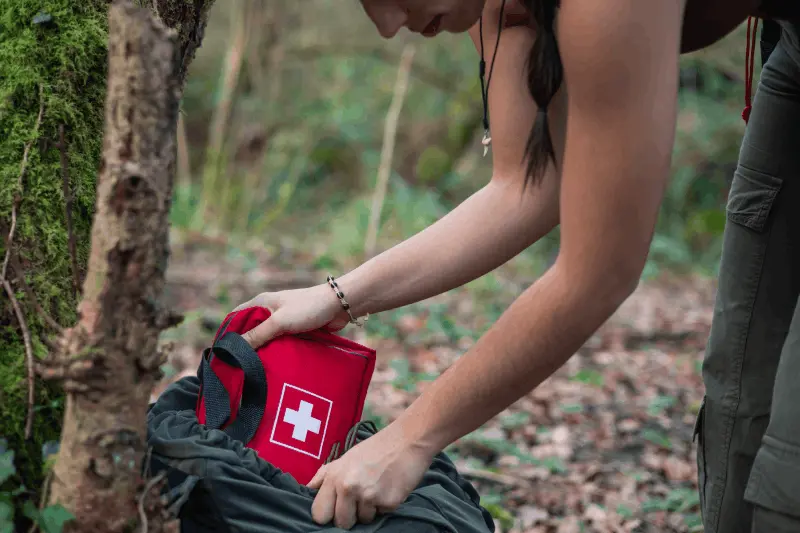
Despite all precautions, if an animal attack or contact occurs, first aid is crucial. Wild animals carry bacteria that can lead to serious infections and diseases like rabies due to their mouth and claw structure. The wound should be washed immediately with clean water and soap if available. If there is bleeding, apply pressure with a clean cloth. However, the most important step, no matter how small the injury appears, is to seek medical attention as soon as possible for rabies and tetanus vaccinations. Additionally, reporting the attack to local authorities is an ethical responsibility for the safety of other campers in the area and for monitoring the animal.
How Does Light Pollution Affect Wildlife?
Excessive bright and unnecessary light usage in the campsite not only drives away large animals but also disrupts the balance of the local ecosystem. Nocturnal animals' hunting and navigation skills can be impaired due to light pollution. Light can confuse birds and insects, leaving them defenseless. This situation can lead to the disruption of the natural balance around your campsite and possibly attract more "opportunistic" animals (like jackals or foxes) to the area. Using as little light as possible, only illuminating the area you need, and turning off all lights while sleeping is both a respectful behavior towards nature and makes you less visible to wildlife.
What Extra Safety Precautions Are Needed When Camping Alone?
Camping alone increases your risk of startling animals due to the increased silence. When alone, you should make more noise, such as talking to yourself or humming. Always keep your safety equipment (bear spray, whistle, flashlight) nearby and accessible. Additionally, carrying a satellite device or personal locator beacon (PLB) allows you to call for help in case of an attack or injury in areas where your phone may not have reception. Solo campers must be much more meticulous about odor management, as there will be no second person to assist you in case of an emergency.
What Damages Do Small Rodents Cause to the Campsite?
Most campers fear bears, but the most damage is actually done by small rodents like mice, squirrels, and raccoons. These animals can tear through your tents, chew on expensive camping gear, and raid your food supplies. can ruin your experience. Additionally, rodents can carry serious health risks such as hantavirus and tick-borne diseases. The only way to keep rodents away is to leave no crumbs behind. Always keep your tent zipper closed and do not leave any scented items inside, including gum. While a small mouse roaming inside your tent at night may be less frightening than a larger animal, it can be more destructive to your gear.
Why is Cleaning Clothes Important for Animal Defense?
The smell that clings to your clothes while cooking turns you into a "food signal" for animals. The smoke from greasy foods especially penetrates the fibers. If you enter your sleeping bag wearing the clothes you used in the kitchen, you will attract animals directly to the spot where you sleep with the smell. Professional campers prefer to wear a separate layer while cooking or change their clothes after the meal. Storing your scented clothes in secure containers along with food helps keep the inside of your tent "sterile" in terms of odor. Clean clothes are not only about hygiene but also serve as a passive layer of security.
Is it Logical to Set Up Barriers Around the Campsite?
Stretching a rope around the tent or attaching small fences may not create a physical barrier, but it can serve as an "early warning system." Some professional campers use low-voltage portable electric fences to prevent bears from entering the camp. However, such systems can be expensive and cumbersome. Simple ropes may cause animals to get tangled and flee, but they are generally ineffective. The best barrier is your behavior: not emitting odors, not leaving trash, and adhering to noise discipline create a security shield that no physical barrier can provide. Instead of trying to trap nature, it is more logical to play by its rules.
How Do Weather Conditions Affect Animal Mobility?
In rainy and windy weather, animals' abilities to smell and hear are limited. This can lead to animals becoming more restless and increase the risk of accidental encounters with humans. Especially during stormy weather, while animals retreat to sheltered areas, you should also be careful not to enter places where they are hiding. If the wind direction is constantly changing, you cannot control where your scent is going. In such weather, you should be more alert at the campsite and conduct your routine safety checks (food storage, trash control) more frequently. Weather conditions not only affect your comfort but also directly shape the behavior patterns of wildlife.
What Do Local Regulations and Hunting Bans Change?
The hunting situation in the area where you will camp determines how animals approach humans. In places where hunting is allowed, animals generally fear humans and stay away. However, in protected national parks, animals may become habituated to humans. A bear that is accustomed to humans may associate the sound of a bag with food, making it bolder and therefore more dangerous. Knowing the status of the area helps you predict how the animal you may encounter will react to you. Never underestimate the warnings from park officials and signs that say "bear sighted"; you must strictly adhere to the rules.
Are Ultrasonic Repellents Effective on Wild Animals?
Ultrasonic devices that emit high-frequency sounds may be effective on some small rodents and dogs, but their effectiveness on larger wild animals (bears, wolves, pigs) has not been scientifically proven. Most wild animals quickly become accustomed to these sounds or may become curious and approach the source. Relying solely on these devices while neglecting basic safety precautions is a significant mistake. No matter how advanced technology becomes, the best solution against creatures that have been moving with instincts honed over thousands of years in the wild is to understand their natural behaviors and eliminate the triggers (such as food, scent) that might provoke them.
Are Natural Oils and Plants Used as Animal Repellents?
It is known that sharp-smelling natural oils like lavender, mint, or eucalyptus can keep some insects and small creatures away. However, these scents are foreign to larger predators and may pique their curiosity. For curious animals like bears, "a new scent" is always worth investigating. Therefore, instead of using natural oils as a "protection shield," you should use them only for your personal comfort and in a controlled manner. It is essential to remember that no herbal solution can replace a proper food storage method. Instead of trying to ensure your safety with scents, it is always more reliable to stay odorless.
Why is it Necessary to Disinfect Camping Equipment?
Cleaning your equipment while camping in different areas is not only about hygiene but also prevents the transfer of invasive species and scent residues. The fish smell or food remnants from a previous camp can become a nuisance at your new campsite. Additionally, seeds or microorganisms that stick to the soles of your shoes can lead to unwanted transfers between ecosystems. Wiping down and airing out your equipment with odorless disinfectants after each camping trip protects you from the dangers of "old smells" in your next adventure. Clean equipment is a hallmark of a professional camper and the first step to safety.
How to Use Emergency Signals and Communication Devices?
In the wild, nothing may go as planned. Being able to communicate with the outside world in the event of an animal attack, injury, or getting stranded is crucial. A whistle is a universal emergency signal device (three short, three long, three short bursts). Mirrors can be used during the day to signal helicopters. e or to send signals to distant points. However, the most reliable are GPS devices that can send messages via satellite. You should learn in advance how these devices work, keep the batteries charged, and know when to use the emergency button (SOS). Remember that the best means of communication is a close friend who has informed you in advance where you are going and when you will return.