How Should the Drainage Factor Be Evaluated When Choosing a Campsite in Rainy Weather?
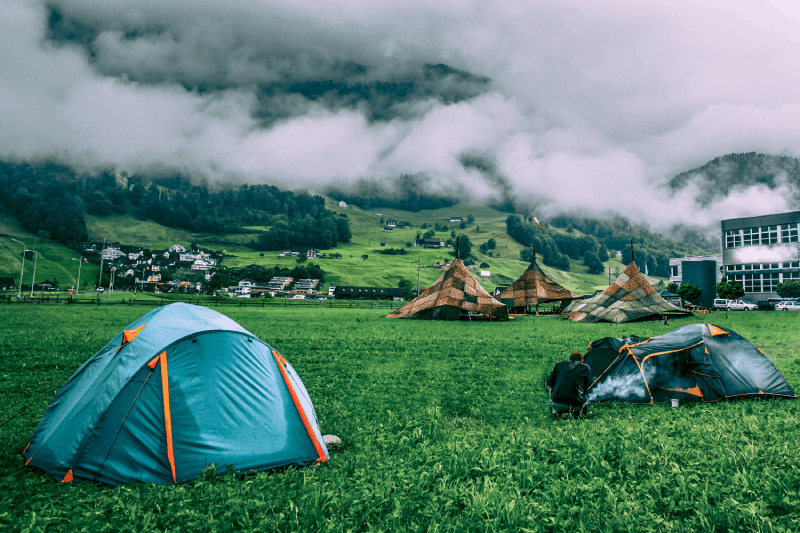
The first and most critical step when camping in rainy weather is to analyze the water retention capacity and slope of the ground where you will set up your tent. Setting up a tent in depressions or natural water flow paths can lead to waking up in a pond in the middle of the night. An ideal area is one with a slight slope where water can be quickly drained, preferably sandy or gravelly grounds. Checking the saturation level of the soil is an indispensable strategy to prevent water from entering under the tent during prolonged downpours. The softness of the ground and the tendency for water to pool can also cause tent stakes to pull out, making ground assessment vital.
How to Create a Dry Working Area Using a Tarp Before Setting Up the Tent?
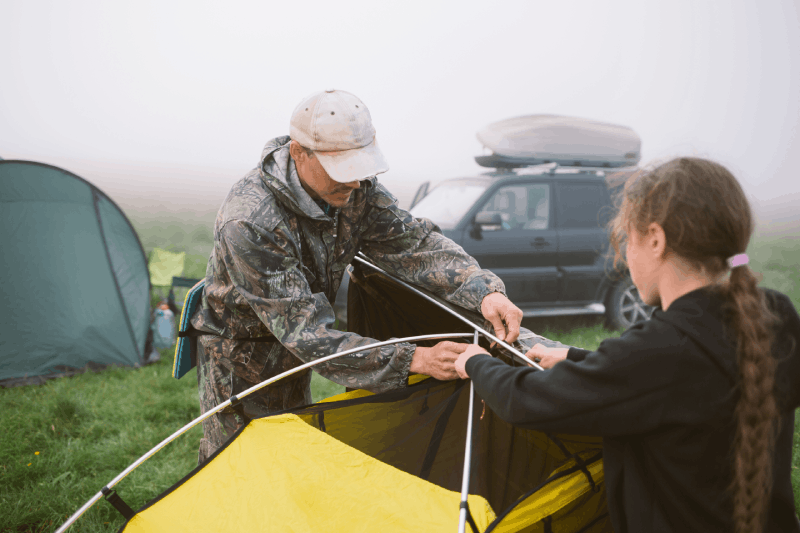
The moment you take the tent out of the bag in the rain, the risk of the inner tent getting wet begins. To eliminate this risk, you should apply the "tarp first" rule. A large tarp set up between two trees or with poles provides you with a sheltered "operation center" where you can comfortably move underneath and unpack and set up your tent dry. After the tarp is set up, you can either set your tent under this area or set up the tent and then pull the tarp over it. This method not only keeps the tent dry but also prevents you from getting soaked during the setup, keeping your morale high.
What Are the Advantages of Tents with Outer Pitch First Setup Feature?
Most traditional tents require the inner tent to be set up first, followed by the outer flysheet. However, "outer-pitch-first" systems in technical camping are a lifesaver in rainy weather. In this system, the outer protective layer is set up first, or the inner tent is connected to the outer tent. Thus, the inner living space never comes into contact with rain during setup. If your tent does not have this feature, you must move quickly and combine the inner tent while keeping it under the outer tent as much as possible. This technical difference is the thinnest line between a dry sleeping bag and a wet night.
Why Is It Vital to Prevent the Groundsheet (Footprint) from Extending Beyond the Tent?
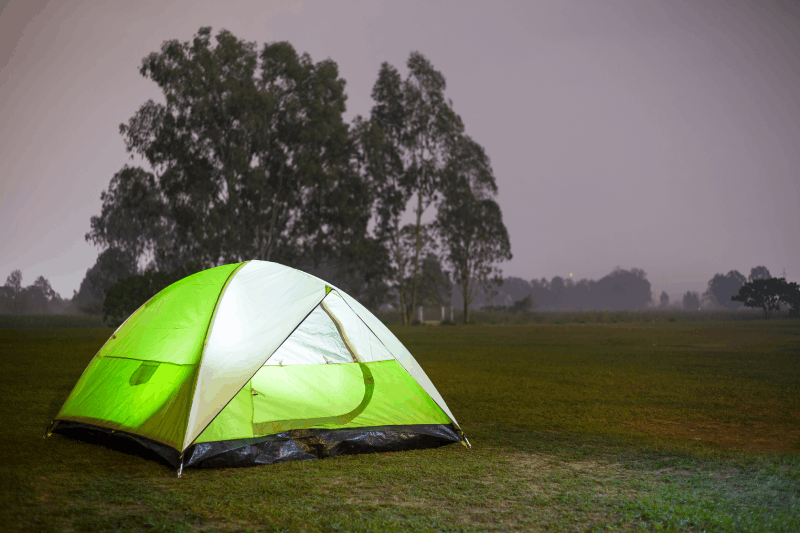
Many campers are unaware that the protective groundsheet (footprint) laid under the tent should not extend beyond the tent's boundaries. If the groundsheet extends beyond the tent, rainwater filtering from the outer tent will pool on top of this groundsheet and flow directly between the tent's floor and the groundsheet. This creates a "water bed" effect, causing water to seep into the tent under pressure. In an ideal setup, the groundsheet should be about 5-10 centimeters smaller than the tent floor, or the overhanging parts should be folded inside. This simple geometry rule is one of the most important details that ensure the tent floor remains dry.
How Should the Water Resistance of Tent Zippers and Seams Be Tested?
Before going camping, you should check whether the seams of your tent have undergone a process called "seam sealing." Especially in older tents, the tape on the seams can wear out over time. A simple water test you can do at home will help you identify weak points. During the camp, you should also ensure that the flaps over the zippers are properly closed. Rain can come horizontally due to the wind, and if these flaps are not aligned correctly, water can seep through the zipper teeth. Silicone-based seam sealers are the most effective field solution against such leaks and should always be in your repair kit.
How Does Wind Direction Analysis Affect Rain Entry into the Tent?
Determining the direction of the wind in rainy weather dictates how you will set up your tent's entrance. Setting the tent entrance against the wind can cause rain to enter directly when you open the door, wetting the inner tent. Turning the entrance to face the opposite direction of the wind (lee side) creates an air corridor that minimizes rain entry. Additionally, the wind can press the outer tent against the inner tent, causing contact and water transfer. Positioning the tent at the most aerodynamic angle against the wind increases stability and ensures the interior remains dry.
How Should Ventilation Be Adjusted to Deal with Humidity and Condensation Issues Inside the Tent?
When the outside humidity approaches 100% in rainy weather, your breath and body heat inside the tent begin to condense on the inner surface of the outer tent. Most users close all ventilation windows to prevent rain from entering, but this is one of the biggest mistakes. Closing ventilation leads to water dripping on you when you wake up in the morning (condensation). Ventilation windows should be kept open at a level that allows airflow but does not let rain in. The principle of cross-ventilation helps expel humid air from inside, providing a dry sleeping environment.
What Should Be the Protocol for Entering the Tent with Wet Clothes and Boots?
The golden rule for keeping the inner living space of the tent dry is to not bring any wet items into the "sitting or sleeping" area. The vestibule part of the tent is designed for this purpose. Before entering the tent, you should remove your rain gear outside or in the vestibule, and leave your wet boots in the vestibule. If you enter with wet clothes, the moisture in these clothes will quickly mix with the air and increase condensation. Keeping a few waterproof bags or large trash bags nearby for wet items will help you draw a clear line between wet and dry gear.
How Does Using a Raincoat and Gaiters Protect Body Heat During Setup?
When setting up a tent, it is not enough for the tent to stay dry; you also need to stay dry. Entering a dry tent after getting soaked brings the risk of hypothermia and loss of comfort. A quality Gore-Tex or similar waterproof/breathable raincoat and pants protect you without restricting your mobility during setup. Gaiters prevent water from entering your boots. As soon as the setup is complete, removing wet layers and switching to dry clothes is a discipline that directly affects your morale and health for the remainder of the camp.
Why Is It Important to Keep Tent Guy Lines Taut in Rainy and Windy Weather?
If the outer flysheet touches the inner tent, it allows rainwater to seep directly into the fabric inside. The only way to prevent this is to secure the tent's guy lines taut and at maximum tension. Wet nylon fabrics expand and loosen over time. Therefore, after the rain starts, you may need to go outside and re-tension the lines. A taut outer tent ensures that water flows quickly off the surface and prevents pooling. Water pooling can cause weight to break the poles and increase the risk of leaks.
What Are the Hidden Risks of Setting Up a Tent Under a Tree in Rainy Weather?
Many amateur campers set up camp under trees, thinking that the trees serve as a natural umbrella against the rain. However, this situation carries two significant risks: First, even hours after the rain stops, large droplets of water that have accumulated on tree branches continue to fall on your tent (the pitter-patter effect). Secondly, and more dangerously, there is a risk of "widowmaker" branches breaking off in stormy weather and falling on the tent. Additionally, resin and dirty water filtering from trees can damage your tent fabric. Therefore, open areas that are sheltered from the wind but not directly under trees are safer.
How Should Temporary Drainage Channels Be Dug for Emergencies?
If you notice water pooling in the campsite and you have no way to move the tent, you may need to dig small drainage ditches around the tent as a last resort. However, this method is not ecologically recommended and should only be applied in extreme situations. By following the flow direction of the water filtering from the tent's outer flysheet, digging channels about 5-10 cm deep to divert this water away from the tent helps prevent further saturation of the ground. When leaving the campsite, you must restore these channels to their original state to minimize the damage done to nature.
What Are the Waterproofing Capacities of Equipment Bags and Extra Protection Methods?
Although most backpacks are "water-resistant," they are not entirely "waterproof." Rain covers may be insufficient in heavy rain and wind. The most guaranteed method is to place a large waterproof "liner" (internal bag) inside the backpack. Essential items like sleeping bags and spare clothes should also be stored in small "dry bags." If you must leave your backpack open while setting up the tent, placing it on a mat and covering it with a tarp or plastic will prevent water from seeping in from below.
What Setup Should Be Established to Manage the Camp Kitchen Without Getting Wet in the Rain?
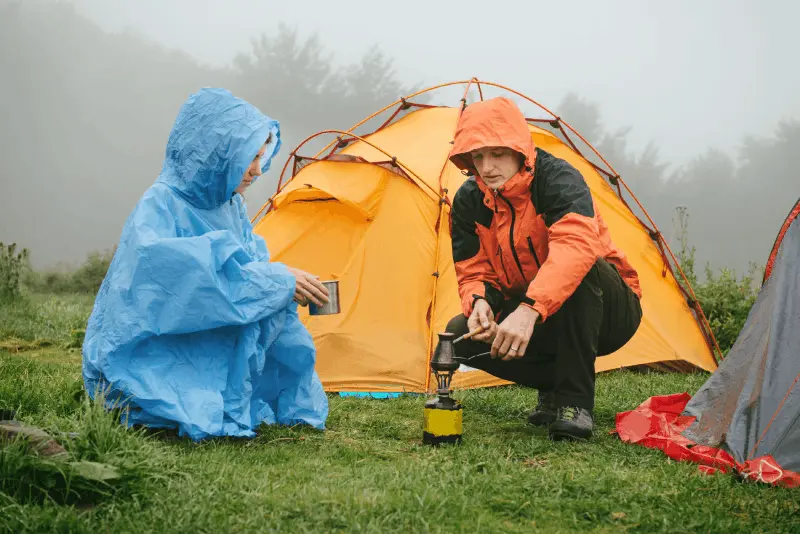
Cooking while it rains is a technical challenge. You should never light a stove inside the tent; this poses both carbon monoxide poisoning and fire risks. The best solution is to organize the kitchen in the vestibule at the entrance of the tent (if it is high enough and ventilated) or under the tarp you have set up. Using a windbreak increases the efficiency of the stove, while storing all kitchen supplies in plastic containers prevents them from getting wet. In rainy weather, opting for quick-cooking and high-calorie foods helps reduce the time spent outside, aiding in maintaining your body heat.
What Should Be Done to Prevent Tent Poles from Slipping and Sinking in Wet Ground?
In very soft or muddy grounds, the ends of the tent poles can sink into the ground, causing the tent's shape to distort and lose tension. Placing wide, flat stones or hard plastic pieces under the poles helps distribute the weight. The same applies to tent stakes; standard stakes may not hold in muddy soil. In this case, using wide-based "V" or "Y" stakes or placing heavy stones on the stakes (deadman anchor technique) prevents the tent from being blown away in the wind and keeps rain from entering.
What Are the Safety Precautions for Using Lighting Equipment with Wet Hands?
Visibility decreases and the risk of accidents increases on rainy nights. Your headlamp should have an IPX rating (waterproof level) of at least IPX4 or preferably IPX7. Avoid changing batteries with wet hands; this should be done in a dry environment inside the tent. Additionally, always store spare batteries for your flashlights in sealed bags. To avoid getting caught on the ropes outside the tent, you can attach reflective tape to these lines or use small LED markers to ensure your safety when you need to exit in the dark and rainy night.
How Should the Layout Be Arranged to Prevent the Sleeping Bag from Touching the Tent Walls?
Especially in small and single-person tents, users have very limited movement space. If you move during the night without realizing it, the foot or head of your sleeping bag may touch the outer tent. If the outer tent is wet, the "wicking" effect can transfer this water to the sleeping bag, causing it to lose its insulation properties (especially if it is a down sleeping bag). By strategically placing your gear inside the tent, you should create a central area for yourself and use hard items like bags or mats as barriers between you and the walls.
What Is the Protocol for Drying and Maintaining the Tent After Rain Before Returning Home?
If it is still raining when the camp is over, you must pack the tent wet. However, this poses the greatest threat to the tent's lifespan. Upon returning home, you must spread the tent out in a large area or hang it up to dry completely within 24 hours at the latest. Mold and mildew will start to form in a wet-packed tent, which irreversibly damages the waterproof coating (PU coating) of the fabric. The tent should never be stored for long periods without being completely dry and without cleaning off any mold.
Why Is Psychological Preparation and Morale Management Important in Rainy Camping?
Dealing with wetness and cold can dampen campers' morale after a while. It is essential to accept the reality that "everything will get wet" from the start but to act disciplined to minimize it. A warm drink, a dry pair of socks, and a good book can turn the sound of the pouring rain outside from an annoying noise into a soothing melody. Staying in touch with your teammates and sharing tasks (like one person setting up the tarp while another carries gear) speeds up the process and reduces stress levels.
How to Choose Shoes for Wet Ground and Protect Foot Health?
Waterproof membrane (Gore-Tex, etc.) boots are essential for rainy camping. However, even the best boots can let water in from the top; therefore, using gaiters is critical. Wool (merino) socks should be preferred as sweating can also lead to wetness from the inside. Wool is one of the rare fibers that can retain insulation even when wet. When you enter the tent, immediately dry your feet and put on a clean, dry pair of socks; this is the best thing you can do to prevent foot problems like trench foot and to regain body heat.
How to Create a Water Barrier with Natural Materials in the Campsite?
Some materials you can find in nature can help you create an extra layer of protection around your tent. If the ground is very muddy, flat stones or thick dry branches that you lay at the entrance of the tent can serve as a type of "platform" to prevent you from sinking into the mud and carrying mud into the tent. However, when collecting these materials, you should be careful not to harm the local ecosystem and not to disturb the nests of living creatures. Any intervention made with natural materials should be restored to its original state at the end of the camp.
How to Monitor First Aid and Hypothermia Symptoms in Rainy Conditions?
Wetness and wind can trigger hypothermia even when the temperature is above freezing. Getting excessively wet during setup and then remaining inactive is dangerous. Symptoms such as severe shivering, confusion, slurred speech, and decreased manual dexterity should be closely monitored. In this case, wet clothes should be removed immediately, the person should be placed in a dry sleeping bag, and warm drinks should be provided. Ensure that your first aid kit is stored in a completely waterproof container and contains an emergency thermal blanket (space blanket).
What Are the Functional Uses of Microfiber Towels in Rainy Camping?
Unlike standard towels, microfiber towels can absorb several times their weight in water and dry very quickly. In a rainy camp, you can use these towels to wipe up small puddles that enter the tent, dry excess water on the outer tent, or wipe down wet equipment. Quickly drying off your hair or hands before entering the tent significantly reduces the amount of moisture that will enter. Keeping a small microfiber towel in your pocket or easily accessible is a lifesaving practice.
What Are the Methods to Protect Electronic Devices and Power Sources from Moisture?
Phones, GPS devices, and power banks can short-circuit in humid environments or their charging ports can oxidize. You should only take these devices out of their waterproof covers when you need to use them. The safest method is to store all your electronics in sealed bags (Ziploc) containing silica gel packets. During charging, ensure that moisture does not enter the socket, and keep devices inside your sleeping bag or under your pillow, benefiting from body heat while protecting them from moisture.
When Should the Decision to Cancel or Evacuate the Camp Be Made Based on the Severity of the Rain?
Sometimes the best strategy is to retreat. If the rain is leading to risks of flooding, landslides, or severe storms, continuing the camp poses a safety risk. It is important to monitor the levels of nearby riverbeds and check local weather reports (if available). If the poles of your tent are bending in the wind or the ground is starting to become completely submerged, you should activate your evacuation plan to a safe area or your vehicle before darkness falls. It is not about resisting nature, but about moving in harmony with it that defines true camping.
What Should Be Considered When Setting Up a Tent in the Rain with Children or Pets?
Children and pets are more sensitive to cold and wetness than adults. It is best to keep them protected in the vehicle or under a safe tarp during setup. You should not let them inside until the tent is set up and the interior is ready. Keeping special towels to dry pets' paws helps prevent mud and moisture from entering the tent. Additionally, having fun activities and extra dry clothes on hand to keep children's morale high can turn this challenging experience into an adventure.
What Are the Practical Knot Techniques for Adjusting the Tension of the Outer Tent?
In rainy weather, knots can be difficult to untie or tighten when the lines are wet. Knowing knots that keep the lines taut and are easily adjustable, such as the "Taut-line hitch" or "Trucker's hitch," is a significant advantage. These knots allow you to make millimeter adjustments while securing the tent's outer flysheet to a tree or stake. When the lines are loose, they allow you to re-tension them in seconds. Learning these knots reduces your dependency on complex mechanical tensioning devices and ensures you have control in all weather conditions.
Is It Possible to Start and Protect a Fire in the Rain?
Starting a fire in the rain requires patience and the right techniques. First, you should set up a tarp over the fire area (high enough) to keep it dry. Only the outside of the wood is wet; splitting thick logs to use the dry parts inside (the core) is a fundamental principle. Always have "storm matches," magnesium sticks, or gel fuel stored in waterproof containers nearby. Once the fire is established, the wet wood you lay around it will dry from the heat of the fire, creating your next fuel reserve.
What Are the Methods for Collecting Rainwater to Use as a Water Source?
If your clean water source is limited and the rain is falling in a clean area, collecting water filtered from the outer tent can be an option. However, due to the chemicals in the tent fabric or dirt filtered from trees, you must filter or boil this water. By angling one corner of the tarp downwards and placing a bucket or bottle underneath, you can collect a significant amount of water in a short time. This method can lighten your water-carrying load during long-term camps, but hygiene rules should never be compromised.
Why Does Nutritional and Energy Needs Increase in Rainy Camps?
Your body expends much more energy in a wet and cold environment to maintain body heat. Therefore, in rainy weather, it is better to opt for warm foods rich in protein and carbohydrates rather than low-calorie diets. A hot soup or coffee not only provides physical warmth but also offers significant psychological support. Keeping energy bars and dried fruits that can be consumed quickly on hand helps prevent your blood sugar from dropping during effortful processes like setup.
What Are the Emergency Repair Techniques for Small Holes and Leaks in the Tent Floor?
No matter how careful you are, a stone or branch that goes unnoticed can create a small hole in the tent floor. When water starts to seep through this hole on a rainy night, "Tenacious Tape" or quality duct tape provides a temporary solution. Before applying the patch, you should dry the area as much as possible. If you are patching from the inside, the pressure of the water will hold the patch in place. For a more permanent solution, reinforcing this area with silicone-based sealants will extend the life of the tent.
What Are the Strategies for Setting Up a Tent in the Rain for Solo Campers?
When you are alone, protecting your gear and setting up the tent simultaneously can be challenging. The best strategy is to first protect yourself with a raincoat, then place your backpack in a large trash bag or waterproof cover and hang it from a tree. This way, your gear will not be affected by the water on the ground, and your hands will be free. Quick-setup (not pop-up but practical clip) tents are ideal for solo campers. By breaking down the setup into sections and planning what needs to stay dry at each step, you can avoid chaos and make the process manageable.