Why Should the Regular Maintenance of Camping Equipment Be Considered an Investment Strategy?
Camping equipment is your greatest protector against the harsh conditions of nature. The money spent on this equipment is actually an investment in the comfort and safety duration you purchase. A tent that is not regularly maintained will start to leak water, have its poles broken, or its fabric fade from the sun within just two or three seasons. However, when a conscious maintenance routine is applied, the lifespan of technical materials increases exponentially. This not only provides economic savings but also enhances your safety by minimizing the risk of encountering unexpected breakdowns in nature. Protecting your equipment is essentially protecting your home in the wild.
How Does Choosing the Right Ground for Tent Setup Extend the Lifespan of the Fabric?
Choosing the ground is the most critical step in tent maintenance before the camping begins. A ground with hard, stony, or sharp plant roots can lead to micro-level punctures in the waterproof membrane of the tent floor. Even if these holes are not visible, over time, they can cause ground moisture to seep inside and damage the fabric's fiber structure. Cleaning the ground and removing large stones and branches significantly slows down the abrasion rate of the floor fabric by reducing wear. Preferably choosing soft, grassy, or sandy grounds will protect the floor, the most sensitive area of your tent, from mechanical damage and extend its lifespan for years.
How Does Using an Extra Footprint Protect the Tent Floor's Membrane Structure?
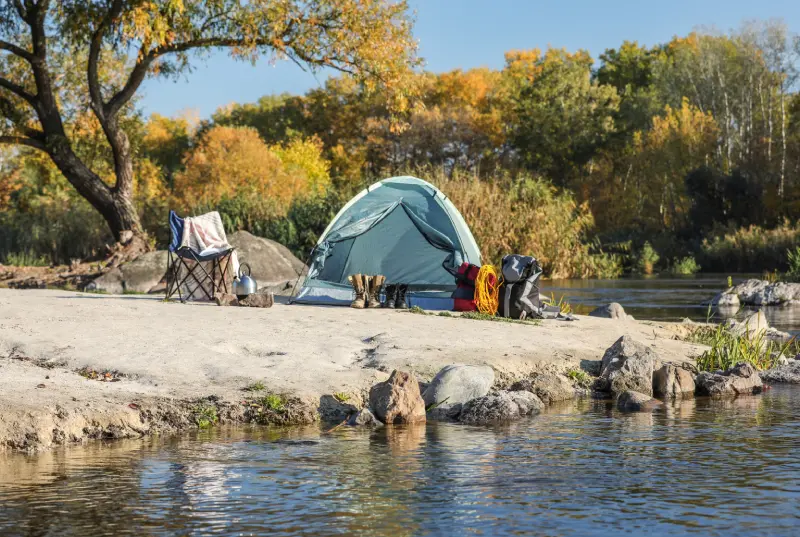
Many campers think that the tent's own floor is sufficient, but using an extra footprint can double the lifespan of the tent. The footprint acts as a protective shield by cutting off direct contact between the tent's main body and the ground. Moisture in the ground, acidic substances, and sharp surfaces first encounter this expendable footprint. Using a footprint also reduces the hassle of cleaning the tent after camping, as it protects the tent's floor from mud and dirt. By preventing direct abrasion of the fabric with the ground, you also prevent the peeling or abrasion of the waterproof polyurethane (PU) coating.
What Should Be Done to Protect Tent Fabric from the Sun's Ultraviolet (UV) Rays?
Sunlight is the number one silent killer of tent fabric. Synthetic fabrics (nylon or polyester) that are exposed to direct sunlight for long periods become "sunburned" due to UV radiation. This situation makes the fabric's fibers brittle and leads to tearing at the slightest tension. When setting up your tent, you should try to choose shaded areas during the hottest hours of the day. If there is no shading option, stretching an additional tarp over the tent blocks UV rays from reaching the main fabric. Additionally, periodically applying UV protective sprays available on the market to the fabric helps maintain its flexibility and color, extending its usability for decades.
What Precautions Should Be Taken During Setup to Prevent Breaking Tent Poles?
Tent poles are the skeleton of the structure and are often damaged due to user errors. When connecting the poles, you must ensure that the sections fit perfectly into their sockets. If a pole tip does not fully enter, it is inevitable that it will break or snap at that point. Instead of "forcing" the poles into their sockets, gently guiding them prevents excessive tension and breakage of the internal elastic cord (shock cord). Additionally, in windy conditions, you should not force the poles, and you should set up the tent according to the angle that will face the wind with the least resistance. To protect the lifespan of the elastic structure inside the pole, folding the poles from the middle during storage will distribute the tension evenly.
What Are the Technical Details of Using Wax and Silicone Spray in Zipper Maintenance?
Tent zippers tend to get stuck and skip teeth over time due to constant exposure to dust, sand, and moisture. A malfunctioning zipper means the tent becomes unusable. To protect the zippers, you should periodically clean the teeth with an old toothbrush. Then, you can apply colorless wax or special silicone-based zipper lubricants to ensure the zipper slides smoothly. This process prevents the metal parts from oxidizing while ensuring that the teeth mesh perfectly. When opening and closing the zipper, be careful not to pinch the fabric and never pull the zipper with force, as this is the simplest yet most effective method to ensure the mechanism works smoothly for a decade.
Why Is Packing a Wet Tent Considered "Equipment Death"?
Hastily stuffing a wet or damp tent into a bag at the end of the camping trip is the biggest mistake you can make. Moisture causes mold and mildew to form on the fabric. Mold not only emits a bad odor but also chemically destroys the waterproof coating on the fabric (delamination). If you must leave the campsite while the tent is still damp, you should dry the tent completely in a dry, airy, and sunless room as soon as you get home. You should not store it for a long time without ensuring that there is no moisture left in any part of the fabric. Remember, once the mold smell settles in, it is nearly impossible to remove it completely, and the integrity of the fabric's fibers will be permanently damaged.
Why Should Only Natural Soaps Be Used Instead of Aggressive Detergents in Tent Cleaning?
Tent fabrics are coated with special chemical layers that provide water repellency and waterproofing. Household laundry detergents, stain removers, and softeners contain harsh chemicals that can tear these delicate coatings apart. Using a washing machine to wash a tent can damage it irreparably by causing the fabric to stretch and the seams to tear. For cleaning, only lukewarm water, a soft sponge, and pH neutral natural soaps (or special equipment cleaners) should be used. You should be gentle when scrubbing stains to avoid damaging the fabric's water-repellent outer layer (DWR). Thorough rinsing after cleaning prevents soap residues from retaining moisture on the fabric.
Is Storing the Tent in Its Original Carrying Bag Harmful in the Long Run?
Tents usually come with a compact carrying bag at the time of sale. While these bags provide ease of transport, they are not ideal for long-term home storage. Folding the tent too tightly and trapping it in the bag creates permanent creases on the fabric. These crease areas can become weak points over time as the technical coating thins and cracks. The ideal storage method is to loosely roll the tent or store it in a large, breathable fabric bag (such as an old pillowcase). This allows the fabric fibers to "breathe" and reduces pressure on them, which is a vital detail for your goal of ten years of use.
How to Professionally Repair When Seam Sealing Tapes Start to Peel at Home?
Over time, the tapes applied to the seams of the tent can peel off due to heat changes and moisture. This can lead to water leakage in the tent. If the tapes are flaking off, you should gently clean the old tape residues and disinfect the seam areas with alcohol. Then, you can apply liquid seam sealers available on the market over the seams with a brush. This process will restore the factory waterproofing. The tent should be kept taut for at least 24 hours to allow the liquid sealer to dry completely. This small maintenance is a professional intervention that will extend the life of the tent by at least 3-4 more years.
What Periods Should Be Applied to Renew the Tent's Water Repellency Feature (DWR)?
When a new tent is exposed to rain, the droplets bead up and run off; this is called DWR (Durable Water Repellent) coating. Dust, dirt, and abrasion wear down this coating over time. If rain droplets start to be absorbed by the fabric and the fabric begins to darken (wet-out), it means it's time to refresh the DWR. Generally, depending on usage, a water-repellent spray should be applied every two years. This spray, evenly applied to a clean and dry tent, prevents water from entering the fabric fibers and maintains the tent's breathability. DWR maintenance prevents the tent from becoming heavy and minimizes condensation inside.
How Should Guy Lines Be Strategically Used in Windy Weather?
Guy lines are one of the most important elements that provide stability to the tent against the wind. Relying solely on stakes can lead to excessive loads on the poles and tear the tent fabric. Tensioning the lines at a 45-degree angle distributes the load evenly across the entire structure. As the wind intensity increases, you should check the tension of the lines, but you should not pull them tight enough to tear the fabric. Small shock-absorbing rubber bands added to the ends of the lines absorb sudden gusts of wind, preventing damage to the fabric and poles. This strategic approach ensures that your tent emerges unscathed even in the harshest weather conditions.

How to Remove Damage Caused by Resin and Insect Residues on Fabric Fibers?
Tents set up under trees are often contaminated with sticky resins and insect droppings. When resin dries, it hardens the fabric and can lead to cracking. You should never attempt to scrape off the resin; this can cause the fabric to tear. Instead, you can freeze the resin by placing a piece of ice on the stain and then gently crumble it to facilitate its removal. For remaining stains, a cotton ball containing a small amount of isopropyl alcohol can be used (it should be tested in an inconspicuous area first). Insect residues should be wiped with a damp cloth immediately as they can be acidic. After cleaning, that area should definitely be treated with a water-repellent spray.
How Does Protecting the Inner Coating Reduce Condensation Inside the Tent?
Many people think that water leaks inside the tent, but most of the time, it is due to condensation caused by the breath that accumulates inside. The humid air inside the tent hits the cold outer fabric, turning into water droplets. This moisture can lead to early degradation of the coatings in the inner layer of the tent and cause unpleasant odors. To prevent condensation, you should keep the tent's ventilation windows (vents) open, no matter how cold it is. The airflow created by the strategic use of doors and windows expels moisture outside. You should ensure that the inner tent does not touch the outer tent; where they come into contact, moisture transfer accelerates and the fabric gets damaged.
Why Does Folding the Tent in the Same Crease Lines Every Time Weaken the Fabric?
Folding your tent symmetrically and sharply like it came out of the factory after every camp may look aesthetically pleasing, but it is technically harmful. Continuously folding the fabric at the same points leads to fatigue of the fibers on that line and can cause the waterproof coating to crack. Professional campers recommend using the "random stuffing" method or rolling it in different directions each time. This way, the crease lines will align with different points each time, and the stress on the fabric will be distributed evenly. Especially in tough polyamide fabrics, this method is an essential practice for a decade of usage.
< How to Manage Food to Prevent Wild Animals from Damaging Your Tent?
Many wild animals, from small rodents to larger ones, can detect the smell of food inside the tent. A mouse or squirrel can chew through the expensive fabric of the tent in seconds to reach the food. You should never eat inside the tent and must not leave food outside. All food should be stored in odor-proof containers and kept in a "kitchen area" at least 50 meters away from the tent or in a bag hung from a tree. Not only food, but also scented cosmetics like toothpaste, perfume, and sunscreen can attract animals. Protecting your equipment from physical attacks is one of the safest ways to extend its lifespan.
What is the Effect of Walking in Shoes Inside the Tent on the Ground Fabric?
Entering the tent with shoes means bringing in small grains of sand and sharp stone fragments from outside. These small particles act like sandpaper when pressed against the ground fabric by your weight. Over time, they wear away the protective layer of the ground fabric, compromising its waterproofing. Creating a small "doormat" area at the entrance of the tent or leaving shoes in the luggage (vestibule) area dramatically extends the life of the ground fabric. Walking inside with socks or clean camp slippers helps maintain the integrity of the fabric while keeping the interior hygiene at a high level.
What Essential Repair Materials Should Be in an Emergency Repair Kit?
If you want to use a tent for ten years, you should know how to repair small accidents on-site. A standard repair kit should include self-adhesive fabric patches for tears (Tenacious Tape), an emergency repair pole (splint) for broken poles, liquid sealant for leaking seams, and a spare zipper slider. Additionally, carrying a spare elastic cord to use when the elastic inside the poles breaks can be lifesaving. Acting immediately when a small hole is noticed prevents it from enlarging and becoming irreparable. This kit is your tent's "first aid kit" and should always be with you on every camping trip.
What Should Be Done to Prevent the Elasticity of the Shock Cords Inside the Poles from Decreasing?
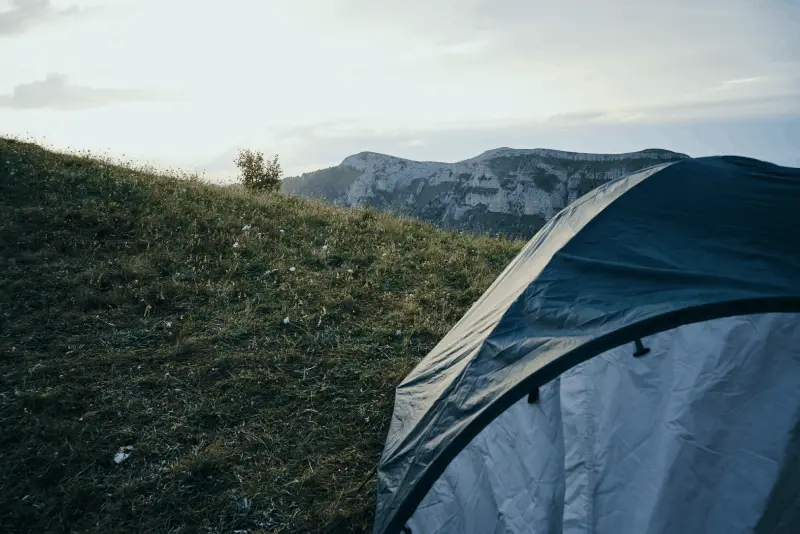
The inner elastics that hold the tent poles together lose their elasticity over time and sag. This makes assembly difficult and can cause the poles not to fit properly. To extend the life of the elastics, you should fold the poles starting from the middle rather than the ends. This method ensures that the elastic is evenly tensioned in each section. Additionally, not leaving the poles in direct sunlight during very hot weather prevents the rubber material from degrading. If the elastic is loose, you can shorten it by removing the top knot or replace it entirely with a new one. This simple mechanical maintenance ensures that the structural system remains stable at all times.
What Should Be the Ventilation Conditions and Humidity Balance for Off-Season Storage?
The place where the tent spends the longest time is your home storage. Storing the tent in places like under the bathroom, a damp basement, or a very hot attic can ruin the fabric's chemistry. The ideal storage area is a cool, dry, and dark place. Placing moisture-absorbing (silica gel) packets inside the box or bag where the tent is stored helps control even microscopic levels of humidity. If possible, taking the tent out every six months to air it out indoors and repackaging it differently helps keep the fabric alive. Remember, a neglected tent in storage can deteriorate faster than one left outdoors.
How to Prevent the Stakes from Bending and What is the Correct Hammering Technique on Hard Surfaces?
Stakes are critical pieces that ensure the tent makes contact with the ground and maintains tension. Trying to hammer stakes vertically into hard surfaces can cause the heads to bend. You should hammer the stakes into the ground at a 45-degree angle, facing away from the tent. When hammering the stake, you should use a rubber mallet or a flat stone with gentle taps instead of your foot. If the ground is very hard, it is more sensible to place a heavy rock on that spot and tie the rope to the rock instead of forcing the stake. Trying to straighten bent stakes with pliers weakens the metal; therefore, replacing bent stakes with new ones as soon as possible is important for the tent's stability.
How Should the Washing Periods for Technical Camping Clothes and Sleeping Bags Be Adjusted?
Not only the tent but also sleeping bags and technical jackets are part of camping equipment. Down or synthetic-filled sleeping bags should not be washed after every use. The washing process reduces the insulation capability of the filling material. Instead, you can prevent the sleeping bag from getting dirty by using a liner inside the bag and only washing the liner. If the bag must be washed, it should only be done in front-loading machines, on very low spin, and with special equipment detergents. Using dryer balls (or clean tennis balls) during the drying process helps prevent clumping, assisting in maintaining the insulation performance of the equipment for years.
How to Clean Carbon Deposits in Camping Stoves and Gas Equipment?
Stoves are indispensable for camping kitchens, but food residues and soot accumulation reduce combustion efficiency. Every camping trip, you should clean the stove's jets with a fine needle or pressurized air. To prevent gas leaks, you should check the o-ring (rubber seal) structures at the connection points and replace them if they are damaged. Wiping metal surfaces with a lightly oiled cloth is beneficial to prevent rust. A well-maintained stove saves fuel and provides high efficiency. It won't leave you halfway in the wild. Regularly cleaning carbon deposits extends the lifespan of the stove while minimizing the risk of fire.
What Natural Methods Should Be Used for Sterilizing Water Filters and Bottles?
Water filters are in direct contact with microorganisms, and if not cleaned after camping, they can develop bacterial colonies inside. You should clean the filters according to the manufacturer's instructions (usually with chlorinated water or special tablets) by backwashing. For bottles and water bladders, a mixture of baking soda and lemon juice is a great natural sterilization method. After rinsing thoroughly, the caps should be left open to dry completely. A bladder with water left inside can grow algae until the next camp. Clean water systems are critical for both your health and the filtration quality of your equipment.
What Lubrication Techniques Should Be Used to Protect Camping Knives and Axes from Rust?
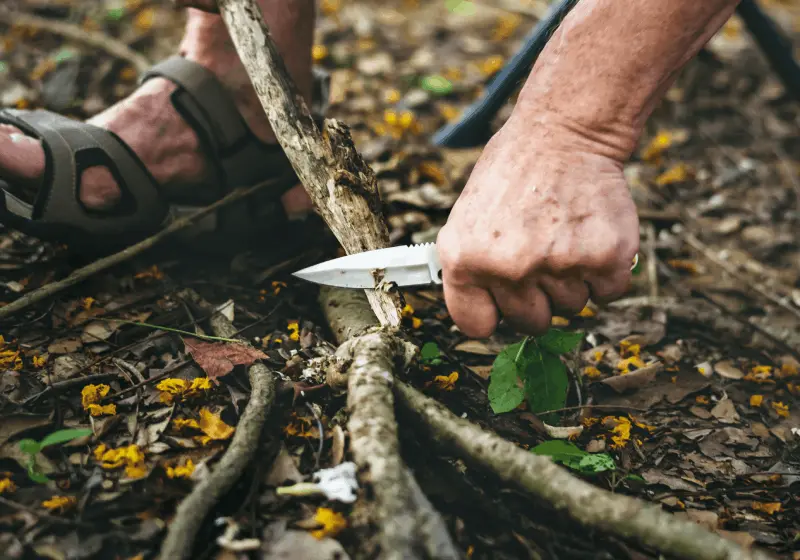
Metal equipment can oxidize quickly due to moisture and plant acids in nature. You should wipe your knife after each use and never put it in a wet sheath. Before long-term storage, applying food-grade mineral oil or petroleum jelly to metal parts prevents contact with moisture. Lubricating the wooden handles of axes with linseed oil at regular intervals prevents the wood from drying out and cracking. Keeping cutting edges sharp not only increases your safety during use but also reduces the load on the metal. A decade-old knife is simply a well-maintained and lubricated knife.
How to Prevent Battery Leaks in Flashlights and Electronic Devices?
Headlamps and camping lanterns are among the most frequently damaged electronic devices due to battery leaks. If you won't be using the device for more than a month, you should definitely remove the batteries. The acid leaked from alkaline batteries can cause permanent damage to circuits. Preferably, choosing rechargeable lithium battery models or using quality batteries reduces the risk. You can clean oxidations in the battery compartment with a small piece of sandpaper or vinegar-soaked cotton. Storing your electronic devices in waterproof cases extends the lifespan of the circuits, providing years of trouble-free lighting.
How to Clean Sand and Dirt from the Mechanical Parts of Camping Chairs and Tables?
The folding joints of camping chairs are favorite spots for sand and fine dust. These particles create a sanding effect, causing wear on the joints and metal pipes. After each camp, you should shake out your chairs and blow compressed air or water into the joints. After wiping the fabric parts with soapy water, you should not fold them until they are completely dry. Cleaning and lubricating any screws and nuts that show signs of rust with a bit of rust remover prevents your chair from "squeaking" and extends its mechanical lifespan. A well-maintained chair can accompany you for a decade at every sunset.
How to Remove Salt Buildup from the Shoulder Straps and Lumbar Supports of Your Backpack?
Backpacks directly absorb the sweat that comes from your body. The salt in sweat disrupts the breathability of the bag's fabric and can cause the fabric to harden and tear over time. Rinsing the shoulder straps and lumbar belt areas with just water during your camp return will help remove the salt. Never put the bag in the washing machine; you should only wash it by hand. You should lubricate the zippers using the method mentioned above and store the bag flat on the ground instead of hanging it (the shoulder straps of a bag that is hung will deform over time). Renewing the water-repellent coatings of technical bags with spray also provides a significant advantage in rainy conditions.
What Should Be Considered in Internal and External Cleaning to Prevent Thermoses from Losing Insulation Performance?
Thermoses preserve heat thanks to their double-walled vacuum structure. Hard impacts can damage this vacuum layer and cause the thermos to lose performance. Never use metal brushes or wires for coffee or tea stains inside; this creates scratches on the steel surface, providing a breeding ground for bacteria. Carbonated water or special cleaning tablets are the safest way. To maintain the flexibility of the lid seals, you should remove and wash them separately and let them dry. Washing the outer surface of your thermos in the dishwasher can damage the outer coating and vacuum seal. Hand washing guarantees a decade of enjoyment from hot tea.
How Does Organizing Camping Gear in a Kit Bag Affect Overall Equipment Integrity?
Storing small items (flashlights, stoves, repair kits) in separate small organizing bags (stuff sacks) prevents them from colliding and getting damaged. Metal parts rubbing against fabrics in a mixed box can lead to unwanted tears. Categorizing your equipment in a "modular" way makes it easier to find what you need while camping and minimizes damage during transport. Creating a moisture-free shelf system using transparent boxes or labeled bags ensures your equipment is professionally protected. This organization is not just a maintenance method; it is also an indicator of camping discipline.
What is the Psychological and Practical Satisfaction of Seeing Your Tent Look New Even After Ten Years?
Protecting a piece of equipment for a decade is not just about having the item; it is also about having memories of the moments spent in nature. At the end of the tenth year, seeing that the tent you set up with the same excitement as the first day is still waterproof gives you great confidence and practical skills. It is a stance against the "buy and throw away" culture of the consumer society. By showcasing, you will reduce your environmental footprint. The bond you create with your equipment deepens your experience in nature and makes you a more conscious camper. A well-maintained tent is, in fact, a stronghold of thousands of stories waiting to be told.
Is Camping Equipment Maintenance a Lifestyle?
Ultimately, camping equipment maintenance is not just about cleaning; it is a reflection of the respect you have for nature and your own labor. Each step detailed above is an investment that adds life to your tent and other gear. The only thing you need for a decade-long adventure is quality equipment and a conscious routine to protect it. When you apply the right steps, your equipment will never leave you stranded and every camping trip will be as comfortable as the first day. Now it's time to check your gear and prepare for the next adventure!