How to Mentally Prepare Yourself While Getting Ready for Your First Camping Adventure?
Stepping into nature is not just about setting up a tent and sleeping; this process requires mental adaptation before anything else. Stepping out of the comfort zone provided by modern city life forces you to be prepared for unexpected situations (rain, bugs, equipment failures). The biggest obstacle for beginners is often the fear of "what if something happens." Professional campers overcome this fear with "situational awareness." Before going camping, you should acclimatize yourself to the silence of nature and the limitations of the environment. Keeping your expectations low, while maximizing your preparedness at the highest level, will grant you great freedom. Remember that control in nature is not with you, but with nature itself. This acceptance will turn every kind of mishap you experience during the camp into an adventure and a learning opportunity. Mental resilience is the unsung hero of camping comfort.
Conditions to Consider When Choosing a Tent
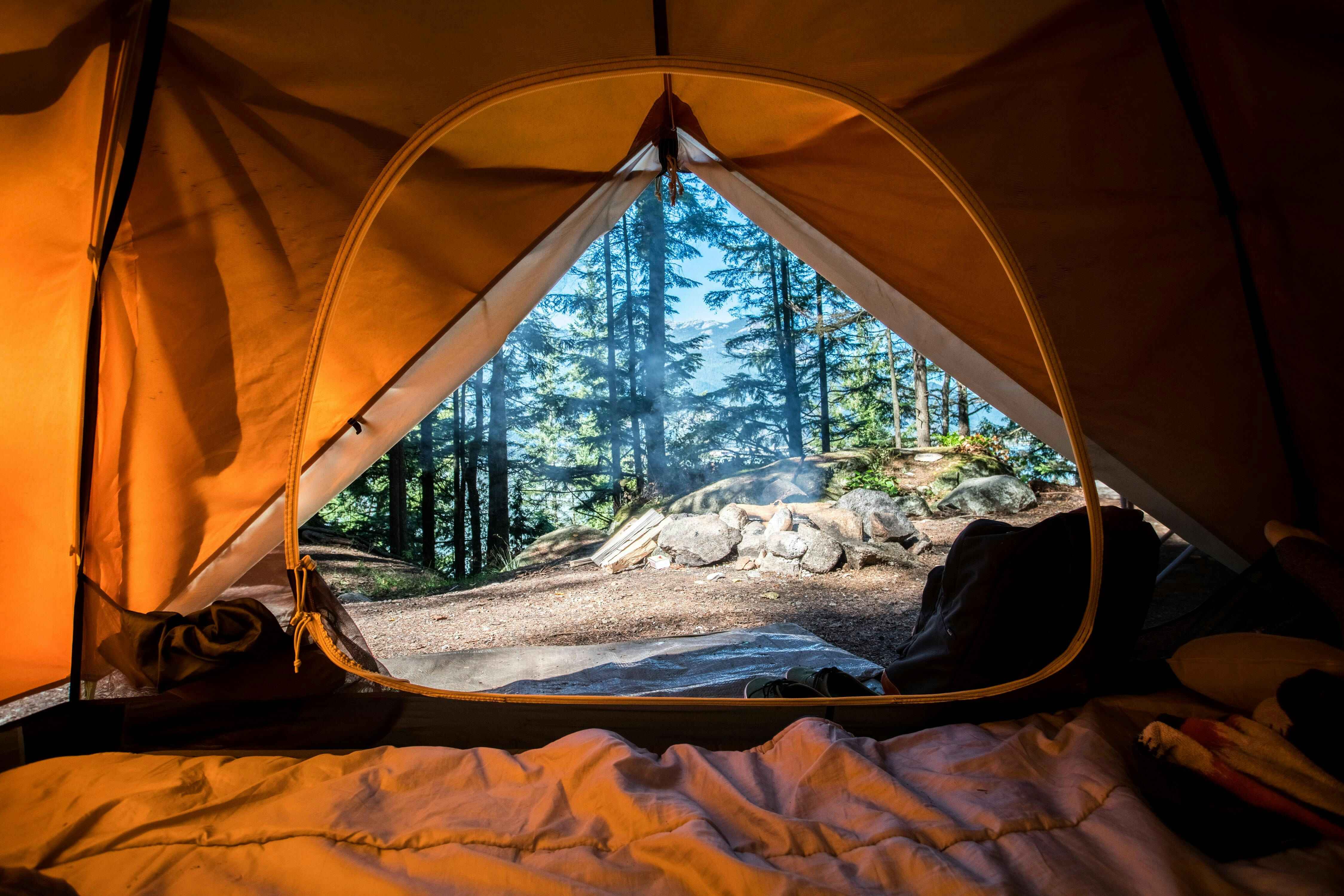
A tent is your home in nature, and a wrong choice can turn the entire experience into a nightmare. There are many options on the market ranging from 2-season to 5-season tents. For beginners, 3-season tents (spring, summer, autumn) are generally ideal. However, the fabric's water column (hydrostatic head) value, whether the seams are sealed with heat treatment, and the material of the poles (skeleton) are of vital importance. Aluminum poles are lightweight and durable, while fiberglass poles can be more economical but fragile. With a professional perspective, "Ripstop" fabric technology prevents tears, while the "breathability" feature prevents moisture buildup (condensation) inside. If you don't have a caravan and are a backpacking traveler, weight and volume should be as important to you as safety. The location of the tent's ventilation windows, wind resistance, and ease of setup are niche details that should be carefully examined in technical documents during the purchasing phase.
How Should Sleeping Bag and Mat Selection Be?
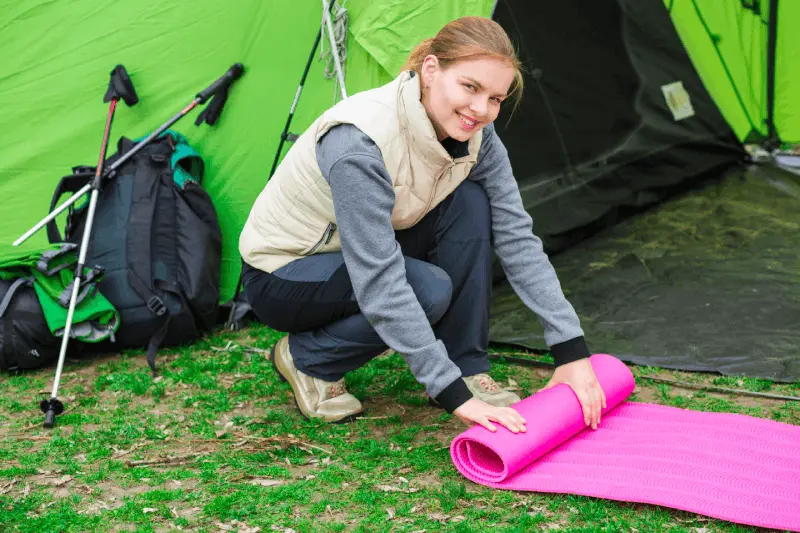
Many novice campers make the mistake of looking only at the lowest temperature rating on a sleeping bag. However, there are three basic temperature ratings for sleeping bags: Comfort, Limit, and Extreme. The comfort rating is the temperature at which a woman (who is generally assumed to get cold faster) can sleep comfortably. Extreme is merely the survival limit; meaning you cannot sleep at that temperature, you just won't freeze. Professionals focus on the filling material of the bag (duck down or synthetic) and the "R-value" which indicates the insulation strength. If you don't have a good mat (inflatable or closed-cell foam) underneath you, even if you have the most expensive sleeping bag in the world, the cold ground will quickly absorb your body heat. While this situation may be easier for caravaners, a similar insulation problem can occur if the heating inside the vehicle is insufficient. To maintain your body heat throughout the night, adding an inner liner to the sleeping bag or sleeping in thermal clothing are professional tips that will elevate your comfort to the next level.
What is the Layering System in Camping Clothing?
Instead of wearing a single thick coat in nature, wearing several thin layers on top of each other traps heat and controls sweating. This system, also known as "layering," consists of three layers: The Base Layer wicks moisture away from the body, the Mid Layer retains heat with fleece or down jackets, and the Shell Layer consists of jackets with Gore-Tex-like membranes that block wind and rain. Professional campers avoid cotton clothing; because cotton does not dry when wet and cools the body quickly. The same logic applies to caravaners; adding and removing layers when stepping outside the vehicle or when the vehicle's interior heat drops is the most effective way to protect against illnesses. When choosing shoes, opting for a model that wraps the ankle, is waterproof, and has a high grip sole like Vibram minimizes the risk of injury in rough terrains.
How Should Camping Backpack Arrangement Be Done?
How you prepare your backpack directly affects your walking distance and fatigue level. The basic rule is this: The heaviest equipment (tent, water, cooking set) should be placed closest to your back and in the middle area. Lightweight but bulky items like sleeping bags should go at the bottom, while rain gear, snacks, and first aid kits that you will need frequently should be placed at the top or in side pockets. If the weight center of the backpack does not align with your body, the backpack will pull you backward and cause back-shoulder pain. Professional mountaineers fill every gap in the backpack with soft items like socks or towels to "balance" the pack. For caravaners, this situation is referred to as "load distribution"; heavy loads should be evenly distributed over the axles to avoid compromising the vehicle's driving safety. A well-adjusted backpack will be your most loyal friend on long routes.
What You Need to Know About Stove Type and Fuel Efficiency When Cooking Outdoors
The camping kitchen is the heart of the camp. Your choice of stove depends on the altitude and temperature of your destination. Standard screw-on cartridge stoves are great for summer camps; however, in freezing cold, the pressure of the butane-propane mixture gas drops and the stove burns inefficiently. In these situations, professionals prefer gasoline or multi-fuel stoves. While caravan owners generally use fixed gas systems inside the vehicle, portable stoves are always advantageous for cooking outdoors. Using a windscreen for fuel efficiency can halve the boiling time of water. Additionally, titanium pot sets are ideal for those seeking lightweight options. When it comes to options, cast iron pans are the favorites for those who want to prepare gourmet meals over a campfire. Remember, cooking in nature is not just about satisfying hunger, but it is also a ritual that nourishes the soul.
How to Meet Nutritional Needs in Long-Term Camps?
If you are planning a week-long route, the weight of your food and the risk of spoilage are your biggest concerns. Professional campers prefer "freeze-dried" foods; these foods can be prepared simply by adding hot water and are very lightweight. However, more traditional methods should include vacuum-packed meats, nuts, oatmeal, and lentils, which are nutritious and easy to store. Caravanners are more fortunate in this regard as they have refrigerator options. However, in both cases, it is necessary to pre-sort packaging with the "zero waste" philosophy and minimize trash. Energy bars and electrolyte powders should always be in your backpack to maintain blood sugar and mineral balance during intense physical activity.
What Are the Ways to Make Water Drinkable When You Can't Find a Safe Water Source in Nature?
Finding water in nature is vital, but not every clear flowing water is drinkable. Parasites like Giardia or unseen chemical pollutants can lead to serious illnesses. Professional campers resort to three methods for water purification: Boiling (the most guaranteed but consumes fuel), Filtering (using micro-pore filters like Sawyer or Katadyn), and Chemical Purification (iodine or chlorine tablets). In caravans, the water tanks need to be periodically cleaned with silver ion disinfectants. If you do not trust a stream source, you should never drink the water without filtering it. A critical rule for drinking water is not to wait until you are thirsty to maintain body performance. Always having a spare water bottle and a water purification straw for emergencies can be lifesaving.
What Life-Saving Equipment Should Be in a Camping First Aid Kit?
A bag containing only band-aids and a tourniquet will be insufficient in a serious nature accident. A comprehensive first aid kit should include elastic bandages, a tourniquet, antiseptic solutions, pain relievers, allergy medications, burn cream, and an emergency blanket (thermal cover). Professional campers also add a sewing kit, tick remover (for tick removal), and sterile gauze pads to this list. Additionally, you must keep backups of your personal medications in a waterproof container. While it is mandatory for caravanners to have a fire extinguisher in the vehicle, it is equally essential for campers to receive basic first aid training. The greatest power to prevent panic in an accident is your knowledge and the right equipment in your bag.
What Techniques Should You Use to Start a Fire with Wet Wood?
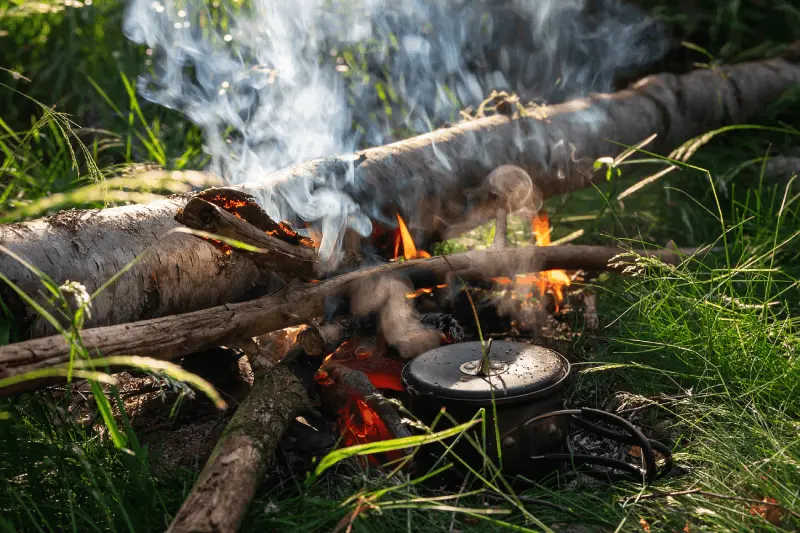
Being able to start a fire on a rainy day is a signature of a skilled camper. The center of wet woods is usually dry; therefore, you should split thick logs with an axe to reach the dry parts inside. Always keep "tinder" materials (dry grass, resin, magnesium sticks, or pre-prepared cotton balls with petroleum jelly) ready in your backpack. When starting a fire, you need to optimize airflow by using the "V" or "Pyramid" arrangement. As a professional tip, creating a base of stones or thick bark under the fire to prevent it from being affected by wet soil increases the chances of burning. Caravanners should keep a safe distance from their vehicles while setting up a campfire and always have firefighting equipment nearby to mitigate fire risks.
Is Camping Without Leaving a Trace Just About Picking Up Trash?
The "Leave No Trace" principles are the ethical constitution of existing in nature. It does not end with just picking up packaging waste; it includes avoiding noise pollution, not interfering with the wildlife's food chain (not feeding animals), burning campfires in a controlled manner, and relieving oneself at least 60 meters away from water sources. Professional campers strive to leave the campsite looking as if they have never been there. For caravanners, it is the greatest responsibility to only dispose of gray and black water tanks at authorized stations to protect nature. Seeing nature not as a museum but as a living legacy to be passed on to future generations is a philosophy that every level of camper should adopt.
How Do I Choose a Safe and Wind-Sheltered Area for Wild Camping?
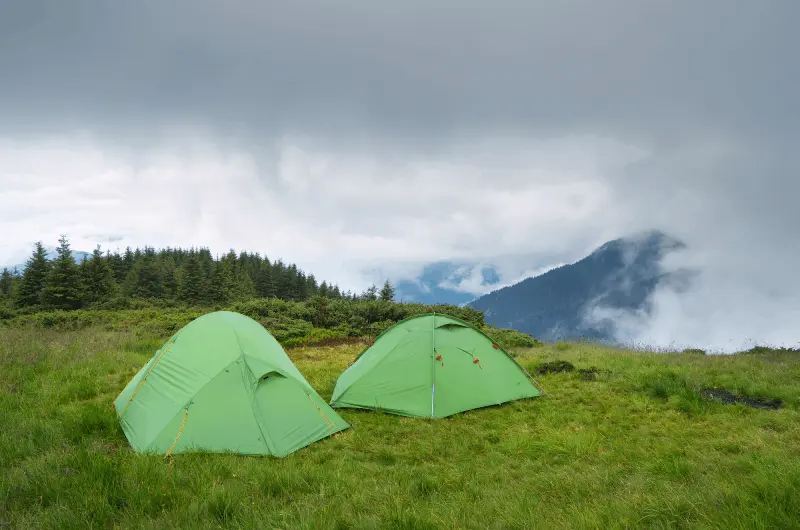
Camping outside of designated camping areas offers great freedom but also brings risks. When setting up your tent, choosing a rock, hill, or dense forest area that breaks the wind will enhance your comfort. However, you should avoid setting up tents in riverbeds (risk of sudden flooding), under very old trees (risk of falling branches), or on peaks (risk of lightning). With a professional eye, you can assess the ground's drainage capacity to predict where water will accumulate in case of rain. For caravanners, the firmness of the ground is very important; one of the most common problems is a heavy vehicle getting stuck in soft soil. When determining a location, setting up with an opening that will catch the morning sun will help dry your tent quickly.
What Professional Precautions Can Be Taken Against the Risk of Freezing While Camping in Subzero Temperatures?
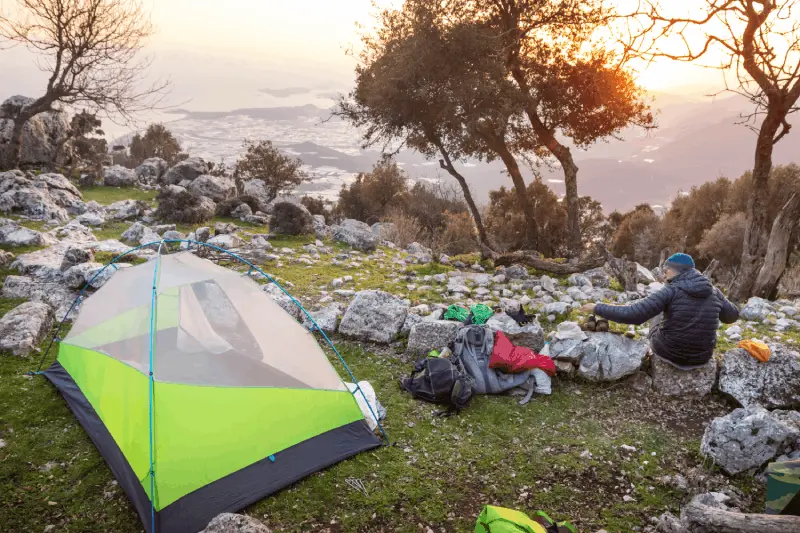
Winter camping is an area where the level of preparedness must be at its highest. Hypothermia and freezing are hidden dangers for careless campers. Drinking something warm before going to bed at night and raising your body temperature with light exercises will help you stay warmer in your sleeping bag. If you don't keep your shoes inside the sleeping bag or in a bag next to you, you might find them frozen solid in the morning. Professional winter campers create a "stove" effect by placing a water bottle filled with warm water (durable plastics like Nalgene) inside the sleeping bag. For campers, it is crucial to ensure that the maintenance of diesel heaters (Webasto) is done and that exhaust gases do not leak into the vehicle. Being in nature in winter is exhilarating, but it is only safe as long as the rules are followed.
Why is the Lumen Value and Light Warmth Important in Night Camping Area Lighting?
Light provides both safety and functionality in nature. A headlamp is one of the most important pieces of equipment for a camper as it frees up your hands. Professional lamps have a "red light" mode; this mode does not disturb your night vision and does not attract insects. A lamp with a brightness of 100-300 lumens is sufficient for general use, while higher values may be needed to see at a distance. In camping area lighting, warm white lights, known as "warm white," do not strain the eyes and create a more peaceful environment. Campers often save energy with LED strips, but the outdoor lighting should not disturb neighboring campers or wildlife. Spare batteries or solar-powered power banks should always be kept in the bag for lighting continuity.
What Should Be on the Technical Checklist Before Taking the First Trip with a Caravan?
Caravan life condenses all the systems of a house into a small space. Before the first trip, tire pressures, brake systems, gas leak checks, and electrical circuits must be tested. In addition to the fullness of the water tanks, the waste tanks must be empty and leak-proof. One of the most critical points for campers is the "load index"; exceeding the vehicle's carrying capacity negatively affects driving safety and fuel consumption. Professional campers always carry basic repair kits, spare fuses, and tire repair kits with them. Practicing maneuvers in an open area to get used to the vehicle's dimensions prevents panic in narrow roads. A caravan is not just a vehicle; it is a wheeled living space that requires maintenance.
How to Calculate Solar Panel and Battery Capacity in Caravans?
If you want to stay off-grid for a long time in nature, energy management is the key term. By calculating the amount of watts you consume daily (refrigerator, lighting, chargers, etc.), you should set up a solar panel and battery set accordingly. Generally, monocrystalline panels between 200W-400W and Lithium (LiFePO4) or Gel batteries with a capacity of 100Ah-200Ah are ideal for a standard caravan. Professionals prefer the MPPT type for the charge controller because these devices use solar energy 30% more efficiently. Monitoring the energy level in your caravan through a monitor will save you from being left in the dark. For energy saving, all lighting should be LED, and unnecessary devices should be turned off; these are the main factors determining how long you can stay in nature.
What Knot Techniques Should Every Camper Know?
The ability to use knots determines a camper's survival and comfort level. The "Square Knot" is used to join two ends, the "Clove Hitch" is used to secure the tent rope to a tree, and the "Bowline" creates a secure loop that does not slip under load. Professional campers know the "Taut-Line Hitch" technique by heart, which can easily be tightened when the tent guy lines are loose. These knots are used not only for setting up tents but also for tensioning guy lines, hanging equipment, or making stretchers in emergencies. Using durable and static ropes like paracord instead of nylon increases the reliability of the knots. Practicing a few basic knots at home will make your work in nature incredibly easier.
What Should You Do When Encountering Wild Animals?
Nature is their home; we are just guests. The first rule to reduce the risk of encountering wild animals is not to leave food scraps at the campsite. Animals like bears or pigs are attracted to smells; therefore, food should be hung from trees or stored in airtight containers. If you encounter an animal, never turn your back and run; slowly back away without making eye contact and make yourself appear larger. Professional campers ensure they are not on an animal trail by examining the tracks and signs in the area before setting up their tents. Although campers are safe inside their vehicles, they should remember that items left outside can be rummaged through by nighttime visitors. In nature, respect is essential, not fear.
How Can I Navigate If I Experience an Internet Outage?
GPS and smartphones are great, but you may find yourself helpless when their batteries die or the signal is lost. Basic navigation knowledge (map reading, scale calculation, and taking bearings) is essential for every serious nature enthusiast. Aligning the map's north with true north (map orientation) is the first step. Professionals memorize the prominent landforms (hills, river bends) along their routes. For campers, identifying alternative routes on broad maps provides a strategic advantage in case the main roads are blocked or damaged. Always carrying a backup manual compass and a physical map of the area in a waterproof case will help you find your way even in the darkest forest.
What Maintenance Should I Do to Extend the Life of Camping Equipment?
Camping equipment is not a cheap investment, and when well-maintained, it can last for decades. They can damage it. You should never put your tent in your backpack while it is wet; this causes mold formation and damages the waterproof layer. You should store sleeping bags not in compression sacks, but on a wide hanger at home or in a cotton storage bag; this way, the filling material (especially goose down) will not lose its loft. Professionals clean the nozzles of stoves, sharpen their knives, and regularly treat their boots with water-repellent sprays. If caravans are not going to be used in winter, the water systems must be completely drained and the batteries should be regularly charged. Well-maintained equipment is your greatest assurance in nature.
Things to Consider When Camping with Children and Pets
Camping as a family is a great opportunity for children to gain an awareness of nature; however, it requires extra attention. You should teach children the boundaries of the campfire, what to do if they get lost (the rule of staying still and blowing a whistle), and that they should not touch wild plants. For pets, you must have updated vaccination cards, a long leash, and tick-repellent collars ready. Professional parent-campers always pack a whistle and a small light source in their children's bags. For campers, vehicle interior safety locks and pet-friendly ventilation systems are a priority. When common living rules are followed, nature turns into the biggest playground for all family members.
Why is it Important to Choose "Price-Performance" Products When Planning a Camping Budget?
The world of equipment can turn into an endless pit of expenses. For beginners, buying the most expensive product is not always the best option. Conducting a needs analysis; determining how often, in which season, and in which geography you will camp protects your budget. Professional campers invest in the basics (tent, sleeping bag, mat) and opt for more economical solutions in details like kitchen or lighting. Second-hand forums are great places to find technical camping equipment at reasonable prices. For campers, allocating a large part of the budget to insulation and electrical systems will save fuel and accommodation costs in the long run. Remember that as "lightness" increases, the price also increases; if you are going camping with your vehicle, a few kilos heavier but sturdy and cheap products will do the job.