Why is Camping Hygiene a Necessity, Not a Luxury for Modern Nature Enthusiasts?
Spending time in nature is a great way to escape the stresses of modern life, but it presents some challenges in meeting basic human needs. While camping in "primitive" conditions was a source of pride in the past, today, with the rise of hygiene standards, equipment like camping showers and portable toilets have become indispensable. A clean body and a regular waste disposal system not only contribute to physical comfort but also directly affect the camper's morale and motivation. Choosing the right equipment is crucial to reduce the risk of infection during long stays and to minimize damage to nature. Hygiene is the most critical element that transforms the camping experience from a chore into a sustainable hobby.
Which Increases Your Personal Comfort More: Camping Shower or Portable Toilet?
The answer to this question varies entirely based on the camper's priorities, but both pieces of equipment cater to different areas of comfort. A portable toilet eliminates the stress of searching behind trees in the dark in the middle of the night, bringing the comfort of home to nature. On the other hand, a camping shower refreshes your body after a sweaty and dusty day, improving your sleep quality. If you have a "cleanliness obsession," the shower is a different matter; however, if you are looking for "privacy and order," a portable toilet takes a step ahead. Generally, campers define the lack of a toilet as a physical discomfort, while the absence of a shower is seen more as a psychological loss of comfort. Therefore, which is more useful is directly related to your "red lines" in nature.
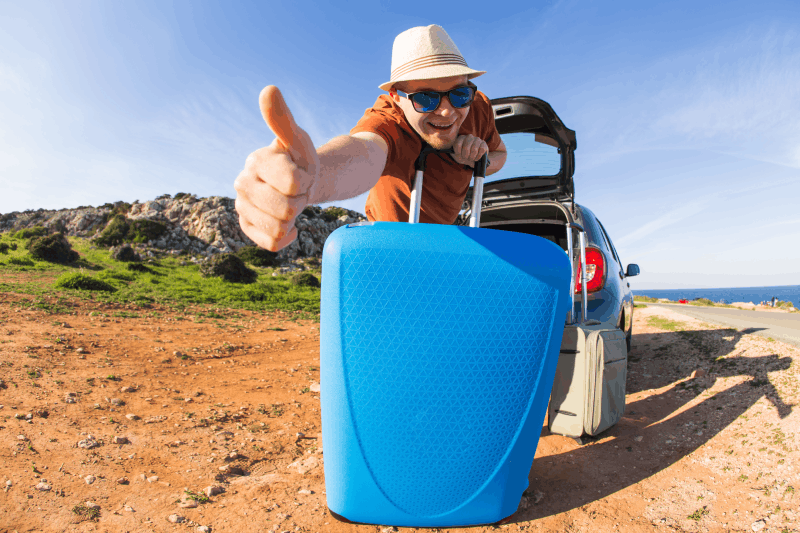
Do Solar-Powered Camping Showers Really Provide the Expected Warm Water?
Solar camping showers work on the principle of absorbing sunlight through black PVC materials to heat the water inside. However, the efficiency of this system depends on the intensity of sunlight directly exposed and the outside temperature. Under ideal conditions, the water temperature can rise to 40-45 degrees, which offers an experience quite close to the comfort of a home shower. However, it is quite difficult to reach this heat in cloudy weather or shaded areas. Additionally, at least 3-4 hours of waiting time is required for the water to heat up. While these systems are advantageous in terms of weight and cost, they do not guarantee hot water at all times. Nevertheless, using a completely free energy source makes them an ecological and economical option.
What Should Be Considered to Ensure Chemical Portable Toilets Do Not Harm Nature?
Chemical portable toilets use special liquids to break down waste and trap odors. These liquids contain biocidal products that were once common but are now known as "blue liquid." To avoid harming nature, it is essential to ensure that these chemicals are "eco-friendly" or "biodegradable." Additionally, these wastes must never be dumped on the ground or into water sources at camping sites; they should only be disposed of at designated dumping points (dump stations). A wrong application can lead to the contamination of groundwater and the disruption of the ecosystem. A conscious camper is responsible for maintaining their hygiene while not disturbing the balance of wildlife. Therefore, using a cassette toilet is a choice that requires high responsibility.
What Are the Functional Differences Between Pressurized Camping Showers and Gravity Models?
Camping showers operate fundamentally with two mechanisms: gravity and pressure. Gravity models are simply in the form of a bag and require hanging from a tree for the water to flow; this can lead to unpressurized and sometimes uncontrolled flow. Pressurized models push water upwards through a hose either with a foot pump or an electric motor. Pressurized systems are much more efficient for rinsing hair or cleaning muddy equipment because they eliminate the need to hang water high. However, these models are heavier, more expensive, and harder to maintain. If you are focused on comfort, you should prefer pressurized systems; if you are looking for lightness and simplicity, gravity models are the way to go.
In Choosing a Portable Toilet, Are Cassette Systems or Foldable Models More Advantageous?
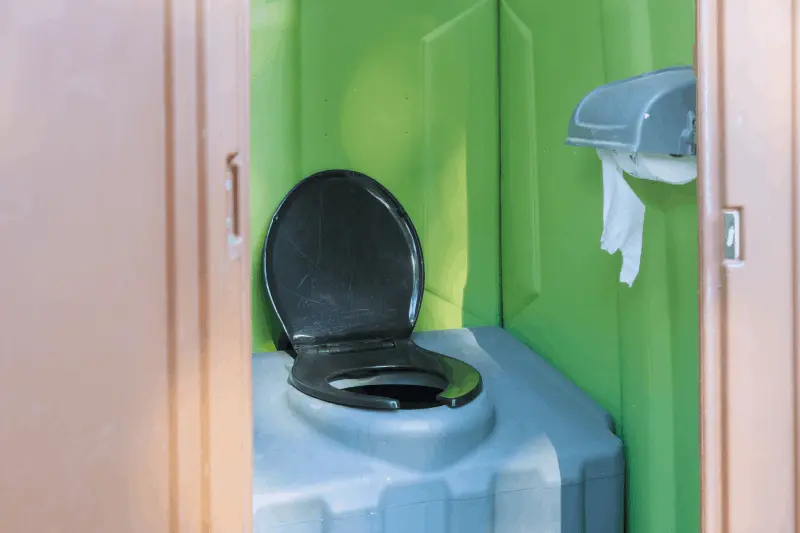
Cassette toilets are unmatched in terms of leak-proofing and odor control; they provide a mini toilet experience. However, they take up quite a bit of space and can be cumbersome to transport when full. On the other hand, foldable models are typically used with a bag and take up as little space as a laptop bag when closed. The biggest advantage of foldable models is their lightness and ease of setup, but waste management (tying up the bag and carrying it) can be off-putting for some. In long-term caravan-type camps, cassette models are standard, while foldable, bagged systems are lifesavers for backpackers or short weekend getaways. You need to decide whether your priority is leak-proofing or portability.
How Do Changing Tents Play a Role in Ensuring Privacy in the Camping Area?
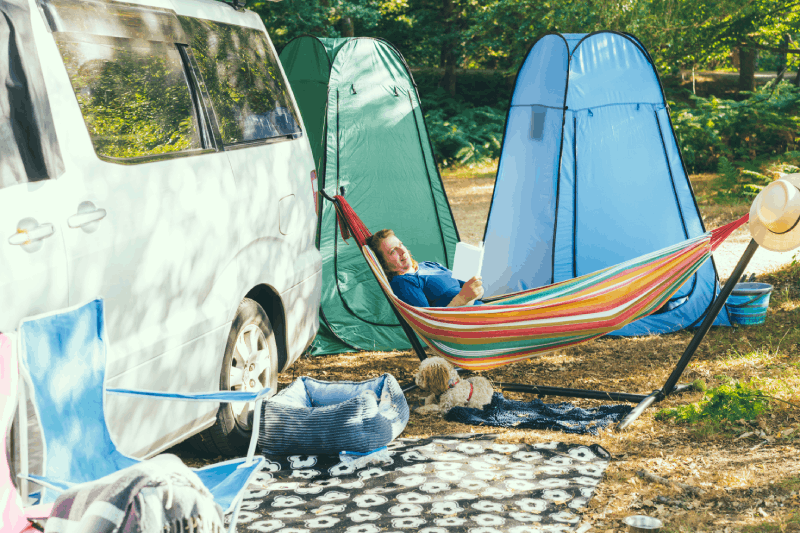
Another element as important as hygiene equipment in nature is the private area where you can use this equipment. Portable shower and toilet tents are usually in a "pop-up" structure, providing you with a personal cabin in seconds. Without these tents, taking a shower or addressing toilet needs in a crowded campsite can become impossible. Additionally, these cabins block the wind, preventing you from getting cold while showering and keeping your belongings dry. A good privacy tent should have ventilation openings in the ceiling and pockets for soap/shampoo inside. No matter how high-quality your hygiene equipment is, if you do not have a safe area where you can use them comfortably, your comfort will be lacking.
Is It Logical to Shower in Areas Where Water Sources Are Limited?
Water usage is a vital issue in drought-stricken areas or high-altitude camps. In such cases, using a traditional camping shower can mean wasting valuable drinking water. Instead, "waterless shower" methods, such as hygienic body cleansing wipes or rinse-free shampoos, should be preferred. A camping shower typically consumes 10-20 liters of water, which is the daily drinking water requirement for a person. If there is no nearby river or lake, it is much more critical to reserve the limited water you carry for toilet hygiene (like hand washing). Water conservation awareness is a fundamental rule for survival in nature and respect for the environment.
What Are the Professional Ways to Deal with Odor Issues in Portable Toilets?
The biggest reason campers hesitate to use portable toilets is the fear of odors. The first way to solve this problem is to use quality waste-breaking chemicals and odor eliminators. However, just chemicals are not enough; the toilet's leak-proof seals should be periodically maintained with silicone spray to prevent gas escape. Additionally, the waste tank should be emptied before it exceeds 75% capacity to minimize odor formation. If you are using a bagged system, you can add "gelling" powders to the bag to solidify the liquid and trap odor molecules. Properly ventilating the tent is also a simple but effective method to maintain air quality inside.
How Can Waste Water Be Prevented from Mixing with the Soil While Setting Up a Camping Shower?
The shampoos and soaps we use while showering, even if they are labeled "organic," can affect the soil's chemistry and the insect population in that area. To keep wastewater under control, a "shower mat" or a tray with a filter can be placed under the shower cabin. Some professional campers use special portable tanks to collect gray water. If such an option is not available, showers should be taken at least 60 meters away from the water source to prevent the water from mixing with the stream or river. The soil acts as a natural filter to minimize damage, but it is still a fundamental ethical rule to use biodegradable, phosphate-free cleaning products.
Which is a Bigger Lifesaver for Families with Children: Shower or Toilet?
Camping with children requires doubling the hygiene standards. Children tend to get dirty quickly in nature, so cleaning them with a camping shower at the end of the day is critical to keep the inside of the tent and sleeping bags clean. However, in "emergency" situations, a portable toilet provides much greater comfort for small children. Taking a child out into the dark in the middle of the night is neither safe nor conducive to sleep. For families with children, a portable toilet is a "safety" element, while a camping shower is a "cleanliness" element. Most families agree that the practicality provided by the toilet is a lifesaver in camping with children.
How Should the Maintenance and Cleaning of Hygiene Equipment Be Done in Long-Term Camps?
Leaving your equipment dirty at the end of the camp invites bacteria growth and persistent odors. The bag or tank of the camping shower should be completely emptied and dried in an open position after each use; otherwise, mold and algae can form inside. Portable toilets should be cleaned with disinfectants after each emptying, and moving parts should be lubricated. Especially the valve and pump parts are sensitive to sediment accumulation. When storing equipment during winter months, they should be kept at room temperature and away from moisture to prevent plastics from cracking. A well-maintained camp toilet or shower can serve you for over ten years, making them a profitable investment in the long run.
Why Are the "Leave No Trace" Principles Important When Using a Portable Toilet?
The "Leave No Trace" principles advocate that we should leave nature as we found it. Digging holes in the ground with traditional methods can lead to waste remaining for years in some ecosystems (like high altitudes or deserts). Using a portable toilet isolates the waste completely from nature, allowing for better control of this process. Packing out your waste and taking it to appropriate facilities in the city prevents wildlife from accessing these wastes and spreading disease. This is not just a matter of cleanliness; it is also a responsibility to leave an unspoiled nature for future generations. Every conscious camper should take the management of solid and liquid waste as seriously as the management of food waste.
What Are Alternative and Creative Methods for Heating Camping Shower Water?
When the sun is insufficient, campers resort to different methods to heat water. The most common method is to heat a pot of water on the stove and add it to a cold water-filled shower bag. However, at this point, it is difficult to control the water temperature, and you may melt the bag. Another method is to place a metal container filled with water next to the campfire to gradually heat the water. Some advanced camping shower systems provide instant hot water by integrating with portable gas stoves (LPG). If you are camping with a vehicle, systems that utilize the engine's heat are also a very professional solution.
Can DIY Camping Toilets Be Safe and Hygienic?
Many campers looking to reduce costs make their own toilets from a 20-liter plastic bucket and a toilet seat placed on top. These systems can be surprisingly effective when absorbent materials like sawdust or cat litter are added. However, they fall far behind commercial products in terms of leak-proofing and odor control. Especially during transport, the risk of tipping can lead to a significant hygiene disaster. If a DIY toilet is to be made, a double bag system should be used, and waste should be disposed of daily. In short, while "bucket toilets" may be an acceptable solution for short-term and low-budget camps, cassette models are always safer for those seeking comfort and professionalism.

Why is Maintaining Hygiene in Winter Camps a Much More Challenging Process?
Camping in freezing cold alters hygiene routines completely. Standard camping showers become impossible to use as the water freezes; hoses crack, and contact with water can create a risk of hypothermia. Cleaning in winter is often limited to "body wipes" and "heated moist towels." In portable toilets, eco-friendly additives with antifreeze properties may need to be used to prevent the liquid inside from freezing. Additionally, getting out of the tent to go to the toilet cabin in freezing cold requires a lot of willpower. Therefore, winter camping requires much more preparation and resilience regarding hygiene; here, the quality of the equipment plays a vital role.
How Does Your Vehicle's Storage Capacity Limit Your Choice Between a Camping Shower and a Portable Toilet?
The biggest mistake made when purchasing camping equipment is not considering the trunk volume of the vehicle. A cassette toilet and a 20-liter pressurized shower tank can take up nearly a third of the trunk space of a mid-sized passenger vehicle. If you have a small vehicle, foldable toilet models and soft bag showers are much more logical. Additionally, the weight of this equipment is also a factor affecting fuel consumption. For caravan or large SUV owners, there is no issue with space, so the most comfortable and larger models can be preferred. Before purchasing, you should always check the closed (packaged) dimensions of the equipment and optimize your camping load accordingly.
What Are the Lightweight Hygiene Solutions for Backpackers?
For backpackers, every gram counts. Therefore, carrying a 10-kilogram toilet or a heavy shower mechanism is out of the question. For this group, "hygiene" consists of cleaning with a small amount of water and using the "cat hole" method for toilet needs. A lightweight bidet attachment reduces toilet paper usage, saving weight and protecting the environment. Instead of a shower, microfiber towels and soaps that lather with very little water are used. Hygiene equipment in backpacking must be "multi-purpose" and "ultra-light." Here, the goal is not comfort but to maintain basic cleanliness with minimal weight.
Is It Enough for Soaps Used in Camping Hygiene to Be "Biodegradable"?
Many soaps sold with the "eco-friendly" label only break down under certain conditions (with the help of soil bacteria). Dumping these soaps directly into a river or stream can disrupt the surface tension of the water, preventing aquatic life from absorbing oxygen. Saying "biodegradable" does not mean "you can dump it anywhere." Even after using these products, wastewater must be disposed of properly. Soil is much more successful at filtering chemicals than water. Additionally, the scent of these soaps can attract wildlife (especially bears or wild boars) to your campsite. Therefore, it is safer for both you and nature to prefer unscented and simple ingredients.
What Should Be Known About Using and Disposing of Toilet Paper in the Wild?
Many people think that toilet paper can easily break down in nature, but in areas with low moisture, this process can take years. Additionally, toilet papers can be blown away by the wind, causing visual pollution and can be dug up by animals. The best method is to collect used papers in sealed bags (Ziploc) and throw them in the trash at the end of the camp. If you are using a portable toilet, you should prefer special camping toilet papers that do not clog the mechanism. In some areas, burying toilet paper is completely prohibited. The "pack it in, pack it out" rule applies strictly to toilet papers as well.
What Are the Hygienic Risks Encountered When Emptying the Waste Tank of Portable Toilets?
The waste disposal process is the least favorite but most critical phase of camping. To reduce the risk of contact with pathogens during this process, disposable gloves must always be used. To prevent splashes during disposal, the toilet's ventilation button (if available) should be pressed to balance the air pressure. After the process is complete, hands and the outer surface of the equipment should be disinfected. If the disposal point is very crowded or not hygienic, wearing a mask can also protect you from unpleasant odors and potential aerosols. Although this process may seem like a chore, when done correctly, it only takes a few minutes and can be completed safely.
What Are the Types of Pumps for Camping Showers: Foot Pump or Electric Pump?
Showers that operate with a foot pump offer complete independence as they do not require any energy source. The pressure created by muscle power is usually sufficient, and the risk of malfunction is low. Electric (battery or 12V) pumps provide water flow as soon as you press the button, giving a real home shower feeling. However, electric pumps have the risk of running out of charge or leaking, which can render them completely inoperable. If you are camping in remote and unpowered areas, mechanical (foot) systems are more reliable. In camps where comfort is a priority, electric models provide great ease of use.
What Is the Importance of Choosing "Non-Shadowing" Fabrics When Selecting a Privacy Tent?
Many cheap camping tents and shower cabins cast a clear silhouette outside when the light is on at night. This situation can lead to serious privacy issues, especially in crowded camping areas. Quality privacy tents are made from fabrics that are lined or thickly woven, preventing light from leaking inside. When purchasing, you should check the thickness of the fabric (Denier value) and whether it is "opaque." Additionally, the tent should have strong staking systems and weight bags to prevent it from flying away in the wind. A fabric that does not cast a silhouette is the most important technical feature sought in a shower cabin for your safety and peace of mind.
How Should the Location of Toilet and Shower Units Be Determined in the Camping Area?
Where you set up these units is critical for both your comfort and the overall hygiene of the camp. The toilet and shower unit should be located at least 15-20 meters away from the sleeping and eating areas, in a spot sheltered from the wind. This way, you prevent potential odors from reaching your tent. Additionally, these units must be at least 60 meters away from water sources (streams, lakes) for environmental reasons. The ground should be flat and well-drained to prevent shower water from pooling and turning into mud. Clearing obstacles on the path for easy nighttime access and marking the way with a small flashlight is also necessary for a safe camping area layout.
How Is the "Navy Shower" Technique Applied to Save Water While Showering?
The most effective way to clean with limited water is the "navy shower" technique. In this method, the body is briefly wet first, and then the water is immediately turned off. Then, while the water is off, the entire body and hair are soaped and scrubbed. In the final step, the water is turned back on quickly for rinsing. With this method, it is possible to clean completely with only 4-5 liters of water. Camping showers usually have a valve that cuts off the water flow instantly; effectively using this valve prevents water from running wastefully. Every drop of water in nature is precious, and this technique allows you to maintain hygiene for much longer with the water you have.
How Do Gelling Powders Used in Portable Toilets Work?
Super absorbent polymer powders (gelling agents) used especially in bagged toilet systems turn liquid waste into a solid gel within seconds. This not only prevents leaks but also traps odor molecules within this gel structure. These powders can absorb hundreds of times their weight in liquid. This allows campers to transport waste bags much more safely and hygienically. Some gelling agents also kill odor-causing bacteria thanks to the enzymes in their content. If you do not have a cassette toilet, these powders should be an essential part of your camping hygiene kit, as transporting liquid waste back from nature is quite risky and difficult.
What Is the Psychological Effect of Hygiene Equipment: How Does It Boost Campers' Morale?
Research on people who stay in nature for extended periods shows that regular hygiene maintains mental health. Feeling dirty decreases sleep quality and makes a person more irritable. A warm shower or a properly addressed toilet need at the end of the day gives a person the feeling of "having control." This is especially like a form of "therapy" for those camping in challenging weather conditions. Getting into a sleeping bag with a clean body ensures a fresher start to the next day. Therefore, camping showers and toilets are not just physical tools; they are also psychological support units that ensure the sustainability of your camping adventure.
In Which Situations Is It an Unnecessary Investment to Get a Camping Shower and Toilet?
Not every camper needs this equipment. If you are only staying in equipped camping areas, there are already shared facilities (shower and toilet buildings) available. In this case, carrying and cleaning your own equipment would only be an extra burden. Additionally, in very short, one-night "quick" camps, such detailed setup may not be necessary. However, in unpowered coves, deep forests, or uninhabited areas (overland camping), it is impossible to maintain a comfortable life without this equipment. You should analyze your camping style and shape your equipment investment according to "where you will camp."
How Much Harm Does Using Wet Wipes in Camping Hygiene Cause to the Environment?
Wet wipes may seem like the biggest helper for campers, but most contain plastic fibers (polyester) and take years to break down in nature. Even those labeled "flushable" often clog septic systems or do not break down completely in nature. If you are using wet wipes, you should never bury them in the ground and must throw them in your trash bag. Alternatively, you can choose 100% cotton or bamboo fiber wipes that are truly biodegradable. The most eco-friendly solution is to clean with a piece of cloth and a small amount of water/eco-friendly soap. Remember, every plastic-containing wipe you throw into nature can end up in an animal's stomach or contribute to microplastic pollution.
What Mistakes Should Be Avoided to Extend the Lifespan of Portable Toilets?
The most common mistake is pouring household cleaning water or harsh cleaners into the toilet. These chemicals dry out and crack the toilet's rubber seals, leading to leaks. Another mistake is leaving the toilet filled with water inside the vehicle; frozen water can burst the plastic parts. Additionally, shaking cassette toilets too quickly or roughly can damage the internal mechanism. It is essential to handle the mechanism gently, opening and closing it with care. Periodically lubricating the leak-proof seals with olive oil or special silicone greases ensures that the device operates quietly and leak-proof like on the first day.
Is the Future of Camping Hygiene Possible with Smart and Self-Cleaning Systems?
As technology advances, camping equipment is also becoming smarter. Today, smart camping water bottles that disinfect water inside with UV-C light are available, and similar technologies are starting to be integrated into camping showers. Some prototype camping toilets are trying to miniaturize systems that convert waste into ash (incinerating toilets). Shower tents that generate their own electricity with solar panels and display water temperature on a digital screen are already on sale. In the future, we may see closed-loop camping shower systems that filter and make water reusable more commonly. These innovations will make hygiene in nature less cumbersome and more eco-friendly.
What Is the Best Combination for Hygiene in Nature?
In conclusion, there is no absolute winner to the question of "Camping shower or toilet?"; both are complementary elements. However, if you need to make a choice, the portable toilet is a step ahead due to your health and responsibility to protect nature; because managing bodily waste is ecologically critical. The shower is an element that elevates your comfort to the peak. An ideal "hygiene kit" consists of a foldable or cassette toilet, a solar-powered or pressurized shower, and a quality privacy tent. With these three, you can feel safe and clean even in the wildest corners of nature, as if you were at home. The right equipment is the unsung hero that transforms your camping adventure from a chore into a pleasure.
In the heart of nature, while escaping the comforts of the city can be liberating, things can get a bit complicated when it comes to basic human needs. Especially equipment like camping showers and portable toilets are not just "gear" but critical elements that determine whether the camping experience continues. As a content strategist, I have analyzed the comparison of these two products not only with technical data but also by considering the most intimate and challenging moments a camper may face in the field.
Does the Bottom Tank of the Portable Toilet Leak When Full?
Portable camping toilet is the biggest nightmare for anyone buying one, as it could lead to a leak accident in the trunk of the vehicle or inside the tent. In quality brands' cassette systems, the lower and upper tanks are tightly connected with a locking mechanism and leak-proof seals. However, if these seals dry out over time or are improperly installed, they can invite the most unwanted leaks. If you choose a cheap and low-quality model, the seals may stretch and create micro leaks due to pressure differences or bumps on uneven roads. Therefore, the guarantee of leak-proofing and the reliability of the valve system are the most critical safety elements to pay attention to when purchasing this product.
Does the Solar Shower Bag Really Heat Up in the Evening Cold?
Many campers believe that black bags known as "solar showers" will produce hot water just by being hung in the sun. However, the practical reality is this: If the air temperature is below 20 degrees and the sun is not coming in at a direct angle, the water will only remain at a "lukewarm" level. If you plan to shower after sunset, you should know that the water inside that bag will cool down quickly. In windy weather, heat loss increases even more. Therefore, if you are looking for real comfort, it is more practical to heat some of the water on the stove and add it to the bag instead of relying solely on the sun. Otherwise, you risk getting caught in the middle of the camp with cold water.
Can I Use Regular Detergent If the Blue Waste-Breaking Liquid Runs Out?
The heart of portable toilets is the famous "blue liquid" or "pink liquid" that breaks down waste and traps odors. Many users wonder if they can use household cleaning water or dish detergent when these special chemicals run out. However, regular detergents do not have the ability to biologically break down waste and only temporarily mask the odor. Worse, household chemicals can damage the toilet's plastic parts and sensitive rubber seals, shortening the system's lifespan. If you plan to stay in nature for an extended period and run out of your chemicals, you can alternatively try natural solutions like vinegar and baking soda, but these will never provide the performance of professional chemicals and will leave you struggling with odor issues.
Is the Water Pressure of Pump Showers Enough to Rinse Long Hair?
For campers with long hair, "water pressure" is of vital importance. Gravity-fed (hanging from a tree) bag showers usually do not provide a strong enough flow to rinse shampoo from the roots of the hair. This situation prolongs shower time and quickly depletes your limited water supply. Campers should prefer foot-pumped or electric pump shower systems for more stable pressure. However, expecting the comfort of a home shower can lead to disappointment. If your hair is very thick, you should prefer shampoos that do not lather well to save water or invest in a pressurized tank system. Otherwise, you may have to spend the entire day with soap residues in your hair.
Is There a Risk of Getting Waste on My Hands When Emptying the Cassette Toilet?
This question is at the center of the "disgust" factor that most people avoid when using portable toilets. Modern cassette toilets are designed to allow emptying without splashing due to their "rotating emptying mechanism" and air release buttons. However, if the lid is accidentally opened incorrectly during emptying or if the air release is not done properly, a phenomenon known as "vacuum explosion" can occur, leading to unwanted contact. To minimize this risk, always use long-handled cleaning gloves and perform the emptying process slowly, mastering the system's mechanism. If you think you cannot manage this process, single-use bag systems may be a safer haven for you than cassette toilets.
Is an Extra Tent Necessary to Ensure Privacy While Using a Camping Shower?
Even if you are in the middle of nature, the thought that someone might pass by at any moment can overshadow your showering pleasure. Many campers think they can just hang a shower bag on a tree and wash, but this actually creates a serious security and comfort gap. Even if you are not on a freezing peak, it is nearly impossible to shower without "changing/changing room" type tents that pop up in 2 seconds. These tents not only hide you from view but also block the wind, preventing you from getting cold and providing a dry area to hang your soap and towels. Skipping this extra expense can lead to comical moments where you find yourself wrapped in a towel waiting for someone in the middle of the forest.
Do Chemical Waste-Breaking Liquids Cause Allergic Reactions on the Skin?
Toilet chemicals have very strong formulations and can cause serious irritations, rashes, and even chemical burns upon direct skin contact. This situation poses a health risk, especially for those with sensitive skin or allergic bodies. The sharp smell that spreads into the air while filling the chemical tank can even trigger asthma patients. Therefore, when choosing chemicals, it is safer to prefer lighter formulations that are "fragrance-free" or "eco-friendly". Additionally, it is vital to store these substances in leak-proof containers that children and pets cannot reach.
Is It Safe to Go Outside for a Toilet Need in the Middle of the Night?
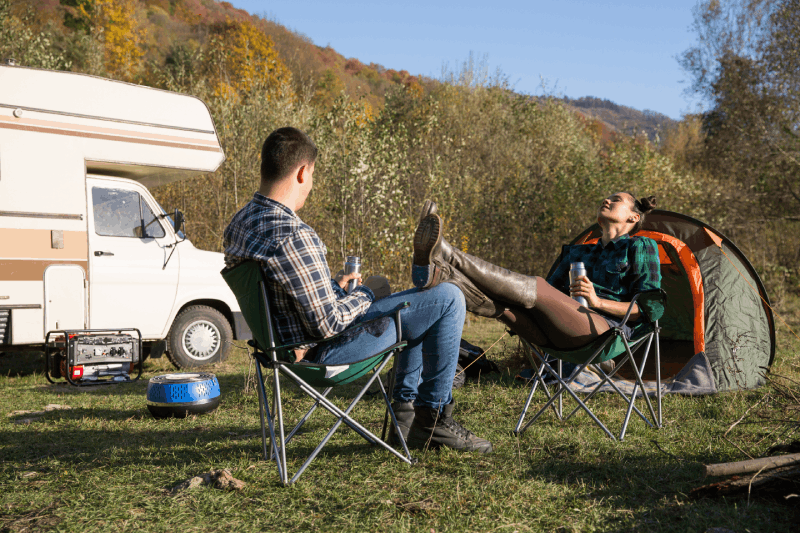
One of the most frequently asked questions while camping, which actually carries security concerns, is this. Especially in areas with a wild animal population or pitch-black surroundings, going far from the tent can be a risk factor. Here, the biggest advantage of a portable toilet comes into play; the ability to place the toilet in a corner (or entrance) of the tent. This is not only about comfort but also personal safety. Instead of trudging through the dark in a sleepy state, addressing this need in the safe area inside the tent provides significant psychological relief, especially for families with children and solo campers. However, at this point, you will need to question how well the odor isolation works.
Is 20 Liters of Shower Water Enough for a Few Minutes in a Place Without a Water Source?
If you are going to a remote location with only a 20-liter water bag, every drop of this water is precious. A standard camping shower, if kept fully open, can use up about 20 liters of water in approximately 4-6 minutes. This time is quite limited for soaping, scrubbing, and rinsing. If the practice of using water sparingly (wet, turn off the water, soap, turn on the water, rinse) is not developed, you may face that terrifying moment when you realize the water has run out. Experienced campers can extend this time to 10 minutes by only turning on the water at critical moments. If your water transport logistics are limited, remember that showering is not a luxury but a strategic operation.
What Happens If the Portable Toilet Tips Over While Full in the Car?
A logistical disaster scenario: Imagine driving on a winding road and the portable toilet in the trunk tips over. If the toilet's leak-proof lids and locks are of poor quality, this will not only be a smell issue but also a hygiene disaster that will require a complete overhaul of the vehicle's interior. To minimize this risk, the toilet must be secured inside the vehicle with tension straps (spanset). Additionally, it is preferable that the lower tank is completely empty or contains only clean chemicals while traveling. Many users neglect to secure the toilet and experience firsthand how that heavy load can turn into a projectile inside the vehicle during a sudden stop.
Is It Difficult to Transport This Equipment with a Normal Vehicle on a Caravan Trip?
Volume and weight are the biggest disadvantages of portable hygiene equipment. A full 20-liter toilet and a 20-liter shower bag mean about 40-50 kg of extra weight and significant trunk space loss in your vehicle. If you have a small hatchback, squeezing this equipment in is like playing a game of Tetris. Additionally, wet and dirty waste can lead to moisture and rust in the trunk. Therefore, using waterproof storage bags or plastic transport boxes during transport is a vital practical necessity to maintain the hygiene of your vehicle. If your space is very limited, you should opt for more compact solutions like foldable toilets and portable USB rechargeable showers.
Is a Special Brush Required to Clean a Portable Toilet?
If you are considering bringing your household toilet brush to camp, think again about how much of a hygiene issue that would create. Transporting a wet and dirty brush in the vehicle is always risky. However, it is also important to keep the inner tank of the portable toilet clean. The solution is usually smaller, leak-proof containers designed for cassette toilets or systems that include disposable brushes. Many users overlook this detail and end up facing stains inside the toilet at the end of the camp. Always cleaning with biodegradable wet wipes or paper towels and disposing of them in a separate trash bag can save you from the hassle of transporting a brush.
Which Is More Reliable: Foot-Pumped Shower or USB Rechargeable Pump?
Both systems have their own logistical challenges. Foot-pumped showers do not require electricity, which is an advantage; however, they require physical effort, and the plastic parts of the pump can crack over time. USB rechargeable showers are hassle-free, providing water flow with a single button press; however, if the charge runs out in the middle of the camp or the motor fails, you have no chance of repairing it. Battery life is the biggest soft spot for these systems. If you are going to buy a rechargeable model, you should always have a power bank with you and ensure that the motor does not "run dry" (does not turn empty). Otherwise, you will only hear the sound of the broken motor in the silence of nature.
Can I Dispose of the Waste Tank in Normal Trash in Nature?
Here lies the biggest legal and moral dilemma: Where will you dispose of the cassette of the portable toilet? Many amateur campers think they can just put the waste in a bag and throw it in a normal trash can or bury it in the ground. However, the blue chemicals you put into the toilet can seriously harm the soil and groundwater. You should never dump waste randomly. The correct method is to dispose of waste at "waste stations" in camping areas or at the toilets of the nearest gas stations. If you do not plan this logistics in advance, you may panic at the end of the camp, wondering where to go with 20 kilos of waste and may engage in unethical behaviors.
Does Shower Water Turn the Ground into Mud?
When taking a camping shower, we often focus on the upper part, but the situation under our feet is the biggest comfort disruptor. As soon as the water touches the ground, it turns to mud, and while you try to clean yourself, your feet sink into the mud. To keep your feet clean when you come out of the shower, you should place a "shower mat" or an empty plastic box underneath. If you do not take this precaution, you will have to enter the tent with muddy feet after the shower, contaminating the entire campsite. Additionally, to prevent soapy water from pooling in the soil, you should analyze the ground well and choose a sloped area where the water can flow away.
Does the Odor from the Portable Toilet Spread Inside the Tent?
This is the fine line between camping comfort and hygiene. Having a portable toilet in a closed and small area like a tent creates a psychological odor barrier, even if it is the best brand. Chemicals trap odors about 90%, but every time you open the lid, a certain amount of gas escape is inevitable. Therefore, it is wiser to place the toilet in the "veranda" or "entryway" area of the tent rather than in the sleeping area. Additionally, you should ensure that the ventilation windows of the tent are open. If you have a partner who is very sensitive to odors, keeping the toilet in a small external cabin outside will be the best for the health of your relationship and the camp.
Is Limescale at the Shower Head a Problem in Nature?
This may sound funny, but camping showers are often filled with water from lakes, rivers, or wells. This water can contain high levels of sediment and minerals. Just a few uses can clog the tiny holes in the shower head, causing your water pressure to drop suddenly. Especially electric pump showers can burn out the motor by sucking in sand and sediment from the water. Therefore, it is not a luxury but a necessity to filter the water with a cloth or to choose self-filtering models when filling the bag or tank. Learning to deal with "hard water" in nature will prevent your shower experience from being half-hearted.
Does Toilet Paper Clog the Waste Tank?
Standard household toilet papers dissolve in water. However, these papers can accumulate in the limited emptying pipes of portable toilets, leading to clogs. Having to clear that clog during disposal will be one of the most unpleasant experiences of your life. Therefore, you should either use special "quick-dissolving" papers designed for camping toilets or collect used papers in a sealed bag and never throw them into the tank. Many experienced campers prefer the second method (using a separate trash bag) to keep the tank clean and facilitate the disposal process. While this may sound a bit tedious, it completely eliminates the risk of clogging the system.
Will the Shower System Break Down If Water Freezes in Winter Camping?
If you are camping in temperatures below zero, the water in your shower bag or pump can freeze. The expansion of water while freezing can cause plastic pipes to crack, connection points to burst, or the motor of the pump to seize. Even if you do not plan to shower in winter, you should ensure that all the water inside is completely drained when leaving the equipment in the vehicle or tent. Trying to open a frozen hose is a common user mistake. If you want to maintain hygiene in winter, using alcohol-based hygienic body wipes and dry shampoos is much safer and logistically easier than water-based systems.
Camping Shower or Portable Toilet?
In conclusion, the answer to the question of "Which is more useful?" lies in your comfort level and camping duration. If you are only going for a day trip, taking a shower is a luxury, and you can manage with body wipes; therefore, the toilet is a more priority need. However, in a week-long camp, not being able to shower will create discomfort, odor, and a desire to end the camp after a while.
If your space is limited, I recommend prioritizing the portable toilet; because the need for a toilet in nature is a necessity that recurs several times a day, and safety (fear of going out at night) plays a critical role at this point. The shower, on the other hand, is a more flexible need that can even be solved with a bucket of warm water and a bowl. However, for a true "glamping" experience and psychological relief, a combination of both will make you feel like a guest enjoying nature rather than a survivor trying to survive in the wild. When making your choice, consider these fears of "disgust," "odor," "leakage," and "logistics"; because the best equipment is the one that makes you feel the least uneasy while using it.