How Much Are Caravan Rental Fees?
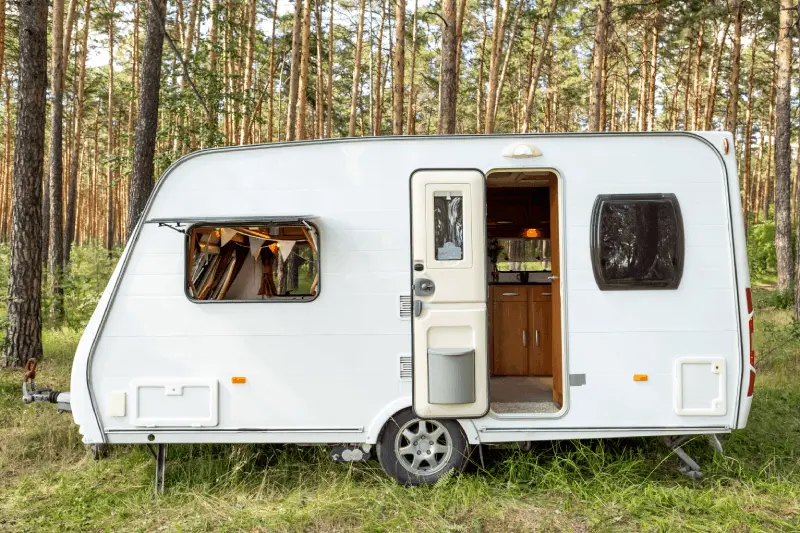
In the summer season of 2026, the biggest initial cost item for adventure enthusiasts without their own caravan is the rental fees for caravans. The prices for renting motorhomes and towable caravans vary significantly depending on the model, age, equipment, and rental duration of the vehicle. In the summer months of 2026, the daily rental fee for a standard motorhome ranges from approximately 3,500 TL to 7,500 TL, while for luxury and fully equipped new generation vehicles, this figure can exceed 10,000 TL per day. For towable caravans, daily rental fees range between 2,000 TL and 4,500 TL. In long-term rentals (for example, 1 month or more), companies generally offer discounts ranging from 15% to 30%, making the total cost more reasonable. When planning the rental budget, deposit fees, cleaning fees, and insurance deductibles should also be taken into account.
Which Is More Economical: Towable Caravan or Motorhome?
One of the most critical decisions to be made when stepping into caravan life is the economic balance between towable caravans and motorhomes. Towable caravans are exempt from expenses such as annual MTV (Motor Vehicle Tax), mandatory traffic insurance, and heavy periodic motor maintenance since they do not have an engine. This makes the towable caravan an extremely economical option in the long run. However, the need for a powerful towing vehicle and the significant increase in fuel consumption (approximately 30% to 50%) during towing is a major disadvantage. Motorhomes, on the other hand, incur high MTV, insurance, and maintenance costs because they combine both living space and engine mechanism in a single vehicle. If your travel frequency is low and you plan to stay for a long time in fixed campsites, a towable caravan may be more economical; if you will be constantly on the move and following a dynamic route, a motorhome may be less costly in the long run.
How Is Fuel Expense Calculated for the Summer Season of 2026?
Fluctuations in fuel prices are the most dynamic factor directly affecting the budget of those traveling on caravan routes in the summer of 2026. An average motorhome or a towable caravan being towed consumes between 9 to 13 liters of diesel per 100 kilometers. Considering the current fuel prices in 2026, the fuel cost per kilometer varies between approximately 4.5 TL and 6.5 TL. For example, a caravan enthusiast planning a 3,000-kilometer summer route covering the Aegean and Mediterranean coasts starting from Istanbul needs to allocate a budget of approximately 13,500 TL to 19,500 TL just for fuel. To minimize the fuel budget, avoiding sudden accelerations, not overloading the vehicle in a way that disrupts its aerodynamic structure, and optimizing routes to avoid unnecessary kilometers are financially significant.
What Are the Daily Fees for Caravan Campsites?
Caravan campsites across Turkey have a wide price range depending on the facilities they offer and their geographical locations. In the summer season of 2026, the daily fees for quality campsites in popular holiday regions such as Bodrum, Fethiye, Kaş, and Çeşme range from 800 TL to 1,800 TL per caravan. In less touristy areas like the Black Sea or Central Anatolia, these fees can drop to daily levels of 400 TL to 700 TL. Services offered by campsites, such as electricity, water, gray water disposal stations, shared kitchens, hot showers, and restrooms, are generally included in these fees. However, some businesses may charge extra fees for electricity usage by installing a metering system that charges per kilowatt-hour consumed. A caravan enthusiast planning to spend a full three-month summer season in campsites needs to allocate an average budget of 45,000 TL to 120,000 TL just for accommodation.
Are There Hidden Costs in Free Natural Campsites?
Although free natural camps (wild camping) may seem budget-friendly at first glance, they contain some hidden costs. Staying in nature without being connected to any facility forces the caravan to maximize its self-sufficiency capacity. This situation incurs costs such as generator fuel, portable clean water transport devices, extra gas cylinder consumption, and additional kilometers for waste disposal. Additionally, due to security and logistical concerns, staying in areas far from city centers or markets can lead to significant fuel waste as you may need to make constant trips for even the smallest food or medical needs. When considering the extra fuel, generator gasoline, and potential security equipment investments spent while not paying for campsite fees, it can sometimes result in a spending table close to the comfort offered by an organized campsite.
How Much Are Caravan Insurance and Comprehensive Insurance Fees?
The mandatory traffic insurance that caravan owners are legally required to obtain and optional comprehensive insurance policies are among the most significant fixed expenses for vehicle owners in 2026. The insurance premiums for motorhomes are quite high due to their classification in a higher risk group compared to standard passenger vehicles. As of 2026, the annual mandatory traffic insurance fee for a standard motorhome varies between 8,000 TL and 15,000 TL, depending on the no-claims bonus, while comprehensive caravan insurance policies reach between 25,000 TL and 50,000 TL. For towable caravans, vehicles under 750 kg do not require separate traffic insurance as they are not subject to registration; they are added to the insurance of the towing vehicle via an endorsement. However, towable caravans over 750 kg have their own registrations, which require annual inspections and insurance processes. In the event of an accident, theft, or fire, thousands of lira can be at stake. Although getting insurance to protect your investment may seem costly, it is essential for your financial security.
How to Cut Costs on Kitchen and Food Expenses in a Caravan?
During your time living in a caravan, the easiest expense to control, but which can quickly escalate if not planned, is kitchen expenses. Considering the high price policies of restaurants and cafes in holiday areas, preparing meals in the caravan's own kitchen can significantly reduce the budget. To cut food costs in the caravan, it is a great strategy to follow local producer markets, buy in bulk from cheap branches of chain supermarkets outside the region, and stock up on non-perishable dry foods from affordable wholesalers before setting off on your trip. Due to the limited capacity of caravan refrigerators, buying fresh foods in portions and preventing waste is financially beneficial. Additionally, it should be noted that with the cost of a single dinner eaten out, you can prepare quality meals in the caravan for three days; therefore, practical and low-energy-consuming recipes should be preferred in the kitchen.
How Many Months Does a Solar Panel Investment Pay for Itself?
Among the systems that reduce dependence on external sources and provide the greatest savings in the long run in a caravan, solar energy systems come first. The installation of a quality solar system requires an initial investment cost of approximately 40,000 TL to 90,000 TL in 2026, including panels, smart inverters, MPPT charge controllers, and high-capacity lithium batteries. Although this investment may seem high at first, it completely frees you from paying an average daily electricity usage fee of 150-300 TL at camping sites. If you choose to stay in nature for free instead of paying for electricity at camping sites throughout the summer (approximately 90 days), the solar panel system can pay for itself completely within just one or two summer seasons. Moreover, providing uninterrupted energy comfort without being affected by power outages is the biggest financial external gain of this investment.
What Are the Costs of Portable Internet and Communication?
For "digital nomads" working remotely or caravan enthusiasts active on social media, uninterrupted and fast internet access is a vital need. To meet the internet needs in the caravan, portable wifi (vınn) devices offered by mobile operators or personal access points of phones are used. In the summer of 2026, the monthly subscription fees for mobile internet packages with high quotas (for example, between 100 GB - 200 GB) range from 600 TL to 1,200 TL. For those who want to receive uninterrupted service in every geography, satellite internet systems like Starlink, which are preferred, have an initial equipment cost of approximately 15,000 TL to 25,000 TL, while monthly caravan subscription packages bring high costs ranging from 2,000 TL to 3,500 TL. To keep your communication budget low, it is a smart strategy to take advantage of the free common wifi networks offered by camping sites and to use browser settings that save data.
What Are the Maintenance and Unexpected Repair Costs for a Caravan?
Mechanical failures that may occur during travel, tire blowouts, or breakdowns of living area equipment are the most unpleasant surprises that can shake caravan budgets. Especially in motorhomes, routine expenses for engine maintenance, transmission checks, brake systems, and front axle maintenance range from 15,000 TL to 30,000 TL annually on average. Additionally, costs for spare parts and skilled labor are added directly to your budget in cases such as the water pump (hydrophore) in the caravan breaking down, the refrigerator leaking gas, or the awning mechanism breaking. In the economic conditions of 2026, it is extremely critical for caravaners to keep at least 15,000 TL to 25,000 TL in an "emergency intervention fund" for such unexpected repairs to prevent the trip from being cut short.
What Are the Costs of Disposing of Gray and Black Water?
One of the least discussed but most important logistical requirements of living in a caravan is wastewater management. Gray water from the kitchen and shower and black water from the toilet must be disposed of at legal discharge stations without harming the environment. Although there are many public free disposal points owned by municipalities, this service is generally offered for a fee at private camping sites or gas stations along popular tourism routes. In 2026, the fee requested for a caravan from outside to empty only its cassette-type toilet and refill clean water ranges from 150 TL to 350 TL. To avoid this expense and fulfill legal obligations, it is advisable to map out the free caravan park discharge points offered by municipalities while planning your route and to move accordingly to protect your budget.
What Are the Heating and Gas Cylinder Costs in a Caravan?
Although the summer season may be hot, there may be a need for heating in high-altitude plateaus or cool summer nights. Additionally, the use of a gas cylinder or diesel heater (Webasto, etc.) is mandatory in the caravan for cooking and providing hot water. In the summer months of 2026, the price of a standard 12 kg home-type caravan cylinder is approximately between 750 TL and 1,050 TL. A single cylinder can last about 1.5 to 2 months with just cooking and oven use, but when the need for hot water and heating comes into play, this duration can drop to three weeks. Caravans using diesel heaters consume an average of 0.1 to 0.25 liters of diesel per hour. The daily additional fuel cost of running the heater in slightly cool night weather ranges from approximately 40 TL to 100 TL. Choosing a properly insulated caravan will help reduce these energy costs. is the most fundamental way to minimize.
Do Smart Caravan Equipment Bring Extra Costs?
With the development of technology, smart control panels, remote tracking systems, water level sensors, and smart locks have started to be widely used in the new generation of caravans. The integration of such smart systems into the caravan later creates an additional cost item ranging from 20,000 TL to 60,000 TL on average in 2026. However, this expense should not be seen merely as a luxury consumption; indeed, thanks to smart energy management, the excessive discharge of batteries can be prevented, preserving thousands of lira worth of battery life. Similarly, smart sensors that instantly report water leaks prevent potential major water damage inside the caravan and the associated high repair costs. Therefore, although smart equipment requires an extra budget for the initial purchase, they turn into self-amortizing smart investments by reducing the operating and maintenance costs of the caravan in the long run.
What Are the Price Differences for Camping in Aegean and Mediterranean Routes?
The Aegean and Mediterranean coasts, which are among Turkey's most popular caravan routes, contain distinct price and living cost differences within themselves. In general comparison, the Mediterranean region (especially around Antalya, Olympos, and Kaş) is rich in terms of campsite variety and offers relatively more balanced prices due to competition. Campsites in the Mediterranean range from an average of 700 TL to 1,200 TL per day, while the Aegean region (especially elite destinations like Çeşme, Alaçatı, Bodrum, and Datça) has much higher pricing policies. Daily accommodation fees in popular establishments in the Aegean can easily reach levels of 1,500 TL to 2,500 TL. Additionally, the costs of dining and social activities outside in the Aegean coasts are approximately 30% to 50% more expensive compared to the Mediterranean. Therefore, for those who want to stay for a long time on a limited budget, it would be a rational choice to turn their routes towards the pristine bays of the Mediterranean or the northern parts of the Aegean, such as the Edremit Gulf.
How Do Bridge and Highway Passage Fees Change for Caravans?
When traveling with a caravan, highway and bridge passage fees are significantly higher than standard passenger cars due to vehicle classifications determined by the number of axles and height. Motorhomes generally fall under the 2nd class vehicle category in the HGS (Fast Passage System) tariff, while towed caravans are charged from the 3rd class or higher due to the increase in the total number of axles. As of 2026, the one-way passage cost for a caravan using special toll routes such as the Osmangazi Bridge, Çanakkale Bridge, and North Marmara Highway can vary between 800 TL and 1,800 TL. Just the round-trip highway and bridge costs can amount to thousands of lira, so for travelers who are not in a hurry, it is quite valuable from a budget management perspective to prefer state highways (old dual roads) to travel for free and discover the natural beauties along the way.
What Are the Prices for Portable Chemical Toilet Chemicals?
To maintain hygiene and comfort in the caravan, the use of portable or cassette chemical toilets is indispensable. The proper functioning of these toilets requires special blue or green chemicals that trap odors and break down waste, along with pink-colored flush waters. In the summer season of 2026, the price of 2-liter concentrated toilet chemicals from well-known brands (for example, Thetford) ranges from 600 TL to 1,100 TL. With standard use for two people, these chemicals typically last about 1 to 1.5 months. Additionally, the prices of specially designed fast-dissolving toilet papers, which are easier to dissolve, are more expensive than regular papers, averaging around 150 TL for a pack of 4. The budget that needs to be allocated for toilet hygiene and chemicals throughout the summer should be calculated to be between 2,500 TL and 4,500 TL.
How Are Laundry and Cleaning Expenses Managed in a Caravan?
In long-term caravan living, the need for cleaning and especially laundry is an important operational process. Since many caravans do not have washing machines, paid washing machines available at campsites are utilized. In 2026, the average cost for washing and drying with a single machine at campsites ranges from 150 TL to 300 TL. For a family that washes laundry twice a week, this can mean an additional monthly cost of up to 2,400 TL. To manage this expense, using portable mini manual washing rollers, hand-washing emergency clothes, or preferring self-service laundromats in city centers is much more economical. For general cleaning inside the caravan, concentrated, biodegradable ecological detergents that take up little space are preferred, which helps to protect the budget and minimize harm to nature.
What Are the Costs for Caravan Inspection and Registration?
For caravans to legally operate on the roads, they must be inspected periodically and their registration processes must be complete. Motorhomes are required to undergo TÜVTRÜK inspection every year according to their commercial or private vehicle status. In 2026, the caravan inspection fee ranges from approximately 3,500 TL to 5,000 TL. The service costs incurred for exhaust emission measurements and addressing any deficiencies before the inspection are not included in this amount. Towed caravans over 750 kg are also subject to inspection every year and require similar expenses. When considering registration costs arising from changes in address or title, as well as notary fees, the annual fixed cost for keeping the caravan legally roadworthy occupies a budget range of approximately 7,000 TL to 12,000 TL.
What is the Depreciation Share of Long-Term Caravan Use?
Caravans, like passenger cars, are assets that lose value over time as they are used. Spending a long summer season (3-4 months) in a caravan leads to increased mileage, wear and tear on furniture, tire wear, and fatigue in water systems. This situation is referred to as depreciation in financial literature. Professional caravan users account for a certain amount of depreciation for every 1,000 kilometers traveled based on the vehicle's value. For example, the estimated value loss and maintenance needs due to general wear, tire lifespan loss, and mechanical metal fatigue of a heavily used motorhome at the end of the season in 2026 is expected to be between 20,000 TL and 40,000 TL. Although this hidden cost may not immediately come out of your pocket, it is a real financial cost that will arise when selling the vehicle or undergoing major revisions.
How Do Small Appliances in the Caravan Affect the Electricity Bill?
Coffee machines, hair dryers, toasters, and mini air conditioners used to achieve home comfort in the caravan are devices that demand high electricity (watt). If you are not staying at a campsite and are completely relying on solar panels for your energy, the simultaneous operation of these devices can lead to excessive loading of your inverter and rapid depletion of your batteries. Deep discharging of batteries can cause early replacement of lithium batteries, which can reach 20,000 TL for a pair in 2026, significantly increasing costs. When staying at campsites, the use of high-wattage devices can lead to additional electricity charges imposed by businesses or frequent tripping of circuit breakers. To keep these costs under control, it is healthier to prefer low-consumption caravan special equipment that operates on 12 volts or to turn to mechanical alternatives like manual coffee equipment that operates on a stove.
What is the Security Cost of Staying Outside Campsites?
For caravaners who choose to avoid high fees at campsites and opt for free accommodation in nature or on the outskirts of cities, security is the most important issue. To minimize the risks of staying in an unsafe area, investments in security for the caravan create a cost item. Special security bars installed on caravan windows, motion-sensor outdoor lighting projectors, GPS tracking devices, gas and carbon monoxide alarm detectors, and even external security camera systems require a total expenditure of between 15,000 TL and 35,000 TL in 2026. Not making these investments to save on security equipment can lead to the loss of all valuable belongings inside the caravan in the event of a potential theft or damage, resulting in much larger financial losses that are hard to compensate.
Are There Extra Costs for Traveling with Pets in a Caravan?
Many caravan owners prefer to travel with their beloved pets, such as cats or dogs. While traveling with pets can be a wonderful experience, it brings some additional burdens to the budget. Firstly, some campsites may charge an additional When the costs (such as camping site, food, insurance, unexpected repairs, and depreciation) are totaled and analyzed, the total cost table for an average 3-month caravan holiday in the summer of 2026 becomes clear. For a "frugal" caravan family that owns their own caravan, prefers mostly free nature camps, and keeps kitchen expenses to a minimum, the minimum 3-month summer budget is approximately between 90,000 TL and 130,000 TL. A caravan budget for someone seeking mid-level comfort, staying at semi-permanent campsites, and exploring popular routes ranges from 150,000 TL to 250,000 TL. The 3-month cost of a high-end holiday for someone renting a caravan, staying at permanent luxury campsites, and preferring to eat out can easily exceed 450,000 TL to 700,000 TL. Therefore, caravaning can be a budget-friendly lifestyle when planned correctly, but it can also become more expensive than a luxury hotel holiday due to uncontrolled spending.