How Are Campgrounds Transforming the Income Sources of Local Tradesmen?
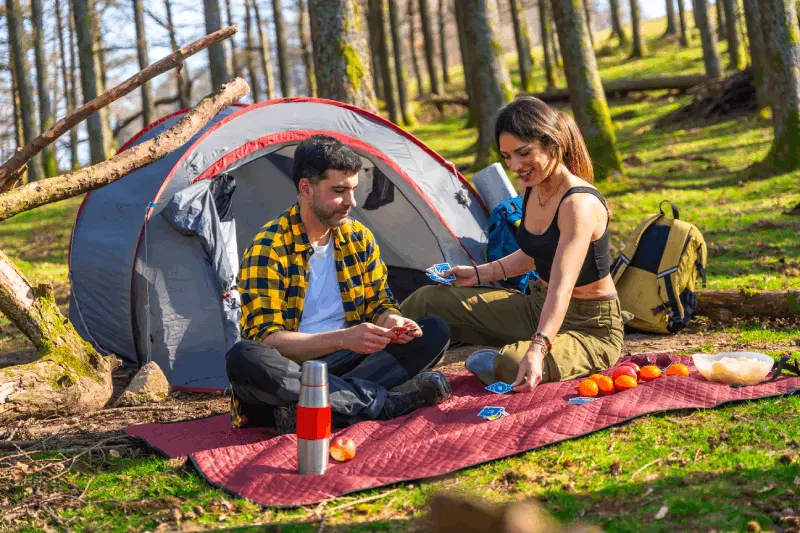
Campgrounds opened in rural areas of Turkey are not just accommodation points; they also become the lifeblood of the surrounding micro-economy. While traditional mass tourism systems trap tourists within the facility, camping creates a completely opposite dynamic. Campers tend to meet their food needs from local small grocery stores, bakeries, and greengrocers. This situation increases the stock turnover rate of local tradesmen while ensuring that cash flow reaches the village coffeehouse, local dairy producers, and artisans directly. Especially small businesses in Akyaka, Muğla, or the Yedigöller region of Bolu earn more than 60% of their revenue from these nature enthusiasts during the camping season. This economic interaction maximizes the multiplier effect of money in rural areas, creating the most organic model of local development.
What Role Does Caravan Tourism Play in Turkey's Foreign Trade Balance?
Caravan tourism has transformed from merely a holiday preference into a significant industrial export item in Turkey over the last five years. Thanks to favorable labor costs and a developed automotive sub-industry, Turkey has become one of Europe's most important caravan production centers. The caravans and motorhomes produced by local companies are exported to many countries, primarily Germany, France, and Italy, providing foreign currency inflow to the country. In the domestic market, the increase in caravan ownership reduces dependence on imported holiday packages, keeping domestic tourism expenditures within the country. Additionally, the fuel expenditures, highway fees, and technical service costs incurred by foreign campers entering Turkey are evaluated within the scope of service exports, providing a modest but strategic contribution to closing the current account deficit.
What Is the Share of Campgrounds in Rural Development Models?
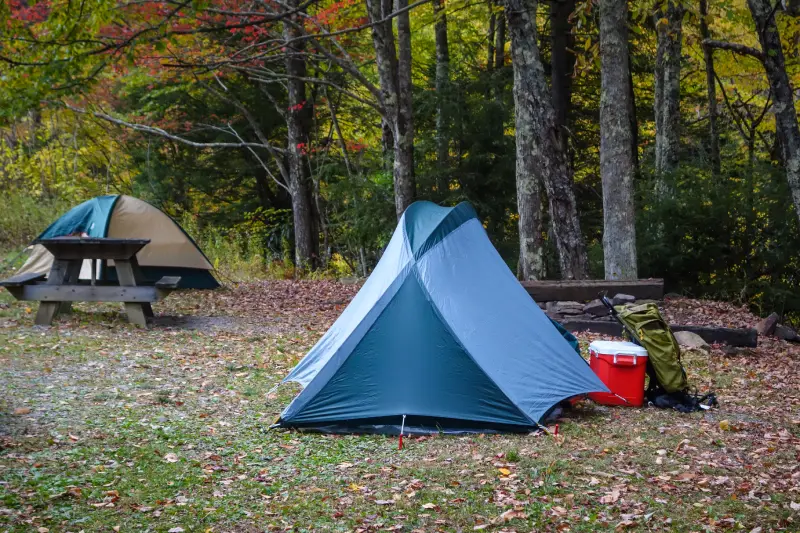
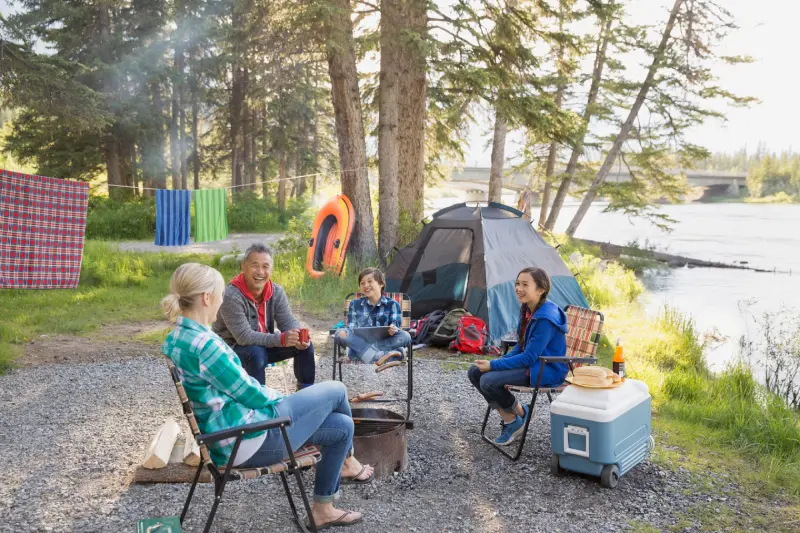
Rural development is sustained not only through agricultural production but also by creating alternative income models. Campgrounds are one of the few models that allow economic value to be generated while preserving the natural structure without opening agricultural lands to construction. Converting part of an olive grove or fruit orchard into a campground opens up an additional income source for the farmer. This way, the migration of the young population to cities is prevented, and attraction centers for reverse migration are created. As emphasized in Turkey's 2023 Tourism Strategy, improving the quality of camping and caravan areas shortens the payback period of infrastructure investments in rural areas and helps villages remain modern yet authentic living centers. This model serves as the strongest economic defense line for rural areas under the pressure of urbanization.
How Does Ecological Camping Contribute to a Sustainable Economy?
Ecological camping is built on an economic cycle where the "minimum impact" is left and the "maximum benefit" is provided. These facilities typically invest in green technologies such as solar panels, rainwater harvesting systems, and compost units. Although these investments may seem costly at first, they reduce operational expenses in the long run, increasing business profitability. From an economic perspective, ecological camping attracts environmentally conscious tourists from high-income groups. This tourist profile is more willing to spend on local values and has a higher daily spending capacity compared to mass tourists. These businesses, which operate with the goal of reducing carbon footprints, also have the potential to benefit from green financing and international grant funds, which means fresh capital inflow to the rural area.
What Scale Has the Camping Equipment Market Reached in Turkey?
The popularization of camping in Turkey has triggered a massive retail and manufacturing sector. It is estimated that the annual volume of this market, consisting of tents, sleeping bags, portable stoves, and technical clothing, is approaching billion-dollar levels. Not only large chain stores but also boutique local manufacturers are sharing this pie. Especially Turkish companies specializing in technical textiles have achieved world standards in the production of camping equipment. The growth in this sector also encourages R&D activities and innovation. For example, local companies working on lighter and more durable fabric technologies are adding value across a wide range, from defense industry to outdoor sports. Camping has become a giant industrial sector that provides employment to thousands of people not only in the field but also in factories and stores.
Can Glamping Investments Attract High-Income Groups to Rural Areas?
Glamping, a combination of the words "Glamorous Camping," has opened a new segment in the tourism economy by offering luxurious accommodation options within nature. The high-income group, which distances itself from traditional camping but wants to be close to nature, is being directed to rural areas through these facilities. The nightly accommodation fees of glamping facilities often compete with five-star hotels and sometimes even exceed them. This situation maximizes the revenue per tourist. From an investor's perspective, it offers a model that can be realized in a much shorter time and at a significantly lower cost than constructing a reinforced concrete hotel. These investments, concentrated along Turkey's Aegean and Mediterranean coasts, are elevating the "low-income" image of rural tourism, attracting prestige and high-quality investors to the region.
Seasonal
How Effective Are Campsites in Transitioning to Permanent Employment?
Although tourism is generally known as a seasonal sector, camping and nature tourism have started to change this perception. Modern campsites now serve not only in the summer months but also in spring and winter for nature enthusiasts, photographers, and those seeking retreat. This situation ensures that employment is spread throughout the year. The extension of the season for guides, cooks, technical staff, and cleaning personnel working at campsites means social security and income continuity. Additionally, new professions such as camping education, nature sports coaching, and campsite management have emerged. Certifying local youth in these fields encourages them to pursue professional careers in their own villages instead of moving to big cities. This professionalization also strengthens the human capital of rural areas.
How Are Turkey's Geographically Indicated Products Recognized Thanks to Camping Tourism?
Camping tourism is the most sincere showcase of local gastronomy. A camper tastes the famous cheese, honey, or olives of the region directly from the producer during breakfast. This experience ensures that geographically indicated products are not just labels but become brands with stories and flavors. When campers purchase these products and take them home or share them on social media, they become free promotional agents. For example, the einkorn bulgur discovered by a traveler camping in a village in Kastamonu spreads to urban areas through them. This direct sales model ensures that the profit remains entirely with the producer by eliminating intermediaries. Campsites stand out as one of the most natural and effective sales channels for the protection and economic contribution of geographically indicated products.
How Do Micro-Entrepreneurship and Women's Cooperatives Benefit from Campsites?
The economic ecosystem surrounding campsites offers tremendous opportunities, especially for women entrepreneurs. Many campsites' kitchens are supplied or directly operated by local women's cooperatives. Homemade jams, pastas, handicraft souvenirs, and natural cosmetic products are the most popular purchasing items for campers. The inclusion of women in this process not only increases household income but also strengthens women's social status. Support for women's cooperatives in rural tourism projects, when integrated with campsites, significantly increases the success rate. This collaboration helps preserve local culture while directly contributing to the spread of economic development and the strengthening of gender equality in rural areas.
How Do Infrastructure Investments and Road Projects Parallel Camping Tourism?
Opening a region to camping tourism brings along the need for infrastructure. However, this is not a construction that destroys nature but a process that increases accessibility and enhances quality of life. Improving the roads leading to campsites, providing electricity, water, and internet infrastructure is a significant comfort not only for tourists but also for the local population living in that area. Strengthening internet infrastructure facilitates access to education and the outside world for young people living in rural areas; road improvements reduce the cost of bringing agricultural products to market. Therefore, every public investment made for camping tourism turns into a broader development initiative that increases the overall economic efficiency of rural areas. The collaboration between the public and private sectors in this field serves as a critical lever in addressing regional inequalities.
What Is the Contribution of Campsites in National Parks to the Public Budget?
The national parks and nature parks in Turkey are among the most prestigious places for camping tourism. The operation of these areas or the entrance and accommodation fees collected from the campsites are directly transferred to the public budget through the General Directorate of Nature Conservation and National Parks. The revenues generated are used for vital activities such as the protection, rehabilitation, support of wildlife, and fire fighting of these areas. In other words, the fee collected from campers turns into a funding source for the renewal of nature itself. Additionally, making these areas regular camping centers helps prevent high-cost disasters such as forest fires and pollution that uncontrolled camping could cause. From an economic perspective, the principle of "using while protecting" is the most profitable state policy that ensures nature is passed on as capital to future generations.
What Is the Economic Benefit of the Changing Tourist Profile After the Pandemic?
The COVID-19 pandemic has fundamentally changed the understanding of vacation in Turkey, just as it has around the world. The search for isolated, nature-integrated, and safe accommodation instead of crowded hotels has transformed camping from an "alternative" to a "mainstream" choice. This new tourist profile is more conscious, tech-savvy, and experience-oriented. The inclination of this demographic towards campsites has led to an increase in per capita spending. Camping, which was previously seen only as an economical holiday option, has now become a part of the lifestyle of the middle and upper-middle class. This change has improved the quality of services offered by campsites, accelerated digitalization, and thus created higher added value. This trend that began during the pandemic has turned into a lasting economic wave, playing a key role in diversifying tourism revenues.
Are Campsites a New Economic Ecosystem for Digital Nomads?
The remote working model of With the rise of "Digital Nomads", a new and highly profitable target audience has emerged for camping sites. These professionals, who take their laptops and escape to nature, stay at camping sites for weeks or even months, not just a few days. These long-term stays mean "guaranteed and continuous income" for camping businesses. The demands of digital nomads such as high-speed internet, uninterrupted power, and workspace are raising the technological standards of camping sites. Economically, these individuals contribute a steady flow of foreign currency and cash to the local economy by spending the money they earn in rural areas. When a software developer or graphic designer works at a camping site in a village, it means that the village is integrated into the global economy and that local tradespeople serve a customer base that meets world standards.
How Are Tax Revenues and Municipal Budgets Increasing in Camping Tourism?
Camping sites are an important source of income for the local governments of the regions they are located in. Business licenses, accommodation taxes, environmental and cleaning taxes, and various expenses directly contribute to municipal budgets. Especially for small-population district and town municipalities, these taxes from tourism are vital for increasing their service capacities. The presence of campers also positively impacts general public finances by increasing tax revenues (VAT, Special Consumption Tax, etc.) from other commercial activities in the area. Additionally, the regulation and registration of camping sites contribute to tax fairness by reducing the informal economy. Local governments use these revenues to enhance the region's attractiveness through services such as parks, gardens, roads, and environmental arrangements, which creates a "positive feedback" loop for economic growth.
How Are Local Handicrafts and Cultural Heritage Revived Thanks to Campers?
Campers are generally eager to explore the cultural fabric of the regions they visit. This curiosity creates an economic driving force for the revival of local handicrafts that are on the verge of being forgotten. A weaving workshop, a pottery master, or a woodcarver finds a new market by showcasing their products directly at camping sites. This interaction not only facilitates product sales but also opens the door for organizing workshops. Campers, while making their own ceramics with a few hours of training, also provide additional income to the master. This cultural trade provides the necessary financial motivation for local artisans to sustain their crafts. Thus, cultural heritage becomes a living, breathing, and income-generating economic value instead of being confined to museums.
What Does Turkey's Camping Tourism Strategy 2030 Vision Promise?
Turkey aims to increase product diversity in tourism and spread income to the grassroots by 2030. Camping and caravan tourism is one of the most powerful instruments at the center of this strategy. The future vision anticipates making Turkey the "caravan routes center" of Europe. In this context, the establishment of "Caravan Parks" at international standards, the integration of digital reservation platforms, and the widespread implementation of sustainable certification programs are planned. Economically, this vision aims to spread tourism revenues over 12 months, increase per capita nightly spending to over 100 dollars, and raise the share of rural areas in the tourism pie from 15% to 25%. The 2030 vision positions camping tourism not just as a hobby but as a national development model.
Can the Caravan Manufacturing Industry Become an Export Engine in Turkey?
Turkey's production power in the automotive sector provides an excellent foundation for the caravan industry. Domestic caravan manufacturers have made significant progress in design and engineering in recent years, achieving certified production at European standards. Caravans labeled "Made in Turkey" have a serious competitive advantage in the global market, especially with their price-performance balance. The growth of this sector also stimulates the sub-industry; thousands of SMEs producing furniture, textiles, electrical systems, and plastic parts are part of this chain. If government incentives and export supports are made more specific for the caravan sector, it is not out of the question for Turkey to reach an annual caravan export volume of 500 million dollars. This could be one of the most concrete success stories in Turkey's transition from heavy industry to high value-added boutique manufacturing.
What New Markets Are Emerging in the Insurance and Security Sector Due to Nature Tourism?
The increase in camping and nature tourism has also created new niche areas in the finance and service sectors. Products such as "Camping Insurance", "Caravan Comprehensive Insurance", and "Nature Sports Liability Insurance" are rapidly growing in the portfolios of insurance companies. Financially securing risks that may occur in nature (wildlife interaction, weather conditions, equipment damage, etc.) increases trust and participation in the sector. Additionally, new ventures are emerging in areas such as professional search and rescue services, emergency medical assistance logistics, and security technologies (GPS tracking systems, satellite communication devices). These sub-sectors demonstrate that the camping economy is not limited to accommodation, but also creates a "risk management" market focused on technology and finance. It is proving its worth. Safe camping brings along a qualified and paid service ecosystem.
How Do We Measure the Demand and Economic Return of Social Media Interactions on Campsites?
Today, the economic success of a campsite is directly correlated with its digital visibility. Stunning nature views and camping experiences shared on platforms like Instagram, YouTube, and TikTok attract thousands of people to that area. "Influencer" marketing creates an impact far beyond traditional advertisements in camping tourism. It is a common occurrence for a campsite's occupancy rates to reach 100% after a post, and for local businesses' stocks to run out. This digital interaction allows areas perceived as "ruins" to shine like "diamonds." Economically, this means creating massive demand with very low marketing costs. However, properly managing this demand, preparing the infrastructure for it, and maintaining sustainability is essential for the "digital interest" to transform into a lasting "economic value."
How Do Accommodation Taxes and Incentives Attract Investors in Rural Tourism?
Regulations under the "Tourism Incentive Law" implemented in Turkey in recent years have been expanded to include camping and caravan areas. Tax reductions, SGK premium support, and low-interest investment loans provided for environmentally friendly accommodation investments in rural areas have directed many entrepreneurs to this field. Especially the additional advantages provided for businesses with the "Green Tourism" certificate enhance the quality of campsites. The shortening of the return on investment (ROI) from the investor's perspective has transformed this sector from a "risky" adventure into a "strategic" business line. The government's incentives have not only increased the number of facilities but have also prevented unfair competition by encouraging the registration of informal businesses and have increased the overall tax base.
How Does the Increase in Real Estate Value Around Campsites Affect the Local Community?
The emergence of a region as a popular camping route rapidly drives up land and property values in that area. This situation creates a dual economic impact for the local community. On one hand, the idle lands owned by villagers turn into wealth, while on the other hand, the cost of living and rents in the area may increase. However, in well-managed processes, this value increase contributes to the welfare of the local community. The establishment of boutique camping businesses by locals on their own lands or earning passive income by renting out their properties increases capital accumulation. This increase in real estate value ensures that more qualified projects come to the region and multiplies the municipalities' property tax revenues. The important thing is that this rent is regulated in a way that benefits the original owners of the region, rather than external speculators.
How is the Synergy Between Gastronomy Tourism and Camping Established?
Camping has evolved from the culture of "cooking your own food" to the adventure of "discovering local flavors." This creates a strong bond between gastronomy tourism and camping. Campers who experience the "farm-to-table" concept in its rawest form are the most loyal customers of local restaurants and producers in the area. Especially camping organizations combined with wine tastings, olive harvests, or highland festivals carry significant spending potential to the region. Gastronomy enthusiasts among campers make more local food purchases than ordinary tourists and are willing to pay high prices for unique culinary experiences. This synergy not only promotes the preservation of local agriculture but also facilitates the entry of traditional recipes into professional restaurant menus, thereby increasing the economic value of our gastronomy culture on a global scale.
How Do the Spending Habits of Young Tourists Shape the Camping Economy?
Generation Z and Alpha have an approach that values "experience over ownership" when it comes to vacations. For these generations, a luxurious hotel room is less valuable than a tent set up under a unique starry sky. The intense interest of young tourists in camping enhances the dynamism and technological adaptation of this sector. Young people allocate less budget for accommodation but more for "experiences" (such as paragliding, rafting, guided tours). Additionally, their selective behavior regarding equipment is expanding new markets such as portable power stations, foldable panels, and smart camping accessories. This spending profile of young people elevates the camping economy not just through "bed capacity" but also through "activity and technology sales," thereby increasing the total added value of tourism.
How is the Delicate Balance Between Protecting Natural Resources and Economic Return Maintained?
The greatest capital of camping tourism is "untouched nature." If nature is destroyed, economic returns are cut off like a knife. Therefore, the camping economy essentially involves a management of "protection-use balance." In a sustainable model, the capacities of campsites (carrying capacity) should be scientifically determined, and this limit should not be exceeded. From an economic perspective, hosting "few but quality" tourists is more profitable in the long run than hosting "many but uncontrolled" tourists. The costs of environmental pollution and fire risks are much greater than the short-term profits gained from tourism. To maintain this balance, businesses should be encouraged to obtain eco-friendly certifications similar to the "Blue Flag," and heavy economic sanctions should be applied to facilities that do not comply with environmental standards. Protecting nature insures the equity of the tourism sector.
Branding and Internationalization in the Camping Sector
How Can Competitive Power Be Increased?
For Turkey to compete with global giants in camping tourism, there is a need for "regional branding" beyond individual facilities. For example, thematic brands like "Lycia Way Camping Routes" or "Black Sea Plateau Caravan Line" have a much stronger marketing power in the international market. Branding means not just a logo, but a standard service quality, a security guarantee, and a commitment to sustainability. Collaborating with international camping federations and caravan clubs will enhance Turkey's image as a "safe and quality destination" in this field. From an economic perspective, branding allows facilities to sell services at higher prices and attract foreign tourists even in the low season. The strength of a brand comes not from the advertising budget, but from the consistency of the experience it offers; this directly translates to loyal customers and sustainable foreign currency inflow.
How Effective Are the Supports Provided by Regional Development Agencies to Camping Areas?
Development Agencies operating in Turkey (BEBKA, GEKA, MEVKA, etc.) have provided millions of lira in grant support for rural tourism and camping projects in recent years. These supports generally focus on strategic areas such as infrastructure improvement, digital promotion, and personnel training. Analyses show that camping projects receiving development agency support have recorded 40% faster growth compared to those that do not receive such support and have created more local employment. These grants and technical supports particularly accelerate the establishment of qualified facilities by addressing the lack of equity for small entrepreneurs. The "matching financing" models provided by the agencies encourage local investors to also contribute, increasing project ownership and sustainability. These supports are one of the most important catalysts for economic transformation in rural areas.
How Does the Use of Smart Technology in Camping Areas Reduce Operational Costs?
Technology transforms camping areas from merely "tented land" into "smart businesses." Energy and water management through IoT (Internet of Things) based sensors can reduce operational costs by up to 30%. Automatic irrigation systems, motion-sensitive lighting, and smart waste management units not only create an environmentally friendly profile but also increase profitability. Additionally, thanks to digital reservation and payment systems, personnel needs are optimized, while data analytics allows for tracking customer preferences to offer personalized services. Economic efficiency is not only about attracting more tourists but also about using existing resources in the smartest way. Camping areas that invest in smart technologies gain a competitive advantage in the digital transformation era, achieving long-term financial stability.
Why Does Camping Tourism Have a Higher Added Value Compared to Other Types of Tourism?
At first glance, camping tourism may seem like an "inexpensive holiday," but the "net added value" it provides to the economy can be much higher than mass tourism. A significant portion of the revenue from a five-star hotel goes to energy, imported beverages, complex food logistics, and massive personnel costs (and sometimes foreign debt interest); whereas a camping area’s revenue largely remains within local resources. The rate of "imported input" in camping tourism is negligible. Almost 80 lira of every 100 lira spent by a camper stays within the local supply chain, while this rate can drop to as low as 20 lira in all-inclusive systems. Therefore, from a macroeconomic perspective, camping tourism is a strategic and efficient tourism model that prevents "currency leakage" and maximizes the local multiplier effect.
Is the Integration of Wildlife and Hunting Tourism with Camping Economically Feasible?
In many parts of the world, camping is integrated with controlled wildlife observation and hunting tourism, generating massive revenues. In Turkey, within the scope of eco-tourism, photo-safari and wildlife observation camps are becoming increasingly popular. These niche camping organizations attract a professional audience willing to pay much higher participation fees compared to ordinary holidaymakers (scientists, documentarians, top-level nature photographers). This integration ties the protection of wildlife to an economic motivation; that is, a "living deer" becomes much more profitable for the village through tourism than a "hunted deer." This model not only eliminates poaching but also spontaneously generates the budget needed for wildlife conservation activities, adding a sophisticated dimension to the rural economy.
Are Camping Training and Certification Programs a New Employment Area?
The professionalization of the sector has led to the emergence of new job fields requiring expertise, such as "nature guiding" and "campground management." These trainings offered in university tourism faculties or private courses provide young people with a dynamic career opportunity. A certified camp leader not only sets up tents but also provides first aid, crisis management, environmental law, and knowledge of local flora and fauna. This specialization ensures an increase in service fees and enhances the quality in the sector. Additionally, the "team-building camps" organized by corporate companies create a high-income market for these specialists. The educated workforce raises the "safety and quality" standards of camping tourism, ensuring that Turkey is recognized as a "professional nature tourism center" on the international stage.