Why Do We Only Need One Pot in Camp Cooking?
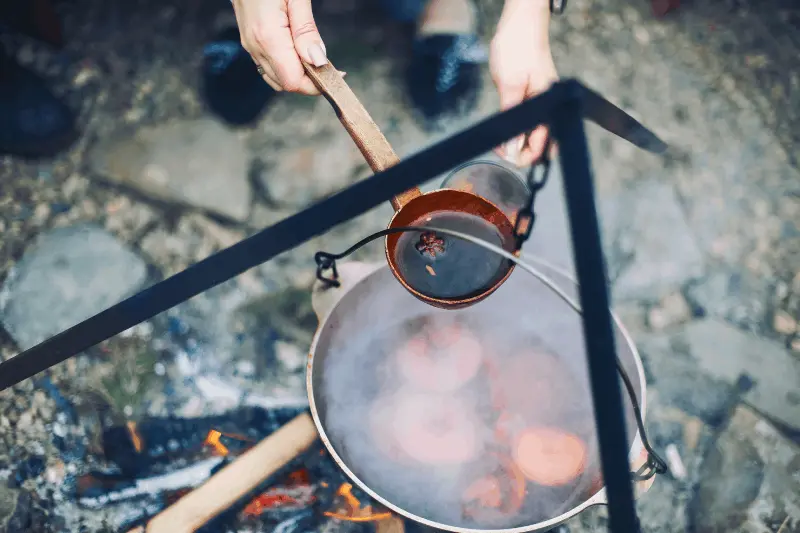
When it comes to nature hiking or camping, every gram in your backpack is of great importance. Carrying multiple pots, pans, and plates not only leads to physical fatigue but also creates serious chaos at the campsite. The one-pot method simplifies the preparation phase and minimizes the cleaning process after cooking. Especially in the wild where water sources are limited, cleaning just one pot provides vital water savings. This method also helps you achieve richer and more intense flavors by allowing the ingredients' aromas to blend together.
How to Avoid the Trouble of Straining Water When Cooking Pasta in One Pot?
In traditional cooking, pasta is boiled and the water is drained; however, in camping, this is both a waste of water and a cumbersome task. With the "one-pot pasta" technique, you can cook the pasta directly in the sauce. When you keep the amount of water you add just right according to the type of pasta, the starch remains in the water and helps the sauce thicken naturally. By putting tomatoes, onions, garlic, and olive oil in the pot with the pasta and adding a small amount of water, you ensure that the pasta absorbs the sauce and you get maximum flavor in every bite.
How Do Dried Foods Revolutionize One-Pot Meals?
For professional campers looking to save weight, dried (dehydrated) foods are invaluable. Vegetables like dried tomatoes, mushrooms, or peppers return to their original form by absorbing water when they enter the pot, adding a deep aroma to the meal. Reviving these dry ingredients with water in a single pot and then adding a quickly cooked carbohydrate creates a nutritious dinner. Since dried foods do not carry the risk of spoilage, they lighten your backpack by eliminating the need to carry fresh vegetables on long nature trips.
Why is Red Lentil the Most Loyal Protein Friend of Campers?
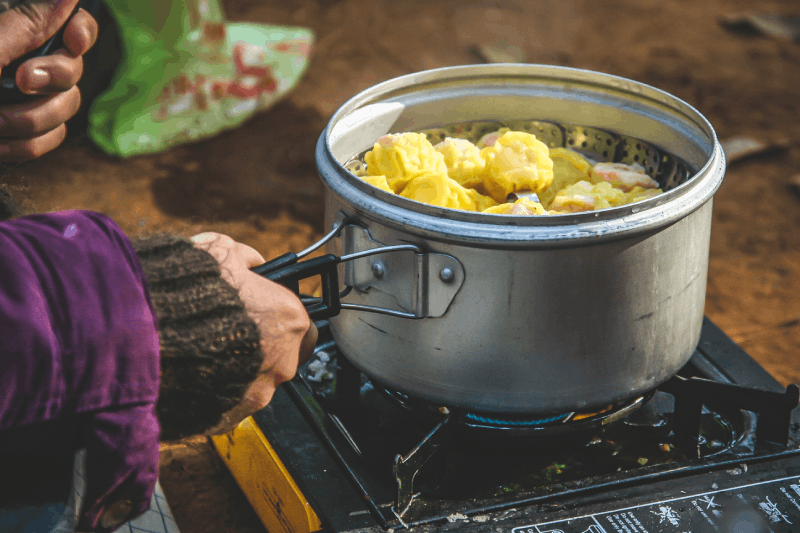
Carrying and storing meat in a camping environment is quite difficult. At this point, red lentils stand out with their quick cooking feature and high protein content. Red lentils, which cook in 10-15 minutes without soaking, are the base for soups or thick purees made in one pot. You can enhance their flavor by adding a bit of dried meat or sausage. Additionally, lentils balance the moisture of other vegetables in the pot, giving the dish consistency and providing complex carbohydrates that will keep you full for a long time.
Can You Make a Gourmet Dinner with the "Risotto" Technique in the Wild?
Risotto, which we are accustomed to seeing in luxury restaurants, is actually one of the most suitable dishes for the one-pot concept. Gradually adding water or broth to the rice while stirring on a camping stove is one of the most meditative activities you can do in the silence of nature. By adding water carefully to the sautéed rice with mushrooms and onions, you can achieve a creamy texture. If you carry a small piece of parmesan cheese or cheddar with you, adding it to the pot at the end of the meal transforms an ordinary camp meal into a feast.
How Do Spice Blends Change the Fate of One-Pot Meals?
It is difficult to offer a wide variety in camp cooking, but spices eliminate this limitation. Cumin, oregano, curry, or chili flakes that you carry in small containers or zip-lock bags allow you to create very different world cuisines from the same ingredients. For example, while making an Indian-inspired dish by adding curry to the pot one evening, you can switch to Mediterranean cuisine with oregano and garlic the next evening. Spices enhance the dish's aroma to the highest level when added during cooking rather than at the end.
How to Ignite Mexican Fire in the Camp with Canned Beans and Corn?
When it comes to practicality, canned products are lifesavers. You can create a "Chili" style dish by combining a can of canned beans, a can of corn, and some spicy chili paste in one pot. If you have tortillas on hand, heating this mixture and making wraps is both filling and very practical. Since canned foods are already cooked, you only spend fuel for the time it takes to heat and combine the flavors (about 5-8 minutes). This is an important detail that extends the lifespan of your camp stove.
Why Are Quinoa and Bulgur a More Practical Option Than Rice?
Cooking rice is a delicate process that requires adjusting the right water ratio and heat; however, bulgur and quinoa are much more forgiving. Especially quinoa, when boiled for just a few minutes and left to sit, absorbs water and becomes ready. Bulgur, being pre-cooked and dried (fine bulgur), is prepared very quickly. Quinoa cooked with vegetables in one pot offers a light dinner and helps repair your fatigued muscles throughout the day with its high magnesium content.
What Are the Key Points for Making "Shakshuka" in One Pot Over a Campfire?
For those who do not want to eat just breakfast items for dinner, a hearty shakshuka is a great option. After preparing a sauce with plenty of tomatoes, peppers, and onions in one pot, adding the eggs you will crack into it gives the dish its main identity. Adding small potato cubes or canned chickpeas to the sauce increases the calories and meets your energy needs. Covering the pot with a lid (or a plate) to steam the eggs allows you to turn off the stove early and save fuel.
How to Overcome the Boiling Point Problem When Cooking at High Altitude?
As you ascend above sea level, air pressure decreases and water begins to boil at lower temperatures. This causes pasta or legumes to cook more slowly. When using a single pot at high altitudes, always use a lid. The lid retains the pressure and heat inside the pot, shortening the cooking time. Additionally, cutting the ingredients into smaller pieces than usual helps heat reach the center more quickly. Knowing this small physics rule prevents you from eating a half-cooked dinner during your summit climbs.
Are Processed Meats Like Sausage and Pastrami Safe from a Hygiene Perspective?
The risk of spoilage for fresh meat in camping is very high, but processed meats like sausage, pastrami, or roast are much more durable. These meats eliminate the need to add extra fat to one-pot meals thanks to their high-fat content. Sausages, which are browned until they release their own fat in the pot, harmonize perfectly with the vegetables and carbohydrates added afterward. Since their own flavor is very strong, even a small amount is enough to change the taste of the entire pot.
Why is Couscous the Fastest Camping Food Ingredient in the World?
Couscous is not actually something that is cooked; it is a food that is steeped in hot water. After boiling water in a pot and turning off the stove, just adding couscous and covering it with a lid is enough. It becomes ready to eat in just 5 minutes. With this feature, couscous is a real hero when your fuel runs out or you are very tired. You can enrich its nutritional value in seconds by adding previously roasted nuts, dried fruits, or a bit of tuna.
How to Cook Hard Vegetables Like Potatoes and Carrots Quickly in One Pot?
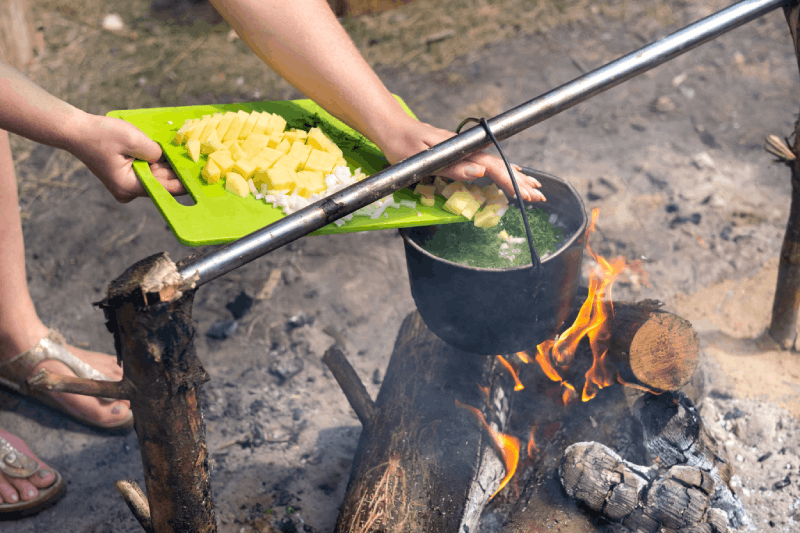
Potatoes and carrots are the vegetables that take the longest to cook while camping. If you are going to make a meal in one pot, you should definitely cut these vegetables into dice size. Smaller pieces increase the surface area and reduce the cooking time by 50%. Another trick is to sauté these vegetables in a little oil before adding water. This process caramelizes the outside of the vegetables while allowing the sugars inside to come out, adding a deep flavor to the dish.
Do Natural Cleaning Methods Harm the Pot When Cleaning Camp Mess?
After the meal, you can use the natural solutions provided by nature instead of chemical detergents to clean the leftovers in the pot. If the bottom of the pot is stuck, adding a little water and sand and shaking it creates a natural peeling effect. Pine resin or moss leaves help dissolve the fat in the pot. However, the important point to note is to do this cleaning at least 50 meters away from the water source. Natural materials do not harm the pot; on the contrary, since they do not leave chemical residues, they ensure safer cooking for the next meal.
Is Making "Chicken Rice" in One Pot a Dream While Camping?
It is possible to make this duo, which is usually prepared in two separate pots, in one pot. First, brown the cut-up chicken pieces in the pot. Then add the rice (or the easier vermicelli) and sauté together. Add enough water to cover the chicken and close the lid. The flavor that emerges when the chicken's juices combine with the rice will be much richer than the rice you make at home. With this method, all the protein and aroma of the meat remain in the pot, preventing it from escaping.
How to Make "One-Pot Stews" That Preserve Body Heat in Winter Camps?
When the air temperature drops below zero, your body needs more energy to burn fuel. During these times, hearty, high-fat "stew" type meals should be preferred. Any type of vegetable you add to a thick sauce you prepare with potatoes, broth (it can also be a tablet), thick sauce, and a bit of flour will warm you from the inside out. This warm and hearty mixture you drink for dinner will prevent you from getting cold throughout the night by ensuring your metabolism works while you are in your sleeping bag.
Is It Safe to Enrich One-Pot Meals by Foraging for Mushrooms?
While adding mushrooms you find in the wild to your meal may seem very tempting, it poses a significant risk if you are not an expert. However, when you find species you know and trust, fresh mushrooms entering the pot increase the volume of the meal and add a wonderful texture. Since mushrooms contain about 90% water, be careful when adding extra water to the dish. Sautéing the mushrooms in their own juice first and then adding the other ingredients prevents the dish from becoming watery and tasteless.
When Choosing Camping Equipment, Should You Prefer Titanium or Aluminum Pots?
If you are going to cook with a single pot, material selection is critical. Titanium pots are very lightweight, but since they concentrate heat in one spot, there is a high risk of food sticking to the bottom. Aluminum or stainless steel distributes heat more evenly, which ensures that the food cooks evenly, especially when making rice or stews. If you are a gourmet camper, choosing a pot that distributes heat well, even if it adds a bit of weight, will directly improve your food quality.
How Can We Include Leftover Food in Breakfast Without Wasting It?
If you have a mixture of vegetables or pasta left over from dinner, don’t throw it away. The next morning, you can put the pot back on the fire, add a little water or milk, heat it up, and crack some eggs on top to make "camp frittatas." Waste in outdoor sports not only harms the environment but also disrupts the balance of the load on your back. Evaluating every gram is one of the fundamental philosophies of camping. Having last night's pasta in the morning omelet provides energy and shortens the breakfast preparation time.
Is It Possible to Make Desserts in One Pot?
If you want something sweet after dinner, you can use the same pot to make "apple compote" or "honey oats." Softening sliced apples in the pot with a little water and cinnamon and adding cookie crumbs on top is one of the easiest desserts you can have while camping. Cooking oatmeal with milk powder and water and adding dried fruits can serve as both a dessert for dinner and a quick breakfast for the next day. You don’t need to clean the pot in great detail to make dessert; sometimes the slight saltiness of the dish enhances the sweetness.
Why is Flame Adjustment on the Camping Stove Important for One-Pot Cooking?
Many campers fall into the mistake of using their stove at the highest heat. However, in one-pot meals, especially with carbohydrates that should not stick to the bottom, low heat is crucial. High heat until the water boils, and then using the lowest setting to draw out the flavors of the ingredients is essential. Low heat prevents the food from burning and ensures that the gas in your camp stove burns more efficiently, extending your overall camping duration.
Why Should Canned Tuna Be in Every Camper's Backpack?
Tuna is a ready protein source that does not require cooking. Adding a can of tuna on top of your cooked pasta or couscous instantly turns your meal into a sports dish. Additionally, if the oil in the tuna is quality olive oil, it can be used to enhance the flavor of the dish. It is lightweight, takes up little space, and is ready to eat as soon as the lid is opened. It is the most likely candidate to be the "star ingredient" of your one-pot meal.
How to Apply Waste Management and "LNT" Principles in Camp Cooking?
According to the "Leave No Trace" principles, you should never leave your food waste in nature. The one-pot method allows you to scrape the sauce left at the bottom of the pot with a piece of bread, minimizing organic waste. Food odors can attract wildlife, especially bears or wild boars, to your campsite. Therefore, you should clean the pot you cooked your meal in immediately and store food scraps in non-leaking bags. A clean campsite is essential for both your safety and the protection of nature.
Conclusion: What is the Most Practical Camping Meal for You?
In conclusion, the most practical dinner that can be made with one pot while camping is a combination of a quickly cooked carbohydrate (couscous or thin pasta), a durable protein (sausage or tuna), and aromatic spices. Regardless of your personal preferences, this method saves you time, water, and energy. The meal you eat under the stars in the heart of nature will taste much better than anything on the menu of the finest restaurant. Because the best spices are clean air and the effort expended.