
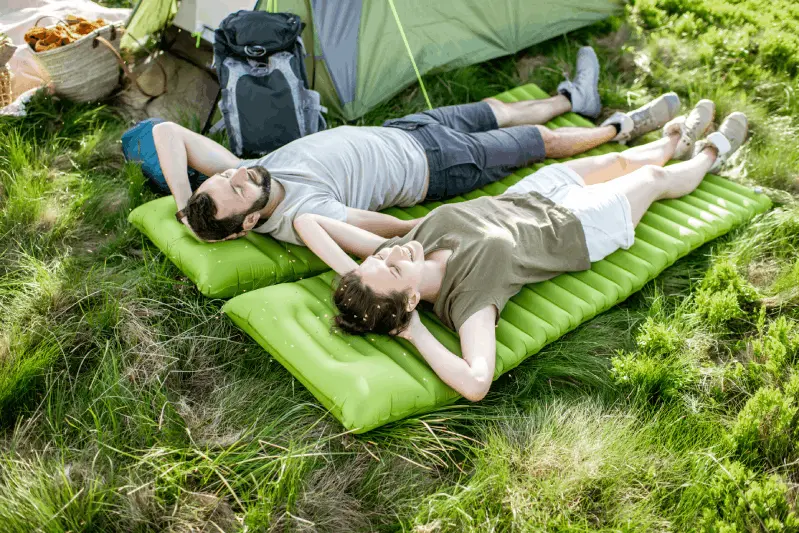
Camping can bring peace to the heart of nature, but a bad night's sleep can take away all the energy and joy of the next day. Mats, one of the most important pieces of equipment for a camper, not only insulate you from the cold ground but also have the potential to provide the comfort of your bed at home by supporting your body weight even on hard surfaces. So, are technologically advanced inflatable mats or traditional and reliable foam mats more suitable for you? In this comprehensive guide, we compare the comfort dynamics and practical uses of both types.
Why is Sleep Comfort the Most Critical Factor When Choosing a Camp Mat?
Sleep comfort while camping is not just a luxury; it is a vital necessity for your health and performance the next day. Trying to sleep on a hard surface, over rocks and roots, can lead to spinal misalignment, back pain, and an inability to enter deep sleep. When you can't get quality sleep, your body cannot rejuvenate, leading to carelessness or quick fatigue during your hike. Therefore, choosing a mat can be even more critical than choosing a tent or sleeping bag; because the mat is the only physical barrier between your body and the ground.
What is the Structure of Foam Mats and Their Basic Comfort Level?
Foam mats are simple yet effective products typically made from closed-cell polyethylene foam, rolled or folded in an accordion shape. The comfort they provide is based on the principle of "cushioning." Usually 1 to 2 centimeters thick, these mats prevent you from feeling small bumps on the ground but are limited in distributing your body weight. Especially for side sleepers, there is a high risk of bottoming out where the shoulder and hip bones touch the ground. However, their lack of setup requirements and readiness for use at any moment make them a practical comfort tool.
Why Do Inflatable Mats Generally Provide a Softer Surface?
Inflatable mats keep your body a few centimeters above the ground due to the air pressure inside. Modern inflatable mats can be 5 to 10 centimeters thick. This height difference allows the mat to contour to your body's shape. Air redistributes weight by shifting in areas where your body protrudes (shoulders, hips). This creates a feeling of "sleeping on a cloud," especially for side sleepers. The ability to adjust the firmness of inflatable mats by increasing or decreasing the amount of air inside is also a significant comfort advantage.
Which Type of Mat is More Suitable for Side Sleepers?
For side sleepers, the depth and flexibility of the mat are the most determining factors. When lying on your side, all your body weight is concentrated on narrow areas like the shoulder and hip bones. A thin foam mat cannot absorb this pressure, and after a while, your bones will start to feel the hard ground; this leads to numbness and pain. Inflatable mats, with their thickness of 7-10 cm, allow these pressure points to sink into the mat while keeping your spine aligned. Therefore, if you have a tendency to sleep on your side, inflatable mats are undoubtedly a more comfortable option for you.
Can Back Sleepers Be Comfortable on Foam Mats?
For back sleepers, foam mats can be surprisingly comfortable as they distribute weight more evenly across the body. Since a large part of the body surface area is in contact with the mat, pressure points are reduced. If the ground you are camping on is relatively flat and soft (like grass), a quality foam mat will provide sufficient support for someone sleeping on their back. However, in terms of lumbar support and overall softness, the dynamic structure of inflatable mats tends to offer a superior experience for back sleepers on long-term camps.
How Does R-Value Affect Comfort?
Comfort is not just about softness; it also involves maintaining your body heat. R-value indicates the resistance of a mat to heat transfer. Cold from the ground can absorb your body heat, causing you to feel cold and thus have an uncomfortable night. Inflatable mats can achieve very high R-values (R-5 and above) due to the insulation materials or heat-reflective layers inside. Foam mats typically have R-values ranging from R-1 to R-2. In winter camps or cool nights, a high-insulation inflatable mat becomes a crucial element of comfort.
Does the "Crinkling" Sound of Inflatable Mats Disrupt Sleep Quality?
One of the biggest comfort disadvantages of inflatable mats is the sound produced by the insulation layers (usually metallic foil) when you move. In some ultra-light models, this crinkling sound can be loud enough to wake your tent mate or disturb your sleep. Foam mats, on the other hand, are completely silent; they do not make noise no matter how much you move. If you are a light sleeper and sensitive to sounds, you should either opt for premium inflatable mat models that are designed to be quieter or choose foam mats known for their silence.
Does Setup and Packing Time Provide Practical Comfort?
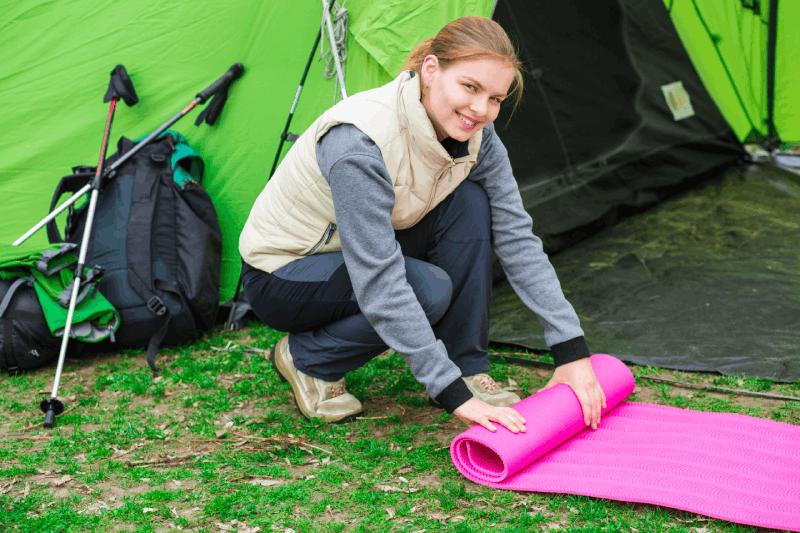
After a tiring hike, when you arrive at camp, you want to lay out your mat immediately and rest. Foam mats are unbeatable at this point; they can be unrolled and ready for use in seconds. Inflatable mats, however, must be inflated with breath or a pump. Having to re-inflate a deflated inflatable mat during the night is a significant loss of comfort. In the morning, deflating the inflatable mat and carefully folding it takes time. This operational hassle makes the simplicity of foam mats more comfortable for some campers.
How Does Durability and Risk of Puncture Affect the Sense of Security?
Inflatable mats can puncture due to a sharp rock, branch, or spark. A punctured mat means the loss of all comfort and insulation at once; this can make the rest of the camping experience very difficult. Foam mats, however, are nearly indestructible; even if they are cut or punctured, they do not lose their functionality. Sleeping without the worry of "Will my mat puncture?" provides psychological comfort. Especially in challenging terrain conditions or dog-friendly camps, the sense of security that foam mats provide can make inflatable mats less appealing.
How Does the Width of the Mat Affect Comfort?
Comfort is also related to how much space you have on the mat. Inflatable mats are generally offered in standard (51 cm) and wide (64-65 cm) options. If you have broad shoulders or tend to turn a lot in your sleep, a wide mat prevents your arms from falling off the edge. Foam mats are usually of standard width and cannot be customized as they are difficult to cut (unlike inflatable mats). Rectangular inflatable mats provide more room for movement compared to "mummy" shaped models that taper from the shoulders down, enhancing sleep comfort.
Are Self-Inflating Mats a Middle Ground?
Self-inflating mats have a structure that contains open-cell foam and absorbs air when the valve is opened. These mats combine the durability feel of foam mats with the softness of inflatable mats. They are not as thick as pure inflatable mats (usually 3-5 cm) but are much softer than foam mats. Their setup is easier, and even if they puncture, they continue to provide minimal cushioning due to the foam inside. For those seeking a balance between comfort and security, these hybrid models are an excellent middle ground.
Which Type is Better at Concealing Ground Irregularities?
When you camp in nature, the ground may not always be flat. Small rocks, tree roots, or uneven areas can be felt through the mat. A thick inflatable mat can almost "swallow" these types of ground irregularities. A 10-centimeter air gap makes it impossible to feel a 2-3 centimeter rock underneath. Foam mats tend to reflect the unevenness of the ground more. If you cannot clean the ground or are camping in a rocky area, the insulation ability of inflatable mats will be the most crucial factor in maintaining your comfort.
Which Type Keeps You Cooler in Hot Weather?
In hot summer nights, the reflection of your body heat by the mat can be stifling. Some inflatable mats are designed to reflect heat, which can lead to sweating. Foam mats generally respond less with "heat retention"; however, their closed-cell structures do not absorb sweat, which can create a sticky feeling where your skin touches the mat. If you are in a very hot climate, inflatable mats with textile textures or breathable outer fabrics can feel more refreshing compared to foam mats that give a plastic feel when in contact with bare skin.

How Does Portability and Weight Affect Comfort?
Comfort is not just about the relaxation inside the tent; the weight you carry on your back until you reach the campsite also determines your overall comfort. Ultra-light inflatable mats can be reduced to the size of a water bottle and can weigh around 300-400 grams. While foam mats are lightweight, they take up a lot of space and are usually tied outside the bag; this can create a sail effect in the wind or get caught on branches. If you are a long-distance hiker (thru-hiker), the organization and lightness of your backpack contribute to your sleep comfort by reducing your fatigue at the end of the day.
How is Comfort Analyzed in Terms of Budget and Price/Performance?
How much are you willing to pay for quality sleep? Foam mats are quite economical and can be used for years. Inflatable mats, due to their technological structures, can be 5 to 10 times more expensive. If you only go camping once a year, the extra comfort provided by an expensive inflatable mat may not be worth the money spent. However, if you are a regular camper, the value of the quality sleep you get every night far exceeds the price of the mat. In the long run, investing in an inflatable mat to avoid body aches and return from camping rested is the most logical comfort expenditure.
Is Stacking Two Mats the Best Solution?
Many professional climbers and winter campers stack a foam mat on top of an inflatable mat to get the best of both worlds. This method maximizes comfort. The foam mat protects the delicate inflatable mat from sharp objects and provides an extra layer of insulation. The inflatable mat offers the necessary softness and body support. If weight is not an issue for you (like in vehicle camping), this combination is considered the "gold standard" and provides a sleep experience comparable to home comfort even in the toughest conditions.
How Does Body Weight Play a Role in Mat Selection?
Mat comfort is directly related to the user's weight. Heavier campers can crush thinner mats more easily. For individuals weighing 100 kg and above, a standard foam mat may feel almost non-existent because the foam cells get completely compressed. For these individuals, high-pressure and thick inflatable mats are a must. Inflatable mats can keep even a heavy body elevated off the ground by increasing air pressure. Lighter campers may find the firmness of foam mats more tolerable; however, comfort preference is always personal.
How Does Camp Mat Maintenance Affect Sleep Comfort in the Long Run?
Regular maintenance is essential to preserve the comfort of inflatable mats. Moisture inside the mat (which occurs when it is inflated with breath) can lead to a musty smell or delamination of the inner layers; this creates uncomfortable lumps on the surface of the mat. Foam mats require no maintenance; simply wiping them clean is sufficient. Airing out your inflatable mat after each use and storing it with the valve open ensures that its performance and softness remain the same for years. A neglected inflatable mat can leak at the most critical moment, leaving you stranded.
Conclusion: Which Mat is More Comfortable for You?
The answer to which mat is more comfortable depends on what you understand by "comfort" and your camping style. If your priority is to achieve the softness closest to your bed at home and sleep on your side, an inflatable mat is your only option. However, if comfort means "simplicity," "durability," and "quick setup" for you, the simplicity of foam mats will make you happier. For most users, the physical comfort offered by inflatable mats is worth the operational hassles. Remember, the best mat is the one that leaves you feeling rested and ready to enjoy nature when you wake up in the morning.