Why Is Water as Valuable as Gold in Caravan Life?
While living in a caravan, water is not just a necessity; it is also a fundamental element that determines your route and your freedom. Since we are accustomed to the unlimited flow of water in our homes, it can be difficult to estimate how quickly a 100-150 liter tank can run out. When the water runs out, you cannot just take a shower or wash dishes; your toilet system may also malfunction, and sometimes even the weight balance of the vehicle can change. Therefore, water conservation is the most concrete indicator of the understanding of sustainability that lies at the heart of the philosophy of caravanning. With the right techniques, you can extend the water that normally lasts for 3 days to a week, allowing you to stay longer in more pristine and untouched places.
How to Save Water While Washing Dishes in the Kitchen?
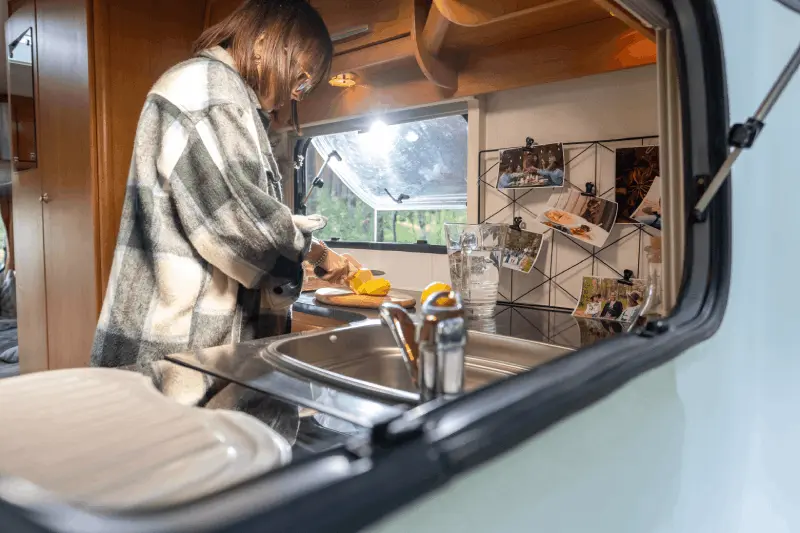
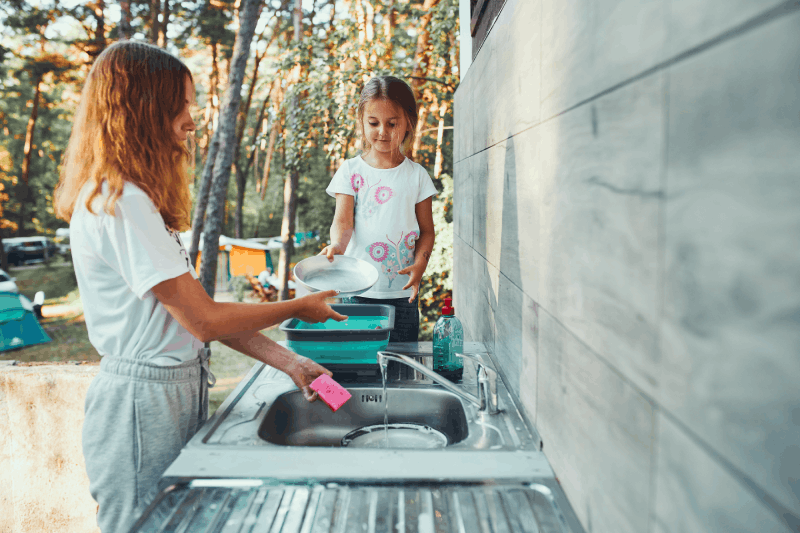
The kitchen is one of the areas where water is consumed the most in a caravan. Standing under running water while rinsing dishes causes the tank to empty quickly. Instead, using paper towels or a spatula to pre-clean the dishes is a great start. During washing, using two separate containers, one with soapy water and the other with rinse water, eliminates the need to keep the tap running continuously. If you choose low-foaming, natural products as soap, the amount of water needed for rinsing will also significantly decrease. Additionally, adding a bit of vinegar to the dishwater greatly contributes to water conservation by ensuring that fats dissolve more quickly.
How to Shorten Shower Time with the Navy Shower Technique?
The "Navy Shower," known as "Mariner's Shower," is the golden rule of water conservation in a caravan. This technique is based on only turning on the water to get wet, then immediately turning it off to soap up, and finally turning it on again just for rinsing. The "stop" button in modern caravan shower heads is vital for this process; because this button allows you to stop the flow without changing the temperature setting of the water. While an average home shower uses 10-15 liters of water per minute, with the Navy Shower technique, this amount can be reduced to 3-5 liters. With this method, even a family of four can remain hygienic for days with a limited tank.
How Can Water Used for Washing Vegetables and Fruits Be Reused?
The water you use to wash vegetables and fruits is not actually "waste"; it is still clean and has only been freed from its soil. Instead of pouring this water directly down the sink in the caravan, it is wise to collect it in a container. This collected water can be used for pre-soaking dirty pots, cleaning hands, and even manually flushing the toilet in the caravan. When you adapt the "zero waste" philosophy to water management, you will see that every drop can serve at least two different purposes. This cyclical use also ensures that your gray water tank fills up more slowly, extending the interval before you need to go to the disposal station.
How Do Low-Flow Aerators Affect Water Consumption?
Aerators are small but effective devices that are attached to faucet heads and increase the volume of water by mixing it with air. They can reduce the flow rate of water from a standard faucet by up to 50% without the user noticing. In caravan faucets, a saturated and soft flow is always more efficient than high pressure. Air-enriched water provides the same wetting sensation when washing hands or filling a container, but the amount of liters consumed is much less. If your caravan's faucets do not yet have an aerator, this cheap and easy-to-install piece will be one of the most logical equipment investments you can make on your water-saving journey.
Why Are Foot Pump Systems the Most Economical Method?
Many classic caravans use an electric pump to open the faucet. However, foot pumps from the maritime culture revolutionize water conservation. When you use a foot pump, the flow of water is entirely dependent on your pedal movement. The moment you stop pressing the pedal while soaping your hands, the water stops. This completely eliminates the risk of "forgetting to turn off the faucet" or "leaving it open too much" that comes with pump systems. Additionally, since foot pumps do not consume energy, they also save your batteries. Being able to adjust the flow of water millimetrically with your foot while holding a pot with both hands provides both comfort and a high level of water management.
How Does Using Dry Shampoo Contribute to Water Conservation?
Washing hair is one of the most water-consuming personal care activities in a caravan. For travelers with long hair, washing hair every day means quickly depleting the tank. Dry shampoos clean the oil and dirt from the hair without using water, postponing the need for a full bath for several days. This way, you can reduce the frequency of showers and save your water for more critical needs. Using dry shampoo not only saves water but also frees you from the hassle of drying hair in a humid caravan environment and energy consumption. By choosing natural, starch-based dry shampoos, you also protect your health and the air quality in the enclosed space.
Why Is It Important to Use a Cup When Brushing Teeth in a Caravan?
Many of us leave the faucet running while brushing our teeth, following our habits at home. However, in a caravan, this small mistake can cause approximately 5-6 liters of water to flow directly into the gray water tank in just one minute. Using just a cup of water to brush your teeth reduces the amount of water needed to below one liter. Wetting the toothbrush, rinsing your mouth, and cleaning the toothbrush is more than enough with a cup of water. This simple discipline is one of the fundamental steps in adapting to caravan life. Teaching children this habit is a great educational opportunity that shows how water can be used wisely during family caravan trips.
How Is the Gray Water Tank's Fill Level Monitored?
The gray water tank is where the water you use accumulates, and when it fills up, it can backflow from your sink. Water conservation is not only about protecting your clean water tank but also managing the capacity of your gray water tank. Regularly checking the tank sensors is important to understand the fill level, but they can always be misleading. Therefore, using a meter to track the amount of water going to the kitchen sink or collecting the water that accumulates in the sink in an external container to dispose of it in appropriate places can be an option. The filling of the gray water tank can cause you to end your camping even if you have clean water, so monitoring the balance of both tanks is a professional approach for a caravanner.
How Do Natural Cleaning Products Reduce the Need for Water Rinsing?
Chemical heavy detergents require a lot of water to clean surfaces. Using natural ingredients like vinegar water, baking soda, or castile soap while cleaning surfaces in a caravan almost completely eliminates the rinsing phase. Since these products do not leave residues or leave only a small amount of harmless residue, it is sufficient to wipe with a damp cloth. Additionally, the flow of these waters into the gray water tank prevents the formation of bad odors in the tank. The advantage offered by natural products shortens your cleaning time and minimizes your water consumption, thereby reducing your ecological footprint.
How Does the Steaming Method Prevent Water Waste?
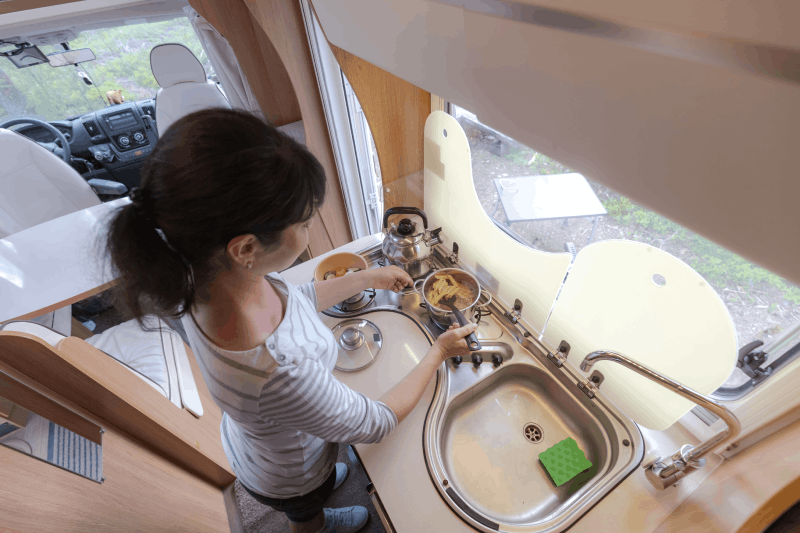
Cooking habits directly affect water consumption. For example, boiling pasta in plenty of water and then draining it is a significant waste. Instead, steaming vegetables or other foods with just a finger of water ensures great results. By using a steaming appliance, you can preserve the nutritional value of the foods while using the small amount of water left at the bottom of the pot for another meal or pre-soaking dishes. Additionally, opting for "one-pot" meals is a water-saving method as it reduces the number of dishes to be washed. These strategic changes in the kitchen will provide noticeable relief in your daily water consumption.
How Is Leakage Control in Caravan Tanks Periodically Done?
Sometimes the biggest water loss comes not from your consumption but from a hidden leak in the system. The caravan's plumbing can develop looseness at connection points due to vibrations while in motion. If your pump operates on its own occasionally while no faucet is open, it indicates a leak or pressure loss in the system. Periodically checking all records, pipe connections, and tank lids is vital. A small drip can lead to the loss of dozens of liters within 24 hours and, worse, can cause damage to your caravan's furniture. A leak-free system is the cornerstone of conservation.
How Do Pressure Regulators Prevent Excessive Water Consumption?
When connected to the city water supply at campgrounds, the external pressure can be much higher than your caravan's internal plumbing. High pressure causes much more water to flow than you need every time you open the faucet. Using a pressure regulator to stabilize this input at 30-40 PSI ensures controlled water flow. This device not only saves water but also protects your caravan's delicate plumbing from bursts and leaks. When using water from your own tank, keeping the pump's pressure setting low will also prevent unnecessary water discharge every time a faucet is opened.
How Do Microfiber Cloths Minimize Water Needs in Cleaning?
While traditional cleaning methods use buckets of water, quality microfiber cloths can work wonders with just a spray bottle. The special structure of microfiber has the ability to trap dirt and bacteria; thus, you can clean large areas by only slightly dampening the cloth. Using these cloths for the exterior cleaning of the caravan or inside surfaces almost eliminates the need for rinsing water. Washing soiled cloths collectively in a washing machine (preferably at campgrounds) helps protect your water consumption inside the caravan. For maximum cleaning with minimal water, microfiber cloths are the best friend of a caravanner.
How Are Water Sources Strategically Managed in Off-Grid Camps?
In nature, while staying in areas without any plumbing (off-grid), water management turns into a survival strategy. In this case, the first rule is to strictly separate drinking water from water for use (washing, cleaning). Keeping drinking water in separate bottles or reliable purification system mats ensures that the water in the main tank is only used for technical purposes. In off-grid camping, the tank level should be checked every morning, and the "water budget" for that day should be determined. If there is a reliable natural water source (stream, spring) nearby, using a bucket and portable filter to clean outdoor equipment or for toilet flushing can critically extend the lifespan of the main tank.
Is Rainwater Harvesting Possible in a Caravan?
Although surprising for many, the awning or roof structure of a caravan offers a potential area for collecting rainwater. By slightly tilting one corner of the awning during heavy rain and placing a bucket underneath, you can collect liters of water in a short time. Even if this water is not used for drinking, it is perfect for cleaning muddy equipment, flushing the toilet, or washing feet. Valuing rainwater demonstrates a caravanner's ability to live in harmony with nature. However, it is crucial to filter the collected water through a coarse filter before transferring it to the tank to prevent clogging the system.
Can an Outdoor Shower Unit Be a Water-Saving Alternative?
If your caravan has an outdoor shower, using it strategically can save water. Especially after coming out of the sea or returning from a muddy hike, quickly rinsing outside without entering the caravan prevents the interior from getting dirty. When the interior remains clean, you also save extra water that you would have spent cleaning it. Additionally, using solar-heated bag showers outside allows you to shower without using any water from the main tank. Using an outdoor shower while in nature provides a refreshing experience and prevents your gray water tank from filling up unnecessarily.
What Should Be Considered When Using the Toilet Bidet?
While using a bidet in caravan toilets is important for personal hygiene, it can increase water consumption. Some travelers prefer spray bottles or portable bidet devices (like peri spray) for water conservation. These devices direct water with a much narrower opening and lower flow than a standard faucet, providing the same cleanliness with much less water. Additionally, instead of flushing the cassette toilet every time, cleaning with minimal water only when necessary helps the cassette fill up more slowly. Toilet management is one of the critical balance points in the caravan in terms of both water conservation and waste management.
How Should Drinking Water and Use Water Be Separated?
The water in your main tank, no matter how clean, can lose its drinking water quality depending on the waiting time in the pipes or the tank. The best method for water conservation and health is to transport drinking water in 5-10 liter reusable glass or quality plastic containers. Using this water for cooking or brewing tea ensures that the water in the main tank is reserved only for "use water" purposes like cleaning and showering. This separation helps prevent concerns about the quality of the water in the tank while also helping you monitor your total water consumption more transparently. Knowing how much of which water is left increases your safety on the road.
How to Maximize Benefits from Water Facilities in Campgrounds?
When staying at paid campgrounds or caravan parks, using external facilities to protect your own tank is a professional tactic. Washing dishes in the campground's shared kitchen, taking showers in the facility's showers, and filling drinking water bottles from the sources there helps keep your caravan's tanks "full". This way, when you leave the camp, you start your journey into nature with a fully loaded tank. Viewing campgrounds as "supply and preparation" points is the most effective way to maximize the time you spend off-grid. Using the infrastructure provided by others without straining your own system is the social aspect of water management.
How Do Water Filtration Systems Help Save Water?
A quality water filter attached to the entrance of the caravan enhances the quality of the water and protects your system. However, what is truly important from a conservation perspective are the activated carbon filters attached to the kitchen faucet. With these filters, you can make tap water drinkable, thus freeing yourself from the constant need to fill up bottled water from outside. Thanks to water purification systems, you can safely use water from sources you find questionable, thus avoiding extra travel and fuel consumption to search for water. Safe water means less wasted water; because you generally dump or hesitate to use water that you are not sure about its quality.
What Are Portable Water Containers and Extra Storage Strategies?
No matter how large your main tank is, carrying 10-20 liter collapsible water containers in your luggage or a suitable compartment can be lifesaving. These portable containers allow you to transport water from a nearby spring without moving the caravan. When water runs low, instead of packing up the caravan and heading to the water source, making small trips with these containers extends your water lifespan. Their collapsible nature makes them ideal for the caravan as they take up no space when empty. Additionally, using the water in these containers for outdoor cleaning or toilet purposes prevents unnecessary loading on the main system. Strategic extra storage is the best insurance against unexpected water shortages.
How to Instill Water Conservation Awareness in Children in a Caravan?
If you are a family with children, water conservation can be turned into a game or a responsibility project. Giving children a specific "water credit" every day or making it a habit to use a cup while brushing their teeth ensures their involvement in this process. Caravan life is an unparalleled laboratory for teaching children that resources are limited and to respect nature. A small sticker at the faucet or a task to check the water level increases their awareness. This education lays the foundation for an environmental consciousness that will protect children throughout their lives.
What Precautions Should Be Taken Against Water Freezing in Winter Camps?
In cold weather, water freezing can not only leave you without water but can also cause pipes to burst. Protecting the water system in winter for conservation and safety is a priority. Insulating pipes left outside, using tank heating pads, or ensuring that the heat inside the caravan reaches the cabinets where the pipes pass is necessary. If you are going to camp in very harsh winter conditions, it is most logical to empty the main tank and keep the water only in portable containers inside. You cannot use water in a frozen system, and this situation can force you into an emergency evacuation. Winter water management is a challenging but educational area where physical protection meets conservation.
How Does the Hygiene of Caravan Tanks Prevent Water Waste?
If algae form in your clean water tank or if a bad smell starts, you cannot use that water and will have to empty it completely. This means a massive waste of hundreds of liters of water. To maintain tank hygiene, it is necessary to regularly use silver ion tablets or special disinfectants sold in caravan markets. Completely cleaning and disinfecting the tank at least twice a year ensures that your water remains fresh and usable at all times. A hygienic tank not only prevents water waste but also protects the health of travelers. Remember, an unclean water source can undermine even the best conservation plans.
Why Is It Critical to Use a Filter in Sink Drains?
Caravan drains are not as wide as those at home and can easily become clogged. Opening a clogged drain usually requires a lot of water and chemicals, leading to both water loss and early filling of the gray water tank. A simple filter that you attach to the sink mouth prevents food scraps from going down the pipes. This keeps your pipes clean, maintains the flow rate of water, and prevents you from having to spend extra water on plumbing maintenance. This small precaution is a low-cost but high-impact solution that protects your plumbing health in the long run while making your daily water management much smoother.
How to Wash Clothes in a Caravan Without Using Water?
Washing clothes in a caravan, if you do not have a special mini machine, is a challenge. Instead of hand washing clothes, it is most logical to wait for the laundries at campgrounds or use coin-operated laundromats in city transitions. In case of an emergency, clothes should be soaked in a container with a little water and soap, scrubbing only the dirty areas and rinsing with minimal water. Choosing appropriate clothing and focusing on "stain cleaning" inside the caravan helps keep your water in the main tank. Laundry management is often an overlooked but important part of water conservation.
How Can Caravan Design Be Optimized for Water Conservation?
If you are building or modifying a caravan, you can design the water system efficiently from the start. Details such as the placement of faucets, the length of pipes (to prevent water from flowing unnecessarily until it heats up), and added bypass lines for gray water recovery make a big difference. Additionally, adding an expansion tank next to the pump ensures that water flows smoothly and steadily, even at low flow rates, preventing unnecessary water discharge. Every right step taken during the design phase will return thousands of liters of water savings and more freedom on the roads. Engineering and conservation go hand in hand in a caravan.
How to Turn Water Conservation into a Lifestyle in a Caravan?
Beyond all these technical methods, water conservation is essentially a mindset. Asking yourself "how much do I really need this water?" every time you turn on the faucet is the starting point of conservation. Caravan life reminds us how precious and limited the abundance offered by the modern world is. When you turn this awareness into a lifestyle, not only your water but also your energy and time management will improve. Learning to be happy with limited resources in harmony with nature is one of the greatest virtues that caravanning brings to a person. The quality of your journey is directly related to how elegantly you use the resources at your disposal.
Summary List of Water Conservation for Caravan Travelers and Final Words?
In summary; adopt the Navy Shower technique, use aerators, wipe dishes before rinsing, and separate drinking water. Try to use every drop at least twice and always keep your plumbing alert for leaks. Saving water in a caravan does not limit you; rather, it gives you more roads, more discoveries, and more peace. Every journey you take while preserving nature's resources is an investment for your future adventures. Water is life, and in a caravan, water is freedom. By following the steps in this guide, live to the fullest the valuable freedom that your tank offers you. Happy travels!