What are the Initial Vehicle Costs of Living in a Caravan in 2026?
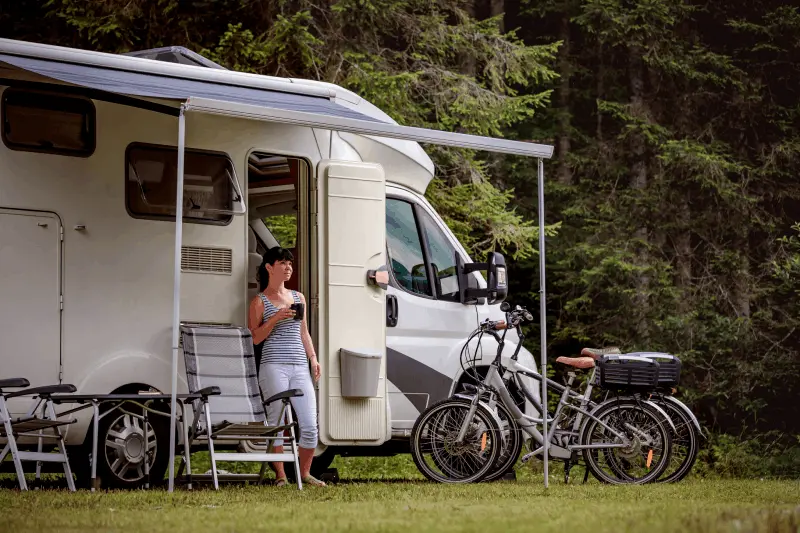
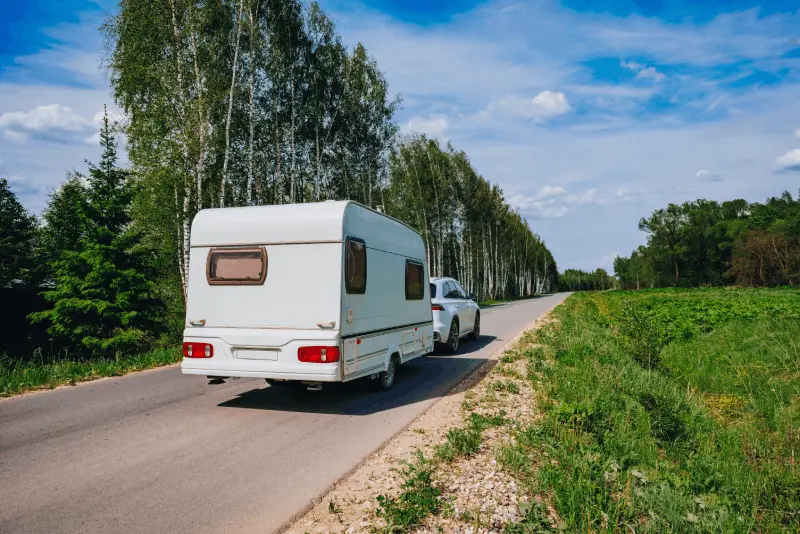
As of 2026, the caravan market is going through a dynamic period due to the increase in second-hand vehicles and the introduction of new generation electric/hybrid models. The initial costs of preferred motorhomes for full-time living (usually PSA group or Mercedes Sprinter models) vary between 1,500,000 TL and 4,000,000 TL depending on the level of equipment. This cost includes not only the purchase of the vehicle but also the taxes required for registering it as a living space and the conversion expenses. When you close your home, a significant portion of the cash capital you obtain should be allocated here; you should also consider the depreciation value of the vehicle and its potential resale value in the future. It should be noted that a caravan is a vehicle, not real estate; therefore, it can lose value over time if not maintained, but in the high inflation environment of 2026, a well-maintained caravan is still seen as a strong asset protection tool.
How Much Budget Should be Allocated for Caravan Insulation and Heating Systems?
In full-time living, insulation is the most critical expense item to ensure a seamless transition during seasonal changes and harsh winter conditions. In 2026, the cost of professional insulation made with quality elastomeric rubber foam and moisture barrier applications, including materials and labor, varies between approximately 60,000 TL and 100,000 TL. On the heating side, in addition to diesel heaters like Webasto or Eberspacher, water systems (radiator heaters) that are becoming increasingly common are preferred. The installation of these systems can start from 45,000 TL and go up to 90,000 TL. If you want a four-season home instead of a summer caravan, you should keep this initial investment in mind. On a monthly basis, the fuel consumption of the diesel heater will add an extra burden of between 1,500 TL and 3,000 TL depending on the outside temperature during the winter months. Although this expense may seem similar to the natural gas bill at home, the heating efficiency per square meter in a caravan is much higher.
What are the Prices of Solar Panels and Lithium Battery Systems in 2026?
Energy independence is the golden rule of caravan living. In 2026, LiFePO4 (Lithium Iron Phosphate) battery systems, which completely replace gel batteries, have become standard due to their long lifespans and fast charging capacities. The total cost of a quality lithium battery bank with a capacity of 400Ah, a 3000W pure sine wave inverter, and a monocrystalline solar panel system between 800W-1000W varies between approximately 120,000 TL and 180,000 TL. This system allows you to operate your devices such as refrigerator, lighting, water pump, and computer independently from external electricity (campground). On a monthly basis, this system pays for itself; as it eliminates the cost of purchasing electricity from outside (daily camping electricity costs vary between 150-300 TL). However, to maintain battery health, you should allocate a small budget (approximately 500 TL) for periodic checks and panel cleaning. The increase in efficiency of solar technology in 2026 ensures more energy production even on cloudy winter days.
How Do Monthly Fuel and Transportation Costs Change Depending on the Route?
The most variable and sometimes the most painful cost of caravan living is fuel. As of 2026, the high diesel prices per liter due to global energy policies have popularized the strategy of "less movement, more accommodation." If you travel an average of 1,000 kilometers per month, you should allocate a fuel budget of approximately 6,000 TL to 8,000 TL depending on your vehicle's fuel consumption (average 10-12 liters/100 km). However, if you are a traveler constantly changing cities and climbing mountain roads, this figure can easily rise to 15,000 TL. Staying in one place can reduce fuel costs to zero, but this contradicts the spirit of caravan living. Therefore, in 2026, most caravanners adopt the "slow travel" method. By staying in one area for 1-2 weeks, they save on fuel and find opportunities to better understand the local culture. Also, don't forget to add highway tolls and ferry costs to your transportation budget; especially on Aegean and Mediterranean routes, these additional items can create an approximate monthly burden of 1,500 TL.
How to Balance Caravan Camping Fees and Free Accommodation?
In 2026, the nightly fees of caravan camps across Turkey vary between 400 TL and 1,000 TL depending on the amenities they offer (electricity, water, gray water disposal, shower, toilet). For a full-time caravanner, entering a camp every night translates to a monthly rental cost of between 15,000 TL and 25,000 TL, which is not sustainable. At this point, "wild camping," which refers to free accommodation in nature, comes into play. For successful budget management, it is ideal to stay 20 days free in nature and 10 days in camps to meet needs and socialize. In this case, your monthly camping budget will remain between 6,000 TL and 8,000 TL. However, due to increasing inspections by local municipalities and governorships regarding "free camping" in 2026, you should closely monitor legal parking areas and mobile applications (like Park4Night) to avoid fines. Additionally, any extra expenses you allocate for security while camping for free (alarm systems, tracking device subscriptions) should also be included in this category.
Are Kitchen Expenses and Kitchenware Costs Similar to Home?
Cooking in a caravan is somewhat different from home habits, but costs follow a similar trend. In 2026, due to the effects of food inflation, eating out has become a luxury, which has led caravanners to focus more on their kitchens. Since caravan refrigerators have limited capacity (usually 90-140 liters), shopping for fresh and smaller portions from local markets is both healthier and more economical compared to large supermarket shopping. In two-person households, the monthly kitchen expense can vary between 8,000 TL and 12,000 TL. On the energy side, the use of 12 kg household gas cylinders for cooking in caravans has shifted more towards "aluminum caravan cylinders" filled with LPG due to safety standards in 2026. A cylinder lasts about 1.5-2 months, and the monthly refill cost is approximately between 400-600 TL. Since the use of ovens in caravans is not very common (due to energy consumption), meals are usually prepared on the stove and in the air fryer (if electric); this can optimize cooking costs at home by 15-20%.
What is the Cost of Water Supply and Wastewater Disposal Stations?
Water is the most valuable resource for those living in a caravan. In 2026, while access points to clean water are decreasing, the number of professional disposal stations has increased. To fill your caravan's clean water tank, which varies between 150-250 liters, gas stations or mosques are usually used, but in some regions, water sales (charged per ton) have started. You can allocate a modest amount of approximately 500-800 TL for monthly water supply. The main issue is the management of "gray water" (kitchen/shower) and "black water" (toilet). For those using cartridge toilets, the monthly cost of chemical separation liquids varies between 600 TL and 1,000 TL. If your caravan has a compost toilet, this cost drops to almost zero. In 2026, randomly disposing of gray water in nature is subject to heavy fines, so you may need to use municipal disposal facilities. The usage fees for these facilities generally vary between 100-200 TL. Planning a total monthly "service budget" of 2,000 TL for hygiene and water management will ensure you are environmentally responsible and protect you from legal issues.
What are the Levels of Caravan Insurance and Inspection Fees in 2026?
Registering a vehicle as a caravan (M1 class special purpose transport) affects mandatory liability insurance and comprehensive premiums. With the rising vehicle prices in 2026, obtaining comprehensive caravan insurance has become a necessity rather than a luxury. Annual comprehensive insurance premiums can vary between 30,000 TL and 70,000 TL depending on the value of the vehicle; this translates to a monthly budget share of between 3,000 TL and 6,000 TL. Mandatory traffic insurance is approximately 10,000 TL annually, depending on your no-claims level. Caravans must undergo regular TÜVTÜRK inspections every year. In 2026, the inspection fee, including exhaust emission measurements, is approximately 3,500 TL. Additionally, extra coverage may be required to include the equipment inside the caravan (refrigerator, solar panel, heater) in the insurance coverage. To cover all these legal and financial protection shields, creating an average monthly "depreciation and insurance fund" of 5,000 TL will prevent you from losing your living space in the event of a major accident or breakdown.
How Much Should be Paid for Starlink and Mobile Internet Packages?
For digital nomads, especially for remote workers, internet is as essential as air and water. In 2026, the full coverage of Starlink in Turkey and the proliferation of mobile versions (Starlink Roam) have changed the fate of caravanners. The monthly subscription fee for uninterrupted, high-speed internet access via satellite varies between 2,000 TL and 3,000 TL. Additionally, the initial purchase cost of the device (approximately 20,000 TL) should not be forgotten. If you prefer unlimited data packages from local GSM operators instead of Starlink, you may encounter issues in rural areas where the signal strength is low. In 2026, unlimited mobile data packages vary between 1,500 TL and 2,500 TL monthly. Many caravanners use both Starlink and a backup GSM line simultaneously to reduce connectivity risk. In this case, the total monthly budget for communication and internet should be calculated at approximately 4,000 TL. Although this figure may seem high, it is much more advantageous compared to the costs of renting an office or having fixed home internet + working outside.
How Much Should be Allocated for Caravan Maintenance and Unexpected Breakdown Costs?
A caravan is not just a home; it is also a constantly moving machine. In 2026, the costs of spare parts and qualified labor have significantly increased. Periodic engine maintenance (oil changes, filters, brake checks) should be done every 10,000 - 15,000 km, and this cost varies between approximately 10,000 TL and 15,000 TL. However, real surprises in a caravan are internal equipment failures such as "battery failure," "water pump breakdown," "solar panel failure," or "heater blockage." For such situations, it is strongly recommended to set aside at least 3,000 TL - 5,000 TL each month. If you do not experience any breakdowns, the accumulated money at the end of the year will be lifesaving for covering major expenses like tire replacements (in 2026, 4 caravan-type tires cost approximately 40,000 TL). Remember, when something breaks in the caravan, not only does your vehicle become unusable, but your home also becomes uninhabitable; therefore, skimping on the technical budget can lead to greater financial losses in the long run.
How Should the Monthly Laundry and Hygiene Products Budget be Planned?
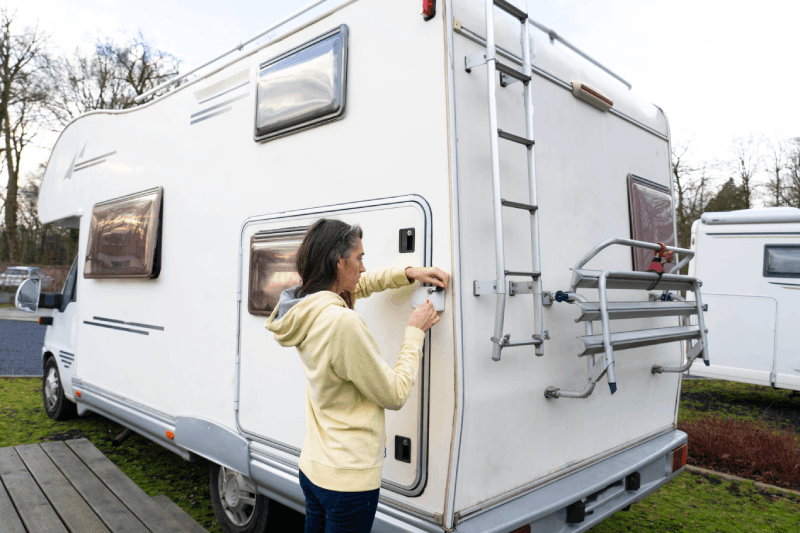
Washing clothes in a caravan is one of the biggest logistical challenges. If you do not have a small washing machine (usually with a capacity of 3 kg) in your caravan, you will be dependent on external resources. In 2026, a washing and drying cycle in self-service laundries costs approximately 200-300 TL. If you use this service once a week, it will create a monthly cost of approximately 1,000 TL. From a hygiene perspective, shampoos, soaps, and cleaning products used in the caravan should be "eco-friendly" and "biodegradable"; this is critical for the health of your gray water tank and environmental pollution. These ecological products are 50-80% more expensive than standard market products. When personal hygiene, toilet paper (biodegradable caravan type), cleaning supplies, and laundry costs are added, the total monthly budget should be between 2,500 TL and 3,500 TL. Additionally, the energy used for hot water in winter (LPG or diesel) is also a hidden part of this hygiene cost. Since a clean and tidy caravan life is also critical for psychological health, this item should never be neglected.
How is Health Insurance and Emergency Expenses Managed in a Caravan?
For full-time travelers, there is no access to a fixed family doctor or a familiar hospital. In 2026, private health insurance premiums covering all private hospitals across Turkey are of vital importance for caravanners. You should plan a monthly budget of approximately 2,500 TL - 4,000 TL for additional or comprehensive health insurance per person. Additionally, in remote areas where you may find yourself in a caravan, you should have a comprehensive first aid kit and a stock of over-the-counter medications (approximately 5,000 TL initial investment) for potential dental pain, poisoning, or minor injuries. In an emergency, you may need to leave your vehicle and go to a hotel or call a tow truck, so you should have an "emergency cash fund" (approximately 50,000 TL) readily available. Since caravan life requires being in nature, being financially and medically prepared for ticks, allergies, and seasonal illnesses will prevent your adventure from being cut short.
How Do Eating Out and Social Activities Affect the Caravan Budget?
Living in a caravan is not just about sleeping in a vehicle; it is also about discovering new places and interacting with local culture. In 2026, visiting a museum, participating in a local festival, or having coffee in a seaside town can reach serious costs due to inflation. Most caravanners prefer to invest the rent they save in such experiences. The monthly cost of eating out once or twice a week, participating in local tours, or national park entrance fees can vary between 4,000 TL and 7,000 TL. However, this item entirely depends on your lifestyle; if you enjoy spending time in nature, you can keep this expense to a minimum. Still, it makes sense to consider social expenses like "shared meals" with caravan neighbors or caravanner meetups as part of your budget; socializing is the most effective way to break the isolation created by the limited space in the caravan.
How Should You Financially Manage the Process of Storing or Selling Household Items?
When closing your home, the biggest question you face is: What will happen to the items? In 2026, storage (self-storage) services have become quite professional but costly. The monthly rent of a storage unit of 5-10 square meters varies between 2,500 TL and 5,000 TL depending on the area. This adds an additional fixed monthly cost to caravan living. Alternatively, selling items can provide serious capital (cash) when starting caravan life. Thanks to the strength of the second-hand market in 2026, it is possible to earn between 150,000 TL and 300,000 TL from the items of a middle-class home. This income can be used to upgrade the caravan's solar panel system or cover the first 6 months of fuel expenses. Completely transitioning to minimalism and storing only emotionally valuable items in a small box (perhaps for free at a relative's house) is the most financially sensible approach. Getting rid of items not only reduces material burdens but also alleviates the psychological burden of "leaving something behind."
How Much Do Fuel and Heating Costs Increase in Winter Months?
Winter in a caravan is the period when costs fluctuate the most. In 2026, to maintain an internal temperature of 22 degrees in the caravan, a diesel heater (Webasto) can consume an average of 2-4 liters of fuel per day. This translates to an additional monthly cost of between 3,000 TL and 5,000 TL just for heating. Additionally, with the decrease in sunny days, lithium batteries may not be fully charged; in this case, you may need to run the engine (via a DC-DC charger) to charge the batteries or enter a campground to purchase electricity. Winter electricity and additional fuel costs can add an extra burden of between 6,000 TL and 8,000 TL to your monthly budget. The most popular way to reduce this cost is to spend the winter months in the warmest regions of Turkey (such as Kaş, Fethiye, Datça) or abroad, creating a "caravan migration." A warm climate reduces energy needs and eliminates the risk of freezing for the caravan's external equipment (like water tanks), saving on technical damage costs.
Are Smart Home Technologies and Security Systems Necessary for Caravans?
In full-time living, security is key to peace of mind. In 2026, integrated smart security systems for caravans offer features such as 360-degree camera recording, motion sensors, GPS tracking devices, and remote battery/water level monitoring. The installation of these systems costs approximately between 30,000 TL and 50,000 TL. Additionally, monthly subscription fees for the software used for cloud recording and remote access of the cameras are around 500 TL - 1,000 TL. Security systems are necessary not only for protection against theft but also for monitoring the technical health of the caravan (such as overheating or gas leaks). In 2026, the concept of "smart caravan" has become a standard need, especially for those traveling alone or carrying valuable equipment (computers, cameras, etc.). This investment ensures that your eyes are not left behind when you park your caravan in a parking lot or in nature and can help you receive discounts on some insurance premiums.
What are the Extra Costs of Living in a Caravan with Pets?
Living with a cat or dog in a caravan increases happiness but also brings extra costs. In 2026, the prices of quality pet foods have significantly increased, with the monthly food and treat cost for a medium-sized dog varying between 2,000 TL and 3,500 TL. The energy consumption and maintenance costs of special electric vacuum cleaners and air purifiers used for fur and odor management in the caravan's limited space are also around 500 TL per month. Additionally, due to veterinary check-ups, regular parasite vaccinations, and the extra risks faced by traveling pets (ticks, parasites from different water sources), you should allocate a monthly "paw friend fund" of 1,500 TL for health expenses. While many camps do not charge extra fees for pets, some luxury camps may charge an additional fee of 50-100 TL per night. Modifications to ensure your pet's comfort in the caravan (special sleeping areas, safety nets) may also require an initial investment of around 10,000 TL.
How are Personal Care and Hairdresser/Barber Expenses Managed in Nomadic Life?
Personal care habits inevitably change while living in a caravan. Long hair is replaced with quick and efficient options, while hairdresser and barber services are obtained from local tradespeople in the cities visited. In 2026, the standard price for men's haircuts varies between 400-700 TL, while women's hairdressing services (cutting/maintenance) range from 1,500 TL to 3,000 TL. Since you will not always be in the same place as a nomad, it is important to do price research and read reviews for budget discipline. Many caravanners learn to do their own haircuts and personal care routines (like manicures/pedicures) to save money; for this purpose, the cost of professional care kits purchased as a one-time expense is approximately 5,000 TL. Monthly personal care products (shampoo, skincare products, perfumes) will require a budget of 1,500 TL - 2,500 TL.
Should Shared Workspace Fees for Digital Nomads be Added to the Budget?
If working in a caravan sometimes feels overwhelming or if you need high-speed, guaranteed internet for important meetings, shared offices (coworking spaces) come into play. In 2026, daily usage fees for workspaces in popular holiday areas vary between 500 TL and 1,000 TL, while monthly unlimited memberships range from 6,000 TL to 10,000 TL. Using these spaces once a week is a good investment for both socializing and increasing work efficiency, adding approximately 3,000 TL to your monthly budget. However, if you have a good desk setup in your caravan and Starlink, you can completely avoid this cost. Many caravanners use libraries or quiet cafes as "free offices"; in this case, only a few coffee costs (daily 200-400 TL) will reflect on the budget. The biggest advantage of living in a caravan as a digital nomad is having a "workspace" with different views every day; therefore, it is most logical to keep a fixed office expense only for "emergencies" or "socializing needs."
Is There Space and Budget for Hobby Equipment and Sports Gear in a Caravan?
Caravan life can be both a barrier and a great opportunity for hobbies. In 2026, most caravanners prefer compact sports equipment such as folding bicycles, paddleboards, or climbing gear. The initial purchase cost of this equipment (a quality electric folding bicycle costs 40,000 TL, a quality SUP costs 20,000 TL) is high. On a monthly basis, you can allocate a budget of approximately 2,000 TL to 4,000 TL for the maintenance of this equipment, activity fees at campgrounds, or national park entrance fees. Exercising outdoors instead of gym memberships provides significant savings; some caravanners join chain gyms with branches across Turkey (monthly 1,500 TL - 2,500 TL) to benefit from shower facilities and maintain regular training. The budget you allocate for your hobbies is the best way to manage the "small space" stress in the caravan; therefore, instead of skimping on this item, allocating a one-time modification budget of between 15,000 TL and 25,000 TL to integrate the equipment outside the caravan will bring happiness in the long run.
How Do Tax Liabilities and MTV Payments Affect Caravan Owners?
Caravans are subject to the Motor Vehicle Tax (MTV) based on their engine sizes and ages. With the tax regulations in 2026, the annual MTV for a caravan with a 2.0 engine size between 5-10 years old can vary between 15,000 TL and 25,000 TL. This adds an additional burden of approximately 1,500 TL to 2,000 TL to the monthly budget. Additionally, the Special Consumption Tax (ÖTV) paid during the process of converting the vehicle to caravan registration is very high; therefore, caravanners often prefer vehicles older than 5 years to avoid this heavy tax burden. Instead of paying taxes in two installments in January and July, setting aside money monthly simplifies budget management. Additionally, some legal procedures and postal/notification management that may arise from changing your residence address to a relative's address or "shared office" addresses may require a small annual budget (approximately 2,000 TL for notary fees, etc.). Tax compliance is your legal assurance for smooth travel on the road.
What is Expected for the Depreciation or Return on Investment of Caravans in 2026?
Transitioning from a house to a caravan generally means moving from an asset that appreciates in value, like real estate, to an asset that typically depreciates. However, in the 2026 Turkish economy, the fact that the second-hand vehicle market is still seen as an investment vehicle softens this situation somewhat. The foreign currency-based costs of the equipment inside the caravan (lithium batteries, quality furniture, imported devices) can protect the total value of the vehicle against inflation. Still, an annual "hidden cost" (depreciation) of about 5-10% of the total value should be calculated; this should be evaluated as wear and technological obsolescence. If you are living in a caravan valued at 2,000,000 TL, this could mean an annual depreciation of 150,000 TL; this translates to approximately 12,500 TL of "asset erosion" monthly. Although this figure may seem daunting, it generally represents a better situation compared to the rent, dues, and property taxes you would pay. Instead of viewing a caravan as an investment, consider it as "purchasing quality of life" to keep your financial psychology healthier.
Does the Amount Spent on Clothing and Textile Products Decrease in a Caravan?
Storage space (closet volume) in a caravan is so limited that the rule of "for every item you bring, let go of one" applies. This situation opens up a natural savings door for caravanners in the fast-paced consumption world of 2026. Instead of buying dozens of clothes every month, it is best to invest in a few quality, functional, quick-drying, and non-ironing pieces (merino wool or technical fabrics). The unit price of these technical clothes is high (a t-shirt can be between 1,500 TL and 3,000 TL), but you will only shop a few times a year. The average monthly clothing budget can be around 1,000 TL - 2,000 TL. In terms of textiles, the frequency of washing and the bedding, towels, and curtains used under the sun in the caravan lead to faster wear. A budget of approximately 5,000 TL annually will be sufficient for renewing these items. A minimalist wardrobe not only saves money but also alleviates the stress of managing the limited space inside the caravan; fewer items mean a home that can be tidied up more quickly.
How Do Long-Distance Ferry and Highway Crossing Fees Restrict Routes?
Traveling from one end of Turkey or Europe to the other involves not only fuel costs but also crossing fees. In 2026, crossing fees for the Çanakkale Bridge, Istanbul bridges, and new highways can be quite costly for caravans (usually for 2nd or 3rd class vehicles). For example, on a long journey over the Istanbul-Antalya highway, you may pay a fee of between 2,000 TL and 3,000 TL for a round trip. Ferry crossings (for example, to Italy or Greek islands) can incur significant costs ranging from 15,000 TL to 40,000 TL depending on the size of the vehicle in 2026. This situation may lead you to prefer "state roads instead of highways" and "land routes instead of ferries" when planning your route. Keeping an average "road fund" of 2,000 TL in your monthly budget for such crossings will help you avoid unexpected crossing fees. Using the "avoid toll roads" option in mobile navigation applications is the most common method for caravanners and makes the journey more scenic.
Are Psychological Support and Social Belonging Expenses Important?
Full-time caravan living can sometimes create feelings of loneliness, security concerns, and a sense of "not belonging anywhere." In 2026, online therapy and coaching services are quite common among nomads. The cost of receiving professional support once or twice a month to maintain mental health varies between approximately 2,000 TL and 4,000 TL. Additionally, you should allocate around 1,000 TL for monthly membership fees for caravan communities (clubs), participation in festivals, and joint events. Social belonging is the most critical yet often overlooked cost for the sustainability of caravan life. Many people may be financially prepared, but due to social isolation, they return to their homes within six months. Therefore, allocating a small portion of your budget to "establish human connections" and "support your mental health" can make your caravan life sustainable and lead to a happy lifestyle. Remember, even the cheapest lifestyle will cost you dearly if you lack inner peace.
Is the Amount Saved from Minimalist Living Really Significant?
When we add up all these cost items, as of 2026, the average monthly cost of a comfortable and safe full-time caravan life for two people varies between 45,000 TL and 75,000 TL (excluding vehicle depreciation). This figure can be 30-40% more economical compared to renting a luxury apartment in a big city, paying dues, living outside, and owning a vehicle. However, real savings come not from money but from avoiding time and consumption madness. Unnecessary subscriptions at home, endless home renovations, the desire to renew furniture, and high energy bills do not exist in a caravan. A caravan teaches you "how little you can live with." In the economic uncertainties of 2026, owning a "mobile fortress" that produces its own energy, has no rental burden, and can go wherever you want is not just a financial choice but also a freedom insurance. Minimalism increases the numbers in your bank account while reducing the burdens in your soul, and this gain has no material equivalent.