How to Efficiently Use Vertical Spaces in Caravan Walls?
While the floor space in caravans is limited, the walls often offer a wide potential waiting to be utilized. Using pegboards to maximize vertical space keeps many items organized, from kitchen utensils to hand tools. Slim shelves mounted on the walls create space for books or decorative objects, while cabinets with doors placed at high levels allow you to store rarely used items out of sight. Additionally, elastic nets or mesh pockets are ideal for securely holding lightweight items like magazines, phones, or glasses at the bottom of the walls. The most critical point in wall usage is to place heavy items at lower levels and lighter ones at higher levels to maintain the center of gravity.
How to Evaluate the Limited Spaces Under the Kitchen Counter?
The kitchen areas are the most complex parts of the caravan. Often, the corners under the counter remain as "limited spaces" where plumbing pipes pass through. Specially designed "L" shaped drawers or lazy susans offer great solutions to gain these areas. By placing custom-cut shelves around plumbing pipes, you can create niches for detergents or cleaning sponges. Additionally, using tiered dividers inside drawers saves space by preventing pots and pans from clashing. Adding slim drawers with push-open mechanisms to the empty spaces (bases) just below the counter allows you to store oven trays or cutting boards, proving that you are maximizing every centimeter.
What Mechanisms Should Be Preferred in Under-Bed Storage Systems?
In caravans, the space under the bed usually has the largest storage capacity. To make this area accessible, gas lift mechanisms should be preferred. This way, you can lift the bed with one hand and easily reach camping chairs, spare tires, or technical equipment underneath. If the side of your bed faces the corridor, designing deep drawers speeds up access to items. Categorizing this large area using compartmentalized storage boxes makes it easier to find what you are looking for. This area, suitable for soft items like winter clothes or spare bedding, also serves as insulation, contributing to the thermal balance of the caravan.
Do Ceiling Rails and Hanging Systems Save Space?
The ceiling is a storage area often forgotten by caravan users. Ceiling-mounted rail systems create a mechanism where plastic boxes can be slid, providing a storage area disconnected from the floor. Ceiling hangers are extremely practical, especially for lightweight camping materials or paper towels. Hanging fruit nets from the ceiling in the kitchen area allows fresh foods to breathe while keeping the countertop free. However, the most important consideration when using the ceiling is to avoid obstructing headroom and to secure items in a way that does not compromise driving safety. A well-planned ceiling system can visually make the interior of the caravan feel more spacious.
Do Collapsible Kitchen Utensils Really Save Space?
In modern caravan life, collapsible (silicone-based) kitchen utensils are revolutionary. Collapsible strainers, bowls, kettles, and even sinks can shrink to just a few centimeters in thickness when not in use, freeing up massive space in drawers. These products can save up to 70% more space compared to traditional plastic or metal counterparts. Especially nesting pot sets allow you to store the entire set in the space of a single pot. These smart products not only save space but also provide a more comfortable travel experience by not making noise when they bump into each other during transit. The rule of "choosing collapsible items" should become a golden rule in your caravan kitchen.
Are Magnetic Holders Safe During Bumps?
Magnetic strips and holders are used to secure knives, keys, or metal spice jars, especially in kitchen and workshop areas. However, the bumps that occur while the caravan is in motion can raise questions about the safety of these systems. To overcome this issue, stronger neodymium magnets should be preferred. Instead of just attaching knives to the magnet, adding a small support rail to the bottom or positioning the knife handles downward can prevent them from flying off during hard braking. Additionally, hanging spice jar lids under shelves with magnets provides both an aesthetic appearance and frees up space above for other items. When applied correctly, magnetic systems are one of the safest and most practical storage methods in a caravan.
How Can We Organize the Space Behind the Bathroom Door?
Bathroom doors are often seen merely as a passage point, whereas they are an excellent area for multi-layered storage. Transparent pocket organizers hung behind the door provide dozens of small compartments for shampoo, toothbrushes, cosmetics, and even shoes. Thanks to the transparent pockets, you can easily see the contents and avoid clutter. Instead of towel hooks, vertical rods mounted over the door allow towels to dry faster while preventing space loss. When choosing door organizers, opting for slim models that do not obstruct the full opening of the door and securing the lower parts to the door to prevent swinging while in motion will enhance comfort.
Are Vacuum Bags Useful for Storing Textile Products?
One of the most challenging items to store in caravans is bulky textile products. Spare blankets, winter coats, or seasonal clothes occupy a significant portion of cabinets. Using vacuum bags can reduce the volume of these items by up to 80%. You can compress large coats into thin packages by using a manual hand pump or a small vacuum cleaner in your caravan. This method not only saves space but also protects your items from moisture, dust, and odors that may develop in storage areas outside the caravan. Vacuum packages can be easily stacked in thin gaps under the bed or behind the sofa. In long-term stays, this technique significantly increases your mobility within the caravan.
Is It Possible to Design Hidden Compartments Under the Floor?
Between the chassis and the interior floor of your caravan, there are often a few centimeters of space, sometimes deeper gaps. Elevating the floor (double floor) to create hidden compartments is especially excellent for valuable items or rarely used tools. Hidden drawers within steps for storing shoes or wine cellars concealed under a floor hatch are popular examples of these designs. Under-floor storage positively affects the driving safety of the caravan as it lowers the center of gravity. However, when making such modifications, care must be taken not to disrupt the thermal insulation of the caravan and to ensure that the hatch is securely mounted so that it does not creak when stepped on.
How Do Exterior Facade and Trunk Solutions Affect Interior Volume?
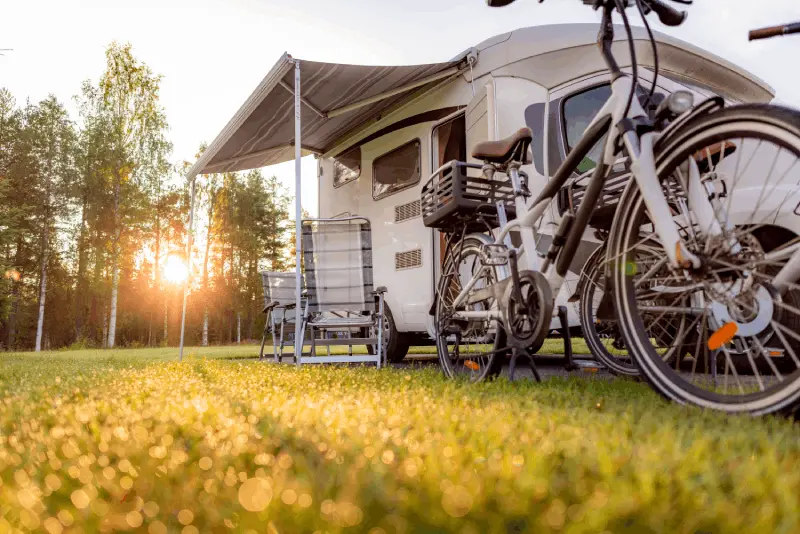
One of the best ways to make the interior space of the caravan feel more spacious is to move items that do not need to be inside outside. Roof racks, bike carriers, and rear panel boxes are ideal for transporting outdoor equipment like camping chairs, tables, and grills. This way, you can dedicate the interior cabinets solely to daily living necessities. However, external storage solutions can disrupt the aerodynamics of the caravan and increase fuel consumption. Therefore, it is critical to choose aerodynamic roof boxes and distribute weight evenly. Additionally, using locking systems for the safety of external items and opting for waterproof covers will extend the lifespan of your equipment. Efficiently utilizing the exterior facade is one of the most important elements that create the "home feeling" in a caravan.
Is It Difficult to Convert Stair Steps into Drawers?
If your caravan has a ladder to access a bunk or areas at different levels, each step can be a potential drawer. This modification is quite practical when structurally supported correctly. Typically, the front face of the step becomes a drawer front, and deep rail systems are installed inside. These areas are tailored for frequently used small items like socks, underwear, or small toys for children. Under-stair storage allows you to reclaim "limited volume" at the junction of vertical and horizontal space. Although it may require carpentry skills, the organizational advantage it provides is definitely worth the effort. Having each step as a storage unit is one of the most subtle details of minimalist living in a caravan.
How Does Digital Transformation Reduce the Need for Physical Space?
Traditional books, CDs, photo albums, and maps take up a lot of space in a caravan. By digitizing these items, you can gain significant storage space. An e-reader (like Kindle) can replace hundreds of physical books, while you can store your entire film and music collection on a small portable drive or in cloud storage. Using digital navigation apps instead of paper maps eliminates the need for physical filing. You can even scan important documents and store them digitally to get rid of folders. Digital transformation not only saves space but also helps create a more peaceful and minimalist environment by reducing the "visual clutter" inside the caravan.
How Do Smart Dividers and Baskets Prevent Clutter?
Wide shelves and deep cabinets can turn into "black holes" where items get mixed up if not organized correctly. Drawer dividers and transparent plastic baskets are the most effective way to categorize items. Having a purpose for each basket (for example; breakfast basket, cleaning supplies basket, miscellaneous basket) ensures you can find what you are looking for instantly. Non-slip mats placed under the baskets prevent boxes from sliding around and causing clutter during transit. Additionally, using vertical dividers to stack plates vertically instead of horizontally reduces the risk of breakage and saves you from having to lift all of them to reach the bottom plate. The divide and conquer strategy is the cornerstone of caravan organization.
How Are Lighting Elements Integrated with Storage Areas?
The darkness of storage areas makes it difficult to find items and leads to inefficient use of space. Battery-operated or rechargeable LED sensor lights placed inside cabinets automatically turn on when the door is opened, providing great convenience. Additionally, LED strips mounted under shelves illuminate the workspace and make deep areas visible. In some creative designs, the lighting fixtures themselves can include small storage areas; for example, the base of a bedside lamp can be designed as a phone charging stand or a pen holder. A well-lit storage area encourages more efficient use of that space and expands the perception of volume by eliminating dark corners inside the caravan.
What Is the Best Way to Store Seasonal Items in a Caravan?
For those living full-time in a caravan, seasonal transitions require serious logistical planning. Where to put winter boots in summer or beach gear in winter is a big question. The best solution is the "modular rotation" system. Seasonal items can be stored in the most hard-to-reach spots in the caravan (like the deepest corner under the bed or the depths of the external trunk) using vacuum packages. If possible, moving some heavy winter equipment (like snow chains, heavy coats) to external storage boxes keeps the interior space airy. Applying the "one in, one out" rule for seasonal items, meaning getting rid of an old item before acquiring a new one or sending it to an external storage (or your family's home), is the healthiest way to prevent overcrowding.
Why Is Choosing Lightweight Materials Important in Caravan Furniture?
When adding new cabinets and shelves to increase storage space, it is vital to keep the total weight of the caravan (GVWR) in mind. Instead of heavy wood materials, poplar plywood, composite panels, or aluminum profiles should be preferred. Lightweight materials allow for greater payload capacity while maintaining the fuel efficiency of the caravan. Additionally, using hollow honeycomb panels in furniture doors minimizes weight without sacrificing strength. Heavy furniture can disrupt the balance of the caravan and increase the load on the tires. Therefore, storage units designed with the philosophy of "light yet durable" allow you to store more items and extend the lifespan of your caravan.
What Are the Special Carpentry Solutions for Corner Spaces?
The interior structure of caravans is often curved and cornered, causing standard furniture to leave gaps. To evaluate corner spaces, custom-made "blind corner" cabinets or curved shelf niches can be designed. Using rotating mechanisms (LeMans rails) in kitchen corners can bring even the deepest pots to the front. Adding small bookshelves or cup holders to the remaining gaps in the seating area provides an aesthetic and functional touch. These niche areas are also great for using small electronic devices as charging stations. Instead of ignoring corners, transforming them into special storage points that reflect the character of the caravan is the key to professional interior design.
How Can Narrow Spaces Around Windows Be Utilized?
The thin wall gaps around windows are often left undecorated. However, these narrow areas can be used as spice racks, medicine cabinets, or key holders by adding shelves just a few centimeters deep. By slightly widening the window sills, it is possible to turn this space into a small workspace or plant stand. Additionally, foldable shelves mounted just below the windows provide extra countertop space when needed. Adding small glasses holders next to light curtains or mosquito net mechanisms in the upper window gaps brings great practicality to daily life. Narrow spaces can be transformed into the most useful "helper stations" in the caravan with the right accessories.
Is It Better to Use Hangers or the Rolling Technique in Clothing Cabinets?
In small volumes like caravans, the traditional hanging method often takes up too much space and causes clothes to slide during transit. The rolling technique, also known as the "KonMari" method, allows you to store clothes more compactly and neatly. When you place rolled clothes in vertical drawers or baskets, you can see each piece without stacking them on top of each other. However, it is sensible to leave a very thin hanging space in a corner of the wardrobe for shirts or jackets that require ironing. When using hangers, "velvet-covered slim hangers" that save space should be preferred. Dividing the clothing cabinet into shelves, combined with the rolling technique, can double the amount of clothing that can fit in a standard wardrobe.
How to Solve the Shoe Rack Problem at the Caravan Entrance Door?
When entering the caravan from outside, figuring out where to put muddy or dirty shoes is always a problem. The best solution is an integrated drawer under the entrance step or an open shoe niche that opens under the furniture right next to the entrance door. This prevents dirt from spreading inside. If you have no space, a small mat box attached to the outside of the door or vertical shoe holders mounted inside the door can be used. Hanging shoes vertically with the toes pointing up saves depth instead of laying them flat. This small organization created in the entrance area directly helps maintain the overall cleanliness of the caravan and reduces clutter inside.
What Areas Do Nets and Mesh Pockets Save?
Mesh pockets are one of the lightest, cheapest, and most flexible solutions for caravan storage. They are perfect for storing phones and books at the head of the bed, holding wet sponges on bathroom walls, or storing fruits and vegetables on the side surfaces of kitchen cabinets. The flexible structure of the nets conforms to the shape of the items inside, preventing volume waste. Additionally, since they allow items to breathe, they prevent moisture buildup. Especially large nets stretched in ceiling corners can be used to secure soft items (pillows, blankets) in place during transit. Mesh pockets are magical tools that soften the hard lines of the caravan and instantly turn any vertical surface into a functional storage unit.
What Is the Most Compact Design for Kitchen Spice Racks?
In the kitchen, the clutter created by dozens of small spice jars is inevitable. The most compact solution is sliding rail systems mounted under upper cabinets or tiered spice racks placed inside drawers. Attaching magnetic spice jars to the refrigerator door or a metal strip completely frees up the countertop. Another creative idea is to store spices in small test tubes or thin cylindrical containers, keeping them vertically in a drawer with shallow depth but long height. Writing names on the spice jars ensures you can recognize them immediately when viewed from above. These types of micro-organizing solutions enhance the joy of cooking in the caravan while making the kitchen space appear much larger than it actually is.
Can the Spaces Around Electrical and Water Installations Be Used Safely?
In caravans, compressors, water pumps, and pipes often occupy significant space inside cabinets. You can use the empty volume around these sensitive devices by adding protective cages or shelf compartments, as long as you do not completely enclose them (for air circulation and maintenance access). For example, a shelf can be made to place lightweight camping materials on the empty space above the water tank. However, it is crucial to place non-flammable materials around electrical wires and the fuse panel and to design a cover system that allows easy access to these areas for safety reasons. Smartly "framing" installation areas is a professional way to increase storage space without compromising the technical capacity of the caravan.
How Does the Minimalist Lifestyle Philosophy Contribute to Caravan Storage?
Even if you have the best storage systems in the world, if you have more items than you need, your caravan will always feel cramped. Minimalism promotes living with "less but essential" items, providing not only physical space but also mental clarity. Before bringing an item into the caravan, ask yourself, "Do I really need this?" and "Does this item serve multiple purposes?" Multi-functional items (like containers that serve as both pots and serving dishes) are the closest friends of a caravan. At least once a year, empty all cabinets and separate the items you no longer use, helping the caravan get rid of unnecessary weights. Minimalism is not a restriction; it is a strategy for gaining a spacious area where you can move freely.
Can DIY Storage Units Be Made from Recyclable Materials?
For budget-friendly and creative storage solutions, you can adapt household waste materials to your caravan. You can paint empty tin cans, screw them to the walls, and use them as pencil holders or cutlery holders. You can create modular shelves from plastic milk crates or sew the pockets of old jeans onto wall panels. By gathering wine corks, you can create a bulletin board or screw the lids of glass jars under shelves to create screwable storage units. These DIY projects not only save space but also add a unique character and warmth to your caravan. A design focused on recycling is in perfect harmony with the values of "respect for nature" and "creativity" in the spirit of caravanning.