How to Manage the Self-Respect of Cassette Toilet Cleaning?
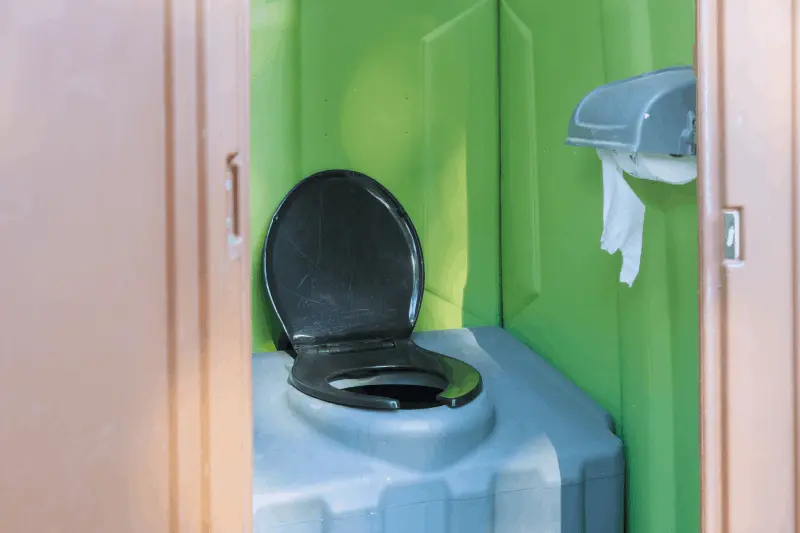
One of the biggest physical and psychological challenges of caravan life is waste management. The waste you get rid of by pressing a button at home is a physical reality that is always beside you in the caravan. Emptying the cassette toilet not only means dealing with a bad smell but also signifies giving up the sterile living comfort of modern humans. This process can deeply shake a person's sense of hygiene and self-respect; because being so closely involved with your own waste, although it is a part of nature, requires breaking a psychological barrier. The scarcity of suitable emptying stations in Turkey sometimes turns this process into an adventure and sometimes into a major source of stress.
Does Confined Space Trigger Claustrophobia?
No matter how large the interior volume of the caravan is, you are essentially living inside a few square meters of a box. This physical constriction can gradually turn into psychological pressure. Especially on rainy days when you can't go outside, the feeling that the ceiling is collapsing on you can trigger a condition known as "caravan fever." The constant rearrangement of belongings, the necessity to plan every movement, and bumping into everything when you stretch your arm keeps the nervous system in a constant state of alertness. This situation can create a feeling of tightness even in individuals who do not have anxiety about confined spaces, restlessness, and intolerance in the long run. Spatial restrictions tend to evolve into mental limitations.
Does Being in Constant Motion Strain the Joints?
Driving a caravan requires much more physical effort than driving a passenger vehicle. The weight of the caravan, wind resistance, and the often bumpy village roads in Turkey cause a constant vibration in the driver's body. These micro-vibrations can chronically lead to back, neck, and shoulder pains over time. Not only the driving but also the non-ergonomic kitchen counter or low-ceiling sleeping area inside the caravan disrupts the body's natural posture. Constantly jumping over things, bending, and maneuvering in tight spaces creates a cumulative negative effect on joint health. Physical fatigue can result in muscles not being able to fully relax even during rest periods.
Does Water Scarcity Affect Your Hygiene Standards?
Water in the caravan is more valuable than gold. Having to calculate every drop of water in your tank may seem like a consciousness of saving at first, but over time it can turn into obsessive anxiety. Trying not to waste even a glass of water can unintentionally lower your personal hygiene habits. Taking fewer showers, washing dishes with minimal water, or having to accumulate laundry can lead to feeling "dirty." The psychological burden created by this can trigger social anxiety when you are in social situations or when you enter a café with the thought of "do I smell?" The difficulty of accessing clean water in some regions of Turkey doubles this stress.
Does Security Anxiety Cause Insomnia?
Staying in a different place every night keeps the brain's "alertness" mechanism constantly active. Every sound you hear while sleeping in an isolated cove or by the roadside is perceived as a threat by your brain. This situation leads to a poor quality sleep cycle by forcing you into REM sleep. Even if you are physically tired, a sound from outside or a vehicle slowing down is enough to make your heart race. In areas of Turkey where the caravan culture is not common, the possibility of curious looks or someone knocking on your door at night creates chronic insomnia and, consequently, irritability during the day. The feeling of not being safe is one of the most exhausting psychological elements of caravan travel.
Is Electricity Management a Cause of Mental Fatigue?
Solar panels, battery voltages, and inverter noises... Managing electricity in a caravan resembles an endless math problem. Questions like "Did the sun shine today, can I run the coffee machine?" or "Will the refrigerator last until night?" constantly occupy the mind. This situation leads to what is known as "decision fatigue." When even a simple act of drinking coffee requires an energy analysis, the mind tires from technical details instead of resting. Especially during the winter months, on days when the sun is scarce, the fear of being left in the dark or the risk of the heating system stopping is a constant source of tension. This technical dependency can sometimes turn the holiday spirit into a construction site management.
Does Social Isolation Damage the Sense of Belonging?
Although the roads may allow you to meet new people, they hinder you from forming deep and lasting connections. Being in a different city every week can lead to a feeling of not being rooted. Being away from friends, family, and familiar social environments can trigger a deep sense of loneliness after a while. The crowded tables, celebrations, or simple Sunday breakfasts you see on social media can evoke feelings of exclusion or being left out of life. Although the caravan community in Turkey is growing, the transience of people on the road is not enough to meet your need for belonging. This can lead to "road fatigue" and melancholy over time.
How to Deal with the Smell of Grey Water Tank?
The grey water tank, where the water from the kitchen sink and shower accumulates, is the biggest enemy of the caravan, especially in hot summer months. The sharp and nauseating smell that spreads with the decomposition of organic waste in the water can sometimes overwhelm the entire caravan.
It envelops the living area. Physically being exposed to this smell can lead to many problems, from loss of appetite to headaches. Psychologically, while standing in a pristine nature, the smell coming from your vehicle can make you feel guilty towards nature and disgusted with your living space. Having to live with that smell until you find a suitable place to empty the tank is an experience that tests your patience and resilience to the utmost.Do Technical Failures of the Caravan Cause Panic Attacks?
A caravan is a complex vehicle that contains a home. Technical failures such as a leak in the plumbing, running out of fuel, or the engine overheating can create a great sense of panic when they happen in a remote place. While it is easy to call a master in the comfort of the city, when you are left alone on the road, this situation turns into a struggle for survival. The fear of "being stranded" combined with financial worries can trigger anxiety attacks. The difficulty of finding parts or the lack of specialized service in some regions of Turkey causes every small sound to raise the concern of "Did something break?" This constant state of alertness can wear down the nervous system excessively.
Do Poor Roads Trigger Herni?
Reaching the wonderful bays of Turkey often involves passing through stabilized and pothole-filled roads. Managing a caravan weighing tons on these roads, where even a standard vehicle struggles, requires real physical endurance. Keeping the steering wheel tight, constantly shaking, and the body's involuntary tensing against the risk of the vehicle overturning pose a significant threat to spinal health. Especially on long trips, if rest periods are insufficient, these jolts can trigger serious orthopedic issues like herniated discs. The endless undulations of the road gradually wear down not only the vehicle but also your skeletal system. Every destination is actually the beginning of a physical healing process.

Is Conflict Management in a Tight Space Possible?
If you are going on a caravan tour with someone (spouse, partner, or friend), your relationship will face the biggest test. In this environment where personal space is reduced to zero, even the smallest disagreement can turn into a massive fight because there is no escape. In a normal house, when you get angry, you can move to another room, but in a caravan, there is only a curtain between you. This situation creates an emotional pressure cooker. Constantly feeling someone's breath on your neck, the loss of privacy, and the necessity of making every decision together restrict individual freedom. If the parties are not experts in conflict management, a caravan tour can turn into a relationship wreck rather than a dream.
Does the Constant Need to Make Decisions Exhaust the Brain?
"Where will we sleep?", "Where will we get water?", "Which route is safer?", "When will the fuel run out?"... Caravan life is an endless series of decisions. When the brain has to make dozens of vital decisions every day, it can eventually experience "decision paralysis." This mental fatigue can turn details that were initially enjoyable into a burden. The lack of routines requires the brain to constantly stay active instead of being on autopilot. This situation can kill creativity and bring a person to the point of mental burnout. The fact that plans can change at any moment in Turkey (road closures, weather conditions, etc.) further exacerbates this burden of uncertainty, challenging mental health.
Does Irregularity Cause Focus Problems?
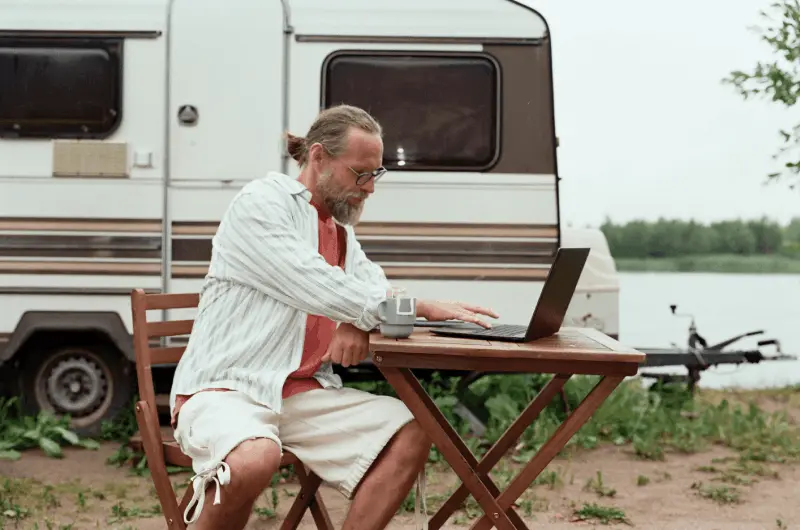
The human brain needs a certain order and routine. While it may seem wonderful to wake up to a different view every morning in caravan life, the lack of a structured day can lead to focus problems. If you are working from the caravan (digital nomad), the absence of a fixed desk, internet speed, and quietness can ruin your productivity. External factors that cause distractions (weather, surrounding noise, technical issues) can lead to a loss of discipline and a feeling of failure in the long run. This state of disorder can create a psychological void that makes a person feel inefficient and aimless over time.
Do Seasonal Transitions Strain the Immune System?
A caravan is a structure that is directly exposed to the outside climate, no matter how good its insulation is. The temperature dropping from 30 degrees during the day to 10 degrees at night constantly strains the body's thermoregulation system. The inability to maintain humidity balance, the moisture that builds up inside, and the limited air circulation in a tight space can trigger respiratory diseases. In Turkey's variable climate, waking up one day in the humid heat of the Mediterranean and the next day in the dry frost of Central Anatolia weakens the immune system. While being outdoors can strengthen the body, inadequate heating or extreme heat can pave the way for chronic fatigue and frequent illnesses.
Does Washing Laundry in a Caravan Test Your Patience?
A washing machine in a caravan is usually a luxury item and is often not found in most caravans. This means that laundry must either be washed by hand or a laundromat must be sought. The lack of self-service laundromats in Turkey turns this situation into a significant logistical problem. The accumulation of dirty laundry in a small area creates both odor and visual pollution, disrupting your peace. Hand washing laundry causes back pain and does not provide a complete sense of cleanliness since water must be used sparingly. Drying is another issue; hanging wet laundry inside the caravan increases humidity, reducing comfort and causing belongings to smell musty.
Internet
Does Connection Anxiety Reduce Work Efficiency?In our day, the internet is not just a source of entertainment but also a means of survival and work. The lack of internet access or constant fluctuations in signal in the remote corners of Turkey can be a significant source of stress, especially for remote workers. Disconnection during an important meeting or failure to upload a file can jeopardize professional life. This anxiety forces individuals to stay close to cell towers, which contradicts the philosophy of freedom in caravanning. This limitation brought by technological dependence can create a sense of being "bound" and deprive you of the desired natural routes, leading to disappointment.
Do Relationships with Locals Challenge Your Boundaries?
Traveling by caravan in Turkey is often met with hospitality, but it can sometimes lead to crossing boundaries. Curious glances, those trying to peek inside the caravan, or endless questions ("How much did you buy it for?", "How do you fit in there?") can violate your need for privacy. While trying to feel at home, someone knocking on your window to start a conversation, although well-intentioned, can sometimes be annoying. If you are someone whose social batteries drain quickly, this constant interaction can wear you out. Additionally, in some areas, being declared an "unwanted person" by locals or facing negative prejudices can make you feel defensive and spoil your enjoyment.
Does Disruption of Diet Affect Digestion?
The caravan kitchen is small and facilities are limited. It is difficult to prepare complex meals in a two-burner system. This can lead you to develop practical but unhealthy eating habits (pasta, canned food, sandwiches) over time. Moreover, the difficulty of preserving fresh food, the constant search for markets, and eating out disrupt the digestive system. Bloating, heartburn, and vitamin deficiencies can reduce your physical energy. Psychologically, missing the carefully prepared healthy meals at home creates a sense of "deprivation." Nutrition is a factor that directly affects our mood; poor nutrition will also decrease your tolerance to the challenges of caravan life.
Does the Stress of Searching for Parking Ruin Your Day?
The stress of "Where will we stay today?" that begins as the sun sets is a hidden nightmare of caravan life. Finding a safe, flat ground, preferably quiet and scenic, is not always possible. Sometimes you search for hours for a suitable spot and end up having to sleep next to a gas station. This feeling of failure and uncertainty can take away all the joy of the day. In Turkey, some municipalities' bans on caravan parks or high prices for paid parking make this process even more challenging. The necessity of searching for a place every evening is one of the biggest triggers that turns the feeling of freedom into a desire for "settlement."
How Does Noise Pollution Affect Mental Health?
The walls of a caravan are thin. Every sound from outside echoes as if it were inside. The sound of a neighboring vehicle's engine, a barking dog, young people listening to music at midnight, or just the rustling of the wind... These noises can turn into torture for a soul seeking silence. Falling into a noisier campsite while trying to escape the noise of city life creates a significant disappointment. The weakness of sound insulation makes you feel like there is no privacy; the thought that your conversations inside can be heard from outside makes you feel restricted and anxious. This constant auditory stimulation hinders your ability to achieve mental calmness and leaves you with a sense of chronic fatigue.
Do Sudden Weather Changes Aggravate Rheumatism?
Living in a caravan means there is only a few millimeters of metal and plastic between you and nature. As strong winds rock the caravan like a cradle, the sounds of storms hit the interior with immense force. These atmospheric pressure changes and cold air waves can trigger rheumatic pain, especially in those with joint sensitivity. When the humidity inside the caravan rises, you start to feel that moisture in your bones. Physical pain also reduces psychological resilience. The dream of being one with nature can turn into a survival struggle when your joints ache. Following the weather becomes not just a hobby but a necessity to maintain your physical health.
Does Dust and Pollen Increase Allergies?
Living in the heart of nature means also hosting all those pollens, dust, and insects. The fine layer of dust that enters through the constantly open doors and windows of the caravan requires you to clean every day. If you have an allergic body, caravan life can turn into a cycle filled with endless sneezing fits and eye allergies. Dust accumulation in a confined space happens much faster and is harder to clean. Psychologically, the feeling that everything is dusty destroys the perception of that "sterile and safe space" in your home. The constant obligation to clean creates an endless cycle of housework that undermines the joy of being on the road.
Does the Movement of the Caravan Cause Motion Sickness?
As an interesting physical phenomenon, some people may experience a "motion sickness" similar to seasickness due to the swaying of the caravan while parked, whether from the wind or movement inside. Especially if the caravan is not perfectly balanced (d If it doesn't stop), the balance mechanism in the inner ear can be disrupted. This situation disrupts sleep quality and creates a constant feeling of dizziness. Psychologically, the feeling that the ground is slipping beneath your feet creates a sense of insecurity in the subconscious. The need to stand on solid ground can sometimes become so overwhelming that you want to step outside the vehicle and reach for the ground. Loss of balance also negatively affects mental focus.
Does Minimalism Obsession Bring Unhappiness?
Caravan life is a forced minimalism. You can only take what you need with you. However, over time, this situation can evolve into a psychology of "having nothing at all." Not being able to carry an old book, that heavy blanket you love, or just a decorative object with you narrows your personal expression space. When minimalism becomes a necessity rather than a choice, it can create a sense of deprivation and scarcity in the individual. The emotional bonds we establish with our belongings are elements that make us who we are. Completely severing these ties can create a spiritual void and make the inside of the caravan feel more like a temporary shelter than a home, leading to restlessness.
How Difficult Is It to Cope with Homesickness?
No matter how adventurous you are, at some point, the absolute security and comfort that the concept of "home" offers is longed for. Unlimited hot water, a spacious couch, that area where you can stretch your legs and completely shut out the outside world... In caravan life, the outside world is always inside. The longing for home can reach an unbearable level, especially when you are sick or feeling down. This "homesickness" can suddenly hit you in the middle of your trip and awaken the desire to cancel the entire route and return. Coping with this feeling is one of the biggest mental resilience tests of caravan life, and often this longing is the hidden reason that leads caravaners to turn back.
Does Cooking in a Small Kitchen Cause Back Pain?
Caravan kitchens are generally a disaster ergonomically. The countertop height is low, the space is cramped, and your mobility is limited. Constantly bending while cooking, getting into awkward positions to avoid hitting your elbows can lead to serious tension in your back and shoulder muscles. Even when chopping an onion, the awkward position your body takes can cause postural problems in the long run. Psychologically, the act of cooking can shift from being a therapy to becoming a "burden." The thought of "who will struggle in that small space now?" paves the way for unhealthy eating. This physical limitation in the kitchen can also limit your creativity, becoming a source of unhappiness.
Does Constant Vigilance Exhaust Adrenaline?
Caravan life is filled with small but constant stimuli that trigger the brain's "fight or flight" mechanism. "Is the solar panel full?", "Is the water tank leaking?", "What was that noise outside?", "Is it going to rain tomorrow?"... These small stressors cause the body to continuously release low doses of adrenaline and cortisol. This situation can lead to a condition called "adrenal fatigue," resulting in chronic exhaustion and loss of motivation. On this journey, where you set out to rest, you actually end up exhausting your nervous system even more. This never-ending state of alertness can eventually turn into a mental fog that prevents you from enjoying life.
Does a Cleaning Routine Increase Obsessiveness?
Caravans get dirty very quickly. A handful of dirt from outside can make your entire living space feel dirty in an instant. Because the area is small, even the slightest disorder can look like a massive chaos. This situation can trigger obsessive behaviors regarding cleanliness and order in some individuals. You might turn into someone who constantly walks around with a cloth, checks the shoes of everyone who enters, and cannot tolerate items being out of place. This micro-management need is actually an attempt to compensate for the loss of control in other areas of life. However, this situation can reduce the quality of life in the caravan and can make life a prison for both you and those around you.
Is Waste Management a Source of Social Shame?
When you empty your waste water or carry your trash, the way people around you look at you can sometimes feel like "polluter." In Turkey, the perception that "they are polluting the environment" can create pressure on you, even if you are a clean and tidy caravaner. While looking for a place to empty your waste tank, you might feel like a nuisance. This feeling of social shame can lead to alienation from society and a constant need to defend yourself. Psychologically, this situation reinforces the feeling of being an "unwanted person." Not being socially accepted or being perceived as a potential environmental threat can be a heavy emotional burden that tarnishes the innocence and sense of freedom in the spirit of the journey.
Does Being Alone in Nature Create Melancholy?
The silence and grandeur of nature can lead a person to look deeply into their own inner world at some point. If you set out without addressing your inner issues, those silent bays and mountain peaks can open the floodgates for those issues to come crashing down on you. The anxieties you suppressed with the noise of city life begin to echo in the silence of nature. This situation can lead to "existential melancholy" and a deep questioning process. Nature is not always healing; sometimes, the realities you do not want to face serve as a giant mirror reflecting back at you. Not being able to cope with this state of loneliness and silence is one of the deepest psychological crises that caravaners experience.