Do You Really Need Everything for Your First Camping Experience?
One of the biggest mistakes made by beginners in camping is trying to buy everything they might need on their first trip. However, when creating a list of essential camping gear, the priority should be on "survival" and "basic comfort." After completing the triangle of shelter, sleeping, and nourishment, other items should be added over time as experience is gained. Carrying too much equipment at the beginning can lead to physical exhaustion and distract you from the simplicity that nature offers. What matters is to invest in a few essential, quality, and functional items. Spending just one night with a low-quality tent or an inadequate sleeping bag can turn you off from this wonderful hobby forever. Therefore, starting by focusing your budget on the three most critical items is the most sensible strategy.
How to Choose the Ideal Tent for Different Terrain Conditions?
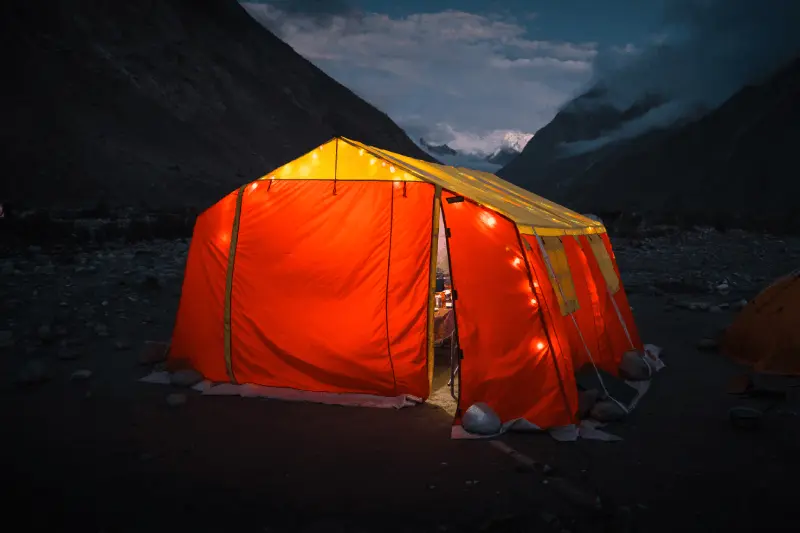
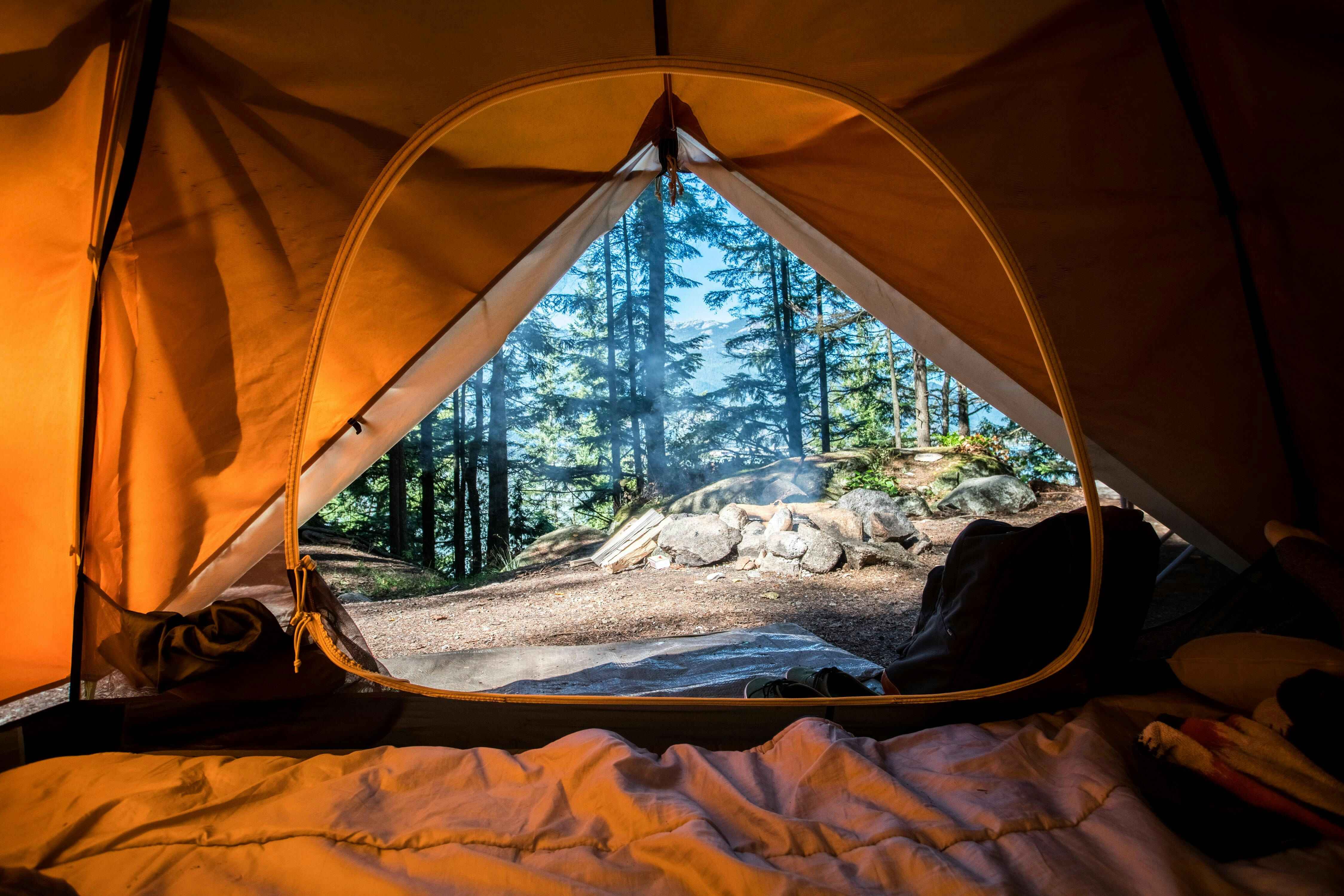
Tent selection is not just about choosing a piece of fabric to sleep in; it is your home in nature. In high-altitude camps where strong winds blow, "dome" type tents provide aerodynamic advantages. However, in calmer but humid areas like forests or lakesides, models with high ventilation capacity and double flysheets should be preferred. The water column value of the tent (in mm) determines the waterproof level of the fabric; values of 3000 mm and above are sufficient for most weather conditions in Turkey. Additionally, pole systems that ensure ease of setup and extra storage compartments known as luggage areas directly affect your comfort. The ground's condition, whether rocky or soft, determines the type of stakes you will use. The right tent should be durable enough to protect you not only from rain but also from internal moisture caused by condensation and unexpected storms.
Why Is the Comfort Rating of a Sleeping Bag More Important Than Its Weight?
Many campers tend to opt for very thin and lightweight sleeping bags to lighten their packs; however, when the nighttime temperature drops below zero, weight becomes irrelevant. Sleeping bags have three main temperature ratings: Comfort, Limit, and Extreme. The "Comfort" rating indicates the temperature at which a woman can sleep comfortably in a standard position and is the most important figure to consider. Goose down sleeping bags provide excellent insulation and compressibility, but they lose their heating properties when wet in humid environments. Synthetic bags, although heavier, continue to keep you warm even when wet and are a more economical option. Checking the lowest nighttime temperature of the area you will be visiting and choosing a bag with a comfort rating at least 5-10 degrees lower than that value is essential for safe sleep. Remember, a sleepless night will ruin all your energy and enjoyment for the next day.
What Thickness of Sleeping Mat Ensures You Wake Up Pain-Free?
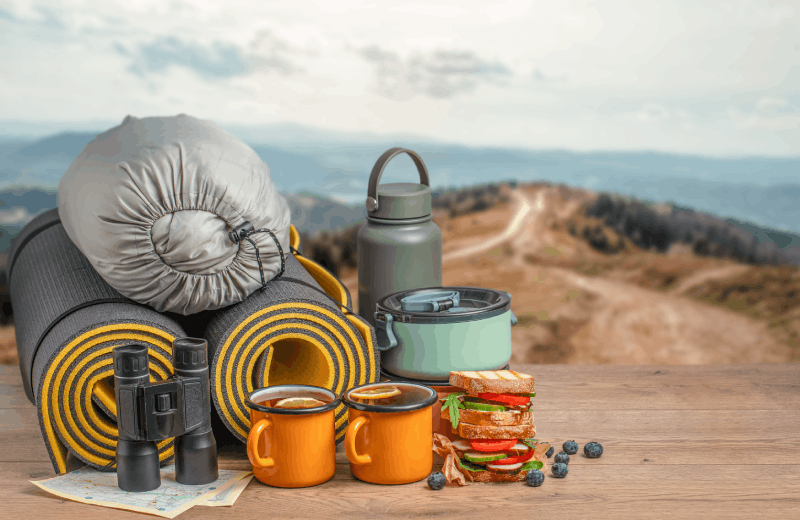
Most people think that cold comes only from the air, while in reality, the cold from the ground (contact with the earth) absorbs your body heat much faster. Sleeping mats serve not only for comfort but also as insulation. Inflatable mats create an excellent barrier due to the air pockets inside and sometimes the insulation materials used (measured by R-value). The higher the R-value, the better the insulation capacity of the mat; at least 3.5 or 4 R-value is recommended for winter camps. Foam mats are cheaper and more durable but have lower comfort levels. If you want to avoid back pain, you should choose modern inflatable mats that are at least 5-8 cm thick, supporting your body shape. These mats can be compressed to the size of a water bottle when folded, saving significant space in your backpack. A good mat is as critical as a sleeping bag because the insulation under your sleeping bag loses its effectiveness when compressed by your body weight; the only thing that can cover this gap is the mat.
Is a Single Burner Stove Sufficient for a Multi-Day Adventure?
Cooking equipment is the most enjoyable part of camping, but it is essential to strike a good balance between portability and performance. If you are alone or with one other person, small, lightweight single burner stoves that attach to screw-on canisters are usually sufficient. However, in windy conditions, the flame efficiency of these stoves decreases; therefore, models with integrated windshields or windbreaks should definitely be used. For long-term and group camping, stove models with hoses that can carry larger pots are safer. The type of fuel is another important factor; butane-propane mixtures perform better in cold weather. Jetboil-style rapid boiling systems that shorten cooking time are also time and fuel savers for those who will only heat water and consume ready-made meals. In short, the planned menu and the number of people are the main factors determining the capacity of the stove you will take with you.
Should You Prefer Titanium or Aluminum for Cooking Utensils?
The materials used in camp kitchens show significant differences in terms of durability, weight, and thermal conductivity. Titanium is one of the lightest and most durable materials in the world; however, it does not distribute heat evenly, which can cause food to burn on the bottom. It is ideal for travelers who will only boil water. Hard anodized aluminum conducts heat much better, shows non-stick properties, and is relatively lightweight; this makes it the most popular choice for cooking camp meals. Stainless steel is the most durable and healthiest option but is quite heavy and is generally preferred in vehicle-based camps. When choosing a set, the ability of the pots to nest inside each other (nesting feature) saves significant space in your backpack. Additionally, having silicone-coated handles prevents your hands from burning when removing them from the stove. Your essential set should consist of a pot, a pan, and a multi-purpose deep plate.
Why Should You Always Prefer a Headlamp Over a Flashlight?
Having your hands free when darkness falls in nature is an invaluable advantage. Holding a flashlight with one hand while setting up a tent, cooking, or gathering firewood slows down your tasks and makes them dangerous. Headlamps provide a natural field of vision by directing the light where you are looking. Another important feature of modern headlamps, as important as lumens (light power), is the red light mode. Red light does not disturb your night vision and does not blind others while reading a book inside the tent or chatting with friends. Additionally, rechargeable batteries or USB charging features can be supported by a power bank during long-term camps. The type of beam is also important; a wide beam illuminates the surrounding area, while a focused narrow beam is used to select distant routes. A quality headlamp with at least 150-200 lumens is one of the cornerstones of your camping safety.
Which Filtration System Should You Use to Access Safe Drinking Water?
Every water source in nature, no matter how clear it looks, can potentially contain bacteria, protozoa, or microplastics. Boiling water is a solution, but it consumes time and fuel. This is where portable water filters come into play. Filters like Sawyer Squeeze or LifeStraw, which use "hollow fiber" technology, remove 99.9% of harmful microorganisms thanks to their 0.1-micron pores. Gravity filters provide effortless liters of clean water for large groups, while straw-type filters are more practical for individual use. If you suspect chemical contamination or heavy metal risks in the water, filters containing activated carbon or purification tablets can be an additional solution. Your water carrying capacity should also be determined according to your route; collapsible water bags are a good alternative to bottles (thermos) as they take up no space when empty.
How Does the Layered Clothing System Protect You in Variable Weather Conditions?
The saying "cotton clothing is death" is a camping proverb. Cotton absorbs moisture and dries slowly, which can lead to a rapid drop in your body temperature (hypothermia). Instead, a "three-layer" system should be applied: The base layer (thermal underwear) should consist of merino wool or synthetic fabrics that wick moisture away from the body. The middle layer (fleece or down jacket) is the insulation layer that traps body heat. The outer layer (hardshell or rain jacket) is the protective shell that shields you from wind and rain. The beauty of this system is that you can prevent sweating by removing a layer while on the move or when the weather warms up. Sweating is your biggest enemy in cold weather because the moisture on your body will cool you down as soon as you stop. Breathable fabric technologies (Gore-Tex, etc.) ensure balanced body temperature by allowing moisture inside to escape while keeping water from entering.
When Choosing Camping Shoes, Is Ankle Support or Flexibility More Important?
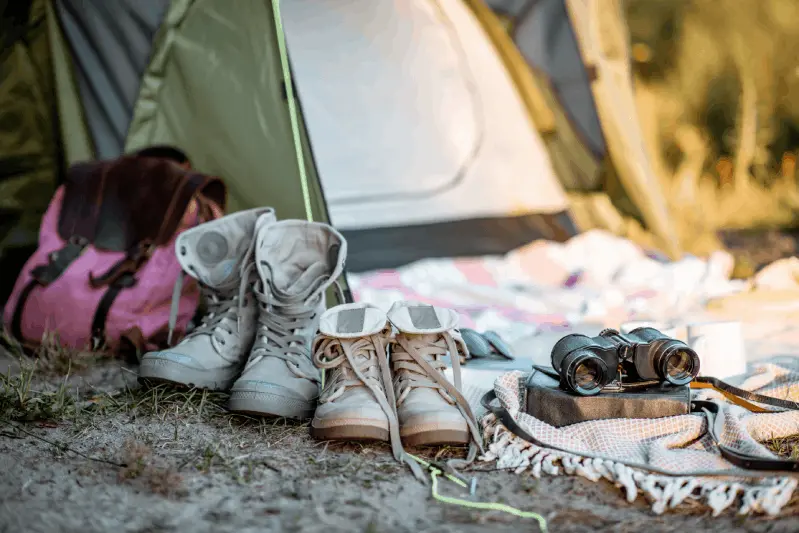
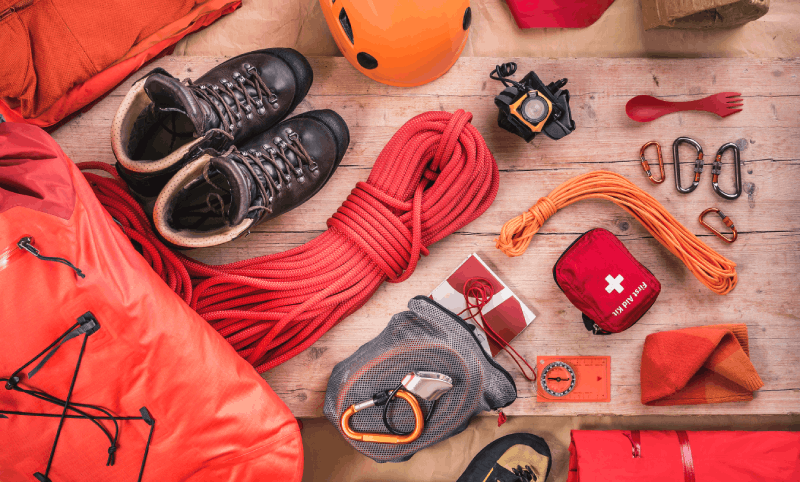
Shoe selection depends on the terrain you will be camping on and the weight of the load you will be carrying. If you will be hiking on rugged trails with a heavy backpack, high-top boots with stiff soles are essential to prevent ankle sprains. However, for day hikes or light-paced camping, "trail running" style shoes that are more flexible and lightweight may be more comfortable. The sole of the shoe should be made of a non-slip material like "Vibram" to enhance your safety on wet rocks or muddy ground. Additionally, waterproofing (membrane structure) ensures your feet stay dry, preventing blisters and soaking. Before going camping with new boots, make sure to wear them in the city for a few days to "break them in"; otherwise, your first camping day could be ruined by foot injuries. Remember, your feet are the only means of transportation that will bring you back.
Can Your Smartphone's GPS System Save Your Life in the Wild?
Smartphones are great navigation tools, but relying on them 100% in nature is risky. Cold weather quickly drains battery life, signals may be weak, or your phone could fall and break. Therefore, in addition to offline map applications on your phone (Gaia GPS, Komoot, Wikiloc), you should always carry a physical compass and a printed map of the area. Learning basic compass usage techniques will help you find your way without panicking if you get lost. Also, to ensure navigation does not stop when the battery runs out, you should carry at least a 10,000 mAh capacity, shock-resistant power bank with you. If you are heading to very remote and risky areas, satellite communication devices like Garmin InReach can be a real lifesaver, allowing you to send SOS signals in places where your phone has no reception and message your family about your location.
What Should Be Included in a Comprehensive Camping First Aid Kit?
Getting medical help in camping areas can take hours, so you should be self-sufficient. A standard first aid kit should include various sizes of adhesive bandages, sterile gauze pads, antiseptic wipes, elastic bandages, and medical gloves. However, specifically for camping; burn gels (for stove accidents), tick removers (for removing ticks or splinters), pain relievers, allergy medications, and anti-diarrheal tablets should be added. Additionally, high-factor sunscreen and lip balm should not be neglected for sunburns. The kit should be stored in a waterproof bag, and its contents should be checked before each camp to replace any expired items. First aid is not just about having supplies; knowing how to use them is crucial; therefore, taking a basic first aid course is the best investment you can make to save your friend's or your own life.
How to Maintain Personal Hygiene in Areas Without Water Sources?
Staying in nature for an extended period does not mean you have to compromise on hygiene. In places without running water, "rinseless" body cleansing wipes or biodegradable wet wipes are your best helpers. Additionally, dry shampoos provide a refreshing feeling by absorbing the oil in your hair. A small amount of water is sufficient for brushing your teeth, but to avoid harming nature, natural toothpaste should be preferred, and brushing should be done at least 60 meters away from any water source. For toilet needs, you should get a "cat litter" (trowel) and bury your waste at least 15-20 cm deep in a hole. Never leave toilet paper in nature; it should be carried back in sealed bags. Personal hygiene is critical not only for comfort but also to prevent skin infections caused by fungi and bacteria.
Is a Multi-Tool Really the Swiss Army Knife of Camping?
A cutting tool in nature serves a multitude of purposes. You will need it for everything from preparing food to cutting rope, gathering firewood to simple repairs. Classic multi-tools like Victorinox are very practical with their additional tools like can openers, screwdrivers, and scissors. However, if you want to chop wood or do heavier tasks, "full-tang" fixed-blade knives, where the metal continues all the way to the end of the handle, are more reliable. The type of steel in your knife (carbon steel or stainless steel) determines how well it will maintain its sharpness and resistance to rust. Additionally, an axe or a folding saw is much more efficient for obtaining firewood in winter camps than a knife. Whatever tool you choose, knowing how to use it and keeping it sharp will reduce the risk of accidents; because a dull knife is much more dangerous than a sharp one.
Do Lightweight Camping Chairs Justify the Extra Weight in Your Backpack?
The eternal debate between comfort and weight always centers around camping chairs. Sitting on damp ground or hard rocks after a long hike can hinder your rest. Thanks to modern technology, Helinox-style foldable chairs now weigh less than 1 kilogram and can compress to the size of a hand bag when folded. If you are driving to your campsite, you can opt for heavier but reclining luxury models. However, for an adventure with a backpack, "sitting pads" or very lightweight folding models are a reward for your tired legs. A good rest will help you tackle the next day's trail with more energy. If your budget and space in your backpack allow, a quality camping chair is not just a luxury but an essential piece of equipment that preserves your mental health and physical comfort.
How Do Dry Bags and Compression Sacks Change Equipment Organization?
The organization inside your backpack determines the speed of your camping life. Instead of stuffing everything chaotically into your bag, you should categorize your gear using "dry bags." For example, your spare clothes should be in one bag, and your kitchen supplies in another. These bags not only keep things organized but also ensure that your gear stays dry even if your backpack falls into water or gets caught in heavy rain. Compression sacks can reduce the volume of bulky items like sleeping bags and fleece by up to 50%, creating more space in your bag. Transparent or differently colored bags make it easier to find what you are looking for in the dark. Organizing your gear provides peace of mind knowing where everything is when you arrive at the campsite and can save you precious seconds in emergencies (like reaching for your raincoat in sudden downpours).
What Are the Best Ways to Charge Your Devices in Nature Without Electricity?
Although technology plays a secondary role in modern camping, it is essential to keep your devices operational for safety and capturing moments. The most reliable method is high-capacity, fast-charging (PD) supported power banks. However, for camps longer than three days, solar panels become a necessity. You can charge portable solar panels while hiking by attaching them to your backpack; but remember that they need direct sunlight to be effective. Another alternative is biofuel stoves (like Biolite); they can convert the heat generated from burning twigs into electricity to charge your phone. Remember that battery performance drops in cold weather, so keeping your power bank and phone inside your sleeping bag at night will help preserve battery life. The best energy-saving tip is to put your devices in airplane mode when not in use.
What Extra Gear Is Needed for Winter Camping in Harsh Conditions?
Winter camping is a professional discipline that allows no room for error. In addition to your standard gear, you may need snowshoes to prevent sinking in snow or crampons to prevent slipping on icy surfaces. Your tent must be "four-season," meaning it should have a durable fabric structure resistant to heavy snow and strong winds, as well as snow flaps. For fuel, winter-grade canisters or gasoline stoves should be used because standard butane gas liquefies at low temperatures and is not flammable. To prevent heat loss, a double mat system (a foam mat on top of an inflatable mat) should be used, and extra insulating liners should be added inside the sleeping bag. Additionally, you should carry a small ice axe to break frozen water sources and more fuel to melt snow. Winter camping is a test of equipment; the right gear keeps you alive, while the wrong gear means risk.
What Safety Equipment Is Indispensable for Solo Campers?
Solo camping offers a great sense of freedom but also means you must face risks alone. The most important safety tool is a device that allows you to share your location in real-time. Additionally, to mitigate the risk of encountering wild animals, "bear spray" (which is also effective against wild boars or stray dogs in Turkey) should be kept within easy reach. A loud emergency whistle (often integrated into many backpacks' buckles) should always be on your person. A small reflector or a flashlight you will use to mark your tent's location will make it easier for search and rescue teams to find you in emergencies. Also, you should inform at least two trusted people about your route and return time. Being prepared for the "worst-case scenario" while camping alone is the best precaution to reduce the likelihood of that scenario becoming a reality.
What Materials Are Needed to Implement the "Leave No Trace" Principles?
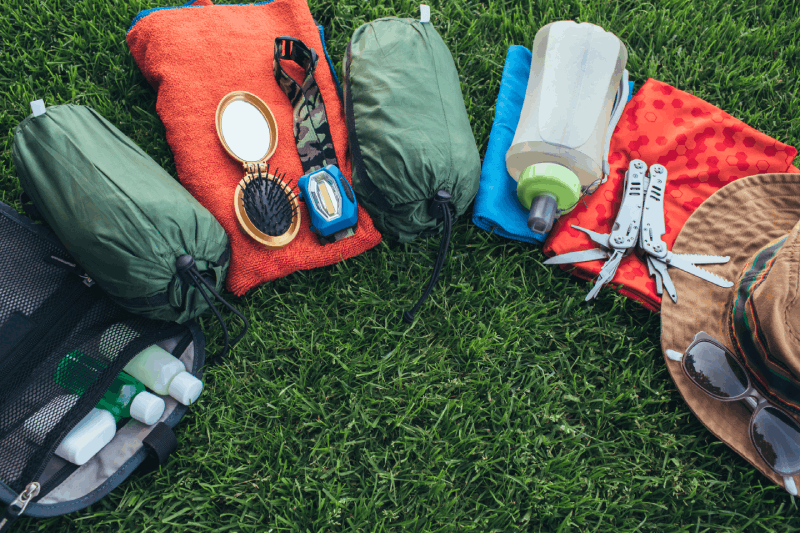
Leaving nature cleaner than you found it is a moral duty for every camper. For this, you should always carry durable trash bags and not only pick up your own trash but also that of others. When using soap and shampoo, you should prefer products labeled "biodegradable" (environmentally friendly) with plant-based ingredients; however, these products should not be poured directly into water sources but filtered into the soil. Using a stove instead of starting a fire prevents the burning of the fertile layer of the soil. If a fire is to be made, existing fire pits should be used, or "fire mats" should be used to protect the ground. Additionally, under the "LNT" (Leave No Trace) principles, carrying your waste in sealed bags (ziploc) is as important as kitchen supplies. Equipment that protects nature is, in fact, an investment that preserves the quality of your future camping experiences.
How Does the Frame Structure of a Backpack Affect Your Comfort During Long-Distance Hikes?
A backpack does not just carry items; it determines how the load will be distributed on your body. Internal frame backpacks transfer the weight from your shoulders to your hips, keeping the center of gravity close to your body; this helps you maintain your balance. The back panel of the backpack should be ventilated (mesh panel) to minimize sweating and increase comfort. Padded straps and a hip belt prevent shoulder pain and chafing that can develop after long hours. When choosing the volume of the backpack; 40-50 liters is ideal for weekend trips, while 60-70 liters is ideal for week-long excursions. When packing, heavy items (tent, water, kitchen) should be placed in the middle of the back and close to the spine, while lighter items should be placed on the outer sections and bottom. Carrying 15 kilos with a properly adjusted backpack can be much easier and less strenuous than carrying 5 kilos with a poorly adjusted one.
What Are the Most Effective Ways to Keep Bugs and Pests Away from Your Campsite?
While we want to coexist with the true owners of nature, bugs, we also want to keep them away from our tents. Quality insect repellent sprays containing 20-30% DEET or Icaridin are the most effective defense. For those looking for a natural solution, lemon eucalyptus oil can also yield successful results. Keeping the tent's mesh closed at all times is the simplest yet most important rule to prevent uninvited guests from entering. If you are camping in a wet area where mosquitoes are abundant, applying "permethrin" to your clothes will neutralize any bugs that land on the fabric. Additionally, to prevent food odors from attracting bugs (and larger animals), keep your cooking area separate from your sleeping area and store your trash in airtight containers. Choosing "warm white" or "orange" tones for your lantern's light will significantly reduce the number of bugs attracted to the light.
Why Are Duck Tape and Plastic Zip Ties the Stars of Your Emergency Repair Kit?
Things in nature do not always go as planned; a tent pole can break, a sleeping bag can tear, or the sole of your shoe can come off. A small repair kit can save your life in such disaster scenarios. Duck Tape (gray repair tape) can temporarily fix just about anything and make it waterproof; you can carry a small amount wrapped around your water bottle or pen to save space. Plastic zip ties can quickly secure a broken backpack buckle or a detached piece in seconds. Your kit should also include a sewing needle and durable thread, a spare pole repair tube, and a patch kit for your inflatable mat. These small helpers can prevent an expensive piece of equipment from becoming trash and allow you to continue your adventure safely from where you left off. A repair kit is the most tangible indicator of a camper's practicality and preparedness.
What Compact Games Are Suitable for Enjoying Time Around the Campfire?
The hours spent around the campfire after the sun sets and dinner is eaten are some of the most unforgettable moments. To make this time more enjoyable, you can bring compact entertainment tools that keep you away from the digital world. A deck of cards is the lightest and most versatile entertainment option with hundreds of different game choices. Additionally, creativity-triggering games like "Story Cubes" or a lightweight, foldable chess set can provide great fun. If you play a musical instrument, a harmonica or a small ukulele can completely change the camp atmosphere. However, you should be careful not to create noise pollution and disturb the peace of other campers. For those who love reading, e-book readers can offer hundreds of books for weeks on a single charge, saving you from the weight of paper. The purpose of camping is not just to survive but also to relax your soul and socialize.
How Should You Periodically Review and Upgrade Your Camping Gear?
Camping is a dynamic process, and you learn something new about your equipment after each trip. Every time you return to camp, conduct a "gear evaluation"; what did you not use at all, what did you struggle with, or what did you feel was missing? Items that were never used should be removed from the bag for the next trip. Cleaning your gear is also part of this process; leaving a tent damp can cause mold, and keeping a sleeping bag compressed for too long can ruin its insulation properties. Store your gear in a cool, dry place, keeping sleeping bags uncompressed. By keeping up with technology, you can gradually transition to lighter and more durable models, but this is not a race. The best gear is the one that meets your needs and travels with you the most. Personalizing your list over time to create your perfect "kit" is one of the most satisfying aspects of the camping adventure.