What is Grey Water?
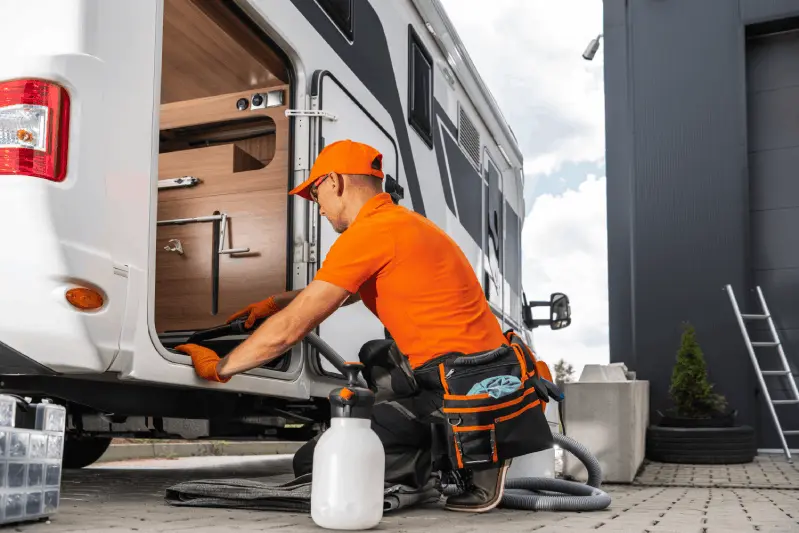
Grey water is wastewater that comes from your caravan's kitchen sink and shower, containing soap, detergent, and food residues. Many campers believe that this water is "just soapy water" and see no harm in discharging it into nature, but the chemicals it contains can seriously pollute the soil and groundwater. In a historically and ecologically sensitive area like Gelibolu, grey water must be discharged into designated sewage points or non-leaking storage. Proper waste management protects the environment and forms the basis of sustainable camping.
What is Black Water?
Black water refers to human waste from cassette or fixed toilet systems found in caravans. This water not only contains biological waste but also includes strong chemicals used to prevent odor and ensure breakdown. Random disposal of black water poses a significant threat to public health and disrupts the local ecosystem irreversibly. In the Gelibolu Peninsula, it is legally required to use specially designed "CDP" (Chemical Disposal Point) units for black water disposal, and violations are subject to severe penalties.
Is Camping Prohibited in Gelibolu?
The Gelibolu Historical Site has a special status protected by law number 6546. It is strictly prohibited to camp, set up tents, or stay in caravans outside of designated official camping areas and parking lots within this area. In case of illegal camping within the National Park boundaries, evacuation procedures are carried out by both area management officials and gendarmerie teams, and administrative fines are imposed. Therefore, it is crucial for caravan users to prefer only authorized facilities and utilize the infrastructure in these facilities to ensure a peaceful holiday and avoid legal issues.
Is There Disposal at Kabatepe?
Kabatepe Forest Camp is one of the oldest and largest camping areas on the peninsula. This facility has specially allocated plots for campers. It has suitable drains for grey water disposal and specially designed dumping points for cassette toilets (black water). Due to being one of the best-equipped facilities in the region, Kabatepe is particularly the first stop for campers staying long-term regarding waste management. However, since the availability of these points may vary depending on the season's intensity, it would be beneficial to contact the facility before going.
Is Kumkamp Equipped?
Located in the northern part of the peninsula, Kumkamp is among the favorite spots for campers due to its vast area and beachfront location. The facility offers solutions not only for the electricity and clean water needs of caravans but also for waste management. There are designated areas for grey water disposal and separate hygienic points for cleaning cassette toilets. The amenities provided by Kumkamp offer a very comfortable option for campers who want to escape the crowds in the southern part of the peninsula and maintain their own infrastructure.
Is There a Point in Eceabat Center?
There is no special "waste station" directly serving caravans in the Eceabat district center. However, some fuel stations in the district center may allow caravan owners to obtain clean water and dispose of grey water in suitable areas. Using public toilets in the center for cassette toilet (black water) disposal is neither hygienic nor may it damage the plumbing system. Therefore, it is recommended to prefer professional camping areas or modern rest facilities along the road for black water disposal.
Are Facilities Limited in Kilitbahir?
Kilitbahir village and its surroundings are a region where construction is limited due to its historical texture. There is no professionally managed caravan park or waste disposal point here. Campers staying around Kilitbahir must go towards Kabatepe or Eceabat for the nearest waste disposal option. The narrow streets and limited areas within the village make it difficult for large caravans to maneuver, and it should not be forgotten that the local people and authorities are quite sensitive to uncontrolled waste disposal.
Is Disposal Allowed in Anzac Cove?
Anzac Cove and its surroundings are a historical site and martyrdom area. No construction is allowed in this area, and it is absolutely not possible for caravans to stay or dispose of waste. The area is monitored 24 hours a day by security cameras and patrols. Disposing of grey or black water in Anzac Cove is considered not only environmental pollution but also disrespect for spiritual values, and it can result in very serious legal actions. Campers must ensure that their tanks are empty before visiting this area.
Do Petrol Offices Allow It?
Some large fuel stations along the Çanakkale-Eceabat-Gelibolu route are quite hospitable towards campers. Especially at stations with large areas used by trucks and buses, there may be drainage channels where grey water can be disposed of. However, since it is not known whether these channels are connected directly to the sewage system or the rainwater line, it is essential to ask the station officials. Black water disposal is generally not accepted by stations because the chemicals in the cassettes can damage the station's septic system.
Are Mobile Applications Reliable?
Applications like Park4Night or Stellplatz, frequently used by campers, provide user reviews-based information about disposal points in the Gelibolu Peninsula. This information is based on user comments and experiences.
Although it is generally true, the service policies of municipalities and private facilities in Turkey can change rapidly. A point that appears to be "I have an emptying point here" may be under maintenance at that moment or may no longer be providing service. Therefore, paying attention to the dates of the latest comments in practice and always having a backup plan ("Plan B") can prevent you from being stranded on the road.Will Municipalities Set Up Stations?
With the rapid increase in caravan tourism in Turkey, the projects of Çanakkale Municipality and Eceabat Municipality to establish modern waste emptying stations for caravans occasionally come to the agenda. However, as of now, there are no self-service or free public caravan service stations that meet European standards in the region. Caravan associations continue to discuss this matter with local administrations. In the near future, it is expected that a few strategic points in the region will have waste emptying stations established to increase tourism revenues.
Are Winter Facilities Open?
Most of the camping facilities on the Gelibolu Peninsula operate seasonally. With the end of the summer season, many camping areas close their doors, making it difficult for traveling caravanners to find waste emptying points in winter. If you are visiting the region during the winter months, you should check whether the facility you will be staying at is providing service in winter and whether the water/waste systems are protected against freezing. Generally, a few large facilities that are open in winter become the only saviors for caravanners; otherwise, you may need to go to the nearest big city centers.
Are Chemical Tablets Harmful?
The blue or green liquids/tablets used in cassette toilets help break down waste and prevent odor. However, these chemicals can kill plant cover and disrupt the soil's microflora when directly dumped into the soil or nature. Although "Bio" labeled green liquids are relatively more environmentally friendly, they should still only be disposed of in appropriate sewage systems. In sensitive areas like Gelibolu, minimizing the use of chemicals and never dumping waste illegally is a sign of respect for the region's historical heritage.
What is the Attitude of the Local People?
The local people living on the Gelibolu Peninsula generally have a warm attitude towards caravan tourism, but they are quite sensitive about environmental pollution and unregulated camping. Caravanners who dump gray water near villages or on the edges of agricultural lands may face local people's reactions. Properly managing your waste and not harming the environment is very important for maintaining the image of the caravanning community. A respectful and conscious camper is always treated better and helped by the local people.
Where Can Water Be Supplied?
Just like waste emptying points, clean water supply is vital for caravanners. Many village springs on the Gelibolu Peninsula are famous for their drinkability and flow rate. However, when filling the caravan tank from these springs, care should be taken not to disrupt the local people's water queue and not to wet the area. It should also be remembered that some springs may not be suitable for hose attachment or have very low flow rates. The safest water supply is provided through professional camping areas and some volunteer fuel stations.
Is a Waste Hose Necessary?
Gray water tanks are usually controlled by a valve under the caravan. In some cases, it may not be possible to align directly over the emptying grid. In such cases, carrying a flexible waste hose (accordion hose) that directs the waste to the drain provides great convenience. These hoses, which ensure that the waste flows directly into the drain without spreading into the environment, are also important from a hygiene perspective. In some narrow facilities in Gelibolu, the absence of this hose can make the emptying process impossible; therefore, it should definitely be included in your equipment bag.
Is Storage Capacity Important?
Due to the scarcity of waste points on the Gelibolu Peninsula, the gray and black water tank capacity of your caravan directly affects your travel plan. If you have a small tank, you may have to look for an emptying point every 2-3 days. This situation can divert you from your route during your pilgrimage trip. If possible, you should empty your tanks before hitting the road and extend your emptying intervals by using water sparingly (for example, washing dishes with less water). This will allow you to spend more time in the region and experience fewer logistical issues.
Is Night Emptying Allowed?
Many camping areas have quiet hours, and performing waste emptying operations late at night can cause noise. Especially the sounds that may occur when opening the gray water valve or transporting the cassette can disturb other campers. Additionally, during night-time emptying, the risk of waste spilling into the environment or being dumped in the wrong place is higher. Therefore, it is best to carry out your emptying operations during daylight hours and within the hours permitted by the facility.
What is the Penalty for Illegal Dumping?
According to the Environmental Law and relevant regulations, discharging wastewater into nature, rivers, or protected areas carries severe penalties. As of 2024, these penalties can reach tens of thousands of lira and can extend to legal proceedings depending on the extent of the pollution. Inspections are stricter in specially protected areas like Gelibolu. You may face not only financial penalties but also situations such as your caravan being impounded or being banned from the area. Instead of trying to get away with it easily, it is always more beneficial to choose what is legal and ethical.
What is the Alternative to Cassette Toilets?
If you are going to spend a lot of time in areas with limited infrastructure like Gelibolu, you might consider alternatives like "compost toilets" or "incinerating toilets." Compost toilets use chemicals... It does not require any special conditions and turns into a dry fertilizer, which significantly reduces the dependency on waste disposal points. However, if you are using a standard cassette toilet, carrying a spare cassette can give you an extra 3-4 days until you find a waste disposal point. This is especially a great solution for those who want to explore the quieter corners of the competition.
Are There Toilets at the Martyrdoms?
There are public toilets available for visitors next to the large martyrdoms and monuments in the Gallipoli Historical Area. However, these toilets are not designed for "emptying caravan cassettes." The chemicals in the cassette can completely disrupt the biological treatment systems or septic tanks that these toilets are connected to. Caravan users should only use these toilets for personal needs and should definitely prefer campgrounds for cassette disposal. It is our primary duty to adhere to hygiene and respect rules in a spiritual area.
Is Shower Water Disposed?
Using soap and shampoo while using the external shower of the caravan creates the same environmental impact as gray water discharge. Soapy water flowing directly into the ground reduces the soil's permeability and harms the insect and microorganism life in that area. If you are going to use an external shower in Gallipoli, you should definitely prefer biodegradable soaps or use a system that prevents shower water from seeping into the ground. The best option is to take your shower inside the caravan's shower cabin and collect the water in the gray water tank.
What Are the Challenges for Motorhomes?
Some village roads and facility entrances in the Gallipoli Peninsula are quite narrow for large motorhomes or trailer caravans. Approaching the waste disposal point can be challenging depending on the vehicle's maneuverability. Especially, the disposal points in some side streets of Eceabat may be inaccessible for large vehicles. Therefore, when choosing facilities, you should confirm the suitability of your vehicle's dimensions in advance and, if necessary, leave your vehicle in a suitable place and only carry the cassette (wheelie cassette) for disposal.
Are Trash Containers Sufficient?
Managing household waste is also part of the caravan holiday. Trash containers are frequently found along the roads and at village entrances in the Gallipoli Peninsula. However, caravan users must collect their trash in sealed bags and should never leave trash outside the container. The local wildlife (especially wild boars) can scatter the trash left outside, causing environmental pollution. Separating your waste by type (plastic, glass, paper) and disposing of it in appropriate recycling bins is also part of the camper's vision.
Are Medication Residues Dangerous?
The residues of the medications you use go to the black water tank. If you dispose of your cassette in a place without a proper treatment system, these medication residues can contaminate the soil and water, affecting the ecosystem. Modern campgrounds are more likely to have systems that filter these types of waste. To protect the pristine nature of Gallipoli, you should ensure that you only deliver your waste to professional service points. Remember, the nature we pollute today may prevent us from finding a place to camp tomorrow.
What If the Liquid Level Indicator Is Broken?
One of the common problems in caravans is that the sensors in the waste tanks give false results due to contamination. Learning to manually check the fill level of your tank (or looking from the tank lid) can prevent you from encountering unpleasant surprises during your Gallipoli trip. If your tank suddenly overflows, it can damage the inside of your vehicle and cause environmental pollution by leaking outside. Cleaning your sensors or using special liquids called "tank cleaners" before you set off can ensure the system operates more healthily.
How to Clean the Cassette?
After emptying the cassette, rinsing it several times with clean water prevents odor formation and stops the residues inside from drying and hardening. Some disposal points have a separate hose for cassette cleaning; you should never use this hose to fill your clean water tank, as it may have come into contact with the cassette opening. Paying attention to hygiene rules protects not only yourself but also the campers who will use that place after you. Using silicone-based sprays to clean the cassette lid and seals reduces the risk of leakage.
How to Report Incorrect Disposal?
If you see someone illegally disposing of wastewater or trash in nature, reporting this situation to the authorities is a civic duty. You can report to the Gallipoli Historical Area Presidency, gendarmerie, or municipal teams with the license plate information and location. As a caravan community, it is important to prevent such wrongful behaviors among ourselves for our prestige. The mentality of "it won't hurt once" can lead to disaster in an area visited by thousands of caravans. Being sensitive about this protects the future of Gallipoli.
Where Is the Nearest Big City?
If you cannot find any suitable disposal point on the peninsula, the nearest comprehensive facilities are available in the caravan parks in the city center of Çanakkale and on the other side, which you can reach by ferry. The caravan areas operated by the Çanakkale Municipality have waste disposal units that meet European standards. Although the ferry fee is a cost, completely cleaning your tanks and continuing your journey safely is sometimes the most logical option. When planning your trip, you can add Çanakkale city center as a "service stop" to your route.
Is Membership in Caravan Associations Beneficial?
Various camping and caravan associations in Turkey can provide special disposal points or contracted facilities for their members. Additionally, the current "waste point maps" prepared by these associations can only be shared with members. Being a member of an association in popular routes like Gelibolu allows you to receive up-to-date information from other experienced campers and makes it easier for you to find support in case of a potential technical problem (like a water pump failure). Resilience is one of the most beautiful aspects of caravan life.
Is Ecological Camping Possible?
Camping in the Gelibolu Peninsula "without leaving a trace" is the greatest service that can be done to the region's history and nature. This means storing all waste, minimizing the use of detergents, and only using designated paths. When you collect your gray water and dispose of it at an appropriate point, you are actually ensuring that future generations can also camp on that land. A camper who acts with ecological awareness is always welcomed and serves as an example wherever they go.
How to Create a Waste Management Plan?
Before starting your journey, you should plan a 4-day "waste and water cycle" using digital maps. A simple plan, such as where to get water on the 1st day and where to empty on the 3rd day, will save you from the "full tank" panic in the middle of Gelibolu. Considering that facilities can be very crowded, especially during holidays and official breaks, you should empty your tank before it is 100% full. Moving early always ensures a more hygienic and stress-free disposal process.
What Awaits Us in the Future?
Caravan tourism is now managed with more "intelligent" systems worldwide. In the future, we may see autonomous stations in the Gelibolu Peninsula that can be reserved through applications, self-cleaning, and charged according to the amount of waste. Such investments will increase the tourism quality of the region. However, until that day, it is our responsibility to use the facilities we have (professional camps) in the most accurate and ethical way. Gelibolu is not just a holiday route; it is a sacred trust that every camper must protect.