If you've decided to embark on a journey into the heart of nature, you are stepping into one of the most peaceful and unforgettable experiences of your life. However, camping is much more than just grabbing a tent and heading to the woods; proper preparation defines the fine line between your comfort and safety. To avoid saying "I wish I had brought this" during your first camping experience, you need to understand the essential gear you will need and why these items are critical. In this guide, we have examined the top 10 vital pieces for beginners in a Q&A format, covering all technical details.
Comfort of Home in Nature: What Should You Consider When Choosing a Good Camping Tent?
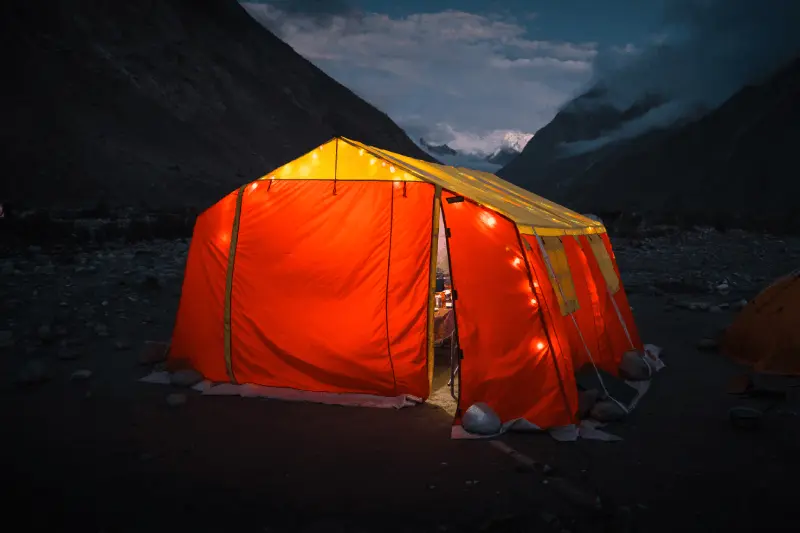
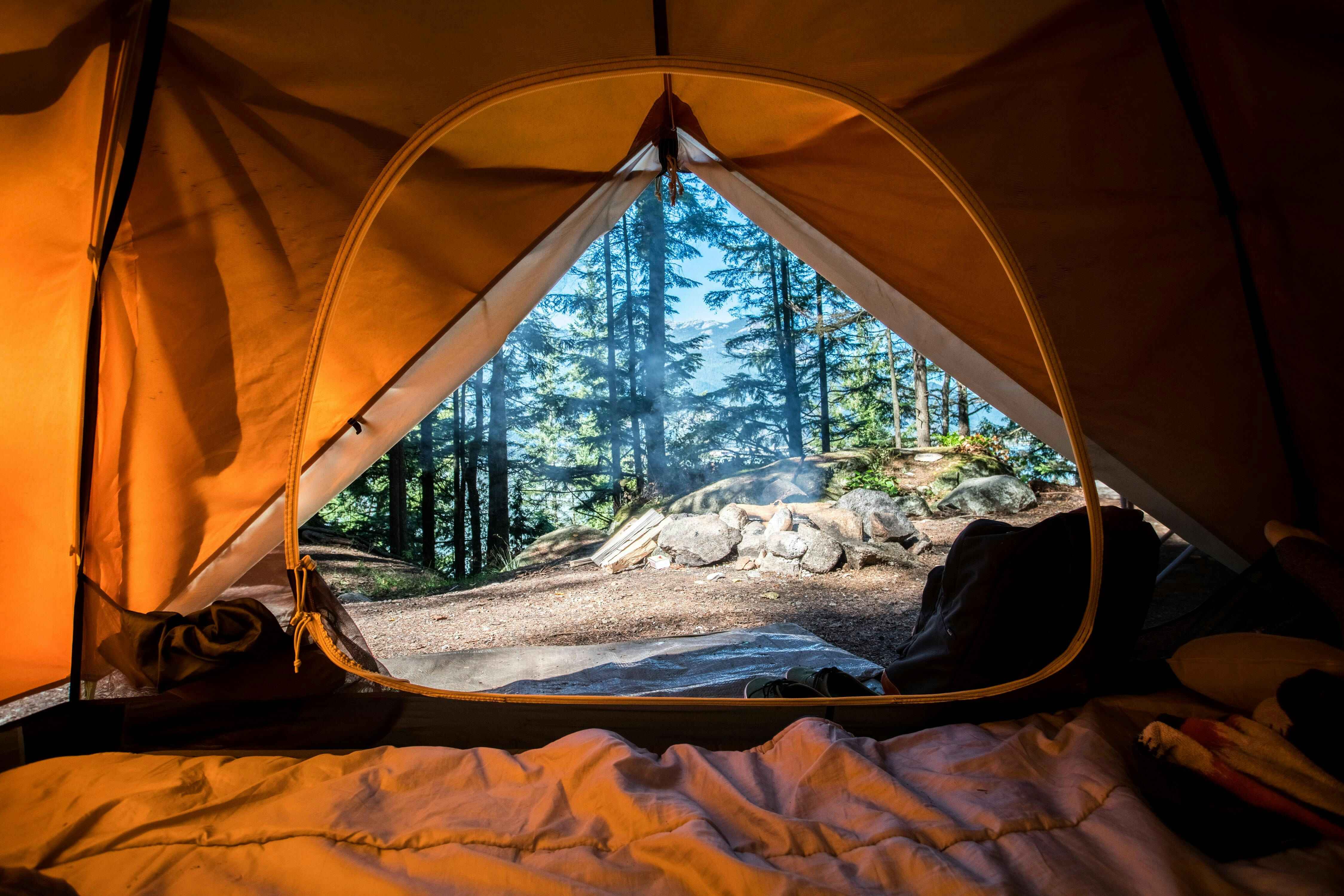
Your tent is your only shelter while camping; it is your protective shield against wind, rain, and external factors. The most common mistake when buying a tent for the first time is only looking at the number of people it accommodates. However, staying in a two-person tent may mean there is no room for your gear. Therefore, if you are two people, opting for a three-person tent will enhance your comfort. Additionally, the "seasonal" rating of the tent is also of vital importance. Three-season tents (spring, summer, fall) are generally ideal for beginners because they are lightweight and breathable. Models with a waterproof rating of at least 2000mm will keep you dry even in moderate rain. Easy-to-set-up "dome" tents are successful in wind resistance. Having ventilation windows in the tent prevents condensation inside and helps you wake up dry in the mornings. Remember, your tent is not just a place to sleep; it is your fortress in nature; therefore, paying attention to technical details like sealed seams can save you from difficult situations.
Staying Warm All Night: Why Is Sleeping Bag Selection Vital?
Outdoor temperatures can show significant differences between day and night. Even if the weather is warm in the city center, temperatures can quickly drop below zero near a lake or in the woods. A sleeping bag traps your body heat and protects you from hypothermia. When buying a sleeping bag, you must check the "comfort," "limit," and "extreme" temperature ratings. For a beginner camper, the "comfort" rating should always be the primary consideration. For example, if you are going to a place where the expected temperature is 5 degrees at night, choosing a bag with a comfort rating of 0 or -5 will keep you more comfortable. Synthetic-filled bags are more logical at first because they retain their insulating properties even when wet and are more economical. Mummy-shaped bags fit the body closely, providing better insulation, while rectangular bags offer more freedom of movement. Researching the climate conditions of the area you will be camping in and selecting your bag accordingly is the biggest step to avoid a sleepless and shivering night.
Breaking Contact with the Ground: How Does Using a Mat Affect Your Comfort?
Many new campers think that a sleeping bag alone will be sufficient, but this is a big misconception. The cold from the ground compresses the fibers under the sleeping bag, preventing it from insulating you from below. This is where a camping mat comes into play. The mat has two main functions: to protect your body from the hard ground and to cut off the cold transfer from the ground (through radiation). When choosing a mat, the "R-Value" (thermal resistance) is the most important criterion. The higher the R-value, the better the insulation. For summer camping, an R-value of 1.5 - 2.5 is sufficient, while for winter, this value should be 4 or higher. Mats generally fall into three types: foam mats, inflatable mats, and self-inflating mats. Foam mats are durable and never pop, but they take up space. Inflatable mats are very comfortable and have a small pack size, but they are sensitive to sharp objects. If you don't get a good night's sleep, enjoying the beauty of nature the next day will be impossible; therefore, you should allocate at least as much budget and attention to the mat as you do to the tent.
Illuminating the Night: How Should You Meet the Need for Lighting in the Campsite?
After the sun sets, the campsite plunges into complete darkness, which can be quite challenging for us who are accustomed to light pollution in the city. You will need two essential tools for camping lighting: a headlamp and a camping lantern. A headlamp is your biggest helper when cooking, gathering firewood, or setting up your tent, as it keeps your hands free. An ideal headlamp has a lumen (light power) value between 200-300 and a red light mode (to avoid disturbing night vision). A camp lantern is used more for ambient lighting; it can be placed on the table or hung from the tent ceiling. Rechargeable models are environmentally friendly, but you should always have a power source (power bank) or spare batteries with you. Lighting is not just a convenience; it is also a safety issue. Having a reliable light source is essential to avoid tripping over stakes around your tent or finding your way when you step outside at night.
A Delicious Break: Which Stove Type Should You Prefer for Cooking at Camp?
One of the most enjoyable moments of camping is eating a meal in the fresh air. Lighting a fire may not always be possible (due to restrictions, weather conditions, or lack of firewood), so it is essential to have a portable camping stove. For first-time campers, cartridge butane-propane mixed stoves are the most practical option. These stoves are lightweight, easy to use, and have precise flame control. "Screw-on" cartridges provide great safety and space advantages during transport since they can be detached from the stove. If you are going by vehicle, you can prefer more stable wide-based portable stoves; however, if you are planning a backpacking adventure, lightweight burners (mini stoves) that can fit into your palm are more logical. Always have a windscreen with you; even a light breeze can reduce your stove's efficiency, prolonging cooking time or wasting fuel. The peace of enjoying a hot tea or coffee at camp starts with the right stove choice.
Safety First: What Should Be in Your First Aid Kit?
Minor accidents in the outdoors are always a risk factor. Tripping over a branch, cutting your hand while cooking, or getting stung by an insect can ruin your camping enjoyment. Therefore, a professionally prepared or pre-packaged first aid kit should be easily accessible in your bag. Inside the kit, there should be various sizes of band-aids, sterile gauze pads, disinfectant solution (like Betadine), a bandage, tweezers (for splinters or ticks), scissors, pain relievers, a fire starter, and antihistamines (for allergies). Additionally, sunscreen and burn cream are lifesavers, especially during summer camps. If you have regular medications, you should bring them in sufficient quantities. It is just as important to know how to use the items in your first aid kit as it is to have one. Gaining basic first aid knowledge before camping will help you intervene correctly in emergencies without panicking. Remember, the nearest pharmacy in the wild may be hours away from you.
The Helping Hand in Nature: What Conveniences Does a Multi-Tool Provide at Camp?
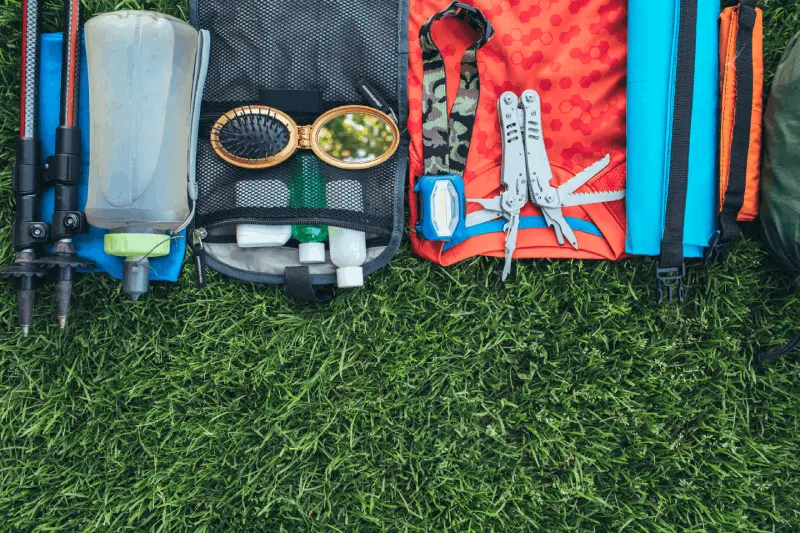
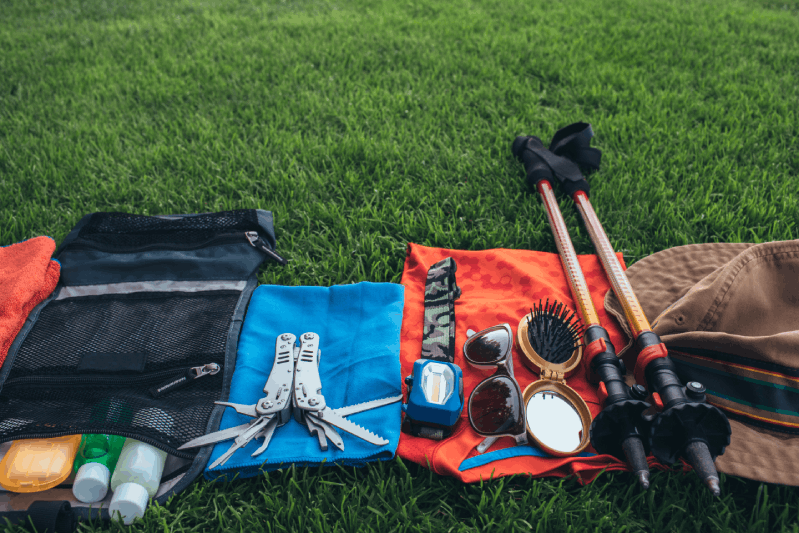
A quality camping knife or a multi-tool (multi-tool) is a single tool that serves thousands of different purposes in nature. You will need this tool at every stage, from chopping vegetables while preparing food to cutting a broken rope; from repairing broken equipment to preparing kindling for starting a fire. For beginners, reliable multi-tools from reputable brands or a sturdy folding knife will be sufficient. Tools that combine functions like pliers, screwdrivers, can openers, and saws save a lot of space in your bag. The steel quality of your knife (stainless is an advantage) and the locking mechanism are critical for your safety. A dull knife is more dangerous than a sharp one because it requires more force, which can lead to loss of control. Always carry your multi-tool in its sheath or a secure pocket, and clean and dry it after use. This small but powerful tool will be your most loyal companion in your camping life.
Lighten Your Load: What Should a Proper Camping Backpack (Hiking Backpack) Be Like?
The vehicle that will carry all this equipment to the campsite is your backpack. Choosing a camping backpack is directly related to your body ergonomics. For a standard camping trip, backpacks between 50 and 70 liters are generally ideal. Having lumbar support in the backpack is vital; 80% of the weight should be carried by the hips, not the shoulders. You should not buy a backpack without trying it on; make sure it fits your back properly and that the straps are adjustable. Additionally, the fabric of the backpack should be durable and water-resistant, and having a rain cover is a significant advantage. The compartments inside the backpack should allow easy access to your gear; for example, having a separate zipper at the bottom for your sleeping bag is very practical. When packing your backpack, keep the heaviest items close to your back and place lighter items in the middle to maintain the center of gravity. Choosing the wrong backpack can lead to fatigue and back pain before you even reach the campsite.
Life Source: What Methods Should You Use to Access Clean Water?
Running out of water while camping is one of the most frightening scenarios. It is not always possible to carry enough water with you, so you should learn how to make natural water sources safe. You should plan for at least 2-3 liters of drinking water and some cleaning water per person per day. Portable water filters (straw type or pump), purification tablets, or boiling water for at least 10 minutes can be used to disinfect water. Water filters ensure safe drinking by removing 99.9% of bacteria and protozoa from the water. Having a sturdy, BPA-free water bottle or a hydration bladder that you can place in your bag makes drinking water easier while hiking. Even a clear-looking stream can harbor microorganisms; therefore, you should never drink any water from a source you are not familiar with without purifying it. Water management should be among the top priorities in your camping planning.
Challenge the Weather Conditions: How to Apply the Layering System When Choosing Camping Clothes?
The rule in camping is "cotton clothes are a mistake." Cotton absorbs moisture quickly and dries slowly, which can lead to rapid chilling when you sweat or get caught in the rain. Instead, the "layering system" should be applied. The first layer (base layer) consists of synthetic or merino wool thermal underwear that wicks moisture away from the body. The second layer (mid-layer) consists of fleece or lightweight jackets that provide insulation. The third layer (outer layer) consists of waterproof breathable jackets (hard shell) that protect against wind and rain. With this system, you can remove a layer when you get warm and put it back on when you get cold, keeping your body temperature balanced. Additionally, to keep your feet dry and warm, you should choose thick socks made for camping and waterproof boots with ankle support. Choosing the right clothing protects you not only from the cold but also from sunburn and insects.
Small Tips for Your First Camp
The 10 essential pieces listed above form the backbone of your camping life. However, knowing how to use these items is just as important as having the best gear. Before heading out on your first camping trip, try setting up your tent at home or in the garden, light your stove, and spend a night in your sleeping bag. Familiarity with everything when you go out into nature will boost your confidence. Also, remember to adopt the "Leave No Trace" principles, leaving the place you found cleaner than you found it. This new bond you will establish with nature will always offer you an open door to escape the stress of city life. Be prepared, stay safe, and enjoy the moment. Happy camping!