Why is Hygiene Vital in Camp Kitchens?
When camping in nature, we are far from the sterile environment of our homes and the medical facilities we can access at any moment. Not adhering to hygiene rules in the camp kitchen can lead not only to simple nausea but also to serious food poisoning and can turn your camping holiday into a nightmare. Bacteria multiply rapidly in warm air and suitable humidity conditions. Especially pathogens in the wild may be of a type that our immune system is not accustomed to. A hygienic kitchen setup is the first step in keeping both your health and that of your camping friends safe, while also keeping the local wildlife away from your campsite. Improper cleaning of food scraps can invite unwanted guests (bears, pigs, or rodents) to your table.
What Should You Consider When Choosing Your Water Source?
The foundation of hygiene in a campsite is clean water. A seemingly clear stream may contain microscopic parasites or animal waste. When selecting your water source, always prefer locations that are closest to the source, not stagnant, and have no animal droppings around. However, even the cleanest-looking water should always be filtered, treated with chemical tablets, or boiled for at least one minute before using it for drinking or washing dishes. In cases where you are unsure of the water quality, it should not even be used for washing fruits and vegetables. You should also ensure that the water containers you carry with you are regularly disinfected and that their lids are always kept closed.
What Are the Most Practical Solutions for Hand Disinfection?
Washing hands continuously with soap and water in the wild may not always be possible, but ensuring clean hands before starting meal preparation is an absolute necessity. As a practical solution, you can create a temporary sink with a water bag that can be hung from a tree and a pump soap dispenser placed underneath. If water is limited, hand sanitizers containing at least 60% alcohol or antibacterial wet wipes will come to your rescue. However, remember that hand sanitizers do not clean visible dirt; therefore, if your hands are muddy or excessively oily, you should first wipe off the coarse dirt with a cloth and then disinfect. Dirt under the nails is a breeding ground for bacteria, so keeping the nails of the person preparing food short and clean provides an extra layer of safety.
How Should You Set Up Your Dishwashing Station?
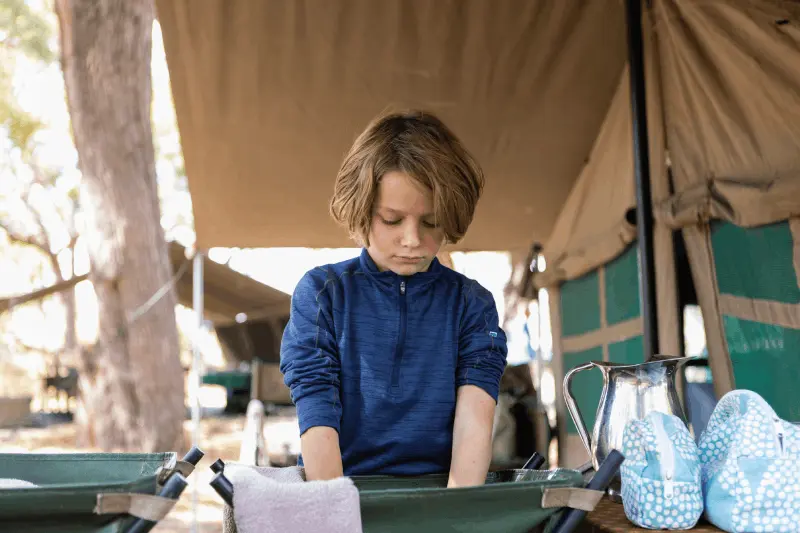
Washing dishes directly in a river or lake is one of the biggest mistakes that can harm the water ecosystem. A hygienic and eco-friendly dishwashing station should be set up at least 60 meters away from the water source. For an ideal system, you can use collapsible silicone buckets or lightweight plastic containers. When setting up your station, choose a flat surface so that dirty water does not flow directly into your meal preparation area. The dishwashing area should be separate from the cooking area to reduce the risk of cross-contamination. Additionally, sponges and brushes used should be thoroughly rinsed after each use and left to dry in the sun; damp sponges are the favorite breeding grounds for bacteria.
How is the Three-Bucket System Applied in a Campsite?
The "Three-Bucket System" used by professional campers is the most effective method to ensure dish hygiene in the camp. The first bucket contains warm, biodegradable soapy water; here, dishes are cleaned of coarse dirt. The second bucket is used for clean rinsing water to remove soap residues. The third bucket is for disinfection; it contains a very small amount (a few drops) of chlorine or special disinfectant tablets mixed with cold water. Dishes are finally dipped into this water and taken out. This method ensures the death of microorganisms that could pass through the rinsing water. Cleaned dishes should never be dried with a cloth; they should be arranged on a rack or net to air dry.
How Should Cutting Boards Be Used to Prevent Cross-Contamination?
One of the biggest risks in the kitchen is the transfer of bacteria from raw food to cooked food. It is often desired to carry only one cutting board while camping, but this is a significant mistake. Ideally, separate colored flexible cutting mats should be used for meats and for fruits and vegetables (for example, red for raw meat, green for vegetables). If you only have one board, you should cut fruits and vegetables first, and prepare raw meat last. The board that has come into contact with raw meat should not be reused without being disinfected very meticulously with the three-bucket system mentioned above. Additionally, wooden boards are more prone to harbor bacteria due to their porous structure; non-porous materials like plastic or silicone should be preferred while camping.
How Should You Isolate Raw Meats from Other Foods?
The leakage of raw meat juices onto other foods in the camp cooler is one of the most common causes of food poisoning. Before placing meats in the cooler, they should be put in leak-proof bags (like Ziploc) and, if possible, this bag should be placed inside a second container. Always place raw meats at the bottom of the refrigerator; this way, in case of a potential leak, there is no chance of contaminating the cheese, vegetables, or fruits below. Additionally, portioning and freezing meats at home before bringing them to the camp ensures that the cooler stays cold longer and delays bacterial activity by extending the thawing time of the meat.
How Often Should You Clean the Freezer and Refrigerator Bag?
Freezers can quickly develop odors and bacteria when they remain closed due to the moisture and food residues inside. At the end of each camping trip, you should definitely wipe down your freezer with vinegar water or carbonated water and leave the lid open to dry. During the camping trip, any liquid or food residue spilled inside should be cleaned immediately. The melted water that accumulates at the bottom of the freezer should be periodically emptied, as it can carry contamination from the outside into the food inside, but care should be taken not to neglect ice replenishment to keep the food cold. Cracks in the inner surface of the freezer can harbor bacteria, so old and damaged refrigerators should not be used in the kitchen.
Are Natural Cleaning Products Effective in the Wild?
Instead of using chemical detergents in nature, natural alternatives like biodegradable soaps, vinegar, and baking soda are excellent for both the environment and your health. White vinegar is a natural disinfectant that is very effective in dissolving fats and eliminating bad odors. Baking soda is great for cleaning burnt food residues in pots due to its abrasive properties. Lemon juice can be used to freshen cutting boards with its fresh scent and acidic nature. However, it should be noted that being "natural" does not mean these substances can be dumped directly into water sources; they should always be disposed of away from soil and water.
How Can You Keep Wild Animals Away from the Kitchen Area?
Hygiene is not only about microbes but also about large pests. Food odors are invitations for wild animals. Setting up your kitchen area at least 100 meters away from your tent (the bear triangle rule), storing kitchen equipment and food in "Bear Boxes" (bear-proof containers) that do not emit odors, or hanging them high in a tree is vital. You should also meticulously collect any crumbs that fall to the ground while preparing food, and either burn the food residues on the stove or clean them immediately. A plate or pot that has been touched by animals should not be reused without undergoing a serious disinfection process due to the diseases they may carry (such as rabies or parasites).
How Do You Dispose of Gray Water in an Eco-Friendly Way?
The soapy and food residue water left after washing dishes is called "gray water." Dumping this water directly into a river or lake poisons aquatic life. The correct method is to filter the gray water through a fine strainer to separate solid food residues (like pasta bits, meat pieces, etc.) and place these residues in a trash bag. The remaining liquid should be dumped at least 60-70 meters away from the campsite and water source, spread over a wide sunny area. The soil filters this water while minimizing harmful substances, and spreading it over a wide area ensures faster evaporation of the water and prevents it from concentrating in one spot and causing odors.
How Do You Protect Camping Equipment from Rust and Bacteria?
Cast iron pans, stainless steel pots, and knives can quickly corrode if left damp in the camp. Rusty surfaces create a porous area for bacteria to cling to. Therefore, you should never put your equipment back in the bag until you are sure it is completely dry after washing. Storing your cast iron pans with a light coating of oil creates a protective layer. You should also disinfect your knives after each use and store them in their sheath. If your equipment has rusted, it should be cleaned with sandpaper or steel wool and should not come into contact with food without being sterilized again.
Are Disposable Items a Solution for Hygiene?
While paper plates or plastic utensils can reduce the hassle of washing dishes while camping, they create a serious waste problem and do not always guarantee hygiene. When carried in a bag, the packaging of these products can tear and expose them to dust and insects. Additionally, low-quality plastics that come into contact with hot food can leach chemicals. Instead, using high-quality, lightweight, and easy-to-clean titanium or enamel sets is healthier. If your water is very limited, you may prefer biodegradable disposable items only for emergencies, but in that case, you must ensure that your waste is completely removed from the campsite.
What Methods Are Used to Clean Fruits and Vegetables?
Vegetables purchased from the market or farm may carry pesticide residues or soil bacteria. Sometimes, just using water to wash vegetables while camping is not sufficient. By adding a bit of baking soda or vinegar to a bowl of water and soaking the vegetables in this solution for 5-10 minutes, you can significantly clean the surface dirt and microbes. Especially for leafy vegetables like lettuce and spinach, you should ensure that the soil between the leaves is thoroughly cleaned. After washing, drying the vegetables with a clean paper towel prevents bacteria from regrowing in the remaining moist environment.
Is It Safer to Use Paper Towels Instead of Kitchen Cloths?
The fabric kitchen towels we use at home can quickly turn into a breeding ground for bacteria while camping due to their difficulty in drying. A wet and warm cloth is perfect for the growth of harmful bacteria like E. coli and Salmonella. Therefore, using roll paper towels for hygiene in a camping environment is a much safer choice. By throwing the paper towel in the trash after use, you eliminate the risk of transferring bacteria from one place to another. If you must use a fabric towel, you should boil it after each meal or soak it in disinfectant water and dry it directly in sunlight.
Is a Thermometer Necessary Inside the Freezer to Monitor Temperature?
To prevent food spoilage, it is essential to avoid temperatures between 4°C and 60°C, known as the "danger zone." Using a small digital thermometer to ensure that the temperature inside your camping freezer is below 4°C is a great idea. As the outside temperature rises, every time the freezer lid is opened, the air inside warms up. If the temperature rises above 4°C, you should think twice before consuming risky foods like meat and dairy products. Using a thermometer tells you exactly when you need to replenish ice and prevents you from taking risks based on guesswork.
Are Cooking Temperatures Sufficient to Kill Bacteria?
Many people think that just being "hot" is sufficient for hygiene, but for bacteria to die, the internal temperature must reach a certain level. Especially for products like chicken and ground meat, the internal temperature must be at least 74°C. Carrying a food thermometer while cooking in the camp eliminates the risk of the outside burning while the inside remains raw. Undercooked meats are one of the biggest sources of pathogens in camp kitchens. Additionally, keeping the pot covered while serving cooked meals to protect them from dust and flies is also an integral part of this process.
How to Ensure the Cleanliness of Personal Water Bottles?
Water bottles are among the most neglected equipment while camping. The mouthpieces of bottles that come into contact with our mouths throughout the day can accumulate bacteria, leading to bacterial growth. You should wash your bottles every evening with warm soapy water and use a small brush for corners that you cannot reach. If an unpleasant odor develops in the bottle, putting some baking soda and warm water inside, shaking it, and letting it sit will eliminate the odor. Additionally, if you are sharing your water, it is more professional to pour the water into a glass instead of drinking directly from the bottle to maintain hygiene.
How to Clean Oil Residues Around the Camp Stove?
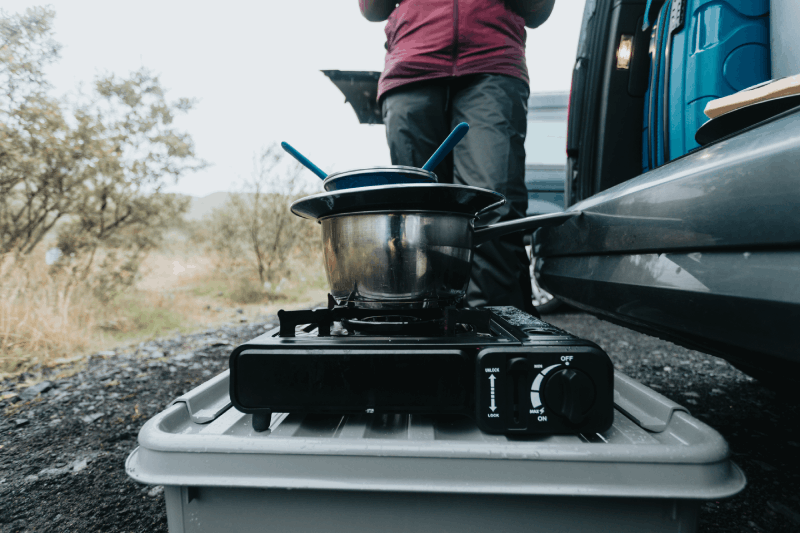
Oils that spill around the stove while cooking create not only a dirty appearance but also emit strong odors that attract wildlife. After the stove has cooled down (but before the oils completely solidify), you should wipe the stove body and surrounding table with some soapy water or oil-absorbing wipes. Oil residues can also create toxic fumes when burned during the next use. Ensuring that no food residues remain in the stove's burner parts also helps prevent ants and other insects from invading the stove.
How Should Kitchen Setup Change in Rainy Weather?
Rain is a factor that complicates maintaining hygiene in the camp kitchen. Mud and water spills can contaminate the meal preparation area. In rainy weather, you should definitely work under a "tarp" (canopy). Your kitchen supplies should not be placed directly on the ground but rather on elevated tables or overturned crates. Wet equipment should not be stored until it dries, as mold formation occurs very quickly in damp environments. Additionally, if you plan to use rainwater for cleaning, ensure that this water has not come through the tarp (it may contain dust and pollen) and has been collected in a clean container directly from the sky.
What Extra Hygiene Measures Should Be Taken in Camps with Children?
Children's immune systems are more sensitive than adults, and they can touch everything while exploring in nature. In camps with children, handwashing sessions before meals should be followed more closely. Their pacifiers, bottles, or eating sets should be sterilized with boiling water after each use. Additionally, children should not be allowed to eat food that has fallen on the ground based on the "five-second rule"; camp soil can contain many more parasites than home carpets. For children, preparing snacks in covered containers minimizes contamination from the outside.
How to Maintain the Hygiene of Spices and Sauce Containers?
When going camping, small travel-sized containers are preferred instead of large ketchup or oil bottles. These containers must be sterilized before putting food inside. The lids of your spice jars should always be kept closed; moisture can cause spices to clump and mold. Additionally, the outer surfaces of oil containers can become sticky over time and collect dust. Wiping the mouths of the containers with a clean paper towel after each use keeps your kitchen bag clean. Keeping your sauces in the shade instead of direct sunlight prevents the oils inside from becoming rancid and bacteria from multiplying.
How to Store Waste Oils Without Harming Nature?
You should never dump leftover oils from pots into the soil or water after cooking. Oils prevent the soil from breathing and pollute water sources. As a practical solution, you can use an empty can or a leak-proof glass jar you brought with you as a "waste oil bank." After the oil cools, pour it into this container and take it back with you at the end of the camp to a proper waste collection point. If the amount of oil is very small, you can wipe the pan with a piece of paper towel and throw this towel in the trash.
Why Do Can Openers Turn into Breeding Grounds for Bacteria?
Canned foods are lifesavers while camping, but can openers are often forgotten tools that need cleaning. When the metal edge of the opener comes into contact with the contents of the can, food residues can remain on it. If not cleaned, these dried and bacteria-laden residues can contaminate fresh food during the next use. You should wash your can opener with soapy water and dry it after each use. This simple but effective step significantly reduces the risk of unnoticed contamination.
What is the Relationship Between Hygiene and First Aid Kits in the Camp Kitchen?
Small cuts or burns that may occur in the kitchen can quickly become infected in an unhygienic environment. You should always have an accessible first aid kit in your kitchen area. If you have a wound on your hand while preparing food, you should definitely work with a sterile bandage and wear a disposable glove over it. The bacteria inside the wound can compromise food safety. At the same time, the materials you use in the kitchen (such as scissors or knives) should not be used for first aid; you should only prefer sterilized special tools for medical intervention.
What Are the Risks of Leaving Kitchen Equipment Open Overnight?
After a tiring evening meal, it may be tempting to leave the dishes until morning, but this is a significant hygiene mistake. Dishes left open overnight can attract many creatures like mice, insects, and snails. These animals carry parasites and diseases on them. Additionally, when you wake up in the morning, you will find a thick layer of raw food and dust on your equipment. All equipment should be stored in closed containers or bags after washing. If you have no space, at least you should tightly cover them with a clean tarp.
How Should Food Rotation Be Done in Long-Term Camps?
If you are going on a week-long camping trip, you should apply the "first in, first out" rule to maintain the freshness and hygiene of your food. You should consume quickly perishable meats and fresh vegetables within the first 2-3 days. As the ice in your cooler melts, you should move your frozen foods to the coldest areas of the refrigerator and check the integrity of the packaging. If you notice any signs of spoilage (odor, color change, or sticky texture), you should not consume any food with the mindset of "cooking kills the germs"; you should dispose of it immediately.
How Can You Prevent Touching Kitchen Supplies with Dirty Hands?
You should set up your kitchen in such a way that you do not have to touch kitchen supplies while doing dirty work (like chopping wood or starting a fire). Preparing everything in advance (the "mise en place" technique) will help you with this. Before starting the cooking process, cut all the ingredients, prepare the spices, and have the containers you need at hand. This way, you will not have to rummage through your bag repeatedly or open cabinet doors with dirty hands while cooking. Additionally, you should never place the spoon you use for mixing food directly on the table; instead, use a small mat or plate.
How Can You Discuss Hygiene Rules with Your Camping Friends?
In group camps, hygiene is not only your responsibility but everyone's. It may be helpful to have a brief "hygiene briefing" with your friends at the beginning of the camp. Clarify who will wash the dishes, how to handle shared materials, and where to collect trash. Simple rules like portioning snacks instead of everyone dipping their hands into a shared chip bag prevent the spread of viruses and bacteria within the group. Having everyone use their own personal fork-knife set and clean them themselves also increases the sense of responsibility.
Are There Special Techniques for Kitchen Hygiene in Winter Camps?
Melting snow to obtain water is common in winter camps, but snow is not as clean as it seems. It traps many particles as it falls from the air. Therefore, melted snow water must be filtered and boiled. Additionally, while cold weather slows down bacterial growth, it does not stop it; hygiene must be maintained during the thawing process of frozen foods. In winter, water can freeze very quickly while washing dishes; therefore, using warm water is not just a luxury but a necessity for hygiene. Wearing food-safe gloves over thin inner gloves while preparing food is both protective and enhances hygiene.
How to Store Food Scraps Without Causing Odors?
Food scraps not only attract animals but also cause unpleasant odors in the campsite. To store these scraps, you should use thick, sealed, and odor-proof bags. Separating organic waste (like fruit peels) and inorganic waste (like packaging) facilitates recycling and disposal. Store your waste bag away from the center of the camp but in a sheltered place. If there is no waste collection center in the area, you should carry these bags not outside your vehicle but in special odor-proof trash bags inside it.
What Are the Essential Equipment for a Hygienic Camp Kitchen?
Ultimately, a hygienic camp kitchen starts with the right equipment. Your list should definitely include the following: two collapsible dishwashing buckets, biodegradable concentrated soap, quick-drying microfiber towels or paper towels, a food thermometer, hand sanitizer, flexible cutting mats in different colors, and leak-proof storage containers. This small set makes your time spent in nature much safer. Remember, hygiene in the camp may seem cumbersome, but it is much lighter than the hassle caused by food poisoning. Respect nature while protecting yourself.