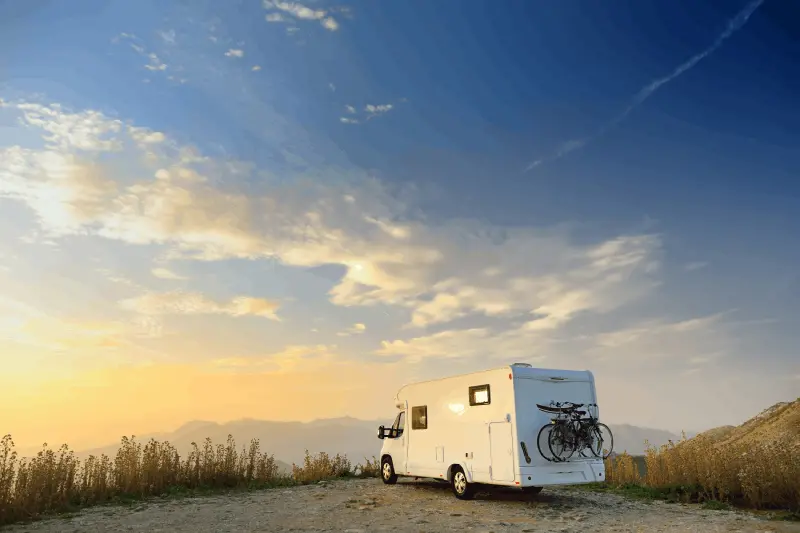
How to Start a Caravan Journey?
Traveling abroad with a caravan requires a very different planning than a regular car journey. The first step is to ensure that your vehicle is technically suitable for long trips and meets European standards. Everything should be checked, from tire pressures to the braking system, from the leak-proofing of waste water tanks to the kitchen equipment. Additionally, when determining your route, you should research the traffic conditions at border crossings and the ease of passage for caravans in advance. This preparation phase minimizes the likelihood of any setbacks you may encounter on the road, ensuring that your trip is enjoyable.
What Type of Passport is Required?
Since Greece is a Schengen area country, Turkish citizens must have a valid passport. Holders of ordinary (red) passports are subject to a visa, while holders of special (green), service (gray), or diplomatic passports are exempt from visas for certain periods. It is critical that your passport has at least 6 months of validity remaining from the date of travel to avoid issues at the border police control. Remember that old-style passports are not accepted, and chip-enabled, new generation passports are the standard.
How to Apply for a Visa?
If you hold a red passport, you need to apply for a Schengen visa through Greek consulates or authorized agencies. When obtaining a visa for a caravan trip, it is important to present your accommodation plan in detail. Instead of a hotel reservation, you should clarify your travel purpose by providing a list of the campsites where you will stay or the caravan registration of your vehicle. Additionally, you should prepare standard documents such as travel health insurance, bank account statements, and income documents. Including a letter of intent stating that you will be traveling by caravan may help your application result positively.
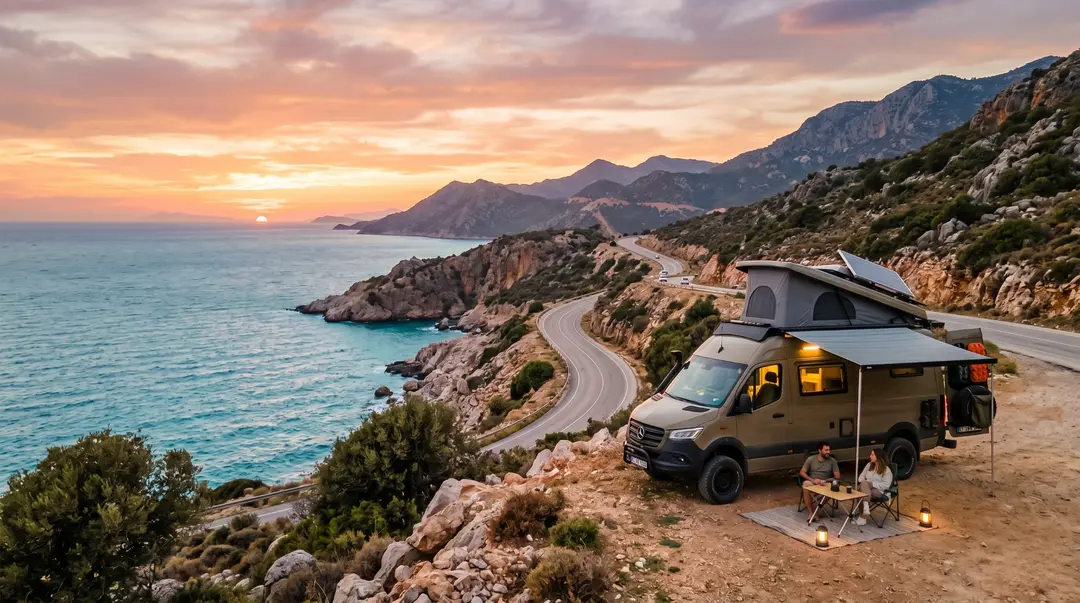
Where to Get Green Insurance?
The Green Card is an international traffic insurance that covers damages to third parties in accidents involving your vehicle abroad. Without this document, it is not possible to exit Turkey. You can obtain Green Insurance from the Turkey Touring and Automobile Club (TURING) branches or authorized insurance agents. The insurance period usually starts from 15 days and can extend up to 1 year. If your caravan is a trailer (towable caravan), in addition to the insurance of the towing vehicle, a separate endorsement or policy for the caravan may also be required; you should definitely confirm this detail with your insurer.
Is an International Driving License Required?
Greece accepts new type (chip-enabled) Turkish driving licenses due to bilateral agreements made with Turkey. If your license is of the old type, you must renew it or obtain an international driving permit. Since names and surnames are written in Latin letters on new type licenses, they are recognized throughout Europe. However, the suitability of your driving license class is also checked according to the weight of your caravan. For motorhomes under 3,500 kg, class B is sufficient, while for heavier vehicles or larger trailers, class BE or C driving licenses may be required.
Whose Vehicle Registration Should It Be?
The vehicle registration you present at the border must be in the name of the driver or a passenger in the vehicle. If the vehicle is registered to someone else or a company, you are required to obtain a notarized power of attorney. Having the power of attorney translated into English or Greek will help the Greek customs officials process your transaction more quickly. It is essential that the registration states the vehicle as "Caravan" or "Special Purpose Motorhome" to prevent any confusion during technical inspections and highway tolls.
Where is the Ipsala Border Gate?
The Ipsala Border Gate is located in the Ipsala district of Edirne province and connects Turkey to the town of Kipi in Greece. For travelers coming from Istanbul, this is the most popular and largest capacity crossing point. Although there are separate lanes for caravans that may sometimes get congested with truck traffic, using the passenger vehicle lanes is generally possible. Ipsala is the first choice for caravaners with its modern structure and spacious parking areas. The Egnatia Odos highway, which greets you immediately after crossing the border, offers a comfortable passage extending to the west of Greece.
Is the Pazarkule Gate Crowded?
The Pazarkule Border Gate, very close to the city center of Edirne, can be quite crowded, especially on weekends due to local trade and day visitors. Pazarkule is a smaller gate compared to Ipsala, and maneuvering space for large motorhomes may sometimes be limited. However, if you want to start your journey by seeing the historical texture of Edirne, you can prefer this gate. You can continue towards Orestiada and Dedeağaç via the town of Kastanies on the other side of the border. Checking current congestion maps before crossing will save you time.
What is the Waiting Time at the Border?
The waiting time at the border varies greatly depending on the season you are traveling and the time of day. Especially during holiday periods, waiting times can reach 4-5 hours in July and August, while during weekday night crossings, this time can drop to 30 minutes.
. The biggest advantage for campers is the freedom to rest inside the vehicle and take advantage of kitchen facilities. While waiting in line, you can brew your tea and enjoy your meal; however, you should not forget that it is prohibited to exit the vehicle and set up tables and chairs within the customs area.How Does Customs Inspection Work?
Customs officers check whether there is any non-standard cargo in your vehicle both at the exit of Turkey and at the entrance to Greece. Caravans are generally inspected in more detail than passenger vehicles because they offer living space. Officers may ask you to open cupboard doors and check under beds. It is important to remain calm during this process and provide clear answers to the questions asked. As long as there are no prohibited items in your vehicle, this inspection will only take a few minutes. Ensuring that your caravan's technical modifications (solar panel, awning, etc.) comply with the permit also provides reassurance.
What Foods Are Prohibited?
According to European Union legislation, it is strictly prohibited to bring animal products (meat, milk, cheese, salami, etc.) from non-EU member countries. If your caravan's refrigerator is checked at the Greek customs, these types of products may be confiscated and fines may be imposed. Therefore, it is recommended to empty your refrigerator or only carry plant-based products before crossing the border. Generally, there are no issues with dry foods, bread, olives, and fruits. After entering Greece, you can replenish your stock by purchasing fresh and delicious cheeses from local markets.
What Is the Alcohol Limit?
The amounts of alcohol exempt from customs when entering Greece are limited per person. Generally, the limit is 1 liter for beverages over 22 degrees, 4 liters for wine, and 16 liters for beer. Having alcohol above these limits in your caravan may cause issues as it could fall under commercial import regulations. Carrying homemade alcoholic beverages can also be risky since liquids without content labels may raise suspicion at customs. When shopping at Duty Free stores at the border, you should keep these limits in mind.
What Is the Limit for Tobacco Products?
The limit for tobacco products when entering Greece by land is much lower than by air. Each person is allowed to bring only 40 cigarettes (2 packs) or 50 grams of tobacco. This rule is often strictly enforced by campers and can lead to penalties. If you are a smoker, it is safest to bring only enough cigarettes to last you for the first few hours and obtain the rest from cafes or markets in Greece. Greek authorities are quite strict regarding tobacco smuggling.
Is a Pet Passport Required?
One of the best aspects of traveling by caravan is being able to bring our furry friends along. However, to cross the border with a pet, a pet passport and health certificate compliant with European Union regulations are required. The animal's vaccinations (especially rabies) must be up to date and recorded in the health certificate. Additionally, it must be microchipped, and the chip number must match the documents. Sometimes a veterinary check may be requested at Greek customs, so you should keep the originals and photocopies of the documents in an easily accessible place.
Is a Rabies Titer Test Required?
Since Turkey is on the list of countries at risk for rabies, Greece (and all EU countries) requires a "Rabies Titer Test" report upon entry. This test measures the antibody levels in the animal's blood and must be conducted at authorized laboratories. There is a rule that requires at least a 3-month waiting period between the test and crossing the border. Without this document, your pet may not be allowed to cross the border or may be quarantined. It is essential to start preparations at least 4-5 months before your trip to overcome this bureaucratic hurdle.
What Are the Toll Fees on Greek Highways?
Highways in Greece (such as Egnatia Odos) are toll roads, and payments are usually made in cash or by credit card at toll booths. Caravans generally fall into "Category 3" or "Category 4" based on their height and number of axles. These categories are approximately 2-3 times more expensive than passenger vehicles. For example, while a car pays 2 Euros at a toll booth, a motorhome may pay 5-6 Euros. When planning your travel budget, you should also account for toll expenses. If you are not in a hurry, you can enjoy the scenery by using free state roads that run parallel to the highways.
Is Egnatia Odos Safe?
Egnatia Odos (A2 Highway), which stretches from Ipsala to Igoumenitsa Port, is one of the most modern and safest highways in Europe. Despite passing through mountainous areas, the numerous tunnels and viaducts minimize the difficulties. Driving with a caravan is quite comfortable. However, rest areas (those with gas stations) on the highway are not as frequent as in Turkey. There may be toilets in pockets marked with a "Parking" sign, but there may not be a market. Therefore, you should ensure that your tank is full and that you have enough water before setting off.
What Is the Speed Limit for Caravans?
According to Greek traffic rules, speed limits for caravans may differ from those for passenger vehicles. Generally, the speed limit for motorhomes on highways is 100-110 km/h, while for towing caravans, it is between 80-90 km/h. In residential areas, this limit is 50 km/h for all vehicles. Greek police (Astynomia) are particularly strict about speed limits and illegal parking. Fines can be high and may sometimes be collected on the spot. For a safe journey, pay attention to the signs. It is vital to adhere strictly to the rules and maintain the braking distance by keeping the weight of the caravan in mind.
Are There Camps Near İpsala?
If you want to stay on the Turkish side before crossing the border, there are several alternatives around İpsala and Enez. You can find camping areas intertwined with nature near Gala Lake National Park. Additionally, the truck parks designated by İpsala Municipality or safe areas behind gas stations can be used for overnight stays. If you are looking for a fully equipped camping site, you may need to go as far as Erikli or Yayla beach. Staying right next to the border provides a significant advantage for entering the queue early in the morning and prevents you from dealing with tired customs procedures.
Which Camping Areas Are in Dedeağaç?
Dedeağaç (Alexandroupoli), the first major city after crossing the border, has great stops for caravanners. The most famous place is the "Alexandroupoli Municipal Camping" area. This campsite, within walking distance of the city center, offers shaded spots under massive plane trees. Services such as electricity, water, waste disposal, and showers are quite affordable. Being right by the sea and having a beach bar next door is perfect for relieving travel fatigue. Since this place is usually filled with Turkish caravanners, you can feel at home.
Can You Stop by the Meriç River Bank?
Since the Meriç (Evros) River forms the border line, camping or stopping freely on the riverbank can be risky due to military zone restrictions. However, short breaks can be made in some villages and designated picnic areas located in the inner parts of the river. For security reasons, it is advised not to stay overnight in places very close to the border line, to avoid unnecessary encounters with Greek border patrols (Frontex). Instead, it is much wiser to prefer more touristy and safer coastal towns like Dedeağaç or Makri.
Where Are Free Accommodation Areas?
Although Greece is officially strict about wild camping in Europe, it generally tolerates caravans spending the night in parking lots or on beaches (as long as no equipment is set up). "Free Parking" areas, spaces in front of churches, or unguarded beach entrances can be used for accommodation. However, setting up tables and chairs outside or opening an awning is considered "camping" and is prohibited. If you are just going to sleep inside the vehicle and leave early in the morning, port areas and village squares offer safe and free alternatives.
Does the Park4Night App Work?
The Park4Night app, which is essential for caravanners, is quite active and successfully operating in Greece. The app features thousands of user-reviewed camping sites, clean water points, dump stations, and waste disposal locations. Especially thanks to its navigation feature, you can find routes suitable for your caravan without entering narrow streets. You can discover "spots" located in the mountainous villages or hidden coves of Greece through this app. Reading photo reviews will give you prior information about the safety and ground conditions of that spot.
Is Wild Camping Prohibited in Greece?
Yes, according to Greek laws, it is prohibited to set up tents or camp with a caravan (by placing equipment outside) in places other than designated camping areas, and there are heavy fines. Police inspections are very frequent, especially on tourist islands and popular beaches. However, during the low season or in quiet areas where locals are unlikely to complain, simply staying overnight without harming nature generally does not pose a problem. Local authorities love caravanners but never compromise on pollution or beach occupation.
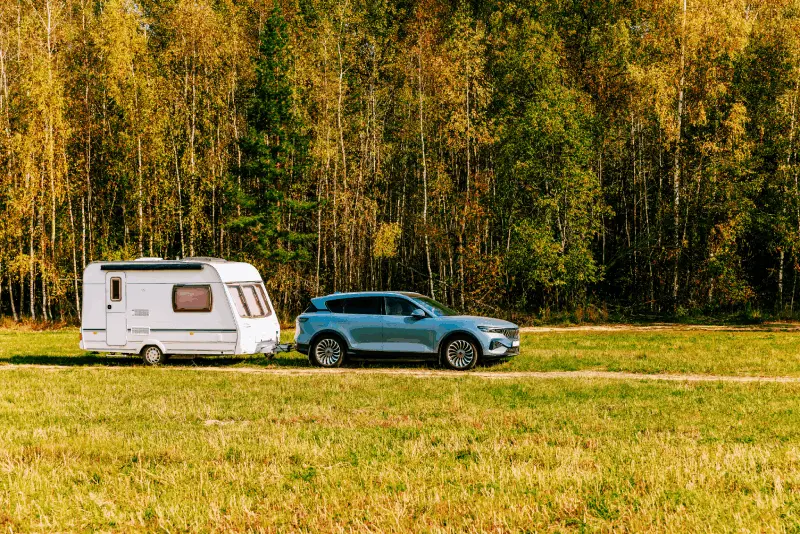
Where to Dispose of Waste Water?
Using campsites in Greece is the most reliable way to dispose of gray and black water, which is one of the biggest challenges of caravan life. Some large gas stations and modern facilities along highways may have disposal units for caravans. You should never dispose of your waste on the roadside or in nature; this is both environmental pollution and damages the image of caravanners. At the campsites you visit, you can often find an offer to empty your tanks and get fresh water for a small fee (even if you are not staying).
How to Refill Clean Water?
Refilling water in Greece is quite easy. Most of the historical fountains found in village squares provide drinkable water, and it is possible to fill up tanks using a hose from there. Additionally, most gas stations have water taps, and you are usually allowed to use them for free when you buy fuel. Since water is precious in the island regions of Greece, you should be more careful there and prefer campsites if necessary. Having various adapters for different tap fittings can prevent inconveniences during water refilling.
Is There Compatibility with LPG and Cylinders?
The cylinder fittings you use in your caravan may differ between Turkey and Greece. Cylinder fittings in Turkey are generally Italian types and are also common in Greece, but some local cylinders may require different connections. If your vehicle has a fixed LPG tank, you can refill at "Autogas" stations in Greece. Having a European-compatible filling nozzle set with you can be lifesaving. LPG is quite widespread throughout Greece, so fuel or cooking. You won't experience a major difficulty in finding gas.
How to Get an Internet Package?
When you go abroad, you can use your operator's "Roaming" packages in Turkey, but this is usually an expensive option. It is much more economical to get a prepaid SIM card from a local operator (Cosmote, Vodafone GR, or Wind) when you enter Greece. With packages that only include data, you can enjoy high-speed internet in your caravan and use map and camping applications without interruption. You can stop by a store in the first town after crossing the border (for example, in the center of Dedeağaç) and get a SIM card within minutes with your passport.
Is it Necessary to Exchange Euros?
Greece is a Eurozone country, and cash may be required in small businesses, markets, or some campgrounds. It is important to carry some Euros before leaving Turkey, especially for highway tolls and small cafes. However, credit card usage is quite common throughout Greece; it is possible to find POS devices even in the smallest villages. You can withdraw Euros from local ATMs with your bank card, but you should check the commissions and exchange rate differences that your bank will apply in advance. Cash is always king, but it is recommended not to carry very large amounts for safety.
Is Credit Card Accepted Everywhere?
In large cities, chain supermarkets, and gas stations, credit cards are accepted without any issues. However, in some campgrounds or local restaurants called "Taverna," cards may not be accepted, or only cash may be preferred. Make sure to have a card with Visa or Mastercard logo that is open for international expenses with you. Cards with contactless payment features and digital wallets (like Apple Pay, Google Pay) are widely used in Greece. When making a payment, if "DCC" (Dynamic Currency Conversion) is offered, it is usually more profitable to make the transaction in the local currency (Euro).
Is it Necessary to Know Greek?
Since the tourism sector in Greece has developed significantly, you can find someone who speaks English almost everywhere. Especially young people and tradespeople in tourist areas speak good English. However, saying a few basic words in Greek, such as "Hello" (Yassas), "Thank you" (Efharisto), and "Please" (Parakalo), will help you establish a warm connection with the locals. Although the Greek alphabet is different, signs are usually written in both Greek and Latin letters, so you won't experience major difficulties in navigation and road tracking.
Is There a Road Assistance Service?
It is very important to add the "International Road Assistance" clause to your vehicle's comprehensive or traffic insurance before traveling. In case of a breakdown, towing and repair services in Greece can be quite expensive. International assistance companies that your insurance company has agreements with will ensure that you receive towing services without language issues. There are also large road assistance organizations like "ELPA" in Greece. By indicating that you are traveling with a heavy and specially equipped vehicle like a caravan, you should ensure that your policy also covers the caravan and note down emergency numbers.
What Are the Emergency Numbers?
In Greece, you can call the "112" number, which is valid across Europe, for all emergencies. You can reach ambulances, fire departments, and police through this number. Additionally, you can use the numbers 100 for direct police contact and 166 for medical emergencies. If you experience health issues or security concerns during your caravan journey, do not hesitate to call these numbers. Operators usually speak English. Also, it would be helpful to save the numbers of Turkey's Consulate General in Athens or the Consulate in Thessaloniki in your guide, as they can assist you with any issues that may arise during official procedures.
What Are the Seasonal Transition Recommendations?
The ideal times for a caravan tour in Greece are May-June and September-October. During these periods, the weather is neither too hot nor too cold, campgrounds are quieter, and prices are lower. In July and August, extreme heat can make life in a caravan difficult, and everywhere becomes very crowded. In winter months, the northern parts of Greece (Thessaloniki, around Meteora) can be quite cold and snowy; in this case, it is essential that your caravan has a good heating system (like Webasto) and winter tires. Choosing clothing and equipment according to the season determines your comfort.
Where Should the First Stop Be?
After crossing from İpsala, your first stop should definitely be Dedeağaç (Alexandroupoli). It is a great place as a rest point after customs and immediately adapts you to the Greek atmosphere with its pleasant taverns and coastal road. If you are looking for a quieter place, the town of Makri, right next to Dedeağaç, is stunning with its olive groves and azure beaches. Spending your first night here will help you complete your vehicle's deficiencies (gas, water, food) and adapt to Greece's slow-paced lifestyle.
Are Ferry Crossings Suitable for Caravans?
Since Greece is a country of islands, you may want to transport your caravan to the islands by ferry. Large ferries (like Blue Star Ferries) are quite suitable for caravans and have special parking areas. However, ferry tickets are priced according to the length of the caravan, making them quite expensive compared to passenger vehicles. Some routes offer the "Camping on Board" option; this way, you can sleep inside your caravan during the journey and benefit from electricity services.