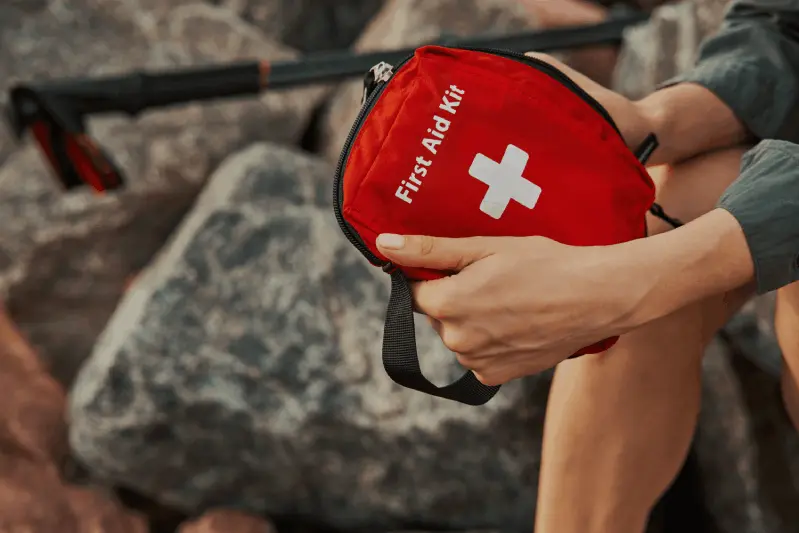
From long camping adventures in nature to daily travels, perhaps the least used but most needed item among the equipment you carry with you is the first aid kit. While many people buy ready-made kits and toss them into their bags, these kits are often inadequate in a real survival scenario. For this reason, you need to personalize your own kit and focus on niche details.
Why is a First Aid Kit Vital?
The first aid kit forms that critical bridge between unexpected medical emergencies and professional medical assistance. When an accident occurs in nature, on the road, or in daily life, having the right equipment not only alleviates pain but can also prevent lasting damage and even loss of life. Life-saving details are often hidden in small items, and the presence of this kit boosts the confidence of the responder, helping them manage panic situations. Each item in your kit is essentially an insurance policy; its presence gives you peace of mind, and when used, it can save lives.
What Should the Material Quality of the Bag Selection Be?
The outer bag you choose for a first aid kit should protect its contents as much as the materials themselves. Poor quality plastics or thin fabrics can lead to moisture absorption or crushing of the sterile materials inside. An ideal outer bag should be made of a tear-resistant fabric called "Ripstop" and, if possible, have a waterproof zipper system. Additionally, having the outer surface in a bright color (usually red or orange) ensures that your bag can be easily found by someone else in low light conditions or under stress. Durability is the first line of defense for a first aid kit.
Do Modular System Bags Provide Ease of Use?
Absolutely yes. A modular (organized) interior helps you find what you are looking for in seconds during chaotic moments. In a bag where everything is filled into a single compartment, you might drop your sterile gloves while searching for a bleeding control bandage. Modular systems that include transparent pockets, elastic bands, and color-coded compartments make it easier to memorize the locations of materials. Distinguishing categories such as trauma supplies, medications, and dressing materials can increase your response speed by 50%. In emergencies, time is your greatest enemy, and a modular structure is your best weapon against this enemy.
How Should the Number of Sterile Gauze Pads Be Determined?
Many ready-made kits contain only two or three gauze pads, but this number is never sufficient for a serious injury. The number of gauze pads should be determined based on the duration of the activity you plan and the number of people in the group. At a minimum, it is safe to have at least 10 sterile gauze pads sized 10x10 cm for each individual. In cases of heavy bleeding, pads can quickly become contaminated, and dressings may need to be refreshed frequently. Additionally, gauze pads are not only used to cover wounds but also for cleaning and applying pressure, so the "more is better" rule applies to this rare equipment.
Which Type of Adhesive Tapes Can Withstand the Toughest Conditions?
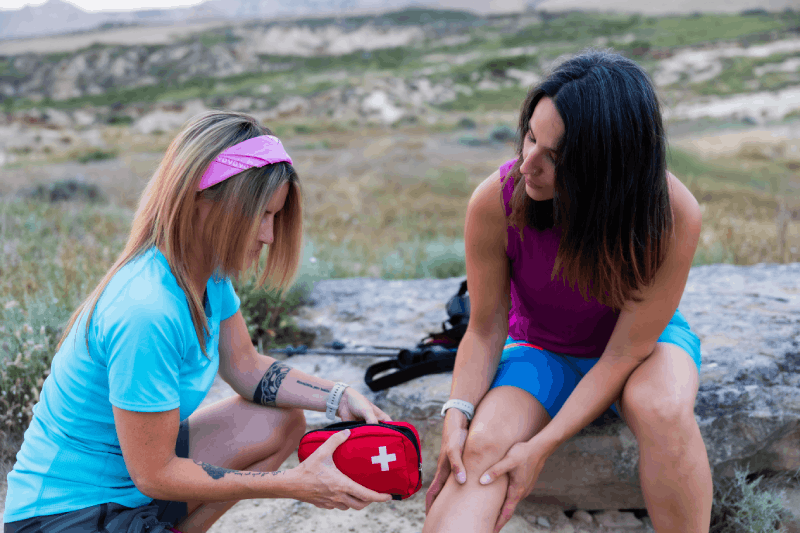
Ordinary band-aids lose their effectiveness within a few minutes on sweaty, wet, or dusty skin. The ideal choice for outdoor conditions is zinc oxide-based cloth tapes or high-adhesive medical tapes used by professional athletes, such as kinesiology tape. These tapes adhere much better to the skin and accommodate joint movement. Additionally, they can also be used for equipment repairs in emergencies (for example, a torn tent or shoe). A quality roll of medical tape is not just a dressing stabilizer but also a construction material. Avoiding cheap plastic tapes is critical for the success of the intervention.
When is the Use of a Tourniquet Really Necessary?
A tourniquet is the fine line between life and limb loss. It should only be used in cases of uncontrollable, spurting arterial bleeding. In modern first aid training, it has been proven that the risk of limb loss with proper application of a tourniquet is not as high as previously thought. If you cannot stop the bleeding with direct pressure and bandaging, you should not waste time and apply a professional CAT (Combat Application Tourniquet) tourniquet. You should keep the tourniquet in the most accessible place in your first aid kit and practice how to use it beforehand. A tourniquet applied incorrectly or with insufficient pressure can worsen the situation.
Should Single-Use Wipes Be Preferred Over Antiseptic Solutions?
Liquid antiseptic solutions can leak or take up space in your kit. Therefore, individually packaged alcohol or iodine (povidone-iodine) wipes are much more practical. These wipes are ideal for cleaning the area around a wound and for disinfecting your hands before an intervention. However, it should be noted that applying alcohol directly to an open wound can delay tissue healing. Another advantage of antiseptic wipes is that they remain sterile; once a solution is opened, the risk of contamination begins, whereas wipes provide a clean start every time. In terms of lightness and reliability, wipes are always ahead.
Why are Hydrogel Burn Dressings Indispensable?
Burns are among the most common injuries encountered while dealing with fire during camping or working over a stove. Classic methods (such as pouring water) can sometimes be inadequate or pose a risk of infection. Hydrogel burn dressings instantly cool the burn area, relieve pain, and prevent the area from coming into contact with air, thus preventing infection. Additionally, since they do not adhere to the wound surface, they are much easier to remove during medical intervention later. Even a small burn can lead to significant pain and operational disruption if not treated properly; therefore, you should definitely have hydrogel or burn dressings of various sizes in your kit.
What Role Do Elastic Bandages Play in Stopping Bleeding?
Elastic bandages are generally thought of for sprains, but they play a vital role in creating "pressure dressings." In the event of an injury, wrapping an elastic bandage around a gauze pad with a certain tension ensures continuous and equal pressure is applied to the bleeding area. This helps constrict blood vessels and speed up clotting. Additionally, in cases of suspected fractures or dislocations, you will need these bandages to stabilize the limb (splinting). A quality elastic bandage should be breathable and reusable after multiple washes, providing a significant advantage in long-term outdoor activities.
How Many Different Ways Can a Triangular Bandage Be Used?
A triangular bandage is like the "Swiss Army Knife" of a first aid kit. Its most well-known use is making a sling, but it is not limited to that. It can be folded into a cravat bandage and used in pressure dressings. It can serve as a tying material to stabilize a broken leg to the other leg. Even due to its clean fabric, it can serve as a water filter (for coarse debris) or a bandana to protect the head from the sun in an emergency. It is lightweight, takes up very little space, but the solution options it offers are limitless. Having at least two in your kit can save lives in complex injuries.
What is the Difference Between Titanium-Coated Scissors and Regular Scissors?
In an emergency, you may need to cut through clothing, seat belts, or tough boot straps to reach an injured person. Standard office scissors are completely inadequate for this. Medical scissors known as "Trauma Shears" can cut through even the toughest fabrics without harming the patient's skin, thanks to their specially designed structure. The titanium coating prevents these scissors from rusting, dulling, and ensures that they do not stick together when cutting adhesive tapes. Additionally, titanium is lighter. In a first aid intervention, the value of scissors that can cut through denim in one stroke is immeasurable.
Why Should a Tick Removal Tool Be Standard Equipment?
If you spend time outdoors, especially in the spring and summer months, tick bites pose a serious risk. Trying to remove a tick with incorrect methods (burning, pouring oil on it, or pulling it out by hand) can cause the tick to inject the bacteria in its stomach into your body. Special tick removal tweezers or "tick cards" allow you to safely remove the tick in one piece by holding it by the head. This small plastic piece minimizes the risk of diseases such as Lyme or Crimean-Congo Hemorrhagic Fever. Its weight is almost negligible, but its protective capability is immense.
Do Thermal Blankets Only Protect Against Hypothermia?
Commonly referred to as "space blankets," these thin metalized foils not only protect body heat. Thanks to their silver or gold-colored surfaces, they can be used to signal by reflecting sunlight from great distances. Additionally, when used as a tarp in an emergency shelter, they provide waterproofing. Preventing a patient's body temperature from dropping in a critical situation is a medical necessity, and these blankets retain 90% of body heat. Their extremely compact packaging makes them an essential item in every backpack. Heat is life, and this blanket traps warmth.
Should Ammonia Ampoules Still Be Used in Fainting Situations?
Ammonia ampoules (smelling salts) are a traditional method used to stimulate breathing in cases of sudden loss of consciousness. However, their use in modern first aid is somewhat controversial; because they can cause the patient to suddenly move their head and worsen any existing neck trauma. Still, in cases of simple vasovagal syncope (simple fainting), controlled use can quickly bring the patient back to consciousness. If you plan to add them to your kit, you should only keep them for use in fainting situations that do not involve serious trauma, low blood pressure, or stress. Since they are in glass ampoule form, care should be taken to prevent them from breaking inside the bag.
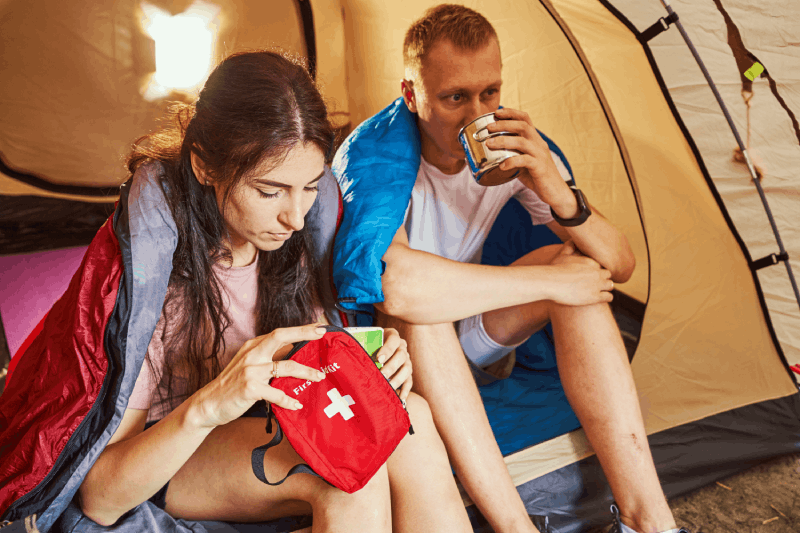
Why is Eye Wash Solution Critical in Dusty Environments?
A small grain of sand, sawdust, or a chemical substance that gets into your eye can lead to corneal abrasions or vision loss if not intervened. Simply rinsing with water may sometimes not be enough, or the water itself may not be clean. Sterile eye wash solutions (usually 0.9% Sodium Chloride) are suitable for the natural pH balance of the eye and gently flush out foreign substances. They are very practical as they come in small, single-use 20 ml tubes. Considering that wind and dust are common in outdoor sports, this small detail will be your greatest ally in protecting your eye health.
What Should Be Considered When Choosing Pain Relievers?
You should be selective about the medications that will be in your first aid kit. Generally, medications containing Paracetamol are preferred in trauma situations because they are gentler on the stomach and do not thin the blood. Non-steroidal anti-inflammatory drugs like Ibuprofen are more effective for sprains and strains due to their pain-relieving and anti-inflammatory properties. However, in situations where there is a risk of bleeding, you should avoid blood-thinning medications like Aspirin. It is very important to store medications in their original packaging along with their leaflets to prevent overdose or allergy risks. Choosing medications that you know your own tolerance for is the safest way.
How Do Allergy Medications Play a Role in Unexpected Insect Stings?
Even in someone with no allergies, certain types of insects or plants can cause severe reactions. Antihistamine pills control mild symptoms such as itching and redness. However, in the case of a more serious condition called "Anaphylactic Shock," antihistamines may be insufficient. Still, having a fast-acting allergy pill in your kit can slow down the process until professional help arrives. If you have known severe allergies, you should definitely add an adrenaline auto-injector (EpiPen) prescribed by your doctor to your kit. Allergy is one of the fastest and most insidious attacks of nature.
Why Should Stomach Medications Not Be Missing in Long-Term Camps?
Water consumed in nature or food that has not been properly hygienic can quickly lead to stomach and intestinal problems. Diarrhea or stomach cramps not only disrupt your comfort but can also lead to serious fluid loss (dehydration), leaving you weak and endangering your safety. Antacids, anti-diarrheal medications, and stomach protectants can save the day in such situations. Especially when your body is fighting bacteria that it is not accustomed to at high altitudes or different geographies, these medications will be your closest friends. Digestive health is one of the key stones for maintaining physical performance.
Should Water Purification Tablets Be Included in the First Aid Kit?
Water is life, but dirty water is disease. Chlorine or iodine-based water purification tablets found in a corner of your first aid kit are your greatest assurance in case your main water source runs out or becomes contaminated. One tablet typically makes one liter of water drinkable. These tablets not only quench your thirst but also ensure that you obtain safe water needed to clean wounds. Chemical purification is always a working "Plan B" in situations where mechanical filters may fail or become clogged. They are a lightweight, inexpensive, and highly effective safety measure.
How Do Electrolyte Powders Serve as a Shield Against Dehydration?
Simply drinking water may not be enough to replenish the minerals (sodium, potassium, magnesium) lost by the body during excessive sweating or diarrhea. Electrolyte powders or ORS (Oral Rehydration Salts) packets balance these minerals, preventing muscle cramps, dizziness, and fatigue. Especially during intense activities in hot weather, a packet of electrolytes mixed into water ensures that consciousness remains clear and physical capacity is maintained. In a medical emergency, maintaining the patient's fluid balance is one of the first steps in treatment. These powders serve as "drinkable serum."
How Do Finger Splints Prevent the Severity of Minor Injuries?
A sprained or broken finger can make it impossible to pack your backpack or use your trekking poles. Aluminum-supported, padded finger splints stabilize the injured finger, reduce pain, and initiate the healing process. Thanks to their foldable and shapeable structures, they adapt to every finger structure. Instead of trying to make a splint with makeshift methods (like a branch), using this lightweight and professional equipment increases comfort and safety. These splints should be included in your kit to prevent a minor joint injury from ruining your entire performance.
How is Hygiene Maintained for Sterile Gloves Inside the Kit?
Gloves protect not only the injured but also you. You must use gloves in every intervention to protect against bloodborne diseases. However, if the gloves are punctured or contaminated inside the bag, they lose their sterility. Therefore, you should store at least two pairs of nitrile (nitrile is safer against latex allergy risk) gloves in small sealed bags (ziploc). This packaging method both extends the lifespan of the gloves and ensures that you can take them out one by one when needed. Wearing gloves is the first step taken by a professional first aider, and keeping the equipment clean is essential for this step to be effective.
How Does Using a CPR Mask Protect the Rescuer?
When basic life support (CPR) is needed, direct mouth-to-mouth contact with a stranger carries serious infection risks. A CPR mask or barrier device with a one-way valve prevents the patient's body fluids from reaching you while delivering air to the patient. These masks can typically be shrunk down to keychain size and can even be hung outside the first aid kit. You cannot be effective in an intervention where you do not feel safe. A CPR mask gives you that confidence and the right to intervene ethically. You should not risk your health while trying to save a life.
How Can Infection Risk Be Minimized During CPR?
In addition to the barrier devices mentioned above, adhering to hygiene rules before and after the intervention is essential. If you do not have a mask, placing a thin gauze pad over the patient's mouth (though not very effective) can provide some barrier. However, the safest way is to use a quality one-way valve. Additionally, after the intervention, you should quickly disinfect your hands and face with sanitizers. In modern first aid protocols, it is recommended that even if you are not a professional, only "chest compressions" (CPR) be performed, but in cases like drowning, CPR is mandatory, and the barrier device plays a vital role here.
What Types of Wounds Are Hemostatic Sprays Effective For?
Hemostatic agents are particularly effective for superficial but extensive abrasions or in individuals with clotting issues. These substances in spray or powder form create a rapid clotting layer upon contact with blood, instantly stopping bleeding in the form of seepage. While they may not be sufficient alone for deep and arterial wounds, they can be applied as a supportive measure under dressings. They are a great aid in preventing small cuts from continuously bleeding and contaminating the surrounding area or seeping under the bandage. However, due to their chemical content, they should be kept in mind that they may cause allergies in some individuals.
Can Magnesium Rods Be Related to a First Aid Kit?
Although magnesium rods or fire starters are often seen as survival kit items, they are part of first aid. "Heating" is the most urgent medical intervention for an injured person at risk of hypothermia. Lighters may fail in wet conditions, but magnesium rods always work. Being able to start a fire to keep the injured warm, prevent shock from deepening, and obtain hot water (for sterilization) can become a medical necessity. Therefore, integrating a small fire starter into your medical kit is an indicator of a comprehensive understanding of assistance. Heat is as valuable as medication.
Do Multi-Tools Facilitate First Aid Interventions?
A quality multi-tool provides support to the first aid kit with its included tweezers, small scissors, and knife. These tools are particularly useful during the stages of thorn removal, splinting, or personalizing bandages. However, it should be noted that these tools are not sterile. They should always be disinfected with an alcohol wipe before use. While they may not be a standalone first aid tool, they are a helpful assistant that increases the capacity of the kit and solves mechanical issues (such as removing an uncomfortable piece inside a shoe). A good pair of tweezers can be the last resort for removing deeply embedded foreign objects.
Why Are Waterproof Notebooks and Pens Necessary?
When intervening with an injured person, you need to record everything you do (medications given, tourniquet time, pulse values). This information is invaluable when professional medical teams arrive. You cannot write on regular paper with bloody, wet, or oily hands. Waterproof (like Rite in the Rain) notebooks allow you to record data in any condition. Forgetting exactly how tight the tourniquet was can lead to the loss of the patient's limb. Therefore, noting the time and symptoms is a vital part of medical intervention. Pens that can write in freezing temperatures or upside down, such as "pressurized ink" pens, should be preferred.
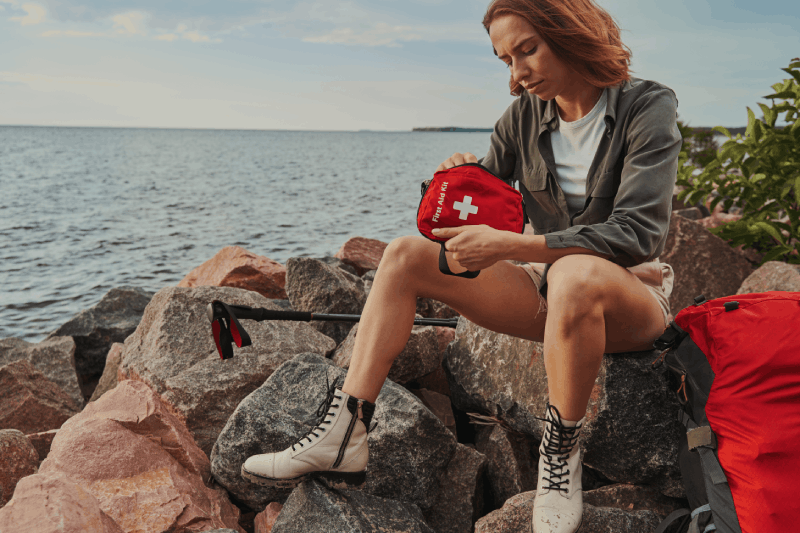
How Should Expiration Dates of Medications Be Monitored?
The biggest danger in your first aid kit is materials that do not work or have deteriorated at the time of need. Medications and sterile packages lose their effectiveness over time. You should place a small chart inside your kit that includes a list of all contents and their expiration dates. It is a good habit to completely empty and check the kit every six months (preferably when the clocks are set back/forward). Never use expired items and replace them with new ones. Also, do not forget that medications exposed to heat (forgotten in the car trunk) can deteriorate regardless of their expiration dates. Your kit should always be fresh and ready for use.
How Should Personal Prescription Medications Be Stored in the Kit?
If you have a chronic condition such as asthma, diabetes, or heart disease, you must keep backups of these medications in your first aid kit. These medications should be stored in waterproof and shock-absorbing small boxes to protect them from external factors. Additionally, it is wise to include a short note on how the medication should be used; because you may not be there, and someone else may need to give you this medication. You should also add dosage information for your prescription medications and your doctor's contact number to this section. A pill that is "ordinary" for you may be the only thing that saves you at that moment.
Should There Be a Special First Aid Section for Children?
If you are traveling with children, you need to make some revisions to your kit. Child-dosed pain relievers, smaller bandages, and colorful band-aids that will attract their attention and help calm them down should be added. Additionally, since children's skin is more sensitive, softer adhesive tapes and alcohol-free cleaning wipes should be preferred. Children panic more easily in emergencies; even a small toy or candy inside the kit can sometimes serve as a calming tool to facilitate intervention. Their physiology is different, so your kit should adapt to this difference.
What Equipment Should Be Added for Pets?
If you are going out into nature with your furry friend, you should add a few items for them as well. Paw protective boots for paw injuries, "self-adhering" (cohesive) bandages that do not stick to fur, and antiseptics suitable for animals should be included in the kit. Additionally, the risk of ticks is much higher for them, so a tick removal tool becomes even more important. Dogs can react unexpectedly when they are in pain; a simple muzzle (or a tie that can be made from a triangular bandage) may be necessary for safe intervention. They cannot express their discomfort, so you need to be prepared for them.
Why Are the Bag's Visibility and Reflectors Important?
When you leave your bag on the ground in the dark of night or under heavy fog, you need to be able to find it. Having reflective strips on your bag ensures that it shines when your headlamp's light hits it. Additionally, placing a "First Aid" (Red Cross or Medical Star) emblem on your bag ensures that when a stranger comes to help, they will be directed to the right bag. If your bag is in military colors (camouflage), you should definitely add a fluorescent marker to it. Visibility is a prerequisite for accessibility. The quality of the materials inside a kit that you cannot find means nothing.
Can GPS Tracking Devices Be Integrated into a First Aid Kit?
Thanks to modern technology, there are now very small Bluetooth or GPS tracking devices (like AirTag). Placing one of these devices in a hidden compartment of your bag helps you find it if you forget it somewhere or if it gets stolen. More importantly, when you hand the bag to someone else and send them to call for help, you can track where they are on the map. Technology adds an intelligent layer of security to traditional first aid. Especially in complex and expansive camping areas, tracking equipment elevates operational safety to the highest level.
Why Are Glucose Gels Life-Saving for Diabetics?
Hypoglycemia (low blood sugar) can be fatal for diabetic patients, especially during physical activity. Giving solid food (sugar, biscuits, etc.) to a patient during a moment of confusion or fainting poses a risk of choking. Glucose gels can be applied inside the mouth and quickly absorbed through the mucosa into the bloodstream. Keeping at least two packets of high-concentration glucose gel in your first aid kit can reverse a sugar coma within minutes. Even if you are not a diabetic, you can use these gels to give energy to a friend who is exhausted from excessive fatigue. Sugar is the primary fuel for the brain.
Are Temporary Filling Sets Necessary for Dental Injuries?
Hitting or falling on a hard object in nature can result in a broken tooth or a lost filling. This situation can cause excruciating pain and sensitivity due to the nerves being exposed to air. Small temporary filling materials (dental kits) sold in pharmacies allow you to cover the tooth for a while and relieve the pain. This kit can preserve your quality of life during the hours or days until you reach a professional dentist. Tooth pain can be severe enough to incapacitate a person; therefore, these small tubes are not "luxuries" but strategic necessities.
Why Are Anti-Fungal and Anti-Bacterial Creams Important in Humid Environments?
Keeping feet moist during long hikes can lead to "trench foot" or severe fungal infections. Small wounds can quickly turn into bacterial infections in humid and warm environments. Antibiotic creams (like Fucidin) and antifungal creams prevent the worsening of these conditions. Taking care of your feet daily and addressing even a small blister with these creams ensures that your journey can continue. Skin integrity is your greatest defense against infections, and these creams repair that defense. Hygiene is half of first aid.
Should Protective and Soothing Creams for Sunburns Be Included in the Kit?
Sunburn is not just an aesthetic issue; it is also a second-degree burn that disrupts the body's temperature regulation and causes fluid loss. Keeping a high-protection sunscreen and aloe vera-based soothing gels for after burns in your kit reduces the damaging effects of the sun. Especially at high altitudes, UV rays can be much more harmful, and serious burns can occur without notice. A person with sunburn can quickly become fatigued and develop a fever. Therefore, protection should be considered a proactive part of first aid and must be included in the kit.
Do Suction Pumps Work in Poisonous Bites?
This topic is quite controversial in modern medicine. It is generally accepted that old-style "snake venom suction pumps" often cause more damage to the tissue and are ineffective in sucking out the venom. However, modern vacuum suction devices (Extractors) can alleviate reactions by drawing out some of the venom and accompanying allergens in certain insect and scorpion stings. Still, in the case of a snake bite, the main thing to do is to keep the limb still, keep it below the heart, and quickly reach a center with antivenom. If you plan to add suction pumps to your kit, you should be very aware of their limitations and not attribute miraculous meanings to them.
Why is it Important to Update the First Aid Kit Every Season?
In winter, more heating pads and thermal blankets are needed against the risk of freezing, while in summer, sunscreen, electrolytes, and insect repellents come to the forefront. Reviewing your kit during seasonal transitions ensures that you are prepared for the specific dangers of that season. For example, in winter, stronger fuels for melting snow or winter lip balm can be vital instead of water purification tablets. A first aid kit is not a static object; it is a living system. It should be "modified" according to your route and the season before every adventure. This flexibility is a distinguishing feature of a true professional.
How Do Mental First Aid Cards Guide During Panic Moments?
In an accident, the human brain reacts with one of the "freeze, flee, or fight" responses and sometimes forgets even the simplest information. Having laminated (waterproof) cards in your kit with an "A-B-C" checklist, basic dressing steps, or CPR rhythm written on them guides you at that moment. Following the steps by looking at these cards reduces your risk of making mistakes and helps you stay calm. Information can fly away under stress; however, a written guide always remains there. These cards provide psychological support not only to the patient but also to you, the responder.
How is the Balance Between Bag Weight and Contents Established?
You want to take everything with you, but carrying a 5-kilogram first aid kit can be burdensome. The ideal weight should not exceed 5% to 10% of your total bag weight. To establish this balance, you should focus on "multi-purpose" items. For example, triangular bandages that can serve as both bandages and slings or solutions that can both clean and disinfect save weight. Never compromise on essential materials (tourniquet, gauze pads, gloves) for the sake of weight; instead, reduce packaging or remove unnecessary boxes. Remember, the best first aid kit is the one you didn't leave at home because of its weight.
These small details in your backpack can one day save your life or the life of your loved ones. When setting up your first aid kit, focus on quality and knowledge rather than quantity. Knowing how to use each material is far more valuable than just having it. Wishing you safe and healthy adventures!