Why is Water Conservation in a Caravan Crucial?
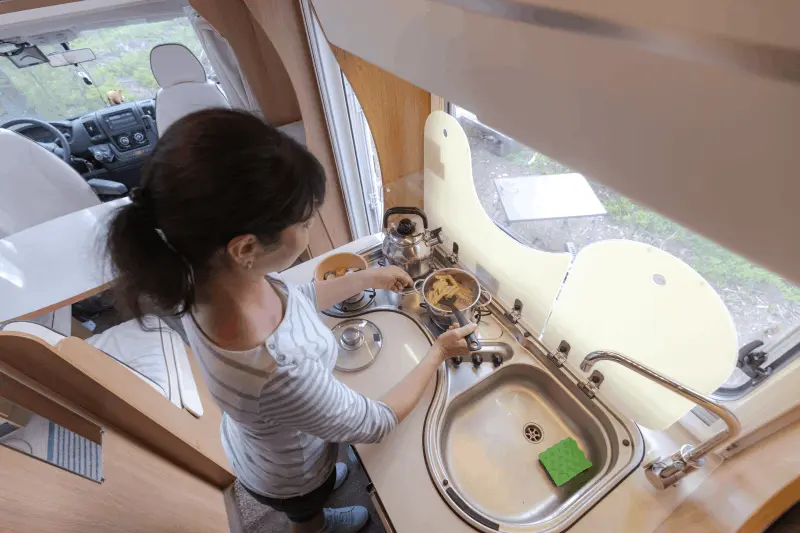
Living in a caravan is a discipline that requires maximizing efficiency with limited resources. The capacity of the water tank is one of the most critical factors determining how long a caravanner can stay outdoors freely. Especially when camping off-grid, meaning independent from the grid, every drop of water is as valuable as gold. The dishwashing process is usually one of the most water-consuming activities at home; however, this habit must change completely in a caravan. Unnecessary water consumption not only leads to the rapid depletion of clean water but also causes the gray water tank (wastewater) to fill up quickly. This situation means the camping experience can be abruptly cut short and necessitates searching for a dumping point. Therefore, conserving water extends both your comfort and freedom while minimizing the footprint you leave on nature, offering a more sustainable lifestyle.
How Should the Plate Preparation Be Before Starting to Wash Dishes?
Before putting dishes into the water, the preparation phase begins long before. Placing a plate or pot directly into the sink in its dirty state is one of the biggest mistakes made in a caravan kitchen. As soon as the meal is finished, all solid scraps and sauce residues on the plates should be cleaned with the help of a scraper. Silicone spatulas are typically used for this process. A silicone spatula ensures that you clean even the smallest drop of sauce from the plate, performing the "pre-cleaning" of the dishes. If you scrape the plate this way, there will be almost no greasy layer left on the surface during the washing phase. This reduces the need for detergent while decreasing the amount of water you will use for rinsing by more than 50%. A clean start is the cornerstone of water conservation, and adopting this habit makes caravan life much easier.
How Does Using Paper Towels Simplify the Dishwashing Process?
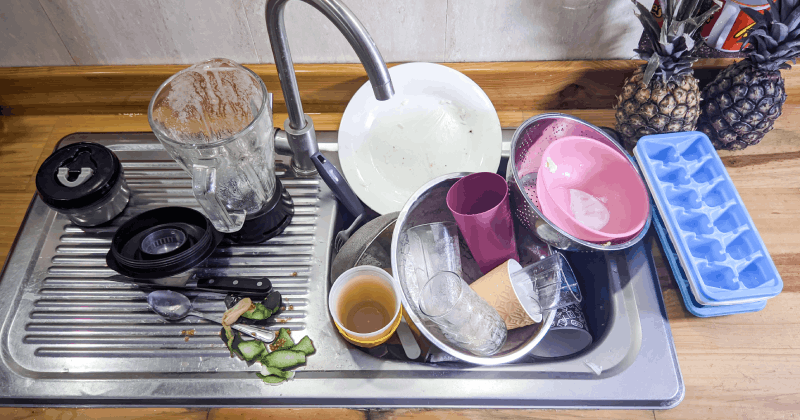
Paper towels are not just a cleaning tool in the caravan kitchen; they are also a strategic water-saving equipment. Wiping plates with paper towels immediately after a meal ensures that oils and stubborn sauces are disposed of before they reach the sink. Especially in greasy pans, doing a preliminary cleaning with paper towels instead of trying to dissolve the grease with water significantly reduces water consumption. Additionally, by properly disposing of dirty paper towels, you also prevent grease from going into the gray water tank, which is important for tank health and odor formation. If you are concerned about your environmental impact, you can opt for washable and reusable bamboo towels or include these towels in the cycle by cleaning them with very little water. This simple step makes the dishes almost as clean as if they were washed and saves rinsing water.
How to Minimize Water Consumption with the One-Pot Method?
Reducing the number of pots used in the kitchen naturally decreases the amount of dishes to be washed and thus the amount of water consumed. This is why "one-pot meals" are quite popular in caravan kitchens. Using the same pots for both cooking and serving, or if possible, eating directly from the pot (only if traveling), radically reduces the dish load. Additionally, simply wiping the knives and boards used while preparing food with a cloth before moving on to the next step prevents you from starting a separate washing cycle for each item. Instead of accumulating dirty dishes, cleaning and putting away each piece immediately ensures better control of water usage while preventing clutter on the countertop. Less pots mean less dirt; less dirt means less water consumption and more time for relaxation.
How to Use Vinegar and Baking Soda as a Natural Cleaner?
While conserving water in a caravan, reducing the use of chemicals is also an environmentally friendly approach. Vinegar and baking soda are excellent helpers that enhance the disinfecting power of water. Especially if your water is limited and you want to avoid foamy detergents, a spray bottle filled with vinegar water works wonders in killing bacteria on the plates and breaking down grease. Baking soda can also be used to scrub stubborn stains by turning it into a paste with very little water. Vinegar helps the water leave the plate faster during rinsing (reducing surface tension), thus allowing you to have sparkling clean dishes with less rinsing water. Unlike chemical detergents, vinegar residues are not harmful to health even if not rinsed, meaning you don't have to be overly sensitive during the rinsing phase, thus saving water.
Why is Choosing Low-Foaming Soap Critical?
The traditional dishwashing detergents we use at home are often formulated to produce a lot of foam because the consumer perception is that "more foam means more cleanliness." However, in a caravan, a lot of foam means wasting liters of water to rinse it off. Low-foaming, plant-based soaps specifically produced for caravans should be preferred. These soaps rinse off quickly as soon as they come into contact with water while effectively breaking down dirt. When you don't have to deal with foam, the rinsing time is shortened, and your water lasts longer. Additionally, these types of soaps are generally biodegradable in nature, which reduces the environmental impact of your gray water. These products, which you can obtain from caravan markets or stores selling ecological products, are the unsung heroes that increase the efficiency of your water management system.
How Does the Gray Water Tank's Fill Rate Affect Washing Habits?
The only reason to conserve water in a caravan is not just to protect clean water but also to manage the capacity of the gray water tank. Often, the clean water tank in a caravan is larger than the gray water tank, or draining gray water is more difficult than filling clean water. Using a lot of water while washing dishes leads to the rapid filling of the wastewater tank and causes the level indicator to turn red. A full wastewater tank can cause the kitchen sink to back up or release unpleasant odors into the environment. Therefore, it is essential to remember that every drop of water you use while washing dishes will accumulate in a tank. If you are far from a station that can empty the wastewater tank, your dishwashing habits should become even more minimalist. This awareness pushes you to develop more creative saving methods and strengthens your caravan discipline.
Is It Possible to Rinse Using a Spray Bottle?
The spray bottle method is a professional water-saving technique in the caravan world. Water flowing from a classic faucet is often much more than we need and flows uncontrollably. Instead, using a quality spray bottle filled with clean water allows you to spray just the right amount of water exactly where needed. After soaping the dishes, rinsing them by spraying water from the spray bottle saves up to 80% compared to leaving the faucet running. The fine water droplets that come out of the spray effectively push away soap residues while covering a wide area on the surface. By using this method in both the soaping and rinsing phases, you can clean the dishes from a large family meal with just a glass of water. This practical, inexpensive, and highly effective method is indispensable for caravanners.
Does Letting Dirty Dishes Sit Increase Water Consumption?
The answer to this question is definitely yes. When food scraps dry on a plate or pot, they stick much more tightly to the surface, requiring much more water and scrubbing to remove those stains. The "I'll rest a bit after the meal" luxury in a caravan can lead to wasting your water. Ideally, dishes should be cleaned immediately after the meal. If you don't have the opportunity to wash them right away, at least covering them with a damp cloth or ensuring they stay moist with very little water can prevent them from drying out; however, this still uses water. The best approach is to scrape the plates while they are still warm and wash them quickly. With the water you would use to remove a dried sauce stain, you can clean a fresh stain in seconds. Speed is the greatest ally of water conservation in a caravan and plays a critical role in maintaining kitchen hygiene.
When Should Common Kitchens in Campsites Be Preferred?
If you are staying in a camping area or caravan park, using common dishwashing areas instead of wasting your own water is the most logical strategy. In these facilities, water is usually unlimited (or at least does not come from your own tank) and hot water is available. Especially if you have prepared a large meal or have accumulated heavy dirty dishes, handling this in the facility's kitchen ensures that your caravan's clean water tank stays full. Using these areas also prevents the humidity inside your caravan from increasing and reduces the frequency of emptying your gray water tank. It is important to pay attention to hygiene when using common areas and to bring your own sponge. Handling all large dishes here just before leaving cities or campsites provides you with a significant water advantage when you return to nature.
How Does Using a Silicone Spatula Preserve Dishwater?
A silicone spatula can be referred to as the "secret weapon" of the caravan kitchen. In traditional methods, we pour sauces or food residues from the plate into the water; this both pollutes the water and wastes it. However, when you scrape the plate with a flexible silicone spatula, you can remove almost 99% of the solid and liquid residues in one go. After this process, only a thin layer of grease remains on the plate. This way, the amount of soap and water needed to wash the plate is minimized. Additionally, using a silicone spatula ensures that the dishwater stays clean longer; thus, you can use the same washing water (if you are washing in a bucket) for more pieces. A quality spatula that you add to your kitchen utensils set will be one of the smallest but most efficient investments you make on your water-saving journey.
How to Ensure Sterilization and Cleaning Using Boiling Water?
Hot water is much more effective than cold water in dissolving grease and killing germs. Instead of wasting a lot of water in a caravan, boiling water in a small kettle and using it strategically works wonders. For example, putting dirty forks and knives in a small container and pouring a little boiling water over them ensures they are sterilized instantly. Similarly, putting a finger's worth of boiling water into a very greasy pan and letting it sit quickly dissolves the grease and eliminates the need for scrubbing. You can also take advantage of the steam power of boiling water to clean lids or other surfaces. With this method, you can achieve a much deeper clean with just a cup of boiling water instead of using liters of warm water. The only point to be careful about is not to pour boiling water directly into the caravan's plumbing or plastic sink; therefore, you should always use boiling water inside a washing container.
How to Use a Two-Compartment Sink to Save Water?
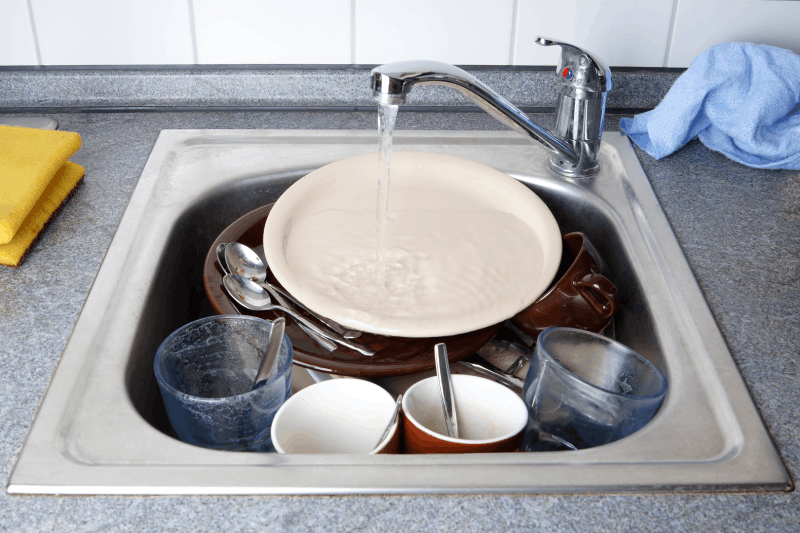
If your caravan has a two-compartment sink, this setup allows you to create a professional "wash-rinse" station. Fill the first compartment with a small amount of soapy warm water (about 2-3 liters), and you can scrub all the dishes here. The second compartment is used for rinsing with clean water (or vinegar water). Taking the dishes out of the soapy water and dipping them into the rinsing water saves a massive amount of water compared to rinsing under running water. If you only have one sink, you can set up the same logic with two separate collapsible buckets that you place inside the sink. This method is particularly the most efficient way to manage time and resources when washing dishes for large groups. Starting with glasses according to the order of how dirty they get and moving to greasy pots last maximizes the lifespan of the same water used.
Is Pre-Washing with Seawater a Logical Solution?
If you are camping by the sea, using seawater to protect your fresh water is an old and effective sailor's method. Seawater acts as a natural cleaner and abrasive due to its salt content. It is quite logical to do a pre-wash with a bucket of seawater to clean dried food residues from pots or sand from the beach. However, there are two critical points here: First, after cleaning with seawater, you must rinse with a very small amount of fresh water; otherwise, the salt can damage your equipment and cause metal parts to rust. Secondly, environmental ethics; you should never use chemical detergents while washing with seawater, only mechanical cleaning should be done. Natural brushes and seawater are a great alternative for extending the lifespan of your fresh water tank, especially for stubborn outdoor dish residues.
Why Are Collapsible Dish Buckets Indispensable in a Caravan?
Caravan kitchens are often cramped, and standard sinks may not be very efficient for washing dishes. Collapsible silicone dish buckets provide both ease of storage and help you keep your water under control. With these buckets, you can perform the washing process outside the sink, for example, on a table outside the caravan or in a larger area. Filling the bucket to a certain level prevents the urge to leave the faucet running continuously. The goal of "I will finish all the dishes with just the water in this bucket" sets a psychological limit, encouraging you to be more careful. Additionally, these buckets are also excellent for transporting dishes from one place to another (for example, to the camp kitchen). Their ability to collapse into a thin shape after use makes them a marvel of engineering and a saving tool for caravanners with limited cupboard space.
Do Low-Flow Faucet Heads Save Water?
Your caravan's original faucet may sometimes be wasting too much water. Replacing standard faucet heads with low-flow aerators or water-saving heads is a technical improvement that stands out. These heads mix air with the water (aeration) to maintain water pressure while significantly reducing the amount of water consumed per unit time. Even if you feel like the volume of water is the same when rinsing soap off your hands or dishes, you actually consume 30% to 50% less water. Some models have a stop button on the faucet; this allows you to instantly cut off the flow without disturbing the temperature setting when you turn the water on and off. This small equipment modification also reduces the load on your caravan's water pump, significantly extending the lifespan of your tank and preventing water waste with a technological touch.
How Does the Cleanliness of Drying Cloths Affect Dish Hygiene?
While conserving water, sometimes we limit the rinsing phase, which doubles the importance of drying cloths. If you cannot rinse the dishes thoroughly or want to avoid water stains, you should use quality and clean microfiber cloths. However, a dirty drying cloth can reintroduce bacteria to the plate you just cleaned. How you keep these cloths clean in the caravan is also related to water management. Washing your cloths daily with very little water and soap or disinfecting them by drying them under the sun's UV rays helps you avoid large laundry cycles. Additionally, non-disposable but quick-drying muslin cloths clean with little water and maintain the hygiene chain in the kitchen. The cleanliness of the cloths is actually part of the dishwashing process and is an area where water should be distributed correctly for a healthy caravan life.
What is the Most Efficient Cleaning Technique for Greasy Pans?
Greasy pans are the enemy of the caravan kitchen. Instead of using a lot of hot water and detergent to clean grease, you should start with the "dry cleaning" principle. First, scrape off the excess grease with a spatula, then completely remove the remaining thin layer with a paper towel or an old cloth. Sprinkling a little baking soda on the pan and gently scrubbing it helps absorb the remaining grease; you can throw away these clumps. After these processes, there will be almost no grease left in the pan. In the final step, simply wiping the pan with a little hot water and a drop of detergent will be sufficient. With this method, you will use only a cup of water instead of 5-10 liters to clean a single pan. Instead of "washing" grease with water, "pushing" it out of the pan is one of the golden rules of caravanning and also prevents your kitchen drain from clogging.
How to Organize Without a Dishwasher in a Caravan?
Most caravans do not have a dishwasher, and this necessitates establishing a disciplined manual system. Accumulating dishes in the limited space of the caravan creates both visual pollution and leads to unpleasant odors. The "wash, dry, put away" cycle should be strictly applied after every meal. Using a dirty basket or a bucket inside the sink helps maintain order to avoid leaving dirty dishes on the countertop. Additionally, having the equipment used for washing dishes (sponge, brush, detergent) organized and within reach makes your struggle with water more focused. In a tidy kitchen, you know how much water each dish will need and can strategize accordingly. Remember that clutter leads to loss of control and thus unplanned water consumption; whereas a tidy caravan kitchen is your greatest protector of water.
How Do Minimalist Kitchen Utensils Reduce Water Consumption?
Every piece you have in your caravan kitchen is a potential dish. Avoiding unnecessary kitchen gadgets, complicated robots, and multi-piece sets directly contributes to water conservation. For example, if a pot lid also serves as a strainer or a plate is used for both the oven and the table, the number of pieces you need to wash decreases. A minimalist kitchen set (one plate, one cup, one set of fork and knife) forces you to wash dishes after every meal, preventing them from piling up and drying out. Additionally, utensils made from easy-to-clean materials like enamel or titanium hold less grease and dirt due to their surface structure. You won't need harsh chemicals and a lot of water to clean these types of materials; usually, just wiping them with a cloth or rinsing them lightly is sufficient, which helps protect your water budget.
How Does Turning Food Scraps into Compost Reduce Dishes?
Food scraps entering the dishwater cause the water to become contaminated quickly and unusable. Having a small "organic waste box" or compost bag in your caravan makes cleaning plates much easier. When you scrape all food scraps and peels into this box, your dishwashing water stays clear for much longer. This way, you can use the same washing water for more pieces and reduce the frequency of water changes. Additionally, keeping organic waste away from the gray water tank prevents bacteria growth and the smell of rotten eggs inside the tank. If you are camping for an extended period and have suitable facilities, you can leave these scraps in nature (without harming animals) or compost them. Waste management is an integral part of kitchen hygiene and, consequently, water conservation.
How to Overcome the Challenges of Washing Dishes with Cold Water?
In caravans, the water heater may not always be on or may be kept closed for energy conservation. Washing dishes with cold water is particularly difficult after greasy meals because cold water freezes grease. The way to overcome this challenge is to physically remove the grease before it comes into contact with water (using a spatula and paper towel method). For the remaining thin layer, a high-quality dish detergent that can dissolve in cold water should be preferred. Additionally, placing dishes in the sun before washing can help soften the grease. When washing with cold water, using a brush is more effective than a sponge because brush bristles scrape grease better and do not trap grease like a sponge. If your water is ice-cold, instead of heating the water in your tank, adding a little hot water to your washing bucket is the smartest way to maintain the balance of energy and water.
Can Sunlight Be Used for Microbial Cleaning?
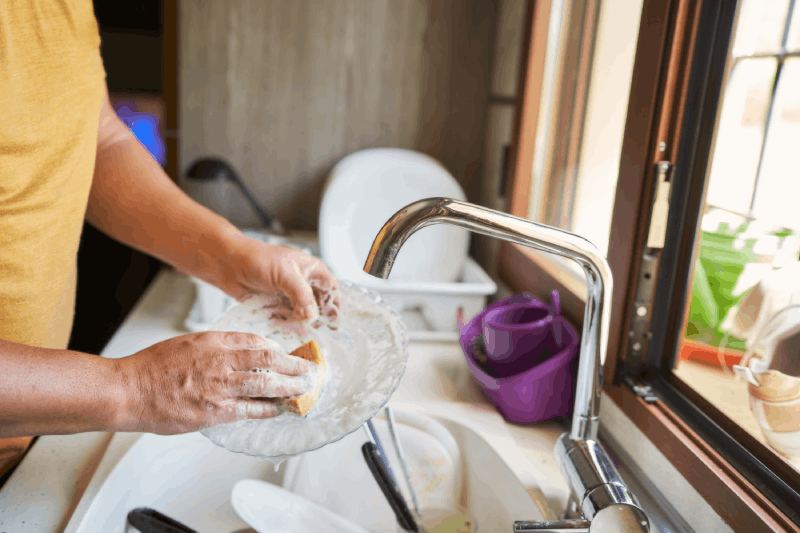
The sun is a free and unlimited disinfectant for caravanners. When you keep the rinsing water to a minimum for the sake of water conservation, you may have hygiene concerns. Hanging or placing the dishes you washed directly in sunlight allows UV rays to kill bacteria. Sunbathing is an excellent sterilization method, especially for wooden spoons, cutting boards, and cloths. With this method, you can eliminate the need for "over-rinsing" dishes and save your water. Sunlight also quickly evaporates moisture from the dishes, preventing mold and odor formation. Mesh drying racks that can be attached outside the caravan expose dishes to sunlight while protecting them from insects. Incorporating nature's power into your cleaning routine is a wise approach that helps you save resources consumed by modern technologies.
Is Using Disposable Plates Ecologically Logical?
In critical moments when your water budget is very tight (for example, when the water tank breaks or during desert camping), turning to disposable plates may seem like an option. However, since caravanning is often associated with a love for nature, producing plastic waste creates an ethical dilemma. If you choose this route, you should definitely select compostable paper or sugarcane fiber plates. These plates can be burned after the meal or composted with organic waste. However, disposable products quickly fill up your caravan's waste storage space. Instead, hybrid methods can be tried, such as covering your plates with cling film or beeswax cloths and throwing away this layer after the meal to keep your plate clean. Although these methods save water, they should only be reserved for emergencies; the main goal should be to develop sustainable washing habits.
What is the Quick Cleaning Method for Glasses and Cutlery Sets?
Glasses and cutlery sets are often the most frequently used but least dirty items. Putting them through a full washing cycle every time is a waste of water. Instead, you can prepare a small container similar to a glass coaster and fill it with vinegar water. After using forks and knives, simply rinsing them in this container and wiping them with a cloth provides sufficient hygiene. For glasses, if only water or tea has been consumed, rinsing them with very little water and turning them upside down may be enough. In a caravan, the concept of "clean enough" should replace the idea of "perfect sterilization" at home. It is sufficient to keep everything clean enough to prevent cross-contamination instead of wasting liters of water to completely eliminate all microbes. These quick methods allow you to save your water for the real tough dishes (greasy pots) and speed up your daily routine.
What Should Be the Strategy for Accessing Water Sources in Caravan Parks?
Knowing where the water is while traveling with a caravan is like a strategy game. Each time you access a water source (gas stations, springs, parks), you should not only fill your tank but also handle all tasks that won't come from your tank there. For example, when you take a break in a place where water is abundant, you can wash all accumulated dirty dishes in the spring with a bucket. This ensures that you save your clean water for the rest of the journey and drinking water. Additionally, soaking heavy dirty pots and doing preliminary cleaning in places where water is abundant is a significant advantage. A smart caravanner looks for opportunities to use nearby resources before opening their own tank. This way, you can theoretically extend the range of your water tank infinitely and maximize your off-grid stay.
Are Smart Faucet Systems That Save Water Worth the Investment?
Modern caravan technologies offer solutions that automate water conservation. Foot-operated faucets prevent water from running wastefully when your hands are full or soapy; water only flows when you press down. This system is one of the most effective hardware methods for conserving water in a caravan. Additionally, sensor faucets or touch control panels allow you to manage water flow precisely. If you live in your caravan for extended periods, investing in such a system will more than pay for itself. However, even if these technologies are not available, the discipline of only turning on the faucet when needed (during wetting and rinsing) can yield similar results. Hardware solutions make life easier, but the true source of conservation is always the user's conscious behavior and respect for the value of water.
Is It Safe to Use Dishwater for Watering the Garden?
If you are using a biodegradable and natural detergent, your dishwater falls into the "light gray water" category. If there is vegetation in the area where you are camping and local regulations allow it, pouring this water at the base of plants is a great way to recycle water. However, you should never pour water containing heavy grease, meat scraps, or chemical detergents directly into the soil. Filtering the food scraps from the water with a strainer and only returning the liquid part to nature prevents soil contamination. This practice is especially a way to give a little life to nature in arid areas where water is precious. Still, care should be taken that the place where the water is poured is not too close to a water source (stream, lake). For an environmentally friendly caravanner, even wastewater can be a resource, as long as you know what is in it.
How to Wash Dishes with Frozen Water in Winter Camps?
Camping in winter brings water management to a whole new level. Water tanks and pipes can freeze, making it impossible to wash dishes. In this case, the classic method is to melt snow in a bucket to obtain dishwater. Heating the melted snow over the stove and adding a little vinegar ensures maximum cleanliness with limited means. Due to the cold in winter, grease freezes much faster, so dish cleaning after meals should be done "immediately." Additionally, to prevent freezing, pouring a little antifreeze or salty water down the sink after washing dishes keeps the pipes clear. In winter conditions, conserving water is not only about protecting your tank but also a technical necessity to ensure the survival of your caravan's water system.
How is Water Management Done in Long-Term Off-Grid Stays?
In a completely off-grid lifestyle, water management becomes an art. In this scenario, every drop of water may need to be used two or three times. For example, you can set aside the clean water you used to wash vegetables for the pre-washing of dishes. Or you can save the slightly soapy water left from the rinsing phase for the initial cleaning of the next batch. In long-term stays, you should calculate daily how long your water will last and keep a "water log" to monitor your consumption habits. Generally, dishwashing accounts for about 40% of the total water budget. Reducing this ratio with techniques can extend your off-grid stay from a week to fifteen days. Knowing the limits of your water gives you the freedom to stay peacefully and independently in nature's deepest points without needing help from anyone.
How to Conserve Water Without Compromising Hygiene Standards?
Using less water does not mean living dirty. In a caravan, hygiene is more about how the water and cleaning tools are used than the amount of water. Even while using water sparingly, surfaces that come into contact with meat and dairy products (like cutting boards) must be disinfected. For this, instead of using a lot of water, high-concentration alcohol-based sprays or vinegar mixtures can be used. Even if you use less water while washing dishes, you should ensure that your cloth is clean during the drying phase and, if necessary, let the dishes air dry. Hygiene is a matter of balance; skimping on water to the point of making yourself or your family sick is not saving, it's a risk. Smartly applied spray rinsing and sun drying methods ensure 100% hygiene while protecting your water tank. A healthy caravan kitchen is always possible with conscious choices.
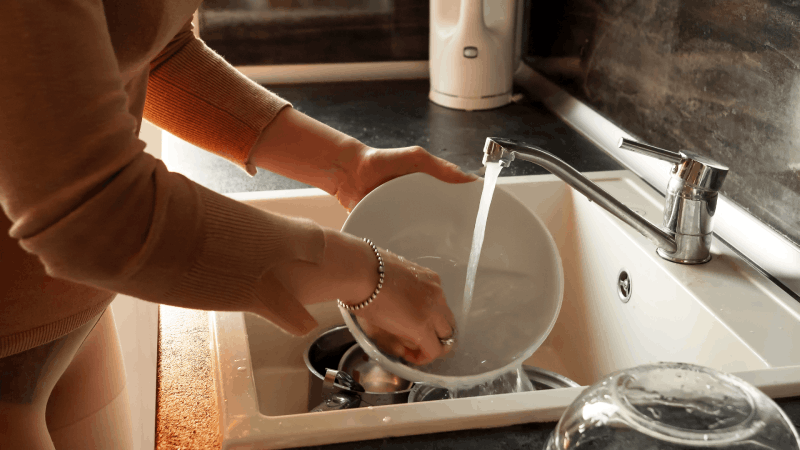
How to Psychologically Focus on Water Conservation While Washing Dishes?
Water conservation is not just an action; it is also a mindset. You should avoid feeling like you are connected to the unlimited grid at home when you turn on the faucet. Some caravanners place a small timer next to the faucet to visualize how much water they are using or count the seconds by listening to the sound of the water pump. Each "hrr" sound from the pump serves as a reminder that a certain amount of water is being depleted from your tank. This awareness encourages you to develop the habit of using water only for milliseconds instead of leaving the faucet running while washing dishes. Viewing conservation as a game or a challenge transforms this process from a tedious task into an enjoyable success. The satisfaction of saying, "I finished all the dinner dishes with one liter today" perfectly aligns with the philosophy of simplicity and resourcefulness at the heart of caravan life.
How to Manage Dish Load in Caravan Travels with Children?
Traveling with children in a caravan is wonderful, but it can increase the dish and cleaning load. Having the plates and cups that children use be small and lightweight makes the washing process easier. You can also engage them in water conservation awareness by playing the "water detective" game or allowing them to wash their own small plates with very little water. Opting for "finger food" whenever possible in children's meals reduces the need for forks and knives, thereby decreasing the amount of dishes. Additionally, using lidded cups and rimmed plates to prevent spills not only saves on dishes but also reduces the water needed for cleaning floors and tables. Focusing on water conservation as a family increases children's environmental awareness and lightens the cleaning load on parents, making the holiday more enjoyable.
What is the Impact of Biodegradable Detergents on Local Water Sources?
Using biodegradable detergents in your caravan is not a choice but a responsibility. However, these detergents are not magic; they need bacteria and time to break down in the soil. Pouring these waters directly into a lake or river can disrupt the oxygen balance in the water and harm aquatic life. When washing dishes with biodegradable soaps, you must discharge your gray water into a septic pit or a deep point in the soil. These detergents produce much less foam than chemical-based ones, which also helps save rinsing water as mentioned above. Maintaining ecological balance is essential for the sustainability of caravan life. Establishing a cleaning routine that does not harm nature ensures that the stunning landscapes you visit remain beautiful for future generations.
How Does the Design of a Caravan Kitchen Affect Dishwashing Ease?
The layout of a caravan kitchen directly affects your dishwashing efficiency. The depth of the sink, the height of the faucet, and the angle of the countertop determine the flow or drainage of water. A deep sink prevents you from having to use extra water to clean up spills. An extension attached to the faucet allows you to direct water exactly onto the dishes, increasing conservation. Additionally, having a drying area (drying rack) right next to the sink prevents water from dripping back into the sink, thus preventing waste. If your kitchen countertop is very cramped, washing dishes can make a mess everywhere, requiring more water for cleaning. During the construction or purchase phase of the caravan, ensuring that the kitchen area is ergonomically designed not only for cooking but also for cleaning with minimal water will provide significant comfort in the long run.
How Do Wastewater Disposal Methods Protect Nature?
Disposing of gray water generated after washing dishes is part of environmental protection protocols. When the gray water tanks in caravans are full, discharging it inappropriately (onto asphalt or near water edges) is both illegal and unethical. The oils and food scraps left in the dishwater can create unpleasant odors and pollution if not disposed of properly. The ideal method is to use designated dumping stations in caravan parks. If you are in a wild camping situation and your tank is full, discharging the water into the soil by filtering it (slowly and spreading it out) allows nature to cleanse this water. Using a hose during disposal ensures that the water goes directly to the intended point without spreading around. Remember, every drop of water that comes out of your caravan is your responsibility; the goal should be to return it to nature as a cycle, not as a burden.
Does the Choice of Dish Drying Rack Affect Space and Water Management?
How you dry your dishes after washing determines the balance of moisture and hygiene in the kitchen. Since caravans are small spaces, the water dripping from dishes can lead to mold formation on countertops or inside cabinets. Collapsible or sink-mounted drying racks ensure that water drains back into the sink. This way, you won't need to use more water and cloth to clean up dried water stains. Additionally, allowing dishes to air dry on these racks instead of drying them with a cloth saves time and reduces the speed at which the cloth gets dirty, conserving your washing water. Some caravanners prefer microfiber drying mats; these mats quickly absorb water, keeping the surrounding area dry. The choice of drying rack speeds up your operational flow in the kitchen and supports the efficient use of limited space, thereby improving water management.
Can Steam Cleaners Be Used in a Caravan Kitchen?
Small, handheld steam cleaners are an innovative solution for water conservation and deep cleaning in a caravan. Since steam uses water in gas form, it can accomplish the work that would take liters of water with just a few milliliters. Steam is uniquely effective for dissolving grease on pot lids, around the stove, and in sink drains. Since steam is at a high temperature, it eliminates the need for chemical detergents while also providing sterilization. If your caravan's electrical capacity (inverter and battery status) is suitable for operating such devices, using a steam cleaner for weekly deep kitchen cleaning provides a massive advantage in protecting your water tank. With just one tank of water (about 250ml), you can make the entire kitchen shine, taking water conservation to a technological high level and modernizing your caravan life.
How Do Cooking Techniques Determine the Number of Dishes?
The cooking method is the source of the dishes. The steaming method not only offers a healthy meal but also prevents food from sticking to the bottom of the pot, making washing incredibly easy. Additionally, using oven bags or baking paper to cook reduces the mess on trays and containers to almost zero; you simply throw the paper away after eating, and you only need to wipe the container once. Opting for cleaner cooking techniques like grilling or roasting instead of saucy and sticky dishes determines the effort and water you will spend during the dishwashing phase. You should focus your creativity in the kitchen not only on flavor but also on "how to cook with the least amount of dishes." This strategic approach reduces the time you spend in the caravan kitchen while increasing the time you spend in nature and your water reserves.
How to Develop Water Conservation Awareness in Caravan Life?
Water conservation is not a skill learned overnight; it is an awareness that develops over time. In the early days of living in a caravan, it is normal to carry over your habits from home, but you will face reality when your tank runs out and you find yourself without water. Following caravan blogs, sharing tips with other caravanners, and trying to break your own records at each campsite (for example, "this time I will finish the day with 2 liters less water") can be motivating. Regularly checking the level indicator in your water tank establishes a direct connection with your consumption. After a while, you will start to feel the value of water every time you turn on the faucet. This awareness becomes a part of your life not only in the caravan but also when you return home, making you a more conscientious global citizen. Conserving water in a caravan is, in fact, the purest form of the art of living in harmony with nature.