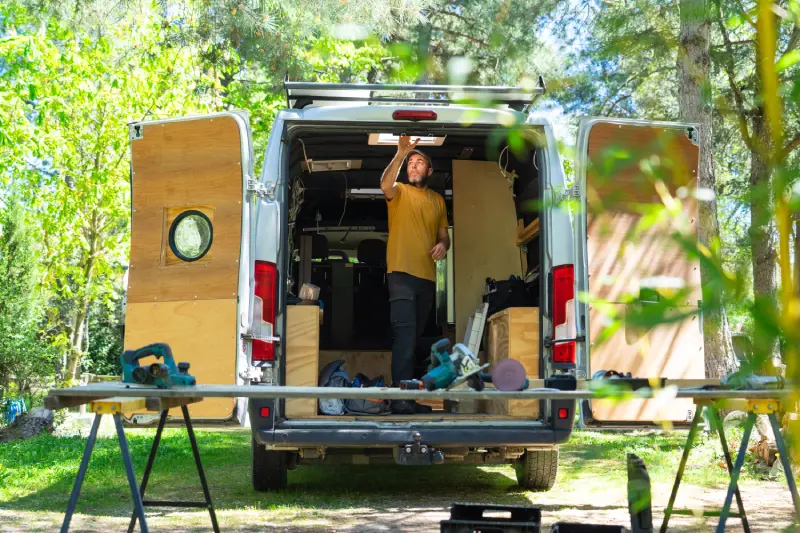
Why is Lightness a Necessity in Motorcycle Camping?
Every extra gram carried on a motorcycle is not just a physical weight, but also a variable that affects riding dynamics. Controlling a heavy motorcycle is much more difficult, especially in turns and on unpaved roads. Lightness allows you to maintain the motorcycle's balance, reduce fuel consumption, and tire less on long rides. Additionally, if you need to lift the motorcycle off the ground in an emergency, having less load provides a vital advantage. Choosing lightweight equipment directly enhances the quality of your journey, helping you focus more on your route.
How Does Route and Season Selection Shape the Equipment List?
The climate and terrain of your chosen route are the fundamental factors that determine the type and quantity of materials you need to bring. There is a significant difference between camping on the Aegean coast in summer and camping in the high-altitude plateaus of Eastern Anatolia in spring. Cold weather requires thicker and therefore heavier sleeping bags and layered clothing, while in hot weather, a light tarp or thin sleeping bag may suffice. Knowing the amenities along the route is the most strategic way to lighten your load by carrying less food and water.
How to Adopt a Minimalist Camping Philosophy?
Minimalism is not just about carrying fewer items; it ensures that every item you bring has a purpose. Every piece thrown into the bag with the thought of "just in case" becomes an unused burden by the end of the journey. To adopt a minimalist approach, you should ask this question for every piece of equipment: "Can I survive without this item, or can I use another item instead?" This mindset will teach you over time which materials are truly critical and which are merely for comfort and unnecessary. Minimalism is the freedom that simplicity brings.
What are the Essential Equipment Known as the "Big Three"?
In camping literature, the "Big Three" refers to the tent, sleeping bag, and sleeping pad. These items constitute the largest volume and weight of your camping gear. If you want to reduce the total weight, the biggest difference can be made by improving these three items. Thanks to modern technologies, both very lightweight and extremely durable materials are now produced. Reducing the total weight of these three items to below 3-4 kilograms will radically lighten your total load on the motorcycle. It is most logical to focus your investment primarily on these three items.
How to Establish a Balance Between Weight and Durability in Tent Selection?
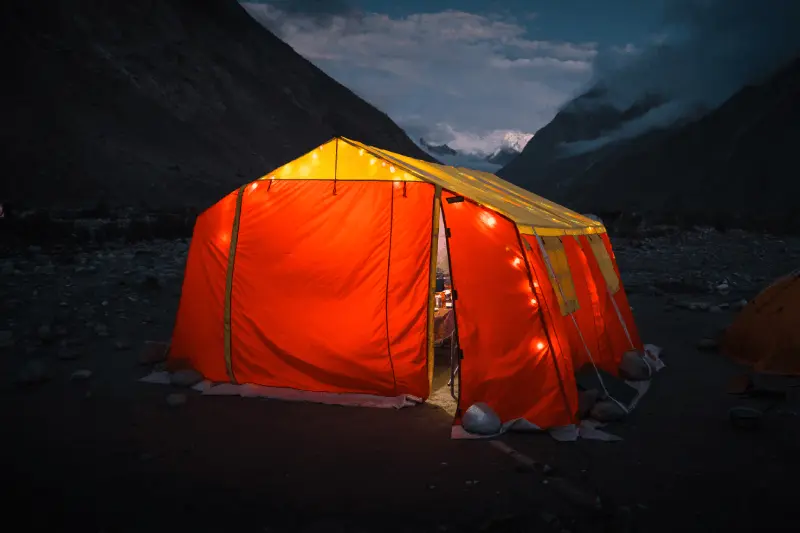
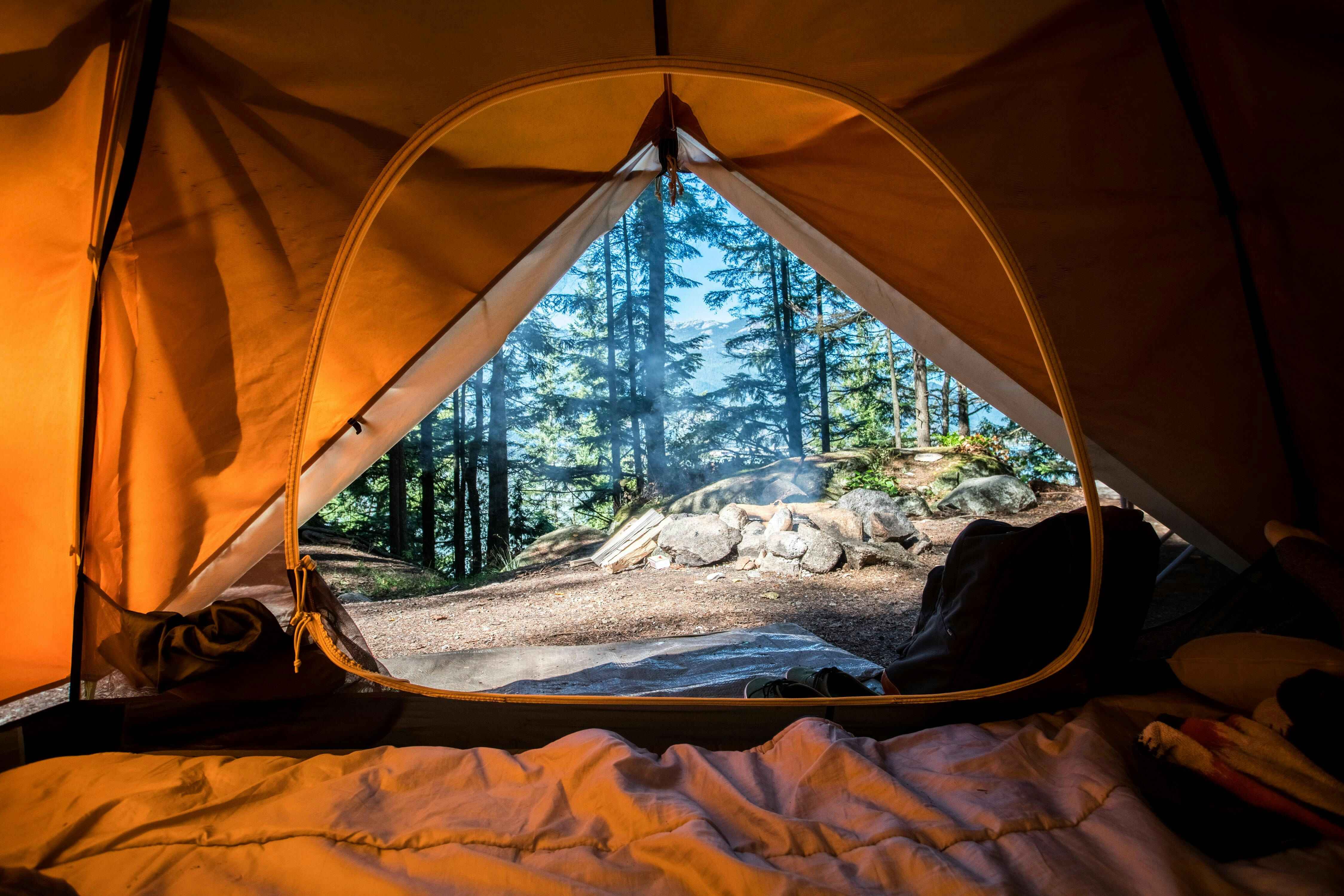
In motorcycle camping, a tent is desired to be both wind-resistant and compact when packed. Tents made from silicone-coated "ripstop" nylon, typically with aluminum poles, offer the best performance in the weight-durability balance. While solo tents are very lightweight, ultra-light models for 1.5 or 2 people are generally preferred to accommodate motorcycle gear (helmet, jacket, etc.) inside. Replacing tent stakes with titanium ones or separating the poles from the fabric during packing to place them in different locations ensures ease of setup and weight balance.
Are Single-Wall Tents Suitable for Motorcyclists?
Single-wall tents, where the inner and outer layers are combined, reduce weight and setup time. These models, popular among backpackers, also offer significant weight savings for motorcyclists. However, their biggest disadvantage is the condensation problem. If they do not have a good ventilation system, you may find water droplets inside the tent when you wake up in the morning. If you are traveling in dry climates, single-wall models are a great choice; however, for humid and wet areas, double-wall tents with ultra-light fabrics are a safer option.
Should Down or Synthetic Sleeping Bags be Preferred?
When it comes to weight and pack volume, down is undoubtedly the leader. Down sleeping bags are much lighter and can be packed smaller than synthetic bags with the same insulation value. Sleeping bags with a high "fill power" (like 800+) can be compressed to the size of a water bottle. However, down loses its insulating properties when wet and takes a long time to dry. If your route is very humid or there is a risk of the bag getting wet, modern synthetic fills may be safer. Still, due to the limited space in motorcycle bags, many experienced users prefer down sleeping bags in waterproof covers.
How Does Sleeping Pad Selection Affect Sleep Quality and Bag Volume?
A sleeping pad is necessary not only for comfort but also to insulate against the cold from the ground. Inflatable pads can be compressed to the size of a soda can when packed and provide the highest comfort. Foam pads are more durable but take up a lot of space and usually have to be strapped to the outside of the motorcycle. If you are focused on lightness, inflatable pads weighing around 400-500 grams with an appropriate insulation value (R-Value) for the season are the best option. Keeping a small repair kit for punctures nearby ensures you can safely take advantage of this lightness.
What Alternatives Can Be Considered Instead of Carrying a Pillow?
While many campers see a pillow as a luxury, a good night's sleep is critical for the next day's riding safety. However, instead of carrying home pillows or large camping pillows, there are much more creative and lightweight methods. The most popular method is to fill a pillowcase or a "stuff sack" with the clothes you won't wear that night. This way, you can meet your pillow needs without any extra weight. If this feels uncomfortable, ultra-light inflatable pillows weighing only 50-60 grams can shrink enough to fit in your pocket when folded, providing you with excellent sleep.
What are the Differences Between Alcohol, Gas, and Wood-Fueled Stove Models?
The most effective way to lighten kitchen equipment is through stove selection. Small gas stoves that work with screw-on cartridges are among the most popular due to their ease of use and speed. Alcohol stoves, on the other hand, weigh almost nothing as they contain no mechanical parts, and fuel can be found everywhere, but they have long boiling times. Wood stoves eliminate the need to carry fuel but create smoke, and finding dry wood everywhere may not be possible. For a quick morning coffee and a practical dinner, titanium gas stoves weighing under 100 grams are the gold standard for motorcyclists.
Are Titanium Kitchen Utensils Really Worth the Investment?
For a camper in search of lightness, titanium is like a magical material. It is lighter than steel, stronger than aluminum, and healthy. A titanium pot and "spork" (a combination of spoon and fork) minimize your kitchen load. The only disadvantage of titanium is that it conducts heat very quickly and can cause some foods to stick; however, if you are only boiling water and consuming ready-to-eat meals, this is not an issue. Although prices are a bit high, titanium equipment is durable, and the weight savings it provides in your bag will be one of the best investments for your long-term riding comfort.
How Do Water Carrying Strategies Optimize Weight?
Water is the heaviest item in camping (1 liter = 1 kg). Carrying 5-10 liters of water always disrupts the balance of the motorcycle. Instead, using ultra-light water filters (like Sawyer Squeeze or Katadyn BeFree) that allow you to drink from sources along the way is revolutionary. With these filters, you only carry the water you need at that moment, filling your storage capacity just before reaching the campsite. Using collapsible water bags prevents the empty container from taking up space in your bag when the water runs out. Strategic water management can lighten your load by several kilograms at once.
How Do Ready Meals and Dehydrated Foods Lighten the Menu?
Traditional cooking methods require fresh vegetables, meat, and heavy pot sets. However, dehydrated or freeze-dried foods can be prepared simply by adding hot water to their packaging. This method reduces both kitchen equipment (pan, plate, detergent, etc.) and food weight by up to 80%. These meals are not only light but also have a high caloric value, helping you regain the energy spent while riding. When supplemented with a few packets of dried fruits and energy bars, the volume of your kitchen bag is significantly reduced.
How Can Motorcycle Clothing Be Used at the Campsite?
Smart equipment selection ensures that your protective clothing on the motorcycle also serves a function at the campsite. For example, if you have a jacket with a removable liner, you can use that liner as a camping jacket in the evening chill. A protective yet civilian-looking motorcycle pant eliminates the need to carry an extra pair of pants at the campsite. In choosing boots, opting for models that provide riding safety while allowing for short walks at the campsite can eliminate the need to carry spare shoes. Designing your clothing to be "multi-functional" is the best way to halve your textile load.
Why is "Merino Wool" a Lifesaver in Choosing Spare Clothes?
Cotton clothes are heavy, take a long time to dry, and smell quickly. The secret to lightness in motorcycle camping is Merino wool. Merino wool can absorb moisture far beyond its own weight, keeps you warm even when wet, and most importantly, due to its natural antibacterial properties, can be worn for days without smelling. This means you only need to bring 1 or 2 Merino shirts instead of 5 t-shirts. Fewer clothes mean a smaller bag and a lighter motorcycle. Although Merino wool may seem expensive at first, the comfort and volume savings it provides should be in every motorcycle traveler’s wardrobe.
How Should Rain Gear and Protective Layers Be Selected?
The weather does not always go as predicted. Instead of heavy and bulky rain gear, lightweight outer layers with breathable and highly packable technologies like Gore-Tex should be preferred. These layers protect you not only from rain but also from the wind in high-altitude areas. With a layering system, you can adapt to all kinds of temperatures by wearing thin but effective layers on top of each other. Instead of carrying one massive winter coat, carrying a thin thermal layer, an intermediate layer, and a thin outer shell reduces weight and provides flexibility in use.
What Items Can Be Sacrificed in a Personal Hygiene Kit?
A personal care bag is often a heavy section that goes unnoticed. Instead of full-size shampoos, large toothpaste tubes, and heavy deodorants, you should prefer travel sizes or better yet, solid forms. Solid shampoos and soaps do not carry the risk of leaking and are much lighter and more compact. Toothpaste tablets allow you to take only as much as you need. A small pack of wet wipes can often substitute for a shower and maintain hygiene in places where water is limited. Remember, staying clean and healthy is your priority, rather than looking perfect in nature.
Why is Microfiber Technology Important in Towel Selection?
Classic cotton towels take up a lot of space and take hours to dry when wet, making them incredibly heavy. Microfiber camping towels absorb many times their own weight in water and dry in minutes under the sun. These towels, which can be compressed to the size of an apple when packed, represent a small but effective change in weight savings. As a more radical option, using a very small "camp towel" to dry your body and waiting for the remaining moisture to evaporate in the air is a method that ultra-light enthusiasts often adopt. Towels should not be underestimated when every gram counts.
How is the "Lightening" Operation Done in a Motorcycle Repair Kit?
Instead of carrying a separate wrench for every bolt on your motorcycle, create a set that includes only the wrenches suitable for the measurements on your bike. For example, if your engine has no 14mm bolts, there is no point in carrying that wrench. Multi-tools (like Leatherman, Victorinox, etc.) can handle many small tasks. A tire repair kit, a small electric pump, or CO2 cartridges can replace heavy levers and pumps. Most importantly, always carry lightweight materials that "fix everything" like plastic ties, duct tape, and steel wire. A repair kit is safety, but optimizing this set wisely lightens your load.
How Should the Power Source for Electronic Devices Be Selected?
Today, devices like phones, navigation systems, helmet intercoms, and action cameras require power. Instead of large and heavy power banks, USB sockets that provide charging from the motorcycle's battery should be your main power source. A 10,000 mAh fast-charging power bank is usually sufficient for use at the campsite at night. Using short cables that are "3-in-1" (Type-C, Micro-USB, Lightning) helps reduce cable clutter and prevents tangling. If you are not going to be away from civilization for a long time, you should avoid carrying massive capacity batteries.
Why is a Headlamp Indispensable in Lighting Systems?
Having your hands free in the campsite is a great comfort. Large flashlights are both heavy and limit usability. A quality headlamp weighing only 50-100 grams meets all your lighting needs. Models with a red light mode do not disturb your night vision and attract fewer insects. By choosing rechargeable battery models, you can also avoid the burden of carrying spare batteries. For lighting inside the tent, you can wrap your headlamp around a transparent water bottle to create a soft ambient light, eliminating the need to carry an extra camping lamp.
Which is Lighter: Soft Panniers or Hard Cases?
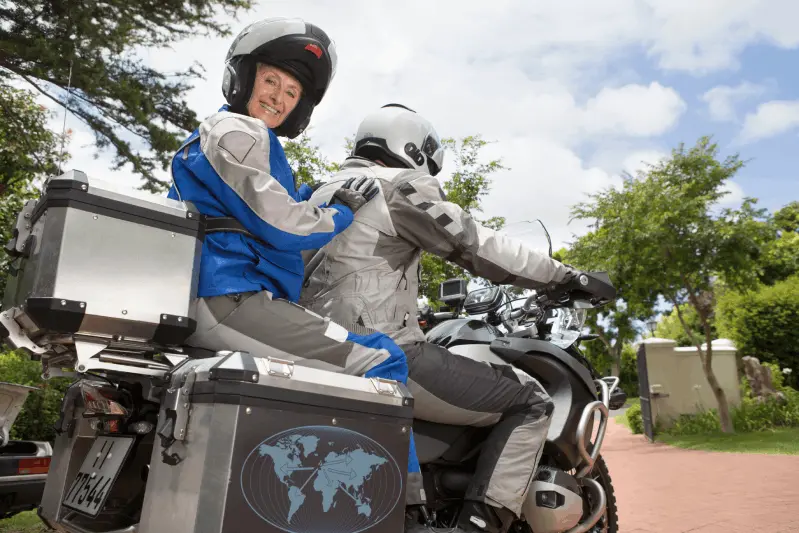
Hard cases offer security and waterproofing, but their own weight (including mounting hardware) can reach 15-20 kilograms. Soft luggage is much lighter and usually does not require heavy mounts since they can be directly attached to the motorcycle. Additionally, soft bags can be compressed to become more aerodynamic as the load inside decreases. They are also safer because the risk of getting caught under your leg during a fall in off-road rides is lower. For a camper focused on lightness and riding performance, modern waterproof soft bags are always a better choice.
How Should Weight Distribution Be Done When Packing Items into Bags?
Just as choosing lightweight equipment is important, how you pack that equipment is also crucial. The golden rule: Place the heaviest items (water, repair kit, food) in the center of the motorcycle and as low as possible. Lighter and bulkier items (sleeping bag, clothes) can go higher or in the outer sections of the bags. Even distribution of weight between the left and right bags is critical to prevent the motorcycle from becoming unbalanced. Overloading the rear bag (top case) can reduce the front wheel's contact force with the ground, leading to dangerous handlebar wobble (tank slapper).
What Should Be Considered When Choosing Straps and Tie-Downs?
Elastic bungee cords used to secure items are often unsafe and have heavy hooks. Instead, using straps like "Rok Straps" that are elastic but can be secured or lightweight nylon straps is both safer and lighter. These straps protect your items from jolts and prevent them from shifting. Additionally, these straps have multi-functional potential; they can also be used to temporarily secure a piece of gear or a tarp in an emergency. A lightweight, durable, and reliable fastening system ensures peace of mind on the road.
How to Minimize a First Aid Kit?
Safety should not be compromised, but standard first aid kits often contain unnecessary items for motorcyclists. Create your own kit: A few bandages, adhesive bandages, antiseptic wipes, pain relievers, allergy medication, and a tourniquet (if you are trained) are essential needs. By removing large boxes and placing medications in small zip-lock bags with expiration dates written on them, you can save significant space. Keep your first aid kit in an easily accessible place and mark the outside with a red sign. Remember, the best first aid equipment is the knowledge of how to use it.
How Does Navigation and Map Usage Affect Weight?
Instead of large physical maps and specialized GPS devices, using your smartphone and "offline" map applications (like OsmAnd, Maps.me, etc.) is the lightest solution. Since your phone is already with you, it does not add extra device weight. However, it is wise to take a small piece of paper with the critical points of the area you will be traveling in case your phone fails and keep it in a waterproof place. This paper will guide you when your electronic devices fail and is a valuable weight that cannot be measured in grams.
Is Carrying a Camping Chair and Table a Luxury or a Necessity?
This topic is a major debate among campers. You can sit on a cooler or your motorcycle helmet to be "ultra-light." However, resting in a chair with back support after a long ride significantly increases comfort. If you are going to carry a chair, you should prefer foldable models like Helinox that weigh only 500-900 grams. A table is usually a luxury; your motorcycle bag or a flat rock can serve as a table. If you prioritize lightness, the chair is likely to be the "first item to be sacrificed" on your list.
How Do Multi-Tools and Hand Tools Reduce the List?
Instead of carrying a kitchen knife, a can opener, a screwdriver, and scissors, it is most logical to carry a quality "multi-tool." With a single tool, you can prepare food, tighten a small screw on your motorcycle, or carve a branch. These tools, made of titanium or high-quality steel, combine dozens of different functions into a single body, reducing clutter in your bag. When making your selection, you should opt for lighter and more functional models that do not have functions you will not actually use (like mushroom picking).
Are Solar Panels Logical for Motorcycle Camping?
In motorcycle camping, charging your devices from the motorcycle's battery while on the move is much more efficient and lighter. Solar panels are generally heavy, can be fragile, and need to be kept stable or adjusted according to the sun's angle to work efficiently. Solar panels may be an option only if you are going to camp in one place for a long time (more than 3 days). Otherwise, carrying a medium-sized spare power bank is both more reliable and more compact. For a moving motorcyclist, solar energy usually falls into the "unnecessary load" category.
Are There Models Focused on Both Riding and Walking in Shoe Selection?
Heavy cross boots are very safe for riding but impossible to walk in. This necessitates carrying a pair of sneakers. However, nowadays, "adventure" or "touring" boots, which have CE protection certification and a Gore-Tex lining with a flexible sole, allow you to walk comfortably at the campsite. If you choose this type of boot, you can minimize your shoe load by only bringing a very thin, foldable sandal or flip-flop. This means you can free up about 1-2 kilograms of space in your bag.
How Does Shared Equipment Use Reduce Weight in Group Rides?
If you are camping with friends, it is unnecessary for each of you to carry a separate stove, separate pot set, or separate pump. Share the equipment among yourselves: One person can carry the stove and pot, another can carry the repair kit and pump, and another can carry the shared food. This "shared load" strategy can reduce the weight on each motorcycle by 30-40%. Of course, this requires planning for the possibility of the group splitting up; however, for teams traveling on the same route, this is often the fastest and most social way to lighten the load.
Is It Necessary to Replace Old Equipment with Modern and Lightweight Alternatives?
If your current equipment is very heavy and bulky, replacing it with modern "lightweight" alternatives will enhance your comfort. However, this is a costly process. Instead of replacing everything at once, you can gradually update starting with the heaviest item (usually the tent or sleeping bag). Sometimes, simply replacing the equipment's cover with a lighter "stuff sack" or removing unnecessary parts (like the repair tube of the tent or excess stakes) can lighten your load without any cost. What matters is not the brand of the equipment, but how well it serves your needs.
Can Lightening Solutions Be Created with Household Materials?
Before heading to expensive camping stores, check your kitchen and drawers. You can put spices in small zip-lock bags or empty pill bottles instead of large jars. You can wrap a piece of duct tape around a matchstick or a pencil to avoid carrying the massive roll. You can make a lightweight bowl by cutting an old water bottle. Creativity is the biggest ally of light camping. By reducing, dividing, or transferring the materials you have into lighter containers, you can complete the lightening operation without spending a ton of money.
What are the Psychological Advantages of Preparing a "Pack List"?
Following a list prevents you from taking unnecessary items due to the fear of forgetting something. When preparing your list, if you also note the weight of each item (at the gram level), you will clearly see where your total load is accumulating. During this analysis, saying "I can do without this 500-gram item" is psychologically easier. After the trip, go back to your list and cross out the items you didn't use. This list will be your greatest guide for lightening on your next trip. Conscious preparation is the antidote to unnecessary stress and weight.
Where is the Delicate Line Between Riding Safety and Lightness?
Never compromise your riding safety for the sake of lightness. Leaving your protective jacket, knee pads, or helmet at home because they are "heavy" is a big mistake. Safety equipment is the undeniable "fixed" weight of motorcycle camping. The areas where you should save are camping gear and spare clothes. Also, do not neglect to adjust tire pressures or suspension settings according to your load to make the motorcycle much lighter. Lightness is a tool to enhance safety; it is not an end in itself. Safe riding is more important than the best camping.
What Should Be the Strategy for Washing Clothes During Long Journeys?
It is impossible to carry clean clothes for every day on a journey lasting weeks. The solution is the "washing on the go" system. A few pieces of Merino wool or synthetic clothing that you will take with you can be washed with a small amount of biodegradable soap at a campsite or by a stream every 2-3 days and hung on the back of the motorcycle to dry while riding. This strategy allows you to travel the world with just 3 days' worth of clothes. If you want to radically reduce clothing weight, you need to master the washing and drying method.
How is the Motorcycle's Own Weight Capacity Calculated?
Every motorcycle has a "Maximum Load Weight" (GVWR) limit set by its manufacturer. This limit is the total of the motorcycle's own weight, fuel, rider, and all equipment. Exceeding this limit can lead to breaking the frame or suspension failure. Weigh your equipment and add it to your own weight. If you are very close to the limit, lightening your load is not an option but a necessity. A lighter load is not only about comfort but also a factor that protects the mechanical life of your motorcycle.
How is the Necessity of Fuel Storage and Extra Gasoline Transport Determined?
If the distance between fuel stations on your route exceeds your motorcycle's range, you must carry extra fuel. However, carrying a 5-liter canister on every trip "just in case" is unnecessary weight. The weight of fuel (approximately 750 grams per liter) is dangerous due to its flammability. Instead, it is more logical to plan your route according to stations or to carry only 1-2 liters of lightweight aluminum fuel containers. Analyzing your fuel needs in advance helps you avoid one of the riskiest weights that disrupt the motorcycle's balance.
Are Safety Equipment Extra Weight When Staying in the Wild?
While carrying a large pepper spray or a heavy axe may be necessary in some areas, it is often unnecessary. The lightest and most effective tool for safety is being aware of your surroundings and storing your food away from the tent in a way that does not emit odors. A small whistle or a loud alarm can be sufficient to deter wild animals. When selecting safety equipment, research the real risks of the area you will be going to. Do not let your fears lead you to buy unnecessary and heavy equipment; knowledge and precaution are the lightest protection methods.
How Does Campsite Selection Reduce Equipment Needs?
If you are going to camp on a very exposed hill, you will need a very sturdy and heavy tent. However, if you choose a more sheltered, wooded area, even a light tarp or thin tent may suffice. Mastering campsite selection actually reduces the "protection" load you need to carry. Choosing a location close to a water source reduces your water-carrying load; choosing a sunny spot reduces your need for drying and warming. Smartly utilizing the opportunities nature offers is like transferring the load on your back to nature.
Are Reflective Materials Essential for Night Riding and Accommodation?
Night riding is risky and visibility is critically important. However, instead of heavy reflective vests, lightweight reflective tapes that can be attached to your motorcycle jacket or bags serve the same purpose. Small phosphorescent markers attached to tent lines can prevent you from tripping in the dark. These types of "passive" safety elements are measured in grams but provide significant benefits. While pursuing lightness, not overlooking critical points like "visibility" is one of the fundamental stones of safe camping.
How Should Liquids Like Bug Repellent and Sunscreen Be Carried?
These types of liquids are usually sold in large plastic containers. Instead of taking them as they are, transfer only enough for the duration of the trip into small 20-30 ml droppers. Using bug repellent wipes can completely eliminate the risk of liquid spillage and is much lighter. Solid (stick) forms of sunscreen also offer a similar advantage. These small adjustments can reduce the volume and weight of your personal care bag by up to 70%. Remember, drop by drop, a river forms; small grams combine to create kilograms.
How is Minimalism Achieved in Photography and Video Equipment?
Carrying a large DSLR camera, 3 lenses, and a heavy tripod is a nightmare for a motorcyclist. Modern smartphones can now take incredibly high-quality photos. If you are not doing professional shooting, your phone is sufficient. Instead of a tripod, using a small "gorillapod" or the motorcycle helmet as a support yields great results. If you are going to carry a drone, choose the smallest models (like the DJI Mini series). Capturing moments is beautiful, but the weight of this equipment should not overshadow your riding enjoyment.
How is the "What Did I Not Use" Analysis Conducted for the Next Trip?
Every time you return home from a camping trip, separate your items into two categories while unpacking your bags: "What I Used" and "What I Did Not Use." If you have not used an item (except for vital ones like a first aid kit) in two consecutive trips, definitely remove that item from your list for the next trip. This analysis is the most accurate way to determine your real needs. Over time, the "What I Did Not Use" list will shrink, and you will become a true minimalist motorcycle traveler. Experience is the best teacher for equipment lightening.
What are the Environmental Benefits of Minimalist Motorcycle Camping?
Traveling with lightweight equipment and fewer items is not only better for you but also for nature. A lighter motorcycle consumes less fuel and emits less carbon. Less gear generally means less waste. Using biodegradable products and minimizing the trace you leave in nature (following Leave No Trace principles) is part of the minimalist philosophy. The less weight you carry into nature, the more peace you will gain from it. Lightness is not just a technical choice; it is also an expression of respect for nature.