Why is Caravan Waste Management Important?
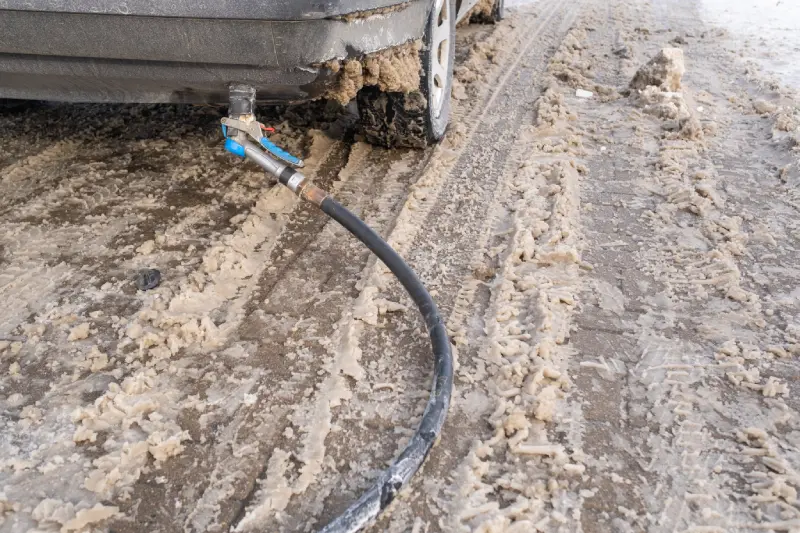
The caravan life represents a sustainable way of living, and the proper management of the waste produced is the cornerstone of this sustainability. A wrongly dumped black water tank can poison groundwater or irreversibly disrupt the local ecosystem due to the pathogens and chemicals it contains. Therefore, knowing where the wastewater goes is not just a technical knowledge but also an environmental awareness that every caravanner must carry. Using the right infrastructure keeps campgrounds clean and ensures that future generations can travel these routes safely.
What is Found in Grey Water?
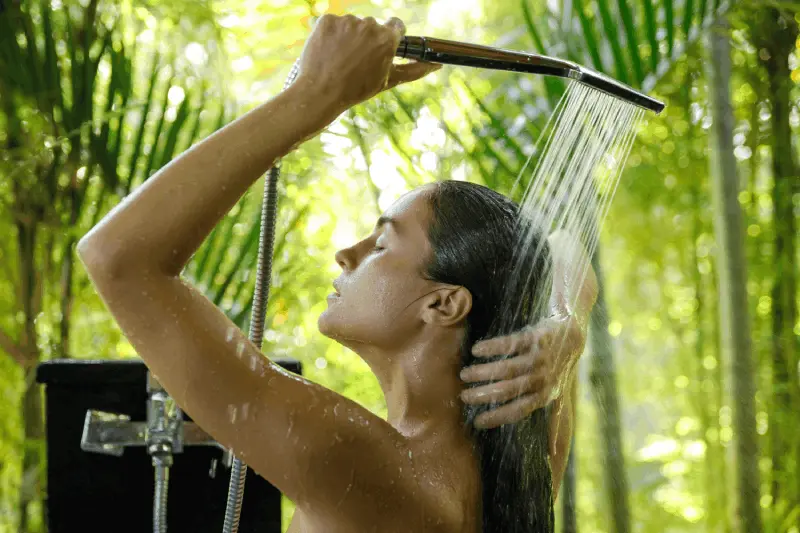
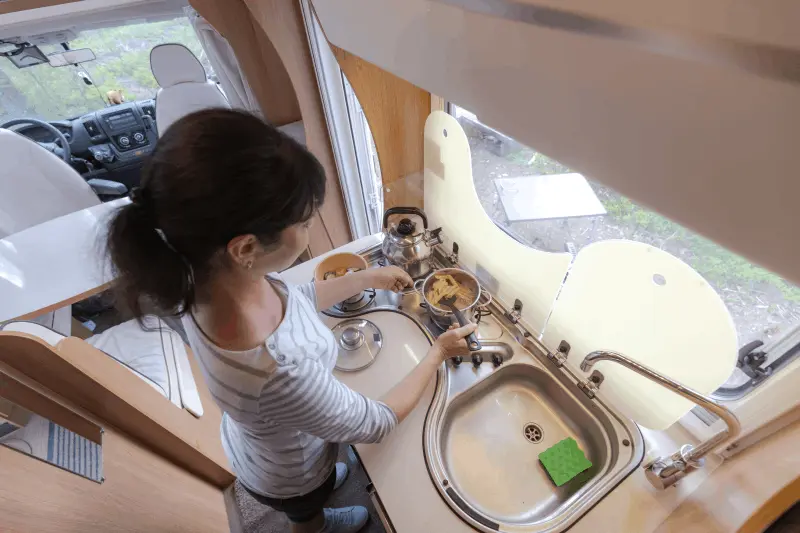
Grey water is the water that comes from your caravan's kitchen sink and shower, which does not contain fecal waste. It typically contains chemicals from personal care products such as food scraps, oils, soap residues, shampoos, and toothpaste. Although it may not seem as dangerous as black water, the organic matter it contains can quickly decompose, leading to foul odors and bacterial growth. The misconception that grey water is "clean" is misleading; dumping this water directly onto the ground creates layers of oil that clog the soil's pores and allows harmful chemicals to leach into the plant cover.

Why is Black Water Collected Separately?
Black water is the wastewater that comes from the caravan toilet and contains a high level of pathogens, bacteria, and viruses. The main reason for keeping this water separate from grey water is the high biological risk factor it contains. Strong chemical breakdown agents are often used in black water tanks to break down waste and mask odors. These chemicals and microorganisms from human waste are elements that should not come into direct contact with nature. The separate collection system ensures that this hazardous waste is safely transferred to central sewage systems or special treatment systems at disposal stations, thus preventing the spread of infectious diseases.
What are the Standards for Disposal Stations?
Caravan disposal stations typically consist of impermeable concrete floors, wide drainage pipes, and pressurized water taps for cleaning. The floor of a standard station should be designed to be resistant to spillage and should have pipes capable of directing the waste directly to the main collection line. Additionally, there must be a physical distance between the tap used for cleaning black water tanks and the drinking water filling tap for hygiene reasons. A quality station provides an ergonomic and clean infrastructure designed to minimize user contact with waste.
How is Wastewater Tank Discharged?
The discharge process begins when the caravan's discharge valve is perfectly aligned with the disposal point at the station. The black water tank must always be emptied first; because afterwards, the grey water to be discharged serves to rinse and clean the discharge hose and pipes. If a black water cassette is used, the air vent must be pressed to prevent air locking and ensure a smooth flow. After the process is completed, the station's floor and pipe entrances should be thoroughly washed with plenty of water to leave it clean for the next user. This simple discipline is essential for maintaining hygiene standards in campgrounds.
How Do Chemical Agents Affect Treatment?
The blue or green liquids used in caravan toilets are very effective in breaking down waste and eliminating odors. However, these chemicals can be toxic to "good bacteria" in biological treatment facilities. Especially older types of chemicals containing formaldehyde can kill the microorganisms in the treatment facility, leading to system failure. Modern caravanners prefer enzyme-based "green" chemicals that are biodegradable and do not harm treatment facilities. The concentration of these agents dumped into the disposal area is a hidden factor that directly affects the efficiency of the treatment process and should be chosen carefully.
How is the Sewer Connection Established?
The waste entering through the hole in the disposal area is connected to the region's main sewer collector line through thick PVC pipes underground. This connection is usually established with sloped pipes that operate on the principle of gravity; however, if the campground is on uneven terrain, lift stations that pump the waste upwards may come into play. As the wastewater moves along this line, it combines with other household waste coming from the city network. At this stage, the caravan waste ceases to be an individual problem and becomes part of a larger urban wastewater management issue managed by municipalities.
How Do Septic Tanks Work?
In campgrounds located in rural areas where the sewer network does not reach, waste typically goes to septic tanks that provide on-site treatment. These systems are impermeable concrete tanks that separate the solid and liquid parts of the waste. While the solid waste settles at the bottom of the tank, the liquid part (supernatant) is filtered and either released into drainage areas or regularly pumped out by vacuum trucks to be transported to the nearest treatment facility. Septic systems are particularly sensitive to chemical caravan waste; therefore, it is crucial that the cleaners used in such places are environmentally friendly to extend the system's lifespan.
What Do Grate Systems Filter? >
When reaching the wastewater treatment facility, the first stop is the massive mechanical screens. These units physically separate large solid materials that can damage pipes, such as wet wipes, pads, plastic pieces, hairballs, and other debris in the water. "Non-dissolvable" papers thrown into the toilet by caravan users or objects accidentally dropped into the tank are caught at this stage. If these materials pass through the screens, they can damage the facility's sensitive pumps. Therefore, using only special caravan papers that dissolve quickly in water in caravan toilets alleviates the burden of this first mechanical stage in the treatment facility.
What Do Sand Traps Do?
The water that passes through the screens enters tanks called sand traps. Here, the speed of the water is slowed down, allowing heavy inorganic materials like sand, gravel, glass pieces, and metal scraps to settle at the bottom. Soil and sand coming from the external washing areas of the caravans are also removed from the system at this stage. Separating sand from water is a critical step; because sand is an abrasive material that causes wear on the valves, pumps, and mixing equipment used in later stages. Thanks to these units, the mechanical lifespan of the facility is preserved, and the water is prepared for biological treatment.
Why Are Oil Separators Necessary?
Especially the kitchen oils in gray water are a significant problem for treatment systems. Oil separator units collect oils and greases that float to the surface of the water using mechanical arms. Even a small amount of oil poured into the sink while washing a pan in the caravan can lead to blockages in the pipes due to freezing or create a layer that prevents air transfer on the surface of the treatment tanks. Wiping oily containers with a paper towel beforehand makes the work of these oil separators easier and improves the quality of the water. This process is an important step that directly optimizes the efficiency of water purification.
What Happens in Sedimentation Tanks?
After mechanical cleaning, the water is transferred to large and deep primary sedimentation tanks. Here, the water moves very slowly, and due to this stagnation, solid organic materials suspended in the water settle to the bottom as "sludge" due to gravity. At this stage, approximately 30-40% of the organic load in the wastewater is cleaned. The sludge that accumulates at the bottom of the tank is later removed from the system for processing for biogas production or fertilization. The fragmented solid particles in the black water coming from your caravan are physically separated from the water by settling at the bottom of these massive tanks.
How Is Biological Treatment Done?
Biological treatment is the heart of the facility and is carried out using the "activated sludge" method. At this stage, oxygen is supplied to the water to ensure the rapid multiplication of microorganisms (bacteria). These tiny organisms "eat" the organic pollutants present in the water in dissolved form. Substances like nitrogen and phosphorus in caravan waste are consumed as nutrients by these bacteria. If a very strong disinfectant has been poured into the caravan's tank, these bacteria may die, and the treatment process may come to a halt. Therefore, biological balance is the most sensitive process that uses nature's technology for the actual cleaning of water.
What Is the Function of Aeration Tanks?
Aeration tanks are massive reactors where biological treatment takes place. Strong motors and diffusers continuously inject air into the water. The purpose of this air is to provide the dissolved oxygen necessary for aerobic bacteria to survive and break down organic matter. Soap residues and shampoos in the gray water coming from the caravan are neutralized by biochemical reactions by bacteria in these tanks. The retention time of water in these tanks is adjusted according to the degree of pollution. This process is a critical turning point where dirty and smelly wastewater begins to transform into clear and odorless water.
What Is a Secondary Sedimentation Tank?
The water that comes out of the aeration tank contains a large amount of bacterial mass (activated sludge). In secondary sedimentation tanks, this bacterial mass is separated from the water. As the bacteria settle to the bottom, the water remaining on top is visibly clean and clear. Some of the settled bacteria are sent back to the aeration tank (return flow) to maintain the continuity of the system, while some are discharged from the system. This cycle ensures that the treatment facility operates like a self-renewing biological machine. The biological journey of your caravan waste is largely completed at this stage, and the water is purified.
When Is Chemical Treatment Applied?
Chemical treatment (coagulation and flocculation) is applied in cases where biological treatment is insufficient or when certain minerals like phosphorus in the water are very high. By adding certain chemicals (such as aluminum sulfate) to the water, it ensures that the pollutants in dissolved form combine and settle to the bottom. This method is used as an additional layer of safety to guarantee the compliance of water with standards, especially in facilities in densely populated caravan camping areas. This stage aims to improve the aesthetic quality of the water (its clarity) while also removing the last traces of chemical pollution from the water.
How Is the Disinfection Process Carried Out?
Before the treated water is discharged into nature, it must be disinfected to kill any remaining pathogens (disease-causing agents). The most common method is chlorination; however, modern facilities also prefer ultraviolet (UV) lights or ozonation systems. UV systems render microorganisms in the water ineffective by disrupting their DNA structure.
It ensures cleanliness without adding any chemical substances. All dangerous bacteria in the black water coming from the caravan toilet are completely eliminated at this final stage. Thus, it prevents the water from harming the receiving environments used for swimming or irrigation.Where Should Treated Water Be Discharged?
The water that has passed through all stages and has been made compliant with standards is discharged into seas, rivers, or lakes, referred to as "receiving environments." In some advanced systems, this water is recovered for reuse in park and garden irrigation, agricultural areas, or industrial cooling towers. The transformation of the dirty water you discharge from your caravan into clear water that irrigates a wheat field is an impressive engineering success. The healthy processing of this cycle depends on the care we caravaners show when emptying the tank. Properly treated water contributes to the sustainability of water resources instead of burdening the ecosystem.
What is Sludge Dewatering?
The wet sludge that emerges as a by-product of the treatment process is too voluminous to be disposed of directly. In sludge dewatering facilities, centrifuge or filter press machines are used to separate the water from the sludge. As a result, a solid substance called "sludge cake" is obtained. This substance is a concentrated form of caravan waste and household waste. The dewatering process facilitates the transportation of the waste and reduces its volume. This cake is either sent to regular storage sites or prepared for further processing to be utilized as energy production or soil conditioner.
Can Waste Sludge Be Used as Fertilizer?
The sludge cakes that come out of the treatment facility contain a high percentage of organic matter and nutrients (nitrogen, phosphorus). However, for these sludges to be used as fertilizer in agriculture, they must be "stabilized" and free from heavy metals. Sludge that has been treated with composting or thermal processes to eliminate microbes can be used as a soil conditioner in afforestation areas or landscaping projects. The solid parts of your caravan waste, when properly processed, are not actually waste but a raw material that can return to nature. This circular economy approach is considered one of the most valuable outputs of modern waste management.
How is Biogas Production Achieved?
When treatment sludges are kept in oxygen-free environments (anaerobic digesters), they are broken down by bacteria, releasing methane gas. This process is called "anaerobic digestion." The produced biogas is burned in generators to meet the facility's electricity needs or used in heat production. In other words, the black water you discharge from your caravan can indirectly turn into a renewable energy source. This process reduces both the amount of waste and the operating costs of the facility. This technological aspect of wastewater management is an enormous system that contributes to green energy production while preventing environmental pollution.
Can You Set Up Your Own Treatment System?
Research is ongoing on small-scale, vehicle-mounted treatment systems for individual caravans. In some advanced expedition vehicles, systems exist that filter gray water (with reverse osmosis and UV) to convert it back into reusable water. However, the complete treatment of black water on-site requires high energy and complex biological processes, which is not yet a common technology for standard caravans. Nevertheless, "water recovery units" that filter gray water and reuse it for washing and showering are a visionary step that allows caravaners to save water and reduce their disposal needs.
Which is Better: Cassette Toilet or Fixed Tank?
Cassette toilets typically have portable tanks of 17-20 liters and require frequent emptying. This may mean that the waste is more concentrated and requires more chemicals. Fixed tanks, on the other hand, have a higher volume and require special hoses and direct discharge points for emptying. Since waste in fixed tanks can wait longer, the natural decomposition process can occur more extensively. While both methods are acceptable from the perspective of treatment systems, more attention must be paid to hygiene rules when manually emptying cassette toilets.
What is the Penalty for Improper Disposal?
Globally and in Turkey, the disposal of wastewater (including gray water) into roadside areas, forested areas, or water sources is subject to heavy fines. Environmental laws classify such actions as "deliberately polluting the environment" and penalties can range up to the prohibition of the caravan from traffic. More importantly, the ethical penalty of this action is much greater; every square meter of polluted nature negatively affects the perception of other caravaners and leads to an increase in camping bans. Laws are merely a guide; what truly matters is the environmental protection law in each individual's conscience.
What Are Waste Disposal Stations Like in Europe?
In Europe, due to the well-developed caravan culture, standard disposal points such as "Euro-Relais" can be found at almost every gas station or municipal parking area. These points are generally automatic and allow you to dispose of waste and obtain clean water for a small fee (or for free). In some advanced stations, there are systems where you can hand over the cassette toilet to a machine, which automatically washes the cassette and puts the chemical back in before returning it to you. This richness of infrastructure has made the management of caravan waste without harming the environment an extremely easy and standard procedure.
Where Are Waste Disposal Points in Turkey?
In recent years, with the increasing popularity of caravanning in Turkey, municipalities and private camping areas have established disposal points. It is increasing the number of stations. Caravan camping areas (Camping sites), marina waste reception facilities, and some modern rest facilities provide this service. Additionally, information about vacuum truck discharge points can be obtained by contacting the wastewater management authorities of large cities (İSKİ, ASAT, etc.). Caravanners usually find the nearest and most reliable waste disposal points through applications like "Park4Night" or similar. The rapid spread of this infrastructure in our country is vital for sustainable tourism and nature conservation goals.
What Should Adventurous Caravanners Do?
The best solution for caravanners who camp in the wild and are far from disposal points is to use larger capacity tanks or switch to composting (separating) toilets. If the tank is full and there are no stations, waste should never be disposed of in nature. Waste can be disposed of in the toilet of a nearby fuel station (with permission from the operator). It should be remembered that a caravanner must adopt the "Leave No Trace" philosophy. Planning the time spent in nature according to your waste capacity is one of the most fundamental competencies of a professional caravanner, and this planning is key to protecting nature.
Is Compost Toilet Solution Viable?
Compost toilets are an eco-friendly alternative that completely eliminates black water production. In this system, liquid and solid wastes are separated. Solid wastes are mixed with materials like coconut coir to turn into odorless compost, while liquid waste is collected in a separate container. This method reduces dependence on traditional waste disposal stations. The solid part can be disposed of directly into the soil (in suitable places) after a certain period or can be thrown away as household waste. Compost toilets are a revolutionary solution that eliminates the use of water and chemicals, significantly reducing the burden on treatment facilities from the outset.
Can Gray Water Be Filtered in Nature?
Passing gray water through a simple "oil trap" or "particle filter" before releasing it into nature reduces harm to some extent but does not eliminate it completely. Some eco-friendly caravanners minimize this risk by using biodegradable soaps and detergents. However, the safest way is to always discharge gray water into a licensed waste disposal area. While plant roots can filter some organic materials, the concentrated gray water from caravan tanks can exceed the natural filtration capacity of the soil. Therefore, instead of relying on filtration methods, we should prioritize collection and proper disposal methods.
How Will Waste Management Be in the Future?
In the future, it is expected that caravans will have closed-loop systems that convert their waste into energy or clean water. With the integration of water recovery technologies from space stations into caravans, the concept of "black water" may become a thing of the past. Additionally, the complete smart transformation of waste disposal points in cities and the possibility of analyzing and taxing waste based on its pollution level are among the possibilities. Thanks to the Internet of Things (IoT), smart caravans that create routes to the nearest station when tanks are full will prevent environmental accidents. Technological advancements will make caravan life much more compatible with nature.
What Should Be Considered for Hygiene?
During the waste disposal process, protective gloves must be worn, and hands should be washed with antiseptic soap after the process is completed. Waste disposal hoses and cassette covers should be disinfected after each use. To prevent spills during discharge, the end of the hose should be securely attached to the discharge opening. Additionally, you should never store clean water hoses and wastewater equipment in the same place. Hygiene is essential not only for the environment but also for your quality of life and health inside the caravan. Protecting your health is actually the first and most important step in keeping the system clean.
What Should Be Done to Prevent Odor?
The main cause of bad odors in tanks is bacteria that thrive in anaerobic (oxygen-free) environments. To prevent this, tanks should be regularly ventilated (like SOG systems) or odor-preventing enzymes should be added. Instead of waiting for the tanks to be completely full, especially in hot weather, frequent disposal reduces odor. Additionally, installing a siphon or odor barrier on gray water drains (under the sink) prevents odors from leaking into the living space. A clean waste system is the unsung hero of a comfortable caravan holiday, and this cleaning process begins with regular maintenance.
How to Manage Waste in Winter?
Freezing temperatures pose a serious problem for waste tanks and valves. To prevent freezing, antifreeze (preferably eco-friendly) liquids can be added to the tanks, or the tanks should be insulated/heated. Designs that keep the black water cassette in the warm interior of the caravan during winter camping provide an advantage. Never hit frozen pipes hard to open them during disposal; instead, use warm water or heating cables. While winter conditions can complicate waste management, with the right equipment and preparation, this process can be managed smoothly.
How is Caravan Waste Awareness Spread?
Caravanning is not just about owning a vehicle; it is about being part of a community. Teaching newcomers the etiquette of waste disposal is a social responsibility. It is our duty to share accurate information in food groups and to gently warn those who do not comply with the rules in camping areas. As information is shared, nature is protected. As awareness about waste management increases, municipalities' investments in this area will also increase depending on demand. The exemplary behavior of each camper will enhance the respect for this lifestyle in society and strengthen our bond with nature.
What is the Promise to Nature?
The story of the water flowing when you open the valve of your caravan is actually a reflection of the promise you made to nature. Whether that water finds new life in modern treatment facilities or leads to pollution in a river is entirely your choice. Understanding the journey of gray and black water transforms us from mere users into protectors of the environment. If we love nature, we must respect its treatment systems and cycles. Remember, the only thing we should leave behind is our footprint, not our wastewater. We wish you enjoyable and clean routes!