Camping means escaping the chaos of the modern world and embracing nature. However, often the dozens of unnecessary items we bring along with the thought of "what if I need it" turn this feeling of freedom into a heavy burden. Minimalist camping is not just about taking less gear with you, but also about maximizing the functionality of the few items you do have.
Why is Minimalist Camping Not Just About Having Less Gear, but a Mindset?
Minimalist camping is a mental simplification process rather than a physical lightening. Many people try to bring the comfort of their home into nature while camping; however, the comfort of nature lies in its simplicity. Setting out with less gear allows you to spend more time enjoying the scenery around you or listening to the crackling of the fire instead of worrying about the maintenance and organization of your items. This mindset clarifies the line between needs and wants. When you realize how little you need in nature, you also begin to understand how unnecessary the sources of stress in your daily life are. Therefore, minimalist camping is more of a beginning of a pure connection with nature than just a packing strategy.
How Do Multi-Functional Gear Provide a Balance Between Comfort and Weight?
The biggest friend of a minimalist camper is "multi-functional" gear. For example, using a "spork" that functions as both a spoon and a fork instead of a spoon used solely for eating is a small but effective step. A "buff" can serve as a hat, a towel, a sweatband, or an eye mask while sleeping. Similarly, a sturdy bandana can act as a filter, pot holder, or first aid bandage. Choosing such items increases functionality while halving the number of pieces in your backpack. When you make it a rule that each piece of gear should serve at least two, preferably three different purposes, your backpack's weight becomes inevitable to lighten. This balance provides that hidden comfort of being prepared for every situation without physically exhausting you.
Does Using a Camping Quilt Instead of a Sleeping Bag Increase Mobility?
Traditional sleeping bags trap you in a tight cocoon to retain heat. However, for minimalist and lightweight-focused campers, "quilts" are a fantastic alternative. Camping quilts eliminate the excess fabric and zippers at the bottom of sleeping bags (which lose insulation due to being compressed by body weight). This way, you save weight and gain the freedom to turn from side to side as if you were in your bed at home. When supported by a good mat, a camping quilt offers you a non-clostrophobic, spacious, and extremely warm sleep. Due to their lightness, they take up less space in your backpack and eliminate the hassle of crawling out of a sleeping bag in the mornings. This small change can radically enhance your sleep quality in nature.
How to Escape a Huge Suitcase with Layered Clothing Strategy?
Instead of taking a separate outfit for each day of camping, you should use the smart layering method. The basic rule is to have a synthetic or merino wool base layer that wicks moisture away, a fleece mid-layer that retains heat, and a technical outer layer that protects against wind/rain. Merino wool allows you to wear the same shirt for days without odor, which means you don't need to bring spare clothes. When the weather gets warm, you can remove a layer and add it back when it cools down, perfectly optimizing your body temperature. This strategy reduces the number of clothing items in your backpack to three or four pieces while keeping you protected and comfortable against changing weather conditions. Remember, a well-chosen outfit set is much more functional than ten ordinary cotton t-shirts.
Is it Possible to Cook Gourmet Meals with a Stove the Size of a Matchbox?
Large camping stoves and heavy kitchen sets may be suitable for short-distance vehicle camping, but for true minimalists, they are nothing but a burden. Mini stoves made of titanium that shrink to fit in your pocket when folded can boil water and cook food with high efficiency. The only titanium pot you take with you can serve as both your cooking pot and your bowl. With dehydrated foods or practical one-pot recipes, you can reduce the volume of kitchen equipment you carry by up to 80%. The joy of eating in nature lies not in the size of the equipment but in the beauty of the scenery where you enjoy that meal. A minimalist kitchen also saves you time on cleaning, giving you more time to enjoy nature.
How Do Water Filtration Systems Save Space in Your Backpack?
One of the heaviest burdens when camping is water. Instead of carrying liters of water with you, having a lightweight water filter (such as a hollow fiber filter) that allows you to use water sources along your route is life-saving. These filters make water from streams or lakes drinkable in seconds. This way, you only need to carry one or two liters of water in your backpack; you can use the remaining capacity for other necessities. Getting rid of the stress of carrying water reduces the burden on your knees and eliminates the fear of dehydration. A lightweight filter replaces the 5-10 liter water jugs you would otherwise carry, making the technical advantages of minimalist camping feel most tangible.
How Do Solar-Powered Lights Transform Camping Night Comfort?
Dealing with batteries and carrying spare batteries means both weight and environmental pollution. Foldable, rechargeable, and solar-powered LED lights are the shining stars of minimalist camping. These lights, which you charge by hanging outside your backpack during the day, fill your tent with soft and sufficient light at night. Thanks to their lightness, they can be hung anywhere in the tent. Additionally, choosing USB-rechargeable and ultra-light models when selecting headlamps eliminates the need to carry spare batteries. These quietly glowing, flexible light sources throughout the night add a romantic and modern touch to your campsite while minimizing your technological burden.
Is a Single Bar of Soap Enough for Cleaning in Nature?
Hygiene is an inseparable part of comfort while camping, but carrying dozens of shampoos, shower gels, and detergents contradicts the minimalist philosophy. Biodegradable, multi-functional liquid or bar soaps are sufficient for washing both your body, hair, and dishes. Since these soaps are concentrated, even a small piece can cover all your needs for a week-long camping trip. When combined with a quick-drying microfiber towel, the need for a large bathing set disappears. The important thing is to use these soaps at least 60-70 meters away from water sources. This cleaning routine brought by simplicity ensures you stay fresh without harming nature and opens up a lot of space in your backpack.
How Does the Rolling Technique Double Your Backpack Volume?
Randomly placing or folding your items in your backpack creates "dead spaces". The "army roll" or rolling technique expels the air inside the clothes, turning them into tight cylinders. This method not only saves space but also allows you to pull out the shirt you are looking for without disturbing the others. Placing lightweight but bulky items like sleeping bags at the bottom of the backpack and the heaviest materials (water, kitchen set) at the back optimizes the weight center of your backpack. Good organization makes your backpack look much smaller and tidier from the outside. A well-organized backpack is one of the greatest sources of comfort while camping; because knowing where everything is prevents confusion.
Does Making Camping Furniture with Natural Materials Increase Comfort?
Instead of carrying heavy camping chairs and tables, you can learn to utilize the natural resources available at your destination. A fallen tree trunk can serve as a perfect bench, and a flat rock can be a great table. Learning "bushcraft" techniques lightly allows you to create your own comfort zone with the materials nature provides. If you absolutely want a seating area, you can opt for lightweight seating mats or foldable ultra-light stools weighing only 200-300 grams. Interacting with natural materials helps personalize your campsite and feel more connected to nature. This approach not only saves gear but also gives you the chance to use your creativity, making the camping experience more satisfying.
How Does Choosing the Right Campsite Compensate for Equipment Shortages?
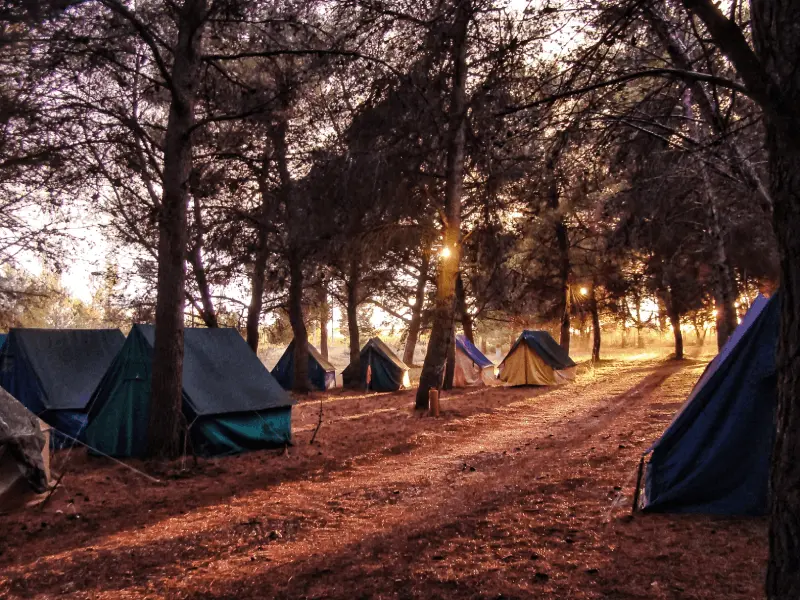
Minimalist camping is more critically influenced by the location you choose than the gear you bring. Choosing a spot that is sheltered from the wind, has naturally soft ground (leaf litter or grassy), and receives early morning sunlight reduces the need for a thick mat or extra blanket. Utilizing the sheltered areas that nature provides (such as rocky outcrops or dense trees) acts as a shield, enhancing the performance of your shelter. Being close to a water source but at a safe distance minimizes your water-carrying burden. When you master the art of site selection, your dependence on equipment decreases. Learning to read nature actually means having the greatest comfort equipment you cannot carry with you: Knowledge.
How to Camp with Minimal Gear Without Compromising Safety?
Lightening your load does not mean compromising safety. On the contrary, minimalists always carry the "10 Essential Items" (navigation, sun protection, insulation, lighting, first aid, fire, repair kit, nutrition, hydration, emergency shelter) that are vital; however, they choose the lightest and most compact versions of these. For example, instead of a large first aid kit, preparing a small kit suitable for the risks in the area (bandages, antiseptic, pain relievers) is sufficient. A sturdy multi-functional knife can handle many repair tasks. Safety lies not in the abundance of materials but in the correct use of the right materials at the right time. When your backpack is lighter, you tire less, stay more energetic, and thus reduce your risk of making mistakes.
Does Technology Detox Lighten the Camping Experience?
Carrying power sources, tablets, speakers, and professional camera equipment creates a digital wall between you and nature. In minimalist camping, just a smartphone (for emergencies and navigation) is sufficient. Getting rid of the burden of technological devices and the stress of charging them sharpens your senses. When you realize that you don't need headphones to hear bird sounds or tripods to take the "best" photo of the scenery, you feel the immense comfort that comes from living in the moment. Mental lightness complements physical lightness. When you distance yourself from screens, you realize that a conversation around the campfire or simply watching the sky is far more valuable than any technology.
How to Find Peace with the Silence Brought by Being in Nature?
In a minimalist camp, when the noise and distractions of gear are reduced, all that remains is you and the silence of nature. This silence may initially feel intimidating, but true comfort lies within this silence. See this silence as an opportunity to read a book, keep a journal, or simply be alone with your thoughts. The few items you carry with you do not keep you busy with constantly setting up or packing; thus, you have time to return to your inner world. This meditative state is the greatest reward of camping. Experiencing spiritual renewal makes you feel more energetic when you return home. The silence of nature is, in fact, the place where the soul speaks the loudest.
How Does a Minimalist Shelter Protect You from Sudden Rain?
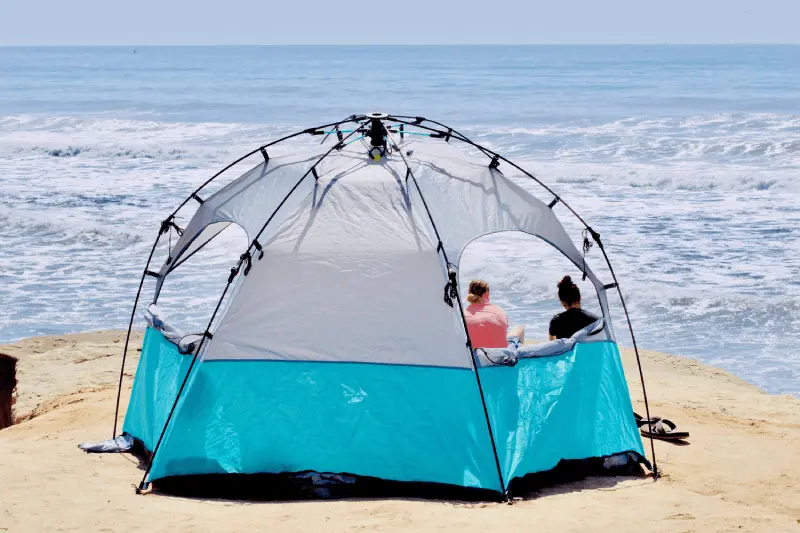
Instead of large, bulky tents, minimalist campers prefer to use a lightweight tarp or ultra-light single-person tents. A well-stretched tarp can provide you with a 360-degree view while protecting you perfectly from the rain. Its setup is quick, and its weight can be less than that of a water bottle. Instead of closing yourself inside a tent during rainy weather, you can enjoy staying outside under the tarp while watching nature without getting wet. Knowing the right knot techniques and adjusting the tarp according to the wind direction ensures you stay dry even in the harshest weather conditions. Using such a shelter offers you endless flexibility and lightness while maintaining a fine line between you and nature.
Can All Terrain Conditions Be Overcome with Just One Pair of Shoes?
Instead of heavy and bulky boots, the "trail runner" shoes that have become popular in recent years are indispensable for minimalist campers. These shoes are lightweight, dry quickly, and allow your feet to breathe. When combined with the right sock choice (merino wool is again recommended), you have a system that can dry while running even if they get wet. Every gram of lightness on your feet translates to energy savings that correspond to the weight reduction on your back. If you want to rest at the campsite, a very lightweight sandal or just a spare pair of dry socks is enough to enhance your comfort. The right shoes are the most important tool that carries you comfortably on any trail without tiring you.
How Does the Zero Waste Principle Reduce Backpack Weight?
When camping, you must carry back the waste you produce. Therefore, before you even set out, unpacking your items from their packaging and placing them in reusable lightweight containers reduces both waste and weight. For example, instead of carrying a package of biscuits in its bulky box, putting it in a ziplock bag saves space. It is also a general rule not to leave organic waste (like fruit peels or food scraps) in nature (to protect wildlife). Consuming less packaged products means a cleaner campsite and a lighter return journey. The zero waste approach enhances the respect of minimalist camping for the environment while eliminating unnecessary volume in your backpack.
How Can a Roll of Tape and a Piece of String Save Your Life?
A minimalist repair kit can do the job of a large tool kit. A bit of duct tape and a few meters of paracord can repair almost anything at camp. Did the sole of your shoe come off? Tape it. Did your tent's pole break? Secure it with string and a stick. These two simple materials, combined with your creativity, offer you limitless solutions. The absence of spare gear you didn't carry is filled by these small but powerful repair tools. The ability to solve a problem with the resources at hand boosts your confidence and thus your comfort while camping. Less gear is the greatest trigger of practical intelligence.
How to Get Rid of Unnecessary Fears While Camping Alone?
Minimalist camping can often turn into a solitary activity because it is an inner journey. The unnecessary fears felt when alone (animal attacks, getting lost, etc.) actually stem from a lack of knowledge. Researching the area beforehand, learning about wildlife behaviors, and having basic compass/map reading skills create a mental comfort shield. You don't need to carry massive protective gear; your greatest protection is your attention and preparedness. Once you rid yourself of fears, even the night in nature feels like a peaceful lullaby. Solitude in a minimalist camp is not a deficiency but a privilege.
How Can the Principle of Less Gear and More Peace Be Applied to Other Areas of Life?
When your camping trip ends and you return home, remember how happy you were with that little gear in your backpack. The greatest lesson learned from minimalist camping is that happiness lies not in the abundance of possessions but in the depth of experiences. When you apply this principle to the items in your home, your wardrobe, or your digital habits, you will begin to feel a sense of "lightness" in the rest of your life as well. This discipline gained in nature becomes a shield that protects you from the madness of consumption. Being someone who buys less and lives more is the most valuable gift that minimalist camping brings from nature to the city. Ultimately, the heaviest burdens are not those on our backs but the excesses we carry in our minds.
Minimalist camping is not a destination but a continuous learning process. With each camp, you will learn to leave behind that "last unnecessary piece" you took with you from your previous experience. Lightness is freedom, and nature only reveals its true face to those who can shed their burdens. Happy camping!