Weight Balance and Strategic Packing Guide in a Camping Backpack
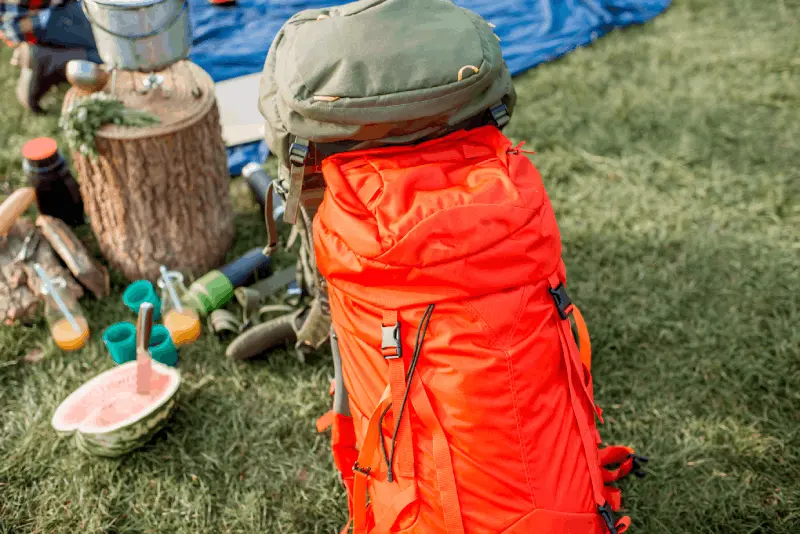
Camping is one of the purest ways to connect with nature; however, the enjoyment of this experience is directly related to how much "weight" the load you carry on your back feels. A poorly packed backpack, even if it weighs only 10 kilograms, can feel like 20 kilograms by disrupting your body's mechanics. Establishing weight balance means keeping the center of gravity as close and stable to your body as possible. In this guide, we will explore 32 different perspectives on how to prepare a camping backpack professionally.
Why Should the Center of Gravity Be Closest to the Spine?
According to the laws of physics, the farther a load is from your body, the greater the moment arm it creates. If you place heavy equipment on the outer part or the farthest point of your backpack, it will constantly pull you backward. This situation causes your body to overcompensate forward to maintain balance, leading to excessive fatigue in your lower back muscles. Positioning the center of gravity near the spine, just below the shoulder blades, facilitates the transfer of weight to the hips. Thus, the backpack moves as a part of your body, and you do not waste unnecessary energy with each step.
Should Only Sleeping Bags and Light Items Be Placed in the Bottom Compartment?
The bottom part of your backpack is generally referred to as the "sleeping compartment." It is recommended to place lightweight but bulky items here, such as sleeping bags, spare clothes, or pajamas for the night. The main reason for this is the potential for this area to come into direct contact with the ground and to form a base when the backpack is standing vertically. If you place very heavy materials here, the center of gravity will drop too low, restricting your movements. Light and soft items help maintain the shape of your backpack while also serving as a cushion for more delicate materials above when the backpack is placed on the ground.
How Do Heavy Equipment in the Middle Compartment Affect Mobility?
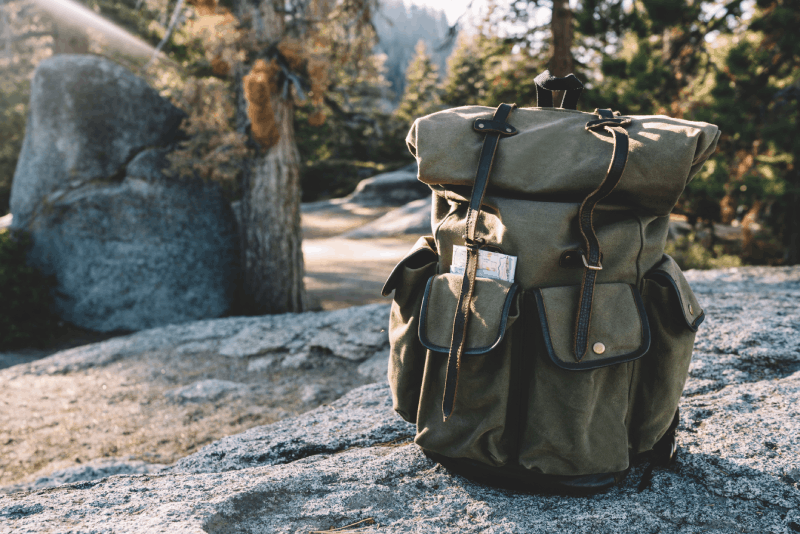
Heavy items such as camping kitchen gear, canned foods, full water bottles, and technical climbing equipment should be placed in the middle section of the backpack, exactly where it contacts your back. This area is the main carrying center supported by your legs and hips, which are the strongest muscle groups in your body. Securing heavy loads here prevents the backpack from swaying side to side while walking. If heavy items swing on top or beside the backpack, you will exert extra effort to correct your balance with each step, leading to early fatigue on long trails.
Do Light Items in the Top Compartment Increase Wind Resistance?
The top section of the backpack is typically reserved for frequently used and lightweight items. Items such as rain jackets, first aid kits, sunscreen, or snacks should be found here. However, overloading this area can create a sail effect in windy conditions by extending the height of the backpack. Especially when hiking in open terrain or along ridges, wind hitting a heavily packed backpack can cause balance loss. Therefore, keeping the top section as tidy as possible and not disrupting the aerodynamic structure of the backpack reduces wind resistance and minimizes the risk of snagging when passing under branches.
How to Optimize Water Bottle Balance in Side Pockets?
Most camping backpacks have symmetrical side pockets. These pockets are usually used for water bottles. However, placing a 1.5-liter water bottle on one side and leaving the other side empty causes a constant extra load on one side of your body. This imbalance leads to increased tension on one side of the shoulder straps and can cause your spine to tilt over time. If you are carrying a single bottle, you should place an item of similar weight (such as tent poles or a fuel canister) in the other side pocket to maintain symmetry. Evenly distributed side loads balance the pressure on the hip bones.
What Percentage of Weight Should Be Carried by the Hip Belt?
The most important part of a modern camping backpack is the hip belt. In an ideal weight balance, approximately 70% to 80% of the load should be transferred directly to the hip bones through the hip belt. The shoulder straps are responsible for keeping the backpack close to your back rather than carrying the load. If you feel excessive pressure and burning sensation on your shoulders, it means the load has shifted from your hips to your shoulders. Tightening the hip belt so that it sits directly on your hip bones (iliac crest) ensures that the weight is carried by your legs rather than your spine, which is the healthiest method from a body mechanics perspective.
How Tight Should the Shoulder Straps Be?
The shoulder straps are the elements that secure the top part of the backpack to your body, but they should never be so tight that they cut off circulation. In an ideal setting, there should be a very small gap that you can feel with your fingertips between the straps and the upper part of your shoulders, or they should lightly touch. If the straps are too tight, the weight will transfer from the hips to the shoulders; if they are too loose, the backpack will sag backward and disrupt your balance. Adjusting the shoulder straps slightly looser or tighter according to the terrain incline while walking can help distribute the load across different muscle groups, reducing local fatigue.
Why Is the Angle of Load Lifters Important?
The small straps located just above the shoulder straps and attached to the body of the backpack are called "load lifters." Their primary function is to prevent the upper weight of the backpack from bearing down on the shoulders and to pull the load forward. Ideally, these straps should be at an angle of approximately 45 degrees between the backpack body and the shoulder strap. If this angle is too vertical or too horizontal, the straps lose their function. Properly adjusted load lifters bring the upper part of the backpack closer to your neck and prevent the backpack from "falling back," optimizing the center of gravity.
How Does Backpack Placement Change According to Female Anatomy?
The centers of gravity for women and men differ anatomically. Women's center of gravity is generally closer to the hips, while in men, the shoulders and chest are more dominant. Therefore, in backpacks designed for women, keeping the center of gravity slightly lower and closer to the hips can enhance balance. Additionally, the shoulder straps of women's backpacks are curved to avoid discomfort to the chest structure, and the hip belts are designed to be wider to fit the female hip structure. When packing, slightly adjusting the position of heavy items according to these anatomical differences can significantly affect comfort.
Where Should Fuel and Heat Sources Be Placed in Winter Camping?
Winter camping gear is generally heavier and bulkier. Liquid materials like stove fuel can change viscosity or leak in the cold. These materials should be carried in a compartment close to the center of gravity but separate from food and sleeping bags. Placing the fuel canister at the very bottom of the backpack can contaminate all items in case of a leak; therefore, it is generally recommended to carry it in side pockets or in a waterproof bag in the lower-middle part of the main compartment. Additionally, heavy items like thermoses that are frequently needed in winter should be kept as close to the back panel as possible without disrupting balance.
Does Hanging Wet Clothes Outside the Backpack Disrupt Balance?
Many campers hang wet towels or socks on the outside of the backpack to dry. However, wet fabric is significantly heavier than its dry state. If these wet items are hung on only one side or too far back of the backpack, they create an asymmetric load that disrupts balance. Additionally, items hanging outside can sway while walking, disrupting your rhythm and creating a risk of snagging on branches. If drying must be done outside, the items should be distributed symmetrically and secured tightly. Ideally, placing the heaviest wet items inside the backpack in a plastic bag close to the center of gravity is a more balanced option.
How Does Tent Setup Priority Determine Packing Order?
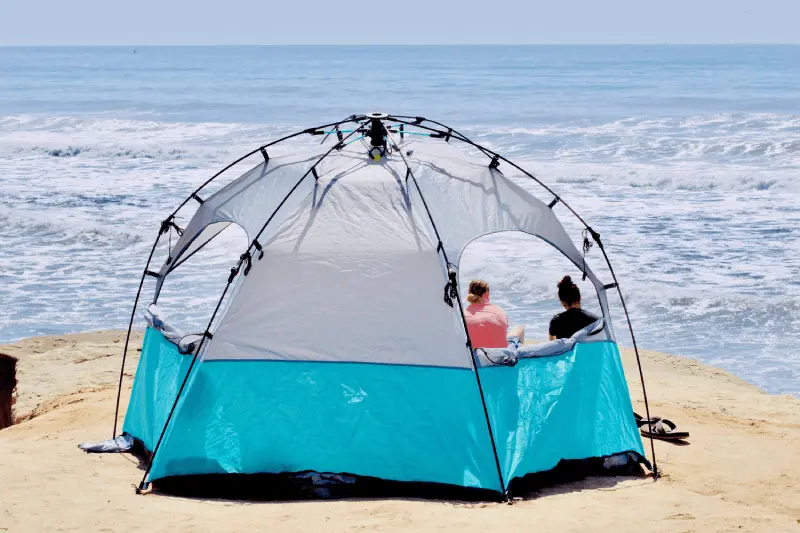
When packing your backpack, you should consider not only the weight but also the order in which you will need items when you arrive at the campsite. If you arrive at the campsite in rainy weather, you will need to set up the tent immediately. In this case, having the tent at the bottom would be a big mistake; because you would have to take out all your dry gear to set up the tent, getting them wet. Placing the tent body (the heavy part) in the middle-upper area, close to the back panel, ensures weight balance and allows for quick access. You can place the poles in a side pocket or in a vertical gap inside the main compartment.
Should Food Be Arranged According to Daily Consumption?
Food is one of the heaviest items in a camping backpack. If you are going out for a 5-day hike, your food for the 5th day does not need to be at the very top of the backpack. Heavy food packages should be placed closest to your back and in the middle-lower section. Snacks that you will consume during the day can be placed in the lid of the backpack or in the pockets of the hip belt, eliminating the need to open the main compartment. As food decreases, gaps will form inside the backpack; compressing these gaps with compression straps prevents the remaining load from shifting and disrupting balance.
Is the Location of the First Aid Kit a Vital Risk?
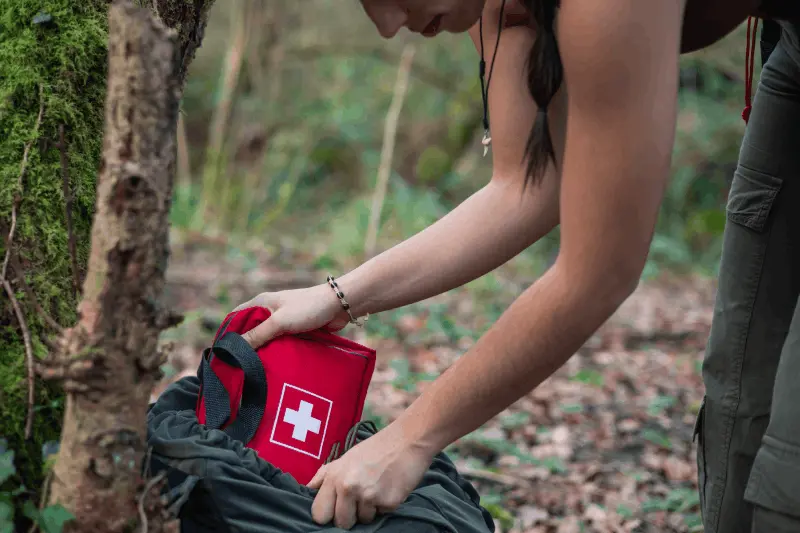
Although the first aid kit is a lightweight item, its accessibility in an emergency is more critical than weight balance calculations. Therefore, it should never be "compressed" into the middle or lower compartments. The first aid kit should always be located in the top lid of the backpack (the head section) or in an easily accessible outer pocket. If your backpack is very full and the first aid kit is inside, make sure its location is known to all your teammates. Because it is light in terms of weight balance, it will not create any stability issues if it is at the top.
Why Is It Necessary to Fill Empty Spaces with Clothes?
After packing your backpack, the remaining empty spaces can cause heavy items to shift during walking. A shifting load shakes your balance with every step and disrupts your momentum. You should fill these gaps with soft materials like spare socks, t-shirts, or kitchen towels. Preventing equipment from colliding with each other and making noise inside the backpack increases your mental focus and ensures that the weight remains static. A tightly packed backpack always feels more balanced than a loosely packed one.
Does Using Poles Support Backpack Balance?
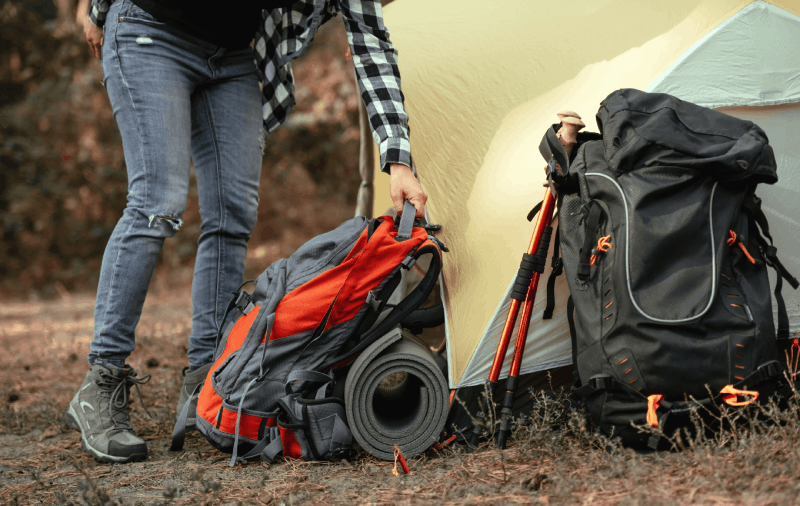
Walking poles are essentially an external support for backpack packing technique. Especially when carrying a heavy load of 15-20 kg on your back, having your body supported from two points (feet) instead of four points dramatically increases your balance. Poles transfer some of the vertical pressure created by the backpack's weight to your arms and reduce the load on your knees, especially during descents. If the center of gravity of your backpack is slightly off or the terrain is very uneven, poles can compensate for this imbalance, preventing you from falling or twisting your ankle.
How to Protect Electronic Devices and Batteries from Static Electricity?
Power banks, camera bodies, and lenses are both heavy and delicate devices. These devices should never be placed in the outer or bottom parts of the backpack. To protect them from impacts, they should be carried in the middle section, wrapped between clothes. From a weight balance perspective, it is good for these heavy loads to be close to your back. Additionally, keeping batteries in insulated areas to prevent them from being affected by the cold improves performance. Carrying electronic devices in waterproof "dry bags" to protect them from static electricity, moisture, and shocks is a professional approach.
How Do Compression Settings Increase Comfort While Walking?
The compression straps located on the sides of your backpack are not only for reducing the size of the backpack. These straps stabilize the load inside the backpack against your back. Tightening these straps after packing prevents the load from sagging outward and brings the center of gravity closer to your spine. If your backpack is not completely full, these straps are crucial; because in a backpack with gaps, items will shift downwards, dropping the center of gravity below the remaining load. With compression settings, you can carry the load higher and more compactly, showcasing a more upright walking posture.
Is It Possible to Shift the Center of Gravity Forward on Steep Slopes?
When climbing a steep slope, gravity pulls you backward. In these situations, to prevent the weight of the backpack from making you feel clumsy, you should slightly tighten the shoulder straps and pull the load lifters to maximum tension to bring the backpack completely against your back. Additionally, you should lean your body slightly forward to align your center of gravity with that of the backpack. Some professional campers remove heavy water canisters from the side pockets of the backpack and attach them to gear loops on the shoulder straps to shift the weight forward. This provides a "counter-balance" that facilitates climbing.
How to Revise Packing for Descents to Protect Knee Health?
When descending, the weight of the backpack can increase the load on your knees and ankles by 3-4 times. Before descending, make sure the hip belt is fully tightened; because a loose hip belt causes the backpack to bounce up and down, which can damage the joints due to vertical acceleration. If the trail is very long, shifting heavy items slightly lower inside the backpack (to the lower parts of the middle section) can lower the center of gravity, providing a more stable descent. However, this is only a "fine-tuning" method preferred in very technical and steep descents.
What Is the Weight Limit for Small Items on the Backpack Lid?
The lid of the backpack (sometimes referred to as the "brain" in some models) is great for quick access but is not a storage area. Only lightweight items such as keys, headlamps, maps, and lighters should be placed here. If you place a heavy solar charger or a large water bottle on the lid, you create a "pendulum effect" at the top of the backpack. Every time you turn your head or twist your body, this top weight will sway you. It is a golden rule from a balance perspective to ensure that the weight on the lid does not exceed 5% of the total backpack weight.
Is It Better to Attach the Sleeping Mat to the Bottom or Side of the Backpack?
Sleeping mats are lightweight but quite bulky equipment. If you attach the mat horizontally to the bottom of the backpack, your risk of snagging on trees in narrow passages or wooded areas increases. Additionally, it can disrupt balance when you place the backpack on the ground. Attaching the mat vertically to the side of the backpack generally provides a more aerodynamic profile. However, in this case, you must place a similar volume or weight (such as tent poles) on the other side to maintain balance. If you are using a foam mat, the best option is to roll it up and place it inside the backpack to fill gaps.
Where Should the Hydration Bladder Be Placed to Avoid Leakage Risks?
Hydration bladders are usually carried in a special compartment (hydration sleeve) on the back panel of the backpack. This is an excellent spot from a weight balance perspective; because the serious weight of 2-3 liters of water rests directly against your back. However, to avoid leakage risks, you must place the hydration bladder correctly and ensure that the hose is not kinked. When packing, be careful not to place sharp-edged kitchen items or poles around the hydration bladder. As the water decreases, the weight in this area will also decrease; therefore, to maintain balance, you may need to check the loads on the other sides of the backpack.
How to Ensure Weight Equality When Sharing Group Equipment?
In group camping, shared items like tents, stoves, and food are distributed. The biggest mistake here is giving one person only the heavy tent and another only the light sleeping bags. Weight should be distributed proportionally according to each person's physical capacity and backpack volume. For example, splitting the tent poles, stakes, and flysheet among several people makes packing easier and prevents one person from carrying an excessive load. A balanced group should pack according to the pace of the slowest member to ensure the integrity of the group and prevent anyone from losing balance and getting injured.
How to Carry Niche Items Like Cameras and Tripods?
For nature photographers, carrying equipment presents a real balance problem. Hanging a heavy tripod on the side of the backpack can seriously pull the backpack in that direction. Ideally, securing the tripod vertically to the centerline at the back of the backpack is the most balanced method. Camera bodies and lenses can be carried in special "front pack" systems attached to the chest area. This system balances the weight of the backpack behind you, allowing your posture to remain more upright. If the camera is to be carried inside the backpack, it should be in the middle section and as close to the back panel as possible, inside shock-absorbing cases.
What Are the Conditions for Storing Shoes and Boots in the Backpack?
Spare shoes or sandals that you bring to wear upon reaching the campsite take up space and add weight inside the backpack. It is common to place them at the very bottom of the backpack or in the outer mesh compartments. However, shoes can be dirty, so they should always be wrapped in a bag. From a weight balance perspective, hanging a heavy boot on the top or side of the backpack creates sway. Placing shoes in the middle-lower part of the backpack, close to the outer surface away from the back panel, ensures they can be carried without disrupting the shape of the backpack.
Is It Necessary to Separate Cleaning and Hygiene Items?
Hygiene items like toothpaste, soap, toilet paper, and disinfectants are small but collectively add weight. Collecting them in a single waterproof "ditty bag" (small items bag) prevents them from getting lost inside the backpack and standardizes packing. This bag is usually placed in the middle-upper section. In case of leakage from liquid soap or shampoo, this package should be placed in one of the outermost pockets or at the top of the main compartment to prevent damage to other items (especially the sleeping bag). Because they are light, they do not disrupt balance.
How to Minimize Backpack Weight on Long Trails?
On long trails like the "Lycian Way" or "Appalachian Trail," every gram counts. The best way to establish weight balance is to reduce the total weight. The "ultralight" camping philosophy advocates getting rid of anything unnecessary. Your backpack weight should not exceed 20% of your body weight. If you weigh 80 kilograms, your backpack should be a maximum of 16 kilograms. If you exceed this limit, no matter how professionally you pack, your body mechanics will fail at some point. Choosing lightweight gear makes managing the center of gravity much easier.
Does the Sternum Strap Restrict Arm Movements?
The purpose of the sternum strap is to prevent the shoulder straps from spreading too far apart and to stabilize the load against the chest, reducing pressure on the shoulders. However, if this strap is too tight, it can make breathing difficult and restrict the forward and backward movement of the arms. Ideally, the sternum strap should sit about 2-3 fingers below your collarbone and should be tight enough to keep the shoulder straps parallel to each other. Properly adjusted sternum straps provide dynamic balance by preventing the backpack from shifting on your back, especially during descents or rocky transitions.
Does the Rain Cover Create a Balloon Effect in Windy Weather?
Backpack rain covers can inflate like a balloon in windy weather due to air getting trapped between the backpack and the cover. This can create a wind resistance strong enough to disrupt your balance while walking. If the weather is only windy and there is no rain, it is better to keep the cover closed. However, if it is raining, make sure the cover fits snugly against the backpack and that the straps are tightly secured. Modern backpacks now offer tighter-fitting covers to reduce this effect. From a weight balance perspective, a wet backpack cover adds an extra layer of weight on the outer surface of the backpack; therefore, it should be dried at the first opportunity.
Do Personal Comfort Items Increase Psychological Weight?
Luxury items like books, daily journals, small pillows, or camping chairs may increase physical weight but can reduce "psychological weight" by enhancing camping comfort. However, where these items are placed is critical from a balance perspective. For example, a heavy camping chair should not be hung on the side of the backpack; it should be secured vertically to the body of the backpack. A book should be carried closest to the back panel and in the middle section. If your comfort items are too heavy, you may need to sacrifice some of your essential gear (tent, sleeping bag, etc.) to maintain balance. Remember, comfort in nature is limited by the weight you can carry.
What Final Checks Should Be Made After Packing?
After preparing your backpack, put it on your back and tighten all straps (hip, shoulder, sternum, load lifters). Take a few steps inside your home, lightly bounce, and turn side to side. If you hear "clunking" from inside the backpack or feel it pulling to one side, the packing is incorrect. Fill any gaps and adjust the positions of heavy items precisely. If you can stand upright with your hands free while wearing the backpack and it does not push you backward, you have achieved perfect weight balance. You are now ready to enjoy nature.