How to Determine the Most Suitable Location for a Child's Bed in a Caravan?
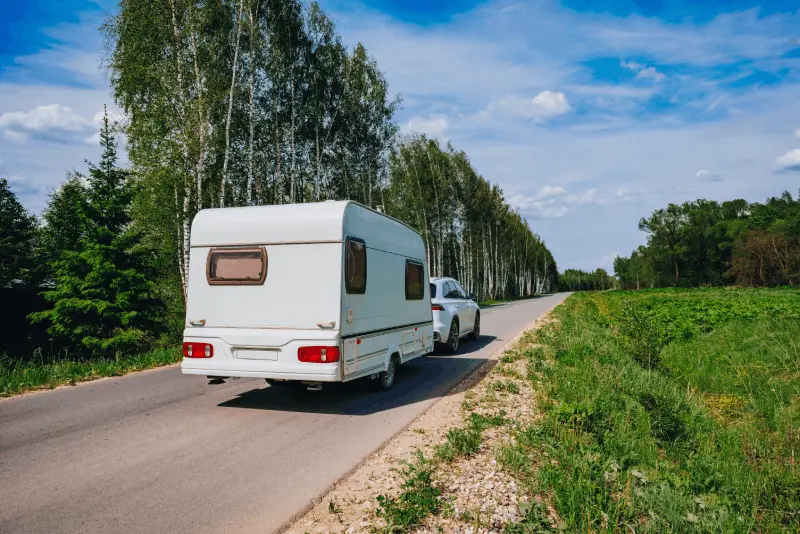
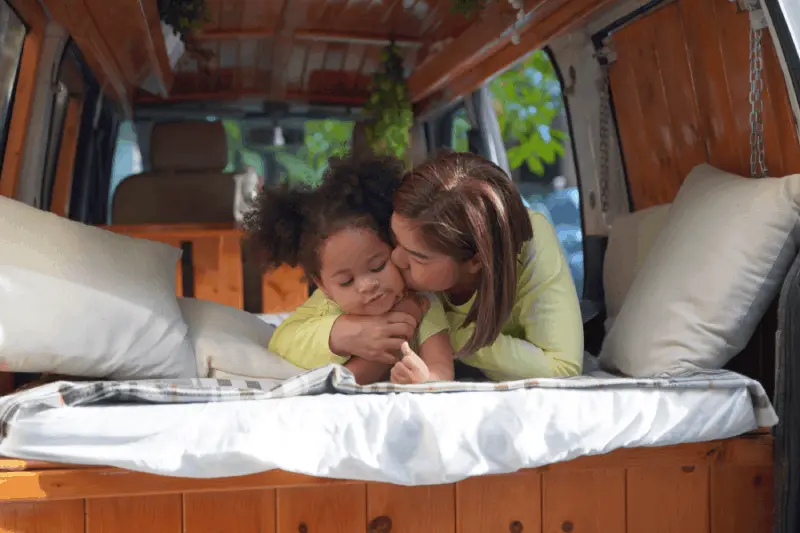
When creating a child's bed area in a caravan, positioning is critically important from both safety and functionality perspectives. Families typically prefer to place children's beds at the back of the caravan or in the "alcove" section above the driver's cabin. The back section helps keep children away from parental noise, while the alcove section allows for vertical space usage, saving floor space. However, when choosing a location, you should consider not only the available space but also the caravan's weight balance, proximity to emergency exits, and distance from hazardous areas like the kitchen. Good planning ensures that the child feels safe and provides an uninterrupted sleep quality throughout the night.
How to Adapt Convertible Seating Groups to a Child's Bed?
In many standard caravan models, areas used as dining tables and seating during the day are designed to convert into beds at night. To optimize this area for children, you should primarily check the ergonomics of the cushions; standard cushions can sometimes create gaps at the joining points. Using a specially cut mattress topper is the most important step to ensure the child's spinal health. Additionally, the mechanism for lowering the table should be regularly checked to ensure it locks properly, eliminating any risk of collapse during the night. These flexible solutions maximize space efficiency, especially in motorhomes and towable caravans with limited interior space.
How to Ensure Safety in Bunk Systems in Small Caravans?
Using vertical space is the most logical solution when traveling with two or more children in a caravan; however, safety comes first in bunk systems. A sturdy guardrail that meets standards must be installed for a child sleeping on the upper bunk. The design of these guardrails should be high enough to prevent the child from rolling off during sleep and narrow enough that their head cannot pass through the gaps. Additionally, the steps of the ladder providing access to the bunk should be supported with non-slip tape, and the ladder must be secured so it does not move while the vehicle is in motion. Adding low-voltage night lights to each bunk helps children find their way in the dark, minimizing the risk of falls.
Are Hanging Beds Mounted on the Caravan Ceiling Practical?
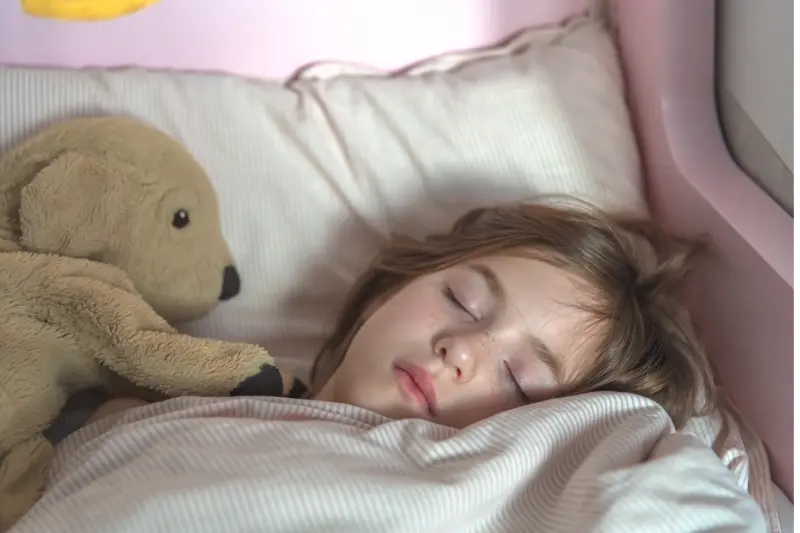
Known as "drop-down" beds, ceiling-mounted sleeping systems are a brilliant solution that has gained popularity in modern caravan designs. These beds completely free up the seating area during the day by merging with the ceiling and lower down at night with the help of a mechanism. The advantage of this area for children is that they feel like they are inside a "fort" since they are elevated from the ground. However, the weight capacity of these beds must be checked, and the safety locks of the mechanism should be engaged with each use. The biggest challenge with ceiling beds is ventilation; therefore, care should be taken to ensure that the bed is not too close to the ceiling vent (hatch) or that airflow is not obstructed when the bed is lowered.
How are Hammock Beds Designed on Captain Seats?
In small van (panel van) type caravans, the front cabin area where the driver's and passenger's seats are located is often left unused at night. Transforming this area into a sleeping oasis for children can be achieved with specially designed hammock-type beds or platforms known as "cab beds." These portable beds stretched over the seats provide a significant advantage due to their lightweight and ease of setup. During the design phase, the fabric of the hammock should be breathable yet durable canvas or technical textile. It should be ensured that the mounting points are securely attached to the vehicle's chassis or door pillars. This solution offers a fun and practical extra sleeping area, especially for preschool-aged children.
How to Organize Storage Areas Under the Child's Bed?
Every centimeter counts in a caravan, and the space under the child's bed often has significant storage potential. To use this area efficiently, you can opt for a base system or design drawer modules. Keeping children's toys, clothes, and personal items just under their beds helps them take ownership of this space and develop organizational habits. However, care should be taken when designing storage units to avoid obstructing airflow under the bed; otherwise, moisture and mold can develop under the mattress. Using perforated plywood can ensure durability while allowing the mattress to breathe.
How to Ensure Light and Sound Insulation for Children?
Living spaces in a caravan are very close to each other, which can make it difficult for children to fall asleep while parents chat in the evening or a campfire burns outside. To overcome this issue, placing thick, light-blocking, and sound-absorbing curtains around the child's bed is a great solution. Thermal curtains not only block heat but also reduce outside noise to some extent and contribute to thermal insulation. Additionally, placing a small white noise device or running a low-decibel fan in the area where the child sleeps can prevent sudden outside noises (like door slams, vehicle sounds, etc.) from waking the child.
What Types of Mattresses Should Be Preferred for Caravan Beds?
Caravan beds typically require custom-cut mattresses due to their standard external dimensions. For children, the bed...
When choosing, high-density foam or latex-layered models should be preferred. Foam mattresses do not increase the total weight of the caravan due to their lightness and can be easily cut to the desired size. To prevent the child from sweating, it is essential to use bamboo or cotton covers on the top surface of the mattress for long-term comfort. Additionally, since accidents (spills, wetting, etc.) are inevitable in caravan life, using waterproof but breathable mattress protectors will extend the life of the mattress.What Color and Decoration Techniques Are Used for the Children's Room Section?
Making a small and narrow space attractive for a child is possible with the right color palette. Even if the overall decoration of the caravan is modern and neutral, pastel tones or accessories featuring themes that the child loves can be used in the child's bed area. Light colors make the space appear larger and more spacious, while phosphorescent stars or small LED strips applied to the walls create a reassuring atmosphere throughout the night. To avoid cluttering the space, heavy furniture should be avoided, and instead, soft-textured textiles and lightweight wall panels should be preferred. A personalized space makes it easier for the child to adapt to caravan life and feel like they have their own "room."
How Is Air Ventilation and Temperature Balance Maintained in the Caravan for Children?
In small caravans, air quality can deteriorate quickly, posing a risk especially for children sleeping in narrow sleeping areas. Ideally, there should be at least one open window or ceiling ventilation in the area where the child's bed is located. In winter camps, the heating system of the caravan (such as Webasto or Truma) should have warm air ducts passing close to the child's bed, but it should not blow directly on the child's face. In summer, natural airflow can be ensured through windows with screens while protecting against insects. To maintain temperature balance, high-quality reflective curtains (thermal curtains) should be installed on the windows.
What Are the Portable Crib Solutions for Babies in the Caravan?
Creating a fixed sleeping area for the smallest individuals traveling in the caravan, babies, can be challenging, which is why portable solutions come to the forefront. Foldable camping cribs or "soft-shell" carry beds that can be securely fastened between the caravan's seats can be preferred. For the baby's safety, the crib must be secured to the ground or furniture in a way that it is not affected by vehicle vibrations. The baby's sleeping area should be set up as far away as possible from the kitchen gas and the heater's exhaust point, in a corner where the airflow is not direct. Portable solutions also allow you to use the baby space for different purposes.
How Is Electrical Safety Ensured Around the Children's Bed?
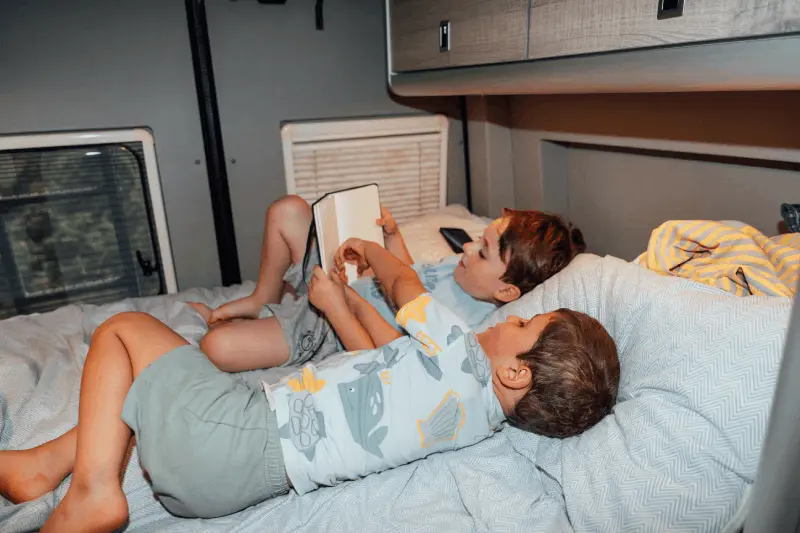
The curious nature of children can pose a risk for the sockets and cables in the limited space of the caravan. All electrical sockets in the child's bed area should be covered with childproof covers. If there are needs such as a night lamp or tablet charger in the child's bed, the cables must be hidden by passing through the wall panels or cable channels. Having USB ports connected to a 12V system offers a safer option compared to 220V sockets. Additionally, there must be a carbon monoxide and smoke detector throughout the caravan; the sensors of these devices should be installed close to sleeping areas to ensure the safety of the children.
How Should the Night Light Selection for Children in the Caravan Be?
Waking up in a dark caravan can be frightening for a child. Therefore, it is essential to have a soft light night lamp that is accessible at the head of the bed and consumes low energy. Battery-operated or rechargeable LED lamps are the best options as they do not burden the caravan's main electrical system and do not create cable clutter. The color of the light should be in warm yellow or amber tones that do not negatively affect sleep hormones. Some modern caravan lighting systems have a "dimming" feature; with this feature, you can adjust the light level according to the child's needs and provide a reassuring dimness instead of complete darkness.
What Materials Are Suitable for Health in the Children's Bed Area?
In small and enclosed spaces like a caravan, chemical gases (VOCs) emitted from furniture or paints can significantly affect air quality. If you are making the children's bed modules yourself, you must use "E1" certified plywood or solid wood that emits low formaldehyde. Water-based, odorless paints and natural oils are the healthiest options for surface finishing processes. In textile products, 100% cotton, linen, or bamboo fiber fabrics should be preferred to ensure the child's skin can breathe. Avoiding synthetic materials reduces allergy risks and helps maintain that unique, fresh wood scent inside the caravan.
How to Add a Personal Touch to the Children's Sleeping Area?
For children to adopt caravan trips not just as a journey but as a lifestyle, they need to take ownership of their sleeping areas. You can create a small corkboard or magnetic area where they can hang their favorite pictures on the wall next to their beds. Additionally, allowing the child to choose the bedspread helps them adapt more quickly to this new and small space. A small "treasure pocket" that will be attached to one corner of the bed will be a great detail for the child to keep their favorite toy, book, or flashlight with them throughout the night. These small touches will help the child see the caravan as a "home."
How to Design Guardrails That Prevent Falling from Bunks?
Is it harmful?Beds in a caravan are generally narrower than those at home, and parking the vehicle in slightly sloped areas can increase the risk of it tipping over. Railings can be designed not only as a barrier but also as a decorative element. Instead of wooden railings, using sturdy cargo nets can make the space appear more open and reduce the risk of injury if a child falls against it due to its flexible structure. If wood is to be used, all corners must be rounded and smoothed. The height of the railing should be at least 15-20 cm above the mattress level and should have a sturdy mounting point to provide support when the child sits on the bed.
How to Combat Humidity and Moisture in the Children's Sleeping Area?
In caravans, due to people's breathing and the temperature differences outside, condensation can occur indoors. Children's beds, especially those against the wall, can collect moisture. To prevent this, it is necessary to place spring plastic underlays like the "Froli" system or 3D mesh ventilation mats under the mattress. These systems ensure a continuous airflow under the mattress, preventing sweating and mold formation. Additionally, using moisture-absorbing devices near the sleeping area or regularly ventilating the entire caravan by opening windows (at least twice a day for 10 minutes) is critical for ensuring that children sleep in a dry and healthy environment.
How to Ensure Privacy for Young Children in a Caravan?
Children increasingly need their own personal space as they grow older (especially during adolescence). While it may seem difficult to provide privacy in open-plan areas like a caravan, it is possible with smart partitions. Accordion-style folding doors or sheer roller blinds can completely separate the children's sleeping area from the rest of the caravan. If your caravan has a fixed bed, creating a "cabin bed" design that encloses the bed can give the young person a sense of having their own "room." Adding a headphone jack, their own reading lamp, and a small shelf for their belongings in this area are beautiful details that show you respect their privacy.
What Precautions Should Be Taken for Beds Near the Caravan Kitchen Area?
In some caravan layouts, children's beds may be located directly across or next to the kitchen counter. This situation poses risks due to steam, odors, and oil spills, especially while cooking. Adding transparent plexiglass panels or washable curtains to the edges of beds near the kitchen can prevent bedding from getting dirty. More importantly, children should be prevented from playing on the bed while cooking, and the stove's child lock must be activated. Having a powerful kitchen exhaust fan prevents food odors from permeating the bedding; therefore, a quality fan system is not just a luxury but a necessity in such layouts.
Are Triple Bunk Solutions Possible for Families with Many Children?
If you have three children and your caravan has a spacious interior, triple bunk systems are the pinnacle of space-saving design. However, it is essential to ensure that the ceiling height is sufficient for each child. There should be at least 60 cm of space between each bunk level to help children sit up in bed without feeling claustrophobic. Weight distribution is also very important in triple bunks; the heaviest child should sleep on the bottom bunk, while the lightest child should sleep on the top. Adding independent windows or powerful fans for each level ensures that the air stays fresh at every level and maximizes the children's comfort.
How Should the Ladder Design for Children's Beds in a Caravan Be?
While climbing to a bunk or alcove bed may seem like a game for children, these ladders can be dangerous when they need to go to the bathroom in the middle of the night. The width of the ladder steps should be sufficient for the child's foot to fit securely, and the step surfaces should definitely not be slippery. Instead of vertical ladders, designing a modular system with drawer-shaped steps provides additional storage space and makes climbing much safer. Handrails mounted on the sides of the ladders help children maintain their balance. Additionally, placing motion-sensor mini LEDs on the ladder steps ensures a safe descent at night.
How Do Folding Beds Provide Comfort in a Caravan?
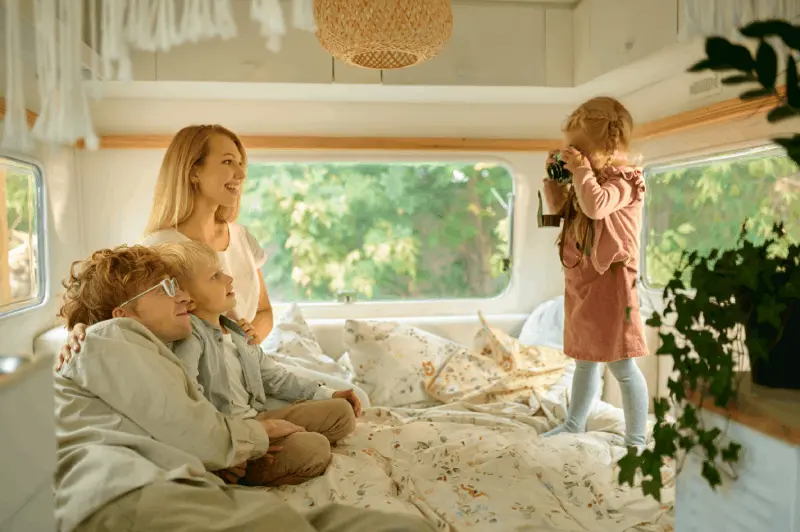
If your caravan does not have a fixed sleeping area, "Murphy bed" type beds that fold against the wall are a great alternative. These beds completely disappear during the day, providing children with a spacious play area inside. The most important aspect of folding bed mechanisms is the quality of the dampers and the security of the safety latches; dual-stage locking systems that prevent the bed from accidentally opening or closing should be preferred. In terms of comfort, you may have to use thin mattresses in folding beds; in this case, opting for high-quality visco or latex mattresses can provide high support despite their thin structure.
What Materials Can Be Used for Sound Insulation in the Children's Sleeping Area?
The sound of rain outside the caravan, wind, or the noise from neighbors in the adjacent unit can wake sensitive sleeping children. Applying acoustic panels or felt coverings to the walls at the head of the bed provides sound insulation. It significantly increases the comfort. These panels also provide a decorative appearance and soften the cold texture of the wall. Although double glazing (polyplastic) is standard for windows, adding external insulation covers to the windows in the sleeping area minimizes sound transmission. A thick rug or rubber mat placed in the children's bed area on the caravan's floor will also dampen road noise and vibrations coming from below.
How Should an Emergency Exit Plan Be Made for Children in the Caravan?
Safety is always a priority, and the location of the children's bed should be supported by an emergency plan. The child should be able to easily reach the main door or the nearest emergency exit window from where they sleep. You should teach children, in an age-appropriate language, how to open the window latches and how to disable the mosquito net in case of an emergency. Marking the emergency exit direction with a glow-in-the-dark label at the head of the bed and keeping a small fire extinguisher, which is always full, in a place that children cannot reach but you can easily access is necessary. We hope these preparations are never needed, but they are essential for a peaceful sleep.
How Should Textiles Used in the Children's Bed Area Be Cleaned?
Caravan life is inherently intertwined with nature, which means more dust and mud entering the interior. The sheets, pillowcases, and blankets used in the children's bed should be easily removable and of the type that can be washed at 60 degrees. Stain-resistant and quick-drying technical fabrics provide great convenience during caravan trips. Having zippered covers allows for periodic removal, airing, and cleaning. Additionally, to prevent dust accumulation in the sleeping area, it is important not to keep excessive plush toys and to regularly shake the ones that are there to maintain air quality. A small hand vacuum will be your best helper for cleaning crumbs and dust from the corners of the bed.
What Are the Basic Tools Needed to Build a Children's Bed in the Caravan?
If you plan to build the children's bed area inside your caravan yourself, you will need some basic carpentry tools. A jigsaw (for cutting plywood), a cordless drill (for screwing and drilling), a sander (to smooth corners), and a square (to hold angles) are at the top of the list. Additionally, using a "profile copying template" will greatly facilitate making cuts suitable for the caravan's curved walls. Instead of using only screws during assembly, supporting the structure with strong wood glues and brackets will prevent squeaks and looseness caused by vibrations in a moving vehicle.
How to Add a Sleeping Area Without Disrupting the Caravan's Weight Center?
The total weight of the caravan and its distribution are critical for safe driving. The furniture you add for the children's bed area should be made of lightweight materials (such as marine plywood or poplar plywood) whenever possible. Instead of filling the sleeping area with heavy cabinets, you can save weight by opting for lightweight fabric pockets or mesh shelves. Additionally, positioning the sleeping area over or near the caravan's axle will help maintain the vehicle's balance. Placing a very heavy bunk system at the very back of the caravan can increase the risk of "snaking"; therefore, you must know the caravan's weight when loaded and its carrying capacity during the design phase.
What Foils and Insulations Are Used for Heat Insulation in the Children's Bed Area?
The metal or fiberglass outer shell of the caravan quickly transmits the outside heat inside. Extra insulation should be done in the parts of the children's bed that touch the wall to avoid cold wall contact. "Elastomeric rubber" foams (like Armaflex) provide excellent results in both thermal and sound insulation and do not retain moisture. The felt or fabric covering applied over this insulation material gives the sleeping area a warm and homey texture. Quality seals should be used to prevent air leaks that may occur at the edges of the windows. A well-insulated sleeping corner will positively affect the child's energy levels and overall health by keeping it warm in winter and cool in summer.
How to Maintain a Sleep Routine for Children in the Caravan?
Continuing the sleep routine from home in the caravan is the most important psychological support for the child to adapt to this new environment. When designing the sleeping area, placing a favorite pillow or a blanket from their bed at home will enhance their sense of belonging. Although space may be limited in the caravan, it is important to create a small ritual area, such as a reading corner before sleep. This area can be supported by a small shelf at the head of the bed and a soft light. The child should see their bed in the caravan not just as a place to sleep but also as a safe "harbor" where they can spend time alone during the day.
What Are the Most Common Mistakes in Designing a Children's Bed in the Caravan?
One of the biggest mistakes is considering the area only for sleeping and not accounting for the child's growth rate. A bed design that will shorten in a few years may require you to renovate the caravan again. Another mistake is inadequate ventilation; low oxygen levels in cramped enclosed spaces can cause waking up with headaches in the mornings. Additionally, focusing too much on aesthetics while neglecting accessibility and cleanliness can lead to regrets in the long run. Leaving sharp corners of furniture unprotected and using low-quality, thin sponge mattresses are also common mistakes that directly affect the child's comfort and safety.
In Conclusion, Why Is It Important to Create a Child-Friendly Space in the Caravan?
Caravan travel is a journey of discovery, and the smallest hero of this journey is... A comfortable sleeping area for children with ADHD means happiness for the whole family. A well-rested child will be more energetic and cooperative for the activities planned for the next day. By using the limited space wisely, without compromising on safety, and adding details that support their imagination, this little corner you have created will become the starting point for beautiful memories that will last a lifetime in their minds. Each caravan bed, designed with the right materials, careful planning, and plenty of love, is actually a small home.