
Why Should the Refrigerator Be Considered the Most Critical Protection Fortress of the Modern Kitchen?
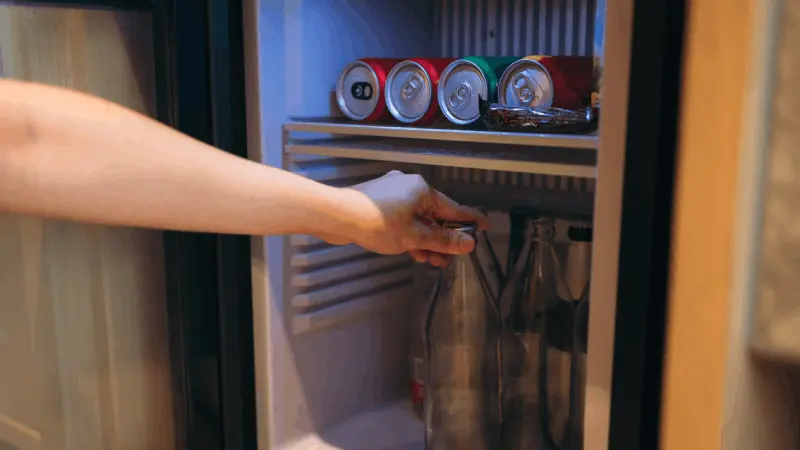
The refrigerator is not just a box that keeps food cold; it is the most important link in the food safety chain in your kitchen. This technology, which slows down the spoilage process of food, protects your health by reducing the reproduction rate of microorganisms and directly contributes to your household economy. If a proper usage guide is not followed, this technological device can turn into a bacteria production center. Therefore, understanding the working principles of the refrigerator and the biological needs of the foods we put inside is the first step to being a conscious consumer. Knowing that each compartment has a different balance of temperature and humidity can sometimes double the lifespan of foods.
How Does a One-Degree Difference in Temperature Settings Affect Bacterial Growth?
Temperature management inside the refrigerator is one of the cornerstones of food science. The ideal internal temperature should be at or below 4 degrees Celsius; because every degree above this level prepares the ground for bacteria to multiply logarithmically. Especially cold-loving pathogens like Listeria can spread rapidly even with a slight increase in temperature. Fluctuations caused by incorrect thermostat settings or frequent opening of the door disrupt the cellular structure of foods and trigger the spoilage process. For this reason, it is vital to distribute cold evenly to every point without obstructing the airflow inside.

Why Are Door Shelves the Most Dangerous Area for Milk and Eggs?
The door shelves of the refrigerator are the warmest and most exposed to temperature fluctuations. Each time the door is opened, the warm air from outside first hits this area, causing the products inside to warm up. Although many people place milk and eggs on the door shelves for easy access, these foods actually require the most stable temperature. Storing milk in this area accelerates its spoilage time while weakening the protective membrane of the eggs. These delicate protein sources should be stored in the middle or lower shelves of the refrigerator, in the interior compartments.
Why Do Fruits That Emit Ethylene Gas Cause Your Vegetables to Spoil Prematurely?
Storing fruits and vegetables together is one of the hidden reasons for spoilage in the kitchen. Some fruits, especially apples, bananas, peaches, and apricots, release a natural gas called "ethylene" during ripening. This gas causes other surrounding vegetables, especially lettuce, broccoli, and green beans, to yellow and soften rapidly. To prevent this biochemical reaction, ethylene-producing fruits and ethylene-sensitive vegetables must be stored in separate drawers or compartments. Properly using the ventilation settings of the drawers to prevent gas accumulation is a niche method that significantly extends the shelf life of fresh produce.
Which Vegetables Prefer Moisture and Which Ones Enjoy Dryness?
The humidity adjustment buttons in refrigerator drawers are often overlooked, but they are key to freshness. Leafy greens like lettuce, spinach, and parsley require a high humidity level; because they wilt quickly when they lose water. In contrast, products like mushrooms or fruits can spoil rapidly under high humidity. Closing the humidity control of the vegetable drawer to trap moisture is good for greens, but opening the ventilation to drain moisture is safer for fruits and nuts. Establishing this balance ensures that vegetables retain their crispness and nutritional value for days.
How Can the Leakage of Raw Meat Juices Be Prevented from Contaminating Other Foods?
Cross-contamination is the biggest safety risk in the kitchen, and the placement of raw meats in the refrigerator is at the center of this risk. Raw meat, chicken, or fish should always be stored on the bottom shelf of the refrigerator. The reason is gravity; if placed on an upper shelf, juices that may leak from the meat can drip onto fresh vegetables or cooked meals on lower shelves, leading to serious poisoning. Always storing meat products in a leak-proof container or a deep plate reduces the risk of leakage to zero. Additionally, the storage duration of these products in the refrigerator should generally not exceed 1-2 days.
How Long Should Cooked Foods Be Left Out Before Entering the Refrigerator?
Placing hot foods directly into the refrigerator raises the internal temperature of the device suddenly, increasing the risk of spoilage for other foods nearby. However, leaving the food outside for too long (more than 2 hours) also causes bacteria to multiply rapidly at room temperature. The ideal approach is to let the pot cool at room temperature for a while (about 30-45 minutes) before placing it in the refrigerator when the steam has reduced. If the amount of food is too much, dividing it into smaller, shallower containers is the most logical approach to speed up the cooling process. This way, the food quickly moves away from the dangerous zone of room temperature and reaches a safe cold level.
Why Are Glass Storage Containers Superior to Plastic Ones?
The material used for storing food makes a significant difference in terms of both freshness and health. Unlike plastic containers, glass containers are non-porous and do not trap the smell or color of the food inside. More importantly, the thermal conductivity of glass is different from that of plastic; it preserves cold better and helps keep every part of the food evenly cold. Plastic containers can wear out over time, and the chemicals inside can leach into the food; moreover, cleaning oily foods is difficult, and the risk of bacteria retention is higher. Transparent glass containers also make it easier to see what is happening inside the fridge, preventing food from being forgotten and spoiled.
How Does Interrupting Air Circulation Reduce Cooling Performance?
Filling the refrigerator to the brim is one of the most common mistakes that reduce efficiency. The device needs an air circulation channel for the cold air inside to reach every shelf and corner. If shelves are packed too tightly or if large containers block the air channels, some areas of the refrigerator may freeze while others remain close to room temperature. This situation causes the thermostat to work continuously, increasing both the energy bill and shortening the lifespan of the motor. For a "breathing refrigerator," it is necessary to use 70-80% of the capacity and arrange items with gaps in between.
How Do Dusty Grills Behind the Refrigerator Affect Energy Consumption and Freshness?
Not only the inside of the refrigerator but also its outside and back affect food protection performance. The black grills we call condensers, when covered with dust and pet hair over time, prevent the device from dissipating heat. This situation leads to overheating of the compressor and increases the risk of not cooling the interior adequately. Cleaning the back of the refrigerator with a vacuum cleaner at least twice a year can improve the device's performance by 20%. A refrigerator that cannot cool adequately is a silent enemy that causes food to spoil more quickly; therefore, technical cleaning is an indispensable part of the freshness guide.
Should Eggs Be Stored in Their Own Carton Boxes?
Refrigerator designers often place egg compartments on the door section, but food safety experts strongly recommend storing eggs in their original cartons. The carton not only protects the eggs from bumps but also prevents strong odors from other foods in the refrigerator (like onion, cheese) from entering through the thousands of tiny pores in the eggshell. Additionally, the expiration date on the carton is the most reliable source for tracking the freshness of the food. Keeping the pointed ends of the eggs facing down in the carton ensures that the yolk stays centered, preserving freshness for a longer time.
What Is the Ideal Packaging Method for Deli Meats and Cheeses?
Opened deli meats and cheeses are among the fastest drying and bacteria-producing items in the refrigerator. Wrapping cheese tightly in plastic wrap can actually cause the cheese to "sweat" and spoil faster; because cheese is a living, breathing food. Instead, using wax paper (like parchment paper) allows the cheese to breathe while maintaining its moisture balance. Deli meats begin the oxidation process as soon as they come into contact with air. Transferring these delicate proteins to airtight containers or storing them in vacuum-sealed bags after opening is the best investment you can make in terms of flavor and safety.
How Does Freezer Burn Affect the Quality of Foods?
The white, icy layer that forms on foods placed in the freezer is not just an aesthetic issue; it is a sign that the food has been cellularly damaged. Freezer burn occurs when the moisture on the surface of the food sublimates (turns from ice to vapor) and permanently damages the texture, taste, and nutritional value of the food. To prevent this, it is essential to completely remove the air inside when placing foods in the freezer. Using zip-lock bags with a straw to suck out the air inside or using a vacuum machine ensures that meats and vegetables stay fresh even months later. Air is the biggest enemy in the freezer.
What Foods Should Never Be Placed in the Refrigerator?
Not every fresh food likes the refrigerator; in fact, some spoil faster or lose their flavor in the cold. For example, tomatoes lose their cellular structure when placed in the refrigerator, turning their taste "gritty" and losing that beautiful aroma. The starch in potatoes turns to sugar in the cold, causing them to darken and spoil in taste. Onions and garlic sprout in the humid environment of the refrigerator and become soft. Bread goes stale much faster in the fridge than at room temperature. Storing these foods in a cool, dry, dark pantry helps free up space in the fridge and preserves the quality of the products.
Should Fresh Herbs and Greens Be Placed in Water Like a Flower?
The most effective way to extend the life of fresh herbs like parsley, dill, cilantro, or mint is to treat them like plants. Trimming the stems slightly and placing them in a glass of water, covering them with a loose plastic bag, keeps these herbs fresh in the refrigerator for over a week. Leafy greens should be completely dried in a dehydrator after washing and stored in a container with paper towels in between. Water droplets left on the leaves accelerate spoilage; paper towels create an ideal environment by absorbing excess moisture. This small touch guarantees that your salads stay fresh at all times.

What Are the Natural Solutions to Prevent Bad Odors in the Refrigerator?
Unwanted odors in the refrigerator are not only uncomfortable but can also affect the taste of other foods. Instead of masking the odor, it is necessary to eliminate the source. The most classic and effective method is to place a container of baking soda (sodium bicarbonate) on the shelf; baking soda neutralizes acidic odors. Alternatively, activated charcoal or ground coffee beans are also powerful odor absorbers. If you are storing fish or strong-smelling cheese, placing half a lemon or orange peel near that area provides temporary freshness. However, the most basic rule is to clean up spilled liquids immediately and not to keep expired products.
How Do Holiday Mode and Energy Saving Settings Affect Foods?
The "Holiday Mode" feature found in modern refrigerators typically keeps only the freezer section running while shutting down or operating the cooling section at minimum power (around 15°C). Using this mode when you will be away from home for an extended period saves energy, but you must not leave any perishable food inside. Only canned goods, pickles, or sealed beverages can safely remain at this temperature. If your refrigerator does not have this feature, it is better to empty it completely and leave the door ajar. A closed and non-operating refrigerator can produce a strong odor due to moisture inside in a very short time.
How Is the First In, First Out (FIFO) Rule Applied in the Kitchen?
The golden rule of professional kitchens, FIFO (First In, First Out), is the simplest way to prevent food waste at home. When you do your grocery shopping, you should place the newly purchased milk, yogurt, or meat at the back and pull the ones already in the fridge to the front. This way, products nearing their expiration date remain visible and do not get forgotten and thrown away. Designating a corner of the fridge as the "Eat Me First" zone and collecting opened packages there is also a very effective niche strategy. This discipline not only saves you money but also turns stock tracking inside the fridge into child’s play.
Should Thermostat Settings Be Updated During Seasonal Transitions?
As the outdoor temperature changes, the refrigerator's ability to counteract this heat also changes. In the summer, when the kitchen temperature rises, the refrigerator's motor has to work harder to maintain an internal temperature of 4 degrees. During these periods, the thermostat may need to be adjusted down a notch. In winter, since the kitchen is cooler, the device operates less while maintaining the same cold; in this case, slightly lowering the setting saves energy. Placing the device in a sunny spot or right next to the oven disrupts this balance. Seasonal checks ensure that foods always remain at the same safety standards.
How Is the Sealing of Refrigerator Door Gaskets Tested?
The rubber seals around refrigerator doors are the only barrier that keeps cold air inside. Over time, they wear out, harden, or get dirty; this leads to "cold air leakage." Leakage means the motor runs continuously and moisture enters, which can cause ice crystals to form on the food. To test the integrity of the seals, insert a piece of paper money between the door and the seal and close the door. If the money pulls out easily, the seal is leaking. Cleaning with warm soapy water sometimes restores flexibility, but in cases of serious tears, replacing the seal can save the life of your food.
Why Should the Door Not Be Opened During Power Outages?
The most important thing to do during an unexpected power outage is to keep the refrigerator door closed as much as possible. A well-insulated refrigerator can keep food at a safe cold temperature for about 4 hours if the door is never opened; a fully stocked freezer can last up to 48 hours. Each time you open the door, valuable cold air escapes, and room temperature air enters. If the outage is going to be prolonged, transferring ice packs to the freezer section or keeping foods together (creating a cold mass) is a smart strategy to delay warming. Checking the texture of foods after the outage is critically important.
Why Should Canned Goods Be Transferred to Another Container After Opening?
Storing opened canned goods like corn, peas, or sauce in their own tin cans is a common mistake. When a tin can is opened, it comes into contact with air, and the protective layer inside the metal can begin to oxidize. This can lead to a metallic taste in the food and potentially harmful metal residues contaminating it. Additionally, the lids of tin cans do not provide a complete seal, which can cause the food to absorb odors from the refrigerator. Transferring opened canned goods to a glass jar or a sealed container and adding a little olive oil (especially in sauces) prevents mold formation and maximizes freshness.
Should Juice and Milk Containers Be Stored Horizontally or Vertically?
It may seem appealing to lay containers horizontally on shelves to save space in the refrigerator, but you should never place anything horizontally unless you are sure it is leak-proof. Beverages sensitive to oxygen, like milk and fresh fruit juices, expand their surface area in a horizontal position; this can accelerate the oxidation process and bacterial growth. Vertical storage minimizes the surface area of the beverage that comes into contact with air. Additionally, the lid parts are at risk of leakage and odor transfer when in constant contact with liquid in a horizontal position. If shelf height is insufficient, using adjustable shelves to optimize vertical space is a much healthier choice in terms of food safety.
Should Ketchup, Mayonnaise, and Sauces Be Kept in the Refrigerator?
The question of where to store sauces is often debated, but the scientific answer relates to acidity and ingredients. Ketchup can last outside for a while due to its high acidity, but storing it in the refrigerator preserves its freshness and color for months. Mayonnaise, on the other hand, contains eggs and should always be kept in the refrigerator once opened. Products like mustard, hot sauce, and soy sauce may not spoil outside, but a cold environment prevents changes in their flavor profiles. It is generally suitable to store these products on door shelves; because they are more resistant to slight temperature fluctuations due to their high sugar or salt content.
Is It Logical to Put Coffee Beans in the Refrigerator?
A common belief among coffee lovers is that coffee should be placed in the refrigerator to maintain its freshness. However, this invites one of coffee's biggest enemies: moisture. Coffee beans are hygroscopic, meaning they absorb moisture and odors from their surroundings like a sponge. The moisture in the refrigerator damages the oils inside the beans and destroys the aromatic structure of the coffee. Additionally, the condensation that occurs each time you take them out accelerates the staleness of the beans. The best way to store coffee is to keep it in an airtight, light-proof, cool, and dry cupboard (at room temperature).
Can the Refrigerator Be Used to Prevent Bananas from Browning?
Bananas are tropical fruits, and cold air causes their cell walls to break down. When you put a banana in the refrigerator, its peel turns brown very quickly; this is a sign of cold shock. However, an interesting niche fact: even though the peel browns, the fruit inside actually stays firm longer. If your bananas have reached the desired ripeness and you won't consume them immediately, you can delay the softening of the inside by placing them in the refrigerator. Still, the best way is to store them at room temperature, wrapping the stem parts in cling film (to reduce ethylene gas). Browned bananas can be thrown in the freezer and used in smoothies or baking.
Why Should Oily Seeds and Nuts Be Stored in the Cold?
Nuts like walnuts, hazelnuts, almonds, and oily seeds like sesame and flaxseed contain a high amount of unsaturated fat. These healthy fats undergo "oxidative rancidity" when exposed to light and oxygen at room temperature, leading to a bad taste. Storing nuts in airtight containers in the refrigerator halts this spoilage process and extends their freshness for up to 6 months. If you buy in bulk, you can store them in the freezer for up to 1 year. This method is one of the niche kitchen secrets to preserving the fresh and sweet flavor of quickly rancid nuts like walnuts.
Do Refrigerator Shelf Liners Make Cleaning Easier or Increase Risk?
Many households use plastic or lace shelf liners to keep shelves clean. However, these liners obstruct the vital function of air circulation in the refrigerator. Modern refrigerators are designed for air to flow between and behind the shelves. When this flow is interrupted, some points in the refrigerator remain warm, and foods spoil faster. Additionally, debris and moisture accumulating under the liners create a hidden breeding ground for bacteria. The healthiest option is to leave tempered glass shelves bare and wipe up any spills immediately with a damp cloth. Hygiene begins with unobstructed airflow.
How Do Smart Refrigerator Features Help with Food Conservation?
Next-generation smart refrigerators digitize food management with their built-in cameras and artificial intelligence. Being able to see inside the fridge while shopping prevents duplicate purchases and thus waste. Some models track the expiration dates of the items you put inside and send you notifications. The "Quick Cooling" (Super Cool) mode ensures that newly arrived and warmed items cool quickly without disrupting the internal temperature. Actively using these technologies not only provides convenience but also means managing the lifespan of foods with scientific data. When you combine technology with placement discipline, your kitchen transforms into a center of complete efficiency.
What Happens If Honey and Olive Oil Go into the Refrigerator?
Some foods do not spoil in the cold, but their physical forms change, making them unusable. Honey is a food that never spoils in its natural state; however, when placed in the refrigerator, the sugars inside crystallize, and honey hardens into an unspreadable mass. Olive oil also solidifies in the cold, takes on a cloudy appearance, and becomes thick. While this does not affect the quality of the oil, it is inconvenient to expect it to liquefy with each use. It is best to store both foods in a cupboard that is dark, at room temperature, and away from light. These miraculous products of nature already have the means to protect themselves in the right environment.
What Is the Power of Vinegar and Baking Soda in Refrigerator Cleaning?
Chemical cleaners pose a risk of leaving residues in places like refrigerators, where food contact is frequent. The safest and most effective cleaning method is a mixture of warm water, white vinegar, and a bit of baking soda. Vinegar is a natural disinfectant and eliminates bad odors; baking soda dissolves tough stains without scratching. When cleaning, it is necessary to remove all shelves to reach every corner and ensure that the drainage hole is open (to prevent water accumulation). A deep cleaning done at least once a month not only ensures hygiene but also refreshes the air quality inside the device, allowing foods to stay in a purer environment.
Should Mushrooms Be Stored in a Bag or Paper Bag?
Mushrooms, with their sponge-like structure, absorb moisture the fastest and are therefore among the quickest spoiling vegetables. Mushrooms bought in plastic packages from the market sweat in their own steam and quickly become mushy. The most niche and correct way to store mushrooms is to place them in a paper bag. The paper absorbs excess moisture, allowing the mushrooms to breathe and keeping their tissues dry. Mushrooms should never be washed before being placed in the refrigerator; they should only be wiped with a damp cloth or brushed off when needed. With this simple method, you can extend the life of mushrooms from three days to a week.
What Should an Ideal Refrigerator Organization Look Like?
In summary, an excellent refrigerator organization consists of ready-to-eat foods and leftovers on the top shelf, dairy products and eggs on the middle shelves, raw meats in leak-proof containers on the bottom shelf, and fruits and vegetables separated according to humidity settings in the drawers. Door shelves are only for sturdy sauces and beverages. This strategic placement ensures that each food receives the microclimate it needs. Remember, the refrigerator is not just a storage area; it is a living protection system. When used correctly, it protects both your health and your budget. A disciplined use of the refrigerator is the greatest proof of a sustainable lifestyle in the kitchen.