Why is Tent Selection Vital for a Safe Camping Experience in Stormy Weather?
Spending time in nature is a great way for modern humans to escape stress, but the unpredictability of nature always poses a risk factor. Especially in high-altitude or open area camps, severe storms can be the biggest nightmare for an unprepared camper. Choosing the right tent is not just about having a comfortable sleep; it is also a matter of survival. A tent that is highly resistant to storms should be able to absorb the force of the wind, be waterproof, and remain standing without breaking due to its flexible structure. In this guide, we will delve into designs that won't leave you stranded halfway in storm conditions and critical technical details you need to pay attention to.
How Does the Geometry of a Tent Affect Wind Resistance?
The performance of a tent against wind largely depends on its aerodynamic structure. Angled and high-profile designs create significant pressure by facing the wind directly; this can lead to the breaking of poles or tearing of the fabric. In contrast, low-profile and curved designs allow the wind to flow over the tent. According to the principles of fluid mechanics, the less resistance the wind encounters, the less load is exerted on the structure. Therefore, tents preferred in stormy areas should have as low and rounded shapes as possible, providing a critical advantage in minimizing the lift and thrust forces of the wind.
Why are Geodesic Tents Considered the Gold Standard in Storms?
Geodesic design is a structural system that creates many triangles by intersecting multiple poles on the tent surface. The biggest advantage of this system is that it distributes the wind load evenly across the entire structure rather than concentrating it on a single point. The load resting on a single pole is supported by other poles, allowing the structure to flex without collapsing. This architecture, especially used in 4 and 5-season tents, is the number one choice of professionals on the world's toughest peaks, from Everest to K2. Geodesic tents not only resist wind but also show extraordinary resistance to heavy snow loads, preserving internal volume and providing a safe shelter.
Do Tunnel Tents Collapse in Severe Winds?
Tunnel tents are known for their spacious interiors and lightweight. However, they are like a "double-edged sword" when it comes to wind resistance. If the wind blows along the long axis of the tunnel (from the narrow end of the tent), these tents exhibit incredible aerodynamic performance and slice through the wind. However, if the wind starts to hit from the side, meaning from the wide surface, the tunnel structure acts like a sail, and the poles can flex severely, leading to the tent's collapse. Therefore, those using tunnel tents must constantly monitor the wind direction and set up the tent with millimetric precision according to the prevailing wind direction.
What Wind Speed Can Dome Tents Withstand?
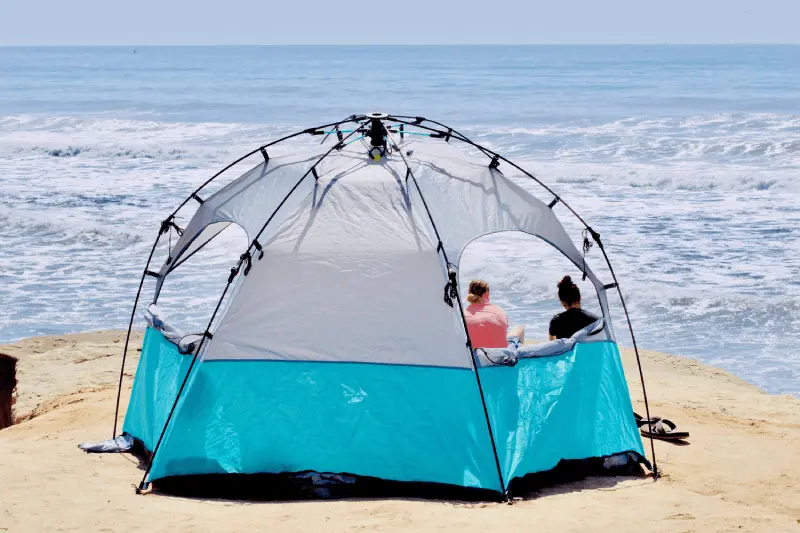
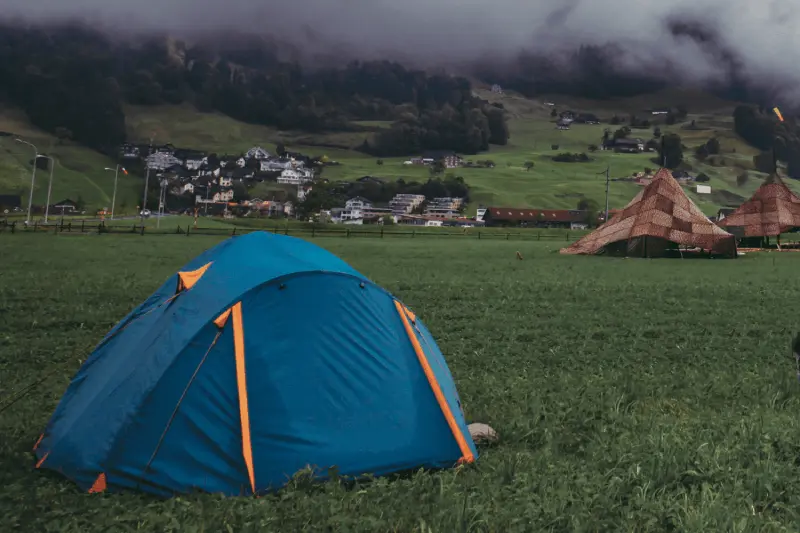
Standard dome tents are generally formed by the intersection of two poles at the center. This simple structure performs quite well in light winds, but stability issues begin to arise when wind speeds exceed 50-60 km/h. The durability of dome tents is directly proportional to the number of poles. Reinforced dome models using three or four poles can offer resistance approaching that of geodesic structures. However, as a general rule, standard camping dome tents produced for hobby purposes are not suitable for extreme storms, and it should be noted that under such conditions, the poles may exhibit "hourglass" deformation.
Are Aluminum Poles or Fiberglass Poles More Flexible?
The material of the poles that form the skeleton of the tent is the most critical component during a storm. Fiberglass poles are cheap but tend to break suddenly instead of flexing during a storm, and when they break, they can also tear the fabric. On the other hand, high-quality (such as DAC or 7001 series) aluminum poles are much lighter and incredibly flexible. When a strong gust of wind hits, the aluminum pole bends but returns to its original shape once the load is removed. Aluminum alloys that do not break even in extreme cold are essential for a storm-resistant tent. If you are going to a storm-prone area, you must ensure that your poles are definitely high-quality aluminum.
How Do the Number of Poles and Intersection Points Increase Stability?
The stability of a tent is directly related to how many points the poles intersect with each other. The more intersection points there are, the more rigid and durable the structure becomes. For example, a structure that intersects at only two points is very prone to swaying, while a skeleton system that locks at five or six points acts like a cage. These intersection points prevent the wind from pushing the tent fabric inward and reduces the "flapping" effect. Reducing flapping extends the life of the fabric and allows campers to stay inside away from turbulence, providing a more peaceful experience. Therefore, it is critical to pay attention to how the poles are interconnected when purchasing a storm tent.
Is the Difference Between Nylon and Polyester Fabrics Determinative in Storms?
The two most common materials in tent fabrics are polyester and nylon. Polyester is known for not stretching even when wet and its resistance to UV rays. Nylon, on the other hand, is lighter and has much higher tensile strength. However, nylon has one disadvantage: when it gets wet, it sags and loses its tension. A sagging fabric in a storm flaps more with the wind and can cause water to pool on the tent. Therefore, high-end storm tents typically use "SilNylon" (silicone-coated nylon). This material carries the durability of nylon and does not sag when wet due to the silicone coating, quickly shedding water and remaining taut in storms.
How Does "Ripstop" Weaving Technology Prevent Tears?
During a storm, a hard object may hit the tent fabric, or a small tear may begin at the seams due to the pressure of the wind. If the fabric has a standard weave, this small tear can split the entire tent in seconds under the influence of the wind. "Ripstop" technology involves the crosswise placement of thick and durable threads at specific intervals (usually 5-10 mm) within the fabric. These thick threads act as a barrier when a tear begins, stopping the spread of the tear. The Ripstop feature in a storm-resistant tent serves as a vital insurance policy to protect the integrity of the structure.
Is the Water Column Value Important in Storms Only for Rain?
The waterproof rating of a tent is expressed in terms of water column value in "mm". For example, 3000mm means that the fabric will not leak until a water pressure of 3 meters high is applied to it. In storms, the wind strikes raindrops at very high speeds against the tent surface. This speed is actually much greater than the pressure created by still water. Therefore, a storm-resistant tent must have a high water column value not only for the fabric but also for the floor (at least 5000mm-10000mm for the floor, 3000mm+ for the ceiling). Otherwise, wind pressure can "push" water through the fabric's pores.

If Guy Lines Are Not Taut, Can the Tent Tear?
Guy lines are the unsung heroes of the tent. Many campers neglect to set these up, but this is the main force that keeps the tent standing in a storm. Guy lines transfer the load from the wind on the poles directly to the ground. In a storm-resistant tent, there should be at least one, preferably two connection points on top of each main pole. These lines should be anchored at a 45-degree angle and taut. If the lines are loose, when a gust of wind hits, the pole will suddenly flex and snap back; this sudden movement can cause the pole to break or the fabric to burst. A properly tensioned tent moves as a whole with the wind, dissipating energy.
Are Snow Skirts Only Necessary for Winter Camps?
Snow skirts are additional fabric pieces that extend down to the ground under the outer fly of the tent. Although they are thought to be only for snow due to their name, they are essential for preventing wind from getting under the tent in severe storms. If the wind gets under the tent, it can create a "parachute effect," lifting the tent off the ground. You can completely seal the tent to the ground by placing stones or dirt on top of the snow skirts. While this may slightly reduce air circulation inside the tent, it prevents freezing winds from entering and minimizes the risk of the tent blowing away. In open areas where storms are common, a model with snow skirts is always safer.
What Are the Structural Differences Between 4-Season and 5-Season Tents?
3-season tents typically have mesh-weighted inner flies and prioritize ventilation. 4-season tents are equipped with fabric-weighted inner flies, thicker poles, and more guy points. Tents referred to as "5-Season" or "Expedition" represent the utmost limits. The fabrics of these tents are heavier, the pole diameters are wider, and their design is optimized for the harshest polar regions or peaks at 8000 meters. If you are truly expecting a serious storm, the poles of a 3-season tent can easily bend under wind pressure, so you should aim for at least a solid 4-season model.
What Role Do Ventilation Channels Play in Wind Drainage?
Completely closing the tent during a storm may seem logical, but this can lead to significant condensation and pressure differences inside. Well-designed storm tents have ventilation windows that allow the wind to pass through the tent and balance the pressure without letting water in. These windows help reduce the wind's "aerodynamic lift" force. Additionally, expelling moisture from the breath of campers inside is vital to prevent sleeping bags from getting wet. In storm tents, these windows are usually adjustable from the inside with zippers, allowing you to control airflow without letting outside air in.
Why is Zipper Quality and Protective Flaps Important in Storms?
The weakest point of a tent is often its zippers. In a storm, wind can push water and air through the gaps between the zipper teeth. Additionally, the tension created by the wind can cause a low-quality zipper to burst. World-renowned YKK brand zippers are considered standard in storm tents because they have successfully passed such stress tests. The protective fabric flaps (storm flaps) over the zipper keep water away and prevent the wind from directly pressing on the zipper teeth. The flaps should be tight or well-fitted to prevent the wind from blowing them away, ensuring the continuity of insulation.
How Should Tent Stakes Be Selected According to Soil Type?
Even if your tent has the strongest fabric in the world, it is meaningless if the stakes that hold it to the ground come out. Standard "L" type thin stakes can easily pull out of sand or soft soil in a storm. For storm resistance, "V" or "Y" cross-section aluminum stakes should be preferred because these structures grip the ground better and do not turn. In sandy or snowy grounds, wide-surfaced stakes or bags known as "Deadman" should be used. Each stake should be driven into the ground at a 45-degree angle, in the opposite direction of the tent, and placing a heavy stone on top will be your greatest assurance during a storm.
What is the Secret of Tents Used at High Altitudes?
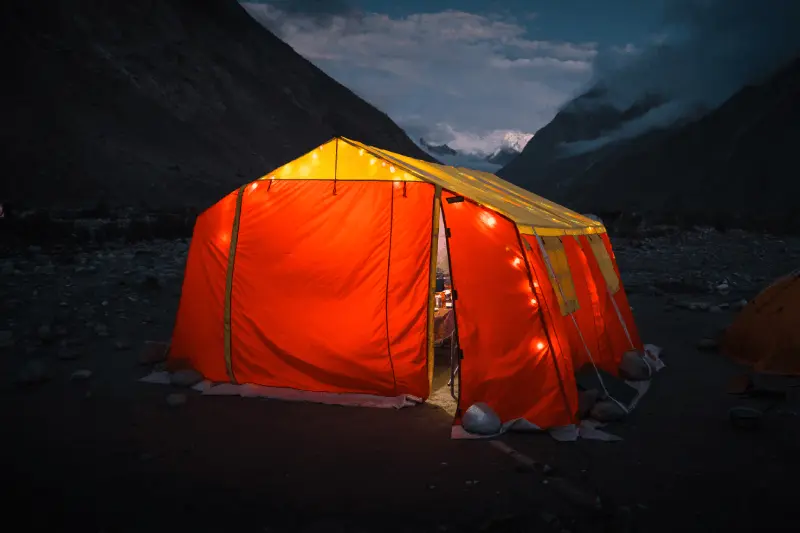
Tents used in expedition settings focus more on durability than weight. The poles of these tents are thicker than normal (for example, between 9mm-11mm) and their fabrics generally have a higher weave density (Denier value). Additionally, the design of these tents is much flatter and more symmetrical to minimize the surface area that the wind strikes. The inner tents are made of completely windproof breathable fabric instead of mesh. This prevents fine ice crystals or powder snow that can seep through the outer fly from entering the inner tent. These tents are built like a "fortress" and ensure that you feel safe inside even in the harshest storms.
How Does Aerodynamic Design Reduce Noise in Strong Winds?
One of the most challenging aspects of camping in a storm is the psychological effect; the constant flapping of the tent fabric can make sleep impossible. Aerodynamically optimized tents minimize this flapping noise by regulating the wind flow. A taut outer fly and pole structure prevent the wind from creating vibrations. Additionally, the connection points of the guy lines to the poles should be reinforced with special supports to prevent the fabric from being crushed. A quiet tent allows the camper's morale to remain high and provides the opportunity to rest, directly affecting performance the next day.

How Does Tent Setup Area Selection Increase Durability Against Storms?
Even if you have the best tent in the world, if you set it up in the wrong place, you risk it in a storm. Using natural windbreaks (large rocks, sturdy bushes, or low areas) when setting up before a storm can reduce the load on the tent by more than 50%. However, you should avoid riverbeds at risk of flooding and old trees that could drop branches on you. Positioning the entrance of the tent facing away from the direction of the wind (leeward side) will prevent wind from filling the tent when you open the door and blowing it away like a balloon. As much as the ground level, the safety of the place where the stakes will be driven is also of vital importance.
What Precautions Should Be Taken Inside the Tent When a Storm Starts?
When a storm hits, it is important not only to protect the outside of the tent but also the inside. To keep your center of gravity low, place your heavy bags in the corners of the tent on the windward side; this strengthens the tent's contact with the ground. Periodically check the connection points of the poles and support them from the inside if there is any looseness or excessive flexing. Never light a stove inside the tent; ventilation may be insufficient during a storm, increasing the risk of carbon monoxide poisoning. Additionally, the risk of the stove igniting the tent due to the fabric being pushed in by strong winds is very high. In the worst-case scenario, your shoes and emergency bag should always be accessible in case the tent collapses.
Should Weight or Durability Be Prioritized?
This is a classic dilemma faced by every camper. "Ultralight" tents typically use thin poles and very lightweight fabrics like 7D or 10D. These tents take up little space in a backpack, but their durability is limited in a real storm. If there is an expectation of strong winds or storms on your route, carrying an extra 500-1000 grams and choosing a model with thicker poles and sturdier fabrics can be life-saving. Durability always provides a safety margin. Facing a tent with broken poles in a storm is much more difficult and dangerous than carrying that extra weight.
Is it Possible to Reinforce Old Tents Against Storms?
You can make some modifications to make your existing tent more storm-resistant. For example, adding extra guy points (reinforcing the fabric), replacing the guy lines with stronger and higher-quality ones, and upgrading the poles to thicker aluminum models are possible. Additionally, sealing the seams with waterproof tape can prevent water ingress during a storm. However, if the basic geometry of the tent is not suitable for the wind, these improvements will be limited. Nevertheless, with quality stakes and proper setup techniques, you can significantly enhance the performance of a standard tent.
How Should the Entrance of the Tent Be Positioned According to the Wind Direction?
This rule should never be forgotten: The entrance should never face the wind. If the wind enters directly through the door, the air pressure between the outer fly and the inner tent increases rapidly, which can cause the tent to be ripped from its place or the seams to burst. The ideal positioning is for the door to face directly opposite or to the side of the direction from which the wind is coming. Additionally, care should be taken to minimize the amount of wind entering when opening and closing the door during a storm. If your tent has two doors, using the door on the leeward side as the main entrance-exit is the safest option for your security.
How Do Single-Wall and Double-Wall Tents Perform in Storms?
Single-wall tents are generally made from breathable-waterproof fabrics and have poles set up from the inside. These structures are very taut and have high wind resistance but can experience condensation issues. Double-wall tents consist of an inner tent and an outer fly that covers it. In a storm, while the outer fly faces the wind, the inner tent protects the camper. The advantage of double-wall structures is that even if the outer fly flaps in the wind, the inner tent remains more stable. However, the gap between the outer fly and the ground can allow wind to enter. Therefore, in extreme storms, models where the poles go over the outer fly and have snow skirts provide the highest level of protection.
How Should Tent Maintenance and Inspection Be Done After a Storm?
After a storm passes, you should thoroughly inspect your tent. Are there micro-cracks or permanent bends in the poles? Are there any openings caused by tension at the seams of the fabric? Is there any wear at the connection points of the guy lines? These checks are essential to prevent a disaster that could occur during the next camp. If a pole is broken, it indicates metal fatigue and should be replaced. Never pack a wet tent in your bag; when you return home, you should dry and ventilate it completely. A well-maintained storm tent will continue to be a safe home for you in the most challenging natural events for years to come.