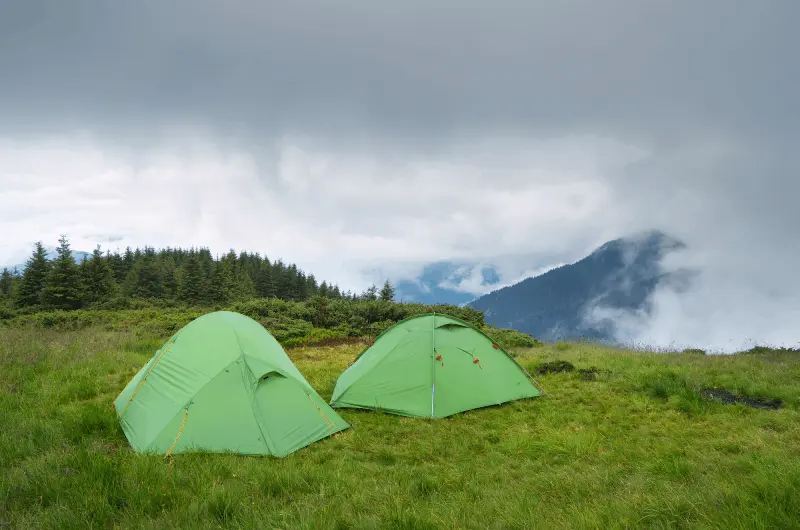
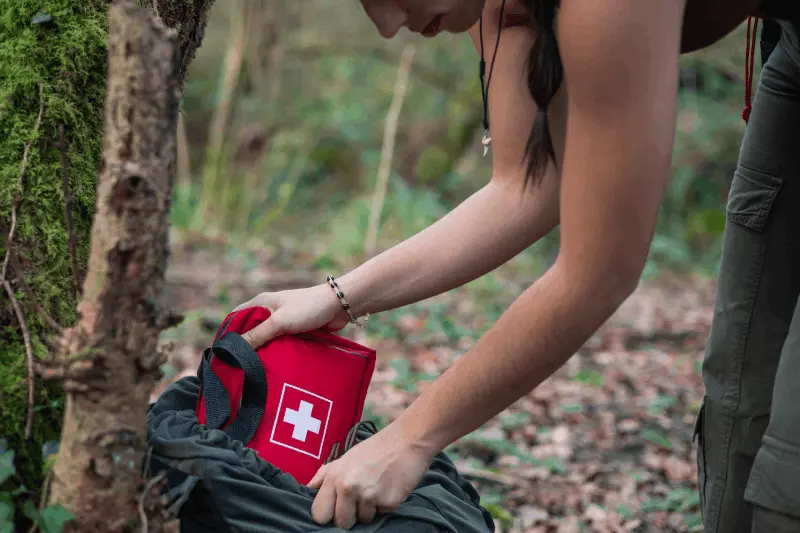
While the tranquility and beauty of nature can be enticing, unexpected accidents can occur when you are far from urban centers and medical assistance. Being prepared in such situations can prevent a simple injury from turning into a serious crisis. Here are the essentials that must be included in a first aid kit for the outdoors and answers to frequently asked questions.
Why is a First Aid Kit in the Outdoors Vital?
Activities carried out in nature come with certain risks. When you have an accident in an urban environment, professional medical help can reach you within minutes, whereas in the mountains or deep in the forest, this time can stretch to hours or even days. A first aid kit is your most important tool that allows you to stabilize the situation until professional help arrives. It can be a lifesaver not only for you but also for your friends in the group or other people you may encounter on the road. Having the right equipment reduces panic and helps you make rational decisions. Therefore, it is not just the presence of the kit that matters, but the quality of the materials inside and your ability to use them directly affect your chances of survival.
How Should the Selection and Organization of the Kit Be?
The outer shell of the first aid kit should be made of waterproof and durable material to protect the contents. Ensuring that the materials inside are not jumbled allows you to find what you need within seconds in emergencies. Using transparent compartments or labeled pockets provides great convenience during stressful moments. Additionally, having the kit in a color that can easily be spotted in nature, such as red or neon orange, helps others quickly locate it. The size of the kit should be optimized according to the duration of your activity and the number of people in your group; however, it should be light enough not to hinder portability, which is a critical factor for long hikes. Remember that a hard-to-reach first aid kit can be as ineffective as having no kit at all.
Why Are Sterile Gauze Pads the Most Basic Material?
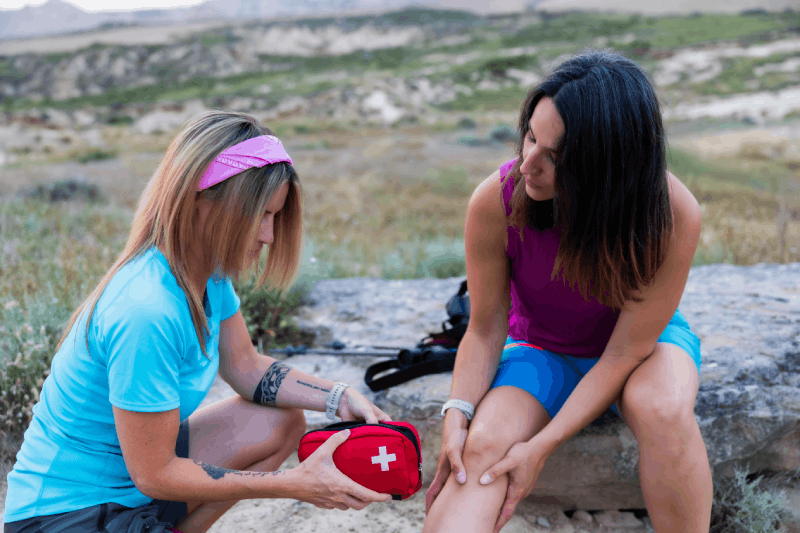
Sterile gauze pads are the fundamental building blocks of any wound care. These pads, which are directly applied to open wounds, should be stored in sterile packages to minimize the risk of infection. They are used to apply pressure to stop bleeding, keep the wound clean, or protect the ointment applied over it. Considering that dust, dirt, and bacteria are abundant in nature, cutting off the wound's contact with the outside world accelerates the healing process. Having them in different sizes (such as 5x5 cm or 10x10 cm) allows you to address various situations, from small cuts to larger abrasions. It is also necessary to have at least 5-10 spare pads in the kit for dressing changes.
What Are the Different Sizes of Bandages Used For?
Bandages are generally used to keep gauze pads in place or to protect the injured area from external factors. Non-elastic standard bandages are also ideal for applying pressure and controlling bleeding. Bandages of different widths adapt to various parts of the body; for example, a narrow bandage is suitable for finger injuries, while wider ones are used to wrap dressings on legs or torso. Additionally, in cases of fractures or dislocations, bandages provide versatile solutions for immobilizing the arm or securing a splint. A quality bandage should not loosen easily with sweating or movement and should securely wrap the area.
When Are Elastic Bandages Used?
One of the most common injuries encountered in nature is ankle sprains and muscle strains. Elastic bandages are indispensable for supporting the area in such soft tissue injuries, reducing swelling (edema), and preventing further damage by restricting joint movement. They create a compression effect that regulates blood flow and alleviates pain to some extent. Additionally, in cases of severe bleeding, they can be tightly wrapped over the dressing to act as a tampon. Thanks to their elasticity, they fit snugly around joint areas and provide support without completely restricting mobility. However, care should be taken not to wrap them too tightly to obstruct circulation. Having at least one medium-sized elastic bandage in your kit is a vital step for your hiking safety.
Are Adhesive Bandages Only for Small Wounds?
Adhesive bandages, commonly known as "band-aids," are typically used in nature for simple abrasions and small cuts. However, even these small wounds should not be underestimated as they carry the risk of infection. Especially in cases of blisters caused by shoe friction, specially designed hydrocolloid bandages relieve pain and allow you to continue hiking. Bandages in various shapes and sizes should be included in the kit to fit snugly on difficult areas like joints or fingertips. Additionally, choosing waterproof models prevents the bandage from coming off due to sweating or contact with water. A small adhesive bandage can sometimes be the most critical material that ensures the completion of a long trek.
How Do Antiseptic Solutions Prevent Infection?
When a wound occurs in nature, your biggest enemy is the unseen microorganisms. Antiseptics such as iodine-based solutions (Betadine), alcohol wipes, or hydrogen peroxide kill the bacteria around the wound, preventing infection from entering the bloodstream or the wound from becoming inflamed. Alcohol wipes should be used to clean hands before intervention, while sprays or solutions should be used to clean the wound. However, pouring alcohol directly into an open wound can cause tissue damage, so usually, only the area around the wound is cleaned. A clean wound heals much faster and prevents serious complications like tetanus. It is important to carry these solutions in small, leak-proof containers to prevent contamination of other materials in the kit.
What Is the Contribution of Antibiotic Ointments to the Healing Process?
After cleaning the wound, applying a thin layer of antibiotic ointment provides a moist healing environment and prevents bacterial proliferation. In nature, the drying and cracking of a wound can delay healing and increase pain. Ointments also reduce tissue trauma that occurs during dressing changes by preventing the gauze from sticking to the wound. These ointments, sold in small tubes, are particularly effective for shallow but infection-prone abrasions and burns. Broad-spectrum antibiotic creams available at pharmacies will be one of your greatest allies in natural conditions. It is recommended to always have a tube with you and to regularly check the expiration date.
Why Are Pain Relievers and Fever Reducers Essential?
Pain is a defense mechanism of the body, but severe pain can incapacitate mobility and decision-making ability. Pain relievers taken orally should be included in the kit for headaches, toothaches, muscle pains, or fluid that occurs after an injury. Medications like paracetamol or ibuprofen also have fever-reducing properties, which can be lifesaving in cases of potential hypothermia or fever due to infection that may occur in nature. Controlling fever slows down the body's loss of water (dehydration) and prevents the overall condition from deteriorating. Being knowledgeable about dosages and side effects of medications is part of responsible first aid.
Why Are Allergy Medications (Antihistamines) Critical in Nature?
Nature is filled with plants, pollens, and insects that you may not have encountered before. Even in a person with no allergies, a first-time encounter with a bee sting or plant contact can lead to severe reactions that can escalate to anaphylactic shock. Antihistamine medications stop the spread of the reaction by alleviating itching, redness, and swelling. If you have known severe allergies, you may need to carry an "Epinephrine (Adrenaline) Auto-Injector" under medical supervision. Simple allergy pills can eliminate many uncomfortable situations, from itching that disrupts sleep to watery eyes and runny nose. Having allergy medications in both tablet and gel (topical) forms in your kit allows for intervention from both inside and outside.
Do Digestive Regulators Need to Be Included?
Contaminated water or different dietary habits in nature can cause nausea, vomiting, or diarrhea. Diarrhea is particularly dangerous in natural conditions where water sources are limited, as it can lead to rapid fluid loss (dehydration). Anti-diarrheal medications and antacid chewable tablets enhance the comfort and safety of your journey. Additionally, oral rehydration solutions (or powders) that help the body regain lost minerals in cases of severe vomiting should also be included in the kit. Digestive system issues can drain your energy both physically and psychologically. Therefore, preparing a digestive system-oriented precautionary package can make a significant difference in long-term outdoor activities.
What Is the Role of Tweezers in Removing Splinters and Ticks?
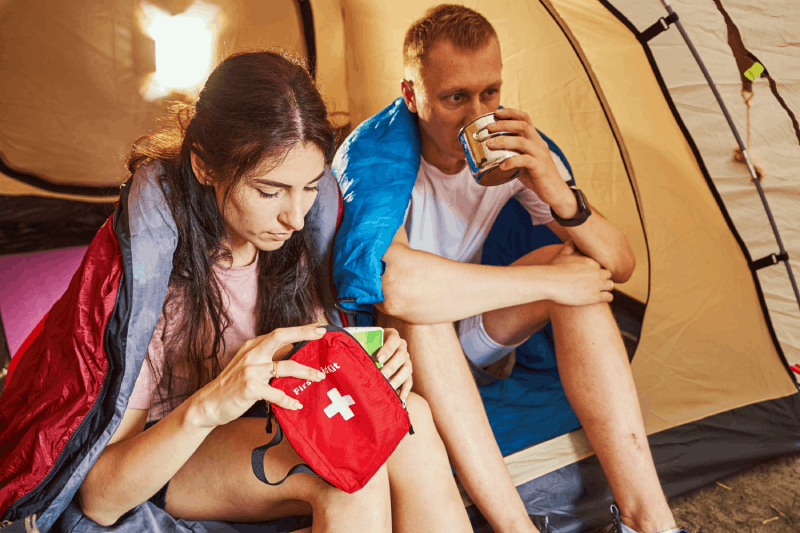
A small pair of tweezers is one of the most needed delicate tools in nature. A small thorn or splinter that gets stuck in your hand can become infected over time, making it impossible to continue hiking. More importantly, in cases of tick bites, a fine-tipped pair of tweezers is required to remove the tick correctly without breaking off its head. By holding the tick as close to the mouth as possible and pulling it straight out without squeezing its body, you reduce the risk of diseases like Lyme or Crimean-Congo. It is important that the tips of the tweezers fit perfectly together and are made of stainless steel. Sterilizing them with an alcohol wipe before and after use prevents secondary infections. This tiny tool, which takes up no space in the first aid kit but has a huge function, should be a standard in every kit.
How Should Scissors Be Evaluated in Cutting Clothes?
Scissors found in first aid kits are usually designed with blunt tips (trauma scissors). The purpose of this design is to avoid harming the skin while cutting the clothes of an injured person. When there is a suspicion of severe bleeding or fracture, trying to remove the clothing to see the injured area can increase pain and worsen the injury. In this case, quickly intervening by cutting the clothing with scissors is the most appropriate approach. Scissors are also needed to cut bandages, plasters, or dressings to the appropriate size when necessary. A sharp and durable pair of scissors should be capable of cutting even the toughest fabrics with ease, not just for medical purposes but also for tasks like cutting ropes or assisting in shelter construction in emergencies.
Are Safety Pins Only for Securing Dressings?
Safety pins are the "joker" materials of a first aid kit. Their most common uses are to secure the ends of bandages or to connect triangular bandages used as arm slings. However, they can serve many more functions in creative situations. For example, they can temporarily hold a torn tent or clothing together, create a solution when a shoelace breaks, or be sterilized and used as a needle to remove a splinter. Being metal, they can be sterilized in fire. Keeping 5-6 safety pins of different sizes in a corner of your kit helps you solve many small medical and logistical problems on the spot. They are lightweight and durable, so they do not create a burden.
How Does a Thermal Blanket (Emergency Blanket) Prevent Hypothermia?
Commonly referred to as the "space blanket," these thin foils, with one side gold and the other silver, are among the most critical equipment for saving lives in nature. They work on the principle of reflection, retaining 90% of the body's heat. While protecting the victim from cold, wind, and rain, they also help maintain the body temperature of patients in shock. When folded, they are small enough to fit in the palm of your hand, but when opened, they can completely wrap around an adult. Additionally, thanks to their shiny surface, they can serve as a signal reflector, allowing you to be spotted from a distance. Not only in cold conditions but also in extreme heat, the reflective surface can be used outward to create a shaded area. Their lightweight and low cost make them a must-have in every kit.
Why Is the Use of Sterile Gloves Mandatory?
Sterile gloves provide a two-way barrier that protects both the responder and the injured person. You need to protect yourself from diseases that can be transmitted through the injured person's blood or bodily fluids (Hepatitis, HIV, etc.). At the same time, you minimize the risk of the injured person contracting an infection by preventing the bacteria on your hands from contaminating the open wound. It is impossible to keep hands clean in nature, so wearing gloves in situations where there is no water and soap is a medical necessity. Nitrile gloves should be preferred in case of a latex allergy. Keeping at least two pairs of gloves in your kit ensures that you have a backup in case one tears. Remember, you cannot help others without ensuring your own safety.
How Is Eye Solution (Eye Wash) Used for Dust and Discharge?
A dust particle, a small twig, or pollen that gets into the eye while hiking can pose a danger by limiting vision. Rubbing the eye can cause scratches on the cornea, so the safest method is to rinse the eye with plenty of clean liquid. Small single-use (vial) forms of sterile saline are ideal for rinsing the eye. Keeping the eye open while pouring the liquid from the inside out ensures that the foreign substance is flushed out. Additionally, these solutions can also be used to clean the insides of shallow wounds (lavage). Eye injuries can disrupt navigation and balance in nature, so having these simple yet effective solutions in your kit is a significant advantage for protecting your eye health.
What Materials Are Needed for Applying a Tourniquet?
A tourniquet is a firm method applied to the upper part of a limb in cases of uncontrollable, spurting arterial bleeding that completely cuts off blood flow. In modern first aid kits, ready-made mechanical tourniquets known as "CAT" (Combat Application Tourniquet) are preferred. If you do not have a ready-made tourniquet, you can make an improvised tourniquet with a wide piece of cloth (never thin string or wire) and a stick. The application of a tourniquet should only be done as a last resort when bleeding cannot be stopped with pressure and the person's life is in danger. Writing the time the tourniquet was applied on the injured person's forehead is crucial when professional help arrives. Incorrect application can lead to limb loss, so you must have received basic training on how to use this material.
Are Burn Gels and Dressings Effective for Sunburns?
In nature, burns can occur not only from fire but also from intense sun exposure. Water-based burn gels quickly cool the area, relieve pain, and prevent heat from penetrating deep into the tissue. Natural ingredient gels containing tea tree oil or aloe vera are very effective in relieving sunburns. Additionally, special "non-adherent" dressings that do not stick to burn areas should also be included in the kit. Regular gauze pads can stick to burns and complicate healing, while these special pads protect the area and allow it to breathe. It should also be remembered that blisters that form after burns should never be popped, as they serve as a natural protective layer. Burn creams increase comfort and alleviate the effects of severe sunburns.
Is a Digital Thermometer Necessary for Monitoring Fever?
Knowing the body temperature accurately when someone feels unwell is critical for understanding the seriousness of the situation. Especially after a night spent in cold weather or in cases of suspected infection, measuring fever can change the intervention plan. A digital thermometer is lightweight and durable, taking up little space in the kit. Monitoring temperature in cases of hypothermia (extreme drop in body temperature) or hyperthermia (heat stroke) provides clues about whether the person will remain conscious. Gradual increases in fever can be a determining factor in the decision to use antibiotics or to evacuate urgently. Digital thermometers that can work for years with a small battery are essential for objective assessment.
How Is a Whistle a Communication Tool in Emergencies?
First aid not only involves dressing wounds but also includes calling for help. If you become incapacitated due to an injury or become too weak to raise your voice, a whistle can save your life. While human voices can easily get lost in the wind or the sound of water, a high-frequency whistle can be heard miles away. Blowing the internationally recognized emergency signal of "six short blasts per minute" is the most effective way to indicate your location. The whistle should be attached to the outside of your first aid kit or kept in an easily accessible place. While some backpacks may have an integrated whistle in the buckle, it is always a good idea to have a spare whistle in the kit.
Why Should a Flashlight or Headlamp Be in the Kit?
Medical interventions do not always take place in daylight. Stitching a wound (if you are a medical professional) or dressing a wound in the dark is impossible without good lighting. A headlamp is the ideal choice for first aid applications as it frees up both hands. The ability to focus the light makes it easier to see foreign objects inside the wound. Additionally, a constant light source is needed to monitor the condition while waiting at the hospital overnight. Make sure the batteries of the flashlight in your kit are charged and preferably keep spare batteries with it. Light can also serve as a visual signal to indicate your location to rescue teams.
How Is a Notebook and Pen Used in Medical Interventions?
In an emergency, the perception of time can change, and interventions can be forgotten. The injured person's pulse rate, temperature measurements, whether they are conscious, and the times of medications given should all be recorded in a notebook. This information will be the most valuable "epicrisis" report to be provided to professional rescue teams when they arrive. Additionally, if a tourniquet has been applied, the exact time of application should be noted in the notebook and, if possible, written on the injured person's body. A small, waterproof notebook and a non-smudging (or gel) pen are sufficient for this task. Noting details such as the shape of the accident, known allergies of the injured person, or chronic illnesses prevents information loss during the time it takes to reach the hospital. Information is half of medicine.
Are Water Disinfection Tablets Essential for Health?
When your water runs out in nature and you cannot find a safe water source, drinking water without disinfecting it can lead to serious gastrointestinal diseases. Chlorine or iodine-based water purification tablets kill pathogens in the water, making it safe to drink. Although it may slightly alter the taste of the water, this is a very small price to pay compared to the risks of diarrhea or typhoid. Generally, it is necessary to wait between half an hour to an hour for the tablets to take effect. Keeping a few tablets in your first aid kit eliminates the risk of dehydration in case your route unexpectedly extends or water sources dry up. Clean water is as important for a healthy body as medications.
Do Muscle Relaxant Creams Help with Fatigue and Injuries?
At the end of a long day, cramps in the legs or stiffness in the back due to a sudden movement can jeopardize the next day's hike. Muscle relaxant and anti-inflammatory creams increase blood flow to the area, reduce pain, and help the muscles relax. Creams containing menthol or camphor also create a cooling effect, providing psychological relief. However, it should be remembered that these creams should not be applied to open wounds. Using a muscle relaxant cream along with ice application (if possible) can stop the progression of injuries in mild cases. Small tubes that take up no space in the kit are quite beneficial for a comfortable camping night.
How Do Instant Cold Packs Reduce Swelling?
In nature, you do not have access to a freezer, but there are single-use cold packs that instantly cool through a chemical reaction. These packs, activated by breaking the compartment inside, can be applied to acute injuries (the first 24-48 hours) from sprains and bruises, constricting blood vessels and minimizing internal bleeding, bruising, and swelling. Cold application also creates a natural pain-relieving (analgesic) effect. In cases of heat strokes, they can be placed on the neck, armpits, and groin to help rapidly lower body temperature. Keeping one or two of these packs in your kit allows you to perform professional interventions for soft tissue injuries. Their lightweight nature and lack of need for electricity are significant advantages.
Are Lip Balm and Sunscreen Considered Medical Supplies?
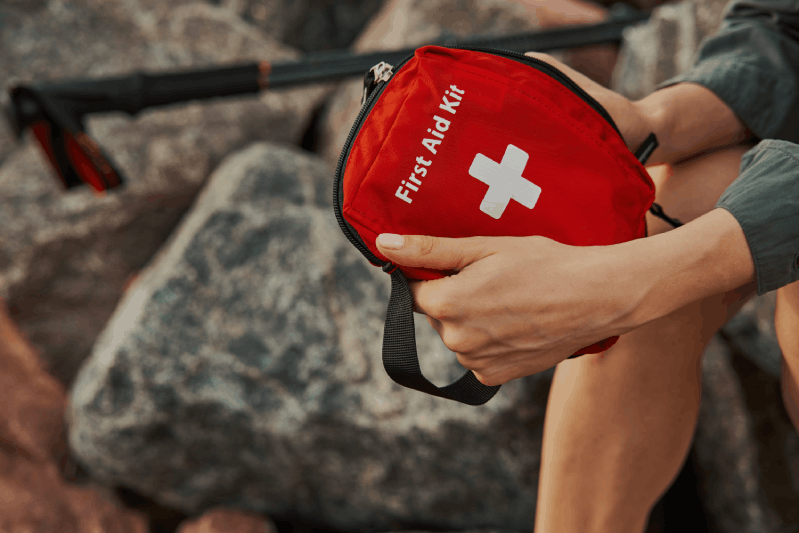
Although these products are generally seen as cosmetic, they fall into the "protective medicine" category in nature. A high-factor sunscreen prevents sunburns that can reach second degree, maintaining the body's temperature balance. Lip balms (especially those containing SPF) prevent chapped lips, bleeding, and cold sores caused by wind and sun. Chapped lips in severe wind can make eating and drinking painful. Additionally, lip balm sticks can be used in emergencies (if they are petroleum-based) to create a barrier over a small skin abrasion or to lubricate a zipper. Adding these products to your kit is a smart strategy to prevent small issues from escalating.
How Should Personal Prescription Medications Be Included in the Kit?
If you have a chronic illness such as diabetes, hypertension, heart disease, or asthma, you should keep your medications in your first aid kit in a redundant manner. Carrying these medications in their original packaging (or with their leaflets) ensures that someone else can understand what the medication is if they need to intervene. Additionally, you should inform others in your group where these medications are located and how they should be used (for example, how to use insulin or an inhaler). Carrying enough backup medications to last at least 2-3 days longer than the planned duration of your trip prevents life-threatening risks in situations like getting stranded. Your personal health is the most prioritized part of general first aid.
Why Should a First Aid Guide (Booklet) Be Accessible at All Times?
In moments of stress, even the simplest information can slip your mind. What was the rate of chest compressions? How often should a tourniquet be loosened? (Note: Modern protocols do not recommend loosening a tourniquet, but information can vary). A small, waterproof first aid guide included in your first aid kit will guide you step by step with instructions. A guide supported by visuals can help you successfully perform an intervention you have never done before. Additionally, this booklet should also contain emergency phone numbers and basic signaling information. Reviewing this guide before heading out on a trip will boost your confidence. Remember, even the best equipment is just a box of plastic and metal unless combined with knowledge.
How Should the Care of the Kit and Expiration Dates Be Monitored?
A first aid kit is not a one-time task once it is prepared. The contents of the kit should be checked at least twice a year or before every major activity. Medications, antiseptics, and ointments can lose their effectiveness or become harmful after their expiration dates. Additionally, it should be checked whether sterile packages have been punctured, whether batteries are leaking, and whether adhesive bandages have lost their properties. Used materials should be immediately replaced with new ones. Keeping the kit away from moisture and direct sunlight extends the lifespan of the materials. This disciplined approach eliminates the nightmare of encountering "non-functioning equipment" in a real emergency.
What Are the Advantages of Receiving First Aid Training?
No matter how complete the materials are, the skill of the person using them is the determining factor. Receiving "Basic First Aid Training" or "Wilderness First Aid" (WFA) from professional institutions (such as the Red Crescent, AKUT, or certified outdoor sports clubs) will equip you with practical application skills. Learning to control bleeding, basic life support, fracture detection, and patient transport techniques through hands-on practice ensures that your muscle memory kicks in during moments of panic. A trained individual can create miracles even with limited materials at hand. Additionally, this training teaches you when to make evacuation decisions and how to communicate with professional teams. The best investment is the investment you make in your own skills.
Should We Make Our Own Kit or Buy a Ready-Made One?
Many ready-made first aid kits available on the market are a good starting point as they contain basic materials. However, most ready-made kits may not fully meet your personal needs and the specific risks of the activities you will be doing (such as high altitude, water sports, etc.). The best method is to buy a quality ready-made kit and fill in the gaps or to completely assemble your own kit from scratch in a waterproof container. When you assemble your own kit, you will have a better understanding of where each material is and what it is used for. Personal medications, extra bandages, and a quality pair of scissors can customize the kit to enhance your safety.
How Should Splint Materials Be Kept for Fractures and Sprains?
Preventing movement (immobilization) of a fractured or severely sprained limb reduces pain and prevents further tissue damage. It is very practical to keep lightweight, moldable aluminum splints like "SAM Splint" in your kit. These splints can be stored rolled up and can be molded to stabilize any limb. If you do not have a ready-made splint, you should know how to create one using tree branches or the sturdy parts of your mat along with bandages. It is important to remember that the upper and lower parts of the joints should be stabilized when applying a splint. Stabilizing the limb is a prerequisite for safely transporting the injured person.
Why Are Hand Sanitizers and Hygiene Products Prioritized?
Ensuring hand hygiene before and after touching an injured person prevents cross-contamination. An alcohol-based hand sanitizer provides quick cleaning in places where there is no water. Additionally, hygiene is necessary not only for the injured person but also for your overall health. Neglecting hand hygiene before preparing food in nature or after using the restroom can invite contagious diseases that can affect the entire group. Soap leaves or a small bar of biodegradable soap also serve this purpose. Clean hands are the simplest and most effective first aid tool that breaks the chain of infection.
Are Sugary Foods or Glucose Tablets Effective Against Low Blood Sugar?
In outdoor activities that require excessive effort, a drop in blood sugar (hypoglycemia) can lead to weakness, dizziness, and confusion. Keeping quick-acting glucose tablets, a packet of sugar, or a small tube of honey in your first aid kit helps you quickly recover from this situation. This critical supplement is not only for diabetic patients but also for any athlete whose energy has been depleted. These sugary foods given to a conscious person can help them refocus and reach a safe place. Remember, sometimes what you need is not a bandage but just a piece of glucose.
What Strategy Is Required for Primary and Secondary Assessments in the Kit?
Before reaching for the first aid kit, a "Look-Listen-Feel" and "ABC" (Airway, Breathing, Circulation) check should be performed. The kit comes into play during the intervention phase after these checks. In the primary assessment, major bleeding (tourniquet, pressure dressing) and respiratory issues are addressed. In the secondary assessment, cuts, sprains, and less urgent situations in the rest of the body are dealt with. Organizing your kit according to this hierarchy will save you time by keeping the most urgent materials (gloves, scissors, tourniquet) at the top. First aid is an "action plan" rather than just a list of equipment, and the kit is its physical support.
How Should Medical Waste Management Be Handled in Nature?
Used gloves, bloody gauze pads, and needles are serious biological waste. Leaving these in nature harms the environment and poses a health risk to others. A small, sealed (ziploc) waste bag should always be included in your first aid kit. All used contaminated materials should be placed in this bag and disposed of in an appropriate trash bin when you reach the city. For sharp waste like needles, a puncture-proof hard plastic container (like an empty medication bottle) can be used. The "Leave No Trace" principle applies to first aid processes as well; you should leave only your footprints in nature and dispose of your medical waste in the trash bin.
Being in nature is freedom, but this freedom comes with responsibility. A well-prepared first aid kit and the ability to use these materials will open the door to the safest adventures for you and your loved ones. Wishing you accident-free and enjoyable explorations!