Is Full-Time Caravan Living Really an Economic Option?
The economic viability of caravan living entirely depends on your lifestyle standards, the routes you choose, and your spending habits. A significant advantage is escaping the high rent prices and exorbitant site fees you encounter while living in a fixed residence. However, this savings can be offset by the fuel and maintenance costs of a constantly moving vehicle. If you spend most of your time at free campsites and cook your own meals in the caravan, it is possible to live at much lower costs compared to city life. On the other hand, staying at luxury camping sites every night and traveling long distances continuously can drive costs above those of a residential apartment. Therefore, caravan living should be seen not as a "cheap living method" but as an "art of cost management."
How Should Monthly Average Fuel Costs Be Calculated?
Fuel is the most variable and generally the largest expense in full-time caravan living. There are three main factors that determine this cost: the distance traveled, the weight of the vehicle/engine size, and current fuel prices. If you adopt the "slow travel" philosophy and stay in one area for weeks at a time, your monthly fuel costs will be quite low. However, if you plan to drive hundreds of kilometers every day, you may end up spending more than half of your budget on fuel stations. Assuming that a fully loaded motorhome with a diesel engine consumes an average of 10-13 liters of fuel per 100 kilometers in Turkey, a user traveling 2,000 kilometers a month will see their fuel costs reach a significant level. To minimize this expense, it is vital to plan your route in advance and adopt economical driving techniques.
How Do Caravan Park and Accommodation Fees Affect the Budget?
Accommodation costs in caravan living vary widely between "free" and "very expensive." Camping for free in secluded bays or forest entrances (wild camping) brings the cost down to zero. However, for necessities like security, water supply, and waste disposal, it is sometimes necessary to enter professional caravan parks or camping areas. The nightly fees at camping sites vary based on the amenities they offer (electricity, hot water, showers, pools, etc.) and the popularity of the region they are located in. Especially during the summer months, prices at establishments along the Aegean and Mediterranean coasts can rise significantly. When planning your monthly budget, you should anticipate how many nights you will spend at paid facilities. For example, camping twice a week can meet both social needs and help you cover basic requirements without straining your budget.
Are Kitchen and Nutrition Expenses Different from Home Living?
While kitchen expenses in a caravan often resemble those at home, there are some critical differences. Due to the limited volume of the refrigerator, it is difficult to do "bulk" shopping, which pushes you to shop more frequently but in smaller quantities. This actually has a positive effect of reducing food waste. Buying fresh vegetables and fruits from local markets is both more economical and healthier. However, cooking in a caravan kitchen can sometimes be tiring, which may lead you to fall into the trap of eating out (fast food or restaurants). If you want to keep your budget intact, you should limit eating out to special occasions. Additionally, the cost of the cooking gas (LPG) used in the caravan should also be considered within the nutrition expenses. Especially during the winter months, the cost of gas used for both cooking and heating water can take up a small but constant portion of your monthly budget.
How Much Should Be Set Aside for Technical Maintenance and Unexpected Repair Costs?
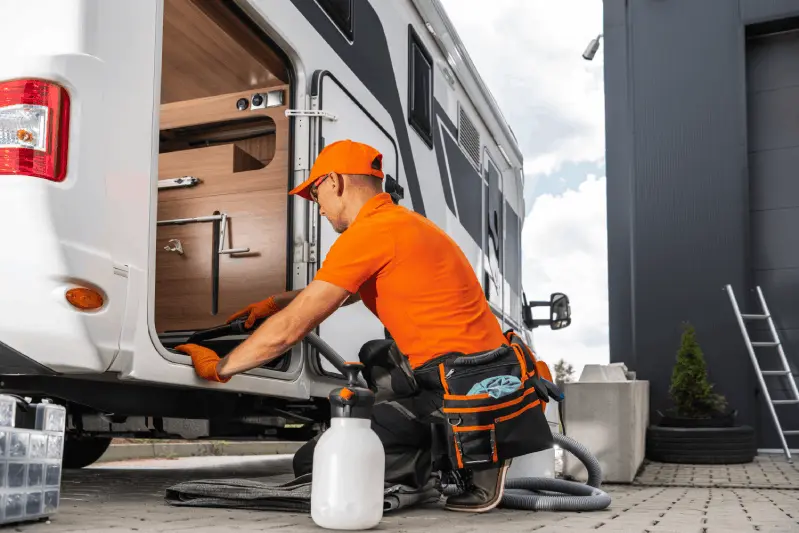
Since your caravan serves as both your home and your means of transportation, neglecting technical maintenance directly affects your quality of life. The condition of the tires, engine maintenance, brake systems, and moving parts must always be flawless. Additionally, the caravan's living battery, solar panels, water pump, and heating systems (Webasto, etc.) also require periodic checks. For full-time residents, creating an "unexpected breakdown fund" is essential. A blown tire or a malfunctioning inverter while on the road can completely disrupt your monthly budget. It is a sensible approach to create a monthly cost item by dividing the total of annual routine maintenance by 12. If the vehicle is older, this fund should be kept larger. Remember that failing to repair a small leak in time can lead to much larger expenses in the future, such as complete floor or wall renovations.
What Are the Annual Costs for Insurance, Taxes, and Legal Expenses?
Owning a caravan comes with certain unavoidable legal costs. At the top of these are the Motor Vehicle Tax (MTV), mandatory traffic insurance, and optional but highly recommended comprehensive insurance. Especially for motorhomes, the insurance premiums are higher than standard passenger vehicles because they include the value of the equipment inside. Additionally, costs for the annual vehicle inspection (TÜV) and any exhaust emission measurements must also be included in the budget. If your caravan has been converted from a special project, the costs for registration and project approval are initially a significant item, but in full-time living, these become part of the annual routine. These items are generally paid once or twice a year, but setting aside these amounts in monthly budget planning can prevent financial crises when payment time comes.
What Is the Cost of Basic Needs Such as Heating, Water, and Electricity?
In a caravan, electricity needs are generally met for free with solar panels, but during winter months or on cloudy days, obtaining external electricity support or charging batteries can incur additional costs. Water needs are usually met from free water points (fountains, gas stations), but in some areas, you may need to pay for water purchases or refills at campsites. Heating is one of the largest expenses during winter months. Diesel heaters (Webasto type) draw from the vehicle's own fuel tank and can consume several liters of fuel per day in cold climates. If you are using an electric heater and are not connected to a campsite, this can quickly drain your batteries. Therefore, living in a caravan during winter can be more challenging in terms of both energy management and financial aspects compared to summer. A monthly consumption of 30-50 liters of diesel should be allocated solely for heating.
How to Manage Internet and Mobile Communication Expenses?
If you are living in a caravan as a digital nomad or just want to stay connected with the world, internet access is a vital need. Mobile data packages can be costly, especially for those who consume high GB amounts. In Turkey, the "caravan packages" or high quota mobile lines offered by operators require a significant monthly subscription fee. For those seeking more professional solutions, satellite internet systems like Starlink come with high initial equipment costs as well as a monthly subscription fee. Additionally, the initial investment cost for signal boosters (router and antenna systems) should not be overlooked. If you are managing your business on the road, internet expenses should be considered as an "operating expense," but if it is solely for entertainment, its place in the budget should be evaluated carefully. Utilizing the Wi-Fi services of campsites can be a cost-effective way to avoid exceeding your data limit.
What Are the Costs for Personal Care, Hygiene, and Laundry?
The comfort of having a washing machine and dishwasher at home is generally absent in a caravan. To wash clothes, you need to use paid machines at campsites or go to self-service laundries in cities. The fees paid for each washing and drying cycle can add up to a significant amount by the end of the month. In terms of hygiene, using the caravan's own toilet increases water and gas consumption, while using external facilities (gyms, campsites) means additional subscription or entry fees. Personal care products, shampoos, and special chemicals used for the caravan toilet (deodorizers) are also ongoing expenses in this category. Choosing environmentally friendly and concentrated products helps protect the caravan's waste system and offers a more economical solution in the long run.
What Are the Hidden Small Expenses in Caravan Living?
When planning a budget, many small expenses that add up can often be forgotten. For example; highway and bridge tolls (HGS/OGS), parking fees paid when entering city centers, special materials needed for cleaning the interior of the caravan, replacing broken small kitchen utensils, and even expenses at cafes visited for social life. Additionally, due to limited space in the caravan, sometimes it may be necessary to buy new items instead of repairing them. Over-the-counter medications, vitamins, or entry fees for small local events encountered on the road should also be budgeted under "other expenses." Setting aside 5-10% of your total budget each month for "unexpected expenses" will also provide psychological relief.
What Are the Estimated Budget Tables According to Different Living Standards?
In caravan living, we can mention three basic budget models. The first is the "Minimalist/Eco Model"; here, the person spends 90% of their time in free areas, cooks their own meals, and travels little. In this model, costs can be kept at minimal levels. The second is the "Standard/Balanced Model"; camping is done 1-2 days a week, 1,000-1,500 km is traveled per month, and meals are eaten out occasionally. This model requires spending similar to a civil servant or white-collar salary. The third is the "Comfort/Luxury Model"; staying continuously at the best campsites, eating quality meals out every day, and having high insurance/tax expenses for a top-of-the-line caravan. The cost of this model can be comparable to a luxurious life in the city. When creating your own budget, you should analyze which of these models you are closest to accurately.
What Are the Most Effective Ways to Save While Living in a Caravan?
The golden rule of saving is to "slow down." Traveling fewer kilometers directly reduces fuel costs. Additionally, strengthening your solar energy system reduces your dependency on external energy and your need for campsites. Using water-saving faucet heads extends the intervals between water refills. Shopping seasonally and locally in the kitchen is more economical than shopping at chain markets. Learning to do your own maintenance and small repairs (excluding oil changes, light bulb replacements, fixing leaks, etc.) helps you save on labor costs. Finally, adopting a philosophy of simplicity and avoiding unnecessary purchases reduces both the weight of the caravan (and thus fuel consumption) and protects your wallet. Living in a caravan is not a journey of accumulation, but a journey of "reduction."
In Conclusion, Is It Possible to Give a Clear Monthly Figure?
When we sum up all these items, giving a single figure for the cost of full-time caravan living can be misleading; however, according to projections for 2024-2025 in Turkey, it can be said that the average monthly cost for a couple living full-time (including fuel, kitchen, camping, and general expenses) ranges between 25,000 TL and 45,000 TL. This figure can vary by 50% lower or higher depending on the model of your caravan, the route you take, and your luxury preferences. The important thing is to create at least a 6-month emergency fund before transitioning to this lifestyle and to closely monitor your income-expense balance with mobile applications. Caravan living does not promise you financial wealth, but with a well-managed budget, it offers invaluable freedom and a wealth of experiences.