Is Traveling Alone by Caravan Really Safe?
Traveling alone by caravan can be an extremely safe experience when the right precautions are taken and awareness levels are kept high. In fact, the risks in many parts of the world are not much different from those you encounter at home or in city life. The main difference is that you are in motion and your surroundings are constantly changing. Safety is not a fear factor, but a preparation process. As long as you know your limits, have control over your vehicle, and trust your instincts, this lifestyle will provide you with unparalleled self-confidence and independence. Remember that fear feeds on ignorance; therefore, being equipped is your greatest shield.
What Preparations Should I Make Before Hitting the Road?
Mental preparation is just as important as physical preparation for solo travel. As a first step, you should ensure that all mechanical maintenance of your caravan is completed. Learning every detail from tire pressures to engine oil levels will save you from being stranded. Additionally, it is important to plan your route in advance while remaining flexible. Research the safety of the areas you will be visiting through local forums or women traveler groups. Taking first aid training and practicing basic vehicle repairs (like changing tires, jump-starting, etc.) will significantly reduce your chances of needing help from others in case of roadside issues.
How Can I Ensure the Mechanical Safety of My Caravan?
Your caravan is both your home and your escape vehicle. Therefore, it is vital that the engine and running gear are always in working order. In addition to regular service maintenance, you should make it a habit to perform a "walk-around check" every morning before hitting the road. Simple checks, such as whether there is a leak under the vehicle, if there is a bulge in the tires, or if the lights are working, can protect you from major disasters. Also, you should never let your vehicle's battery status and fuel level drop below critical limits. Keeping the tank at least a quarter full ensures you have the energy needed to get away in an emergency.
What Should I Consider When Choosing a Place to Stay?
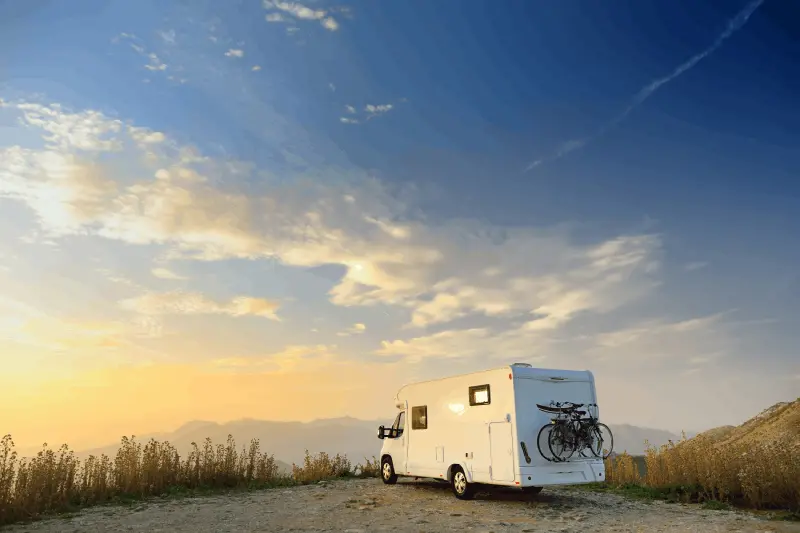
Choosing a place to stay constitutes half of your safety. Avoid arriving at a location after dark; it is much easier to analyze your surroundings in daylight. Check if the place you choose has good cell phone reception. If you are staying at a camping site, prefer well-lit spots that are not too far from the entrance and exit. If you are camping in the wild, make sure your vehicle is parked with its nose always facing the exit direction. This allows you to leave the area quickly without wasting time maneuvering if a problem arises at night.
Should I Stay in Wild Areas or Within the City?
Both options have their own advantages and risks. Parking in city lots or streets keeps you "in sight," but it can also bring the risk of theft. Wild areas allow you to be closer to nature, but they can make it difficult for help to reach you when needed. For beginners, safe camping areas or highly rated spots on apps like "Park4Night" are more suitable. As you gain experience, your instincts will tell you which area is more suitable for that night. Always being among the crowd but remaining anonymous is the best strategy.
What Equipment Do I Need for the Physical Safety of My Caravan?
Physical security equipment acts as deterrent walls against potential threats. Installing additional security locks (deadbolts) on caravan doors or applying security film to windows makes it harder for thieves. Additionally, motion-sensor alarms installed inside the vehicle and outdoor lighting help you notice someone approaching in the dark. Another important piece of equipment is a "steering wheel lock"; this reduces the likelihood of your vehicle being stolen. If possible, even having a small sign that says "this vehicle is being tracked" outside can create a psychological deterrent.
What Should My Boundaries Be When Communicating with Strangers?
Social interaction is a beautiful part of caravanning, but as a solo woman, you need to act strategically. You don’t have to immediately tell people you are traveling alone. Small white lies like "My partner/friend will be here soon" or "I will meet my group of friends ahead" can provide a layer of security. Avoid giving too many details about your private life, your next stop, and the interior layout of your caravan. A polite but distant attitude will make it clear to those who might want to harm you that you are not an "easy target." It is important to recognize when a friendly conversation turns into an interrogation.
How Do Social Media Posts Affect My Safety?
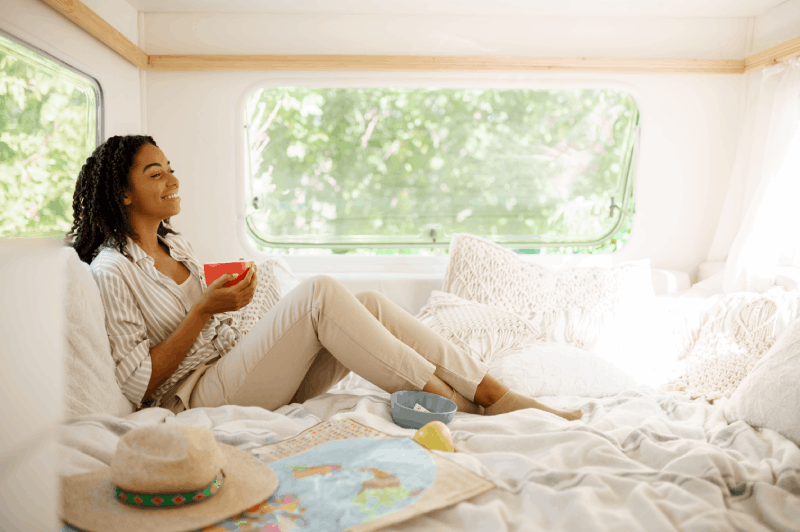
Leaving a digital footprint can jeopardize your safety in the physical world. The most basic rule is to avoid sharing your location "in real-time." Posting after you have left a place makes it impossible to track where you were. Try to hide your vehicle's license plate, exact model, or distinguishing features in your stories or posts. Also, avoid emphasizing that you are alone inside the caravan. Be very careful when translating social media friendships into real life, and always meet for the first time in crowded, public places. Remember, not everyone on the internet may be as innocent as they seem.
Do I Have a B Plan for Emergencies?
At any moment during your trip, you should have an answer to the question "What if this happens?" A B plan is not just a mental preparation but a state of being physically prepared. Make sure your keys are always in the same place and within reach when you go to bed at night. Do not leave any items (bags, clothes, etc.) in the driver's seat; in case of danger, you should be able to jump into the seat and turn the ignition immediately. Determine in advance which direction you will go in case of an attack or natural disaster. Also, keep a power bank charged in case your phone runs out of battery, and keep a written list of emergency numbers handy.
How Can I Use Technology for Safety?
Technology is the greatest ally of solo women travelers. Security apps (panic buttons, location-sharing tools) that you download to your smartphone can be lifesaving. Sending your "Live Location" to a trusted family member via Google Maps or WhatsApp allows someone to track you at all times. Additionally, a simple GPS tracking device placed inside the caravan can help you locate it in case of theft. Using a dash-cam (in-vehicle camera) provides evidence in case of an accident and records surrounding movements while the vehicle is parked, ensuring safety. Trust technology, but proceed with backups without becoming completely dependent on it.
How to Deal with Uninvited Guests at Night?
Hearing a knock on the caravan door or suspicious sounds from outside in the middle of the night is one of the scariest scenarios. In this case, the most important rule is not to panic. If the person outside claims to be an official (police, guard, etc.), ask them to show their ID through the window without opening the door. If the situation seems suspicious, press the caravan's horn for a long time; this will attract attention and scare off the aggressor. Never try to go outside to check what happened. Instead, jump into the driver's seat and start the engine, quickly getting away from there. Do not stop until you reach a safe place, and if necessary, call the authorities while on the road.
What Defensive Items Should I Keep With Me?
When it comes to defensive tools, you must check local laws. Carrying pepper spray is legal in most countries and is an effective self-defense tool. However, you need to practice using it. Additionally, high-pitched "panic alarms" (keychain alarms) are great for startling an aggressor without requiring physical contact. A powerful flashlight (especially those with strobe mode) can be used to temporarily blind someone in the dark. Some women travelers prefer to place a large men's shoe or a dog food bowl at the entrance of the caravan to create the impression that they are not alone inside. Such psychological defense methods can sometimes be more effective than physical tools.
How Much Should I Trust My Instincts?
Your instincts are the most advanced security system that millions of years of evolution have provided you. If a place feels "wrong," no matter how beautiful the scenery is, do not stay there. Even if you cannot find a logical explanation, take that uneasy feeling inside you seriously. Many women who travel solo report that they felt "something was off" before experiencing negative incidents, but they suppressed that feeling with their logic. The advantage of being in a caravan is that your home is on wheels; if your feelings are negative, all you have to do is turn the ignition. There is no view or parking spot more important than your own peace of mind.
What Should I Do If My Caravan Breaks Down?
Mechanical breakdowns can be an unavoidable part of solo travel. When your vehicle breaks down, your first priority should be to move to a safe location. Turn on your hazard lights and place your reflective triangle according to regulations. Having a reliable roadside assistance service is very important at this stage. Be cautious when seeking help from strangers; do not allow anyone who says, "I can check the engine" to enter your vehicle. Staying locked inside the caravan until help arrives is usually the safest option. If you are in a wild area, you should conserve your phone's battery and clearly communicate your exact location (coordinates) to the rescue teams.
What Are the Biggest Risks for Women Traveling Solo?
Risks generally revolve around theft, harassment, or mechanical issues rather than physical violence. One of the biggest risks is becoming careless due to excessive confidence or, conversely, excessive fear. Encounters with wild animals in remote areas or sudden weather changes are also serious risks. Socially, being targeted by ill-intentioned individuals who notice you are alone is a risk. However, all these risks can be managed with planning and awareness. Being aware of risks does not make you defenseless; on the contrary, it makes you stronger. When you establish that fine balance between being alert and enjoying your trip, risks are minimized.
How to Establish a Safe Sleeping Routine?
A peaceful sleep is essential for the safety of the next day's journey. Before going to bed at night, ensure that all doors are locked, windows are closed, and ventilation is secure. Completely close your curtains to prevent anyone from seeing inside (especially to know how many people are inside). Do not leave your shoes in front of the door; bring them inside. Many women travelers use methods that make it impossible for doors to be opened from the outside by stretching a seatbelt or chain between the driver and passenger seats. Keeping a flashlight, phone, and, if necessary, defensive spray by your head will help you feel safe if you wake up suddenly at night.
What Should Be in My First Aid Kit?
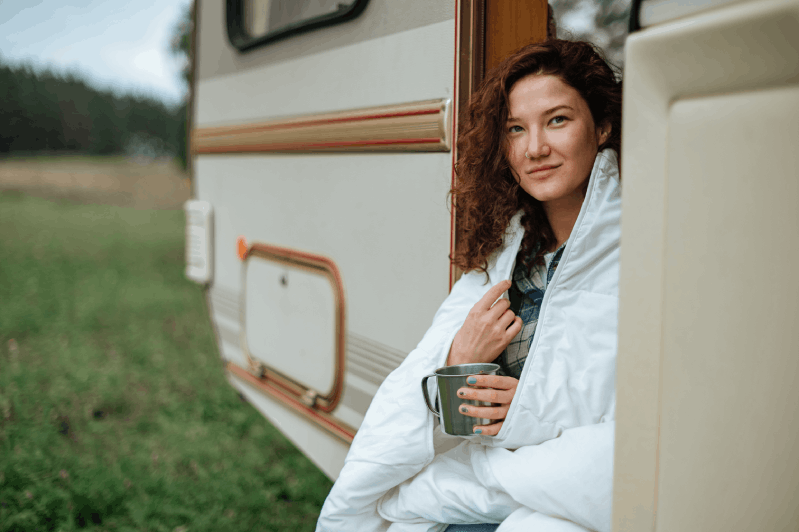
A health issue can cause panic during solo travel. Your first aid kit should contain basic dressing materials, as well as pain relievers, fever reducers, allergy medications, burn creams, and digestive system medications. If you have regular medications, keep backups in an easily accessible but secure place. Additionally, having a non-digital thermometer and blood pressure monitor can help you track your condition. Keeping a card in your kit with your blood type, any allergies, and a list of people to contact in an emergency will facilitate the work of those intervening in a scenario where you cannot speak.
How to Ensure Safety When Encountering Animals?
When camping in nature, wild animals will be your neighbors. The biggest rule is to never leave food or trash outside the caravan; this attracts animals like bears, boars, or wolves directly to your campsite. If you need to go outside at night, always use a strong light and make noise; animals usually flee from humans. If you are traveling in areas where bears are present, it is vital to have "bear spray" and store food in odor-proof containers. For small but dangerous creatures like snakes or scorpions, you should never leave your shoes outside and must check them before wearing. Remember to stay respectful and distant, acknowledging that you are a guest in nature.
Why Are Privacy and Blackout Curtains Important?
The inside of the caravan is your private space. Quality blackout curtains or window coverings not only block light but also prevent the life inside from being observed from the outside. If it is visible from outside whether there is just one woman inside or a crowded group, this ambiguity serves as a deterrent for ill-intentioned individuals. Especially when the lights are on at night, ensure that your silhouette is not reflected outside. Some travelers apply reflective films to their windows to see outside during the day while preventing anyone from seeing inside. Privacy is the quietest yet most effective component of safety.
Who Should I Share My Route With?
Even if you are alone, you should actually be a part of a network. Inform at least one trusted person (family member or close friend) about your route and places you will stay every day. Establish routines like "I will arrive at the destination at this hour, and I will message you when I get there." If you do not receive a message at the specified time, pre-determine what that person should do (which numbers to call, how to reach your last location). This "check-in" system ensures that search and rescue efforts can start much faster in case of a problem. Sharing information with the right people, not everyone, is your biggest life jacket on the road.
How Can I Manage Fear While Traveling Alone?
Fear is a natural reaction to the unknown. Instead of trying to eliminate it, you should learn to manage it. When you feel scared, practice deep breathing exercises and rationalize the situation: "Is that sound outside really a person or just the wind?" Knowledge and preparation reduce fear. Initially, stay in busier camping areas to acclimate yourself, then gradually move to quieter places. Take self-defense classes or basic mechanical training to boost your confidence. Remember that every successful solo woman traveler was scared at the beginning; what makes a difference is continuing on your path despite fear but in a prepared manner.
How to Quickly Plan an Escape from the Place I Parked?
A quick evacuation plan can save lives in caravanning. From the moment you park, plan your exit route. Do not squeeze the caravan into a narrow corner where you will have to reverse. The steering wheel should always face an open road. Before going to bed, clear the driver's seat and place your shoes conveniently next to you. The vehicle's key should always be in the ignition or very close (perhaps on a keychain around your neck or wrist). If you sense danger, focus on getting into the seat and driving away without wasting time changing clothes or gathering belongings. Material possessions can always be replaced, but your safety is the primary priority.
How to Establish Solidarity with Other Caravanners?
The caravan community is generally a helpful and supportive group. Getting to know other caravanners (especially families or other women travelers) provides you with a security network. The understanding of "We watch out for each other" is very common in camping areas. However, be selective when establishing this solidarity. Offering help to people or making small requests (like "Can you keep an eye on my caravan while I go to the market?") will help you build connections. You can access current road and safety information by following the radio channels or internet groups used by caravanners. Feeling like a part of a group will reduce the feeling of loneliness and the accompanying anxieties.
What Is the Relationship Between Caravan Insurance and Safety?
A good insurance policy is not just a financial guarantee but also a source of peace of mind. In addition to comprehensive collision and liability insurance, always check for "roadside assistance" services. Knowing that you can get professional help in situations like a flat tire, running out of fuel, or locking your keys inside protects you from stress. Additionally, obtaining personal accident insurance can alleviate the financial burden of health issues that may arise while traveling alone. Keep copies of your insurance documents in digital form (cloud storage) and in a physical folder. Include a list of steps to take in case of an accident or theft next to your insurance policy.
Why Is It Important to Protect Mental Health While Traveling Solo?
Safety is not just a physical condition; if your mind is tired or cloudy, you cannot make the right decisions. Loneliness can sometimes be heavy, leading to distractions. Regular sleep, healthy eating, and visual communication with loved ones increase your mental resilience. Allow yourself "stop and rest" times; you do not have to drive hundreds of kilometers every day. If you feel excessive stress or unease, take a break for a few days in a safe and comfortable hotel or with someone you know. A healthy mind is the best mechanism for analyzing surrounding risks and generating the fastest solutions.
Do Safety Rules Change in Different Cultures and Countries?
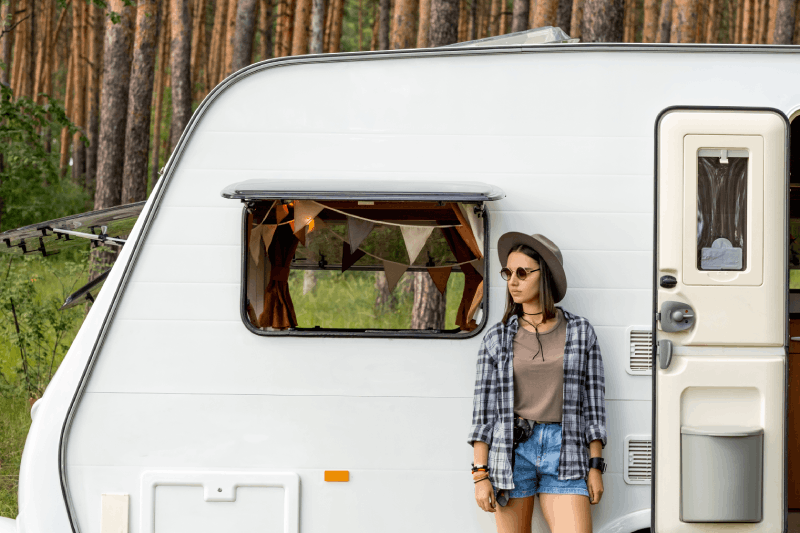
Yes, every geography has its own unique safety dynamics. A wild camping area that is very safe in one country may be prohibited or dangerous in another. Before crossing borders, research the reputation of the target country for women travelers. Adhering to local dress codes and traditions at a minimum level prevents you from drawing too much attention as a "foreigner" and reduces the risk of harassment. In some countries, you may encounter situations like bribery or fraud; learn how to behave in such situations in advance. Save consulate numbers on your phone and memorize the emergency numbers (police, ambulance) in that country.
How to Store Valuable Items Inside the Vehicle?
Creating "hidden compartments" inside the caravan is a smart solution against the risk of theft. Instead of keeping your passport, cash, and important documents in one place, distribute them to different locations. Store expensive equipment like laptops or cameras in places that are not visible from the outside (under seats, in hidden cabinets). Some travelers even leave a "fake wallet" with a small amount of money in an easily accessible place while hiding their real wallets deeper. It may not always be possible to take all valuable items with you when leaving the caravan, so having a "safe box" inside the vehicle and securing it to the structure provides extra security.
Do GPS and Tracking Devices Save Lives?
In the modern world, getting lost should no longer be an option. GPS devices not only help you find your way but also serve as proof of where you were in an emergency. Satellite communication devices (like Garmin InReach) allow you to send emergency signals and communicate even in the most remote areas where your phone may not work. A tracker installed in your vehicle sends alerts to your phone if the caravan is moved without permission. These technologies create an invisible shield of protection for women traveling solo. Regularly check the batteries and subscriptions of your technology to ensure they are active at all times.
Does Solo Travel Increase Confidence and Safety for Women?
Absolutely yes. The presence of a self-sufficient woman who solves her vehicle's problems and determines her own route sends a strong signal to the outside world. Acting like a "victim" rather than a "master" deters potential aggressors. Confidence allows you to analyze danger more calmly. When you realize that you can solve problems without panicking, you will see that you can overcome many challenges. This inner strength is your greatest defense mechanism. Every experience you gain makes you a more informed and therefore safer traveler. Trust in your own strength; it is your most loyal travel companion.
What Are the Routine Safety Checks for Long-Term Travel?
Safety is not a one-time check but a lifestyle. Weekly, check the underside of the caravan, the tires, and the locking systems. Check the pressure and expiration date of your fire extinguisher. Test the batteries of your gas leak detector. Also, make it a routine to update your digital security; change your passwords and have brief evaluations with the people you share your location information with. Check if the first aid supplies in your kit are running low. These routines help you catch potential major problems while they are still small. Although routines may seem strict, they are your biggest safety belt on the road, and discipline is the foundation of freedom.
How to Prepare for Weather Conditions and Natural Disasters?
Nature does not only offer beauty; it can also show its harsh face. Situations like storms, floods, or heavy snowfall can cause you to be stranded in your caravan. Throughout your journey, frequently check weather apps (especially those with radar tracking). Avoid parking in riverbeds or at the base of steep slopes. In emergencies, keep at least 3-4 days' worth of clean water and non-perishable food (like canned goods) in the caravan. Ensure that your caravan's insulation is suitable for seasonal conditions. If you need to leave your vehicle in the event of a natural disaster, always have an "emergency bag" (documents, money, medications, and a change of clothes) ready.
Is It Possible to Step into Freedom with Confidence While Traveling by Caravan?
All these preparations and points to consider should not intimidate you; rather, they should empower you. Thousands of women traveling solo by caravan enjoy this freedom every day around the world. With the right equipment, the right information, and most importantly, the right mindset, the risks in the outside world become manageable. Safety rules are not meant to restrict you but to make this unique experience sustainable. Take your instincts with you, prepare yourself, and hit the road. The views you will see, the people you will meet, and most importantly, the "self you" you will discover will far outweigh any security measures you take. May your path be open and safe.