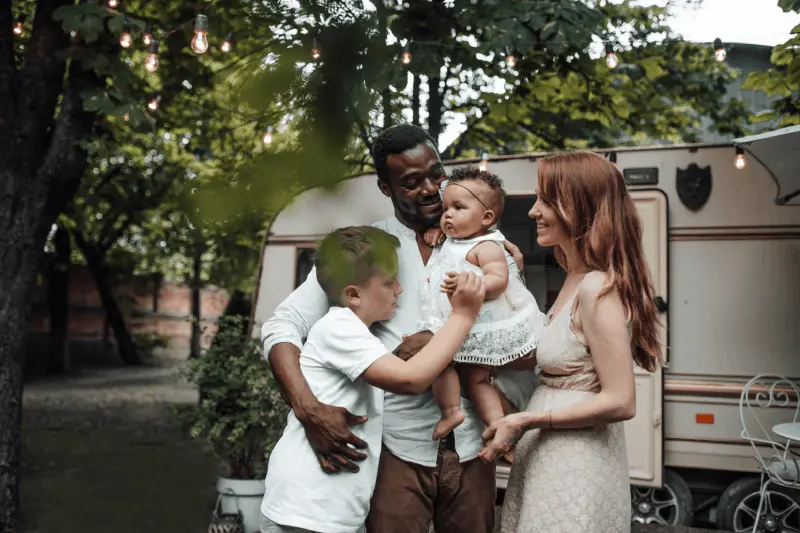
Traveling by caravan means hitting the road, waking up to a different view every morning, and enjoying the taste of freedom. However, when you have a child with you, you need to add a bit of planning, plenty of patience, and strategic rules to this romantic picture. For children, a caravan is more of a mystery box waiting to be explored than a wheeled house. In this article, you will find the 5 critical rules that won't turn your journey into a nightmare, but rather strengthen your family bonds, along with all the details you may wonder about.
Why is Caravan Holiday an Unforgettable Experience for Children?
Children are natural explorers, and caravan life offers them the opportunity to fully experience this passion for discovery. Being in a different forest, by a lake, or at the seaside every day allows them to disconnect from screens and hear the real sounds of nature. Touching the ground after coming out from between concrete buildings, watching the stars, and taking responsibility in their own little living spaces greatly contributes to a child's self-confidence development. A caravan holiday is not just a trip; it is also a practical learning process about life. In this process, children learn to be happy with less and to respect nature.
How Should Safety Priorities Be Determined in a Caravan? (RULE 1)
When traveling with children in a caravan, safety should always come first on the list. It is vital that the child is seated in an approved child seat with a seatbelt fastened while the vehicle is in motion. You must ensure that the items inside the caravan are secured in such a way that they won't fly around during a sudden braking. Kitchen utensils, heavy books, or toys can turn into projectiles. Additionally, safety doesn't end when the caravan stops; the door locks must be child-safe, and the windows should be adjusted so that children cannot lean out. Equipment such as fire extinguishers, smoke detectors, and gas leak alarms must be in working order, as these are elements that should never be compromised for your child's safety.
What Equipment Should Be Used for Children's Safety During Travel?
Just having a child seat is not enough; it must be installed in harmony with the caravan's chassis. The rear seats in a caravan may not be as supportive as those in standard passenger vehicles; therefore, it is crucial to check for the presence of ISOFIX attachment points. Additionally, supportive cushions to prevent the child's neck from bending during long journeys and quality curtains installed on the windows to protect from sunlight will enhance comfort while also supporting safety. Teaching the child through games that they should not get up during the journey will minimize risks in case of a sudden maneuver.
How to Make the Living Space Inside the Caravan "Baby-Friendly"?
You should carry over the safety measures you have at home to the caravan. Protectors for sharp corners, locking systems for drawers, and protective barriers in front of the stove are much more important in a caravan because space is limited. By designating shelves at heights that children cannot reach, you should store medications, cleaning supplies, and sharp tools there. Additionally, the steps of the caravan pose a risk of falling for children; adding small LED lights that turn on at night or installing non-slip tape in these areas will help prevent nighttime accidents. The material used on the floor should also be easy to clean and soft, as it will absorb impacts in case of potential falls.
How Should Travel Planning and Flexibility Be Balanced? (RULE 2)
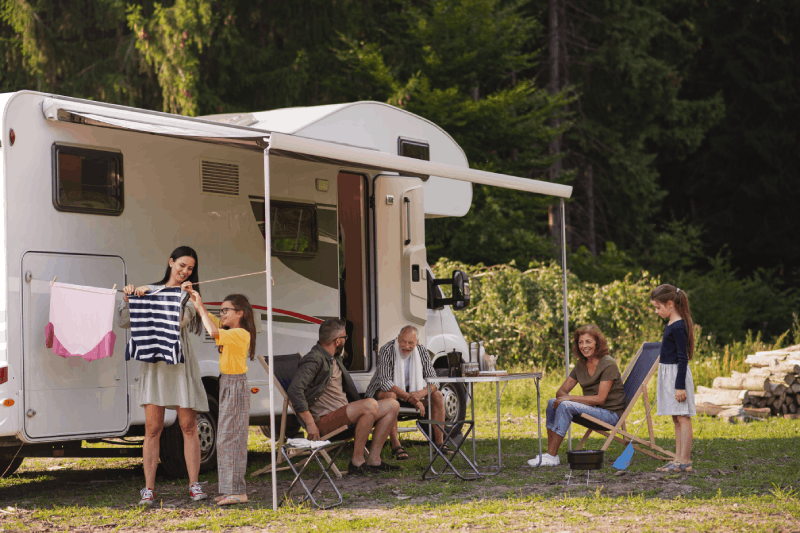
The second golden rule of traveling with children in a caravan is to place "flexibility" at the center of your plans. Adults can travel for 8-10 hours a day, but for a child, this can turn into torture. You should adopt the principle of "less travel, more breaks" when making your plan. Instead of focusing on your destination, make the process enjoyable by stopping at parks along the way or by riverbanks. If your child is cranky that day or is overly excited somewhere, don't hesitate to change your route. This is the biggest advantage of a caravan; if you don't have the worry of making hotel reservations, keeping pace with your child's rhythm will enhance the quality of the trip.
How Should Daily Travel Durations Be Adjusted According to Children's Ages?
The ideal travel duration for young children should generally not exceed 2-3 hours. For babies, this duration can be even shorter, as staying in the same position for a long time is not suitable for muscle development. While school-age children may be a bit more resilient, they should be given 20-30 minute breaks every 1.5 hours to run around and expend their energy. Aligning the travel schedule with the child's nap times can help you pass a significant portion of the journey peacefully. While some parents may consider night travel an option, it is important to remember that caravan travel should be done during the day and with a refreshed mind.
What Criteria Should Be Considered When Choosing Child-Friendly Caravan Camps?
Not every campsite may be suitable for staying with children. It is a great advantage if the area you choose has a safe playground, clean shower/toilet facilities, and preferably a children's pool. A flat and grassy ground allows your child to play freely in front of the caravan. Also, check if the campsite is social; in places where there are other families with children, your kids will quickly make friends, allowing you to relax. From a safety perspective, it is a great source of peace for parents if the campsite is surrounded by fences and if the entrances and exits are controlled.
Why is Maintaining Travel Routines So Important? (RULE 3)
Children love predictability, and this gives them a sense of security. Even though the environment in a caravan may constantly change, keeping the timing consistent will speed up the child's adaptation process. This is our third rule: Meal times, sleep rituals, and play times should be as close to the home routine as possible. Keeping a child who usually sleeps at 8:00 PM up until midnight just because "we're on vacation" can lead to a restless next day. Bringing a familiar sleep companion from home, their favorite pillow, or the storybook you read can make the caravan's small bed the safest harbor in the world for them.
How to Optimize the Sleep Arrangement in a Caravan?
Establishing a sleep arrangement in the cramped space of a caravan can be challenging, but it is not impossible. You must ensure that the area where the child sleeps is dark enough and not affected by external noises (generator noise, sounds from neighboring camps). If your caravan has a bunk bed, a safety rail must be used for the child sleeping on the upper bunk. Temperature control also determines the quality of sleep; depending on the caravan's insulation, it can get very cold at night or warm up quickly in the morning sun. Providing warmth with appropriate sleeping bags or blankets according to the season is essential for uninterrupted sleep.
How to Manage Meal Routines in Caravan Conditions?
The caravan kitchen may be small, but this does not mean that you have to eat unhealthily. Offering the flavors your child is accustomed to in the caravan will maintain their comfort. Save time by preparing practical yet nutritious meals (fresh vegetables added to pasta, quickly prepared fruit platters). Eating in the heart of nature can be a memorable experience for children. However, when cooking over a campfire, ensure that the child is at a safe distance from the fire. Additionally, if you are unsure about the cleanliness of the water, you should use bottled or purified water to prevent gastrointestinal issues.
How to Combine Fun and Education in Nature? (RULE 4)
Our fourth rule is to turn nature into a classroom. Caravan travel is a great opportunity to teach children biology, geography, and environmental awareness on-site. Examining the plant species in the places you visit, trying to distinguish bird sounds, or studying star maps will broaden children's horizons. However, don't just rely on nature; make sure to have their favorite toys, coloring books, and board games on hand for rainy days or long travels. While digital screens may seem like a lifesaver, saving them only for emergencies (very long and tedious roads) would be more appropriate for the purpose of the trip.
What Activities Can Be Planned Inside the Caravan on Rainy Days?
The weather may not always be sunny. On a day when you are trapped inside the caravan, you can turn the space into a playground. Games filled with small clues like "Treasure Hunt Inside the Caravan" can keep children entertained for hours. Baking cookies together or trying simple recipes is both educational and fun. Additionally, you can use the tablets you brought along not just for watching movies but also for interactive puzzles or educational apps. These moments are actually invaluable opportunities to strengthen family bonds and learn patience in a confined space.
How to Deal with the Clutter of Toys and Items in a Caravan?
The "less but better" rule is a lifesaver in a caravan. You cannot take every toy your child owns with you. Instead, prefer toys that can be played with in multiple ways, such as Legos, play dough, or magnetic tablets. Storing toys in transparent and locked boxes will help you quickly find what you are looking for and prevent clutter. Deciding together with your child which 3-4 main toys to take before boarding the caravan will instill a sense of responsibility in them. Additionally, stones, pine cones, or branches collected from nature can also turn into temporary but very creative toys in the caravan; returning them to nature when you are done will be an environmentally friendly lesson.
How Should Health and Hygiene Conditions Be Maintained? (RULE 5)
Our fifth and final rule is to not compromise on hygiene despite limited water and space resources. Children will come into contact with mud, soil, and animals in nature, which is great for their immunity. However, you must diligently maintain the habit of washing hands before and after meals, as well as after using the toilet, even in the caravan's small sink. If you have limited water, quality wet wipes and disinfectants can provide temporary solutions. Regularly emptying the caravan's waste water tank (gray water) and preventing unpleasant odors inside will directly affect your quality of life.
What Should Be in the Caravan First Aid Kit for Children?
Minor accidents are inevitable in a caravan. Your first aid kit should definitely include child-friendly fever reducers, pain relievers, antiseptic solutions, band-aids, and sterile gauze. For your time in nature, creams for insect bites, tick bites, and sunburns are essential. If your child has a regular medication or allergies, check that your supplies are complete before hitting the road. Additionally, marking the locations of the nearest hospitals or clinics on your map for your route will prevent panic in case of an emergency and save time.
How to Support Children in Socializing with Other Caravanners?
Caravan camps are excellent places for social interaction. Encourage your child to meet other children and play together. This will develop their social skills while giving you time to enjoy a cup of coffee. However, you should also teach your child to respect the privacy and quiet of other families and caravanners. Explaining that they should not enter others' living spaces while running around the campsite is the most practical way to teach community living rules. Socializing is one of the most enjoyable aspects of caravan life, and when managed correctly, it can lay the foundation for lifelong friendships.
What Life Skills Do Caravan Travels Teach Children?
Ultimately, caravan travel is not just a vacation for a child; it is an enriched life course. They learn to use limited resources (water, electricity, space) efficiently, adapt to changing conditions, be responsible towards nature, and derive great happiness from small things. Those narrow but intimate moments spent together in the caravan plant the seeds for the most beautiful memories to be shared in the future. A journey you undertake by adhering to the 5 rules above will turn into an incredible discovery story that will change both your and your child's perspective. Safe travels!