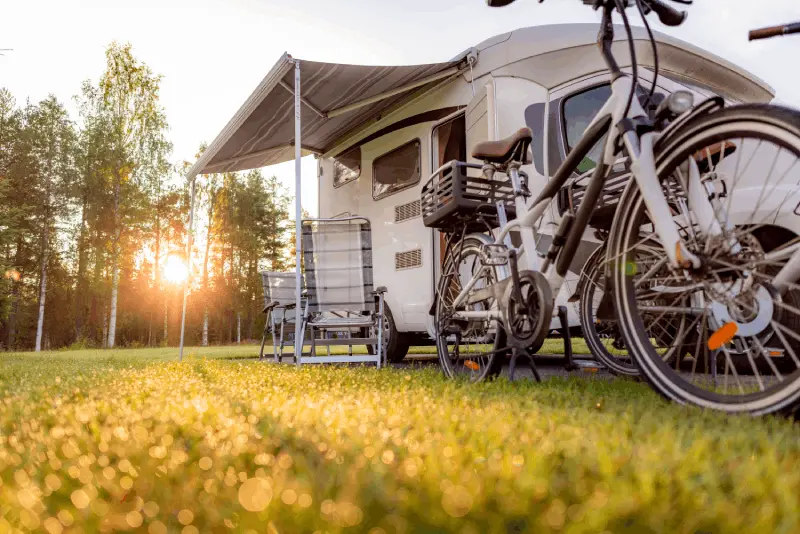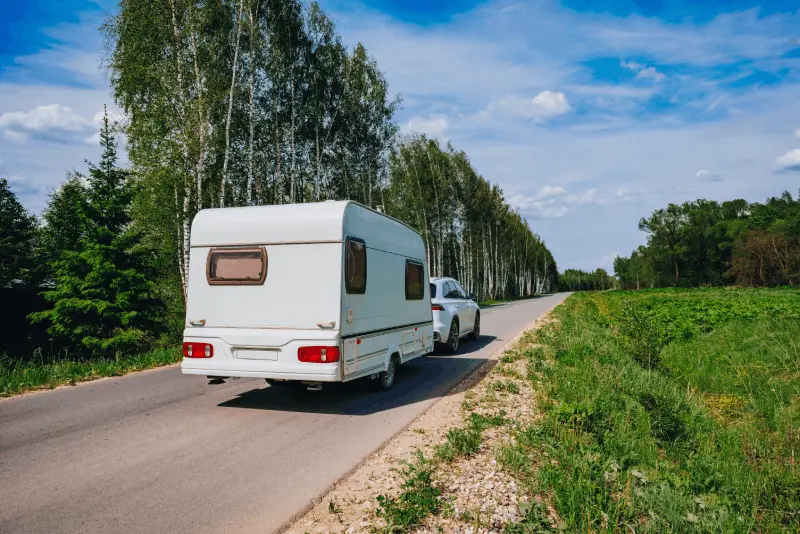
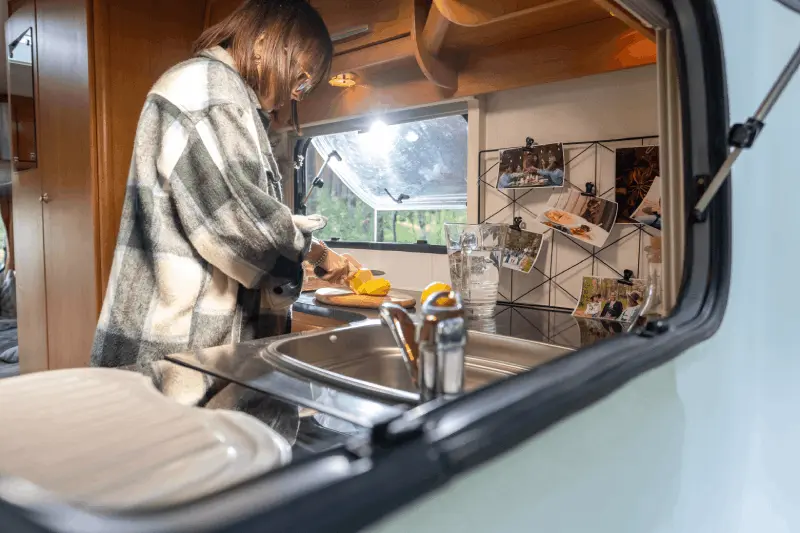
While enjoying the freedom of the caravan, one of the biggest challenges we face is the limited water capacity. When you are not connected to the city water supply, every drop of water becomes as valuable as gold. The dishwashing process is the area where the most water is consumed in the kitchen.
Why Does Accumulating Dishes Lead to Water Waste?
Accumulating dishes may seem like a time-saving strategy, but it is actually a hidden enemy that increases water consumption. Dried food residues stick to plates, and removing these stains requires much more water and scrubbing. While fresh dirt can be easily removed with a napkin or a little water, you may have to run water for minutes to deal with the waiting stains. Therefore, intervening immediately after a meal is the most fundamental rule to extend the life of your water tank. The principle of washing less but often should be adopted as the golden rule of caravan kitchens.
How Does Using a Spray Bottle Shorten Rinsing Time?
Filling a spray bottle with water and a tiny amount of natural dish detergent works wonders in the caravan. Instead of turning on the tap to soak the plate, you can control the concentration of the detergent when you spray this mixture onto the dirty surface. Since you minimize the amount of foam, you won't need to waste liters of water during the rinsing phase. Just one spray and then wiping with a damp cloth often cleans without needing to submerge in water. This method is revolutionary for lightly soiled dishes.
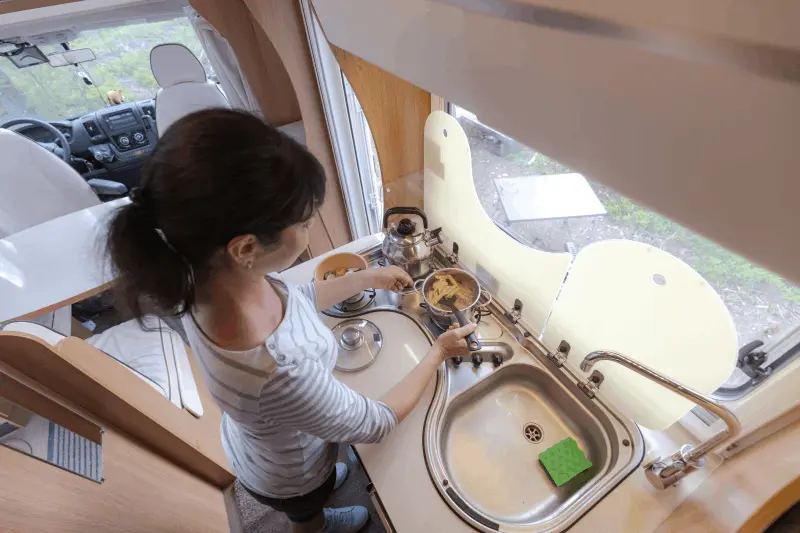
How Effective is Vinegar Water Mixture in Breaking Down Grease?
Thanks to its acidic structure, vinegar has the ability to break down grease naturally. The vinegar water you prepare in a container is ideal for pre-cleaning dishes. Instead of submerging greasy pans directly in water, soaking them in vinegar water ensures that the grease easily separates from the surface. This way, you won't need harsh chemicals or tons of water to rinse them off. Additionally, since vinegar has disinfectant properties, it helps you achieve hygienic results with less water and preserves that valuable volume in your water tank.
Does Using a Silicone Spatula Eliminate the Need for Pre-Washing?
One of the simplest yet most effective tools in the kitchen, silicone spatulas can play a leading role in water conservation. Scraping off the remaining sauces in pots and plates with a spatula right after cooking reduces the dirt load on the dishes by about 90%. There is a huge difference between cleaning a plate that hasn't been scraped and one that has been. This small habit allows your gray water tank to fill up more slowly while also letting your clean water tank last longer.
Is Using a Damp Cloth Instead of Paper Towels an Eco-Friendly Solution?
While many campers turn to paper towels for water conservation, this both produces waste and is costly. Instead, using lightly dampened microfiber cloths to tackle heavy dirt on plates is a much more sustainable approach. By lightly wetting the cloth to wipe the plate, you achieve a clean surface that has just come out of the dishwasher and only requires a final "polishing" rinse. This method minimizes water consumption because it relies on the mechanical cleaning power of the cloth rather than the flow of water, reducing your environmental impact.
How to Set Up a Two-Compartment Sink System in a Caravan?
If your caravan has a single sink, you can create your own two-compartment system using two plastic basins. The first basin is for soapy water, and the second is for rinsing water. Instead of washing dishes one by one under running water, cleaning them in these basins can reduce water consumption by up to 70%. After softening and cleaning the dirt in soapy water, it is sufficient to dip and rinse in the clean water of the rinsing basin. Instead of discarding the rinsing water when it gets dirty, using it as the soapy water for the next wash is an advanced saving technique.
Do Biodegradable Soaps Really Affect Water Consumption?
Standard dish detergents sold on the market have a lot of foaming properties, and rinsing off this foam requires plenty of water. However, biodegradable and natural ingredient soaps provide the same cleaning power while producing less foam. Less foam means less rinsing. Additionally, since these soaps do not harm nature, they may allow you to use your gray water for purposes like watering plants (within legal limits) in some cases. Choosing the right detergent in the caravan is not only a matter of environmental awareness but also directly relates to water tank management.
How Do One-Pot Meals Reduce Dishwashing Load?
The choices you make during the cooking phase directly determine your water consumption during the dishwashing phase. One-pot meals minimize the number of pots used during both preparation and serving stages. Instead of using a separate pot for pasta, a separate pan for sauce, and a strainer, handling everything in one pot reduces the number of items that need washing by a factor of three. Fewer dirty dishes mean less water consumption. This style of cooking also increases your mobility in the limited space of a caravan kitchen.
Is Steam Cleaning Technology Accessible for Campers?
Small and portable steam machines offer a modern solution for water conservation in caravans. These devices convert a tiny amount of water into steam at high temperatures, even breaking down the most stubborn greases in seconds. Since you don't need to use chemicals, the need for rinsing is also eliminated. Using steam on hard-to-wash items like oven trays or grill racks allows you to finish the job with just a few milliliters of water compared to the liters you would normally use. Although there is an initial investment cost, water is extremely valuable. It is life-saving in drought-prone areas.
Is it possible to reuse gray water?
Although it is difficult to recover gray water (dishwater) directly as drinking water, it can be reused in some coarse cleaning tasks. For example, you can set aside the relatively clean water left from the rinsing phase and use it to soften the insides of the next heavily soiled pot. This "stepwise usage" model ensures that water is used with maximum efficiency before it drains from the system. However, the important point here is to carry out this process quickly to prevent bacterial growth due to food residues in the water.
Is using a foot pump for water control efficient?
The electric pumps standard in caravans provide high flow water as soon as you turn on the tap. This often leads to more water flowing out than you need. The foot pump system, on the other hand, only provides water when you press your foot down and in proportion to the force you apply. You won't have to bother turning off the water while your hands are full with soapy dishes; you just pull your foot. This mechanical control can save nearly 50% of water by preventing uncontrolled flow during rinsing. Although installation may be a bit cumbersome, it is one of the most effective methods in the long run.
Should low-flow faucets be preferred in kitchen design?
While faucets used in homes can discharge 8-10 liters of water per minute, specially produced aerators for caravans can reduce this amount to below 2 liters. These faucets, which mix water with air to make it feel like higher pressure, actually use much less water. The high pressure of the water helps to remove dirt while washing dishes; however, achieving this pressure is dependent on air pressure, not the amount of water, which protects your water tank. If you have an old-style faucet, simply installing an aerator can start saving water immediately.
Does washing with cold water prevent water waste?
Waiting for hot water to arrive while the cold water left in the pipes runs out is a common water waste encountered in caravans. If your faucet is far from the sink, you can collect the water that runs while waiting for hot water in a container. Additionally, washing some lightly soiled dishes directly with cold water and effective soap not only saves energy but also prevents the loss of hot water through evaporation. Avoiding hot water waste for greasy glasses and fruit plates should be part of your water management plan.
Is using common areas in campgrounds a strategy?
If you are staying at a campground, it is most logical to use the dishwashing areas provided by the facility instead of using your own water. This helps you conserve your clean water tank and prevents your gray water tank from filling up. Water conservation in caravanning means not only "using less" but also "protecting your own source." When you need to wash in your own caravan, you can clean without straining the system inside the caravan with a bucket of water you carry from the campground.
Is drying dishes in the sun hygienic and economical?
Using extra cloths for drying after washing and using more water to wash those cloths is a vicious cycle. After washing dishes, laying them on a clean rack and letting them dry under the sun allows you to benefit from the natural disinfectant effect of UV rays. The sun prevents the growth of bacteria while saving you from the hassle of washing drying cloths. Water conservation is also related to reducing the need for washing cloths indirectly. Dishes drying in the open air also reduce the humidity level inside the caravan, providing a healthier living space.
Is wiping plates with bread an old tradition or a way to save?
Wiping plates with bread, which is common in Anatolian culture, is actually an excellent method of saving in a caravan. When you clean the sauces left on your plate with a piece of bread at the end of a meal, you almost reduce the amount of grease and residue on the plate to zero. This way, you only need a spray of water and a cloth to clean that plate. This habit, also known as "circumcision," prevents waste and ensures that your dishwater stays much cleaner. Pragmatic solutions in caravanning can always overlap with traditions.
Do sponges that do not contain microplastics hold water better?
Ordinary plastic sponges absorb water quickly and require a lot of water to rinse out the detergent inside. However, natural sponges made from loofah or coconut fibers use water more efficiently and rinse easily. These natural fibers provide more scrubbing with less water while scraping dirt off surfaces. Additionally, thanks to the porous structure of these sponges, leftover food particles are easier to clean, so you don't waste extra water to clean the sponge. Eco-friendly kitchen equipment are the unsung heroes of water conservation.
Do collapsible sinks provide ease of storage and use?
The intersection of space-saving and water-saving is found in collapsible equipment. Collapsible silicone sinks are great for soaking or rinsing dishes. These tools, which you can fold and store when not needed, provide you with a wide working area on the limited kitchen counter of the caravan. When you wash dishes in such a container, you can see exactly how much water is used and limit yourself. It is difficult to understand how much water is going under an open tap, but when washing in a container, you are aware of every drop.
How does the order of washing dishes determine water efficiency?
The order in which you wash dishes is a critical factor that determines your total water consumption. You should always follow an order from the least dirty (water glasses) to the most dirty (greasy pans). The relatively clean water you use to wash glasses can then be used to pre-clean forks and knives or less greasy plates. In the final stage, you can soften the dirtiest pot with the combination of these waters. This hierarchical... The cleaning concept provides maximum efficiency by ensuring that water is used to clean dirt at a lower level at every stage.
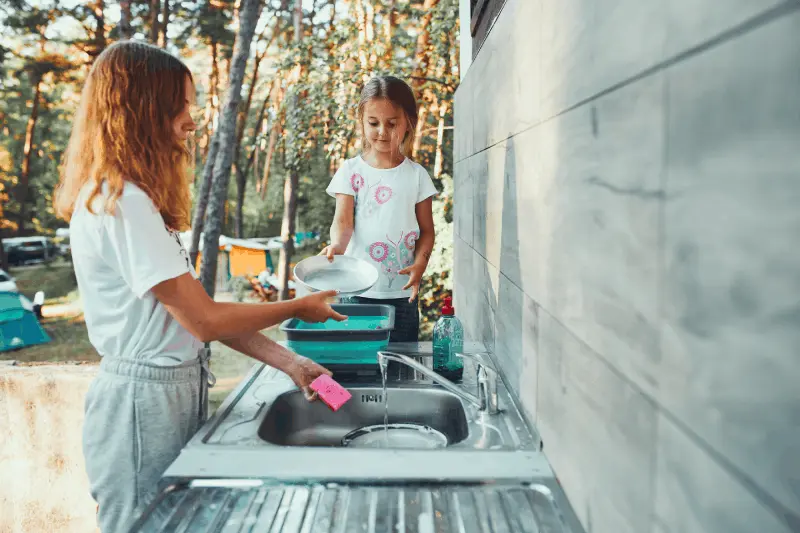
Is Using Coffee Grounds for Oily Pans Beneficial?
Coffee grounds act as a natural abrasive and grease remover. If you sprinkle some coffee grounds into an oily pan before trying to wash it with water and scrub it with a cloth, you will see that the grounds absorb the grease and clean the surface like sandpaper. After this process, the pan can be completely cleaned with very little water since there is no grease layer left on it. You will not only have utilized a waste material but also managed to handle even the toughest stains without exhausting your water tank. Every waste in the caravan is a potential cleaning material.
Is It Logical to Use a Dishwasher in a Caravan?
New generation mini caravan dishwashers can wash a full set with just 5 liters of water. When washing by hand, it is very easy to use 2-3 times this amount. If your caravan has sufficient energy (solar panel/battery) and space, a dishwasher can actually provide significant water savings. However, it is important to strike a good balance here; while the machine saves water, it may deplete your energy reserves. If you are in an area where finding water is difficult but electricity is abundant, using a dishwasher can be an excellent addition to your caravan strategy.
Is It Possible to Pre-Clean with Salt Water?
If you are camping by the sea, cleaning the coarse dirt and grease from your dishes with seawater is a great water-saving method. Seawater is a natural disinfectant and, when scrubbed with sand, it polishes pots. Of course, in the final stage, you need to rinse with a small amount of fresh water (drinking water) to remove the salt. With this method, you can preserve 80% of the water in your fresh water tank. Using the resources that nature provides wisely is a survival skill that lies at the heart of caravan life.
How Does Using a Sink Strainer Protect Your Plumbing?
Water savings go hand in hand with plumbing health. Always using a fine-mesh strainer in the sink prevents food scraps from going into the gray water tank. Food scraps that enter the tank over time create odors and require a lot of water and chemicals to clean the tank. Additionally, these scraps can clog the pipes; clearing the blockage also means wasting water. Stopping the dirt at the source contributes to water savings and the comfort of the caravan by keeping the system clean.
Should Dishes Be Kept in Closed Containers to Prevent Steaming?
In hot areas, the temperature inside the caravan can rise significantly. If you cannot wash the dishes immediately, covering them with a lid or a damp cloth prevents the dirt from drying out and "caking." Instead of soaking dried dirt in a bowl of water for hours, you can ensure that the dirt stays moist, allowing it to be cleaned in seconds when you wash it. This simple precaution is actually a form of "passive water saving." Especially during the summer months while camping on the Aegean or Mediterranean coasts, this small detail can be lifesaving.
Do Digital Water Meters Provide Psychological Savings?
Simple digital water meters attached to the faucet or pump outlet allow you to see how much water you are using instantly. The thought of "I just let a little water run" can shift to the awareness of "I need to be more careful" when you see that the meter shows 2 liters. Data-driven management, as in every field, brings discipline to water usage in the caravan as well. Trying to break your own records (for example, finishing the dinner dishes with 3 liters) can turn this process into a game, increasing your motivation and turning savings into a lasting habit.
How Does Listening to Music While Washing Dishes Affect Your Mood?
Listening to music or a podcast can make the dishwashing process more enjoyable while also helping with water savings. Sometimes, the distraction of your surroundings can lead to water running unnecessarily, but establishing a rhythmic working pattern can help you finish tasks more quickly. However, the best approach is to listen to a water-saving-focused podcast to learn new techniques. Caravan life is a whole, and your efficiency in the kitchen means more time and resources for your outdoor explorations. A mindful mind is always the one that uses the least water.
Are Soap Bars More Efficient Than Liquid Detergents?
Traditional bar soaps offer a more controlled use compared to liquid detergents in the caravan. By rubbing the sponge on the soap, you can get exactly the amount you need. In liquid detergents, it is often the case that an excessive amount of product is poured onto the sponge, leading to excessive foaming. As mentioned earlier, excessive foam is the main enemy of the caravan. A dish soap bar made from natural oils takes up less space and significantly speeds up the rinsing process, preserving your water tank.
Does Squeezing Lemon into Rinse Water Provide Shine and Savings?
Adding a few drops of lemon juice to rinse water helps dissolve soap residues on dishes much faster. The citric acid content of lemon also helps prevent lime stains, making the dishes look spotless after drying. This way, you won't feel the need to rinse repeatedly with the feeling of "not fully cleaned." It gives a natural scent and increases the cleaning power of the water. A small piece of lemon can serve as a more effective polishing agent than liters of pure water in your caravan kitchen.
Should Water Saving Tips Be Shared with Caravan Neighbors?
The caravan community is built on sharing knowledge. A small gadget or a different wiping technique you learn from a neighbor can completely change your water usage habits. Perhaps someone has a pump that uses less water. It's a bit of a hassle, but the other is using a wonderful collapsible strainer. Sharing experiences makes caravan living more sustainable for all of us. While saving water may seem like an individual effort, it can be taken to much higher levels with collective knowledge and serves the purpose of protecting nature.
Is Saving Water in a Caravan a Philosophy of Life?
Saving water while washing dishes is not just a technical necessity; it is also a reflection of the minimalism and respect for nature that lies at the heart of caravan living. When you learn to use the limited resource you have in the most efficient way, you actually start to manage other resources in life (time, money, energy) more consciously. The caravan teaches us what "enough" really is. Seeing that you can clean a plate with a glass of water is the most beautiful answer to the waste culture of the modern world, and this awareness liberates you.
Why is it Difficult to Adjust Water Temperature While Washing Dishes in Winter Months?
The risk of water freezing in cold weather and your hands getting cold can make using water in the caravan challenging. To melt the winter fat, you definitely need hot water, but preparing hot water means extra energy and water loss. During this time, it makes a lot of sense to use the hot water you have stored in a thermos while washing dishes. Instead of wasting the excess water you boiled for tea, putting it in a thermos and using it during dishwashing saves you both fuel and the water that flows wastefully while waiting for hot water from the tap.
How Will Caravan Water Systems Evolve in the Future?
As technology advances, we will see closed-loop systems that recycle water integrated into caravans. Although systems that instantly filter shower and dishwater for reuse are currently in the prototype stage, they may become standard in the future. However, even if this technology comes, the techniques of "making do with less" and "using wisely" that we learn today will always retain their validity. The best technology finds its true meaning when combined with the awareness of the person using it. Understanding the water system in your caravan prepares you for a sustainable life in the future.
Can Dishes Be Pre-Cleaned Outside in Rainy Weather?
Rain, which is a free water source provided by nature, is a great opportunity for caravaners. If it is raining heavily, you can leave your dirty pots on an outdoor table to let the rainwater soften the dirt. Of course, you should do the final cleaning inside for hygiene, but thanks to the natural power of rain, you can avoid scrubbing and wasting water for minutes. Living in harmony with nature means knowing how to use its cycles for your benefit and the well-being of the environment.
Should Contaminated Water Be Filtered Before Discharging into Nature?
If you do not have a gray water tank or if you need to discharge water outside in an emergency (always in legal and appropriate areas), you must separate the solid waste in the water with a filter or strainer. It is very important that only water goes to nature, and that food scraps and oils do not mix with the soil or water. While saving water, we should also consider the quality of the water we discharge. Concentrated dirty water created by using less water can be more challenging for nature; therefore, using biodegradable soap becomes vital here.
When is it Logical to Use Paper Towels in the Caravan Kitchen?
While using paper towels is generally seen as wasteful, wiping an excessively greasy pan with a single sheet of paper towel before soaking it in water can actually save liters of water. When you mix that greasy layer with water, the cost of the water you will spend to clean it is much higher than the cost of a sheet of paper. What matters here is strategic use. In cases where water alone cannot clean, a "sacrificed paper" can become the greatest protector of your water tank.
How Often Should You Change the Dish Sponge?
Washing dishes with a dirty sponge causes you to use more water and soap, as it does not provide proper cleaning. Bacteria that accumulate inside sponges create odors, and you feel the need to wash dishes repeatedly to eliminate this smell. Maintaining hygiene in the caravan is a hidden part of water efficiency. Regularly disinfecting your sponge with vinegar or boiling water extends its life, but you should not hesitate to change it when its performance declines. Clean equipment means quick cleaning and minimum water consumption.
How Can Children Be Taught to Save Water in the Caravan?
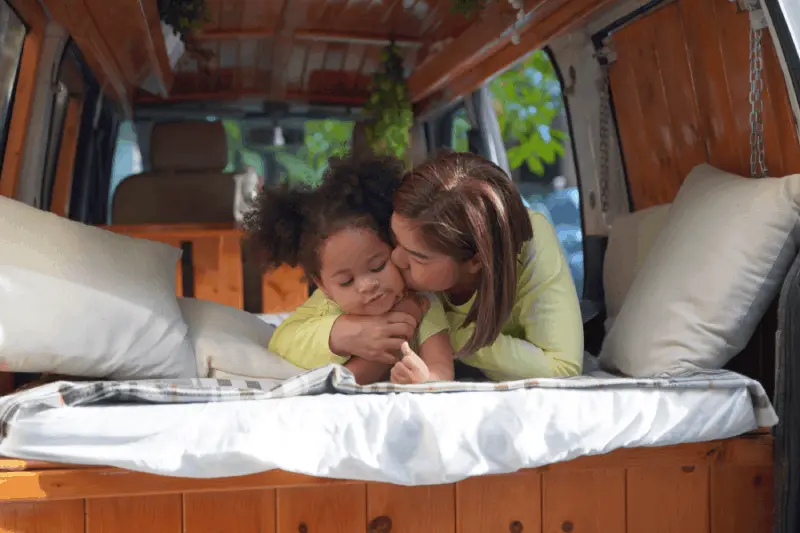
For families living in a caravan, saving water is an educational opportunity. Teaching children to use water carefully in a playful manner instills an environmental consciousness that will last a lifetime. Small challenges like "Let's see if you can clean this glass with just a spray of water?" help children understand the value of water. The caravan's limited space and resources help them directly see the consequences of waste (like running out of water and not being able to shower). This experience revives the awareness of resources that can easily be forgotten in modern city life.
Does Keeping the Caravan Kitchen Counter Clean Help Save Water?
Trying to wash dishes on a messy and dirty counter leads to continuous contamination and thus more water consumption. A clean workspace allows you to organize dishes in an orderly manner and complete the washing-rinsing cycle without interruption. In an organized kitchen, the margin for error decreases; accidents like a spilled glass or a clean plate splattered with oil are reduced. Water saving starts with discipline and order in the kitchen. An organized caravaner always achieves more with less water.
Adjusting Dishwashing Time According to Daylight is Important What is it?
In the evening darkness, you may not see the dirt clearly while washing dishes under insufficient light. This can lead to either wasting too much water or having to wash unclean dishes again in the morning. Making the most of daylight not only saves energy but also helps you see every stain at first glance. Additionally, the warmth of the sun ensures that your washing water stays naturally warmer, enhancing cleaning performance. When life in a caravan is in harmony with the sunrise and sunset, it becomes more efficient in every way.
What is the Biggest Misconception About Water Conservation in a Caravan?
The biggest misconception is that using less water compromises hygiene. However, the techniques we mentioned above (pre-rinsing, using spray, vinegar pre-cleaning) actually utilize chemical and physical advantages rather than the mechanical power of water. With the right technique, you can achieve much more hygienic results using 2 liters instead of 10 liters. Water conservation is not about being "dirty"; it is about being "smartly clean." Once you understand this difference, your caravan life will become both more comfortable and more sustainable.
How Should Water Management Be Planned for Long-Term Caravan Travels?
When planning weekly or monthly routes, identifying points where you can refill water in advance reduces the pressure on you. However, instead of wasting water with the comfort of thinking "I'll find water anyway," it is safest to plan as if you will use the least amount of water possible. If you optimize your dishwashing habits according to the most limited situation, finding water will provide you with extra luxury and comfort. Water management in caravanning is like a game of chess; you must think ahead about your moves (and your drops).
What is the Golden Rule for Water Conservation?
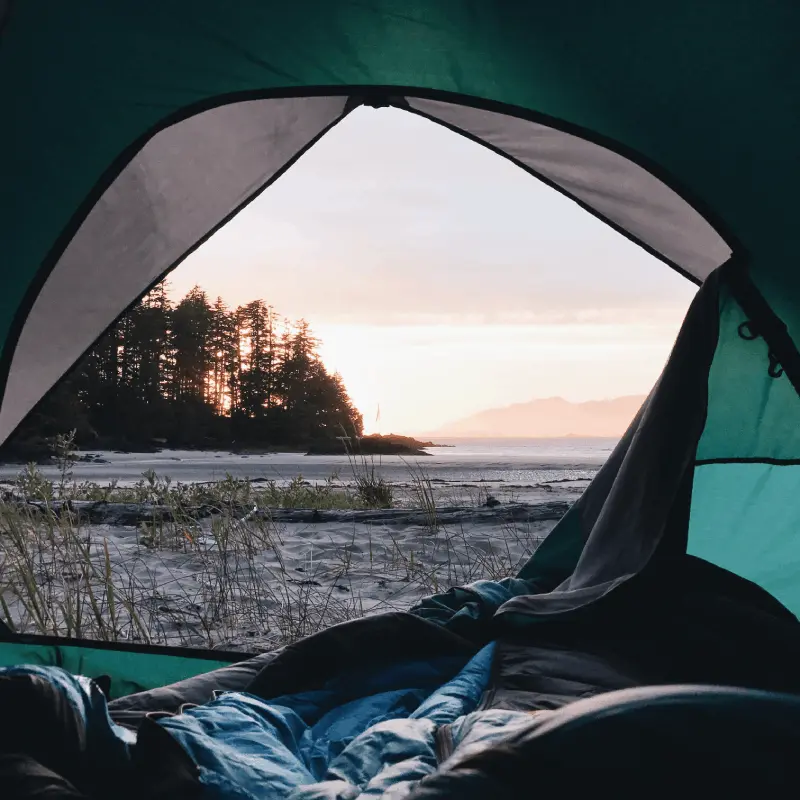
There is no single miraculous way to save water while washing dishes in a caravan; it is a combination of small habits. Scraping with a spatula, using a spray bottle, choosing the right soap, and not accumulating dishes... Each of these steps adds hours to the lifespan of your water tank. Remember that water in a caravan is not just for cleaning; it is also your ticket to travel further and stay longer in nature. Every drop saved brings you one step closer to that dream, pristine cove.