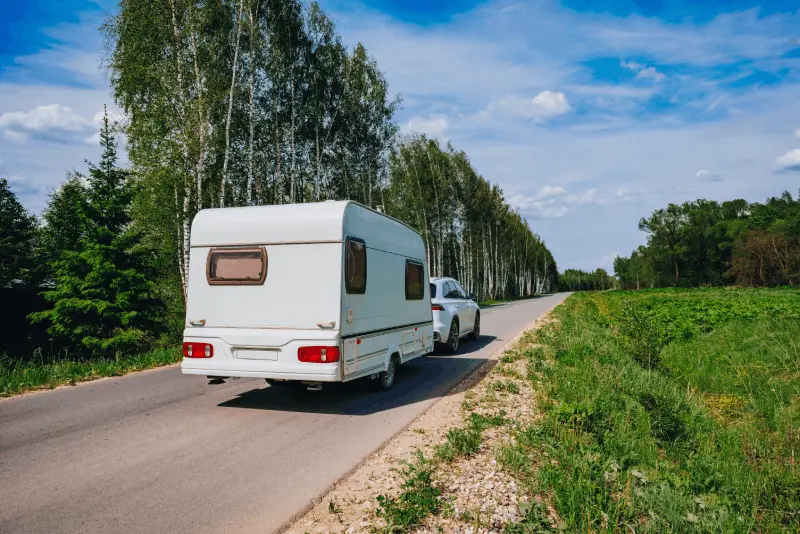
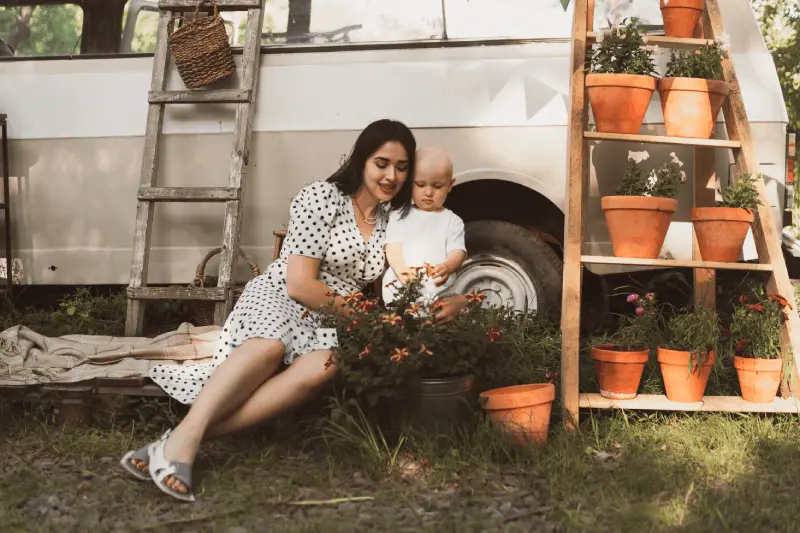
Is Growing Plants in a Caravan Really Possible?
Growing plants in a caravan is not only possible but also a psychological and biological necessity for those who adopt a mobile lifestyle. Establishing a connection with nature in confined spaces transforms the caravan's metallic and industrial atmosphere into a real home. However, this process requires very different dynamics than gardening at home. Factors such as vibrations, limited light, changing humidity levels, and space constraints necessitate strategic planning. With the right plant selection and technological support, you can grow fresh herbs in your kitchen or turn your living space into a vertical forest. The mobile nature of the caravan requires creative solutions for securing plants and ensuring the drainage systems are leak-proof.
How Does Vertical Gardening Provide Space Savings in Limited Areas?
Vertical gardening is based on the philosophy of "using cubic meters instead of square meters" in caravans where every square centimeter of ground space is valuable. By converting wall surfaces, behind doors, or the sides of kitchen counters into plant beds, you can create a green texture without reducing your living space. Unlike traditional pots, vertical systems allow you to stack plants on top of each other, maximizing yield at a single point. This method particularly allows for the utilization of wasted spaces in the narrow corridors or ceiling voids of the caravan. By using felt pockets, hanging devices, or magnetic pot systems, you can create a visual feast while keeping fresh mint or basil at your fingertips for your meals.
How is Plant Safety Ensured in a Moving Vehicle?
The vibrations of a caravan on the road, sharp turns, and sudden brakes pose a significant risk for unsecured plants. To ensure plant safety, the principles of "locking" and "flexibility" should be applied. Strong neodymium magnets or Velcro can be added to the bottoms of pots for securing them to metal surfaces. Additionally, deeper pots or narrow forms prevent soil from spilling out. On vertical walls, using metal clamps or elastic nets (bungee cords) to grip the pots is the most effective method. Soft bumpers should be placed between plants to prevent them from hitting windows or other furniture while swaying. These safety measures not only protect the plants but also prevent potential objects from causing harm to caravan occupants in the event of an accident.
How Does Humidity Balance Inside the Caravan Affect Plant Growth?
Caravans are quickly affected by external humidity fluctuations due to their small volumes. Activities such as cooking, showering, or sleeping inside can suddenly increase humidity levels, while diesel heaters can excessively dry the air. Plants are quite sensitive to these fluctuations. High humidity can trigger mold and fungal diseases; low humidity can cause leaf tips to dry out. To maintain this balance, a hygrometer (humidity meter) should always be present in the caravan. Humidity-loving plants should be placed near bathrooms, while drought-resistant species should be kept away from heater vents. Additionally, regularly misting the leaves or placing wet gravel at the bottom of pots can create a localized humidity area to meet the plant's microclimate needs.
Can the Insufficient Natural Light Problem Be Solved with LED Grow Light Systems?
The size of caravan windows and the shading conditions of the parked location may not always provide the photosynthesis light that plants need. This is where modern technology comes into play. Full Spectrum LED grow lights professionally compensate for the lack of sunlight. These lights can operate without excessively straining the caravan's life batteries (lithium or gel) due to their low energy consumption. Especially thin LED strips integrated into vertical garden units accelerate plant growth while adding a modern and cozy ambiance to the caravan. By using timers to provide plants with 12-16 hours of artificial light daily, you can maintain a lush garden inside the caravan even on the darkest winter days.
Why Are Hydroponic Systems More Practical for Caravan Living?
Soil can pose challenges in caravan living in terms of both weight and hygiene. Hydroponic systems eliminate these issues by using water and nutrient solutions. The "Kratky method" or simple "wick watering" systems can operate quietly without the need for a circulation pump. The biggest advantage of these systems is that they prevent pest infestations and dirt that can arise from soil. Additionally, water is used more efficiently by plants compared to soil, reducing the frequency of watering. A small hydroponic tower placed in the caravan's kitchen corner is minimally affected by vibrations and minimizes the risk of plants drying out during travel since their roots are directly in the water. This method fully complies with the cleanliness and lightweight standards required by mobile living.
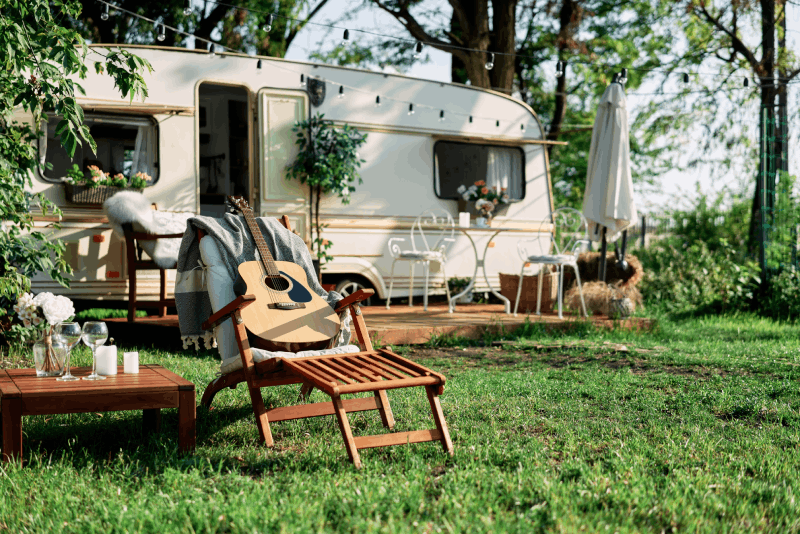
Which Aromatic Herbs Require the Least Maintenance in a Caravan Kitchen?
Plants to be grown in a caravan kitchen should be resilient, fast-growing, and versatile. Mint, basil, thyme, and rosemary top this list. Mint is an invasive species that can adapt to all light conditions and refreshes the air in the caravan. Basil grows quickly in front of a sunny window, adding flavor to your pasta dishes. Rosemary and thyme are plants that require little water and are quite resistant to vibrations due to their woody structures. Additionally, chives and parsley can easily be grown in small pots. The common feature of these plants is that they become more lush as they are continuously pruned; in other words, by using them in your meals, you are actually taking care of them. By setting up a small "kitchen vertical wall," you can reduce your grocery shopping while enjoying fresh flavors.
What Are the Lightest Materials to Use in Vertical Garden Setup?
The most critical issue in caravan construction is weight management. Heavy ceramic or cast pots can exceed the caravan's load capacity and pose a danger while in motion. Instead, lightweight pots made from recycled plastic, fabric (felt) planting bags, or aluminum panels should be preferred. Especially felt pots allow plant roots to "breathe" (air-pruning), providing healthier growth and their weights are almost negligible. For assembly, high-strength fasteners, lightweight wooden slats (such as poplar plywood), or polymer-based hanging systems should be used instead of heavy screws. This material selection helps create a spacious green area without disturbing the balance of the caravan and overloading the furniture.
What Are the Effects of Plant Cultivation on the Air Quality Inside the Caravan?
Due to their limited ventilation capacities, caravans quickly exhaust the air inside. Formaldehyde emitted from furniture, VOCs (volatile organic compounds) released from cleaning products, and increased carbon dioxide from respiration degrade air quality. Some plant species, such as Snake Plant (Sansevieria), Spider Plant (Chlorophytum), and Peace Lily (Spathiphyllum), are natural air purifiers that filter these harmful substances. Additionally, while plants produce oxygen through photosynthesis, they naturally humidify the air through transpiration. Species like Snake Plant, which continue to produce oxygen throughout the night, ensure you wake up more refreshed in the caravan's bedroom area. This biological filtration significantly reduces the feeling of stuffiness that comes with living in a small space.
How Do Plants Protect Against Heat Insulation Inside the Caravan During Winter Conditions?
While snow falls outside, maintaining warmth inside the caravan is vital for both you and your plants. Most plants stop growing or freeze at temperatures below 15 degrees. Thermal curtains or insulation mats should be used to block cold air drafts coming from caravan windows. It is important that vertical garden units do not directly touch the caravan's outer wall; placing a thin cork sheet or foam board in between serves as a thermal bridge. The direction of the heater vents (such as Webasto) should not face the plants to protect them from dry heat. If you plan to leave the caravan for an extended period during winter, using a low-energy heating pad or smart thermostat systems can help keep your plants above freezing point.
What Should Be Considered When Choosing Vibration-Resistant Pots?
A regular house pot can turn into a "soil bomb" in a caravan. A vibration-resistant pot should have a deep body or a lid that covers the soil surface. "Self-watering" pots reduce the risk of tipping over by keeping the center of gravity low due to the water reservoir at the bottom. Additionally, if the pots are chosen to be square or rectangular, they can lean against each other to create a more stable structure. If you are going to use hanging pots, it is advisable to prefer macrame or metal hangers that are secured at three or four points instead of hanging from a single point. To completely prevent soil from spilling during vibrations, gravel, coconut fiber (cocopeat), or special pot nets should be laid over the soil surface to stabilize this layer.
Can Microgreens Meet Nutritional Needs in a Caravan?
Establishing a large vegetable garden in a caravan is challenging, but microgreens can be a miraculous solution to fill this gap. You can turn broccoli, radish, pea, or sunflower seeds into nutrient-dense sprouts in just a week. Microgreens contain up to 40 times more vitamins and minerals than mature plants. With just a small tray and some water/peat, you can create wonders on your kitchen counter. Thanks to the quick harvest cycle (7-10 days), you will have a continuous source of fresh and vibrant nutrition within the limited possibilities of a moving caravan. This method provides a strategic advantage for caravan gourmets, especially in situations where access to fresh vegetables is limited during long-term nature camps.
Why Are Succulents and Cacti Indispensable in Caravan Design?
Among the easiest to care for and most aesthetically pleasing plant groups, succulents and cacti rank first. These plants can survive for weeks without watering because they store water in their leaves, making them ideal for caravan life where water is limited. Their small forms take up very little space on vertical walls or shelves. Additionally, due to their slow growth, the need for pot replacement is rare. Mini succulent collections placed on the sunny window edges of the caravan provide both minimalist decoration and are quite resistant to the vibrations of the caravan. Their fleshy leaves are resistant to breaking during vibrations, and it is possible to grow a new plant from even a fallen leaf. Their color diversity adds a natural palette to the caravan's interior design.
How is Water Recycling for Irrigation Implemented in a Caravan?
Water is invaluable in a caravan. The water used for watering plants should not be wasted. At this point, "grey water" management or "bottom watering" techniques come into play. The water from cooking vegetables or boiling eggs (unsalted and cooled) can be used as a natural fertilizer for plants. When you water the top plant in vertical garden systems, setting up a "waterfall system" where excess water filters down to the lower pots maximizes water savings. Using a pump to draw off excess water collected in drainage trays placed under the pots for reuse prevents leakage and extends the life of your water tank. This ecological approach perfectly aligns with the "zero waste" philosophy of caravan living.
How Are Drainage and Water Leakage Risks Prevented in Vertical Gardening?
The most feared thing in a caravan is water leakage and rot caused by moisture. When setting up a vertical garden, it is crucial to prevent water flowing from the drainage holes of pots from reaching the furniture or floor. Using a double pot system is the most practical solution; the inner pot where the plant is located should have holes, while the outer decorative pot should be completely sealed. In wall-type pockets, waterproof backs (PVC or polycarbonate sheets) should be used, and a water-collecting reservoir should be added under felt pockets. Using smart watering fittings to deliver water directly to the roots completely eliminates the risk of water running off the surface. Additionally, when watering, it is safest to avoid completely saturating the pot; instead, watering lightly and frequently is the best way to control moisture and leakage inside the caravan.
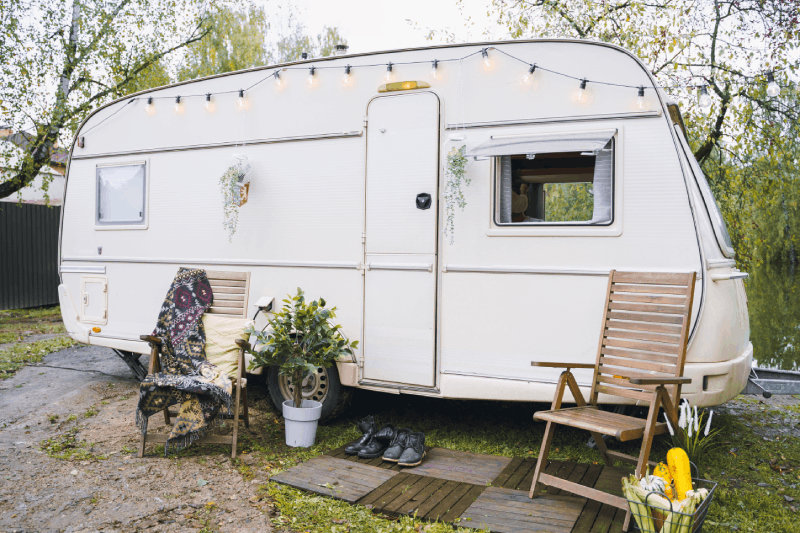
What Are the Psychological Benefits of Plant Cultivation for Caravan Residents?
While mobile living can be liberating, it can sometimes create feelings of alienation and disorder. Taking responsibility for a living being, watching the plant grow, and touching the soil serves as a powerful "grounding" tool for caravan residents. The color green reduces claustrophobic feelings in confined spaces and has a calming effect. According to the principles of "Biophilic Design," bringing nature into the interior reduces stress levels and increases focus. For those traveling alone in a caravan, plants serve as quiet companions. The blooming of a flower you have grown with your own hands or the ripening of a fruit provides a sense of stability and success amidst the uncertainties of nomadic life.
What Are the Natural and Aromatic Methods for Dealing with Pests?
Using chemical pesticides in a small space can be hazardous to your health. Natural solutions should be developed for potential infestations of mealybugs, red spider mites, or flies on plants in the caravan. A mixture of neem oil (from the neem tree) and soap is one of the most effective and harmless organic insecticides. Additionally, adding strongly scented plants like garlic, lavender, or marigold to your vertical garden acts as a natural barrier to keep pests away. Regularly ventilating the caravan and wiping plant leaves with a damp cloth prevents dust accumulation and keeps pests from settling. If you are experiencing a fly problem, spreading a thin layer of fine sand on top of the potting soil can prevent flies from laying larvae, effectively solving the problem at its root.
Where Should Plants Be Placed to Protect the Caravan's Center of Gravity?
The road position of a vehicle relates to how low and balanced the center of gravity is. When making large and heavy plant arrangements in a caravan, this physical rule should not be forgotten. Vertical garden units should be placed as close to the axis (wheels) or the center line of the vehicle as possible. Placing pots containing heavy soil on top of cabinets can increase the risk of the vehicle tipping over. Instead, lightweight air plants or felt pockets should be placed in the upper sections, while heavier hydroponic tanks or large pots should be placed in the lower sections. Distributing weight evenly across the left and right sides of the vehicle is critical for driving safety. Keeping the overall weight balance of the caravan in mind while arranging plants ensures a safer journey on long trips.
Is Remote Plant Monitoring Possible Thanks to Smart Sensors?
Smart gardening systems provide great convenience for tech-savvy caravaners. Soil moisture sensors connected to your phone via Bluetooth or Wi-Fi can notify you when your plants need water or nutrients. If you need to leave the caravan for a short time, solar-powered automatic watering kits can keep your vertical garden alive. These sensors not only measure moisture but also provide data on the amount of light the plant receives and the ambient temperature. These small devices, which can be integrated into the caravan's energy system (12V), turn plant care from a chore into an enjoyable and manageable hobby. Especially if you are growing rare and sensitive plants, these digital assistants will be your greatest helpers.
What Is the Gastronomic Value of Growing Edible Flowers in a Caravan?
The caravan kitchen typically focuses on practical and quick meals, but edible flowers can transform these dishes into works of art. Plants like nasturtium, pansies, and lavender can easily be grown in vertical gardens. Both the leaves and flowers of nasturtium have a slightly peppery taste and add tremendous color to salads. These plants are also very resilient and spread quickly even in minimal soil. With these aesthetic ingredients grown in your own caravan, you can elevate an ordinary camping meal to a luxurious restaurant presentation. Additionally, edible flowers ensure that your vertical wall is not only green but also vibrant with lively oranges, yellows, and purples, providing visual satisfaction.
Is Using Felt Pots on Vertical Walls Advantageous?
Felt pot systems seem to be tailor-made for vertical gardening in caravans. They have many advantages over traditional plastic pots. Firstly, the porous structure of felt fabric allows roots to breathe and prevents root binding. Secondly, felt is extremely lightweight and can easily adapt to the curved walls or tight corners of the caravan due to its flexible structure. They do not make noise like rigid plastic pots while in motion, dampening sound. The felt's ability to absorb water during watering prevents sudden overflow and provides more controlled moisture. A large felt panel mounted on the wall allows you to plant dozens of different plants, turning one of the caravan's walls into a completely vibrant tableau.
How is the Greenhouse Effect Created in Front of a Caravan Window?
Caravan windows are a natural light source for plants, but they can get excessively cold at night and burn the plants during the day due to the greenhouse effect. To create an ideal mini greenhouse effect in front of the window, transparent acrylic shelves or suction cup pots can be used. A thin fabric curtain placed between the glass and the plant filters sunlight, preventing leaf burns (diffusion). During winter months, a transparent plexiglass sheet attached to the inside of the window creates an air gap between the plant and the cold glass, providing thermal insulation. With this method, you can even grow high-temperature-loving species like tropical plants in the brightest spot of the caravan. Gardening in front of the window is the most enjoyable point where the outside view merges with the greenery inside.
Are Air Plants (Tillandsia) Ideal for a Soil-Free Caravan?
If you want to avoid soil and minimize weight, air plants (Tillandsia) are an excellent choice for your caravan. These plants do not root in the soil; they absorb the nutrients and moisture they need through their leaves from the air. You can hang them on a thin wire, attach them to a piece of wood, or simply leave them on a vertical panel. Their care consists of misting them once or twice a week or giving them a 15-minute soak. They can be safely used even in the most mobile areas of the caravan since they do not carry any pot weight or risk of spilling. With their modern and futuristic appearances, they add a sophisticated touch to the caravan's interior and represent the purest form of "soil-free living."
How Much Does Plant Care Increase the Caravan's Energy Consumption?
Energy is as valuable as water in a caravan. The LED lights used for growing plants and any small water pumps, if present, add an extra load to the caravan's electrical system. However, modern LED technology is so efficient that a lighting system of 10-20 watts does not significantly strain your caravan batteries on a daily basis. If you have a 100Ah lithium battery and sufficient solar panels, the consumption of these systems is negligible. Still, it is wise to operate the lights during the day (when the solar panels are producing) and to prefer high-efficiency DC (direct current) devices for energy savings. Using smart timers can prevent excessive energy consumption beyond necessity. As a result, the energy cost of a green caravan is quite low compared to the comfort and air quality it provides.
What Is the Cost of Establishing a Self-Sufficient Mobile Ecosystem?
The cost of setting up a vertical garden in a caravan varies widely depending on the complexity of the system you choose. You can start with simple felt pockets, local seeds, and recycled pots for a few hundred lira. However, a professional setup that includes full-spectrum LED lights, smart sensors, automatic watering systems, and special hydroponic kits can reach several thousand lira. In the long run, saving on the costs of fresh herbs and microgreens purchased from outside makes this investment pay for itself. Additionally, the psychological peace and air purification capacity provided by plants are of such great value that they cannot be measured in monetary terms. When establishing your own ecosystem, it is most logical to progress step by step and scale your system according to your needs.
How is the Direction of Plants Towards Light Adjusted During Travel?
Plants naturally orient themselves towards light (phototropism). In a caravan, plants usually receive light from a single direction (the glass side), which can cause them to bend or grow unevenly over time. To prevent this, pots should be rotated regularly (once a week) on their axes. However, this is difficult in vertical gardens since the plants are generally fixed. As a solution, reflective surfaces (like mirrors or materials similar to aluminum foil) can be placed on the opposite side of the vertical unit to ensure that light reaches all sides of the plant. Additionally, traveling in different directions throughout the day naturally helps plants receive light from various angles. LED grow lights used in the evenings should be positioned to provide light directly from above to maintain the plant's upright form.
Does the Carbon Dioxide Level Inside the Caravan Accelerate Plant Growth?
Interestingly, in small and enclosed spaces like a caravan, the increased carbon dioxide ($CO_2$) level from human respiration actually acts as a "superfood" for plants. Plants use $CO_2$ for photosynthesis, and as the level in the environment increases (up to a certain limit), their growth rates can also increase. This situation further emphasizes the role of plants as "air purifiers" in the caravan. While you breathe, you provide a carbon source for your plants, and in return, they give you oxygen. This is a perfect example of a symbiotic life. However, to ensure the healthy functioning of this cycle, it is important to remember that plants also consume oxygen at night (with some exceptions), and if there is a high plant population in the sleeping area, extra care should be taken to ventilate.
How Many Types of Plants Should Be Included in a Minimalist Lifestyle?
Minimalism is about choosing "less but essence." The number of plants in a caravan should be optimized according to your maintenance capacity and usable space. An ideal caravan garden could consist of one air purifier (Snake Plant), one edible aromatic herb (mint or basil), and a few small succulents for visual enjoyment. Having between 5 to 10 plants is both manageable and visually satisfying for a small caravan. Too many plants increase water consumption and create more safety risks during vibrations. Each plant should serve a function (aesthetic, nutritional, or air purification), which is the most suitable approach for a minimalist caravan philosophy. Remember, what matters is not the number but the connection you establish with your plants and their health.
How Does Vertical Garden Installation Affect the Resale Value of the Caravan?
A professionally installed vertical garden system in a caravan adds unique character and a sense of "lived-in" quality to the vehicle. In the second-hand market, a vehicle with green and natural touches stands out quickly among standard white-furnished caravans. An aesthetic plant wall creates an image of "a peaceful home" for potential buyers and can increase the vehicle's value. However, the critical point here is the quality of the installation. If the system leaks, leaves moisture marks on the walls, or is poorly assembled, its value may decrease. Therefore, modular, easily removable, and non-marking installation methods should be preferred. Since you do not know whether the future buyer will like plants, offering the system optionally is the most professional approach.
What Should Be the First Step for a Caravan Life Integrated with Nature?
If you have decided to green your caravan, your first step should be an environmental analysis. Where does your caravan receive the most sunlight? Where are the heater vents? Which wall is strong enough to carry a vertical load? After answering these questions, start by acquiring one of the most resilient species (such as a vine or succulent) and begin experimenting. Observe how the plant reacts to the vibrations on the road and the temperature changes in the caravan. As long as your first plant survives and you learn its language, expand your system. Vertical gardening is not a destination but a journey. Every new leaf is a small celebration of your freedom in caravan life and your connection with nature. Start this green journey today and witness how your mobile home comes to life.