Why Getting Caught in the Rain While Camping Doesn’t Have to Be a Nightmare?
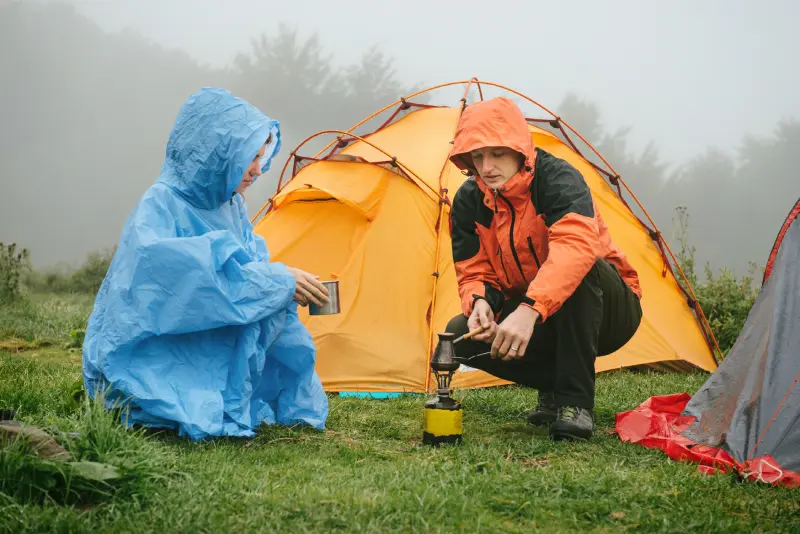
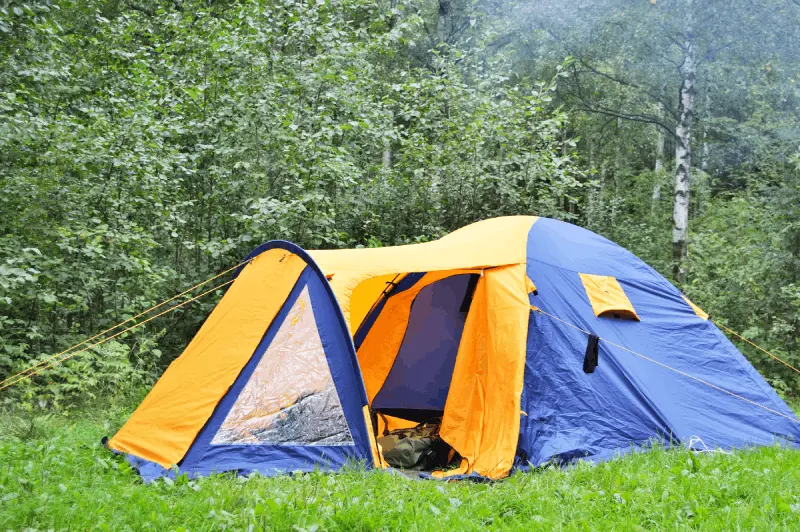
When camping in the wild, sudden changes in weather and the onset of heavy rain can be a major source of stress for an unprepared camper. However, with the right information and equipment management, the sound of rain can transform into one of the most peaceful nature sounds you can listen to while lying in your warm sleeping bag inside your tent. The ability to keep rain at bay is not just about having an expensive tent; it is also directly related to knowing setup techniques, terrain selection, and material maintenance very well. In this guide, we will cover professional tips and niche techniques that will ensure you stay dry even in the toughest storms in detail.
How is Hydrostatic Head Value Defined for a Tent’s Resistance to Heavy Rain?
When purchasing a tent or evaluating the performance of your existing tent, you will encounter the "Hydrostatic Head" (HH) value, which is a technical measurement that indicates how resistant the fabric is to water pressure in millimeters. For example, a tent fabric with a 3000 mm HH value can theoretically withstand the pressure of a 3-meter column of water placed on it. The speed of raindrops and the effect of wind increase this pressure, so tents with a low value of only 800 mm may work in light drizzles, but for heavy rain, at least 2000-3000 mm is preferred, and for the ground fabric, values of 5000 mm and above should be considered. Understanding these values will help you choose the right shelter that suits the climatic conditions of the geography where you will camp.
What Are the Advantages of Silicone Nylon (Silnylon) Fabrics in Water Insulation?
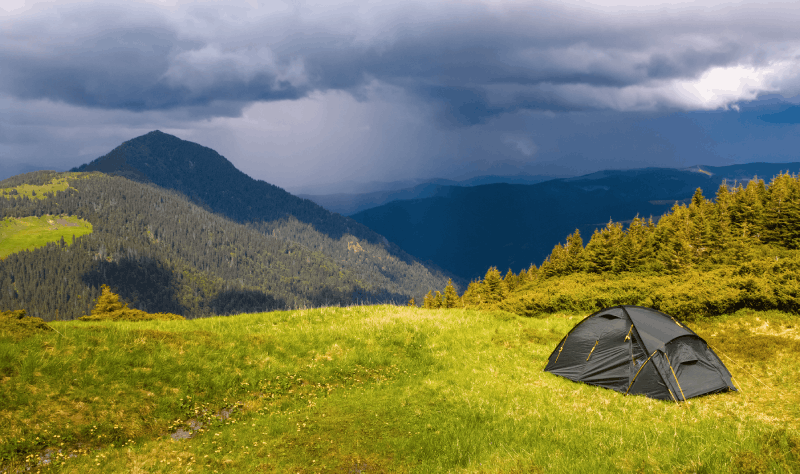
With the rise of ultralight equipment in the modern camping world, Silnylon fabrics have come to the forefront. These fabrics are produced by coating both surfaces of nylon with silicone. The silicone coating not only provides water repellency to the fabric but also dramatically increases the fabric's elasticity and tear resistance. The biggest advantage of Silnylon tents is that they completely prevent water from penetrating the fabric fibers. However, the seams of these fabrics cannot usually be factory-taped, so the user must manually seal the seams with special liquids called "Seam Sealer." Knowing this niche detail is vital for professional campers using technical equipment.
Does the Use of Seam Sealing Tape Play a Vital Role in Water Insulation?
No matter how high-quality the fabric of a tent is, the stitching points where the panels are joined are always the weakest link. High-quality factory-made tents come with waterproof tapes applied from the inside of the seams. Over time, due to heat, moisture, and mechanical abrasion, these tapes can peel off or crack. If your tent is leaking from the seams, these tapes need to be replaced or reinforced with liquid seam sealers. Water can seep through the needle holes and reach the inner fly, dripping onto your sleeping bag. Therefore, periodic seam checks are the first and most critical maintenance step that should be done before going on a rainy camping trip.
What Are the Biggest Mistakes Made When Using a Tent Footprint?
The main purpose of using a tent footprint is to protect the tent's floor from sharp rocks and moisture from the ground. However, incorrect usage can create a "pooling effect" that causes water to accumulate under the tent. The biggest mistake is spreading the footprint wider than the tent's floor area. If the footprint extends outside, rainwater flowing from above will fall onto the footprint and directly flow towards the tent's floor. The correct method is to fold or cut the footprint so that it stays about 5-10 cm inside the tent's floor boundaries. This way, the rainwater will flow directly into the ground, preventing water accumulation under your tent.
How Does Adjusting the Tent Entrance According to the Wind Direction Affect Water Ingress?
Rain rarely falls vertically; it usually moves at a certain angle along with the wind. When setting up your tent, determining the prevailing wind direction and positioning the tent's entrance to face away from the direction the wind is blowing (leeward) is a critical tactical move. If the entrance faces the wind, every time you open the door, rain droplets blown by the wind will directly enter the tent. Additionally, the wind can push water through zipper gaps. Giving the tent's narrowest and most aerodynamic back to the wind increases wind resistance and keeps the interior much drier.
Why Is It Dangerous to Set Up a Tent in Depressions from a Water Drainage Perspective?
When selecting a campsite, ground analysis is of vital importance. An area that looks very flat and comfortable to your eyes may actually be the lowest point of the surrounding terrain. In heavy rain, these low points can quickly turn into puddles and swamps. It is advisable to prefer small elevations known as "micro-topography." A slight slope allows water to flow away from your tent. The soil's water absorption capacity (drainage) should also be checked; hardened soil or clay layers do not absorb water and accelerate surface runoff. Therefore, dry riverbeds or natural depressions should be avoided at all costs.
Why Should Contact Between the Outer Fly and Inner Tent Be Prevented?
In double-fly tents, there should be a certain air gap between the outer fly (flysheet) and the inner tent. If the outer fly touches the inner tent due to wind or poor setup, a phenomenon known as "capillary action" occurs. Water on the outer fly's outer surface transfers to the inner tent at the contact point and leaks inside. Additionally, condensation inside can accumulate at these contact points and start dripping inside. Tensioning the outer fly tightly using the tent's guy lines to keep it away from the inner tent is the most basic mechanical method to prevent water leakage.
How to Distinguish Between Condensation and Rainwater?
Many campers think their tent is leaking when they see the inner walls wet upon waking up in the morning. However, this is often not rain from outside but condensation caused by our breath and sweat inside. In rainy weather, the outside humidity approaches 100%, intensifying condensation. If the wetness is spread across all walls and is independent of the seams, it is not condensation; however, if it drips from a specific point, it is leakage. To reduce condensation, the tent's ventilation windows should be kept open despite the rain. If airflow is not maintained, even if no water enters from outside, you can get wet from your own created "mini rain" inside.
How Does Incorrect Tensioning of Guy Lines Cause Water Ingress in the Tent?
Tent guy lines (guy-lines) are not only for wind resistance; they also optimize water drainage by maintaining the tent's geometry. A loosely tensioned outer fly can cause water to pool on it. Water accumulating on the fabric pulls it down with its weight and increases the pressure on the seams, preparing the ground for leakage. Additionally, the weight of the accumulated water can bend the tent poles. Tensioning the guy lines at a 45-degree angle, ensuring no wrinkles remain in the fabric, allows water to quickly slide off the surface. In fabrics like nylon that stretch when wet, it may be necessary to retighten the guy lines after the rain starts.
What Are Practical Solutions for Water Leaking from the Zipper Area?
Zippers are one of the most functional yet also the most permeable points of a tent. Quality tents have protective fabric strips called "storm flaps" over the zippers. If these flaps are not securely closed with Velcro or buttons, the wind can push water inside through the gaps between the zipper teeth. Some modern tents use waterproof (aquaguard) zippers. If your zipper is leaking, in an emergency, you can apply wax over it to provide temporary water repellency or secure a small piece of tarp over this area with guy lines.
How Does Setting Up an Extra Tarp Protect the Main Tent?
One of the favorite niche tactics of professional campers is to set up a "Tarp" (waterproof tarp) over the tent. The tarp is the first line of defense that intercepts rain before it reaches the tent. A tarp set up over the tent in an A-frame or flat configuration not only keeps the tent dry but also creates a large dry area in front of the tent, allowing you to cook outside or take off your wet boots. Using a tarp also extends the lifespan of your equipment by reducing UV exposure and water load on the tent. Especially in long-term camps, a tarp is an indispensable addition in terms of comfort and safety.
Why Is It Wrong to Dry Wet Clothes Inside the Tent?
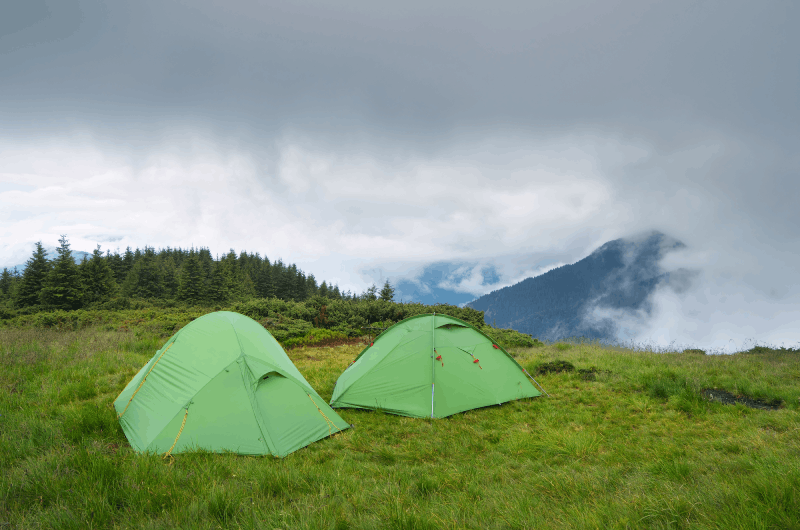
After getting wet in the rain, trying to dry wet clothes inside the tent is like inviting an assault on your waterproofing system from the inside. The steam from wet clothes quickly turns into condensation inside the closed tent and starts dripping from the ceilings onto you. Wet gear should be left in the tent's storage area (absis) or outside under a tarp that does not get rain if possible. If it must be brought inside, it should be kept in a waterproof bag (dry bag) to prevent moisture from spreading into the interior. Managing moisture inside the tent is as critical as protecting against rain from outside.
How Does Renewing the DWR Coating Extend the Tent's Lifespan?
Tent fabrics have a microscopic polymer layer called "Durable Water Repellent" (DWR) on their outer surface. This layer allows water to "bead" and run off the fabric. Sunlight, dust, and abrasion wear down this coating over time. If your tent's fabric starts to absorb water instead of repelling it (wetting out), it means the DWR coating is dead. In this case, the fabric becomes heavy and loses its breathability. Refreshing this layer with spray DWR renewers available on the market after cleaning your tent will restore its original water repellency performance.
How Does Bathtub Floor Design Prevent Flooding?
A tent's floor structure should be in the "bathtub" form. In this design, the floor fabric does not just remain level with the ground but continues uninterrupted up to 10-15 cm above the walls. This way, even if the water level around the tent rises or surface runoff flows past the tent, water is physically prevented from entering through the seams or zippers. When choosing a tent, ensuring that the floor seams are elevated from the ground provides the strongest passive protection against flooding.
What Should Be Included in an Emergency Waterproofing Kit?
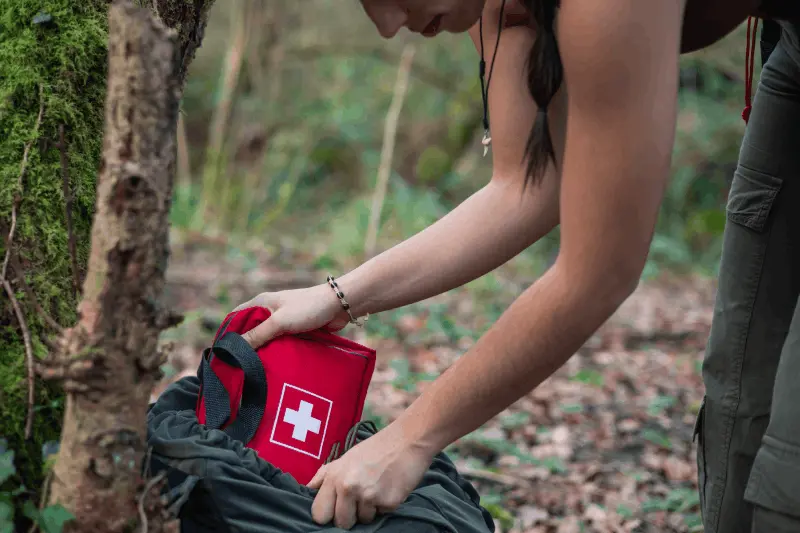
There can always be situations in the wild that do not go as planned. Your tent's fabric can be torn by a branch, or a seam may suddenly start leaking. For such situations, you should carry a small repair kit with you. This kit should include strong adhesive tapes like "Tenacious Tape," a small tube of silicone-based seam sealer, a few spare guy lines, and a large trash bag for emergencies. The trash bag can be lifesaving for patching a leaking area from the inside or outside. Being prepared prevents a small leak from turning into a major disaster.
What to Do When the Soil's Water Absorption Capacity Is Full?
In very heavy and prolonged rains, the soil reaches saturation. After this stage, every drop of rain accumulates on the surface and creates what is known as "surface runoff." If you notice water starting to accumulate in your campsite and the soil is no longer absorbing water, you may need to dig small drainage channels (trenching) around the tent. However, this method should only be done in emergencies due to ecological ethics, and these channels must be filled in after the camp is over. In modern camping, solving this issue through proper site selection is always a priority according to the "Leave No Trace" principle.
How to Minimize Water Ingress in the Storage Area (Absis)?
The storage area or absis section in front of tents is usually without a floor. To prevent this area from turning into a mud pit, the guy lines of the outer fly in this area must be very tight and make full contact with the ground. If the wind enters from underneath the absis, it will also carry rain with it. A small waterproof cover you lay in the absis area will protect your gear and boots from mud. However, this cover must also be placed in a way that does not direct water under the main tent. Keeping this area dry significantly prevents the transport of mud and water into your tent.
Does the Waterproofing Performance of Wet Packed Tents Decrease?
When you have to pack your tent wet in the rain, it is unavoidable to stuff it into your bag while wet. However, this poses a significant threat to the tent's waterproofing technology. Mold and mildew grow rapidly in a wet tent; these microorganisms chemically break down the polyurethane coating and the DWR layer. Additionally, wet seam tapes can become unsealed. The most important thing to do as soon as you return home is to dry the tent completely in a shaded and ventilated area. A tent that is stored without drying completely will leave you at risk of leaking in the next camp.
How Do Silicone and Polyurethane Coatings Affect Water Resistance?
There are two main types of coatings on the market: Polyurethane (PU) and Silicone (Sil). PU coatings are generally cheaper and allow for factory-taped seams, but over time they can become adhesive and peel off due to a process called "hydrolysis." Silicone coatings, on the other hand, are much more durable, do not peel off, and strengthen the fabric but are more expensive. In some tents, the outer surface is silicone, while the inner surface is PU coated (Sil/PU). This hybrid structure allows for seam taping and benefits from the durability of silicone. Knowing which technology you have is essential for selecting the right maintenance product (whether silicone-based or water-based).
What Methods Should Be Followed to Prevent the Inner Tent from Getting Wet During Setup?
Some tents require the inner tent to be set up first (inner-first). If you are setting up the tent under heavy rain, the inner tent can get completely wet until the outer fly is placed over it. To overcome this issue, tents with "integral pitch" or "outer-first" setup features should be preferred. If your tent is inner-first, you can set it up under a tarp or try to hold the outer fly like a poncho while setting up the poles inside to protect the interior. Keeping the inner tent dry is a key determinant of your comfort throughout the night.
What Is the Hidden Effect of UV Damage on Waterproofing?
When it comes to protection from rain, sunlight does not come to mind, but UV rays from the sun are the biggest enemy of tent fabric. UV rays weaken the fabric fibers and microscopically damage the waterproofing coatings. A tent that has been exposed to the sun for a long time can leak water like a sieve when it rains. Therefore, whenever possible, choosing shaded areas while camping or stretching a sun-protective tarp over the tent extends the lifespan of the waterproofing for years. Waterproofing is not only a battle against rain but also against the sun.
What Is the Importance of Tent Poles in High-Altitude Rains?
In high-altitude rain, it often comes with strong winds. If your tent poles are not strong enough, the tent can deform under the weight of wind and water. Deformation of the tent's shape can cause the outer fly to touch the inner tent and allow water to quickly seep inside. Aluminum poles are much more durable and flexible compared to fiberglass poles. Maintaining the tent's aerodynamics in harsh storms is indirectly a part of the waterproofing system due to the quality of the poles.
How Do Wet Shoes and Boots Affect the Inside of the Tent?
On a rainy day, it is critical to leave boots outside or keep them in the absis area before entering the tent. Entering with wet and muddy boots causes the tent's floor fabric to get dirty and damp. Sand and dirt particles on the tent floor act like sandpaper when stepped on, damaging the waterproof membrane. Following the principle of "A clean tent is a dry tent," using separate slippers inside the tent or just staying in socks is a simple yet effective niche method to maintain the integrity of the floor insulation.
How Does the Location of Ventilation Windows Prevent Water Ingress?
The ventilation windows located at the top or sides of tents are usually protected by a "hood" system. It is important to adjust these windows according to the direction of the wind. If the wind blows directly into the window, water droplets can seep in from under the hood. However, completely closing these windows can lead to the condensation disaster mentioned above. Ideally, the windows facing the opposite direction of the wind should be fully opened, while those on the windward side should be kept partially closed or sheltered. This dynamic management keeps the air inside fresh and dry.
How to Create Waterproofing with a Trash Bag in Emergencies?
Creativity in the wild can save lives. If the roof of your tent is torn and you have no tape, you can cut open a large trash bag and spread it over the outer fly. By securing the bag with guy lines over the poles, you can completely cover the leaking area. If the tent's floor starts to take in water, placing a trash bag under your sleeping bag can prevent it from getting wet and reduce the risk of hypothermia. Even the simplest material can turn into a professional waterproofing solution when used with the right engineering mindset.
How to Arrange Items Inside the Tent to Prevent Getting Wet?
Even if the tent starts to leak, the arrangement of items inside can minimize damage. Anything that touches the walls (sleeping bag, clothing bag, etc.) will absorb water from outside like a sponge. Therefore, all items should be gathered in the center of the tent, leaving at least 10-15 cm of space between them and the walls. You should pay special attention to ensure that the foot part of your sleeping bag does not touch the tent wall; movements made while sleeping at night can push the outer fly inward and initiate water transfer. The "central arrangement" rule increases your chances of staying dry at the moment of leakage by 80%.
When Should Chemical Water Repellent Sprays Be Used?
Not every spray is suitable for every tent. Spraying a polyurethane-based spray on a silicone-coated tent can damage the fabric. It is important to choose a spray suitable for your tent's fabric type (specific products from brands like Nikwax or Granger’s). These sprays should be used periodically not only to prevent leakage but also to revive the water repellency of aging tents. Applying the spray on a windless and shady day while the tent is set up and taut ensures a uniform protective layer.
What Is the Hidden Danger of Setting Up a Tent Under a Tree in the Rain?
Many campers set up their tents under trees thinking that the trees will block the rain. However, this can lead to a "double rain" effect. Even hours after the rain stops, large droplets accumulating on tree leaves continue to fall onto the tent. These large droplets hit the fabric with higher kinetic energy than normal rain, putting more pressure on the fabric's waterproofing. Additionally, resin and sap from trees can chemically damage the DWR coating by sticking to the fabric. Therefore, aside from wind protection, open but well-drained areas are safer in rainy weather.
What Is the Connection Between Psychological Comfort and Dryness in Rainy Camps?
Staying physically dry directly affects mental resilience. The tent leaking not only means your gear gets wet but also signifies a drop in your morale. The feeling of dryness creates a sense of a "safe zone" against the challenging conditions of nature. By applying all the techniques mentioned above, the dry interior you achieve allows you to observe nature rather than fight against it. This comfort is the most important factor determining your desire for your next camping adventure. For a prepared camper, rain is not an enemy but a part of the scene.
Is Knowledge Your Biggest Shield to Enjoy the Rain?
Preventing your tent from leaking is a comprehensive system management. Starting with the right site selection, this process continues with technical equipment knowledge, correct setup maneuvers, and meticulous maintenance habits. No tent is 100% waterproof, but a knowledgeable user can stay dry even with the weakest equipment. Being in nature always involves accepting a degree of uncertainty; however, minimizing uncertainty in critical matters like waterproofing is the hallmark of a true outdoor expert. May you listen to the sound of raindrops with peace rather than anxiety on your next rainy camping trip.