How is the Zero Waste Philosophy Integrated into Camping Culture?
Spending time in nature is the escape route for modern humans from chaos; however, the traces we leave behind can disrupt the balance of the ecosystem. The zero waste philosophy transforms camping from merely a leisure activity into an ethical stance. This integration begins with recognizing the value of each piece of equipment and resource by breaking the "use-and-throw" cycle. Adopting the zero waste principle while camping is not just about carrying a trash bag; it involves planning in a way that prevents waste from being created from the start. This process requires turning respect for nature into action and being a conscious consumer. Every step of the camper should aim to protect biodiversity and prevent microplastic pollution.
How Does Inventory Planning in the Camping Preparation Phase Prevent Waste Creation?
Planning is the cornerstone of zero waste camping. Determining exactly what you need before leaving home prevents you from having to buy plastic-packaged products out of urgent need on the road or at the campsite. Reviewing your existing equipment and filling in gaps with second-hand or sustainable resources reduces your environmental footprint. You should choose each item you take with you by considering what it will turn into at the end of the camp. If a product has packaging, returning it to recycling or transferring it to reusable containers while still at home minimizes the amount of waste you need to manage at the campsite. Strategic inventory management allows you to shed unnecessary burdens and move more freely in nature.
What Are Practical Ways to Eliminate Single-Use Packaging in Food Preparation?
The camp kitchen is often the place where the most waste is generated. While ready-made soups, packaged snacks, and frozen foods may seem practical, they create serious plastic pollution. Instead, buying bulk legumes and nuts from stores is a great start. You can make your own energy bars at home and wrap your sandwiches in beeswax cloths. For liquid foods, stainless steel containers, which are lighter and less prone to breakage than glass jars, should be preferred. Portioning your food to take with you prevents food waste and reduces the dish load at the campsite. Remember, the cleanest camp is the one where no packaging has entered.
What Are the Environmental Advantages of Using Enamel and Stainless Steel Instead of Plastic in Your Camp Kitchen Set?
While plastic kitchen utensils are lightweight, they can release chemicals when exposed to heat and leave microplastics in nature over time. Enamel and stainless steel are durable materials. Enamel containers are known for their durability and ease of cleaning, while stainless steel products are the most resistant option to impacts. These materials prevent the formation of a massive waste dump by replacing single-use plastic plates and cutlery. Additionally, the taste of the food you cook in a steel pot is much better than that of the food you eat from a plastic container. Sustainability not only protects the environment but also enhances the quality of the camping experience.
How Do Beeswax Cloths and Silicone Bags Revolutionize the Camp Kitchen?
Aluminum foil and cling film are the most commonly used but nearly impossible to recycle wastes in camping. Beeswax cloths help keep food fresh by allowing it to breathe and can be reused after washing. Silicone bags are versatile tools that can be used in the freezer and boiling water. With these innovative products, you can store everything from your cheese to your vegetables hygienically and with the zero waste principle. Their lightweight nature is a significant advantage for backpacking travelers. These small changes prevent tons of waste from being thrown away in the long run and increase the ecological value of your camping gear.
How Can Plastic Bottle Use Be Eliminated Thanks to Water Purification Methods?
One of the biggest waste items in nature is plastic bottles. Carrying liters of water is both tiring and empty bottles become a serious burden. Instead, using a quality water bottle and a portable water purification filter or UV pen is lifesaving. These technologies make the water you collect from rivers or springs drinkable in seconds, completely eliminating the need for plastic bottles. If you are concerned about the taste of the water, water bottles with activated carbon filters can be a good option. Purifying your own water provides you with an unlimited resource in nature and is one of the most concrete indicators of your responsibility towards the environment.
How Do Grey Water Management and Natural Cleaning Products Protect Water Resources?
The wastewater generated while washing dishes or your hands is called "grey water." Traditional detergents harm the water ecosystem with the phosphates and chemicals they contain and cause algal blooms. In zero waste camping, 100% biodegradable, plant-based soaps should be used. However, even the most natural soap should not be poured directly into the water source. Grey water should be disposed of in a small hole dug at least 60-70 meters away from the water source, allowing the soil to act as a natural filter and break down the bacteria in it. Using traditional methods like vinegar and baking soda for cleaning is the safest way for both your health and the environment.
Why Should Solid Alternatives Be Preferred in Personal Hygiene Products?
Liquid shampoos, shower gels, and soaps are often sold in plastic bottles and carry a risk of leakage. Solid shampoos and soaps can be found unpackaged (paper or naked) and are much more concentrated, lasting longer. Their lightweight nature and the absence of spillage make them ideal for camping backpacks. Additionally, toothpaste tablets are a great alternative to the pollution caused by plastic tubes. These solid products, which you can carry in a metal container, make your camp bathroom completely plastic-free. These natural ingredient products ensure that you do not leave a chemical trace behind when you leave the campsite, as they do not harm your skin.
How is the "Cat Hole" Method Applied When Addressing Toilet Needs in Nature?
Toilet paper and wet wipes are among the hardest wastes to dispose of in nature, especially since wet wipes contain plastic fibers. According to the "Leave No Trace" principle, toilet needs should be addressed by digging a hole 15-20 cm deep away from water sources. This is called a "cat hole." The used toilet paper should either be buried in this hole (if it is completely biodegradable) or taken back in a sealed bag (ziploc). Using water and soap instead of wet wipes or carrying a small bottle of water for hygiene stops waste production. This method prevents both visual pollution and access to waste by wildlife.
How Can Charcoal and Burned Wood Residues Be Minimized in Campfire Management?
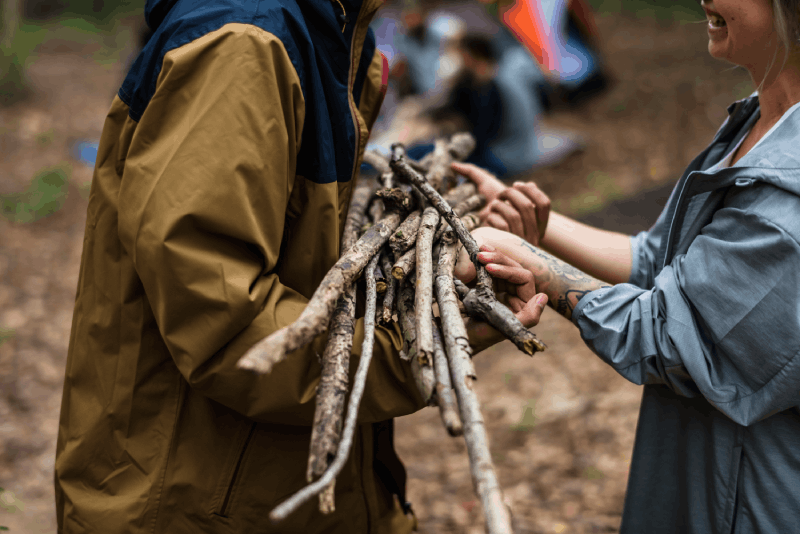
Fire is the spirit of camping, but if mismanaged, it leaves lasting scars on nature. Within the zero waste framework, using existing fire pits or opting for a portable fire pit prevents the burning of the soil. When lighting a fire, only dry, fallen wood should be used; live trees should never be touched. The wood should be allowed to burn completely to ash, and large charcoal pieces should not be left behind. Once the ashes have cooled, they can be spread over a wide area to return to nature. Not lighting a fire at all and only using a camp stove is the most effective method to minimize damage to nature.
How Can Microplastic Pollution from Synthetic Clothing Be Prevented?
Most outdoor clothing is made from synthetic fibers like polyester, nylon, and acrylic. These clothes release thousands of microplastic fibers into the environment through abrasion and washing. Choosing natural fiber clothing like merino wool, hemp, or organic cotton while spending time in nature helps prevent this hidden pollution. Especially merino wool is indispensable for campers due to its odor-resistant and moisture-wicking properties. If you have synthetic clothing, you can control fiber shedding by washing them less or using special washing bags. Choosing clothing is not just a matter of comfort; it is also about breaking the chain of microplastics that reach the oceans.
How Can Consumption Madness Be Overcome Thanks to Repair Kits?
A tear in a tent or a hole in a mat does not mean that the equipment should be thrown away. Carrying a small repair kit (patches, needle-thread, spare clips) in your camping backpack can extend the life of your equipment for years. Zero waste advocates the principle of "repair and reuse." Instead of buying new equipment, repairing the old one protects your wallet and prevents massive carbon emissions and waste generation during the production phase. Choosing quality and repairable products is a long-term investment. Overcoming the challenges you face in nature with creative solutions enhances your camping skills while fostering a sustainable lifestyle.
How Do Rechargeable Batteries and Solar Panels Eliminate Energy Waste?
Single-use batteries used for flashlights, headlamps, and GPS devices are poison reservoirs for nature due to the heavy metals they contain. Instead, it is essential to use devices that can be charged via USB or rechargeable batteries. Foldable solar panels allow you to harness free and clean energy from the sun, freeing you from dependence on external sources. A combination of a power bank and a solar panel can meet your energy needs in a completely eco-friendly way during long-term camps. Leaving dead batteries in nature is a crime; rechargeable systems eliminate this risk and maximize energy efficiency.
How Do Digital Maps and Applications Reduce Paper Waste?
While traditional paper maps may be romantic, they are difficult to update and can become unusable when wet. Digital map applications that work offline reduce paper consumption to zero while providing you with detailed information such as instant location data and elevation profiles. You can navigate safely by using your phone in airplane mode and charging it with a solar panel. Instead of paper brochures or campsite maps, taking a photo of this information or saving it as a PDF is a good step to avoid waste. Putting technology at the service of nature reduces the risk of getting lost and prevents unnecessary tree cutting.
How Can Ecological Impact Be Minimized in Choosing a Campsite?
Choosing the right campsite directly affects nature's ability to regenerate. Instead of untouched areas with dense vegetation, it is critical to prefer previously used, hardened soil areas for the sake of "leave no trace." When setting up your tent, you should avoid damaging the plants on the ground and destroying the nests of ants and other insects. Setting up camp at least 200 steps away from water sources is vital to prevent wildlife from accessing water and to avoid water pollution. Remembering that you are a guest in nature, the fundamental rule is to leave the place you found cleaner than you found it.
Why Are Food Wastes a Major Threat in Interacting with Wildlife?
Throwing away food scraps by saying "it's just food waste" can be deadly for wildlife. Animals that become accustomed to human food lose their natural hunting or foraging instincts and approach human settlements, putting themselves in danger. Additionally, these wastes can harm the digestive systems of wild animals. In zero waste camping, no food waste, even if it is biodegradable, should be left behind. All leftovers should be stored in sealed bags and taken back to the city at the end of the camp. Feeding animals is not loving them; it is betraying their nature. The balance of the ecosystem is maintained by ensuring that every creature has access to its natural food.
How Does Using Second-Hand Equipment Reduce Carbon Footprint?
The outdoor industry has a massive production volume, and every new piece of equipment consumes water, energy, and raw materials during production. Acquiring the equipment you need from second-hand platforms or swap groups extends the lifespan of existing resources. Many quality outdoor products are often used only a few times and then discarded by their owners. Giving these products a second chance reduces textile waste and saves energy that would be spent on new production. Sustainability is not just about not consuming; it is also about utilizing what exists in the most efficient way. Using second-hand equipment is a conscious consumption gesture for a camper.
How Can We Reduce Logistics Waste by Supporting the Local Economy?
Instead of doing all your shopping in supermarkets in big cities before heading to the area where you will camp, shopping from local producers near the campsite reduces carbon emissions from logistical resources. Fresh fruits and vegetables bought from farmers' markets are often unwrapped, directly preventing plastic waste. Shopping from locals also increases social awareness towards protecting that area. Additionally, eating seasonal and local foods helps your body adapt better to the climate. This connection with the local economy transforms your camping experience into a cultural richness.
How Should Waste Separation and Evaluation Process Be Handled After Camping?
At the end of the camp, the fundamental rule is to take back everything you brought with you. However, the process does not end here. When you return to the city, you should dispose of any small amount of waste you have accumulated (if any) in the correct recycling bins. Organic waste can be composted, while paper and metal can be separated. This evaluation phase allows you to see where you made mistakes for your next camp. If too much plastic came out of your backpack, you can think about how to replace that product next time. Zero waste is not a destination but a journey of continuous improvement. This analysis done after each camp makes you a more skilled environmentalist.
How Can Zero Waste Awareness Be Spread in Group Camps?
Camping zero waste alone may be easy, but it becomes challenging in larger groups. As a group leader, it is critical to establish a "waste policy" before going to camp and share it with participants. Asking everyone to bring their own water bottles, cutlery sets, and cloth bags reduces plastic waste by 90%. In communal cooking activities, choosing bulk foods can prevent packaging pollution. Short and enjoyable conversations about waste management around the campfire can spark interest in this topic among other campers. Acting together amplifies the positive impact created and initiates a social change.
How Does Teaching Children Zero Waste Camping Shape Future Generations?
Children learn best by doing and seeing how to protect nature. Beyond just picking up their trash, explaining why we should not create waste instills a vital environmental consciousness. Purifying water together, putting food in cloth bags, or repairing equipment during camp are unforgettable life lessons for them. Children who spend time in nature and protect it will grow up to be environmentally conscious individuals and decision-makers. Zero waste camping teaches children patience, resource management, and living in harmony with nature. This is the most valuable legacy we can leave them: a clean environment and the knowledge to protect it.
What Is the Direct Connection Between Minimalist Camping and Zero Waste?
Minimalism is the philosophy of having no more than what is necessary. This aligns perfectly with zero waste. Less gear means less consumption, less packaging, and ultimately less waste. Those who practice ultralight camping often exhibit a minimalist approach, which reduces their burden on nature. Carrying only the essential tools needed for survival and comfort also provides you with mental lightness. Avoiding unnecessary gadgets saves energy and prevents production waste. Experiencing more with less gear is the purest form of camping.
How Are Natural Fiber Ropes and Twines an Alternative to Plastic Fasteners?
Using natural fiber ropes like hemp, linen, or jute instead of plastic ties or nylon ropes is a small but meaningful detail. Natural ropes, even if forgotten in nature, decompose quickly and do not harm the ecosystem. Additionally, learning proper knot techniques (like bowline or clove hitch) reduces your need for extra materials to secure your equipment. Traditional sailor or climber knots are the most reliable fastening methods and, unlike plastic devices, they never break or degrade. These skills make you a more competent individual in nature while minimizing your dependence on synthetic materials.
How Do Seasonal Changes Affect Waste Management Strategies?
Winter camping can be more challenging in terms of waste management as it requires more energy and higher-calorie food. In cold weather, batteries drain faster, so high-capacity power banks and insulated battery cases should be preferred over solar panels. When it is impossible to dig a "cat hole" in snowy terrain, special leak-proof bags (WAG bags) should be used to carry waste back. In summer, as water needs increase, filtration systems become more critical. Each season has its unique challenges, but the zero waste principle is flexible. Adapting your equipment to the conditions ensures you remain environmentally friendly in all weather.
What Is the Role of Collecting Old Trash in Campsites on the "Net Positive Impact"?
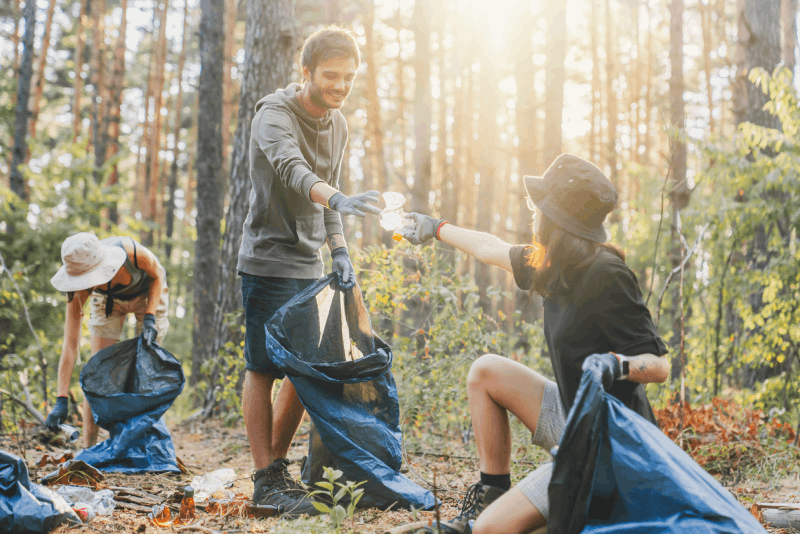
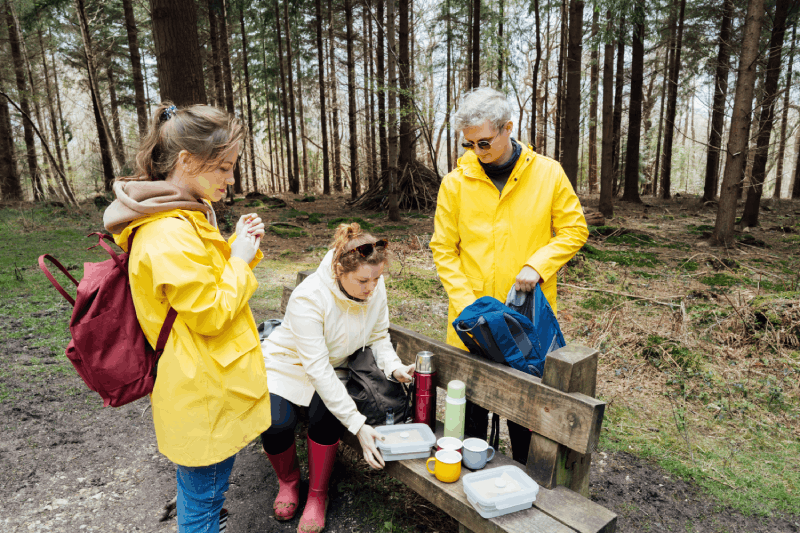
Zero waste camping does not just stop at managing your own waste; it aims to provide a "net positive" contribution to nature. Collecting plastics, cigarette butts, or glass shards left by others at a campsite directly serves the ecological health of that area. Keeping an extra "trash collection bag" with you and filling it up at each camp to return is a type of "rent" that a camper pays to nature. This action sets an example for others in the surrounding environment and can initiate a social cleaning movement. Leaving nature cleaner than you found it is the highest act of the zero waste philosophy.
How Do Plastic-Free Tea and Coffee Brewing Methods Enhance Your Enjoyment?
Tea and coffee times, which are among the most enjoyable moments of camping, can turn into a waste nest due to tea bags and single-use coffee packets. Most tea bags contain epichlorohydrin and microplastics. Instead, using loose tea and stainless steel strainers or French Press-style bottles is much healthier. For coffee, metal-filtered pour-over sets or moka pots are excellent options. These methods also eliminate paper filter waste. The aroma of coffee brewed from freshly ground beans cannot be compared to ready-packaged coffees. Elevating your taste while protecting the world is the most delicious part of a sustainable lifestyle.
Why Are "Ocean-Friendly" Ingredients Important in Choosing Sunscreen and Insect Repellent?
The cosmetic products we use enter lakes and streams through our skin. Sunscreens containing chemicals like oxybenzone can harm the DNA of aquatic life. In zero waste camping, products sold in metal containers that are mineral-based (zinc oxide or titanium dioxide) and labeled "reef safe" should be preferred. Insect repellents should use natural oils like lemon eucalyptus instead of DEET. These products not only protect water sources but also prevent your skin from coming into contact with chemicals. Natural ingredient products remind us that we are a part of nature and that we need to live in harmony with it.
Is Preventing Light Pollution in Camp Lanterns an Ecological Duty?
When we think of waste, we often only consider physical trash, but "light pollution" is also a serious waste for the ecosystem. Extremely bright and uncontrolled LED lights disrupt the navigation and hunting abilities of nocturnal animals (owls, bats, insects). In zero waste camping, only using lamps that illuminate the area you need, have a red light mode, and low lumens is essential. Red light preserves your night vision and disturbs wildlife less. Respecting the natural brightness of the stars in the sky and minimizing artificial light deepens the connection with nature and contributes to ecological balance.
How Can Noise Pollution, Known as "Peace Waste" in Nature, Be Prevented?
Sound is one of the most sensitive balances in nature. Listening to loud music or shouting disrupts animal communication and stresses them. Noise is a type of "waste" that disturbs the peace of nature. The zero waste philosophy also encompasses auditory pollution. Using headphones or simply listening to the sounds of nature (wind, water, birds) transforms the camping experience into a meditation. Silence allows you to notice the presence of other living beings in nature and offers you a real escape opportunity. A quiet camper is the person who best harmonizes with the rhythm of nature. This respectful stance ensures that life in the forest continues without interruption.
Is It Possible to Choose Sustainable and Waste-Free Materials in First Aid Kits?
Safety is always a priority, but you can also make your first aid kit more eco-friendly. Instead of individually plastic-packaged band-aids, you can use roll bandages and natural ingredient disinfectants. Biodegradable bamboo band-aids are a great alternative to traditional plastic ones. First aid supplies stored in a metal container are more durable and reduce plastic waste. Of course, in a medical necessity, waste should not be considered; however, making sustainable choices in standard situations is possible. Protecting your health while improving nature is the result of a holistic approach to life.
Can Traditional Cleaning Methods Like Soapwort and Wood Ash Be Used in Modern Camping?
In the past, people used natural remedies from nature for cleaning. Soapwort (Saponaria) is a plant that foams when it comes into contact with water and has natural cleaning properties. Similarly, wood ash (especially beech ash) is very effective in cleaning due to its ability to dissolve fats. Trying these methods at the campsite not only takes the zero waste principle to the highest point but also revives ancient knowledge. Of course, when using these substances, care should be taken to stay away from water sources. Using the remedies that nature provides reduces your dependence on the chemical industry and grants you complete autonomy.
What Should Be the First Step to Turn Zero Waste Camping Experience into a Lifestyle?
All the steps described throughout the blog actually begin with a single awareness: "I am a part of nature, not its owner." When you internalize this thought, zero waste becomes not a necessity but a passion. The first step is to identify the plastic product you brought the most of on your next camping trip and vow never to use it again. Small victories trigger significant changes. The discipline you gain in nature will soon reflect in your home life and your consumption habits in the city. Zero waste camping is not just about protecting the forest; it is a journey to cleanse our own souls from consumption madness.