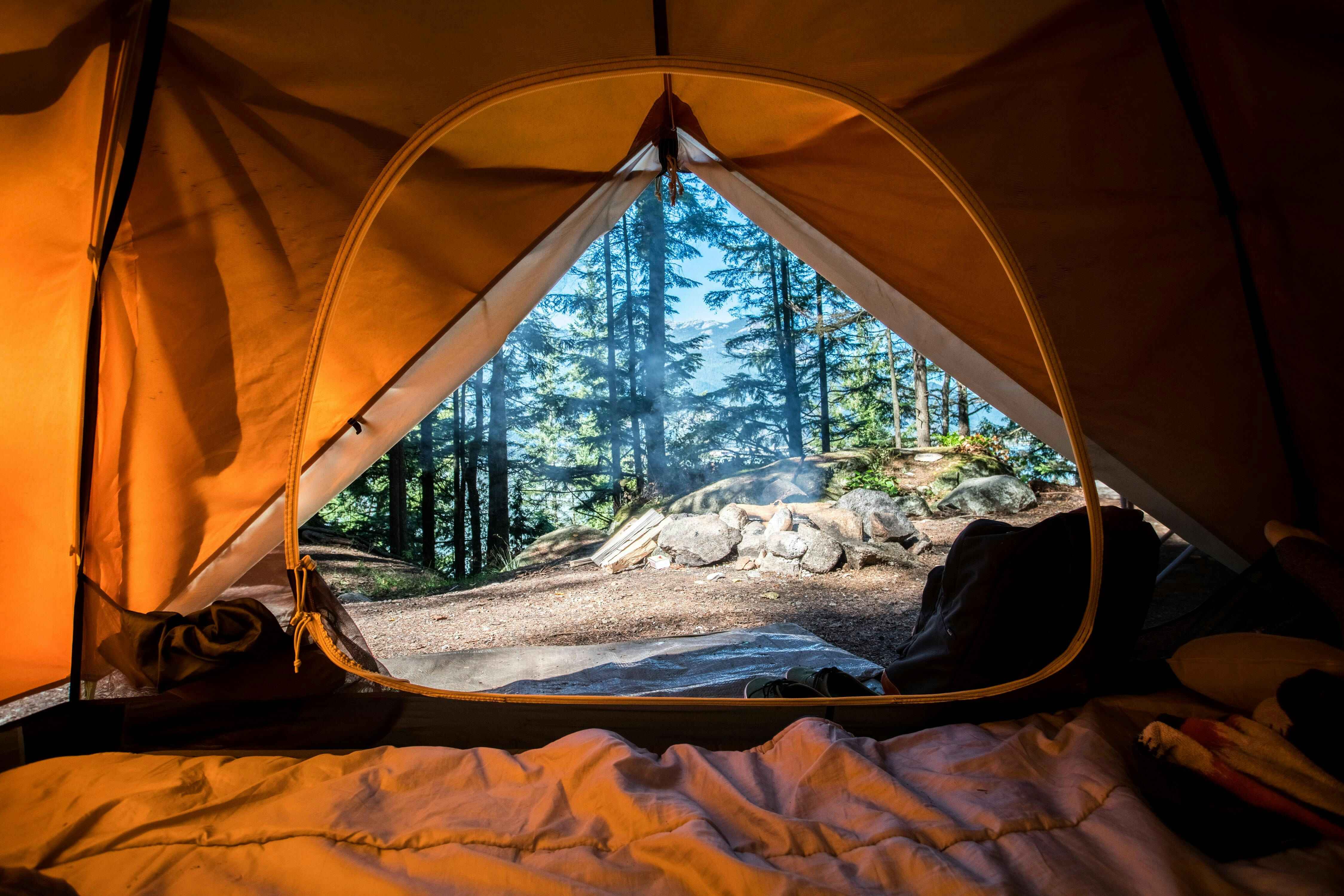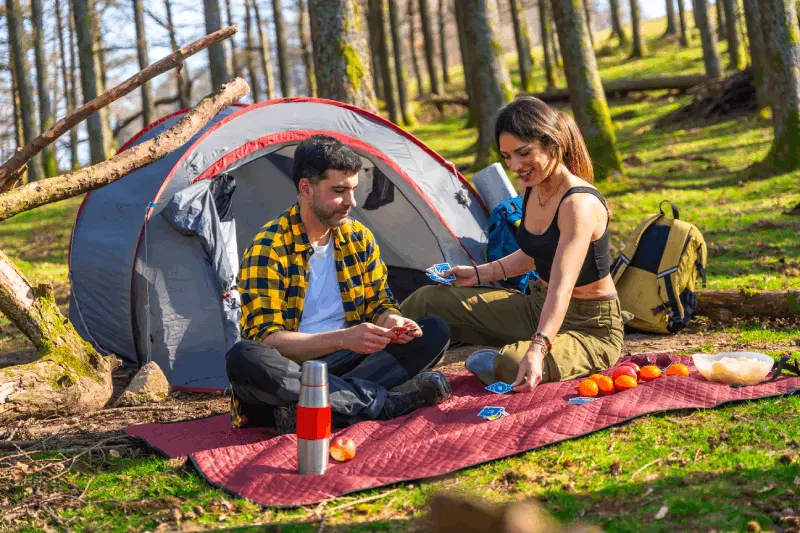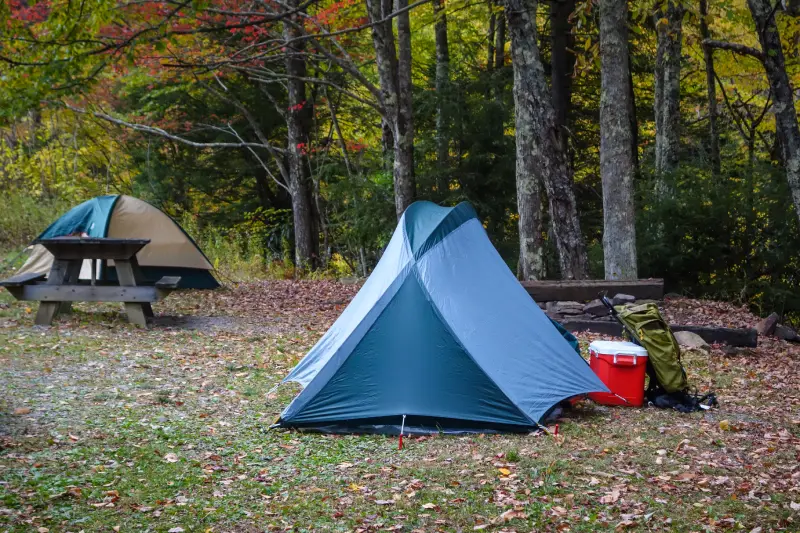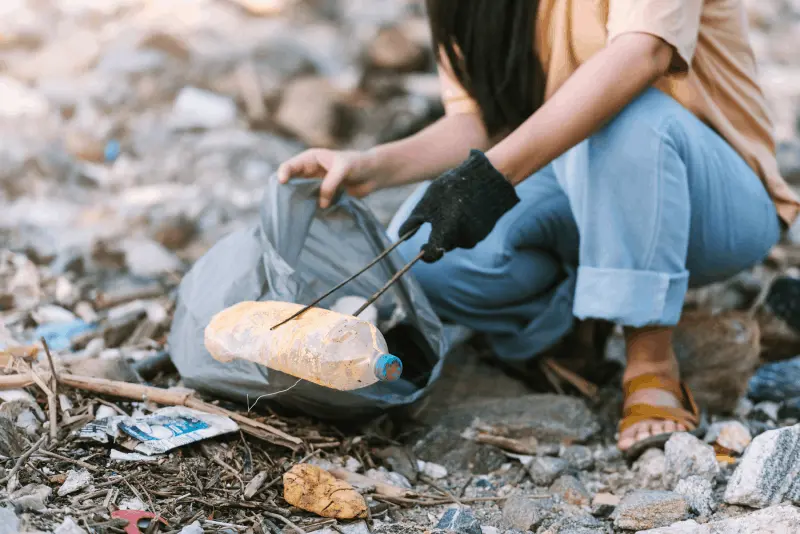
Escaping to nature, getting away from the chaos of modern life, and breathing fresh air is every camper's dream. However, this escape should not come at a cost to nature. Unfortunately, traditional camping often leaves behind plastic items, food packaging, and sometimes even worse. This is where the "Zero Waste" philosophy comes into play. This philosophy aims not only to collect waste but also to prevent waste from being created in the first place.
What is Zero Waste Camping and Why is it Important?
Zero waste camping is a holistic approach that aims to minimize the amount of waste we produce during our time spent in nature and, if possible, eliminate it entirely. It is not just about filling a bag with your trash and taking it home; it involves re-evaluating your consumption habits, choosing sustainable materials, and minimizing your impact on the ecosystem. In nature's own cycle, there is no concept of "waste"; everything is a resource for something else. We should also adapt to this cycle when we go camping. Considering that plastics do not decompose for centuries, preventing the lasting damage that a weekend camping trip can leave in nature is a vital necessity.
How Can Waste Production Be Prevented During the Planning Process?
The most critical phase of the zero waste philosophy is the preparation process before arriving at the campsite. The best way to manage waste is to not bring it to the campsite at all. Opting for bulk products while shopping, using your own cloth bags, and transferring products from store packaging to glass jars or cloth bags at home can make a significant difference. For example, instead of bringing a package of pasta in a cardboard box, putting it in a cloth bag means you have eliminated a piece of paper that you would have thrown in the trash at the campsite. The more meticulous you are during the planning phase, the less waste you will have to deal with at the campsite.
How to Avoid Packaging Use in Food Preparation?
Food is the biggest source of waste in camping. Especially ready-to-eat, "instant cook" foods are filled with plastic and foil packaging. Instead, you can buy fresh fruits and vegetables from bulk bins and wash and cut them at home to take with you. Making your own snacks (granola bars, nut mixes) at home and placing them in reusable containers not only ensures healthier eating but also prevents dozens of small plastic packages from contaminating nature. Beeswax wraps are a great and sustainable alternative to plastic cling films for wrapping sandwiches or cheeses.
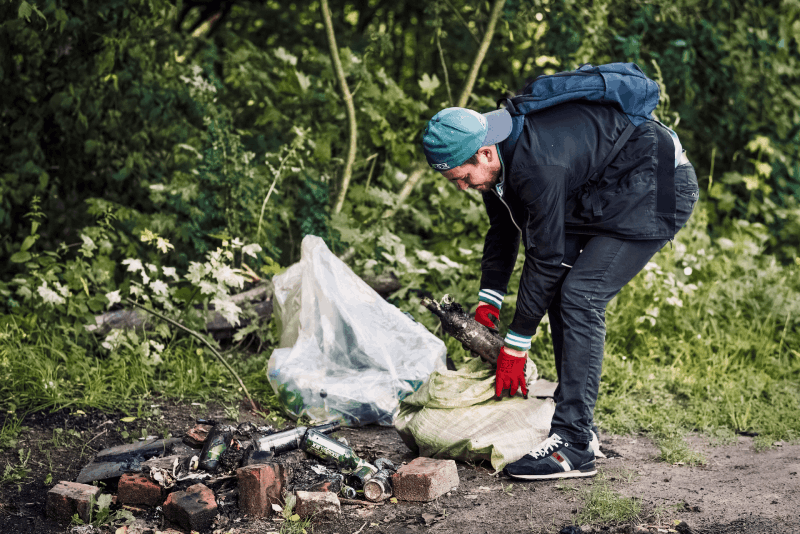
Why is Using a Water Bottle Important in Water Consumption?
Single-use plastic items are one of the main contributors to ocean and forest pollution. If you think about the amount of water a person consumes during a weekend camping trip, you can imagine dozens of plastic items piling up. Instead, using a high-quality, durable stainless steel bottle or hydration pack keeps your water warm and reduces waste production to zero. If there is no reliable water source where you are camping, you can bring large 19-liter refillable jugs or use portable water purification filters to make stream and lake water drinkable. This method not only protects nature but also lightens your camping load.
How Should Waste Be Sorted at the Campsite?
Despite all your efforts, some waste may still be generated. In this case, instead of "throwing everything in one bag," you should establish a proper sorting system. Create three different sections at the campsite: recyclables (metal cans, glass, paper), compostables (organic fruit/vegetable scraps - if the area allows), and general waste. Sorting this waste immediately prevents you from finding everything mixed and contaminated at the end of the camp. When you take sorted waste back to the city, placing it in appropriate recycling bins ensures you complete the cycle. Remember, mixed waste is often considered "trash," while sorted waste is a "resource."
How Should Personal Hygiene Products Be Selected in Nature?
Personal care products often contain microplastics and harmful chemicals. You should ensure that products like toothpaste, shampoo, and soap are biodegradable. However, the label "biodegradable" does not mean these products can be dumped directly into water sources. You should use these products at least 60-70 meters away from water sources. Additionally, instead of traditional plastic toothbrushes, bamboo brushes should be preferred, and solid soaps and shampoo bars instead of liquid shampoos. Solid products do not require packaging and do not pose a risk of leakage, making them ideal for zero waste camping.
Should Organic Waste Be Left in Nature?
A common misconception is that fruit peels or food scraps can be left anywhere because they are "natural." However, foreign materials like apple cores or banana peels are not part of that ecosystem and can take months to decompose. More importantly, these food scraps disrupt the feeding habits of wildlife, habituate them to humans, and can lead to diseases. The "leave no trace" rule applies to organic waste as well. If you are not camping for an extended period and do not have a professional composting system, you should even collect fruit peels and take them back with you.
Why is Durability Important in Choosing Camping Gear?
The biggest waste a camper produces is often a broken tent, a torn mat, or a broken chair. The mentality of "let it be cheap, I'll throw it away if it breaks" is completely contrary to the zero waste philosophy. Choosing quality and repairable equipment protects both your budget and the planet in the long run. When your equipment breaks, you should learn to repair it using repair kits instead of throwing it in the trash immediately. A patch kit, needle and thread, or strong tape can extend the life of a camping chair for years. Using second-hand equipment is also a great way to prevent new production-related waste.
What Are the Alternatives to Single-Use Products?
Plastic cutlery, paper plates, and wet wipes are the most commonly used waste producers among campers. Instead, you should carry a lightweight titanium or stainless steel cutlery set, an enamel plate, and microfiber cloths. Wet wipes never decompose in nature and contain plastic fibers; instead, using a small spray bottle with a water-soap mixture and a cotton cloth is much more effective and cleaner. Creating your own kitchen kit is the most practical way to prevent a bag full of trash after every meal.
Is Burning Waste a Part of Waste Management?
Many campers think that burning their trash is a good solution. This is a very big and dangerous mistake. Burning plastics, coated papers, or aluminum foils releases extremely toxic chemicals into the air and soil. Additionally, you would be inhaling this toxic smoke directly. Fire should only be used for cooking and warming, with appropriate wood. Burning trash permanently alters the soil structure in that area and leaves toxic ash. If something must be burned, it should only be dry branches collected from that area's own ecosystem.
What Should Be Done to Protect Wildlife from Waste?
Animals are extremely sensitive to food odors. When trash cans or bags are left out in the open, bears, foxes, or birds can rummage through this trash. This can lead to animals swallowing plastic, getting injured, and approaching human areas more frequently. You should always store your trash in odor-proof bags and hang them in a high place where animals cannot reach them overnight or keep them inside your vehicle. Protecting animals means not only not feeding them but also not leaving trash that they can access.
How is Grey Water Managed in Nature?
The wastewater generated while washing dishes or hands is called "grey water." Grey water contains food scraps and detergent residues. Dumping this water directly into a lake or stream can harm aquatic life. When washing your dishes, you should first scrape the food scraps from the plate with a paper towel (or cloth) and throw this cloth in your trash. Then, using a very small amount of biodegradable soap, you should wash away from the water source. Pouring dirty water over a wide area of soil allows the soil to filter this water. The best option is to discover methods that clean with minimal water.
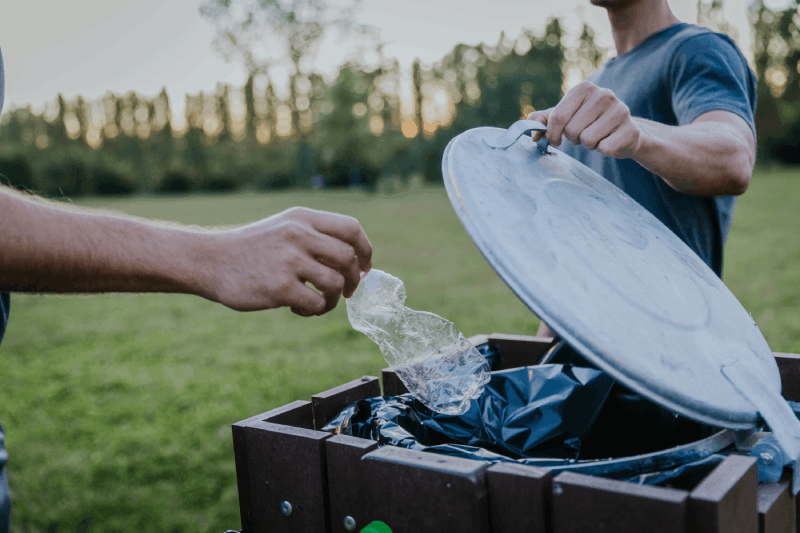
What Should the Cleaning Ritual Be Like After Camping?
Before leaving the campsite, a final "cleaning round" is a signature of the zero waste philosophy. You should not only collect what you left behind but also the cigarette butts, small plastic pieces, or wrappers left by those before you. Our goal should be to "leave it cleaner than we found it." Lightly raking the soil to revive crushed grass and restoring the area where the fire was lit (if there is no fire pit) is necessary. This ritual is a sign of your respect for nature and inspires the next camper.
How Does the Zero Waste Philosophy Beautify the Camping Experience?
At first, zero waste camping may seem challenging or cumbersome. However, once you get used to it, you will experience the peace of not carrying huge trash bags, getting rid of bad odors, and truly connecting with nature. Creating more functional solutions with less material enhances your camping skills. Additionally, knowing that you contributed to preserving this beauty while sipping your coffee in front of a pristine view when you wake up in the morning gives you an invaluable sense of satisfaction. Zero waste is not just a method; it is an increase in quality of life.
Is It Possible to Camp Without Microplastics?
Synthetic clothes (polyester fleece, etc.) release microplastics when washed or worn out. While it may be difficult to completely stop this release during camping, it can be minimized. Choosing clothing made from natural fibers (cotton, wool, linen) allows your body to breathe and prevents plastic particles from being released into the environment. Additionally, opting for metal, wood, or glass products instead of plastic when selecting camping gear is an important step to break the microplastic cycle. While it may not be possible to be completely free of them, we can significantly reduce this impact with conscious choices.
Why is Using a Stove More Eco-Friendly Than a Campfire?
Many people think that the heart of camping is a big fire. However, campfires can kill the microorganisms living in the soil, damage tree roots, and pose a fire risk. Additionally, the ashes and unburned wood left behind create visual pollution. Instead, using a modern, efficient camp stove produces much less waste and harm. Stoves burn fuel completely, quickly provide the desired heat, and do not touch the soil. If you must start a fire, you should use existing fire pits and keep the fire small.
How Can Children Be Taught Waste Management Awareness?
Camping is an excellent laboratory for instilling a love of nature and environmental awareness in children. You can assign them the task of sorting trash, or organize "trash finding" competitions like the "leave no trace" game in nature. Explaining to them how long it takes for a plastic item to decompose in nature helps them combine theoretical knowledge with practice. Children imitate adults; if you put a cigarette butt in your pocket instead of throwing it on the ground, they will exhibit this behavior throughout their lives. Raising future nature lovers starts with our current camping habits.
What Should Be Considered When Choosing a Trash Bag?
The bag you use to carry your trash can also be a waste. Classic thin plastic bags can easily tear and cause trash to spill into nature. Instead, using washable, odor-proof, and durable fabric trash bags (like dry bags) is a great zero waste solution. You can empty this bag at the end of the camp, wash it, and reuse it for your next camping trip. If you must use a plastic bag, it would be wise to choose those made from recycled plastic and try to use this bag multiple times.
How Should a Common Waste Plan Be in Group Camps?
In large groups, waste management can easily get out of control. Before the camp starts, a "waste manager" should be appointed, or a system should be established where everyone is responsible for their own waste. In communal meals, everyone should be required to bring their own personal kit instead of using single-use plates. The group leader should conduct final checks when leaving the campsite and ensure that no waste is left behind. Working together fosters a sense of responsibility and prevents one person's mistake from harming the entire group.
What is the Relationship Between Minimalism and Camping?
The zero waste philosophy is essentially a form of minimalism. The principle of "taking no more than you need" is a golden rule for camping as well. When you take fewer items with you, you pack less, prepare less, and ultimately produce less waste. Using multi-purpose items (for example, containers that can serve as both a bowl and a pot) lightens your load while limiting consumption. The purpose of spending time in nature is not to be surrounded by items but to connect with the environment. A minimalist approach helps you focus on the true purpose of camping by clearing your mind of unnecessary details.
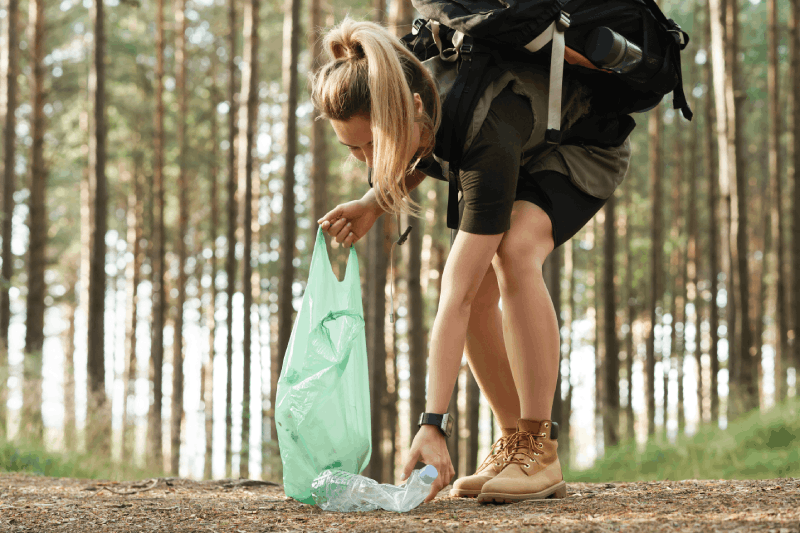
How to Camp Without Harming Local Communities and Economies?
Shopping from nearby villages or local producers in the area where you camp reduces your need for packaged supermarket products. Fresh milk or vegetables from a local vendor are often unwrapped and also reduce your carbon footprint. However, do not forget to bring your own containers or cloth bags for these purchases. Supporting the local economy also increases the motivation of the local people to protect nature. However, to avoid overwhelming the local waste system, you should take your produced waste back to larger cities with developed recycling systems whenever possible.
Why is Waste Management More Difficult in Winter Camping?
Cold weather can pose some physical challenges in waste management. Wet trash or waste buried under snow can be a significant problem. The "leave no trace" rule is harder to apply when camping in winter because every step you take leaves a mark. Any liquid (tea leftovers, food water) spilled on snow leaves lasting stains and mixes with the soil when the snow melts. The importance of using odor-proof containers doubles in winter camps. Trying to hide waste in the snow can lead to a horrifying sight when spring arrives. The "take back what you brought" rule must be strictly applied on snowy grounds.
What Essential Items Should Be Included in a Basic Kit for Zero Waste Camping?
For a successful zero waste camping experience, your bag should contain the following essential items: a high-quality stainless steel water bottle, a titanium or wooden cutlery set, two or three airtight food containers, beeswax wraps, several cloth bags of different sizes, natural soap and solid shampoo, a microfiber cleaning cloth, and a durable trash carrying bag. Once this kit is created, it will serve you for years and prevent tons of waste from being produced at each camp. These items are not just tools; they are also symbols of your commitment to nature.
How Should Toilet Needs and Waste Management Be Handled in Nature?
Human waste, if not managed properly, can pollute water sources and spread disease. If you are in an area without facilities, you should dig a "cat hole" at least 60 meters away from water sources and the campsite, 15-20 cm deep. When you are done, you should cover it with natural soil. The most eco-friendly method for using toilet paper is not to leave it in nature. Placing used toilet paper in sealed bags (ziploc) and taking it back with you is the cleanest solution. If this seems difficult, unscented and uncolored, easily biodegradable papers should be preferred and buried deeply.
What Are the Effects of Cigarette Butts on Nature?
Unfortunately, one of the most commonly encountered wastes in nature is cigarette butts. Butts are not just paper and tobacco as assumed; they contain thousands of chemicals and plastic fibers in their filters. A single butt can contaminate liters of clean water. Campers who smoke should always carry a portable ashtray or a small odor-proof container. Even shaking out the ashes can alter the acidity of the soil. Not allowing anything to burn in nature and collecting every tiny piece is essential for a true nature lover.
What is the Role of Campers in Creating a Sustainable Future?
Campers are protectors on the front lines of nature. We do not just use nature; we also build a connection with it. Adopting the zero waste philosophy strengthens this bond and invests in the future of our planet. Each camper's individual effort contributes to the formation of a collective consciousness. You can inspire others by sharing not only beautiful views on social media but also your cleaning processes and zero waste solutions. Remember, the world was not inherited from our ancestors; we borrowed it from our children.
Waste management and the zero waste philosophy while camping is more than a technical necessity; it is an ethical stance. Being conscious in every step, from planning to equipment selection, from food preparation to post-camp cleaning, is essential. We should only leave footprints in nature and only take photographs. By integrating the tips in this article into your life and your camps, you can enrich your own camping experience and contribute to the preservation of wildlife. Loving nature starts with protecting it. How about opening a new chapter with the zero waste principle on your next camping trip?