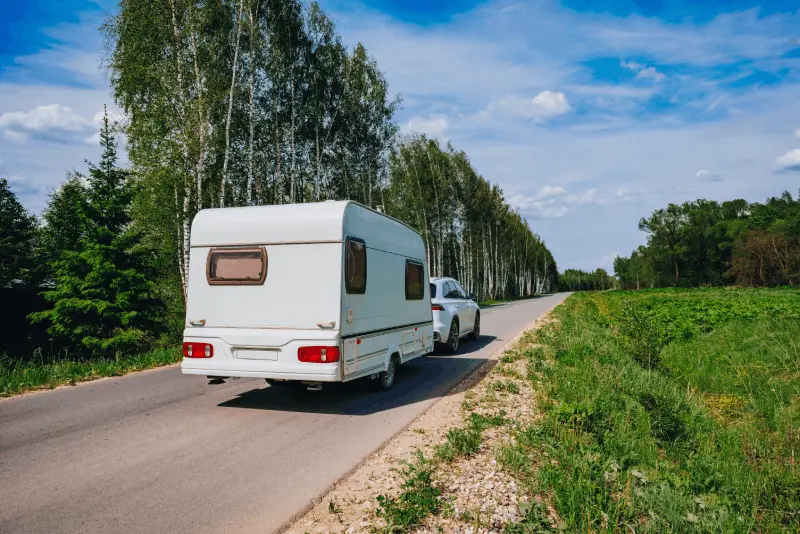
The caravan life may seem like waking up to a different view every day, freely determining your route, and living in minimalist peace from the outside; however, on the other side of the coin lies a serious adaptation process. Stepping out of the comfort zone provided by concrete walls and fitting into a few square meters on wheels requires not only changing your belongings but also your habits. So, what awaits you at the beginning of this journey, and how long does it really take to feel like a "caravaner"? Here is the entire adaptation process to caravan life.
How to Decide to Transition to Caravan Life?
The decision to transition to caravan life usually sprouts from the desire to escape the suffocating pace of modern city life. However, making this decision does not end with just buying a vehicle; you need to question your life philosophy from the ground up. People often test this experience with the caravans they rent during vacations, but a full-time life brings much different responsibilities. When making this decision, you should evaluate how much you can compromise on your comfort and how long you can coexist with your partner in a confined space or in solitude. The preparation phase usually lasts between 3 to 6 months, and the research conducted during this period forms the cornerstones of the adaptation process.
What Does It Feel Like to Sleep in a Caravan for the First Night?
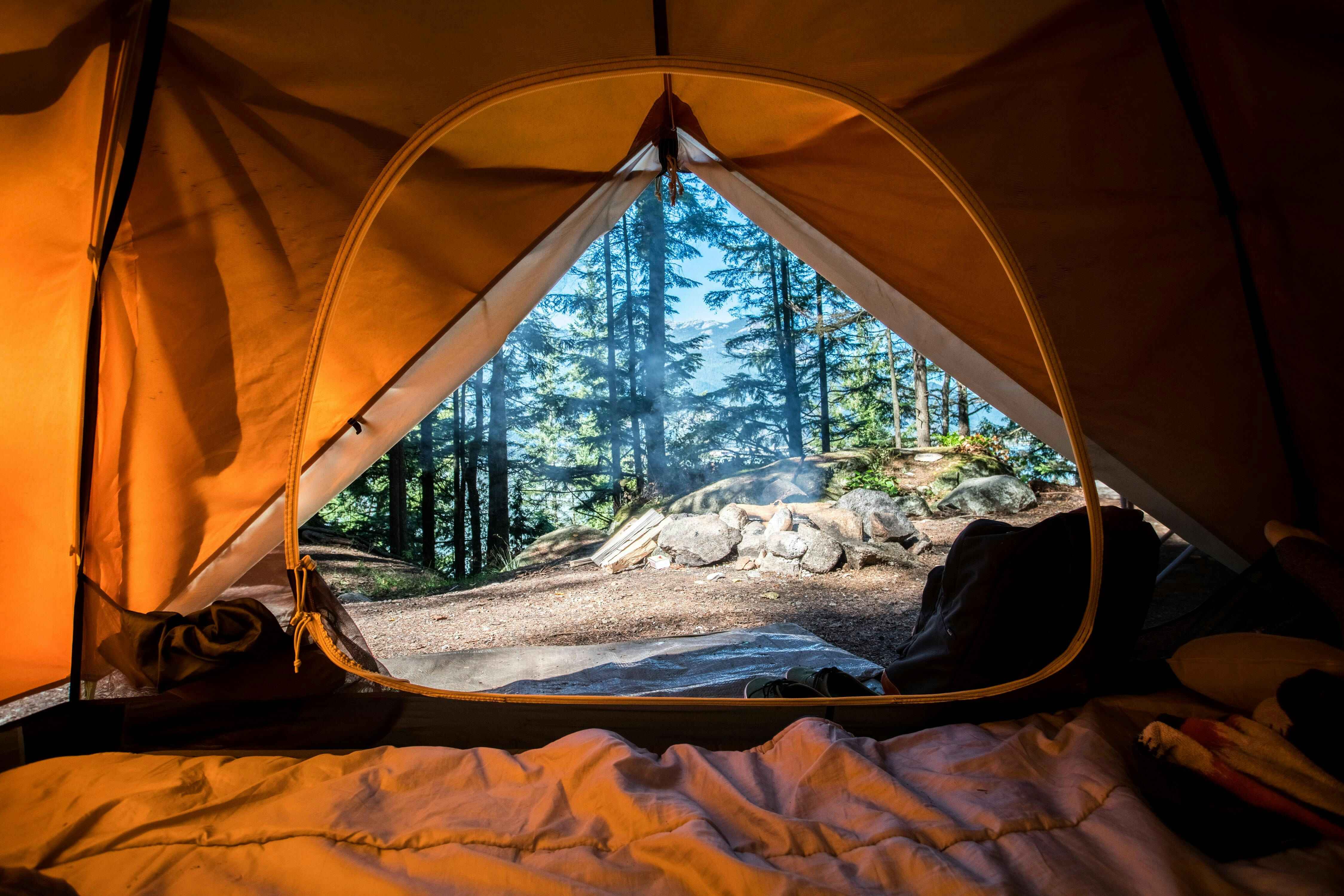
Your first night in the caravan is an unforgettable experience filled with adrenaline and uncertainty. The endless silence of your home or the hustle and bustle of the city you are used to is replaced by the sounds of nature outside the caravan or the rustling of the wind hitting the vehicle's metal. It is generally difficult to get a deep sleep on the first night; because your brain may perceive the new environment as "unsafe" and react to every little noise. However, when you wake up in the morning, opening the door and stepping directly into nature is a powerful source of motivation that can wash away all that fatigue and anxiety in an instant. This first contact is the most critical threshold of adaptation.
How Long Does It Take to Adapt to Water and Electricity Management?
In city life, you know that the water won't run out when you turn on the tap, and the electricity won't cut off when you plug something into the socket. In a caravan, however, every drop of water and every watt of electricity is precious. Keeping track of the water tank's fullness, emptying the gray water tank, and calculating the energy from solar panels creates a constant mental load for the first few weeks. Generally, within 2 to 4 weeks, you start to instinctively understand how much water you can use for a shower or how much energy each device consumes. This process will instill incredible discipline in you regarding resource management.
Is the Transition to a Minimalist Lifestyle Difficult?
Hundreds of clothes at home, kitchen appliances, decorative items, and everything saved for "one day I might need it" must be eliminated when transitioning to a caravan. Living with only the items you truly need may initially create a sense of deprivation, but over time it brings significant relief. In a caravan, every item has its place, and chaos begins when you lose that place. Sorting through belongings and organizing in a confined space is an approximate month-long process. At the end of this period, realizing how little you actually need is a mental liberation and one of the most enjoyable parts of adaptation.
What Are the Psychological Effects of Living in a Confined Space?
The interior space of a caravan is even smaller than an average room. This confined space can feel overwhelming, especially on rainy days or when you can't go outside. The feeling of "cabin fever" is a common experience within the first month. However, learning to cope with this situation is the essence of caravan life. When you start to see your living space not just as the inside of a vehicle but as a piece of nature you are in, your psychological boundaries expand. After a few months, that small space begins to feel like the safest and warmest nest in the world. This spatial perception change in the mind is the greatest indicator that adaptation has been completed.
How to Solve the Toilet and Bathroom Dilemma?
The most avoided and perhaps the most challenging part of adapting to caravan life is hygiene routines. Emptying a cassette toilet or using a portable toilet can be off-putting for many people at first. Similarly, showering with limited water or using external facilities (gyms, campgrounds) requires planning. Adapting to this logistical arrangement usually takes about a month. The moment you replace your hygiene concerns with practicality, you have become a true part of caravan life. Remember that managing waste without harming nature during this process is also a moral responsibility that needs to be learned.
How to Adapt to Kitchen Organization and Cooking?
The caravan kitchen is so small that you can only do one task at a time. Not being able to find a place to put the pot while chopping vegetables, the absence of an oven, or the small size of the refrigerator changes your cooking habits. One-pot meals, quick-cooking foods, and cooking over a fire become the culinary culture of this life. It is normal to have accidents in the kitchen or to struggle with space management during the first few weeks. However, after about a month, seeing that you can set up great tables with limited resources boosts your confidence significantly. The caravan kitchen is one of the areas that most triggers your creativity.
How to Cope with Security Concerns?
Questions like "What if someone comes at night?", "Is this place unsafe?" are common for newcomers to caravan life. These concerns can create anxiety, but learning to manage them is part of the journey. Building a sense of security in your caravan, understanding the surroundings, and establishing routines can help alleviate these fears. Engaging with fellow caravaners and sharing experiences can also provide reassurance. Over time, as you become more accustomed to the lifestyle, these concerns often diminish, allowing you to enjoy the freedom that comes with caravan living.
These are the questions that most occupy the minds of aspiring caravaners. Learning to choose a safe parking spot, being aware of the surroundings while not becoming paranoid is a delicate balance. This balance is usually established after 2-3 months of experience. As you learn which areas are safe, how to communicate with the locals, and how to act in emergencies, your anxiety level decreases. As your confidence in your caravan's locks and alarm systems increases, you begin to sleep peacefully in the midst of nature.How Does Distancing from Social Environment Affect Psychology?
The caravan life physically distances you from your friends and family. Initially, this may feel like freedom, but after a while, it can trigger a deep sense of loneliness. It is critical at this point to transfer your social life to digital platforms or to build a community with other caravaners in the places you visit. Caravan communities (vanlife community) are quite helpful and sharing. Meeting new people and sharing stories around the evening fire begins to meet your social needs. Getting used to social isolation and acquiring a new environment is usually a process that varies between 3 to 6 months.
Is It Possible to Work and Stay Productive in a Caravan?
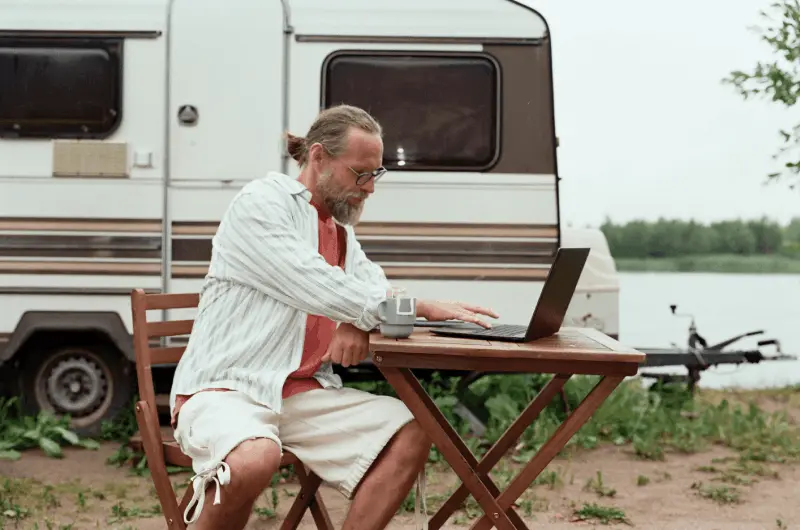
If you are a digital nomad, the caravan is both your home and your office. A loss of internet connection, the sun reflecting off the screen, or the distracting view outside can decrease your work efficiency. Establishing a work routine and acquiring the right equipment (Wi-Fi boosters, portable power stations, etc.) is the technical aspect of adaptation. You may struggle to balance work and travel during the first month. However, if you maintain discipline, you will realize that the pleasure of working against the backdrop of the world's most beautiful views is something you cannot find in any other office.
How to Prepare for Weather Changes?
Your connection with nature while living in a caravan is direct and intense. You will feel a drop of 5 degrees outside or a heavy rain instantly. The use of heating systems (Webasto etc.), maintaining the caravan's insulation and humidity balance requires technical knowledge. Spending your first winter or trying to stay inside the caravan during extreme heat is the "mastery" phase of adaptation. Learning to change routes according to the weather, parking according to the direction of the wind requires completing an approximate yearly cycle (four seasons). During this process, you will begin to decipher the language of nature.
Is Caravan Maintenance a Burden?
A caravan is not just a home; it is also a complex machine. Technical issues such as engine maintenance, tire pressures, water leaks, solar panel cleaning, and battery voltage monitoring become a part of your life. Getting used to holding the keys in your hand and being able to fix minor issues yourself gives you great independence. Although these technical details may seem like a burden at first, after 3-4 months, you will start to recognize your vehicle as an "organ" of yours. Knowing what every sound coming from the caravan means reduces your fear of breaking down and makes you feel more competent.
How Does Life with Pets in a Caravan Work?
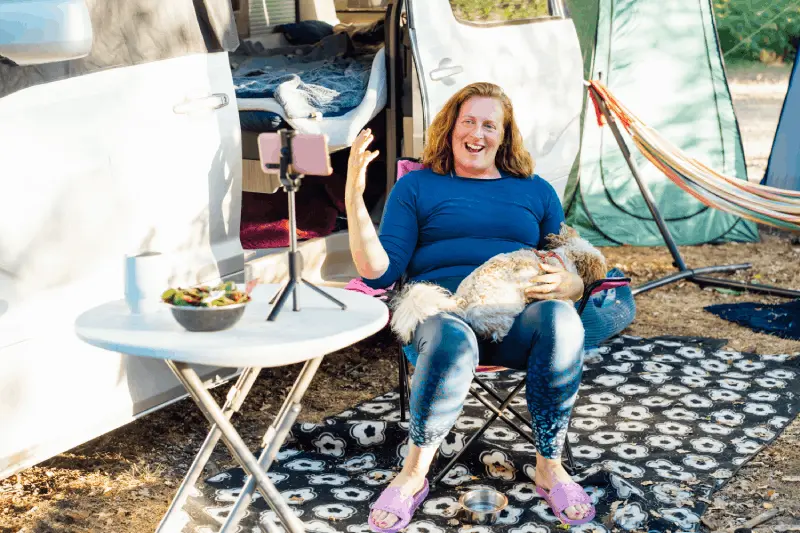
If you are traveling with a dog or cat, they also need to adapt to this process. Although animals generally love being in nature, confined spaces and constantly changing environments can stress them out. Ensuring their safety, managing their toilet needs, and adjusting the comforts inside the vehicle require extra effort. The adaptation of animals is usually faster than that of humans, and they will adopt the caravan as their "own nest" in about 2-4 weeks. Their happiness will also help you connect more closely with caravan life and enjoy moments in nature more.
When Does the Feeling of "Home" Begin to Form?
The answer to this question is entirely a mental equation. The moment you return from a trip and open the door of the caravan, saying "I have arrived home" is that magical moment. This feeling usually emerges after the 3rd month, when all those technical challenges and logistical complexities become routine. The smell of the caravan, the arrangement of your belongings, and that micro-universe the vehicle offers you will no longer feel like a foreign place, but rather a part of your identity. The rush to reach somewhere has ended; it has simply begun to be a state of "being." At this point, the adaptation process is largely considered complete.
Does the Freedom Feeling Brought by Nomadic Life Create Dependency?
Once you get used to caravan life, concrete buildings may start to feel like prisons. The ability to "move your home" whenever you want fundamentally changes a person's perception of freedom. Although this feeling of freedom may initially be a bit disorienting, over time it transforms into a grounded lifestyle. When you feel that it is time for the wheels to turn after staying in one place for too long, it reflects the spirit of a caravaner. This dependency is actually a passion for nature and simplicity, and it often becomes an inseparable part of your character after the 6th month.
How Does Financial Planning and Budget Management Change?
Living in a caravan may be a myth that it is cheap or it may not; it entirely depends on your lifestyle. While expenses like rent and fees end; fuel, maintenance, camping fees, and technology costs can accumulate. New items are added like essential needs. Learning to manage your budget determines how long you can survive in a caravan. Your expenses may be irregular for the first few months, but after 4-5 months, you will clarify your average monthly expenses. Economic freedom and savings awareness are among the most rational and necessary steps to adapt to caravan life.
What Should Be Considered When Determining the Route?
Being in constant motion can be exhausting. Traveling 500 kilometers every day is contrary to the spirit of caravan life and can quickly lead to burnout. Learning to travel slowly, staying in one place for a few weeks to soak in the essence of the location takes time. When determining a route, you will start to consider not only the scenery but also criteria such as proximity to water sources, internet connectivity, and safety. Reaching the point where your planning ability combines with flexibility usually requires about 3 months of travel experience.
How Do Cleaning and Hygiene Standards Evolve?
A caravan is a place that gets dirty very quickly but can also be cleaned very quickly. Not entering with shoes, immediately cleaning up dust, and always putting things back in their place is a survival strategy. The detailed spring cleaning in the city is replaced by quick 10-minute routines done every day. Your understanding of hygiene evolves from a sterile environment to a cleaning that is in harmony with nature. Adapting to this new order takes about a month. The tidy state inside the caravan is actually a reflection of the order in your mind, and this discipline positively reflects on other areas of your life.
Will Sleep Quality Be the Same as at Home?
Many caravaners say that the best sleep of their lives is in the caravan. The reason for this is being away from artificial lights, fresh air, and aligning with the rhythm of nature. Although the narrowness of the bed or outside noises may disturb you at first, once your body adapts to the circadian rhythm (waking up with sunlight and resting in darkness), your sleep quality improves. Within about 2 months, you will get used to waking up without an alarm, to the sounds of birds or the first rays of sunlight. This change is one of the most positive effects on your health.
How Does Caravan Life Test Relationships?
If you are living in a caravan with a partner, it is the biggest test for relationships. Being together 24/7 in a 10 square meter space requires the necessity of finding common solutions in the face of limited personal space and challenges, which either strengthens the relationship significantly or ends it. Not having another room to go to when you argue forces you to improve your communication skills. Learning to respect each other's boundaries, dividing tasks, and being able to understand each other even in silence takes about 6 months. Successful couples become the most harmonious team in the world.
How to Combat Feelings of Loneliness?
For those traveling alone, caravan life is the purest form of being alone with oneself. This situation can sometimes lead to existential pains or deep loneliness. However, during this process, getting to know yourself, dedicating time to your hobbies, and befriending books and nature gives you a great inner strength. When you start to see loneliness not as a "deprivation" but as a "choice," it means you have adapted. This transformation usually takes 3 to 6 months and significantly increases the individual's capacity for self-sufficiency.
When Does the Desire to Return to City Life Trigger?
The adaptation process does not always progress in a linear fashion; there are moments when you think, "What am I doing here?" Especially when faced with consecutive setbacks (a broken part, endless rain, a sleepless night), this desire is triggered. These "breaking moments" are often experienced several times within the first 6 months. If you can get through these moments and remind yourself why you set out, your attachment to caravan life deepens. These moments are actually an important test of your resilience and your suitability for this lifestyle.
How to Get Involved in Caravan Culture and Community?
Caravanning is not just a means of transportation; it is a subculture. The etiquette of greeting, the unwritten rules in campgrounds, and the reflex to help each other are parts of this culture. Engaging in information exchange with other caravaners, getting technical tips from them, and sharing experiences accelerates your adaptation. Participating in a few festivals or spending time at popular caravan stops is a good idea to feel like a part of this community. Integrating into the community is usually completed at the end of the first year when you start helping others as an "experienced" caravanner.
How to Achieve Waste Management and an Eco-Friendly Approach?
Living in a caravan makes you aware of the end of everything you consume. You become extremely sensitive about where you accumulate your waste, where the water goes, and what you leave behind in nature. Approaching the "zero waste" philosophy, using eco-friendly cleaning products, and having the consciousness of leaving nature cleaner than you found it is the moral foundation of this lifestyle. Fully adopting this awareness and turning it into a habit takes about 2-3 months. This process not only develops a vision for the environment that you will carry throughout your life but also in the caravan.
What is the Secret of Long-Term Caravanning?
There is a significant difference between living in a caravan for a few months and sustaining this life for years. The secret of long-term caravanning is "flexibility" and "sustainability." You need to establish a balance while maintaining both your physical and mental health without pushing yourself too hard. Occasionally staying in a hotel, visiting your family, or leaving your route completely uncertain is part of this sustainability. Those who can establish this balance will see the caravan as a temporary passion. No, they can last for years as a lifestyle. Reaching this level of maturity usually requires getting through a year.
Does Spending Winter in a Caravan Require Patience?
Winter is the toughest teacher of caravan life. Issues with heating, frozen water pipes, humidity problems, and the necessity to spend more time in a confined space due to shorter days test your patience. However, the unique silence, snowy landscapes, and the warmth of a cup of tea inside the caravan during winter are entirely different. Once you successfully get through your first winter, you gain the confidence that "I can live in a caravan in any condition." Winter adaptation is the period when technical knowledge and psychological resilience reach their peak.
Why is it Important to Set Limits on Clothing and Personal Items?
Every cubic centimeter in a caravan has its value. Continuously updating your wardrobe according to the season, learning to dress in layers, and choosing only multifunctional clothing makes your life easier. In a world where even a t-shirt takes up space, you will be surprised at how your consumption habits change. Setting and adhering to your item limits directly affects your quality of life inside the caravan. Maintaining this discipline typically requires about a 2-month trial-and-error process. The motto "Less stuff, more peace" will settle in your heart by the end of this process.
How to Optimize Internet Access and Technology Use?
Completely disconnecting from the modern world is often impossible for most caravaners. The internet is essential for connecting with both work and the outside world. Choosing the right operator, using external antennas, and saving data requires technical adaptation. It is important to learn what to do in "dead zones" where the internet does not reach (reading books, using offline maps, etc.). Establishing your technological infrastructure and creating a life routine accordingly is usually the main agenda item for the first month. When the internet issue is resolved, one of the biggest stress factors of caravan life disappears.
How to Maintain a Healthy Lifestyle and Exercise Routine?
Instead of gyms in the city, the caravan itself becomes your gym. Walking, cycling, doing yoga, or simple exercises around the caravan keep your body fit. In terms of nutrition, your access to fresh local produce increases. However, establishing a routine while on the move is challenging. Creating your own discipline and turning an active lifestyle into a habit takes about 3 months. Caravan life makes you physically more active and resilient; this is one of the most valuable gains of adaptation.
How Does the Perception of Time Change in Caravan Life?
In the city, time is measured by appointments and clocks; in the caravan, time flows according to the sunrise, the change of seasons, and the condition of the road. "Slowing down" is the hardest lesson to learn in caravan life but the most rewarding. Understanding that you are there to enjoy the current scenery, rather than rushing to the next destination, takes time. This radical change in the perception of time usually begins after the 4th month. It becomes more important to know where the wind is blowing from or how much water you have left rather than what time it is.
Are You Ready to Be a "Timely" Caravaner?
Ultimately, adapting to caravan life requires about 1 month for technical details, 3 months for logistical arrangements, and at least 6 months to 1 year for mental-spiritual transformation. This journey is not just about going from one place to another; it is a journey into yourself. Every challenge makes you more resilient, every landscape makes you more humble, and every new person enriches you as an individual. If you can be patient and remain open to learning, caravan life promises a freedom and wisdom that no home in the world can offer. If you are ready, turn the key and take the first step; the road is waiting for you.